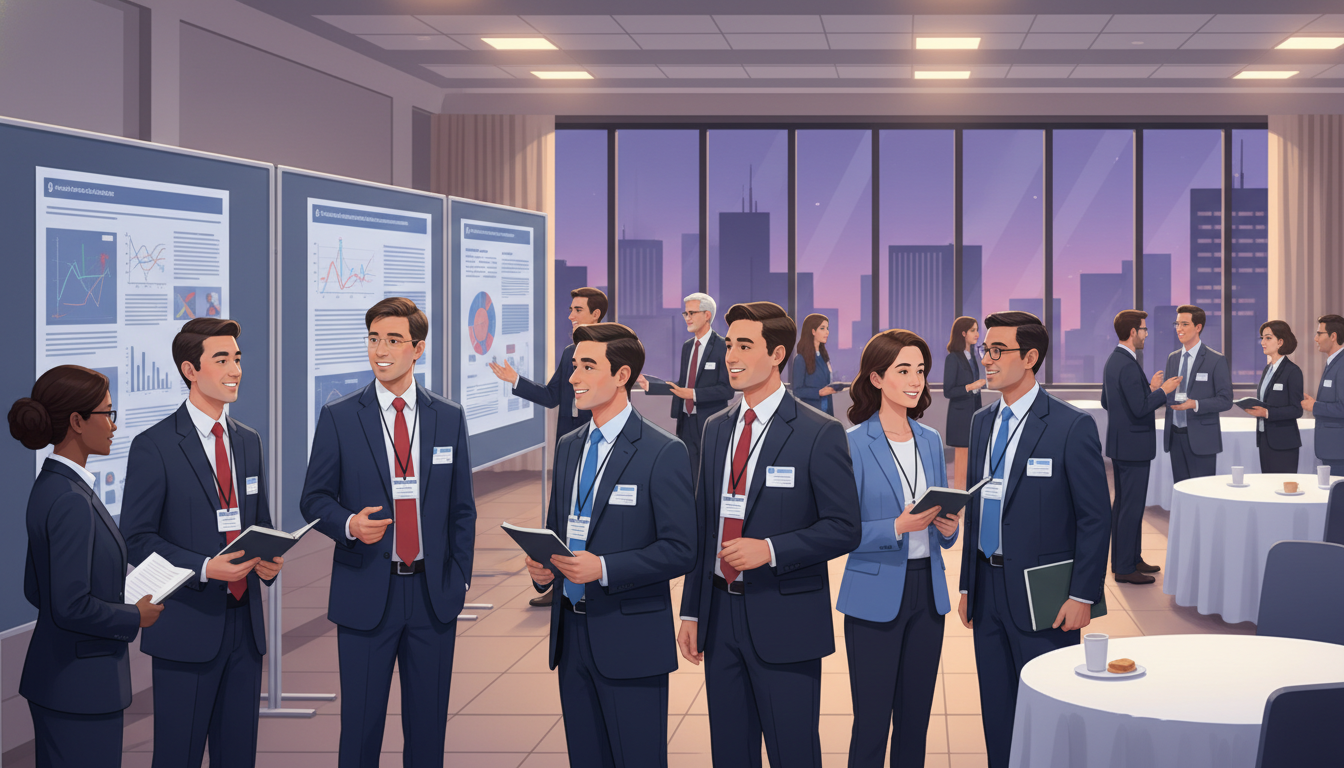
Why Networking Matters So Much for IMGs in Radiation Oncology
Radiation oncology is a small, competitive specialty with tightly knit professional circles. For an international medical graduate (IMG), this reality makes networking in medicine not just helpful—but essential.
Program directors consistently value:
- Evidence of sustained interest in radiation oncology
- Strong letters of recommendation from known faculty
- Demonstrated “fit” with a program and its culture
Networking is how you get all three.
For IMGs, strategic medical networking can:
- Open doors to research opportunities and observerships
- Help you secure mentors who will advocate for you
- Provide insider knowledge about the rad onc match process
- Compensate for lack of a home radiation oncology department or U.S. clinical experience
Radiation oncology departments often know each other well—program directors, faculty, and even chief residents talk. When your name keeps showing up positively across conferences, emails, and projects, you move from “unknown IMG” to “trusted colleague-in-training.” That shift can change your entire residency trajectory.
This IMG residency guide will walk you through:
- How to network effectively before, during, and after conferences
- How to leverage online platforms and virtual communities
- How to build meaningful mentorship in medicine
- Sample emails, conversation openers, and follow-up strategies
- Common pitfalls IMGs face—and how to avoid them
Foundations of Effective Networking for IMGs in Radiation Oncology
Redefining “Networking” So It Doesn’t Feel Fake
Many IMGs feel uncomfortable with the idea of networking in medicine because it sounds transactional or insincere. A better definition:
Networking is building mutually respectful, professional relationships where you learn, contribute, and grow together over time.
That means:
- You are not “begging” for favors; you are seeking guidance and offering effort.
- You don’t need to impress everyone; you need to genuinely connect with a few.
- Quality > quantity of contacts.
Your objective as an IMG in radiation oncology:
- Become visible to the field
- Demonstrate reliability, curiosity, and professional maturity
- Build a small but strong network of supporters and mentors
Know Your Story Before You Start Networking
Before reaching out to anyone, be clear on:
- Why radiation oncology?
Not just “I like technology,” but specific reasons (patient continuity, cancer biology, treatment planning, global oncology, etc.). - Why the U.S. system?
Training structure, research opportunities, multidisciplinary teams, or advanced technology access. - What you bring to the table as an IMG?
Bilingual skills, global health experience, resilience, prior research, or unique clinical background.
Have a 20–30 second “professional intro” ready:
“I’m Dr. [Name], an international medical graduate from [Country/School]. I’ve been involved in [brief research/clinical experience] in radiation oncology, particularly interested in [subarea—e.g., GI cancers, global oncology, proton therapy]. I’m currently [doing observership/research/preparing for Step exams] and exploring academic career paths in rad onc in the U.S.”
You will use variations of this at conferences, in emails, and on LinkedIn.
Networking at Conferences and Meetings: Your Highest-Yield Strategy
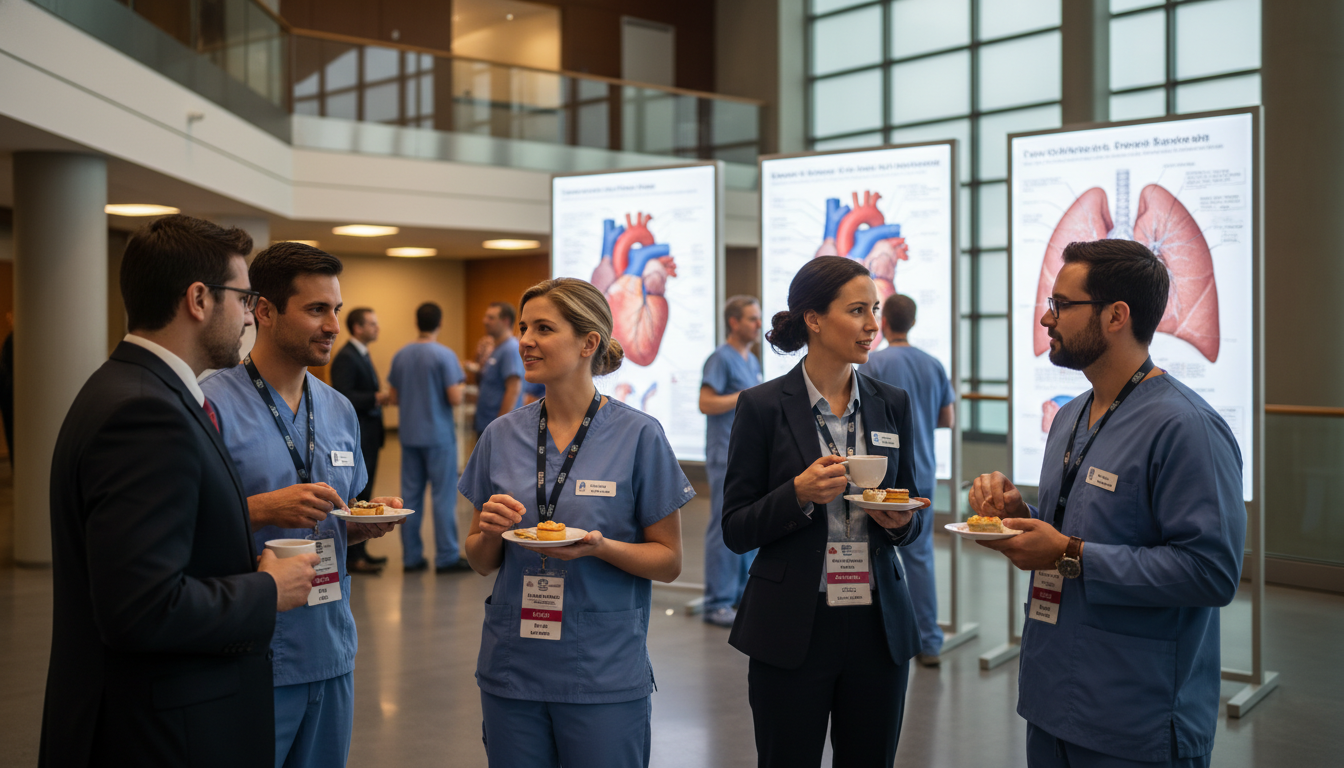
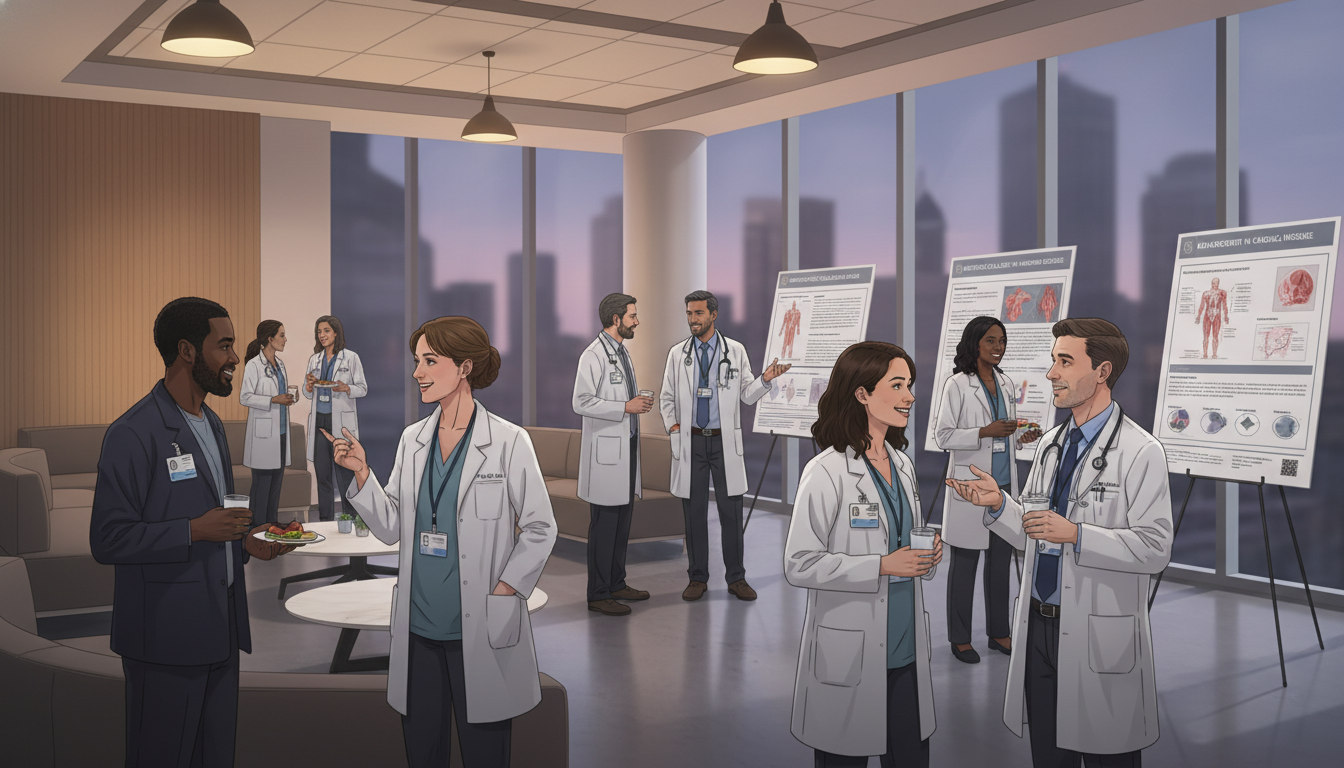
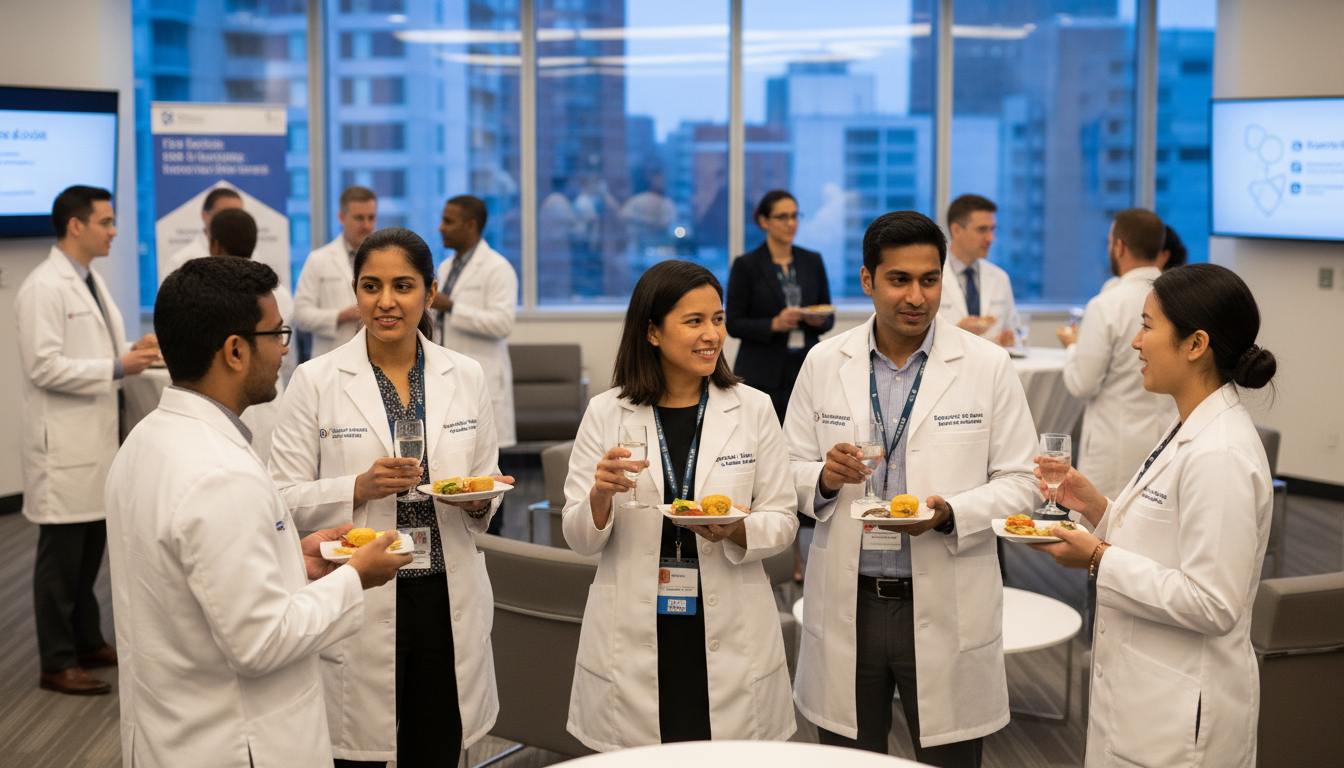
In-person and virtual conferences are the single most powerful tools for an IMG interested in radiation oncology residency. They concentrate faculty, residents, and leaders in one place—and they’re expecting to meet trainees.
Key Conferences for Radiation Oncology
Prioritize at least one of these if financially and logistically possible:
- ASTRO (American Society for Radiation Oncology) – The main U.S. rad onc meeting; highest networking potential.
- ARRO (Association of Residents in Radiation Oncology) sessions at ASTRO – Direct access to residents and program leaders.
- Regional oncology societies – (e.g., state radiation oncology societies, multi-institutional tumor boards)
- Disease-site focused meetings – e.g., ASCO, SABR/SBRT conferences, ESTRO if you have European ties.
If you cannot travel, attend virtual components—many meetings now offer online networking lounges, Q&A, and mentoring sessions.
How to Prepare Before the Conference
Define your goals.
For example:- Meet 3–5 faculty in your key area of interest (e.g., CNS, peds, global health).
- Introduce yourself to residents from 5–10 programs you’re targeting.
- Identify potential mentors for future research.
Research attendees and program events.
- Download the conference app and search by institution and specialty.
- Identify:
- Program directors and associate PDs
- Residents and fellows
- Faculty authors of posters/presentations that align with your interests
- Mark relevant sessions and poster presentations.
Prepare a concise “networking packet” (mentally, not physically):
- 20–30 second intro (as above)
- 1–2 brief stories illustrating your interest in radiation oncology
- Updated CV (PDF on your phone/email for later, not for handing out to everyone)
Use social media and email before the meeting.
Sample pre-conference email:Subject: IMG interested in radiation oncology – hoping to meet at ASTRO
Dear Dr. [Last Name],
My name is [Name], an international medical graduate from [Institution/Country] with a strong interest in radiation oncology, particularly [subfield]. I’ve been following your work on [topic or recent paper] and found [specific aspect] especially inspiring.
I’ll be attending ASTRO this year and noticed you’ll be presenting on [session/poster]. If you have 5–10 minutes during the conference, I would be very grateful for the opportunity to briefly introduce myself and ask your advice on pathways for IMGs pursuing radiation oncology in the U.S.
Thank you for considering this. I appreciate your time and look forward to your presentation.
Sincerely,
[Name], MD
[Country/Institution]
[LinkedIn or email]
You may not receive responses from everyone—that’s normal. Even one or two positive replies are valuable.
How to Approach People at the Conference
1. At Poster Sessions
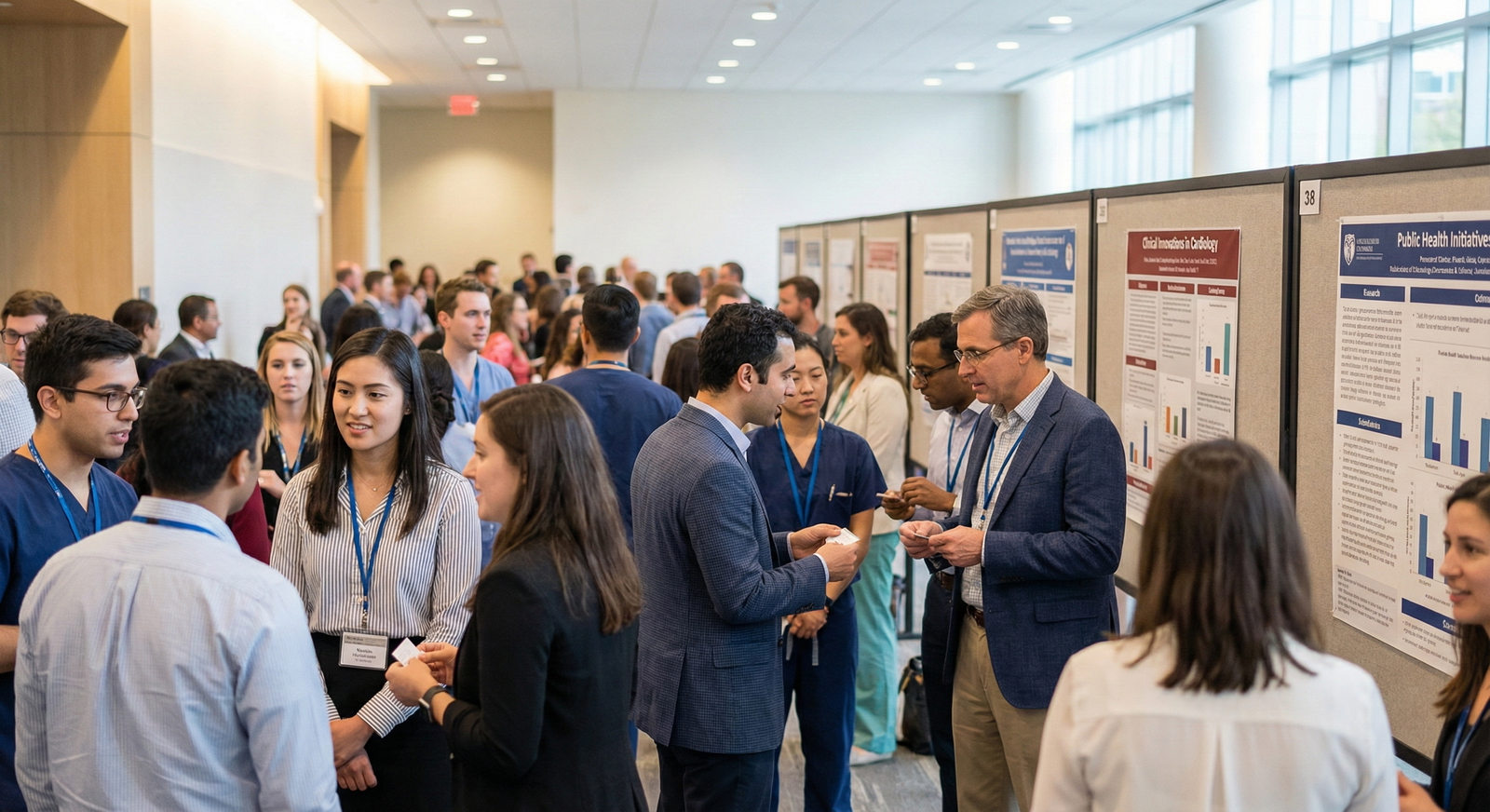
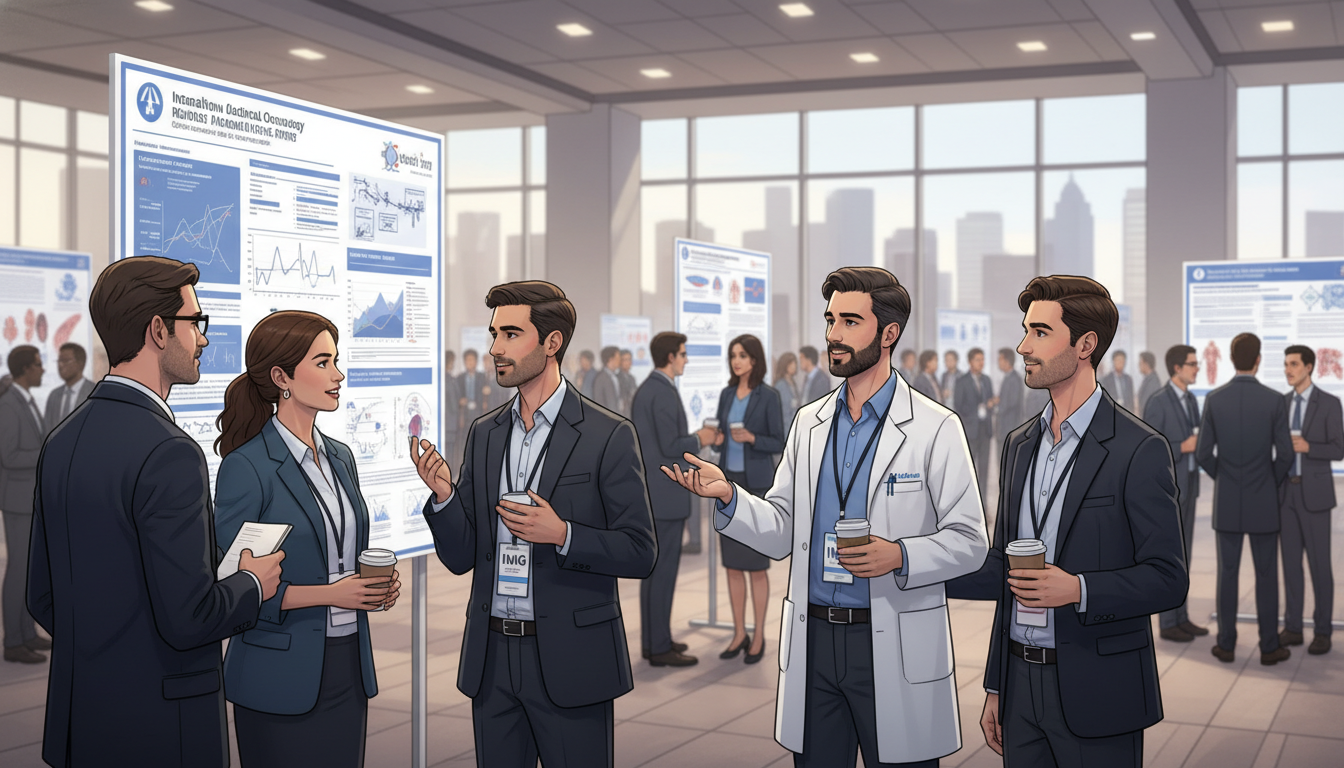
Poster sessions are the most approachable environment for networking.
Arrive early or near the start of the session when presenters are less busy.
Read the title and abstract before approaching.
Stand to the side until there’s a pause, then say:
“Hi, I’m [Name]. I’m an IMG interested in radiation oncology, particularly [subarea]. I really liked the way you [brief compliment about the poster]. Could you share how this project started or how a medical student got involved?”
You’re demonstrating:
- You’re prepared
- You’re interested in their work
- You’re thinking about how to participate in research
If you connect well, end with:
“I’ve really enjoyed our conversation. Would you be open to staying in touch by email or LinkedIn? I would also appreciate any advice you have for IMGs interested in research opportunities in your group or similar projects.”
2. After Talks and Panels
For program directors, ARRO panels, or educational sessions:
- Prepare 1–2 specific questions related to the talk, not your personal application.
- After the session, wait in the short line of people speaking with the presenter.
Example:
“Thank you for your talk, Dr. [Last Name]. I’m an IMG exploring radiation oncology residency. I found your point about [specific content] very helpful. From your experience, what skills should an IMG focus on developing before applying to be competitive in your program or similar programs?”
You are asking for advice, not directly for positions. That makes faculty more willing to talk and remember you.
3. With Residents and Fellows
Residents are sometimes even more influential than faculty in advocating for applicants.
Ask about:
- Program culture and training structure
- How they chose their program
- Their path into rad onc (especially if any are IMGs)
Sample opener:
“Hi, I’m [Name], an IMG considering radiation oncology and currently [research/observership/etc.]. Do you mind if I ask what helped you the most during the rad onc match process and what you wish you had known earlier?”
Residents often remember how hard the process was and are willing to share practical advice, connect you with faculty, or even involve you in projects.
Follow-Up: The Step Most IMGs Skip
Within 3–5 days after the conference:
Send a brief, personalized email to each meaningful contact:
Dear Dr. [Last Name],
It was a pleasure meeting you at [Conference] during your [poster/talk] on [topic]. I especially appreciated your insight about [specific point].
As an IMG working toward a career in radiation oncology, your advice about [summary] was very encouraging. I will [mention how you will act on it—e.g., pursue additional biostatistics training, explore disease-site specific literature, etc.].
If you are ever aware of opportunities suitable for a motivated IMG to contribute to [type of research, e.g., chart reviews, systematic reviews, clinical outcomes projects], I would be grateful to be considered.
Thank you again for your time and generosity.
Sincerely,
[Name], MD
[Institution/Country]
[Contact info]Connect on LinkedIn or follow them on X (Twitter) if professionally appropriate.
Save all names and roles in a simple spreadsheet with notes (where you met, topics discussed, potential opportunities).
Building Long-Term Relationships: Mentorship, Sponsorship, and Ongoing Contact
Short-term conversations are useful, but the real power of networking in medicine is in long-term professional relationships.
Understanding Types of Support
- Mentor: Provides guidance, advice, feedback.
- Sponsor: Actively advocates for you—invites you to projects, introduces you to others, writes strong letters. Often a senior mentor.
- Peer network: Other students, IMGs, and early trainees who share resources, opportunities, and emotional support.
Your goal:
- 1–2 strong mentors (ideally in radiation oncology)
- Several secondary mentors or advisors (e.g., oncology, research methodology, career development)
- A small but active peer network of other IMGs in rad onc
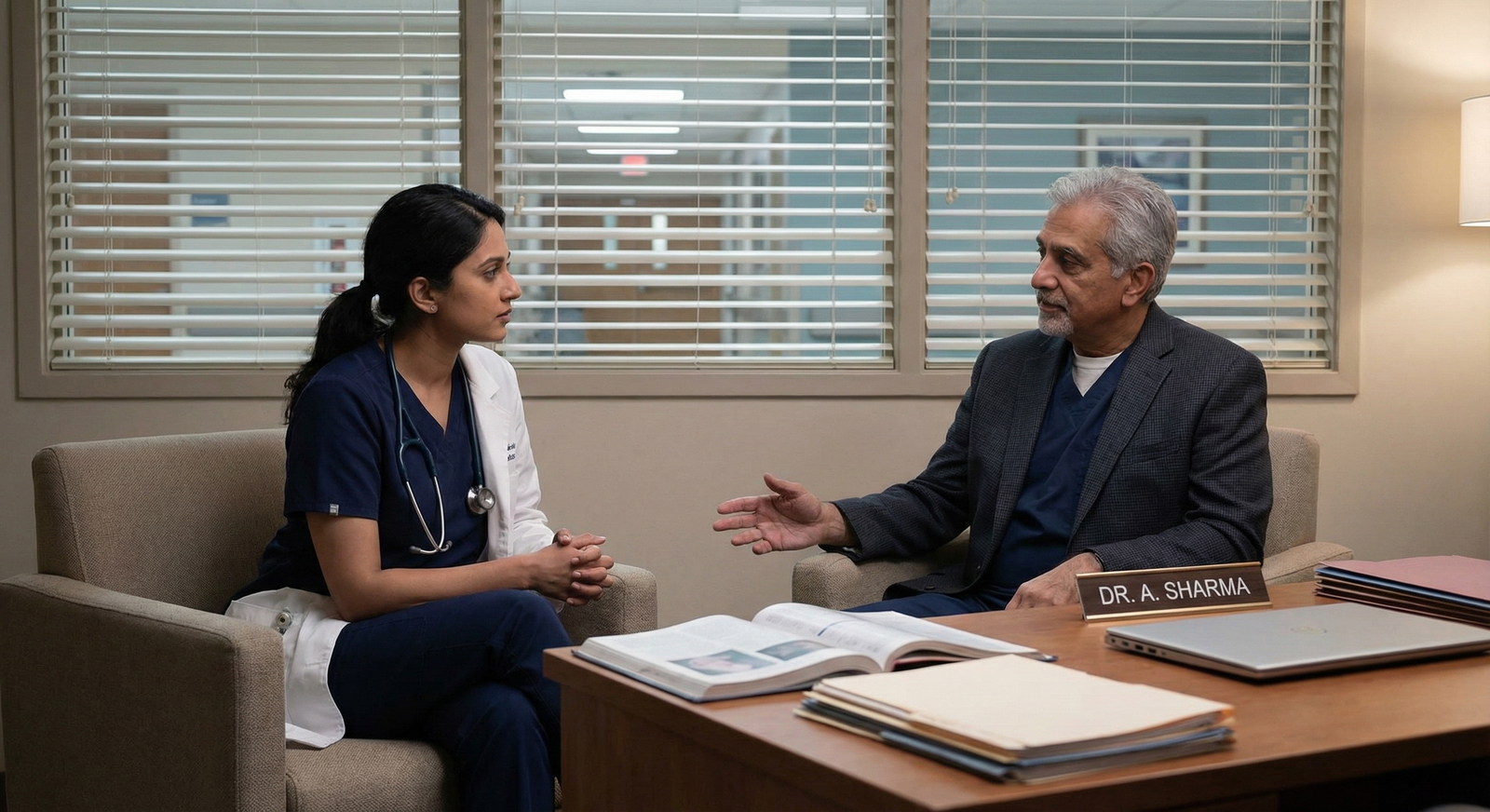
How to Turn a Contact into a Mentor
Start with small asks.
- A single 20–30 minute virtual meeting for advice.
- Feedback on your plan for the next 6–12 months.
Be prepared and structured in meetings.
- Send an agenda in advance:
- Brief background (2–3 sentences)
- Specific questions (3–5 bullets)
- CV attached for context
- Send an agenda in advance:
Demonstrate reliability.
- If they suggest reading certain papers, do it and send a brief reflection.
- If they mention a skill to improve (e.g., stats, contouring basics), update them after you act on it.
Offer value where possible.
- Volunteer for labor-intensive tasks on research projects (data collection, literature search, data entry).
- Be meticulous and responsive; this turns mentors into sponsors.
Practical Example: From Cold Email to Letter Writer
- You email a faculty member after ASTRO.
- They agree to a Zoom meeting to discuss your interests.
- You follow their suggestion to learn contouring through online videos and ASTRO resources.
- Two months later, you check in with a concise update:
- You completed [course], joined [journal club], and are reading [papers].
- They offer a small retrospective project. You:
- Meet deadlines
- Ask intelligent questions
- Communicate clearly
After 6–12 months of consistent work, that faculty member:
- Knows your work ethic
- Understands your career goals
- Is more likely to write a strong, specific letter and speak positively about you during the rad onc match cycle
That is mentorship evolving into sponsorship.
Leveraging Digital Networking: Social Media, Email, and Virtual Communities
For IMGs who cannot physically attend many U.S. events, online networking is critical.
Using LinkedIn for Professional Branding
Optimize your profile:
- Professional headshot
- Headline: “International Medical Graduate | Aspiring Radiation Oncologist | [Research interest]”
- About section: Brief story of your path, interests, and goals
- Experience: Clinical roles, research, teaching, volunteer work
- Featured: Any publications, posters, or presentations
How to use LinkedIn:
Connect with residents, fellows, and junior faculty in radiation oncology.
When sending a request, include a note:
“I’m an IMG exploring radiation oncology in the U.S. and interested in [area]. I’d be grateful to follow your career path and occasionally learn from your experience.”
Share or comment thoughtfully on rad onc-related posts (conference highlights, new publications, educational materials).
X (Twitter) and Academic Radiation Oncology
Many radiation oncologists are active on X for academic discussions.
- Follow: major societies (ASTRO, ESTRO), rad onc departments, educators, and leaders.
- Engage by:
- Liking and retweeting insightful threads
- Asking respectful, specific questions about published work or educational content
- Avoid controversial or unprofessional topics—your digital footprint will be visible during residency applications.
Virtual Mentoring and Networking Programs
Look for:
- ARRO or ASTRO mentorship programs
- Institutional virtual open houses for rad onc programs
- IMG-specific mentorship initiatives (some departments or organizations run these informally—ask residents and faculty).
During virtual events:
- Turn on your camera if possible and professional
- Use your full name + “IMG” or “Aspiring Radiation Oncologist” on Zoom
- Ask brief, targeted questions in Q&A
- Follow up by email with speakers whose advice resonated with you
Applying Networking to the Rad Onc Match: Strategy for IMGs
The end goal of this IMG residency guide is to connect networking in medicine to concrete outcomes in the rad onc match.
Using Networking to Identify Realistic Programs
From your conversations:
- Ask residents/faculty (when appropriate):
- “Does your program consider IMGs?”
- “Are there recent IMGs in your residency or department?”
- Note visa sponsorship history and openness to IMGs.
Use this to build a tiered list:
- Tier 1: Programs with known IMG residents or clear openness
- Tier 2: Programs that rarely take IMGs but have expressed some openness
- Tier 3: Programs that almost never take IMGs (apply only if you have a very strong connection or exceptional profile)
Networking helps you avoid wasting applications on programs where you have virtually no chance.
Letters of Recommendation from Your Network
Aim for:
- At least two letters from U.S. radiation oncologists, ideally from:
- A research mentor
- A clinical/observership supervisor
- Additional letter(s) from:
- Medical oncology/surgical oncology if they know you well
- Home country mentors with strong academic credentials
Your networking efforts should create:
- Longitudinal relationships (>6 months)
- Multiple interactions (research, discussions, meetings)
These lead to detailed letters rather than generic statements.
Away Rotations, Observerships, and Research Positions
Many of these are informally filled through networking rather than public advertisements.
Using your network:
- Ask: “Does your department take visiting students or observers, including IMGs?”
- Ask research mentors: “Are there formal or informal pathways for rotating at your institution if I am able to fund my stay?”
- Join multi-institutional research collaborations—these can expand your network across programs.
Even if you cannot secure an official rotation, observerships plus meaningful research contact can significantly strengthen your application.
Interview Season: Turning Prior Networking into an Advantage
If you are invited to interview:
- Review your contact history with that program:
- Anyone you met at ASTRO?
- Any resident or faculty you spoke to by email?
- Any ongoing project with them?
On interview day:
Mention prior contact naturally:
“I had the chance to speak with Dr. [Name] at ASTRO last year about your program’s approach to [topic]. That conversation really sparked my interest in your department’s emphasis on [specific strength].”
This shows:
- Genuine interest
- Earlier exposure to their culture
- Initiative in networking and learning
After the interview:
- Send tailored thank-you emails referencing specific aspects of the discussions and program.
Common Pitfalls in Networking for IMGs—and How to Avoid Them
Pitfall 1: Being Overly Transactional
Asking for:
- “Can you help me get a residency spot?” in the first email
- “Can you guarantee me an interview?”
Instead, focus on:
- Asking for advice, feedback, and opportunities to contribute.
- Letting support grow organically as they see your dedication.
Pitfall 2: Sending Generic Mass Emails
Faculty can immediately recognize:
- Copy-pasted messages
- Emails with no reference to their work
Always personalize:
- Mention a paper, talk, or specific role they have.
- Clarify why you are reaching out to them specifically.
Pitfall 3: Overcommitting and Under-Delivering
As an IMG eager to impress, you may:
- Take on too many research projects
- Miss deadlines or become non-responsive
This can harm your reputation and spread quickly in the small radiation oncology community.
Better strategy:
- Start with 1–2 projects
- Deliver high-quality work consistently
- Expand only when you’re sure you can sustain your commitments.
Pitfall 4: Ignoring Cultural Nuances
In U.S. academic medicine:
- Professional yet friendly tone is ideal.
- It is acceptable (and expected) to follow up once if there is no response after 10–14 days.
- Overly formal or deferential language can make communication feel distant.
Balance respect with confidence. You are a future colleague, not just a student.
Final Thoughts: A Long-Term, Relationship-Based Approach
Networking in medicine for an international medical graduate in radiation oncology is not about collecting business cards or sending dozens of cold emails. It is about:
- Consistently showing up where the field gathers (conferences, virtual events, online)
- Asking thoughtful questions and listening carefully
- Demonstrating reliability and initiative in any project you join
- Maintaining long-term contact with mentors, residents, and peers
For many IMGs, the difference between an unsuccessful and successful rad onc match cycle often lies not only in exam scores or publications—but in the strength and depth of their professional relationships.
Start early. Be intentional. Focus on genuine connection and contribution. Over time, your network will become one of your greatest assets in building a meaningful career in radiation oncology.
FAQs: Networking in Medicine for IMGs in Radiation Oncology
1. I’m still overseas and haven’t done any U.S. rotations. How can I realistically network?
You can:
- Attend virtual components of ASTRO and other oncology meetings.
- Join webinars, tumor boards, or ARRO sessions offered online.
- Use LinkedIn and X to connect with residents and faculty.
- Reach out via email to authors of papers you admire, asking for brief advice or potential remote research opportunities.
Many IMGs have built strong early relationships entirely online before ever setting foot in the U.S.
2. How many people should I aim to network with at a conference like ASTRO?
Focus on quality. Meeting:
- 3–5 faculty you genuinely connect with
- 5–10 residents, especially at programs you’re considering
is more valuable than handing your card to 50 people. The goal is to have meaningful conversations you can follow up on, not just quick introductions.
3. Is it appropriate to ask directly about residency or observership opportunities?
Yes—but with timing and phrasing in mind.
First:
- Build some rapport.
- Ask for advice and show you’ve done background work.
Later, you can ask:
“Are there any pathways for IMGs to become involved with your department through observerships, research, or visiting rotations?”
This is respectful and allows them to share what’s feasible without feeling pressured.
4. What if I don’t get responses to my emails?
Non-response is common and not necessarily personal. To handle it:
- Wait 10–14 days, then send one short, polite follow-up.
- If there is still no response, move on and try others.
- Improve email quality: shorter, more specific, more personalized.
Remember: you do not need everyone to say yes. A small number of engaged mentors and collaborators can transform your journey to radiation oncology residency.