Understanding Networking in Medicine as an IMG in Addiction Medicine
For an international medical graduate aiming for a career in addiction medicine, networking is not a superficial “extra”—it is a core professional skill. In the U.S. system, where clinical rotations, addiction medicine fellowships, and job opportunities are highly relationship-driven, your ability to build and maintain connections can directly influence your trajectory.
This IMG residency guide will focus on how to navigate networking in medicine specifically for addiction medicine, where the field is relatively small, rapidly evolving, and highly interdisciplinary. You will interact with psychiatrists, internists, family physicians, emergency physicians, social workers, counselors, and public health professionals. Thoughtful medical networking can help you:
- Secure meaningful observerships and clinical experiences in addiction settings
- Gain entry to research projects related to substance use and harm reduction
- Obtain strong letters of recommendation from U.S.-based mentors
- Position yourself competitively for an addiction medicine fellowship
- Stay current in substance abuse training and evidence-based practice
Networking is not about collecting business cards; it is about building professional relationships rooted in curiosity, respect, and shared goals of improving care for people with substance use disorders (SUDs).
Foundations of Effective Networking for IMGs in Addiction Medicine
Why Networking Matters More for IMGs
As an international medical graduate, you often start with:
- Limited U.S. clinical experience
- Smaller local professional network
- Unfamiliarity with the system (residency match, fellowship, credentialing)
- Possible visa and licensing hurdles
Networking in medicine helps bridge these gaps. For addiction medicine in particular:
- The field is tight-knit: program directors, fellowship faculty, and national leaders often know each other.
- Many positions are filled through internal recommendations or word-of-mouth.
- Addiction medicine is evolving; being “known” as motivated and reliable can lead to early access to new projects or roles.
A well-structured networking strategy can compensate for less famous medical schools or non-traditional paths, especially if you demonstrate genuine commitment to treating substance use and co-occurring mental health disorders.
Mindset: Relationship-Building, Not Self-Promotion
Adopt a mindset of long-term relationship building. Instead of asking, “How can this person help me?”, ask:
- “What can I learn from this person?”
- “What problems are they trying to solve, and how can I contribute?”
- “How can we collaborate to improve care for patients with SUDs?”
In addiction medicine, humility, non-judgmental attitudes, and empathy are highly valued. Let these traits guide how you interact with attendings, fellows, peers, and patients alike. Over time, people will remember you as:
- The IMG who consistently volunteers for harm reduction projects
- The observer who asked thoughtful, trauma-informed care questions
- The research assistant who delivered quality work on time
That reputation is the core “currency” of networking in medicine.
Clarity of Goals: What Are You Networking For?
Before you attend conferences or send emails, define what you are trying to achieve over the next 12–24 months:
Common goals for IMG networking in addiction medicine:
- Securing U.S. clinical experience (inpatient detox, outpatient MAT clinics, consult services)
- Finding a research mentor in opioid use disorder, alcohol use disorder, or harm reduction
- Identifying potential mentors for addiction medicine fellowship applications
- Learning about specific programs friendly to IMGs and certain visa types
- Understanding career paths (e.g., psychiatry vs internal medicine vs family medicine routes to addiction)
Write your goals down. When you know what you’re seeking, it becomes easier to:
- Choose the right conferences and organizations
- Ask focused, meaningful questions
- Follow up with relevant, tailored messages
Strategic Conference Networking in Addiction Medicine
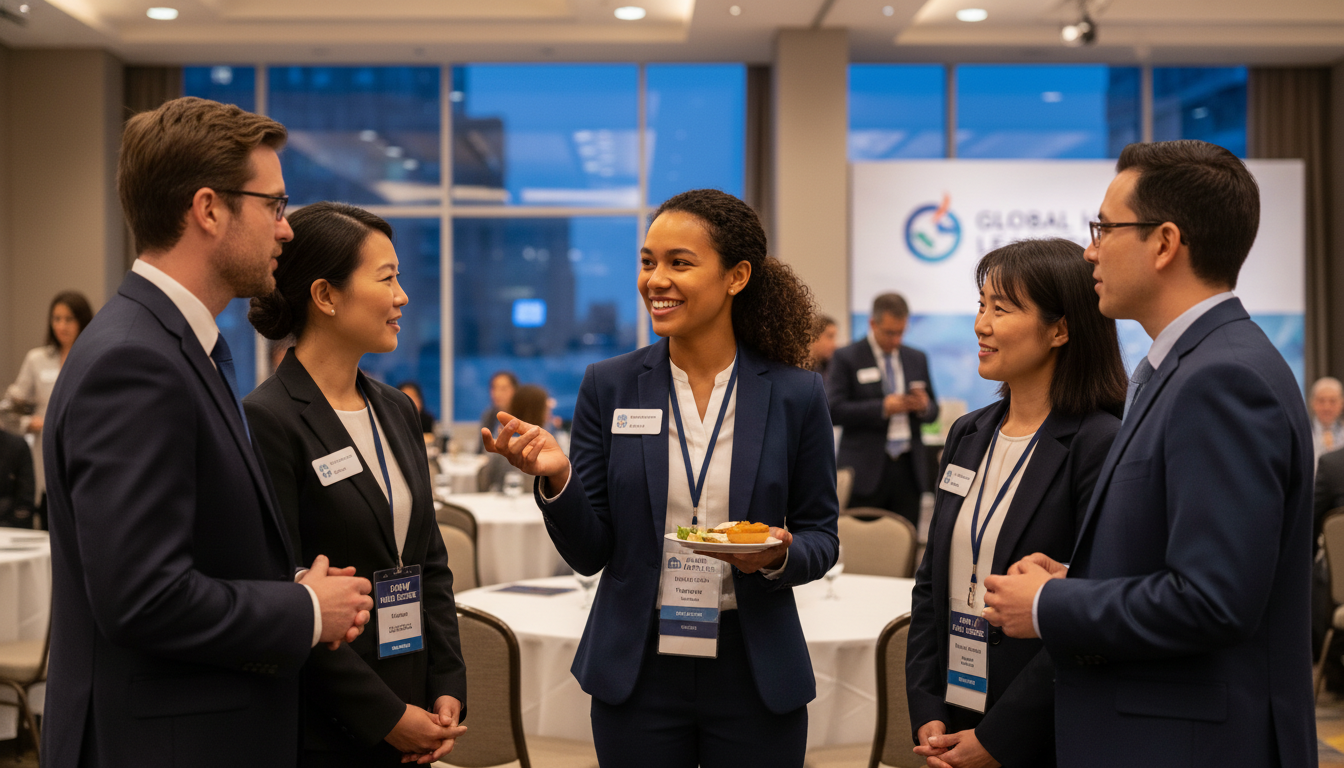
Conferences are high-yield spaces for medical networking, especially for a smaller specialty like addiction medicine. They are where you can meet national leaders, potential mentors, and future colleagues in a condensed timeframe.
Key conferences for addiction medicine and substance abuse training include:
- American Society of Addiction Medicine (ASAM) Annual Conference
- American Academy of Addiction Psychiatry (AAAP) Annual Meeting
- American Psychiatric Association (APA) with addiction-focused tracks
- Society of General Internal Medicine (SGIM) with SUD tracks
- Local or regional opioid task force meetings, state addiction societies, and public health conferences
Pre-Conference Planning: Do Your Homework
Approach conference networking like a clinical procedure: prepare thoroughly.
Study the Program in Advance
- Highlight sessions on opioid use disorder, alcohol use disorder, harm reduction, integrated care, and co-occurring psychiatric disorders.
- Note speakers who are involved in addiction medicine fellowship leadership, program directors, or active researchers.
Identify “Must-Meet” Individuals
Look for:- Fellowship program directors or associate program directors
- Clinicians in institutions where you’d like to do an observership or residency
- Researchers in areas of addiction that align with your interests (e.g., buprenorphine, methadone programs, stimulant use, behavioral addictions)
Prepare Your 20–30 Second Introduction
Create a brief, confident self-introduction:“Hello, Dr. Smith, my name is Dr. [Name]. I’m an international medical graduate from [Country/School], currently in [city/role—e.g., research, observership]. I’m very interested in addiction medicine, especially [specific area], and I’ve been involved with [brief relevant experience]. I really appreciated your work on [topic].”
Practice until it feels natural and not memorized.
Set a Specific Target
Example:- “I want to leave this conference having:
- Met at least three faculty working in addiction medicine fellowship programs
- Introduced myself to two researchers whose work I admire
- Collected 5–10 contacts for future mentorship or collaboration”
- “I want to leave this conference having:
Conference Networking in Real Time: What to Actually Do
1. Attend Relevant Talks and Ask Smart Questions
Sit near the front and stay engaged.
Prepare 1–2 thoughtful questions linked to your interests or international perspective, such as:
“In my home country, we struggle with limited access to buprenorphine. How would you adapt your treatment model in a resource-limited setting?”
After the session, approach the speaker:
“Dr. Lee, thank you for your talk on low-barrier buprenorphine. I’m an IMG interested in addiction medicine, especially implementation in low-resource settings. Would you mind if I emailed you about possible opportunities to assist with your ongoing projects?”
This direct but respectful approach often opens doors.
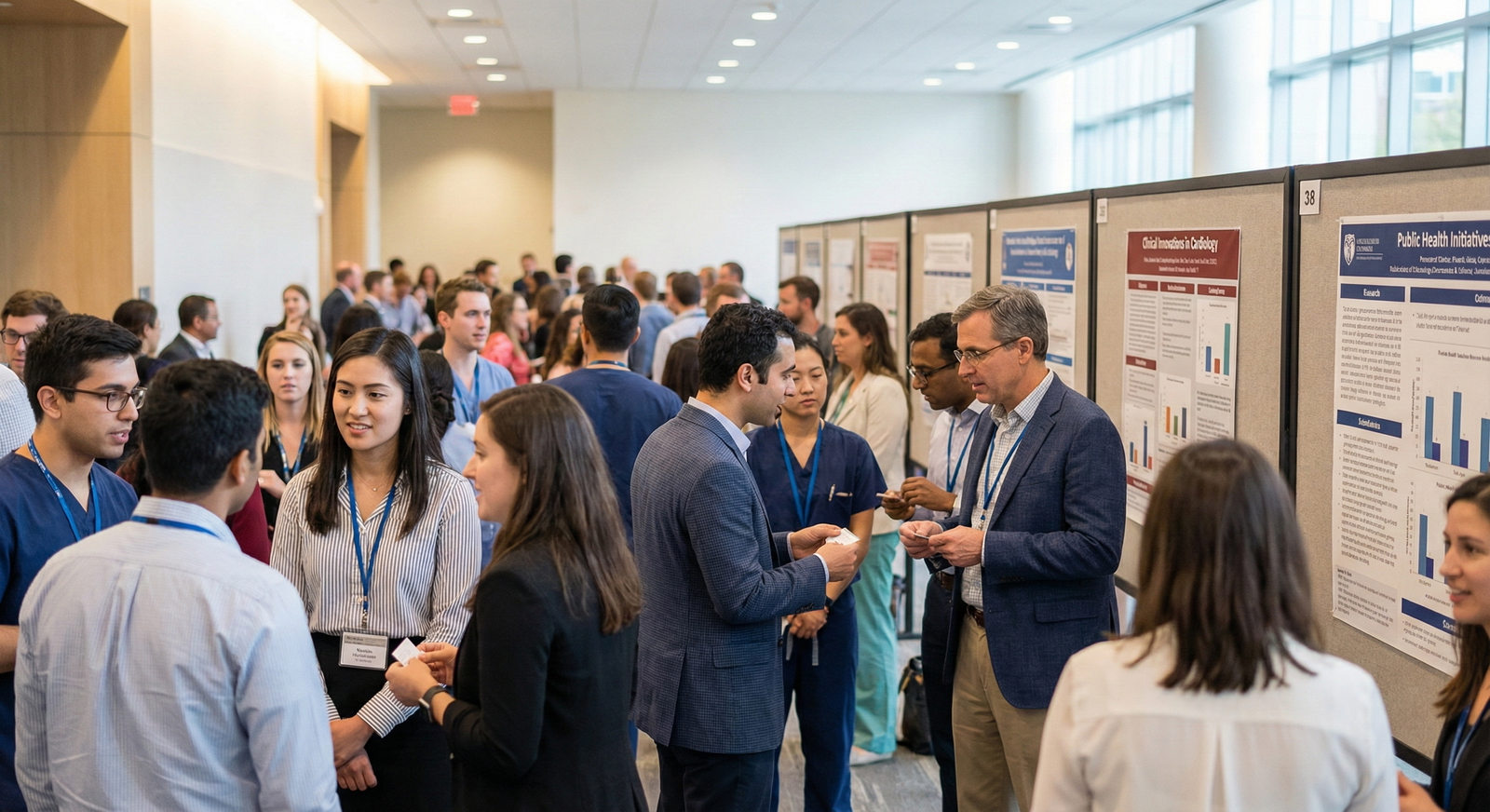
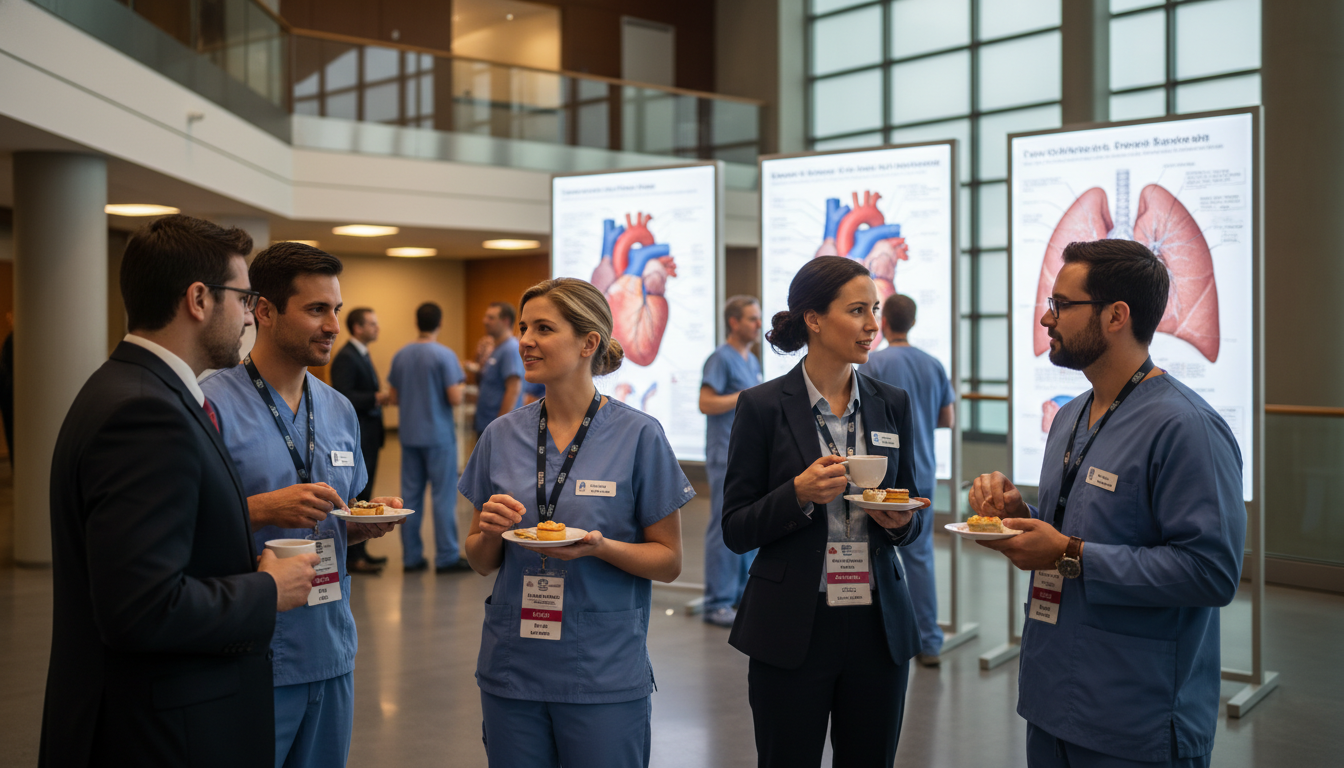
2. Use Informal Spaces: Lunch, Coffee Breaks, Poster Sessions
- Sit with people you don’t know and introduce yourself.
- At poster sessions, talk to presenters about their work; they may be residents, fellows, or junior faculty—often more accessible contacts.
Example conversation starter:
“Hi, I’m Dr. [Name], an IMG very interested in addiction medicine. I really like how your project addressed [specific point]. How did you get involved in this research?”
3. Be Curious but Not Overbearing
Be mindful of time; if someone seems rushed, say:
“I don’t want to take too much of your time. Would it be okay if I send you a brief email to follow up?”
4. Capture Information Immediately
- After a conversation, quickly jot down:
- Name, institution, and role
- Where you met them (e.g., ASAM 2026, session on methadone access)
- Any specific advice they gave or action items (e.g., “Email in May about research opening”)
This makes later follow-up more specific and personal.
Post-Conference Follow-Up: Where Many IMGs Miss Out
Networking is incomplete without follow-up. Within 3–7 days of the conference:
Send a Personalized Email
Subject: Pleasure meeting you at ASAM – follow-up from [session or topic]
Body example:
Dear Dr. Patel,
It was a pleasure speaking with you after your ASAM talk on integrating addiction treatment into primary care. I am an international medical graduate from [Country] currently in [City], actively seeking opportunities to build experience in addiction medicine.
I appreciated your advice about gaining exposure through quality improvement work in outpatient MAT clinics. If your team ever needs assistance with data collection, literature reviews, or quality projects, I would be grateful for the chance to contribute remotely or on-site.
Thank you again for your time and for your work in expanding access to care for patients with substance use disorders.
Sincerely,
[Your Full Name]
[Current Role, City, Country]
[LinkedIn URL, if appropriate]Connect on LinkedIn (and Use It Strategically)
- Send a brief note: “It was great meeting you at AAAP; I’d like to stay in touch and follow your work in addiction psychiatry.”
- Occasionally engage with their posts or share addiction medicine content relevant to your interests.
Keep Relationships Warm Without Being Pushy
- Update them if you publish a paper, start an addiction-related role, or get into residency.
- Ask for advice only after you’ve shown ongoing engagement and reliability.
Building Long-Term Mentorship in Medicine: Addiction-Focused
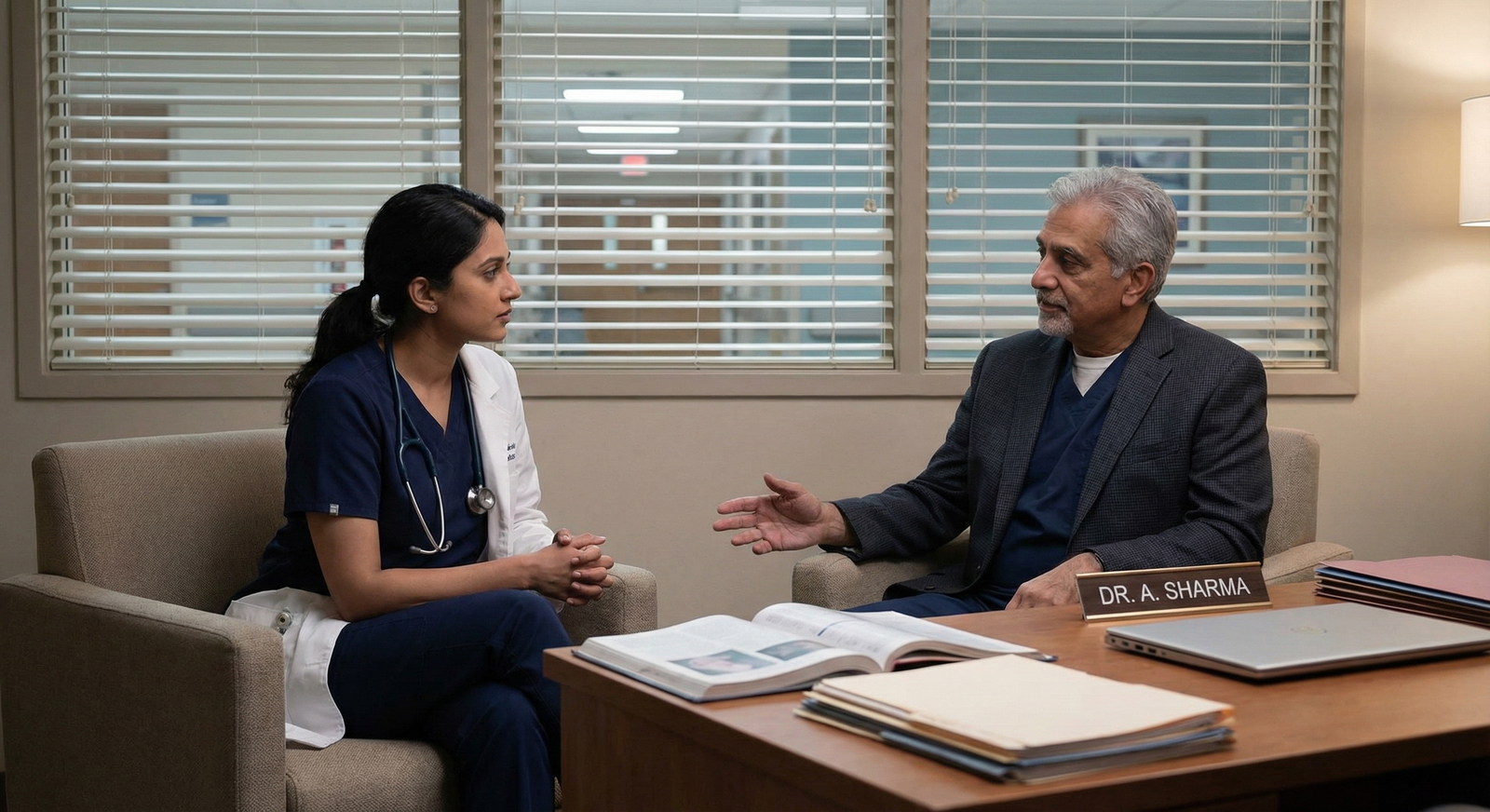
Conference networking is only one piece; what you truly need as an IMG is sustained mentorship in medicine. This may involve:
- Clinical mentors
- Research mentors
- Career mentors (residency and addiction medicine fellowship strategy)
- Peer mentors (other IMGs ahead of you in the pathway)
Identifying Potential Mentors in Addiction Medicine
Look for people who:
- Have consistent work in SUD treatment, harm reduction, or co-occurring disorders
- Are engaged in teaching residents, fellows, and students
- Have a track record of supporting IMGs or international collaborations
Where to find them:
- Hospital addiction consult teams
- Outpatient buprenorphine or methadone clinics
- Academic addiction divisions (often within psychiatry, internal medicine, or family medicine)
- Public health departments with overdose prevention programs
How to Ask for Mentorship (Without Making It Awkward)
Instead of starting with “Will you be my mentor?”, focus on concrete, time-limited asks:
- “Could I meet with you once to get your advice on next steps in pursuing addiction medicine as an IMG?”
- “Would you be open to reviewing my CV and suggesting how I can strengthen it for an addiction medicine fellowship?”
- “May I assist with any ongoing research or quality improvement projects related to SUD?”
If the relationship grows naturally over time, mentorship will evolve. Later you can say:
“You’ve been incredibly helpful over the past year—would it be okay if I considered you my mentor as I plan for fellowship applications?”
Being a Good Mentee
To build a strong mentorship medicine relationship:
- Be reliable: If you commit to a deadline, meet it or communicate early if something changes.
- Be prepared: Come to meetings with specific questions, updated CV, and a clear agenda.
- Be appreciative: A simple “Thank you for your guidance, here’s how your advice helped” goes a long way.
- Add value: Offer to help with tasks—data entry, literature reviews, educational materials, or community outreach projects.
Over time, strong mentors can:
- Open doors to clinical experiences in addiction medicine
- Include you as co-author on research papers or conference abstracts
- Write detailed, credible letters of recommendation for residency and addiction medicine fellowship programs
Leveraging Digital Networking: Email, Social Media, and Online Communities
For IMGs, geography and visa status may limit in-person networking, but digital tools can expand your reach.
Professional Email Outreach: Cold and Warm Emails
When you identify an addiction medicine specialist whose work you admire, a well-written email can start a professional relationship.
Core elements of an effective email:
Short, clear subject line:
- “IMG interested in addiction medicine – request for brief guidance”
- “Potential collaboration on SUD research – introduction”
Brief introduction (1–2 sentences)
Specific reason for contacting them
Concrete and realistic request
Appreciation and professional sign-off
Avoid vague asks like “I want to learn more about addiction medicine. Can you help?” Instead:
“I’m particularly interested in your work on integrating buprenorphine in primary care, and I’m wondering if you would recommend any specific articles, training courses, or pathways that an IMG like me should pursue to get involved in similar work.”
Social Media and Online Platforms
- Build a professional profile emphasizing:
- Addiction medicine interest
- Substance abuse training (courses, certifications, workshops)
- Any harm reduction or SUD-related volunteer work
- Join addiction medicine groups; engage with discussions thoughtfully.
X (Twitter) / Other Platforms
- Follow addiction medicine leaders, fellowship programs, and research groups.
- Engage respectfully by commenting on articles or sharing public health updates about SUD.
Online Communities
- Specialty interest groups for IMGs in addiction medicine
- Resident or fellowship forums where programs share updates
- Webinars hosted by ASAM, AAAP, and academic centers—use chat and Q&A to introduce yourself briefly and follow up later by email.

Applying Networking to Concrete Milestones: From Residency to Addiction Medicine Fellowship
Networking for U.S. Clinical Experience in Addiction Medicine
As an IMG, getting relevant clinical experience can be challenging. Use your medical networking to:
- Identify teaching hospitals with addiction consult services.
- Contact program coordinators and faculty expressing interest in observerships, shadowing, or structured rotations.
- Leverage mentor connections: “Dr. X, do you know of anyone who allows observers in their addiction clinic?”
When you obtain an observership:
- Be punctual, professional, and proactive.
- Ask for learning goals at the start; show progress over time.
- Request feedback mid-rotation so you can improve.
These experiences often translate into:
- Strong letters of recommendation
- Invitations to assist with quality improvement or clinical projects
- Insights into which programs value IMGs and how they support them
Networking During Residency: Positioning for Addiction Medicine Fellowship
If you match into residency (often in psychiatry, internal medicine, or family medicine), your addiction medicine networking becomes even more targeted.
During residency:
- Seek out your institution’s addiction champions (attendings, fellows, or clinic leaders).
- Request electives in addiction medicine:
- Inpatient detox units
- Addiction consult services
- Outpatient MAT clinics (buprenorphine, methadone)
- Dual diagnosis units
- Present at journal clubs or grand rounds on SUD topics. This increases your visibility as the “addiction person” at your institution.
Use networking to:
- Learn about addiction medicine fellowship programs open to IMGs and particular visas.
- Meet current fellows and ask candid questions about culture, training quality, and career outcomes.
- Connect with alumni who have completed addiction medicine fellowships and are now practicing or in academic roles.
Networking Directly with Addiction Medicine Fellowships
For an addiction medicine fellowship, personal familiarity can strongly support your application.
Steps:
Identify Programs Aligned with Your Background
- Check program websites for IMG status, visa sponsorship, and faculty interests.
Email Program Directors or Coordinators
- Briefly introduce yourself and ask about:
- Typical background of fellows
- Opportunities to engage before applying (e.g., virtual info sessions, research collaboration)
- Briefly introduce yourself and ask about:
Attend Program Webinars or Open Houses
- Engage with program leadership, ask informed questions, and follow up with personalized emails.
Request an Informational Interview
- Aim for 15–20 minutes to learn about the program and share your interests.
Over time, these interactions help faculty connect your name to a face and story when they review your addiction medicine fellowship application.
FAQs: Networking in Medicine for IMGs in Addiction Medicine
1. I’m still overseas and haven’t started U.S. clinical work. How can I begin networking now?
Start online. Attend virtual conferences, webinars, and ASAM/AAAP online events. Join professional networks (LinkedIn) and follow addiction medicine leaders. Email researchers whose work aligns with your interests offering to help with remote tasks (literature reviews, data cleaning, manuscript preparation). Building a digital presence and engaging sincerely is an excellent early step in this IMG residency guide.
2. How do I avoid coming across as “desperate” when networking as an IMG?
Focus on curiosity and contribution rather than immediate personal gain. Ask thoughtful questions, show that you’ve done background reading, and offer concrete help. Space out your follow-ups, respect people’s time, and express gratitude. When your interactions are about shared interest in improving SUD care, you will come across as motivated, not desperate.
3. What if my English or communication skills are not perfect? Will that hurt my networking?
Clear, respectful communication matters more than perfect grammar. Prepare and practice your self-introduction and key questions. Consider joining speaking clubs, communication workshops, or simulation groups. Many addiction medicine specialists are used to working in diverse, multidisciplinary teams and appreciate IMGs who are trying to improve and communicate openly.
4. How can networking actually help me get into an addiction medicine fellowship?
Networking helps in several concrete ways: it can lead to relevant clinical and research experiences in addiction medicine; connect you with mentors who can write strong letters of recommendation; make program leadership familiar with your dedication and work ethic before you apply; and give you insider knowledge of which programs are IMG-friendly and what they value most in applicants.
Developing strong networking skills in medicine is a gradual process, but for an international medical graduate interested in addiction medicine, it is one of the most powerful tools you have. By combining strategic conference networking, digital engagement, and long-term mentorship in medicine, you can move from being an unknown IMG to a recognized, trusted colleague in the addiction medicine community.