Why Networking Matters for IMGs in Global Health
For an international medical graduate, “who you know” is not about favoritism—it is about access. In global health especially, residency spots, research projects, field experiences, and global health residency tracks often go to the candidates people already know, trust, and have worked with.
As an IMG, you face additional challenges:
- Limited local medical school alumni network in the country where you’re applying
- Fewer informal introductions to program directors or faculty
- Less familiarity with unspoken norms of U.S., Canadian, or UK academic medicine
- Visa and licensing barriers that make each opportunity more competitive
Networking in medicine is how you actively narrow those gaps.
In the context of global health and international medicine, networking does three crucial things for IMGs:
- Builds visibility – Decision-makers in global health residency programs, NGOs, and academic centers begin to recognize your name and interests.
- Creates proof of commitment – Long-term engagement in global health communities shows that your interest is deeper than a one-time elective or a personal statement.
- Opens doors – Research collaborations, observerships, mentorship in medicine, and invitations to apply for a global health residency track often arise from relationships, not cold applications.
Think of networking not as self-promotion, but as relationship-building in service of patients and populations. Your goal is not “collecting contacts,” but joining a community that is working toward health equity and better care worldwide.
Core Principles of Effective Networking in Medicine
Before diving into tactics, it is important to understand the mindset and rules of effective medical networking, especially as an international medical graduate.
1. Lead with curiosity and value, not with demands
Many IMGs understandably feel pressure and may reach out to contacts with messages like:
“Can you help me get a residency spot?”
“Can you sponsor me for research in your department?”
This approach often feels transactional and makes it easy for busy physicians to ignore your request.
Instead:
- Ask thoughtful questions about their work, path, and advice.
- Offer small but real value—help with literature searches, data collection, language skills, or connecting them with people in your home country.
Example reframe:
- Instead of: “Can you give me a LOR?”
- Try: “I’m deeply interested in global health and internal medicine. I’d love to learn how you built your career and whether there are small projects I could help with to gain experience in this field.”
2. Consistency beats intensity
One intense month of networking just before application season cannot replace:
- 12 months of attending a global health journal club
- Periodic emails updating a mentor on your progress
- A pattern of contributing to international medicine initiatives
Global health careers are long; your networking should reflect that same long-term orientation.
3. Give more than you ask
Even as a trainee or IMG, you can contribute:
- Translate educational materials into your native language
- Share local context for global health initiatives in your region
- Volunteer to help organize conference sessions or webinars
- Mentor junior students from your country interested in global health
This positions you as a colleague and contributor, not just a seeker of opportunities.
4. Be transparent about your IMG status and goals
Do not try to hide that you are an international medical graduate—it is part of your strength and perspective in global health. Be clear about:
- Your training background and country
- Your timeline (USMLE/PLAB/MCCQE status; visa needs if relevant)
- Your specific areas of global health interest (e.g., maternal health in low-resource settings, TB/HIV, refugee health, health systems strengthening)
Clarity helps people know how they can help you and where you might fit.
Where and How to Network: Practical Arenas for Global Health–Focused IMGs
1. Conference Networking in Global Health
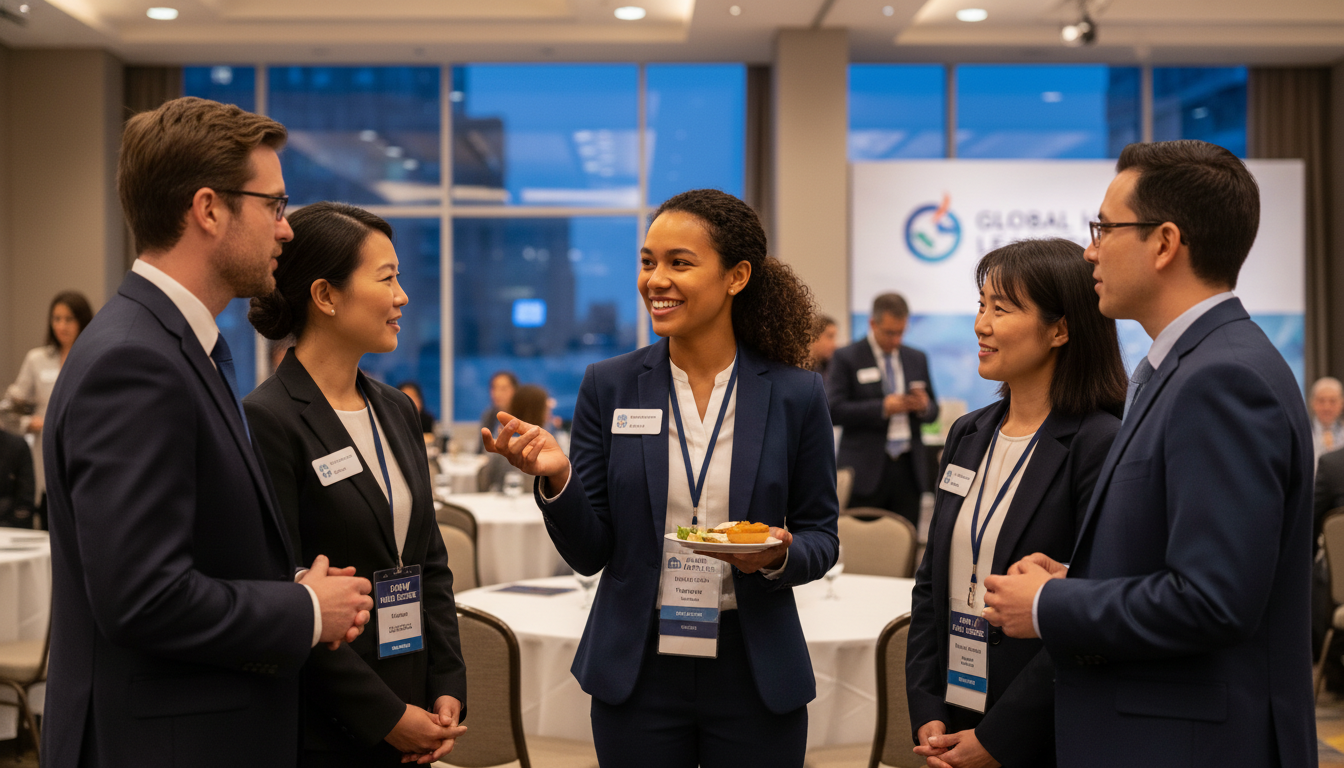
Conferences are powerful for IMGs because they compress months of networking into a few days.
Relevant conferences and venues might include (examples, not exhaustive):
- Consortium of Universities for Global Health (CUGH) annual conference
- Specialty conferences with global health tracks (e.g., IDSA, ASTMH, ACOG global health sessions)
- Regional or national public health meetings (PAHO, WHO regional offices, African/Asian/Latin American regional societies)
- Virtual global health symposia organized by universities
How to prepare before the conference
Study the program
- Highlight sessions related to:
- Global health residency tracks
- International medicine fellowships
- Health systems, implementation science, refugee health, or your specific interest area
- Identify speakers from institutions where you might apply.
- Highlight sessions related to:
Plan your introductions Prepare a 20–30 second “professional snapshot”:
- Who you are (name, IMG background, country)
- What stage you are in (early graduate, doing observership, in research year)
- Your global health focus and goal
Example:
“I’m Dr. Amina Rahman, an international medical graduate from Pakistan currently completing a research year in infectious diseases. I’m especially interested in TB/HIV co-infection and global health residency tracks that include field work. I really enjoyed your talk about implementation challenges in East Africa.”
Set realistic targets
- Aim to have 3–5 meaningful conversations per day, not 50 quick handshakes.
Networking during the conference
Ask questions at sessions
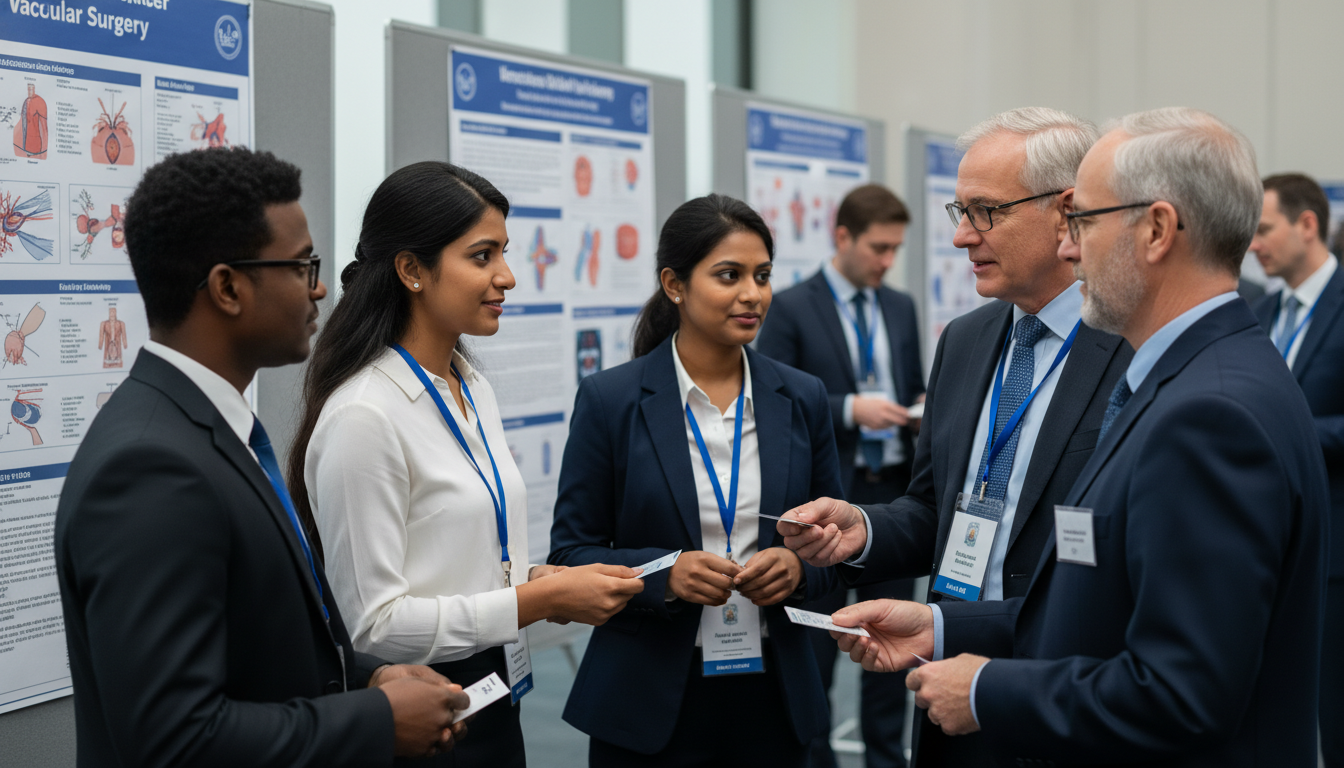
Prepare one thoughtful question. After the session, approach the speaker:- Introduce yourself
- Reference their talk
- Ask one follow-up question
- Request permission to email later
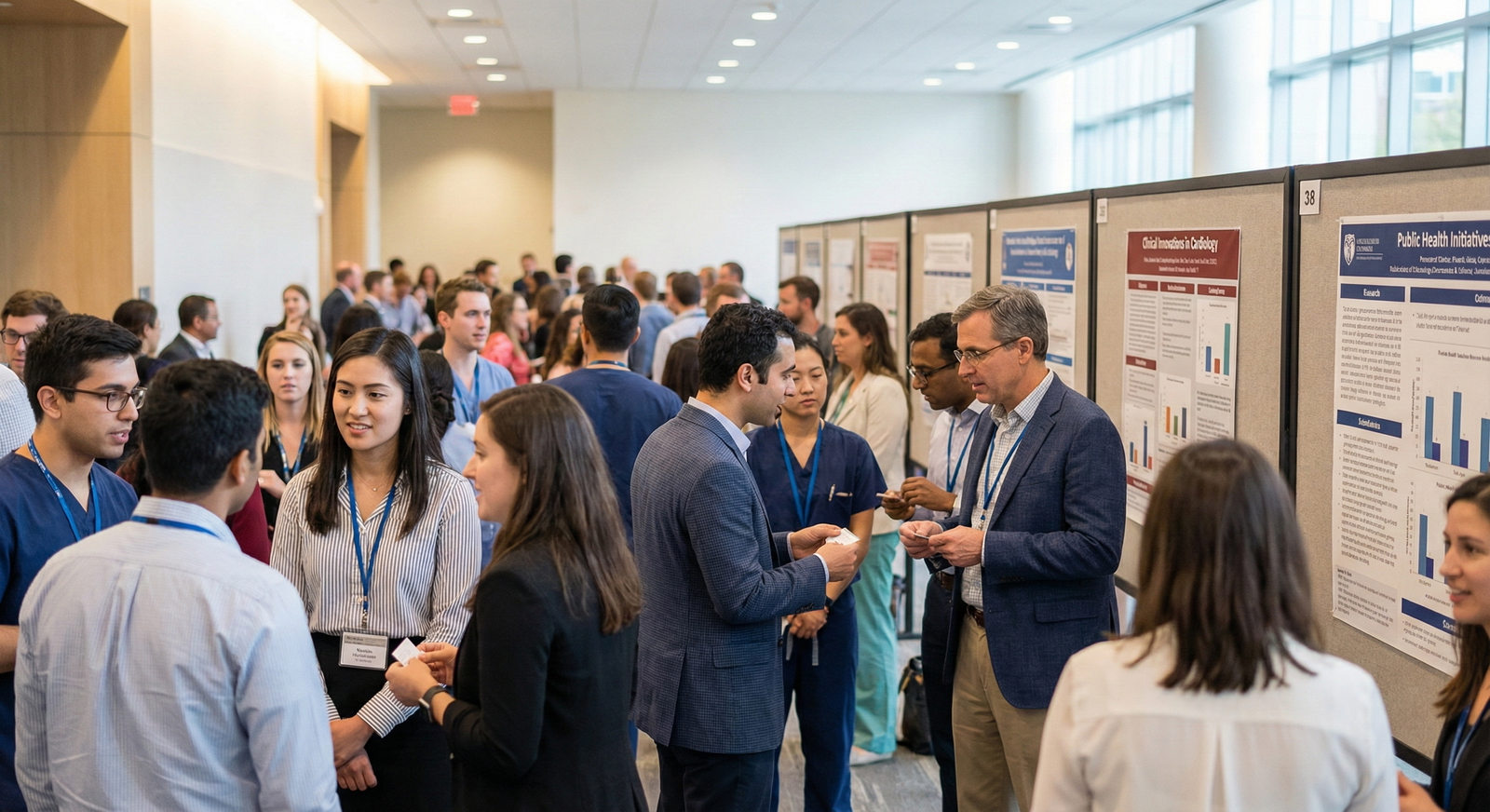
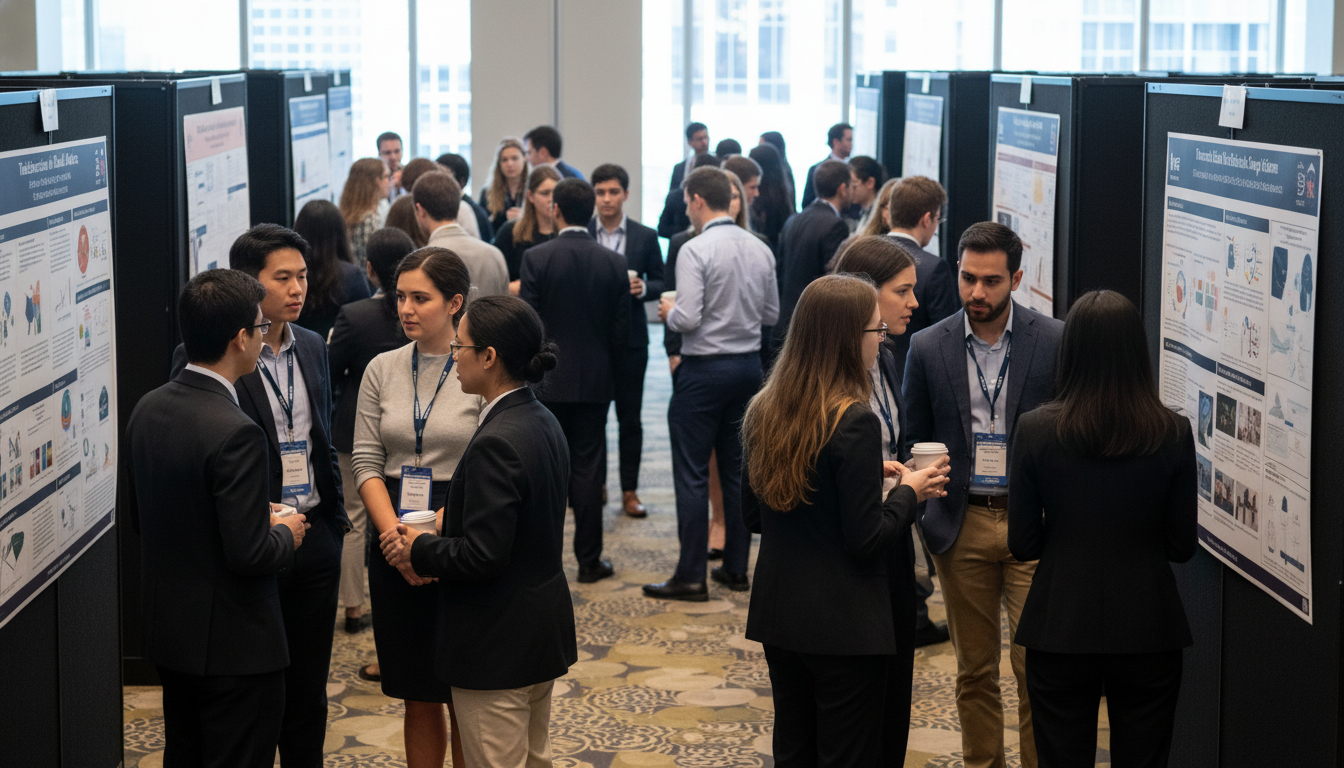
Use poster sessions strategically
- Stand near posters in your interest area and join the conversation
- Introduce yourself to residents and fellows presenting global health projects—they are often more accessible than senior faculty and can give insider information on programs
Attend social or mentoring events Many conferences run:
- Mentorship breakfasts
- Young investigator receptions
- Special interest group (SIG) meetings in global health
IMGs sometimes skip these due to shyness or imposter feelings; those are precisely the events most likely to create lasting connections.
Following up after the conference
Within 3–7 days:
- Send concise emails:
- Remind the person where you met
- Mention a specific part of the conversation
- Share a short update or question
- Keep it under 10–12 lines
Example:
Subject: Following up from CUGH TB Session
Dear Dr. Smith,
It was a pleasure speaking with you after your panel on TB/HIV care integration at CUGH last week. I appreciated your insights on training residents through the global health residency track at your institution.As an IMG from Brazil completing a research year in TB epidemiology, I am very interested in residency programs that combine strong clinical training with international medicine. If you are open to it, I would be grateful for 15–20 minutes of your time for an informational call to better understand how residents at your institution engage in global health work.
Thank you again for your time and for your work in this field.
Sincerely,
[Name]
2. Online and Social Media Networking in Medicine
Digital platforms are especially important for IMGs who may not be physically present in the country where they aim to apply.
Use LinkedIn as your professional global health profile and networking tool:
Profile essentials
- Professional headshot
- Clear headline (e.g., “International medical graduate | Aspiring internal medicine resident | Global health and HIV care”)
- Summary highlighting:
- Country of training
- Global health interests
- Key achievements (research, projects, languages)
Networking strategy
- Follow global health residency programs, NGOs, and academic centers
- Connect with:
- Residents and fellows in global health tracks
- Faculty in global health divisions
- Alumni from your medical school who are now abroad
- When sending connection requests:
- Add a short, specific note (2–3 sentences)
- Mention why you admire their path or work
X/Twitter and other platforms
Many global health leaders are active on X (Twitter) and sometimes on Instagram or Facebook (especially for organizations).
Follow:
- Departments of global health and international medicine
- Implementation science, infectious diseases, maternal health, refugee health leaders
- Major initiatives (e.g., Partners In Health, Médecins Sans Frontières, national/global health institutes)
Engage professionally:
- Comment thoughtfully on threads
- Share articles with brief reflections
- Avoid controversial or unprofessional posts—residency programs may see your public activity
Virtual events and webinars
- Many institutions run free virtual global health seminars.
- Use the chat to:
- Introduce yourself briefly
- Ask questions
- Request contact information if appropriate
You can later send a follow-up email referencing the webinar, which feels more natural than a purely cold message.
3. Clinical, Research, and Volunteer Settings as Networking Hubs

Your daily work environment is often the most powerful networking space, especially for letters of recommendation and mentorship medicine.
Observerships and externships
For IMGs, observerships often serve as the “audition stage” for clinical networking.
Arrive prepared
- Read about common diseases in that hospital’s population
- Learn EMR basics if possible
- Understand relevant guidelines
Demonstrate reliability
- Be punctual and present for the whole shift
- Help with non-licensed tasks (literature searches, case presentations, teaching med students)
- Maintain professional boundaries and patient confidentiality
Request mentorship organically After several weeks, if you have developed rapport with an attending:
- Ask for feedback: “Are there areas you think I should focus on to strengthen my application for internal medicine with a global health focus?”
- If feedback is positive and the relationship is strong, you can later request:
- A letter of recommendation
- An introduction to someone in global health at their institution
Research projects and global health initiatives
Engaging in research or quality improvement in global health topics strengthens your IMG residency guide–worthy profile and expands your network.
Target:
- Faculty publishing in your areas of interest (look at PubMed and department pages)
- Ongoing international collaborations between your local university and foreign institutions
- NGOs that partner with academic centers on implementation projects
Approach with specificity:
- Express alignment with their research topic
- Offer concrete contributions (data entry, language support, literature review)
- Fit your ask to your time and visa constraints
Example email structure:
- 2–3 sentence introduction (who you are, IMG background, interest area)
- 1–2 lines showing you’ve read their work (mention 1–2 specific topics)
- Offer to assist in clearly described ways
- Close courteously, acknowledging how busy they are
Volunteer and NGO roles
Serving with organizations engaged in international medicine or global health—whether in your home country or abroad—adds both experience and connections.
- Examples:
- Local NGOs working with refugees, migrants, or rural populations
- International NGOs (even non-clinical roles for now)
- Telehealth or educational projects linking high and low-resource settings
Even if your role is administrative or educational rather than direct patient care, it still:
- Broadens your understanding of health systems
- Introduces you to people with international careers
- Shows sustained commitment when applying to global health residency tracks
Building Mentorship in Medicine as an IMG in Global Health
A strong mentor is more powerful than dozens of weak contacts. Mentors offer:
- Honest feedback on your competitiveness and strategy
- Guidance on exams, applications, and career decisions
- Introductions to their network
- Sometimes, vital letters of recommendation
Types of mentors you should seek
For a global health–minded IMG, aim for a small mentoring team, not a single “perfect” mentor:
Clinical mentor in your chosen specialty
- Example: Internal medicine or pediatrics attending with cross-cultural or global health experience
- Role: Help refine your residency application and clinical profile
Global health mentor
- Example: Faculty who lead international projects or global health tracks
- Role: Guide your long-term international medicine goals, research, and field experiences
Peer or near-peer mentor
- Example: Another IMG who recently matched, especially in a global health–friendly program
- Role: Share practical tips on exams, visas, and adaptation
How to approach potential mentors
Start with exposure
- Attend their talks or teaching sessions
- Read at least one of their articles
- Engage in small ways before asking for a formal meeting
Request an informational meeting
- Ask for a short (20–30 minute) virtual or in-person meeting
- Be explicit that you seek advice, not immediate favors
Prepare specific questions
- “How did you first get involved in global health work?”
- “What skills do you consider essential for residents interested in global health?”
- “As an IMG, what can I do over the next 12 months to be a stronger applicant to global health–oriented programs?”
Clarify expectations if the relationship continues Over time, you can say:
“You’ve been very generous with your advice, and I’ve implemented your suggestions on [specific example]. If you are comfortable, I would be honored to consider you a mentor as I work toward a career in internal medicine and global health.”
Maintaining mentorship relationships
- Send updates 2–3 times per year:
- Exam results
- New projects
- Upcoming applications
- Respect their time:
- Ask concise questions
- Propose specific dates for meetings
- When you succeed (e.g., match into a program), circle back:
- Thank them clearly
- Ask how you might help other IMGs or students in the future
Turning Network Connections into Residency Opportunities
Networking is only as powerful as your ability to convert relationships into tangible steps toward residency in global health and international medicine.
1. Identifying global health–friendly residency programs
Use your network to answer questions not always clear from websites:
- Does the program:
- Have a global health residency track or pathway?
- Offer structured time abroad or in underserved communities?
- Support visas and IMGs?
- Have faculty with active international projects?
Ways to find this information:
- Ask current residents on LinkedIn or at conferences
- Review faculty profiles for international work
- Look for published global health curricula or track descriptions
2. Strategically using connections in applications
Ethically and appropriately, your network can help by:
- Providing strong, personalized letters of recommendation
- Giving insight into what a specific program values in IMG applicants
- Alerting you to research year or pre-residency positions in their department
- Occasionally, forwarding your CV to their program leadership with a brief note of support (if they know your work well)
Never:
- Ask someone to “guarantee” you a spot
- Press for special treatment
- Exaggerate the depth of your relationship in your application materials
3. Showcasing networking outcomes in your application
Residency programs look for evidence of:
- Sustained engagement in global health (not just a short mission trip)
- Collaboration and teamwork across cultures
- Initiative and leadership
You can highlight networking-derived achievements such as:
- Co-authored global health research or conference abstracts
- Leadership roles in international medicine student groups or NGOs
- Longitudinal involvement in specific communities or projects
In personal statements and interviews:
- Tell stories about how you built relationships to address a problem:
For example, working with local health workers, NGOs, and hospitals to improve vaccination outreach in a rural setting.
Common Pitfalls and How to Avoid Them
Being overly transactional
- Fix: Focus first on learning and contributing. Let favors (like letters or introductions) arise naturally from real collaboration.
Overcommitting and underdelivering
- Fix: Say yes only to what you can realistically complete, especially in research. Your reputation travels quickly.
Ignoring cultural and communication differences
- Fix: Observe how local trainees interact with faculty. When in doubt, be slightly more formal, clear, and respectful in emails.
Not declaring your global health focus clearly
- Fix: Communicate a focused, coherent narrative (e.g., “non-communicable diseases in low-resource settings” rather than “everything global health”).
Networking only upward
- Fix: Build horizontal relationships with peers and junior trainees. They will be your colleagues, co-authors, and future program insiders.
FAQs: Networking in Medicine for IMGs in Global Health
1. I am still in my home country. How can I effectively network with people abroad?
Use a digital-first strategy:
- Attend virtual global health conferences and webinars.
- Engage on LinkedIn with residents and faculty in your interest area.
- Collaborate on remote research projects (systematic reviews, data analysis, educational content).
- Seek out global health initiatives tied to your local institutions that already partner with foreign universities.
Be transparent about your location and timeline for exams and potential relocation.
2. How do I ask someone for a letter of recommendation as an IMG?
Only ask if:
- They know your work and professionalism well.
- You have worked with them closely for several weeks or months.
- You have received positive feedback.
Phrase the request respectfully:
“Based on our work together in [setting/project], I was wondering if you would feel comfortable writing a strong letter of recommendation for my residency applications in internal medicine with a focus on global health.”
This wording gives them a chance to decline if they cannot write a supportive letter.
3. Is it acceptable to cold email faculty or program directors?
Yes—if you do it professionally and sparingly:
- Keep emails short and specific.
- Show that you have done your homework about their work and the institution.
- Avoid asking for big favors in the first email (e.g., “Please sponsor me for a visa”).
- Instead, request brief informational conversations or ask about opportunities to contribute to ongoing work.
Many busy clinicians will not respond, but some will—and those few can change your trajectory.
4. How can I tell if a global health residency track is truly supportive of IMGs?
Use your network to gather inside perspectives:
- Ask current or recent residents (especially IMGs) whether:
- IMGs are well represented in the program.
- The global health track or international medicine opportunities are accessible to all or only a select few residents.
- There is concrete support (funding, time, mentorship) for global health activities.
- Look for:
- Alumni who went on to global health fellowships or international careers.
- Publications and projects involving residents as co-authors.
- Clear statements about visa sponsorship and IMG inclusion on program materials.
If possible, speak with at least two different sources from the same program to cross-check impressions.
Networking in medicine as an international medical graduate is not about shortcuts; it is about building genuine, mutually beneficial relationships that align with your mission to serve patients and populations, both locally and globally. By approaching networking with clarity, humility, and persistence, you position yourself not only to enter a residency program—but to belong to the global health community for the long term.