Why Networking Matters Even More for Caribbean IMGs in PM&R
For a Caribbean IMG interested in Physical Medicine & Rehabilitation (PM&R), networking in medicine is not a soft extra—it is strategic survival. The physiatry match is relatively small, many programs receive hundreds of applications for only a few spots, and Caribbean medical school residency applicants often face additional barriers: less name recognition, visa issues, and fewer built‑in U.S. connections.
Networking does three crucial things for you:
Makes you real
Instead of being just another ERAS number, you become an actual person with a story, interests, and potential—someone faculty can remember, support, and advocate for.Opens doors you don’t know exist
You’ll learn about away rotations, research projects, QI initiatives, and informal opportunities that never appear on websites—especially important if you’re coming from a Caribbean medical school residency track without a home PM&R program.Builds your reputation long before Match Day
PDs and faculty often say, “We like to rank the students we know.” Networking allows you to start that “knowing” process months to years before you apply.
For Caribbean IMGs—whether from SGU, Ross, AUC, Saba, or other schools—leveraging medical networking systematically can narrow the gap between you and U.S. graduates. The SGU residency match and similar outcomes from other Caribbean schools consistently show that students who intentionally cultivate relationships (mentors, research collaborators, program insiders) tend to match more reliably and often at stronger programs.
This article will walk you through a practical, step‑by‑step approach to networking in PM&R tailored specifically to Caribbean IMGs.
Understanding the PM&R Landscape as a Caribbean IMG
Before you reach out to anyone, you need a realistic understanding of where you fit in the physiatry ecosystem.
The structure of PM&R residency in the U.S.
- PM&R residencies are relatively small: many programs have 4–8 residents per year, some fewer.
- They value:
- Strong clinical performance
- Genuine interest in rehab medicine (rotations, electives, exposure)
- Fit with team culture (communication, empathy, interdisciplinary mindset)
- Evidence of initiative (research, QI, teaching, leadership)
Because programs are small, personality fit and trust matter tremendously. That’s exactly what networking helps you demonstrate.
Challenges unique to Caribbean IMGs
Common hurdles for a Caribbean IMG interested in PM&R:
- No home PM&R department or limited physiatry presence
- Fewer built‑in residency‑program connections
- Visa considerations (if you are not a U.S. citizen/perm resident)
- Uncertainty about which PM&R programs are truly IMG‑friendly
- Less exposure to specialty‑specific opportunities (national societies, niche clinics, rehab research)
These are all network‑fixable problems. For example:
- No home PM&R program? → Build a “virtual home program” through mentorship medicine and research at another institution.
- Unsure about IMG‑friendly programs? → Ask residents directly; use conference networking to clarify where IMGs have historically matched.
- Limited specialty exposure? → Volunteer or shadow in rehab settings, even outside academic hospitals, and use those experiences to connect with academic physiatrists.
How networking complements your application
Think of your application as four pillars:
- Metrics – USMLE/COMLEX scores, grades
- Experiences – rotations, PM&R exposure, leadership
- Outputs – research, posters, QI, case reports
- Relationships – who knows you and will vouch for you
Caribbean IMGs often spend almost all their energy on pillars 1–3 and overlook pillar 4. Yet for a small, relationship‑driven specialty like PM&R, pillar 4 can amplify the others:
- A strong mentor can help you turn a clinical story into a publishable case report.
- A resident contact might flag your application to the PD.
- A conference contact might invite you to join a small rehab study.
- A faculty advocate might elevate your position on the rank list.
Your goal: Treat networking in medicine as a core competency—not something optional or last‑minute.
Building Your Core Network: Mentors, Residents, and Peers
The most effective networking for a future PM&R residency is deep and intentional, not just collecting LinkedIn connections or shaking hands at a conference. You want a core group of people who know you well enough to:
- Give honest advice
- Open doors
- Write specific, enthusiastic letters
- Mention your name in selection meetings
Step 1: Identify potential mentors in physiatry
Mentorship medicine is the backbone of your networking strategy. You should aim for at least:
- 1–2 PM&R faculty mentors
- 1–2 PM&R resident mentors
- Optionally, 1 non‑PM&R clinical mentor who can advocate for your general clinical ability
Potential sources:
- PM&R attendings at U.S. hospitals where you rotate
- Alumni from your Caribbean medical school residency pipeline who matched into PM&R (e.g., SGU residency match lists)
- Faculty you meet at conferences (AAP, AAPM&R, AAPMR Medical Student Council events)
- Physiatrists you approach for shadowing in outpatient rehab clinics, inpatient rehab facilities, or VA systems
How to reach out (cold email template)
Subject: Medical student interested in PM&R – request for brief meeting
Dear Dr. [Last Name],
My name is [Name], and I am a [year] medical student at [Caribbean medical school] currently completing clinical rotations in [City]. I am very interested in Physical Medicine & Rehabilitation, particularly [area if applicable: neurorehab, MSK, sports, pain, SCI, TBI, etc.].
I came across your work in [clinic/department/research area/talk, be specific], and I found your perspective on [something concrete] especially valuable. I was wondering if you might be willing to speak with me for 15–20 minutes (phone or Zoom) about your path into PM&R and any advice you may have for a Caribbean IMG pursuing this field.
I understand you have a busy schedule and would be grateful for any time you can spare. I am available [provide 3–4 time windows] but am happy to adjust to your convenience.
Thank you for considering my request.
Best regards,
[Full Name], [Credentials]
[Medical school, expected graduation year]
[Phone] | [Email]
Be specific, respectful, and concise. Your goal is not to immediately ask for a letter or research opportunity; it’s to build a relationship.
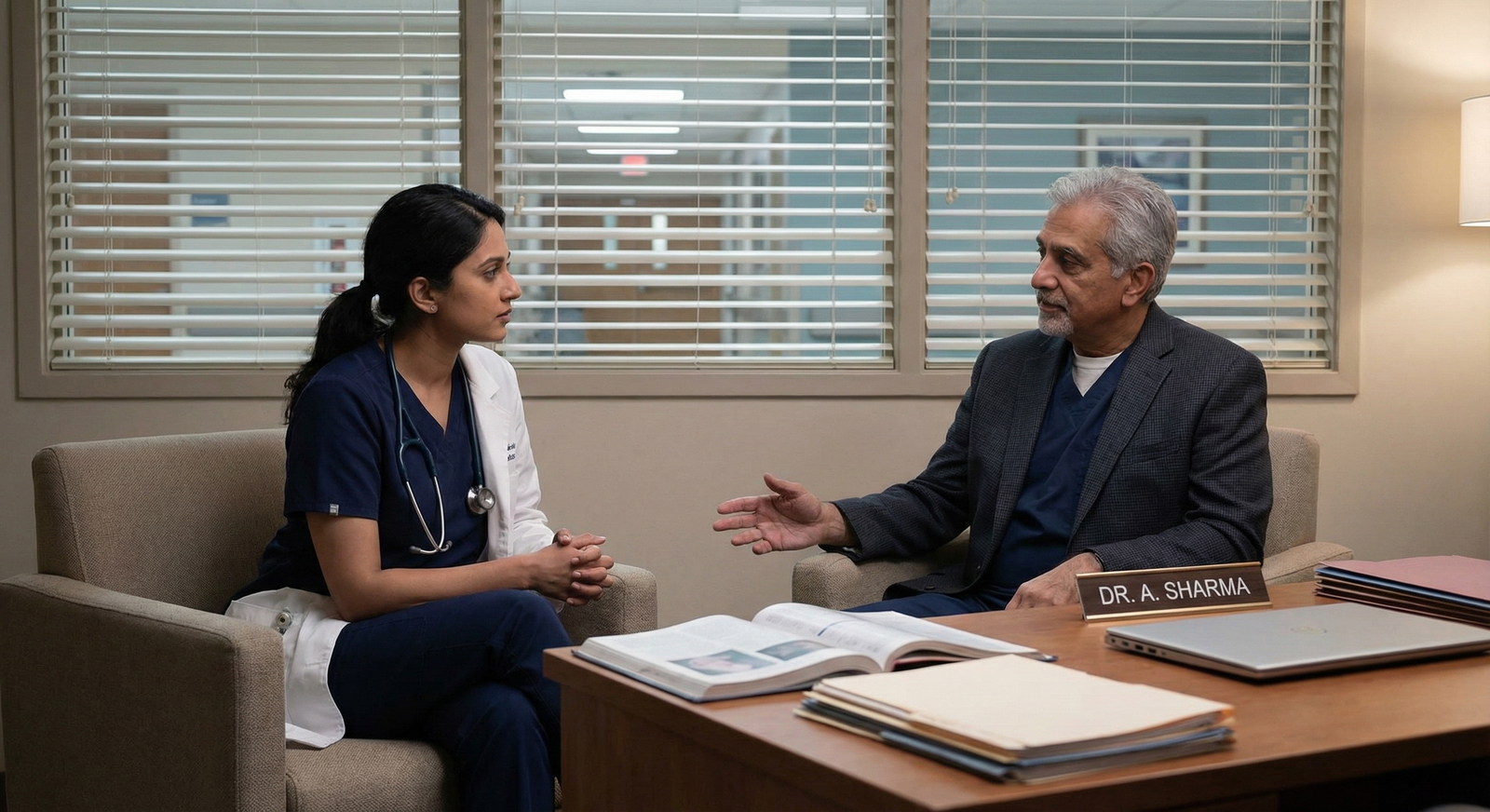
Step 2: Make the most of mentorship meetings
Approach each meeting like a mini‑interview:
- Prepare: Know their background, read one of their papers, review their clinic/research focus.
- Have an agenda:
- 1–2 questions about their career path
- 1–2 questions specific to Caribbean IMG challenges
- 1 concrete request for advice (“How would you recommend I get more hands‑on PM&R exposure given my school’s limitations?”)
- End with a soft continuity ask:
- “Would it be okay if I update you occasionally on my progress and any questions that come up?”
- “If you know of any PM&R‑related projects or shadowing opportunities that could be appropriate for a student like me, I’d be very grateful if you’d keep me in mind.”
Afterwards, send a brief thank‑you email within 24 hours including one specific takeaway from the conversation.
Step 3: Cultivate resident mentors
Residents are your inside track:
- They know what programs really value in applicants.
- They can translate faculty expectations into concrete behaviors.
- They can give honest, up‑to‑date information about IMG‑friendliness.
How to find PM&R residents:
- Ask your mentors to introduce you to residents.
- Message residents on LinkedIn or X (Twitter) who are Caribbean IMGs or have similar backgrounds.
- Connect with residents you meet during rotations, sub‑Is, or conferences.
Example direct message:
Hi Dr. [Last Name], I’m a [school] MS[year] and Caribbean IMG very interested in PM&R. I saw you trained at [program] and matched from [similar background]. Would you have 10–15 minutes sometime to share advice on preparing for a physiatry match as an IMG?
Residents often remember what it felt like to be in your position and are generous if you’re respectful of their time.
Step 4: Maintain your network over time
Networking fails when it’s one‑and‑done. Build a lightweight system:
- Keep a simple spreadsheet:
- Name, role (faculty/resident), institution
- How you met
- Last contact date
- Notes/action items
- Touch base every 2–3 months:
- Update on your progress (“I just completed a neurorehab elective and started a small case report”)
- Ask 1–2 specific, not burdensome questions
- Share good news (exam passed, poster accepted, rotation completed)
The goal is to let your mentors see your growth arc over time so when it’s time to write letters or advocate for you, they can speak with depth and authenticity.
Conference Networking: Turning Events into Opportunities
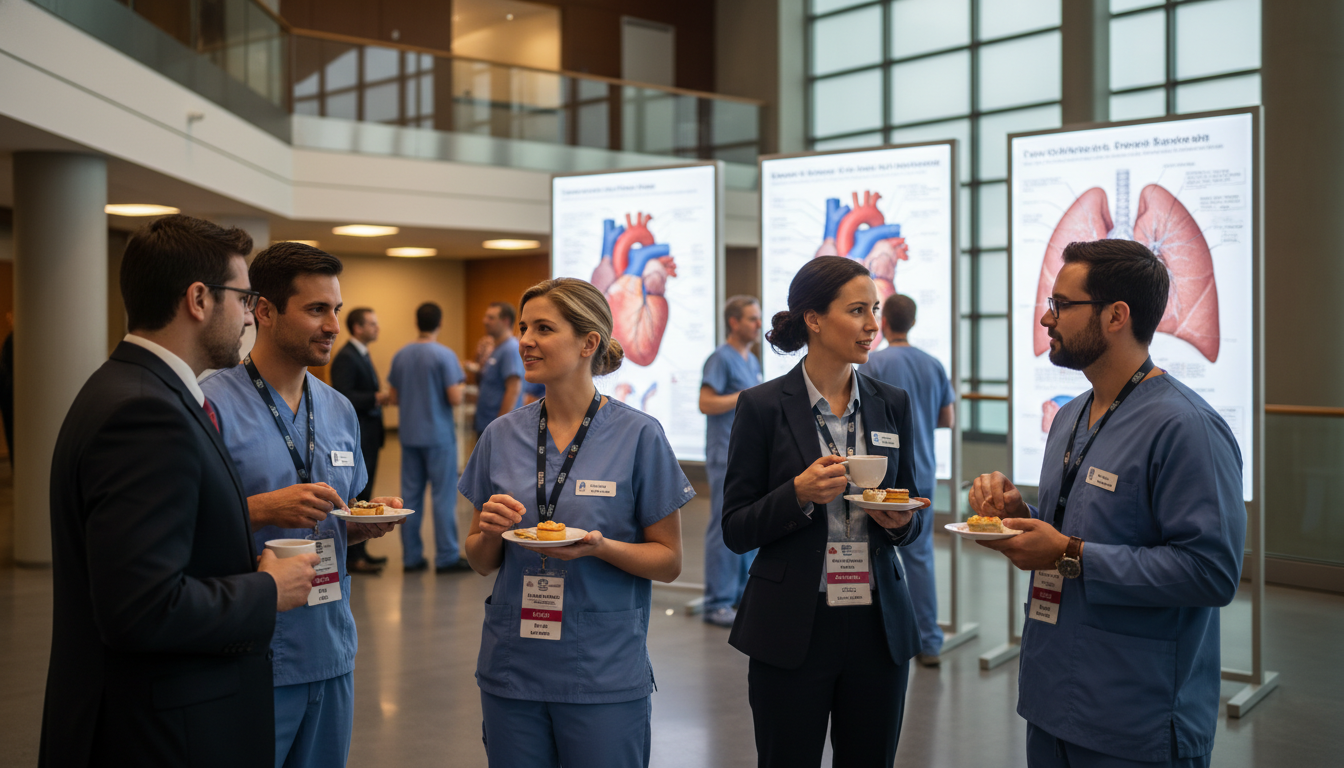
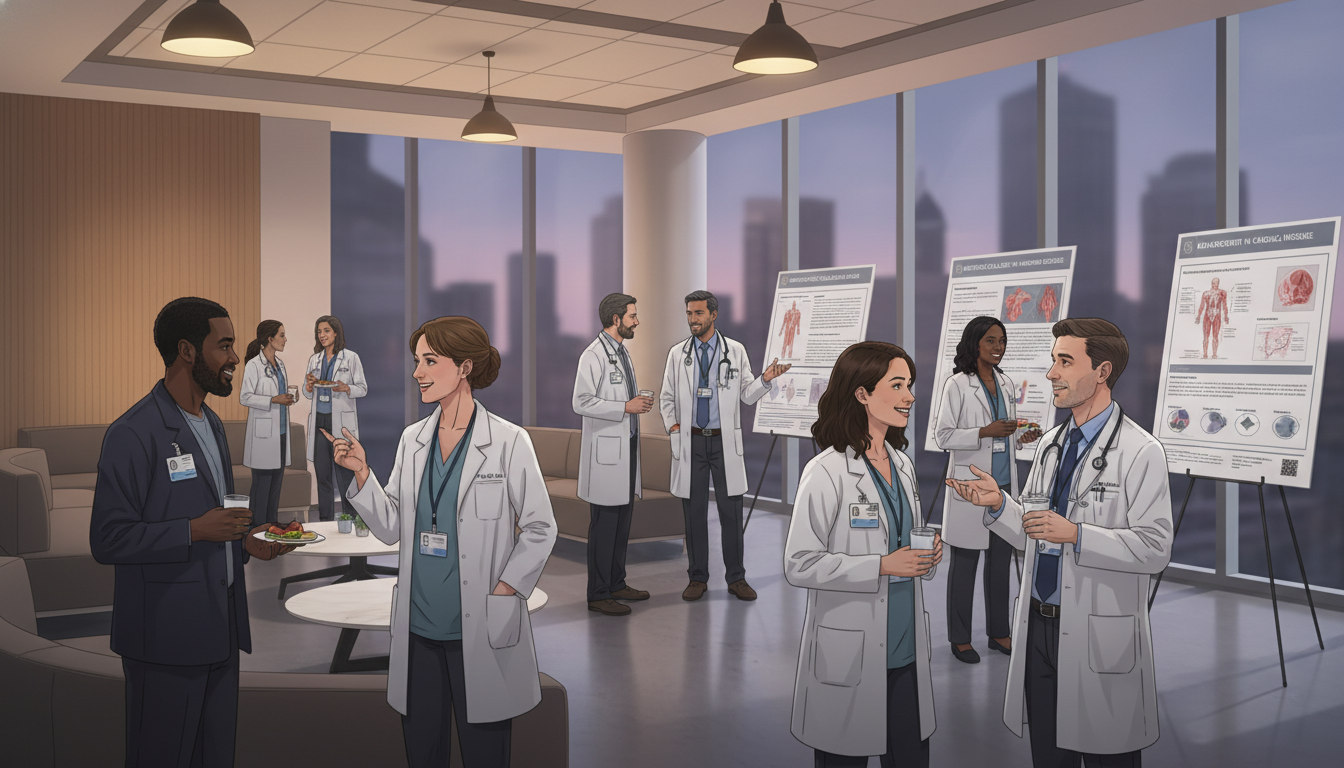
Medical networking at conferences is one of the highest‑yield moves for a Caribbean IMG in PM&R because it compresses months’ worth of relationship building into a few days.
Key meetings for physiatry:
- AAPM&R (American Academy of Physical Medicine & Rehabilitation) Annual Assembly
- AAP (Association of Academic Physiatrists) Annual Meeting
- Local/state PM&R society meetings
- Student/trainee‑focused events (AAPMR Medical Student Program, networking receptions)
Before the conference: plan like a rotation
Clarify your objectives
Examples:- Meet at least 5 physiatrists who work with residents.
- Talk to residents at 3 programs where you might apply.
- Attend all student‑oriented sessions and networking events.
Research who will be there
- Check the conference app/website for:
- Student sessions
- Program director panels
- Resident/trainee meet‑ups
- Poster sessions in your areas of interest
- Look up:
- PM&R programs with a history of IMGs
- Faculty whose work aligns with your interests (e.g., SCI, sports, MSK, pedi rehab, interventional spine, pain)
- Check the conference app/website for:
Prepare your “story”
You’ll be asked variations of “Tell me about yourself” repeatedly. Have a clear, 30–60 second version:I’m a Caribbean medical student at [school], currently in my [year] of clinical rotations in [city]. I became interested in PM&R after [brief exposure story], and I’m especially drawn to [1–2 areas: neurorehab, MSK, sports, SCI, etc.].
As an IMG without a home PM&R department, I’ve been building my exposure through [shadowing/research/electives], and I’m very eager to learn more about how trainees develop strong rehab skills in different programs.
Short, honest, and tailored to your situation.
During the conference: how to talk to people
Approach faculty and residents strategically
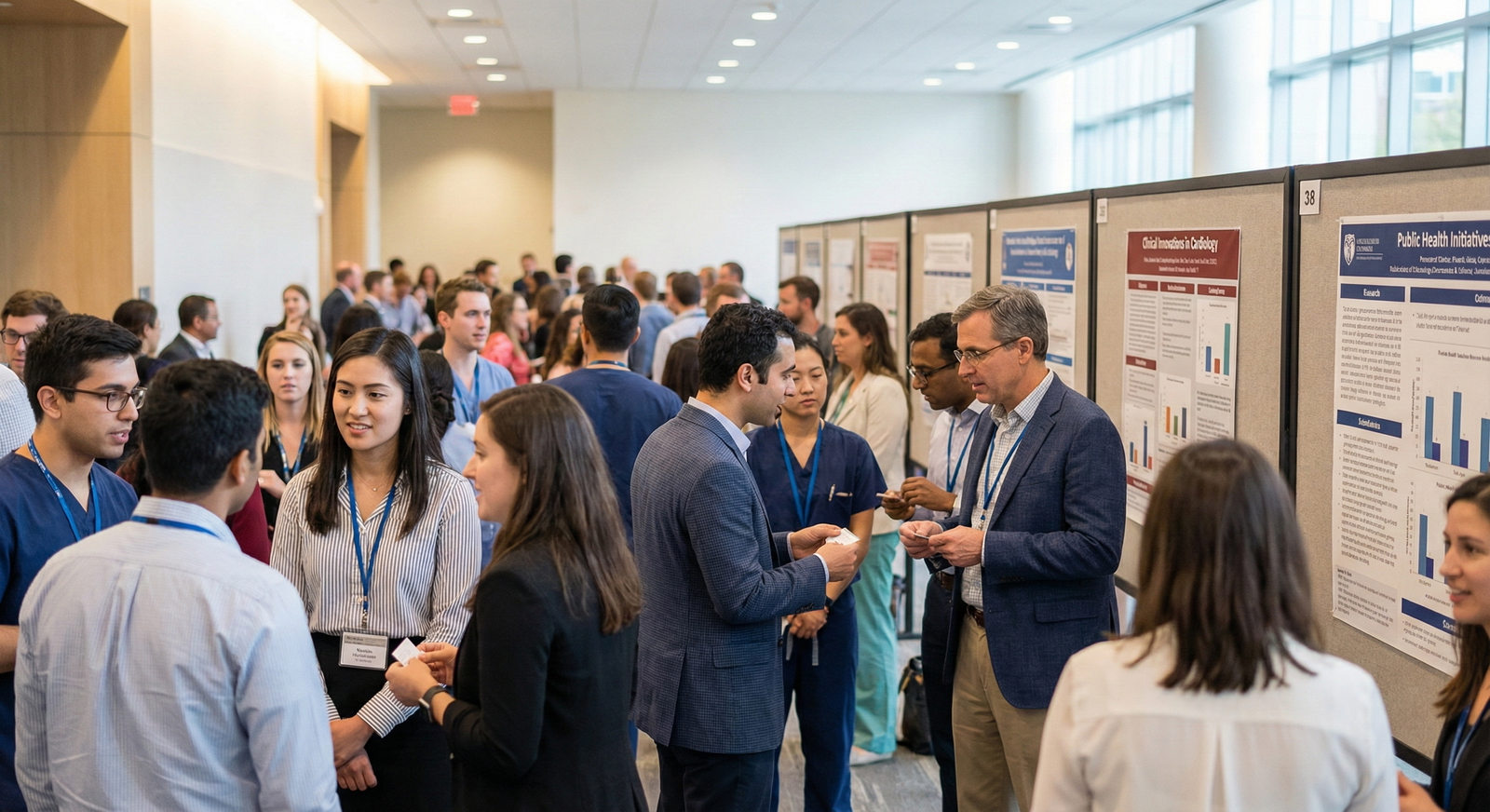
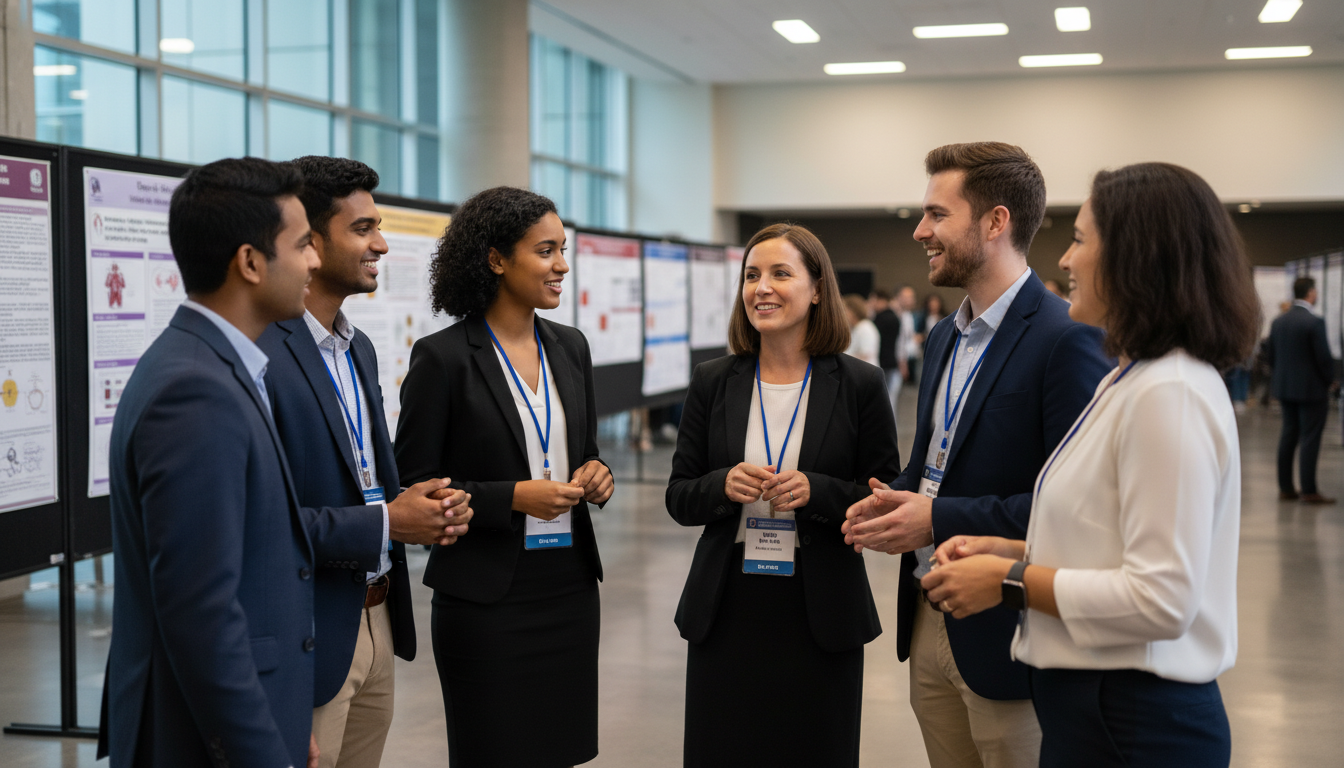
Poster sessions are ideal:
- Walk up, read the poster title, then say:
- “Hi, I’m [Name], a medical student interested in PM&R. I’m still new to research in this area—would you mind walking me through the big picture of what you found here?”
- At the end:
- “This is really interesting. As a Caribbean IMG hoping to go into PM&R, do you have any advice on how I can get involved in research or clinical experiences like this?”
- Walk up, read the poster title, then say:
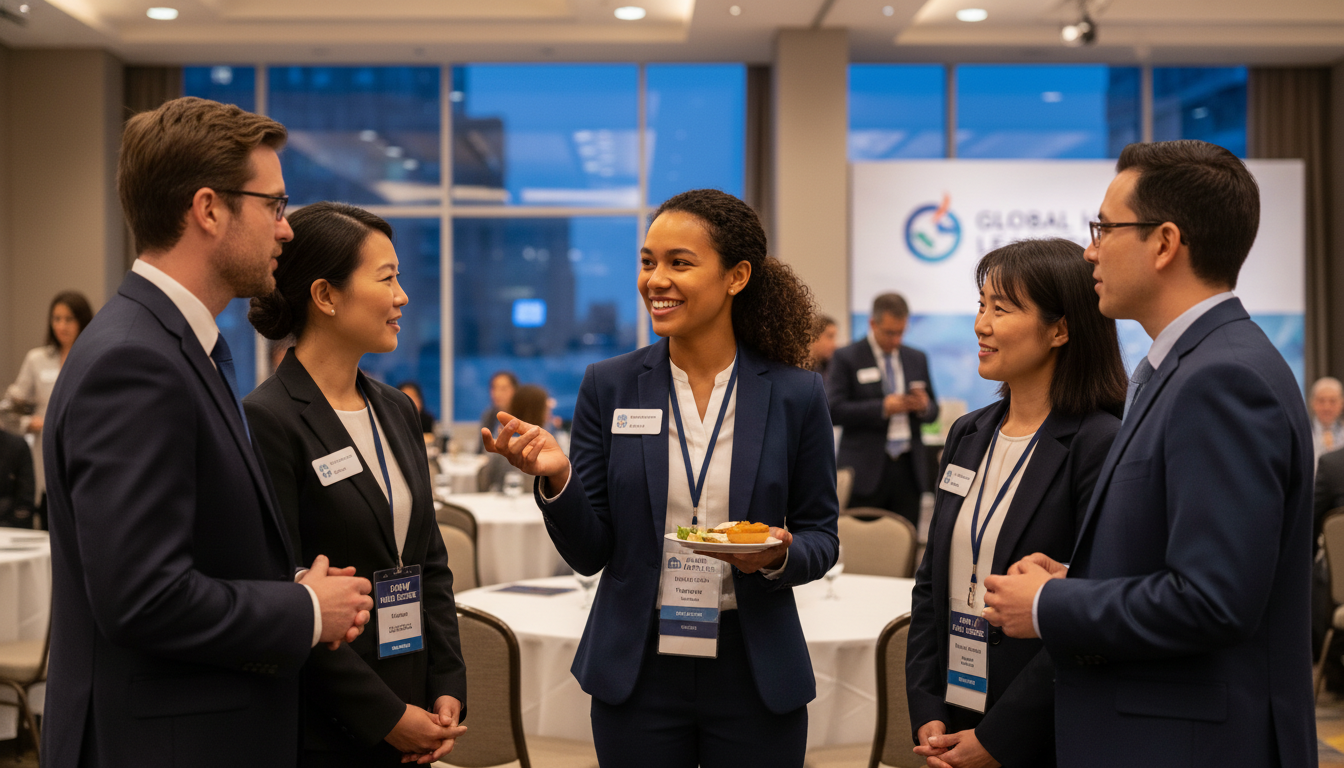
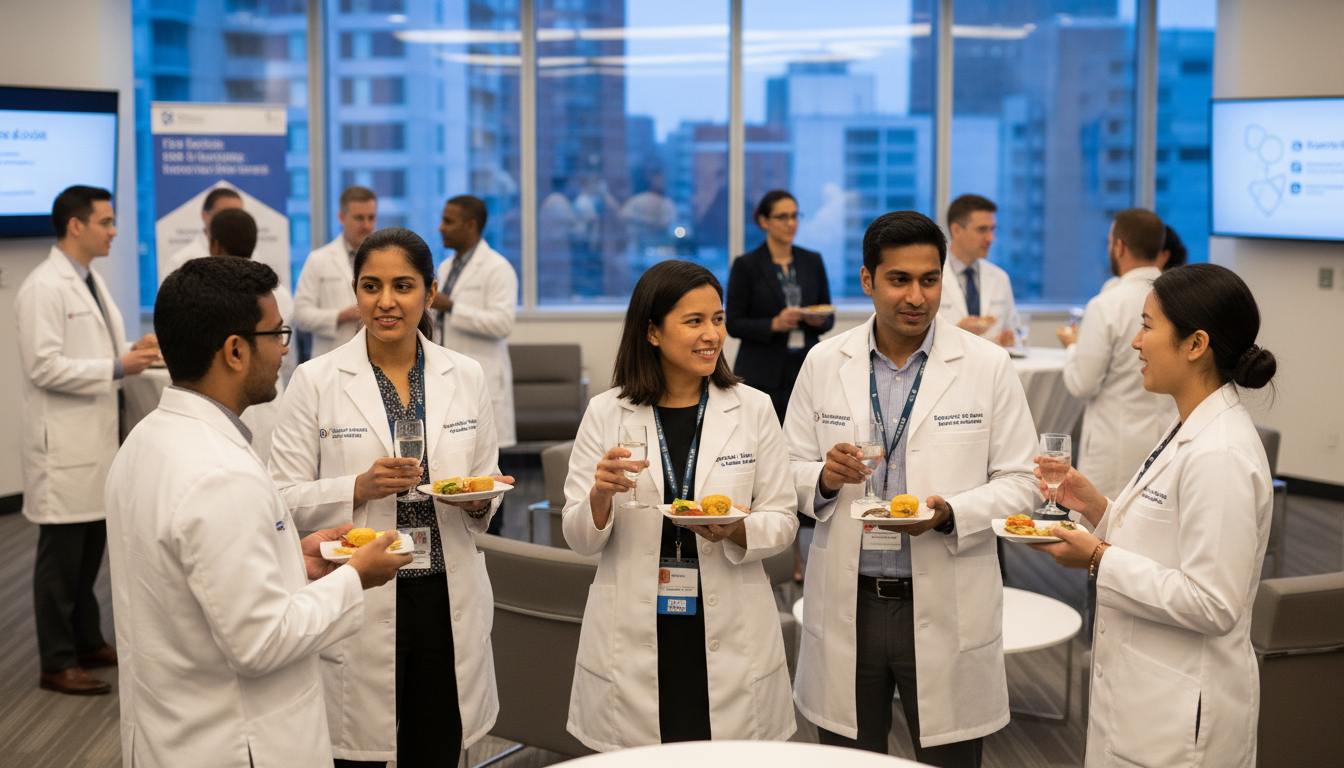
At networking receptions:
- Stand where conversations naturally start: near food tables, entrances, or high‑top tables.
- Join small groups:
- “Hi, I’m [Name], I’m a medical student and new to PM&R—do you mind if I join you?”
- Ask simple, low‑pressure questions:
- “What do you enjoy most about working in PM&R?”
- “How did you choose your program?”
- “From your perspective, what makes a medical student stand out during a PM&R rotation?”
Collect contact information the right way
At the end of a good conversation:
- “I’ve really appreciated your insights. Would it be okay if I emailed you later with a couple of follow‑up questions?”
- If they say yes, ask:
- “What’s the best email to reach you at?”
- Immediately type it into your phone or write it down.
You can also carry:
- A simple personal card with your name, “MS[year] – [School],” email, and LinkedIn.
After the conference: follow‑through is where the value is
Within 3–5 days:
Send individual, specific emails (no copy‑paste blasts):
Subject: Thank you – AAPM&R conversation on [topic]
Dear Dr. [Last Name],
It was a pleasure meeting you at the [conference name], especially our conversation about [specific topic]. Your point about [one concrete insight] was particularly helpful as I plan my path into PM&R as a Caribbean IMG.
Based on your advice, I plan to [brief step you will take]. If you’re open to it, I would love to stay in touch as I progress through my rotations and the application process.
Thank you again for your time and generosity.
Best regards,
[Name]Add each contact to your spreadsheet with a note about:
- Their interest area
- Any offer they made (“happy to look over your CV,” “let me know when you apply to our program”)
Many IMGs fail not at meeting people but at maintaining those relationships. Your follow‑up is where conference networking becomes long‑term mentorship and advocacy.
Tactical Networking During Rotations, Sub‑Internships, and Electives
Your PM&R rotations—especially U.S. electives and sub‑Is—are your audition stage. This is the most powerful context for networking in medicine because faculty and residents can watch you work day after day.
Become “the student everyone remembers”
- Be consistently early, prepared, and curious
- Pre‑read patient charts
- Look up basics of rehab conditions you’ll encounter (stroke rehab, SCI, amputee care, MSK and sports injuries, TBI, pain syndromes)
- Offer help with small but important tasks
- Draft notes, gather data, help with patient education materials, collect outcome scores
- Show rehab‑specific thinking
- Ask: “What are this patient’s functional goals?” not just “What’s their diagnosis?”
- Ask therapists (PT/OT/SLP): “How can I better understand your goals for this patient from the physician side?”
Faculty and residents are far more willing to support your physiatry match when you’ve already shown you’re an asset to the team.
Convert clinical work into networking and advocacy
Throughout a rotation:
- Ask for short feedback:
- “Is there anything I can do differently to be more helpful or improve my performance?”
- Near the end of a strong rotation:
- “I’ve really appreciated this elective—it’s solidified my interest in PM&R. As a Caribbean IMG, I know I need to be very intentional. Do you have any advice on how I can strengthen my application?”
- If you’ve worked closely with someone:
- “If you feel you know my work well enough, would you be comfortable writing a letter of recommendation when the time comes?”
This is not transactional—it’s an extension of a working relationship you’ve already demonstrated commitment to.
Using away rotations strategically as a Caribbean IMG
Away rotations in PM&R can be crucial for:
- Programs that are IMG‑friendly but want to “see you in action”
- Institutions where you already have a mentor or contact
- Regions you have geographic ties to (family, prior education, visa considerations)
For each away:
- Reach out before you arrive:
- “Dear Dr. [PD/Clerkship Director], I’m very much looking forward to my PM&R elective at [institution]. As a Caribbean IMG particularly interested in [area], are there any specific readings, clinics, or experiences you recommend I focus on to make the most of this rotation?”
- During the rotation:
- Let your known contacts know you are there:
“I’m currently on the PM&R service this month—if you’re available for a quick coffee, I’d really appreciate the chance to say hello in person.”
- Let your known contacts know you are there:
- After the rotation:
- Update mentors on:
- What you learned
- Any faculty who expressed support for your application
- Any research or project opportunities that emerged
- Update mentors on:
This turns each clinical experience into a network node in your physiatry match strategy.
Digital and Long‑Distance Networking for Caribbean IMGs
Caribbean students are often rotating at multiple sites with limited overlap with PM&R departments. Digital tools help you fill those gaps.
Use LinkedIn and X (Twitter) intentionally
Follow:
- AAPM&R, AAP, and your target PM&R programs
- Physiatrists who are active educators or researchers
- Residents and fellows in PM&R (especially those who matched as IMGs)
Engage lightly but consistently:
- Like and repost PM&R educational content
- Comment thoughtfully: “As a Caribbean IMG interested in PM&R, I found this thread on neurorehab evaluation really helpful—thank you for sharing.”
- Avoid controversial or unprofessional posts; imagine PDs might see everything.
Join virtual mentorship and networking programs
Seek out:
- AAPM&R mentoring programs (student/trainee oriented)
- AAP’s early career and student/trainee mentorship opportunities
- Institutional or regional PM&R mentorship programs (some are virtual and open nationally)
- IMG‑oriented mentoring groups in PM&R or broader fields
When matched with a mentor:
- Prepare a short bio and specific goals:
- “Caribbean IMG, currently in [year], interested in neurorehab and MSK. Main goals: clarify how to structure my PM&R experiences, find research opportunities, and target programs that are realistic for my background.”
Turn online connections into real opportunities
When an online conversation goes well:
- Ask if they’d be open to:
- A brief Zoom chat about their path
- Reviewing your CV for PM&R‑specific gaps
- Pointing you to faculty/programs receptive to Caribbean IMGs
Example message:
Thank you for your insights on PM&R training and IMG challenges. Would you be open to a brief 15–20 minute Zoom call sometime in the next month so I can ask a few more specific questions about preparing for the physiatry match as a Caribbean graduate?
Even if they say no, they may:
- Refer you to someone else
- Direct you to specific resources or opportunities
Putting It All Together: A 12–18 Month Networking Roadmap
Here is a sample timeline for a Caribbean IMG aiming for a PM&R residency:
18–12 months before application (late MS2/early MS3 equivalent)
- Clarify your interest in PM&R; read basics about the field.
- Identify 1–2 faculty and 1–2 resident mentors (even if virtual).
- Attend at least one major PM&R conference (AAP or AAPM&R).
- Start or join a small rehab‑related project (case report, QI, retrospective review).
12–6 months before application
- Schedule at least one PM&R elective in the U.S.
- Reach out to PM&R attendings at your rotation sites in advance.
- Deepen mentorship:
- Quarterly updates to your mentors.
- Ask for advice on away rotations and program selection.
- Present at a local/regional/national PM&R meeting if you have research or a case.
6–3 months before ERAS opens
- Complete at least one PM&R sub‑I/away at a program where you have some connection.
- Solidify letters of recommendation from:
- 1–2 PM&R attendings (ideally at U.S. academic centers)
- 1 other clinical supervisor
- Ask mentors to review your:
- CV
- Personal statement
- Target program list (prioritizing realistic and IMG‑friendly programs)
Application season and interview trail
- Let your key contacts know:
- You’ve applied
- Which programs you’re particularly hoping for
- If you get an interview where a mentor/resident contact works:
- Send a short note: “I’ll be interviewing at [program] on [date]. Thank you again for your guidance.”
- Practice telling your story confidently:
- Why PM&R?
- Why, despite being a Caribbean IMG, you are prepared and motivated for this field.
- How your non‑traditional path is actually an asset (resilience, adaptability, exposure to diverse patient populations).
Throughout this period, treat every interaction as part of your networking in medicine strategy: conferences, clinic, inpatient rehab, digital connections, and informal conversations.
FAQs: Networking and the Physiatry Match for Caribbean IMGs
1. As a Caribbean IMG, is it realistic to match into PM&R?
Yes, but it requires intentional planning. Many Caribbean graduates, including from SGU and similar schools, successfully enter PM&R each year. What distinguishes them is usually:
- Early and consistent exposure to rehab
- Strong mentorship medicine relationships
- Strategically chosen rotations and away electives
- Evidence of genuine commitment to the field (research, QI, teaching, rehab‑related experiences)
Metrics matter, but so do your relationships and demonstrated fit with the specialty.
2. If I can only afford one major conference, which should I attend?
For most Caribbean IMGs interested in PM&R:
- AAPM&R Annual Assembly is an excellent choice because:
- Large attendance, including many residency programs
- Dedicated student and resident programming
- Broad exposure to the clinical side of physiatry
If your interest is more academic/research‑heavy, AAP can also be very valuable. If possible, attend one of these at least once before you apply and use aggressive but respectful conference networking strategies.
3. What if my Caribbean medical school has no PM&R department at all?
You can still build a strong physiatry match profile by:
- Creating a “virtual home program”:
- Identify one or two U.S. PM&R departments where you can do electives.
- Build long‑term mentorship relationships there via email, Zoom, and rotations.
- Seeking local rehab exposure:
- Inpatient rehab facilities, VA hospitals, outpatient rehab clinics.
- Using national organizations:
- Join AAPM&R and AAP as a student member.
- Participate in virtual mentoring and educational programs.
The key is to proactively build the environment you don’t have, instead of waiting for it to appear.
4. How direct can I be about asking for help from mentors or residents?
You should be respectfully direct. It’s appropriate to say:
- “As a Caribbean IMG, I know I may face additional barriers. Do you have any specific advice for someone with my background?”
- “If you feel you know my work well enough, would you be comfortable writing a letter of recommendation?”
- “Are there any programs you think might be particularly receptive to an applicant like me?”
What’s not appropriate is repeatedly asking for special favors without showing initiative:
- “Can you guarantee me an interview?”
- “Can you get me a spot at your program?”
Focus on seeking guidance, feedback, and realistic opportunities—not shortcuts.
By treating networking in medicine as a deliberate, long‑term part of your training—not a last‑minute scramble—you can transform the inherent challenges of being a Caribbean IMG into a story of persistence, initiative, and fit for a relationship‑centered field like Physical Medicine & Rehabilitation.