Why Networking Matters So Much in Emergency Medicine
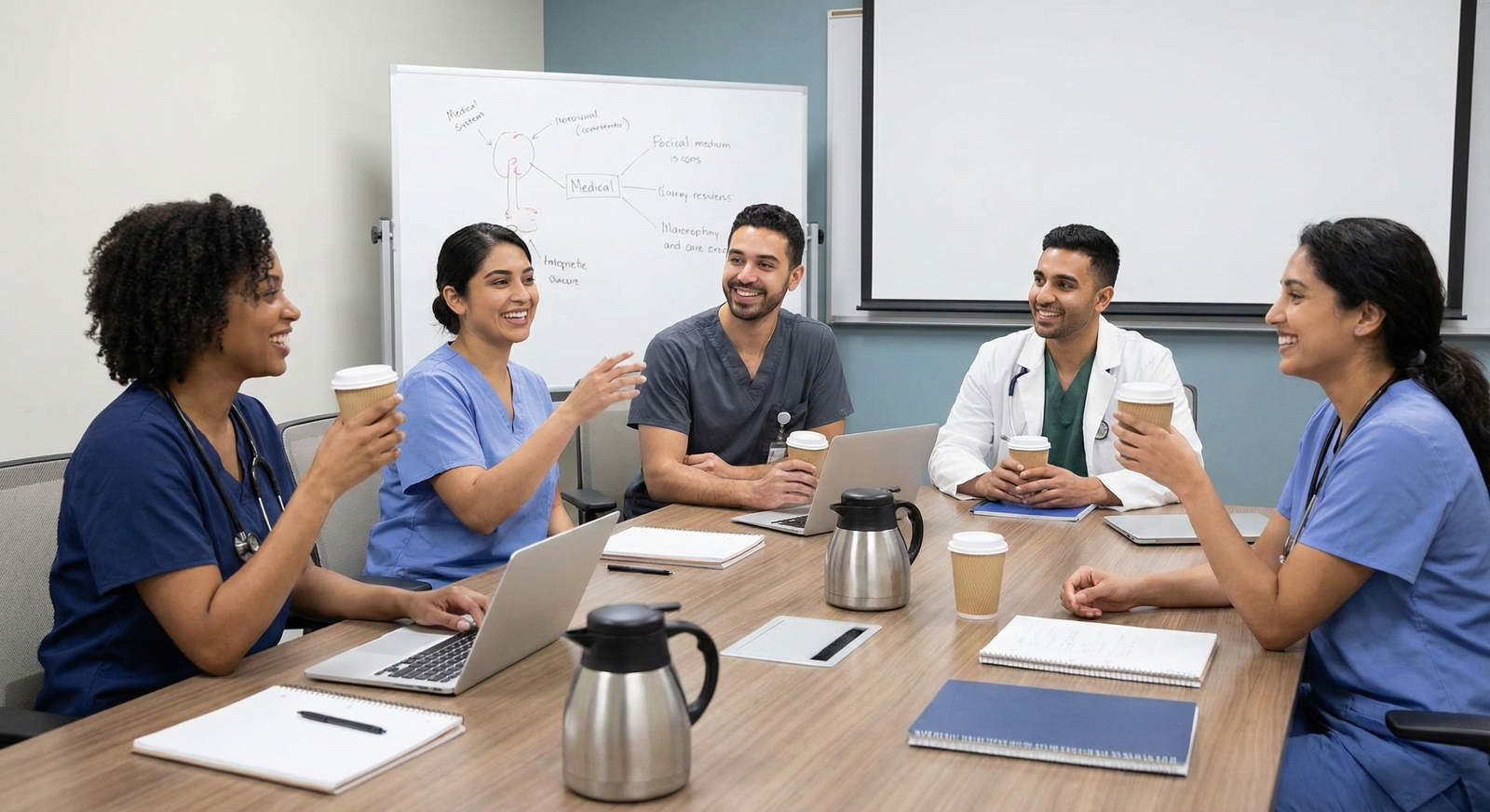
For a DO graduate pursuing or starting an emergency medicine residency, networking in medicine is not optional—it’s strategic survival. Emergency Medicine (EM) is a small, relationship‑driven specialty where people quickly get to know who is collaborative, dependable, and committed.
Whether you’re targeting the osteopathic residency match, a categorical emergency medicine residency, or a combined program, your ability to build and maintain professional relationships will directly influence:
- The interview invitations you receive
- The quality of mentorship medicine you access
- Your exposure to niche opportunities (research, fellowships, leadership)
- Your future jobs and career trajectory, long after residency
This is especially important as a DO graduate. While DOs are increasingly integrated into all aspects of academic and community EM, many decision-makers may still be more familiar with MD training paths. That makes intentional medical networking a powerful equalizer.
In this article, we’ll break down practical, step-by-step strategies for networking in medicine as a DO graduate in EM: from conferences and clinical rotations to social media, mentorship, and beyond.
Understanding the EM Landscape as a DO Graduate
The Unique Position of DO Graduates in EM
DO graduates bring distinctive strengths to emergency medicine—hands-on skills, holistic philosophy, and often strong community-oriented values. However, some challenges remain:
- Fewer “legacy” connections at historically MD-dominant academic centers
- Variable exposure to EM role models during preclinical years
- Need to stand out in a crowded EM match landscape
Networking doesn’t mean “selling yourself” in a superficial way. It means:
- Becoming visible to people who can vouch for your character and abilities
- Learning the culture of EM—how people think, work, and collaborate
- Finding your tribe: mentors, peers, and future colleagues who support your goals
If you think of the osteopathic residency match or NRMP as just an application portal, you’ll miss the most important part: almost every program director relies heavily on trusted opinions from colleagues, advisors, and EM faculty they know personally. Networking is how you join those informal conversations—in a positive way.
Relationship Capital: Your Hidden EM Currency
In EM, “relationship capital” is the sum of:
- Who knows you
- What they know about you
- How strongly they’d advocate for you
You build relationship capital every time you:
- Present a case thoughtfully on shift
- Show up to a departmental meeting or journal club
- Ask thoughtful questions at a conference
- Follow up with a thank-you email or update
The earlier you start—MS3, MS4, early PGY-1—the more compounding benefits you’ll see: stronger letters, better rotations, more tailored guidance on the EM match process, and smoother transitions between training and first jobs.
Networking on Shift: Turning Clinical Time into Connections
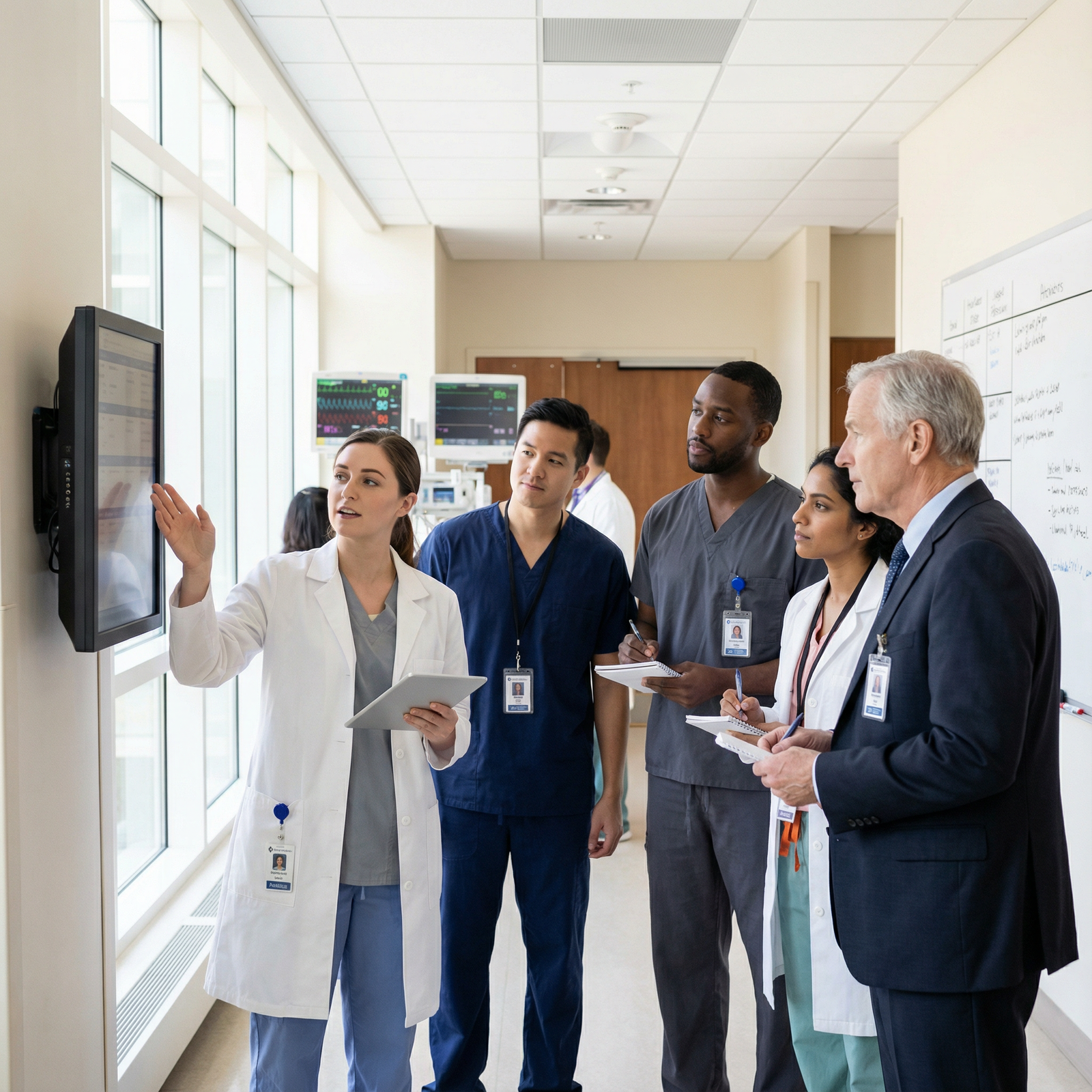
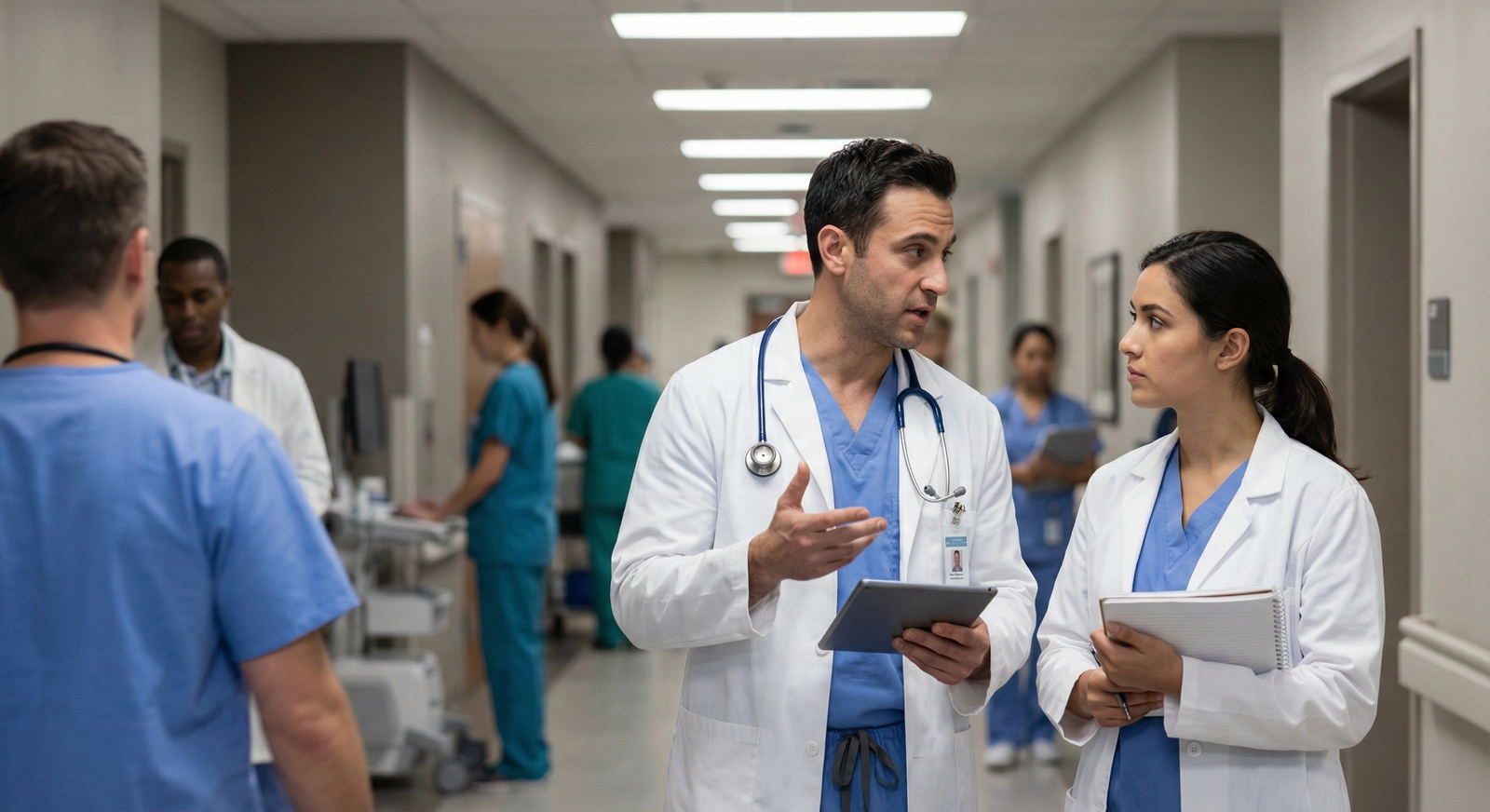
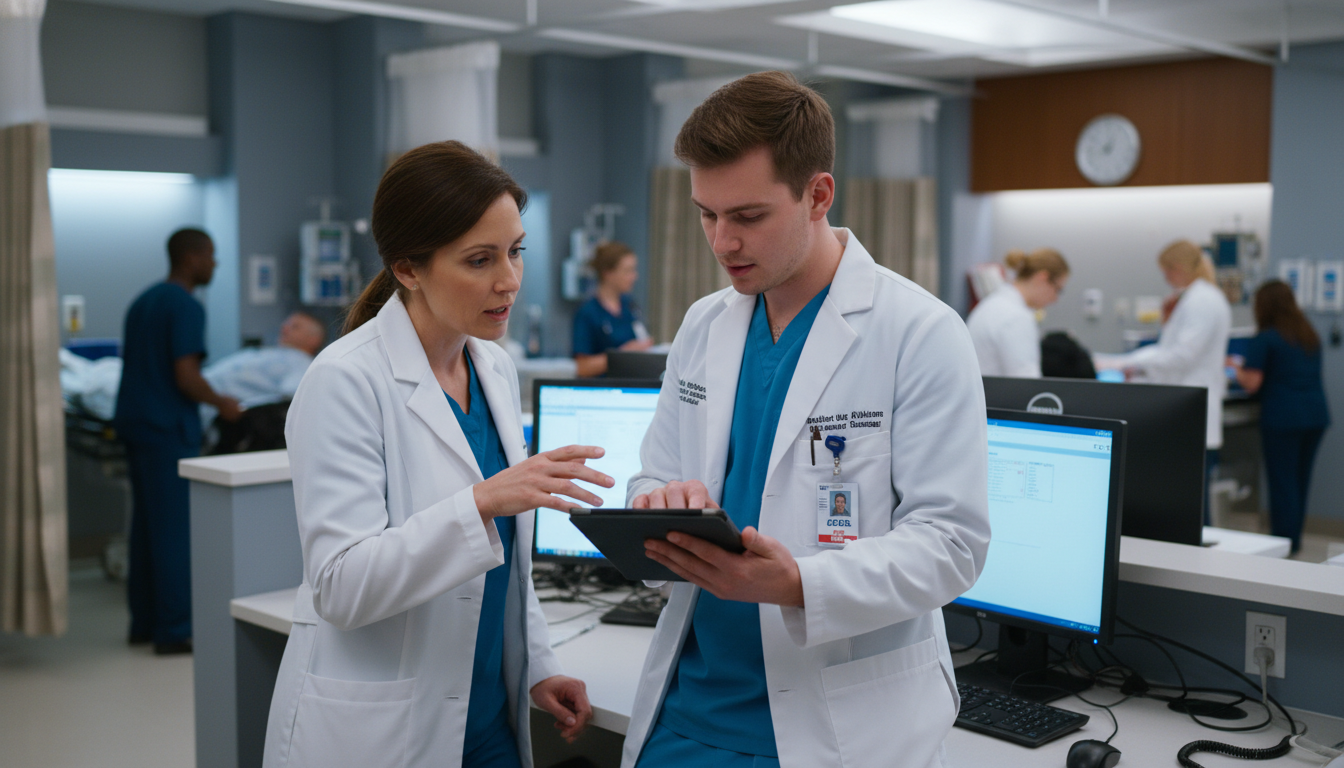
Your primary networking environment is your clinical work. People are far more likely to support or remember you based on how you function on shift than how you introduce yourself at a reception.
On-Shift Behaviors That Build Your Reputation
Be reliably prepared.
- Review patient charts before presenting.
- Know vital signs, core labs, and key differentials.
- Anticipate next steps (imaging, consults, disposition).
Communicate clearly and concisely.
Emergency departments prize brevity and clarity. A strong one-liner and focused HPI signal that you “get” EM culture.Ask targeted, not generic, questions.
Instead of “Any feedback?” ask:- “On that chest pain case, would you have ordered a D-dimer?”
- “How could I make my consult calls more efficient?”
Own your learning and your mistakes.
EM attendings respect humility:- Acknowledge limits: “I’m not sure how to interpret this VBG—can we discuss?”
- When corrected, respond with: “Got it, I’ll adjust my approach on the next case.”
Help the team, not just your own patients.
- Offer to help with discharge instructions or transport.
- Support nurses—this builds your reputation across the entire department.
These micro-behaviors form the foundation of word-of-mouth advocacy, which often matters more than a polished CV.
Turning Attendings Into Long-Term Contacts
At the end of each rotation or block, don’t just disappear. Instead:
Ask directly for feedback.
“Dr. Smith, I’ve really appreciated working with you. Could we spend 5 minutes going over what I did well and what I should work on as I prepare for residency applications?”Signal your goals.
Especially as a DO graduate, be explicit: “I’m a DO planning to apply to emergency medicine residency programs, including some academic EM programs in the Midwest. I’d really value any advice or people you think I should connect with.”Request permission to stay in touch.
“Would it be okay if I reached out in the future with the occasional update or question?”Send a short follow-up email.
Within 24–48 hours:- Thank them for teaching
- Mention one specific thing you learned
- Attach your CV if they offered to advocate or connect you
This is how clinical supervisors become part of your medical networking support system.
Conference Networking: Where EM Connections Accelerate
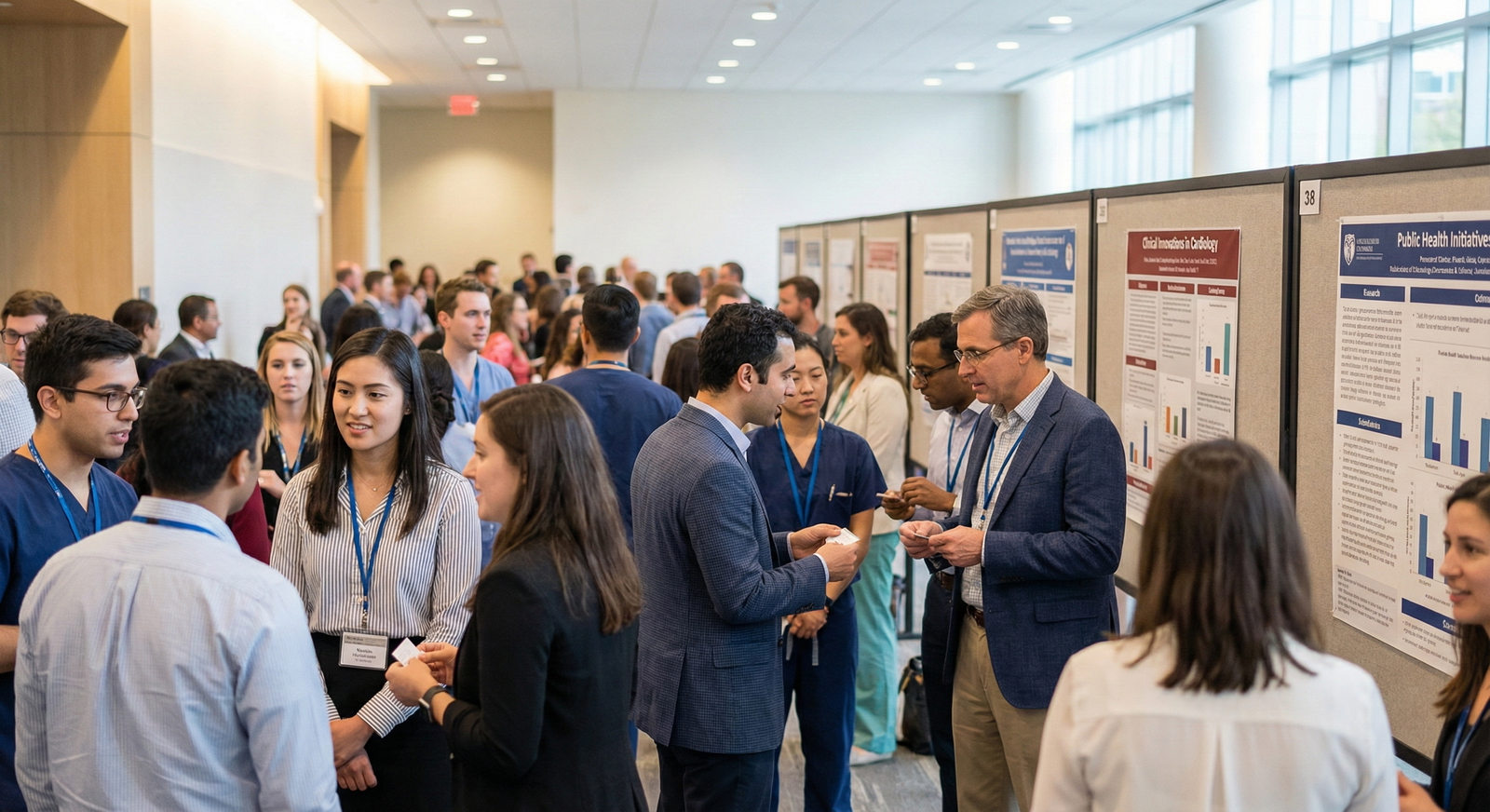
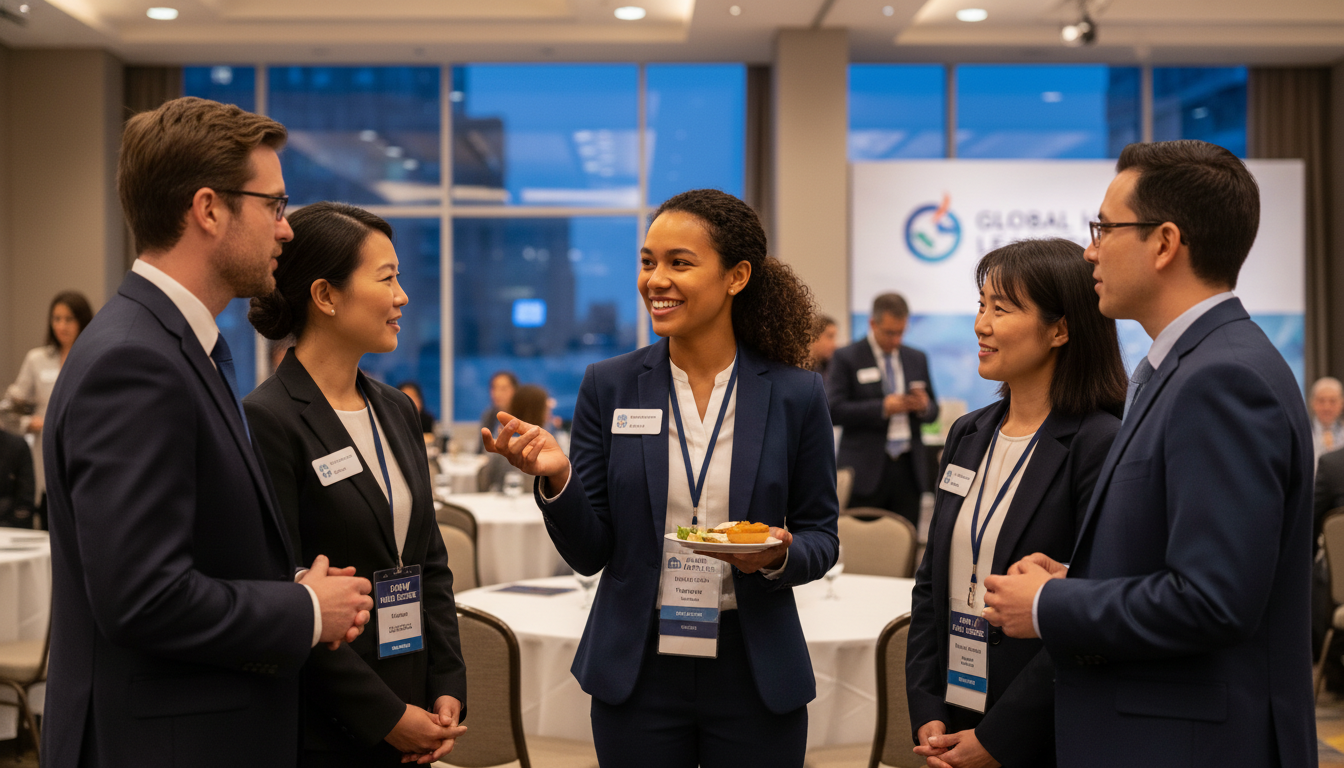
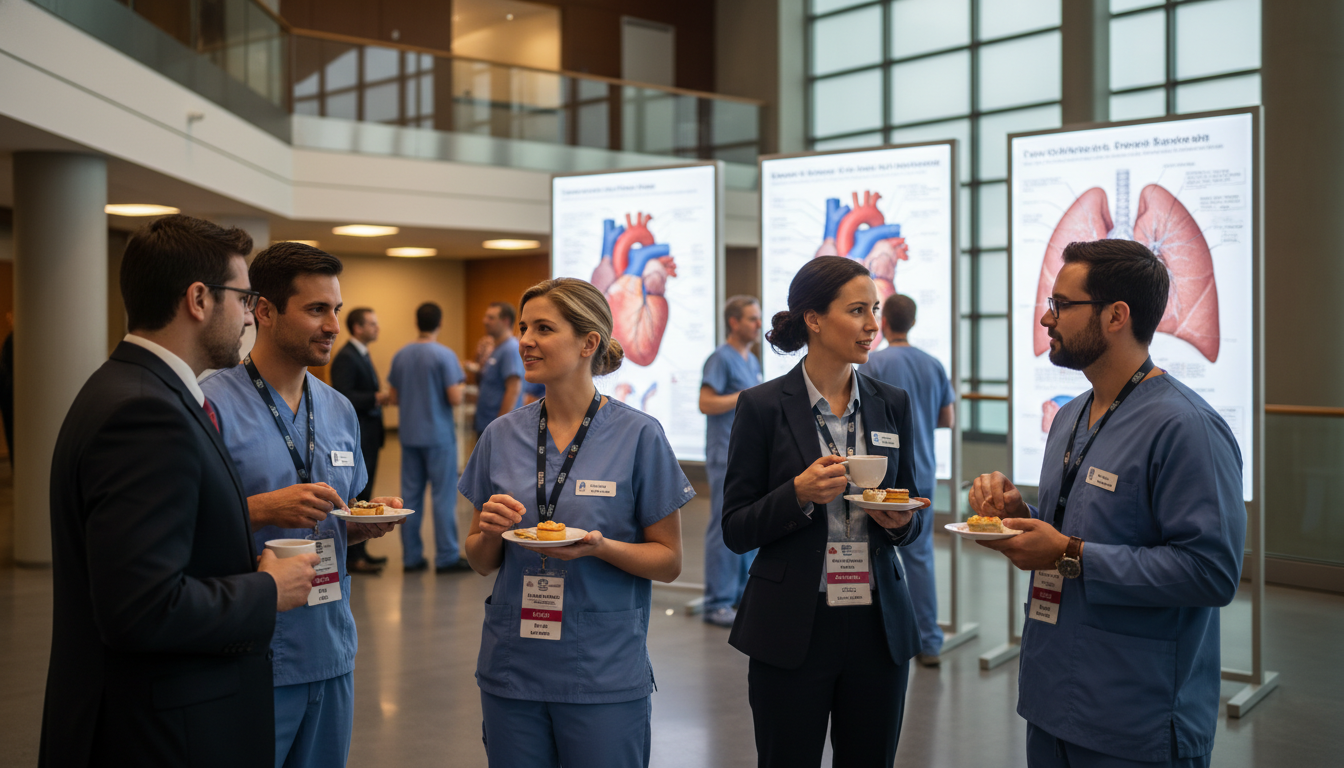
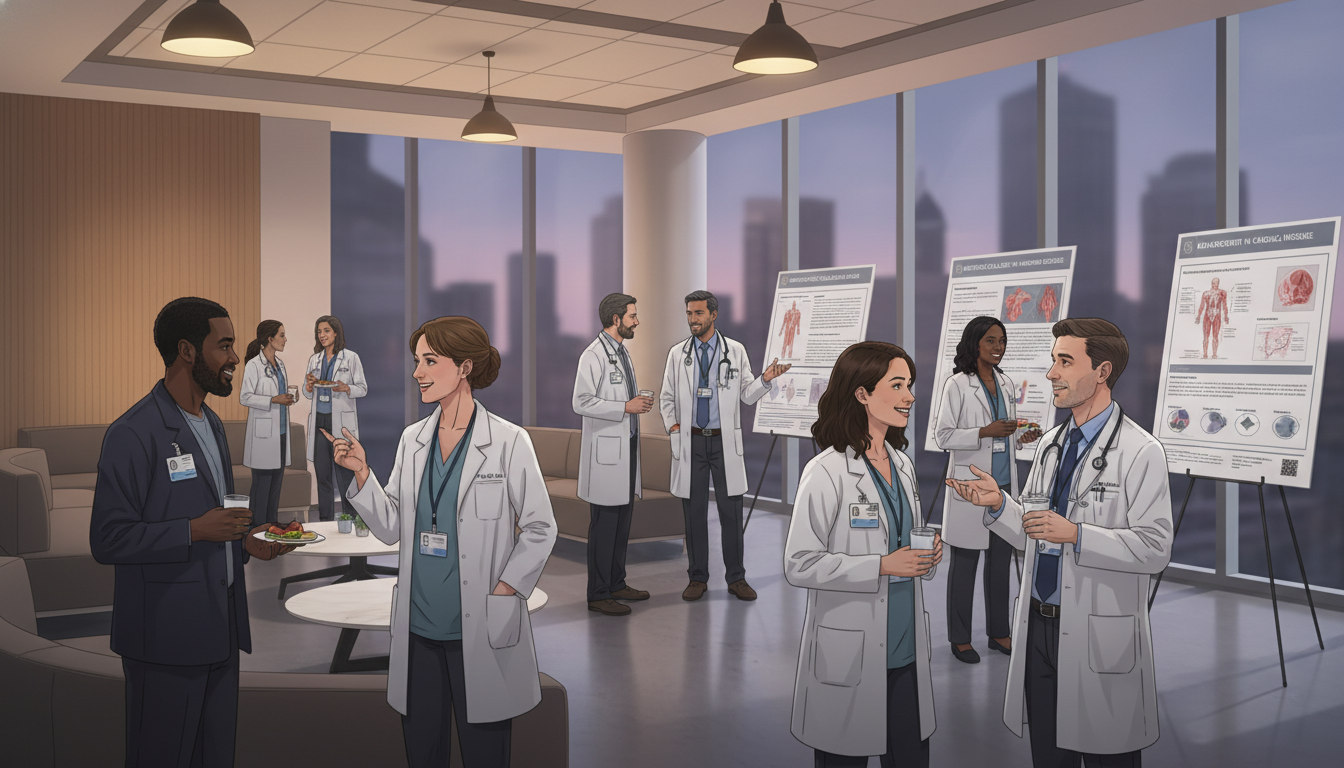
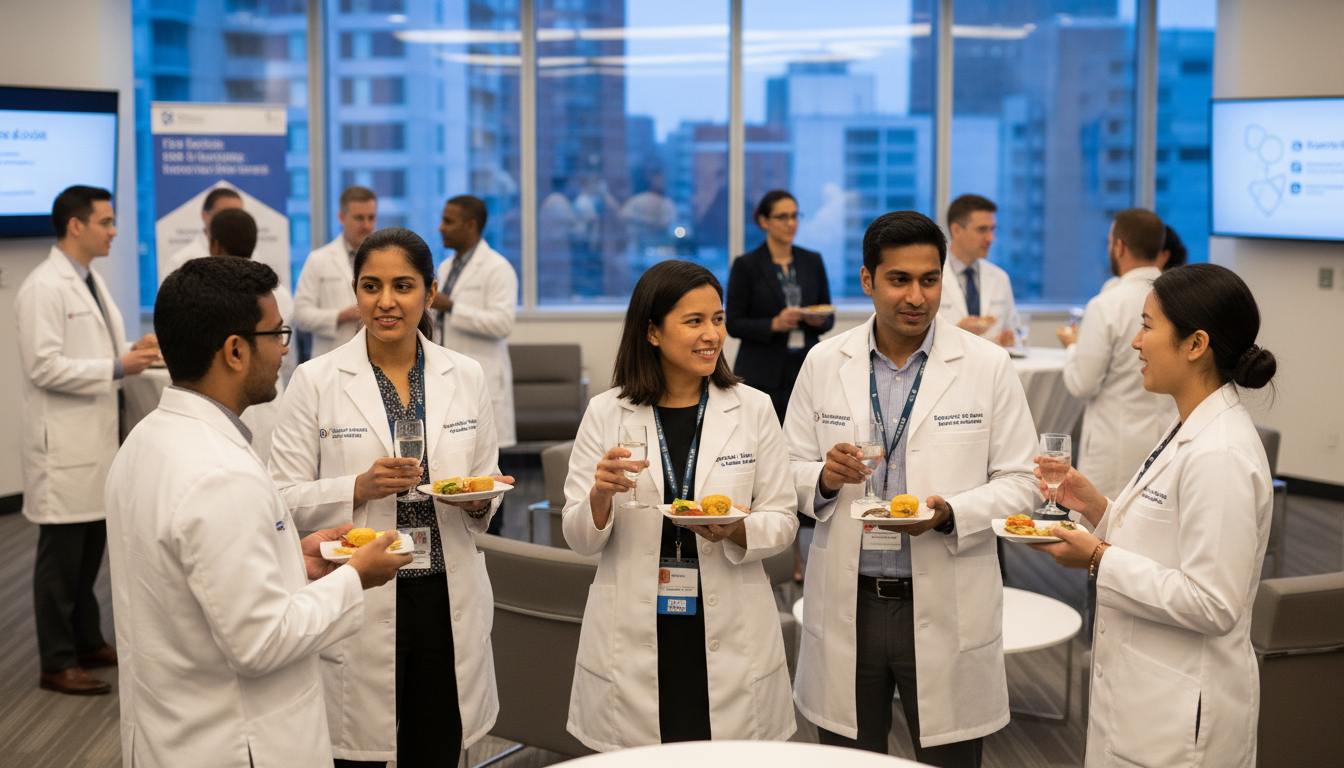
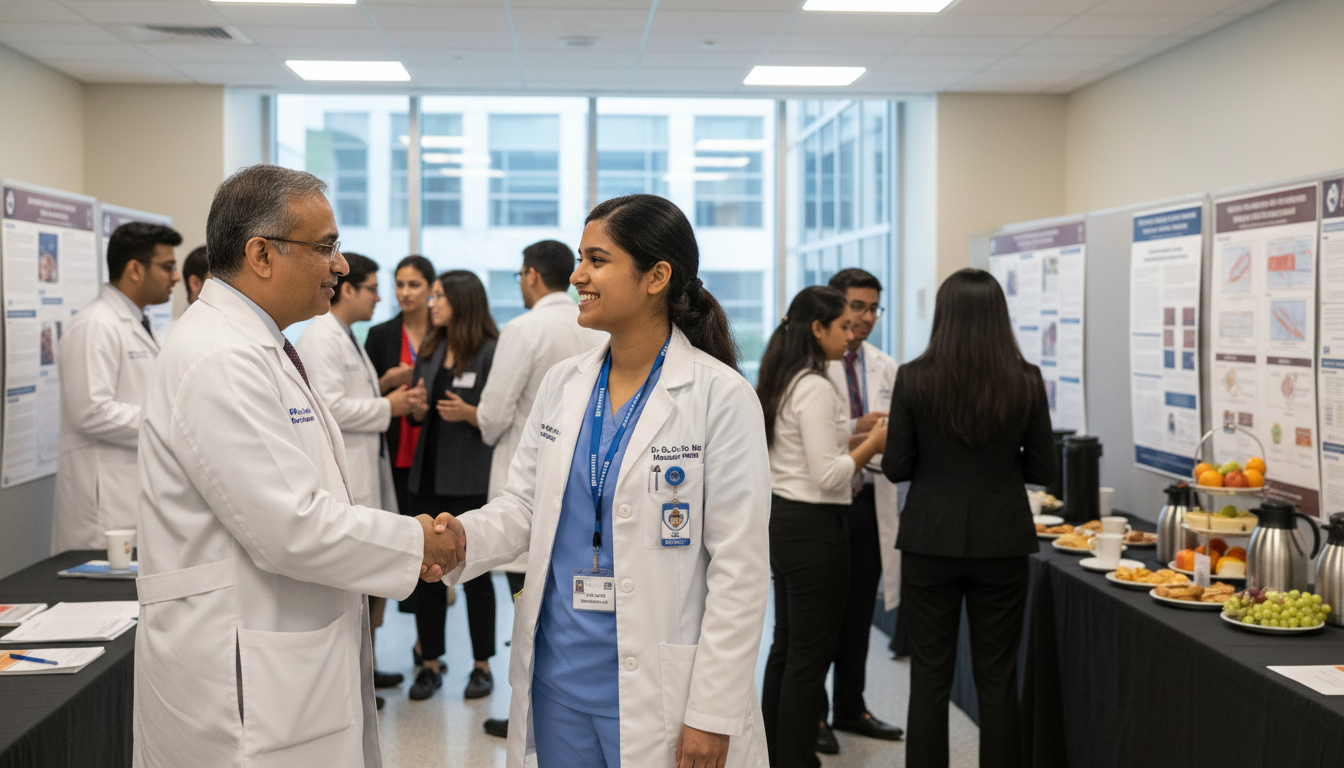
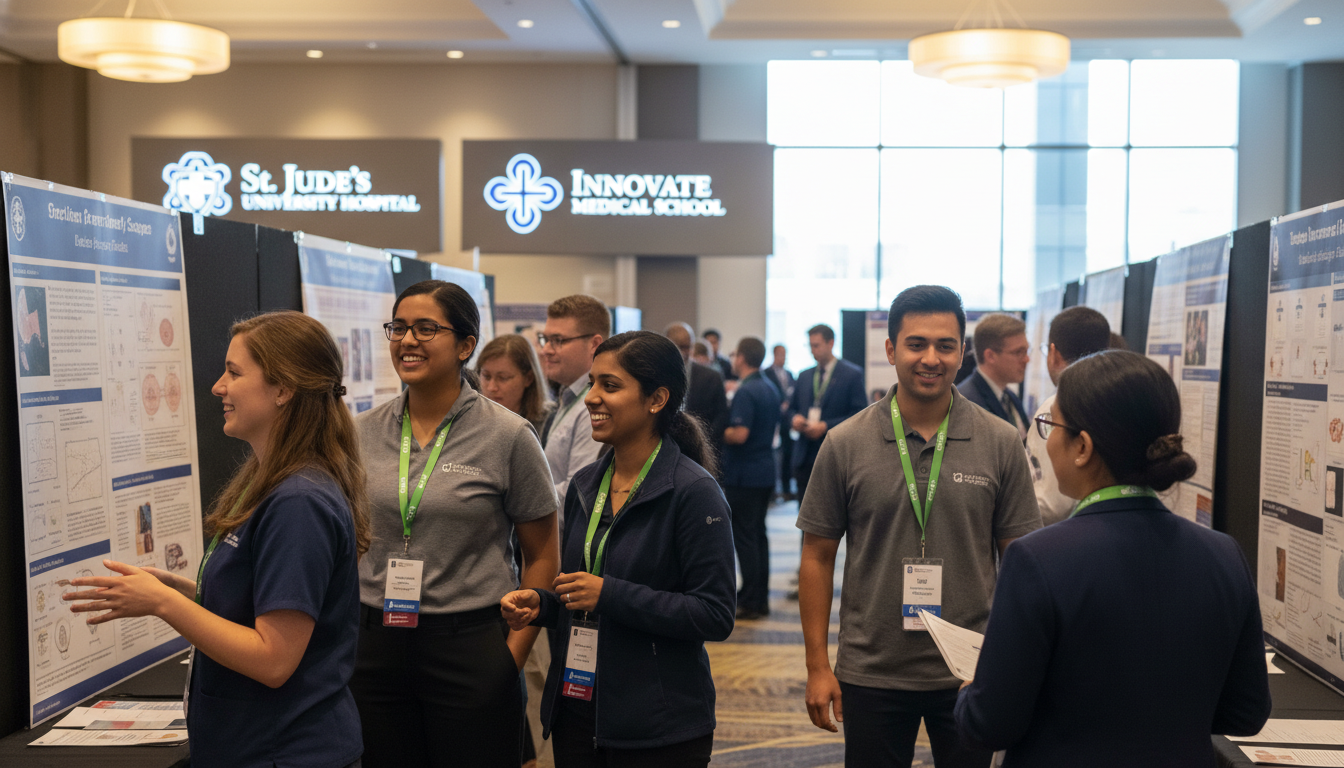
Professional meetings are some of the highest-yield spaces for medical networking in EM: ACEP, SAEM, EMRA events, state ACEP chapters, regional EM symposia, and osteopathic-specific gatherings.
Choosing Conferences Strategically
As a DO graduate aiming for the EM match, prioritize conferences that:
- Attract program directors and core EM faculty
- Offer residency fairs or structured networking sessions
- Provide student/resident-specific tracks (e.g., EMRA/medical student workshops)
- Include osteopathic or DO-focused sessions when available
Common options:
- ACEP Scientific Assembly – broad, clinical, and heavily attended by practicing EM docs.
- SAEM Annual Meeting – more academic; great for research-minded DO graduates.
- EMRA events – superb for mentorship medicine, especially for early career docs.
- State ACEP conferences – smaller, higher chance of repeated contacts and leadership engagement.
Conference Networking Tactics
Before the conference:
- Review the program and highlight:
- Residency program showcases
- Talks by faculty from your target EM programs
- Mentorship sessions or “speed networking” events
- Email 2–5 people in advance:
- “I’m a DO graduating this year, strongly interested in EM and in your institution. I’ll be at [Conference]; would you be open to a brief conversation after your session or during a break?”
At the conference:
Perfect your brief introduction.
A 15–20 second “Who I am” statement:- “Hi, I’m Dr. [Name], a DO graduate from [School], currently applying to emergency medicine residency programs. I’m particularly interested in [toxicology/research/community EM/etc.].”
Ask smart, specific questions.
Examples:- “For DO graduates, what makes an applicant stand out at your program?”
- “Our EM exposure was limited in the preclinical years—what would you recommend I do to strengthen my clinical EM foundation before July?”
Attend residency fairs with intention.
- Prioritize programs where DOs have historically matched
- Ask residents:
- “How supportive is your program of DO grads?”
- “What kind of mentorship do you receive?”
Take notes immediately after conversations.
On your phone or notebook:- Name, role, institution
- What you discussed
- Any follow-up they suggested (“Send me your CV,” “Email me your research interests,” etc.)
After the conference:
Within a week:
- Send personalized emails:
- Thank them for their time
- Reference something specific you discussed
- Attach your CV only if it was requested or felt appropriate
- Ask 1–2 clear, brief follow-up questions if needed
Consistent follow-up is where conference networking turns from “nice chat” into an actual professional relationship.
Mentorship in EM: Building a Personal Advisory Board
Types of Mentors You Need as a DO in EM
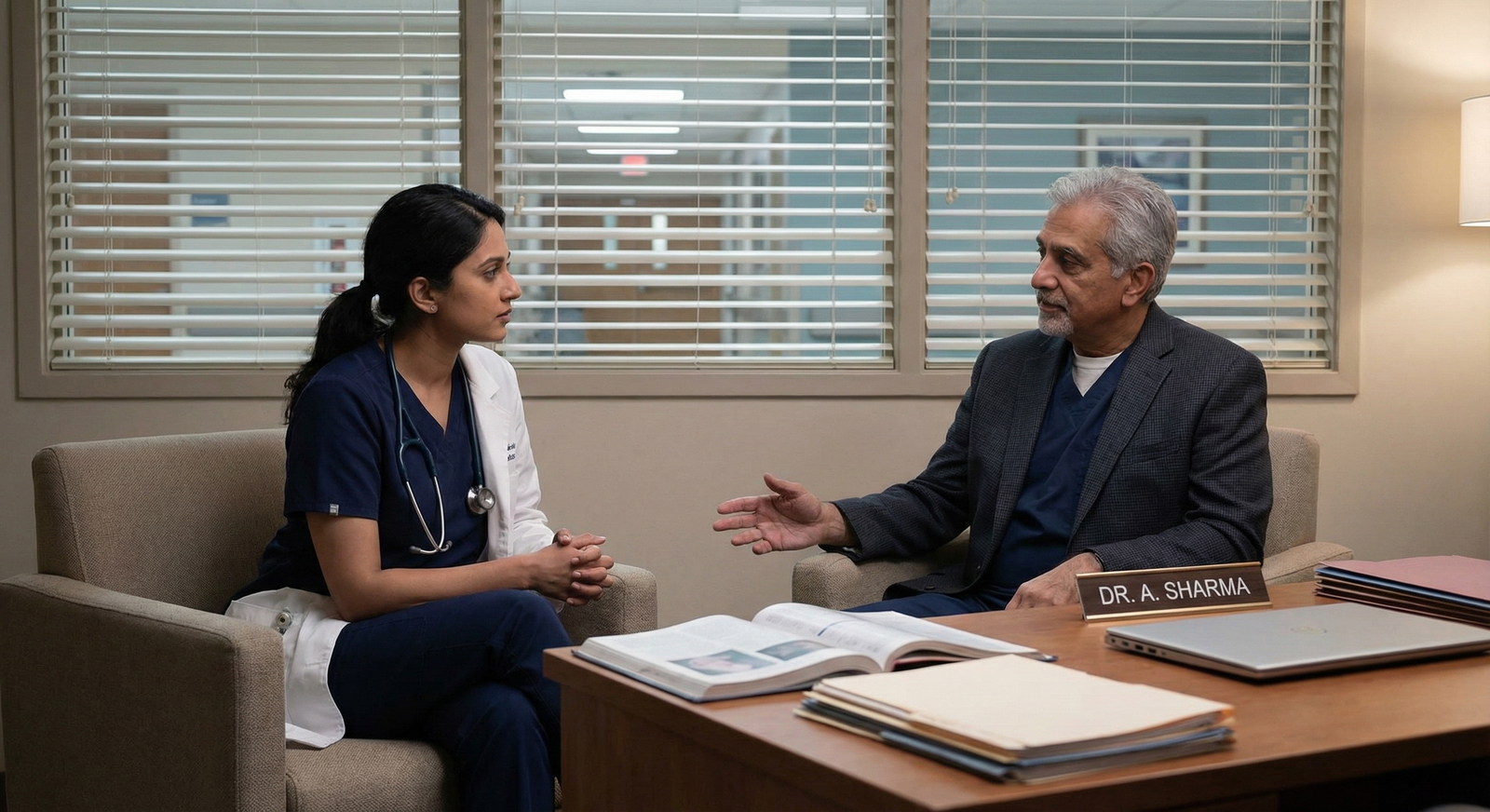
Strong mentorship medicine is one of the most powerful outcomes of good networking. As a DO graduate, aim to build a small “board of advisors” that includes:
Clinical EM Mentor
- An attending who knows your bedside skills
- Helps you grow clinically, reflect on cases, and avoid burnout
Career/Academic Mentor
- Can guide research, fellowship planning, and leadership involvement
- Ideal if they understand DO pathways and opportunities
Process Mentor (Match & Early Career)
- Has recently been through the EM match
- Can give practical advice on ERAS, interviews, and rank lists
- A senior resident, chief, or early attending
Osteopathic-Specific Support
- A DO EM physician who understands:
- COMLEX vs. USMLE issues
- DO visibility in various programs
- Unique obstacles for DO graduates and how to counter them
- A DO EM physician who understands:
Each mentor plays a different role. Relying on a single person for all needs usually leads to disappointment for both of you.
How to Ask Someone to Be Your Mentor
Keep it low-pressure and specific:
“Dr. Jones, I’ve really appreciated your guidance on shift. I’m a DO graduate planning to apply to emergency medicine residency, and I admire how you practice and teach. Would you be open to meeting briefly every month or two to help me think through my career and the application process?”
Or:
“I know you’re busy, so even if we can’t meet regularly, would you be okay if I emailed you occasionally with questions about the EM match and early career decisions?”
Clarify expectations early:
- How often you’ll meet (e.g., every 1–2 months)
- What you’re looking for (feedback on application, guidance on rotations, research advice)
- Preferred communication method (email, text, in person)
Being a Good Mentee
You maintain and deepen these relationships through your behavior:
- Come prepared. Have an agenda for each meeting.
- Do the work. If they suggest a task (draft a CV, contact another faculty, read an article), complete it before your next interaction.
- Share your wins and follow through.
- Update them: “I matched at X”; “We got the abstract accepted”; “I started the ultrasound elective.”
- Respect their time. Short, focused emails; limit last-minute requests (especially for letters).
A mentor who sees you as reliable and proactive is far more likely to advocate for you strongly during the osteopathic residency match or when positions open up later.
Digital & Social Media Networking: Extending Your Reach
Networking in medicine is no longer limited to in-person interactions. As a DO graduate in EM, online platforms can level the playing field—if used wisely.
Professional Use of X (Twitter), LinkedIn, and More
X (Twitter) is heavily used by academic EM for:
- FOAMed (Free Open Access Medical Education)
- Discussion of EM research and practice patterns
- Conference highlights and live-tweeting
Practical tips:
- Create a professional handle (e.g., @DrLastname_DO or @Lastname_EM).
- Follow:
- EM organizations (ACEP, SAEM, EMRA)
- EM journals and FOAMed sites
- Program directors and influential EM educators
- Engage thoughtfully:
- Comment on interesting threads with questions or insights
- Share cases in de-identified, educational ways (ensuring HIPAA compliance)
- Avoid controversial or unprofessional topics—assume PDs are reading
LinkedIn is increasingly useful for:
- Highlighting your CV, research, and leadership roles
- Connecting with EM physicians you meet at conferences
- Following hospital systems, EM groups, and fellowships
Post occasional updates:
- Poster presentations
- New leadership roles
- Publications or accepted abstracts
Virtual Conferences & Webinars
Post-2020, many EM programs and organizations offer:
- Virtual open houses
- Web-based didactics or residency showcases
- Online mentorship events
For a DO graduate who may not have easy physical access to academic centers, this is invaluable:
- Attend as many relevant sessions as you can reasonably manage.
- Introduce yourself briefly in the chat (name, DO graduate, EM interest, location).
- Follow up via email or LinkedIn with speakers you resonated with.
Virtual exposure makes it possible to be “known” by a program director or faculty member before your application even arrives.
Applying It All: Networking Through the EM Match and Beyond
Before and During the Osteopathic/EM Match
Leverage home and away rotations.
- Treat every shift as both an audition and a relationship-building opportunity.
- Identify 2–3 attendings who could potentially write strong letters.
Be explicit about your DO background and strengths.
- Emphasize your hands-on skills, OMT exposure (if relevant), and holistic approach.
- Ask programs about their experience and support of DO residents.
Reach out professionally to programs of interest.
- Short, personalized emails to PDs or APDs:
- Indicate you’re a DO graduate with a genuine interest in their program
- Mention any connection (shared mentor, conference talk, virtual open house)
- Attach a concise, polished CV
- Short, personalized emails to PDs or APDs:
Use mentors to refine your application strategy.
- Which programs are DO-friendly?
- Where do your board scores, SLOEs, and experiences fit best?
- Tailor your list to maximize your chance in the EM match.
During Residency: Sustaining and Expanding Your Network
Once matched into an emergency medicine residency, networking doesn’t stop—if anything, it accelerates:
- Build relationships with co-residents and fellows. They’ll be your future colleagues, references, and collaborators.
- Get involved in departmental projects. Quality improvement, education, research—all create more touchpoints with faculty.
- Engage with hospital leadership. Even informal interactions with ED directors or hospital administrators can open doors to leadership and medical director roles later.
- Stay active in professional organizations.
- Join EMRA committees
- Get involved in state ACEP or ACOEP
- Volunteer to help with abstracts, panels, or resident-focused initiatives
Transitioning to Your First Job
The same medical networking habits that help you match will help you land your ideal job:
- Ask faculty where they’ve worked and which groups they trust.
- Attend regional job fairs and EM employment panels.
- Let mentors know your geographic and practice preferences early; many jobs are shared informally before they’re formally posted.
For a DO graduate, these networks can help bypass lingering biases by pairing your application with a trusted internal advocate.
Frequently Asked Questions (FAQ)
1. As a DO graduate, how early should I start networking for an emergency medicine residency?
Ideally, start in your third year of medical school or as soon as you know you’re interested in EM. That said, it’s never “too late”—even early in PGY-1 you can build relationships that help with fellowships, leadership roles, or job opportunities. Focus on:
- Strong performance on EM rotations
- Attending at least one major EM conference as a student or intern
- Identifying 2–4 mentors who can support your trajectory
2. Do I need to match at an academic program to have a strong EM network?
No. Many DO graduates build amazing networks through:
- High-volume community EM programs
- State ACEP/ACOEP involvement
- EMRA or specialty societies (ultrasound, toxicology, EMS)
Academic centers offer more traditional pathways to research and fellowships, but community-trained EM physicians often have broad, powerful practice-based networks. Regardless of setting, your networking depends on consistent engagement, reliability, and follow-up.
3. How can I stand out at conferences as a DO graduate?
You don’t need to be flashy—focus on being prepared, curious, and professional:
- Introduce yourself clearly as a DO graduate interested in EM or a subspecialty area.
- Ask thoughtful, specific questions after talks or during poster sessions.
- Present a poster or case report if possible; this naturally creates reasons for conversation.
- Follow up by email with people you meet, referencing your shared discussion.
Being authentic, engaged, and respectful will stand out more than aggressive self-promotion.
4. Is social media really necessary for networking in emergency medicine?
It’s not mandatory, but it significantly expands your opportunities, especially if you’re at a smaller or less visible institution:
- You can follow cutting-edge EM discussions and FOAMed resources.
- You can “meet” potential mentors and collaborators beyond your local area.
- Program directors and EM leaders will often recognize frequent, thoughtful contributors.
If you choose to use social media, treat it as a professional extension of your CV. Maintain patient confidentiality, avoid unprofessional content, and focus on learning, teaching, and connection.
By intentionally building relationships on shift, at conferences, online, and within your residency, you transform your journey from “going it alone” into one supported by a broad, dynamic community. For a DO graduate in emergency medicine, that community isn’t just a nice-to-have—it’s the backbone of a successful, sustainable, and fulfilling career.