Why Networking Matters So Much for Caribbean IMGs in Emergency Medicine
As a Caribbean IMG aiming for emergency medicine (EM), your clinical skills and exam scores are only part of the story. In EM—one of the most competitive specialties—who knows you, who trusts you, and who is willing to advocate for you can make the difference between “application overlooked” and “interview offered.”
For graduates from Caribbean medical schools, this is even more critical. Program directors may be less familiar with your school, worried about visa issues, or simply overloaded with applications. Strong professional relationships help overcome those barriers.
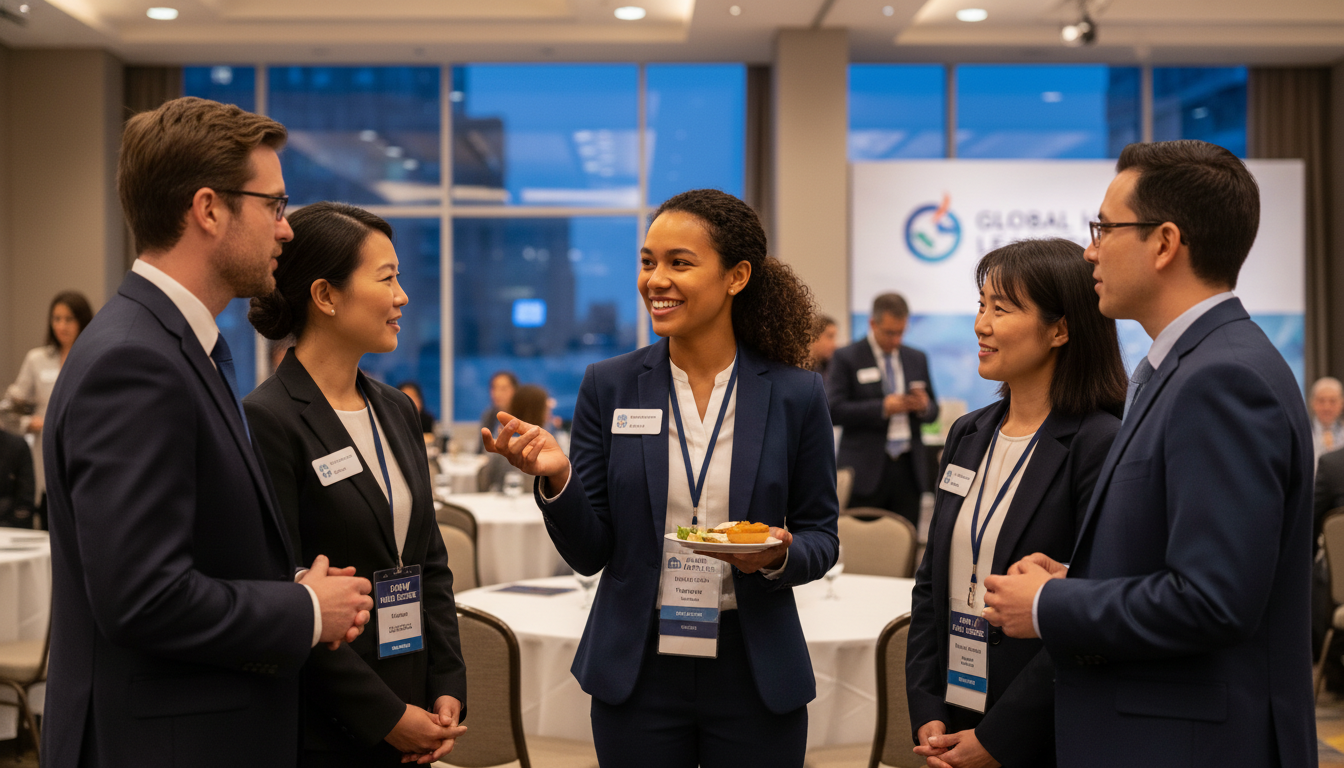
Networking in medicine, especially for EM, is not about superficial small talk or collecting business cards. It is a systematic, respectful way of:
- Creating advocates who can vouch for your clinical performance
- Finding mentors who understand the EM match and can help you strategize
- Discovering away rotations and research opportunities
- Learning which emergency medicine residency programs are IMG-friendly
- Building a long-term professional identity within the EM community
Whether you are at SGU, AUC, Ross, Saba, or another Caribbean medical school, you can build a powerful network that supports your EM match, including highly successful SGU residency match outcomes and similar pathways from other Caribbean schools. The key is to start early, be intentional, and stay consistent.
Laying the Groundwork: Mindset, Story, and Strategy
Before you start emailing physicians or attending conferences, you need three things in place: the right mindset, a clear professional story, and a focused networking strategy.
1. Adopt the Right Networking Mindset
Caribbean IMGs sometimes approach networking with anxiety or a sense of disadvantage. Reframe it:
- Not begging for favors → You are building mutually beneficial professional relationships.
- Not selling yourself → You are sharing your genuine interests, skills, and goals.
- Not a one-time transaction → You are building a reputation over years, not weeks.
Think of networking in medicine as a longitudinal “professional longitudinal patient.” You invest time, you follow up, you provide value, and over time the relationship deepens.
For EM specifically:
- The specialty is team-based and relationship-driven. Residents and faculty want people they can work with at 3 a.m. during a trauma activation.
- Program leaders often ask, “Who knows this applicant?” when reviewing an IMG file. Your network supplies that answer.
2. Clarify Your Professional Story
You should be able to concisely explain three things:
Who you are
- “I’m a 4th-year student at [Caribbean medical school] with a strong interest in emergency medicine.”
Why EM, specifically
- A clear, personal, and authentic reason: acuity, variety, procedural opportunities, underserved populations, etc.
Where you’re headed
- “I’m pursuing an emergency medicine residency, ideally in [region], with an interest in [toxicology, ultrasound, global health, EMS, etc.].”
Prepare and refine a 30–45 second “professional introduction” you can adapt at conferences, on rotations, and in emails. It should feel natural, not memorized.
3. Build a Targeted Networking Strategy
EM is competitive and the EM match (especially for IMGs) can be unpredictable. Instead of trying to connect with everyone, create a focused plan:
Identify 10–20 target residency programs
- Preferably with a history of Caribbean medical school residency matches and IMG-friendly policies (e.g., current residents from international schools, clear visa support, no strict Step 1/2 cutoffs).
Define your networking goals
- Secure at least 1–2 away EM rotations.
- Obtain 2–3 strong SLOEs (Standardized Letters of Evaluation).
- Connect with 3–5 EM faculty mentors or senior residents in your target region.
- Attend at least 1 national EM conference if financially feasible.
Decide your primary channels
- Medical networking via conferences, email, LinkedIn, EM interest groups, alumni from your Caribbean school, and clerkships.
Once the groundwork is set, you can start executing in a structured way.

Clinical Rotations and SLOEs: Your Most Powerful Networking Arena
For Caribbean IMGs in EM, your clinical rotations are your single best networking opportunity—far more influential than social media or cold emails. SLOEs from EM rotations carry enormous weight in the EM match process.
Maximize Every EM-Related Rotation
You may only get one or two core EM rotations at U.S. hospitals. Treat them as month-long interviews.
Before the rotation:
- Research the site and its affiliated emergency medicine residency programs.
- Learn the names of the EM clerkship director and program leadership.
- Email the rotation coordinator (politely) asking if there are opportunities to:
- Attend resident conference
- Participate in simulation or ultrasound workshops
- Meet residents/faculty interested in medical student education
During the rotation:
Your goals are to be:
Clinically excellent at your level
- Pre-read common EM complaints: chest pain, abdominal pain, shortness of breath, trauma, sepsis.
- Arrive early, be prepared to take new patients, and present in a structured way.
- Demonstrate steady improvement: incorporate feedback visibly and quickly.
Consistently reliable and professional
- Be on time (early), stay engaged until the end of shift, and never disappear.
- Treat nurses and ancillary staff with respect; their opinions often reach attendings.
- Show calm and teamwork during high-acuity cases.
Intentionally visible (but not pushy)
- Introduce yourself to each attending: “Hi Dr. ____, I’m [Name], a 4th-year from [Caribbean school], interested in EM.”
- Ask 1–2 thoughtful clinical questions per shift, not every five minutes.
- Volunteer for procedures appropriately, but don’t demand them.
After the rotation:
- Ask the clerkship director or a key attending (who knows you well) about a SLOE.
- Before the letter is written, send a succinct email reminding them of:
- Your full name and school
- Months you rotated
- A 3–5 bullet summary of your strengths and goals in EM
This isn’t “writing your own letter,” it’s creating an easy reference that helps them advocate for you accurately.
Using Rotations to Grow Your Network
Beyond clinical performance, rotations are your chance to build durable relationships:
Residents as near-peer mentors
- Ask for advice about the EM match, study resources, and which programs are IMG-friendly.
- Offer to stay in touch via email or LinkedIn.
- Later, you can ask for informal insight on programs you’re applying to.
Clerkship director and EM faculty
- Request brief sit-downs near the end of the rotation:
- “Do you have 10–15 minutes to discuss my path to EM and how I can strengthen my application as a Caribbean IMG?”
- Prepare questions: about SLOEs, away rotation recommendations, Step scores, and realistic program lists.
- Request brief sit-downs near the end of the rotation:
Other students on rotation
- U.S. MD and DO students can be future colleagues and allies in EM, internal medicine, surgery, etc.
- Exchange contact information; you may cross paths at conferences or residency.
Your behavior on a single EM rotation can generate a small but powerful advocacy network that extends into the interview season.
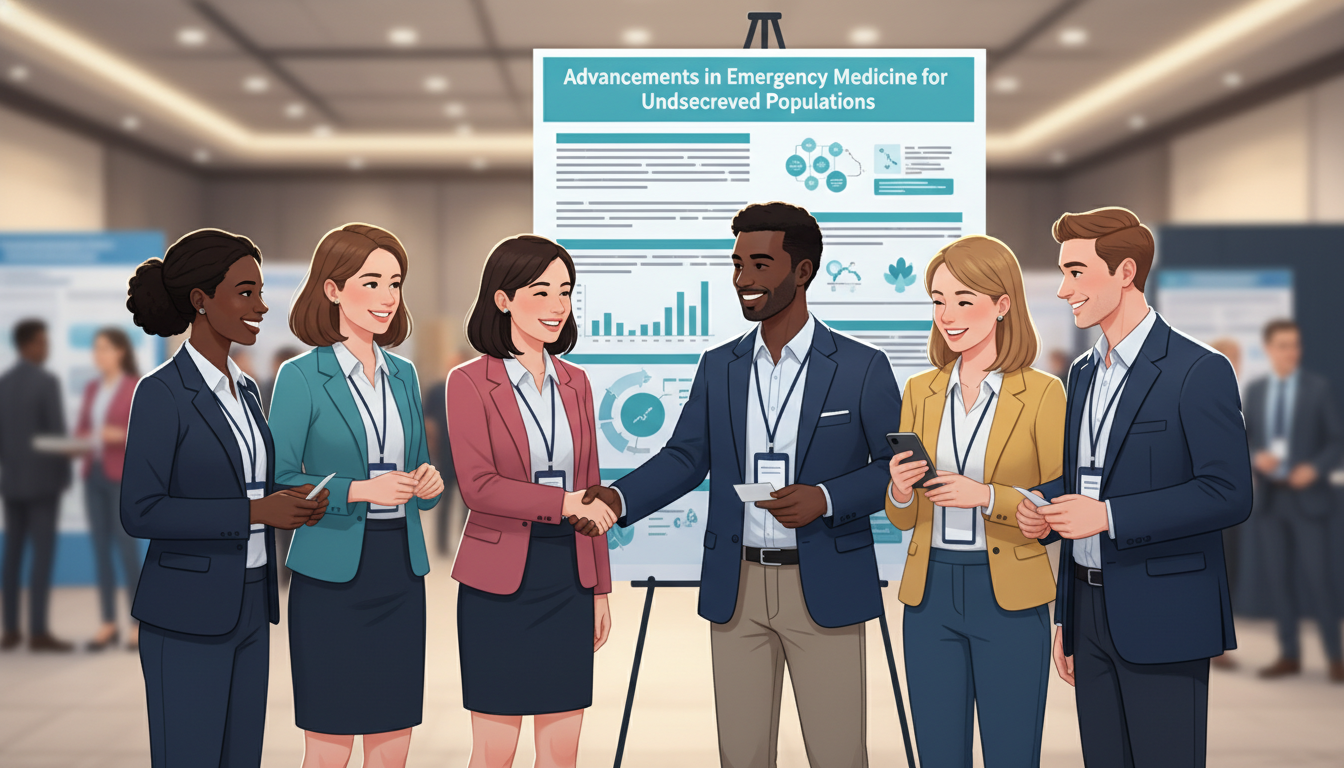
Conferences, Online Platforms, and Formal Networking Channels
Clinical work is not the only place for medical networking. As a Caribbean IMG in EM, you should be deliberate about conference networking, online presence, and professional organizations that support mentorship in medicine.
Leveraging EM Conferences Strategically
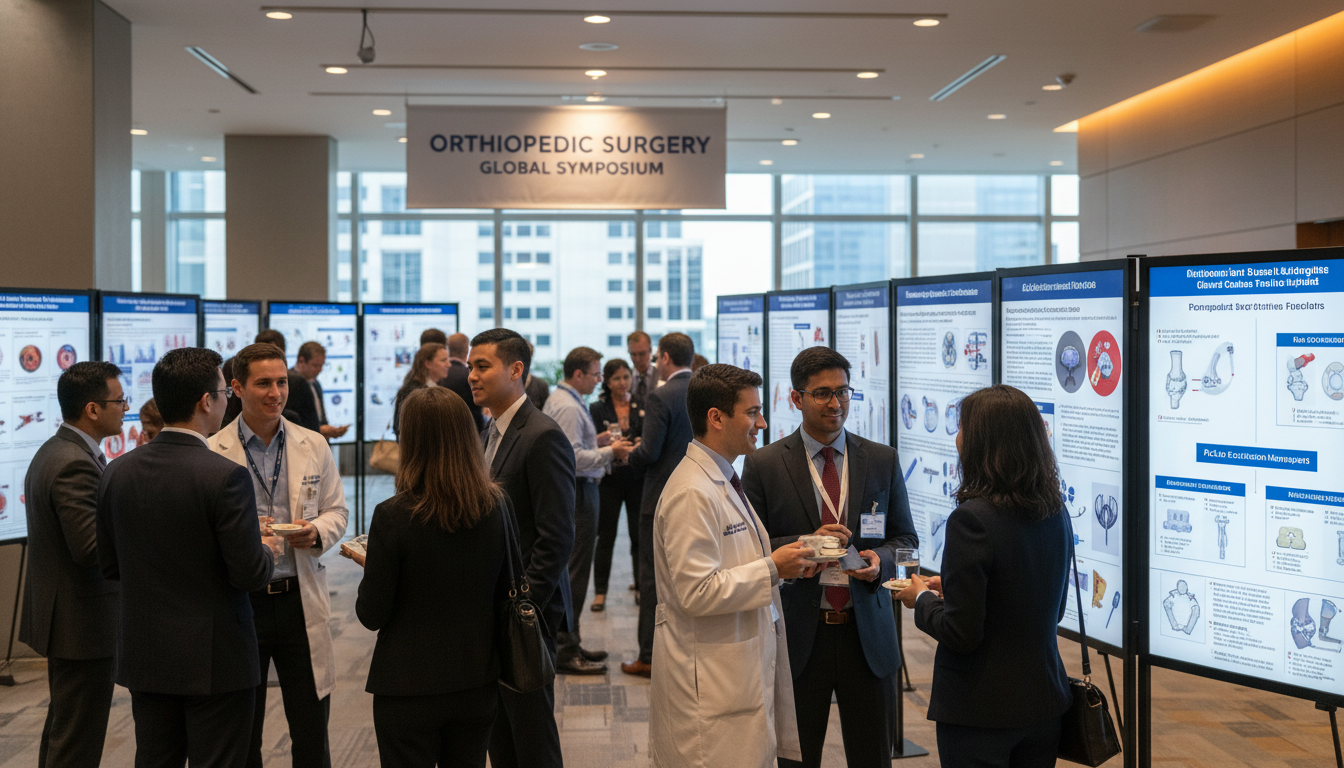
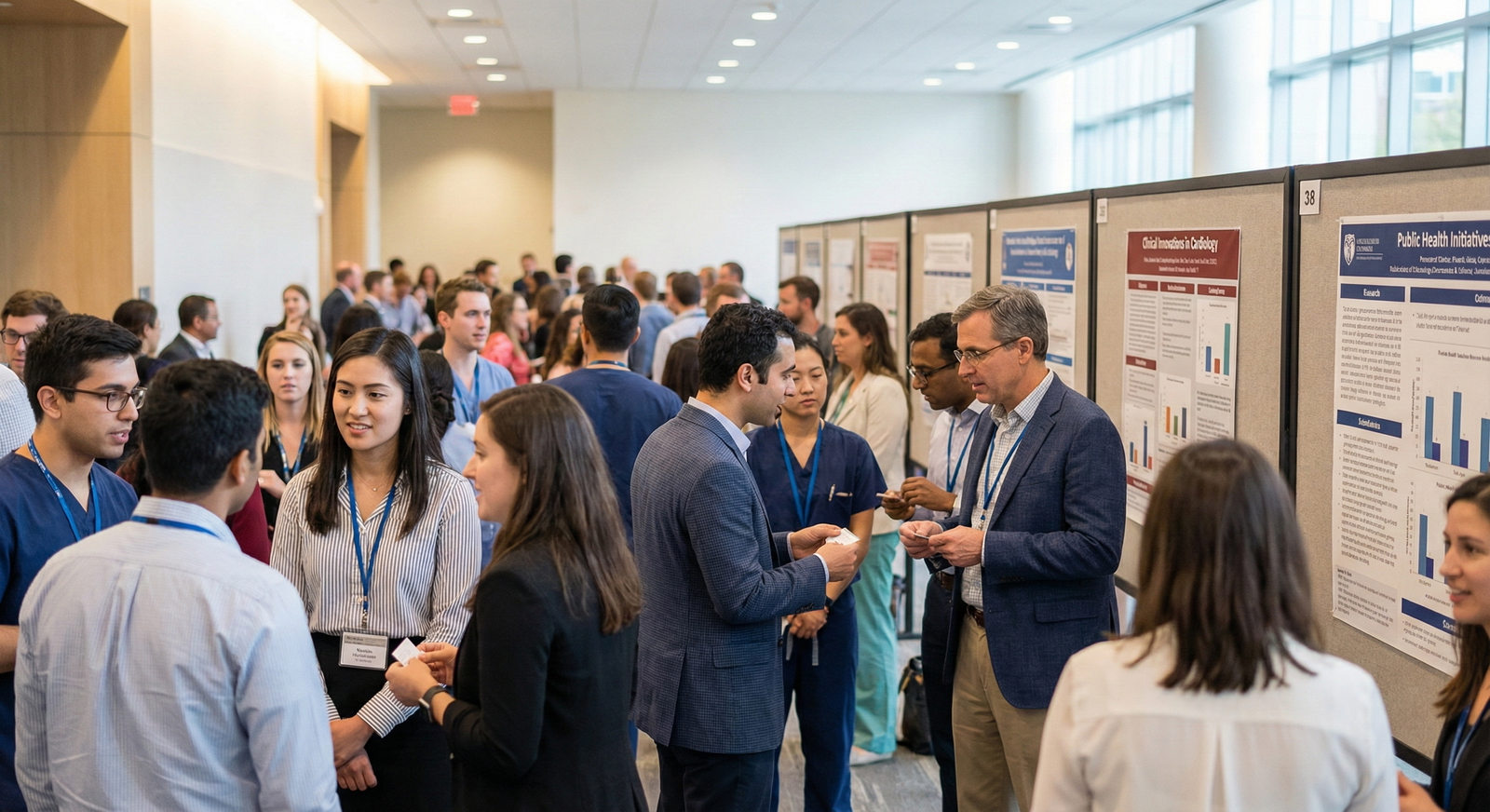
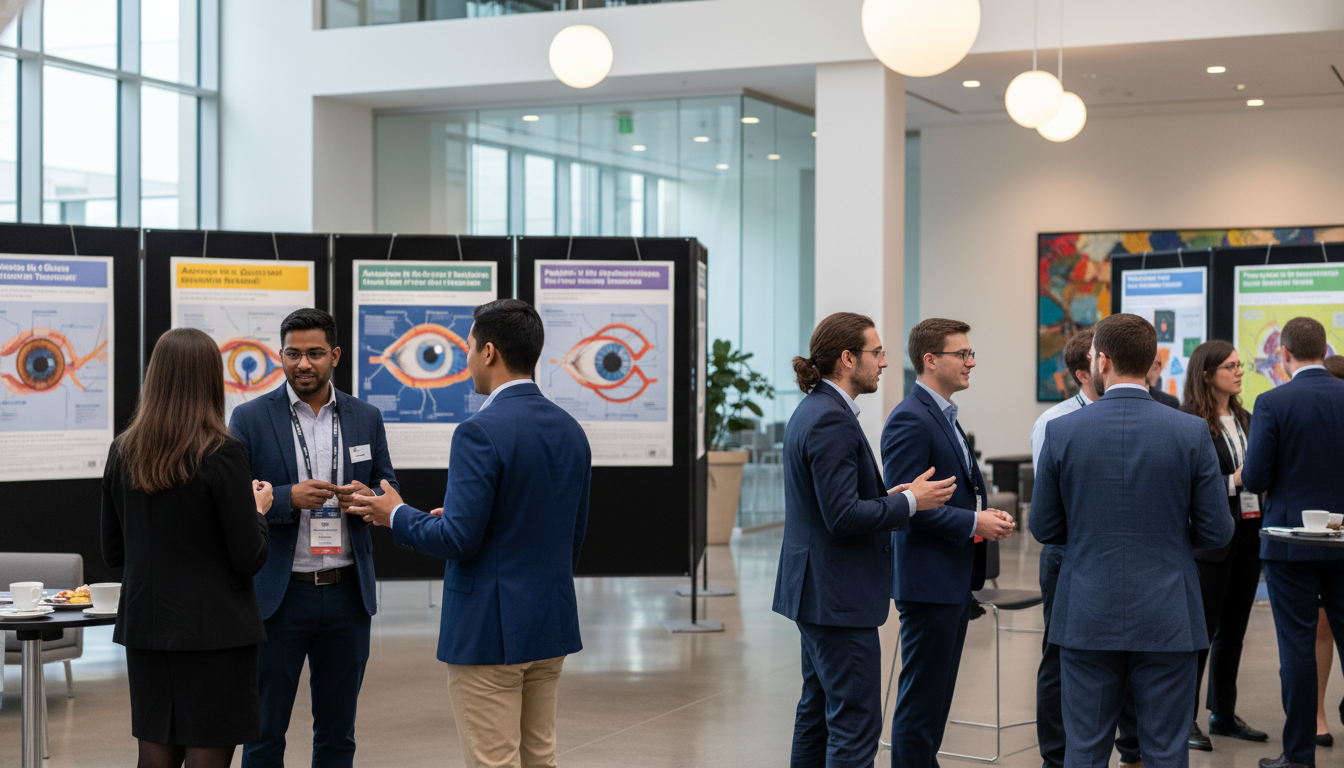
Attending a national or regional conference can be transformative, but only if you prepare.
Key organizations and conferences:
- SAEM (Society for Academic Emergency Medicine) – great for students interested in academic EM and research.
- ACEP (American College of Emergency Physicians) – large, broad-based EM conference.
- AAEM (American Academy of Emergency Medicine) – additional EM-focused programming.
- Regional EM societies or state EM chapter meetings.
Many offer:
- Discounted student registration
- Special tracks for medical students
- Mentorship sessions and residency fairs
Before the conference:
- Identify 5–10 EM residency programs you want to connect with at the residency fair.
- Review the list of sessions, note who is presenting (potential mentors or future colleagues).
- Prepare and practice your professional introduction.
- Print a simple, clean CV and digital version (PDF) on your phone.
At the conference:
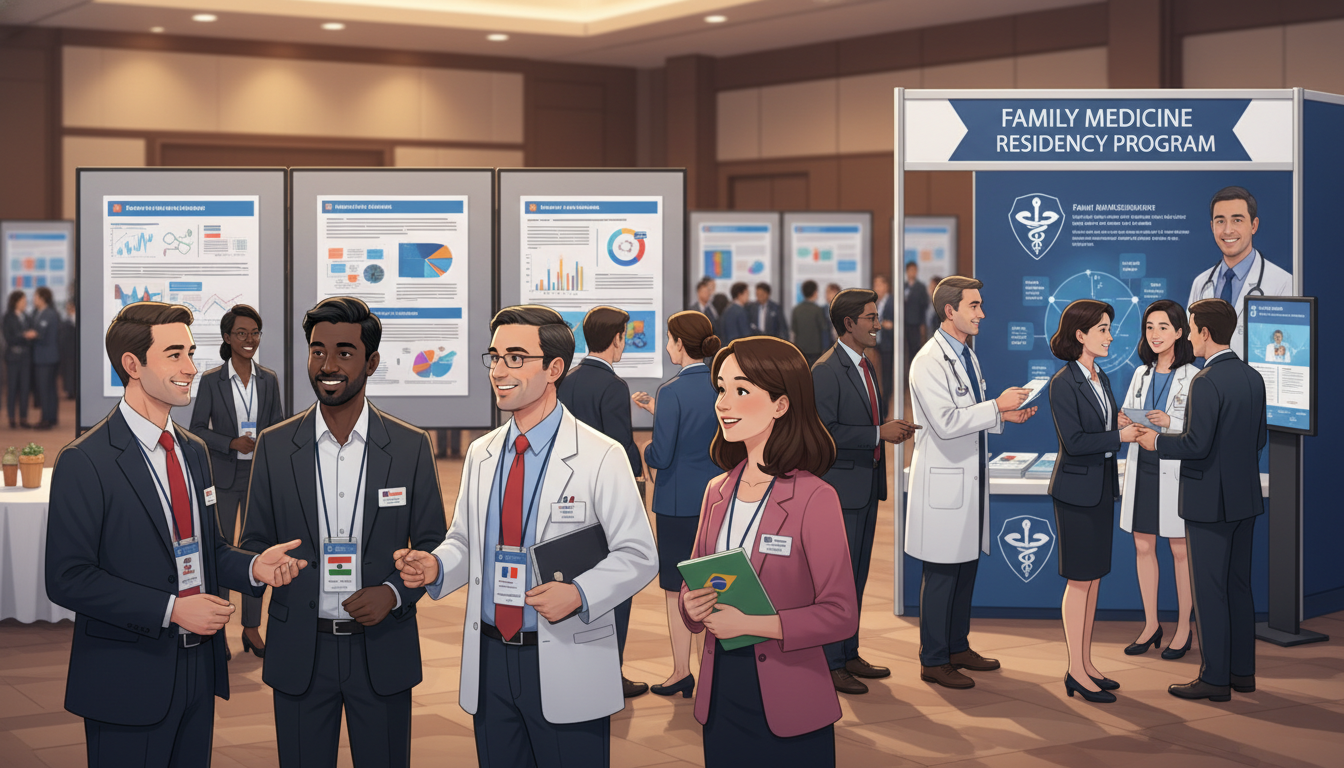
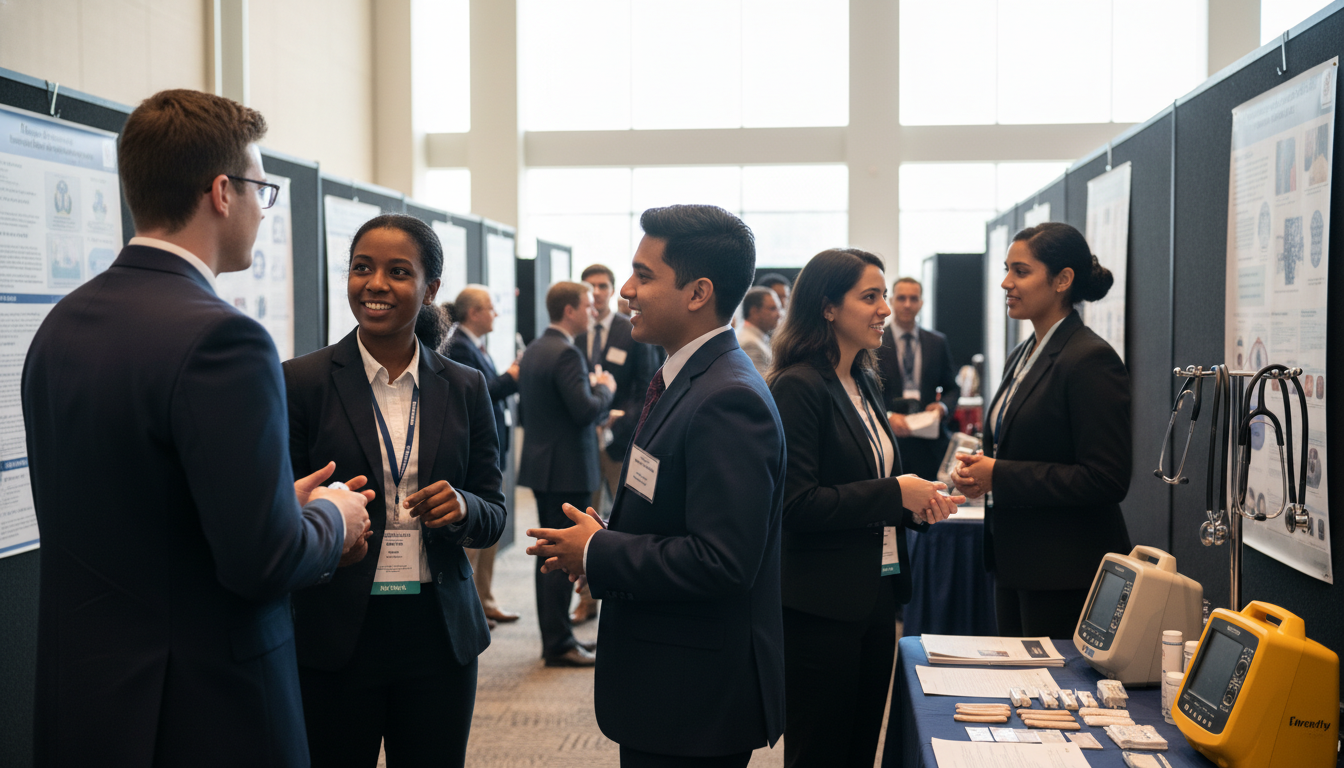
During residency fairs or meet-and-greets:
Approach program representatives (often residents or faculty) with confidence but respect:
- “Hi, I’m [Name], a [year]-level student at [Caribbean school] with an interest in EM. I’ve been reading about your program, especially your [ultrasound / EMS / global health] track.”
Ask targeted questions:
- “Do you currently have or have you had IMGs in your program?”
- “What are key characteristics you look for in applicants, especially from Caribbean schools?”
- “Are there opportunities for visiting student rotations or observerships?”
End with:
- “Would it be okay if I email you with a couple of follow-up questions?”
- Exchange contact cards or note down their email.
After the conference:
Within 3–5 days, send concise follow-up emails:
Subject: Medical Student from [Conference Name] – Thank You for Your Time
Dear Dr. [Name],
It was a pleasure speaking with you at the [conference] about your emergency medicine residency program at [Institution]. I appreciated your insight about [specific point].
As a [year]-level student at [Caribbean school] pursuing EM, I’m particularly interested in [program feature]. If there are opportunities for visiting rotations or ways for a student like me to get more involved, I’d be grateful for your guidance.
Thank you again for your time and advice.
Best regards,
[Name] | [Caribbean school] | [Email]
Keep a simple spreadsheet of contacts, how you met them, and follow-up dates.
Online Presence: LinkedIn, Email, and Professionalism
As a Caribbean IMG, your online footprint matters more than you might think.
- Create or update your profile: photo, school, expected graduation, Step scores (optional), EM interests, research, and volunteer activities.
- Connect with:
- Residents and attendings you meet on rotations or at conferences.
- Alumni from your Caribbean medical school now in EM or EM-related fields.
- Occasionally share:
- Reflections on EM experiences (de-identified and HIPAA-compliant).
- Involvement in EM interest groups, posters, or QI projects.
Email etiquette
- Use a professional email address (e.g., firstname.lastname@medschool.edu or Gmail).
- Keep emails short, structured, and polite.
- Don’t ask for letters or favors in your very first message; aim to build rapport first.
Student and Professional Organizations
Get involved with:
- Your school’s Emergency Medicine Interest Group (EMIG) or help start one if it doesn’t exist.
- EMRA (Emergency Medicine Residents’ Association) – offers mentorship, resources, and a strong student section.
- Caribbean school-specific alumni organizations that track Caribbean medical school residency outcomes, especially in EM.
Many offer formal mentorship medicine programs pairing students with residents or attendings. These mentors can help guide your EM match strategy and advocate for you informally.
Mentorship, Research, and Long-Term Relationship Building
Mentorship is a powerful multiplier for your efforts—especially if you’re navigating the EM match as a Caribbean IMG.
Finding and Evaluating Mentors
Ideally, you want a small team of mentors, not just one person:
- Career mentor (EM physician) – helps with specialty choice, program list, and overall application strategy.
- Academic or research mentor – guides you through projects that can strengthen your CV.
- Near-peer mentor (resident or recent graduate) – gives real-time, practical advice and emotional support.
Potential sources:
- EM attendings or clerkship directors from your rotations
- EMRA or other organizational mentorship programs
- Alumni from SGU or other Caribbean schools who matched into emergency medicine residency programs
- Faculty you meet through EM interest groups or conferences
Signs of a good mentor:
- They respond reasonably promptly (even if briefly).
- They offer concrete suggestions rather than vague encouragement.
- They are honest about your competitiveness and realistic options.
- They have some familiarity with IMGs or Caribbean schools—or are open to learning.
How to Approach and Maintain Mentorship Relationships
Initial outreach email:
- Short introduction (who you are, your stage in training, your EM interest).
- Why you’re reaching out to them specifically (common institution, saw their talk, shared research interest).
- Clear, modest ask:
- “Would you be willing to speak with me for 15–20 minutes about pursuing EM as a Caribbean IMG?”
During meetings:
- Show up prepared with questions, not just “tell me what to do.”
- Bring a short CV if in person, or send it beforehand if virtual.
- Listen carefully, take notes, and clarify next steps.
Afterward:
- Send a concise thank-you email with key takeaways and how you plan to follow their advice.
- Periodically update them—especially at major milestones (e.g., Step scores, research acceptance, EM match results).
This transforms the relationship from a one-time interaction into a long-term mentorship.
Using Research and Projects as Networking Tools
Research is not mandatory for every EM applicant, but productive involvement in projects can deepen relationships and show commitment.
For Caribbean IMGs, especially those aiming for competitive EM programs, consider:
- Case reports or case series from EM rotations
- Quality improvement (QI) projects in ED throughput, sepsis protocols, ultrasound documentation, etc.
- Chart reviews under an EM faculty’s supervision
- Education projects (simulation, curriculum design)
Approach faculty like this:
“I’m very interested in EM and would like to contribute to any ongoing research or QI projects you might have, even in a small role. I understand that as a Caribbean medical student I may have limited time in the U.S., but I’m committed to following through remotely when possible.”
Even small contributions can:
- Build trust and familiarity with faculty
- Lead to posters or abstracts at EM conferences (and more networking)
- Strengthen your narrative of dedication to emergency medicine
Practical Networking Tips Throughout the EM Match Journey
From pre-clinical years through interview season, your networking approach should evolve.
Pre-Clinical / Early Clinical Years
- Join EM interest groups and EMRA; attend webinars on EM match planning.
- Identify Caribbean graduates who matched into EM (e.g., through SGU residency match reports, alumni pages, LinkedIn) and politely request informational conversations.
- Start learning basic EM topics so you shine later on rotations.
Core Clinical Rotations (Internal Medicine, Surgery, etc.)
- Even when not in EM, build strong impressions—you may need letters from non-EM attendings.
- Ask internal medicine or surgery mentors if they know EM faculty to whom they can introduce you.
- Practice your presentations and efficiency—skills that translate directly to EM performance.
Dedicated EM Rotations and Away Rotations
During these months:
- Networking and SLOE acquisition are top priority.
- Show your very best performance early, but maintain it throughout.
- Seek brief meetings with program leadership to express your sincere interest and ask about your fit as a Caribbean IMG.
Application and Interview Season
Once applications are in:
- Keep mentors updated on interview offers and ask if they know people at your top-choice programs.
- For programs where you have meaningful connections, a brief advocacy email from a mentor can tip the scales for an interview invite.
- During interviews, treat every interpersonal interaction—residents, coordinators, faculty—as part of your networking.
After interviews:
- Send individualized thank-you emails to faculty and residents who spent time with you, briefly reiterating your fit and interest in their emergency medicine residency.
Post-Match: Continuing Your Network in Residency
Once you match into EM (or a transitional/preliminary year if that’s your path), networking does not stop:
- Maintain contact with your Caribbean medical school peers and underclassmen—you can now mentor them.
- Stay active in EMRA, ACEP, SAEM, or other organizations, where you can now serve as the “resident mentor” to the next generation of Caribbean IMGs.
- Continue research and conference activities, which will help shape your fellowship and long-term career in EM.
By this stage, you will see that your network is no longer only about helping you get in—it’s about making you part of the emergency medicine community for the rest of your career.
FAQs: Networking in Medicine for Caribbean IMGs in EM
1. As a Caribbean IMG, how early should I start networking for an emergency medicine residency?
Start in your pre-clinical or early clinical years. Early on, focus on:
- Learning about EM as a specialty
- Joining EM interest groups and EMRA
- Finding initial mentors (even if they are not EM-specific yet)
Intensive, targeted networking—like securing SLOEs and connecting with specific emergency medicine residency programs—typically ramps up in the year before you apply (late third year/early fourth year). However, the earlier you start, the more natural and less rushed the process will feel.
2. I’m at a Caribbean school without strong EM connections. What are my best first steps?
If your school lacks a strong EM presence:
- Identify alumni who matched into EM (through LinkedIn, alumni office, school website).
- Join national organizations (EMRA, ACEP, SAEM) and sign up for formal mentorship medicine programs.
- Use conference networking and away EM rotations to create relationships at U.S. institutions.
- Seek EM rotations at hospitals that regularly accept Caribbean medical students and have shown IMG-friendly EM match outcomes.
You’re not limited by your school’s network—you can build your own through deliberate outreach.
3. How can I respectfully ask mentors or attendings to advocate for me with EM programs?
First, build a real relationship: demonstrate reliability, humility, and strong work ethic. Once you’ve established that:
- Ask directly but politely:
- “Given your experience with my work, do you feel comfortable writing a strong letter or sharing your support with programs I’m applying to?”
- For direct advocacy (emails or calls to program directors), reserve this request for key mentors who truly know you well.
- Provide them with your updated CV, personal statement draft, and list of target programs to make advocacy easier.
Always accept their answer gracefully—if someone hesitates, it’s usually better that they don’t write or advocate.
4. Do I need research to match EM as a Caribbean IMG, or can networking and strong clinical performance be enough?
Research is helpful but not strictly required for all EM programs. Strong SLOEs, solid Step scores, and excellent clinical performance can be enough for many community or IMG-friendly EM programs. However:
- For more academic or competitive programs, research or scholarly work can significantly strengthen your file.
- Even simple projects (case reports, QI, small chart reviews) supervised by EM faculty show scholarly engagement and give you additional networking touchpoints.
Balance your efforts: prioritize strong clinical performance and SLOEs, then add research as a strategic bonus rather than a distraction.
By approaching networking in medicine as a long-term, relationship-centered process rather than a last-minute scramble, Caribbean IMGs can absolutely succeed in the EM match. With intentional effort on rotations, at conferences, online, and through mentorship, you can create a powerful support system that carries you from Caribbean medical school to residency and into a thriving career in emergency medicine.