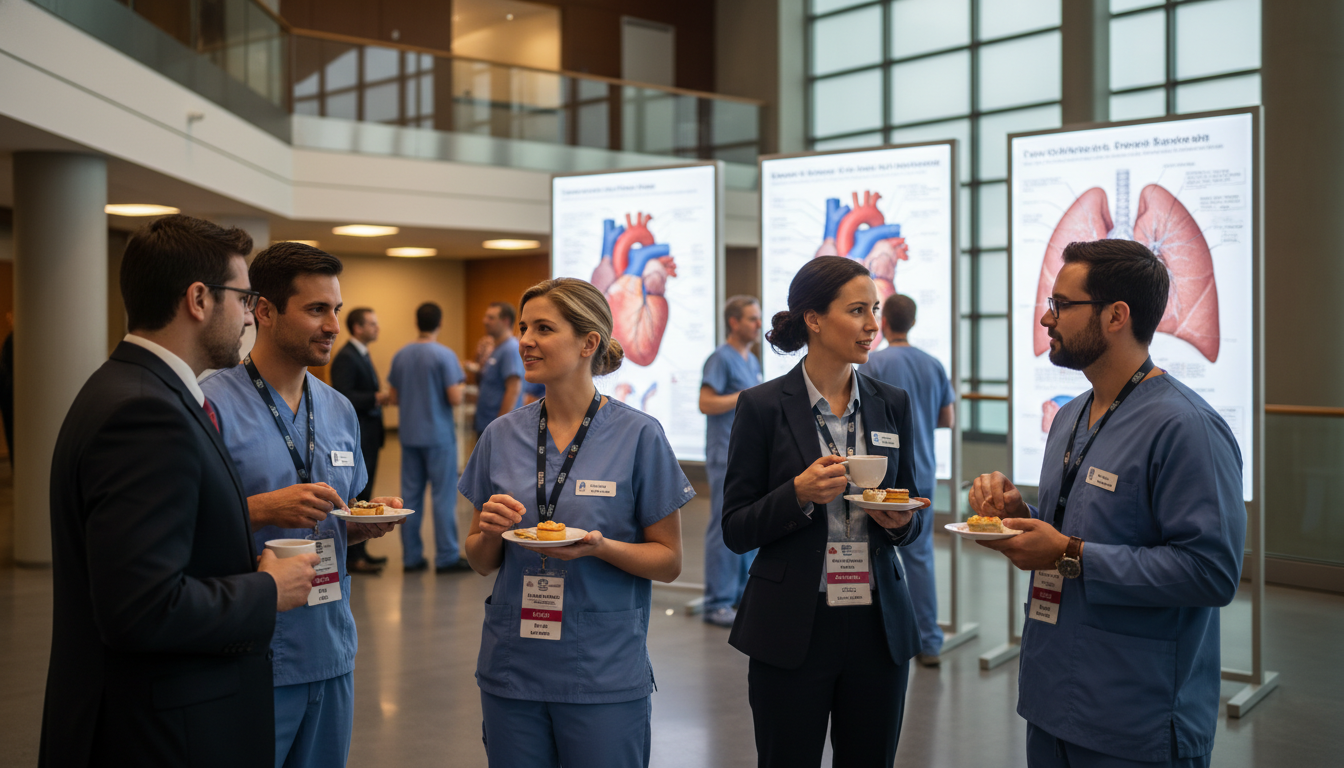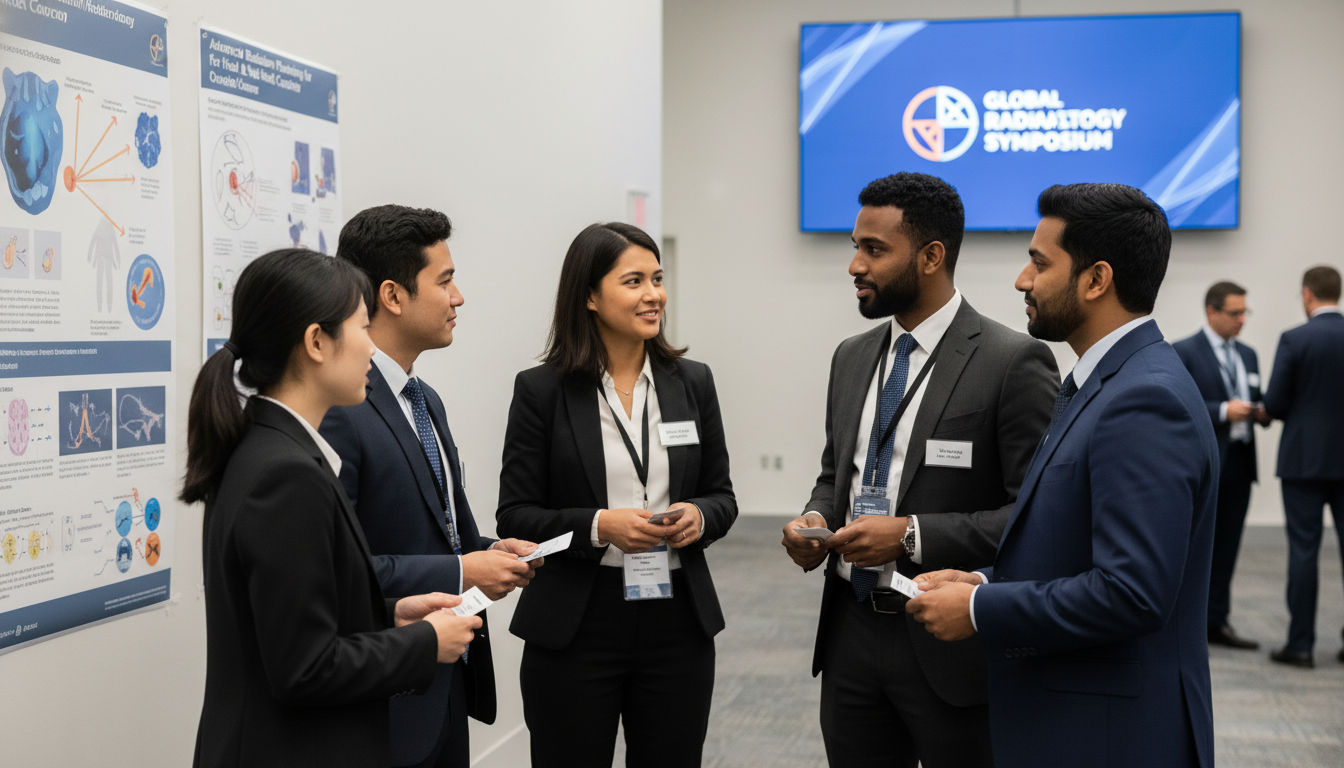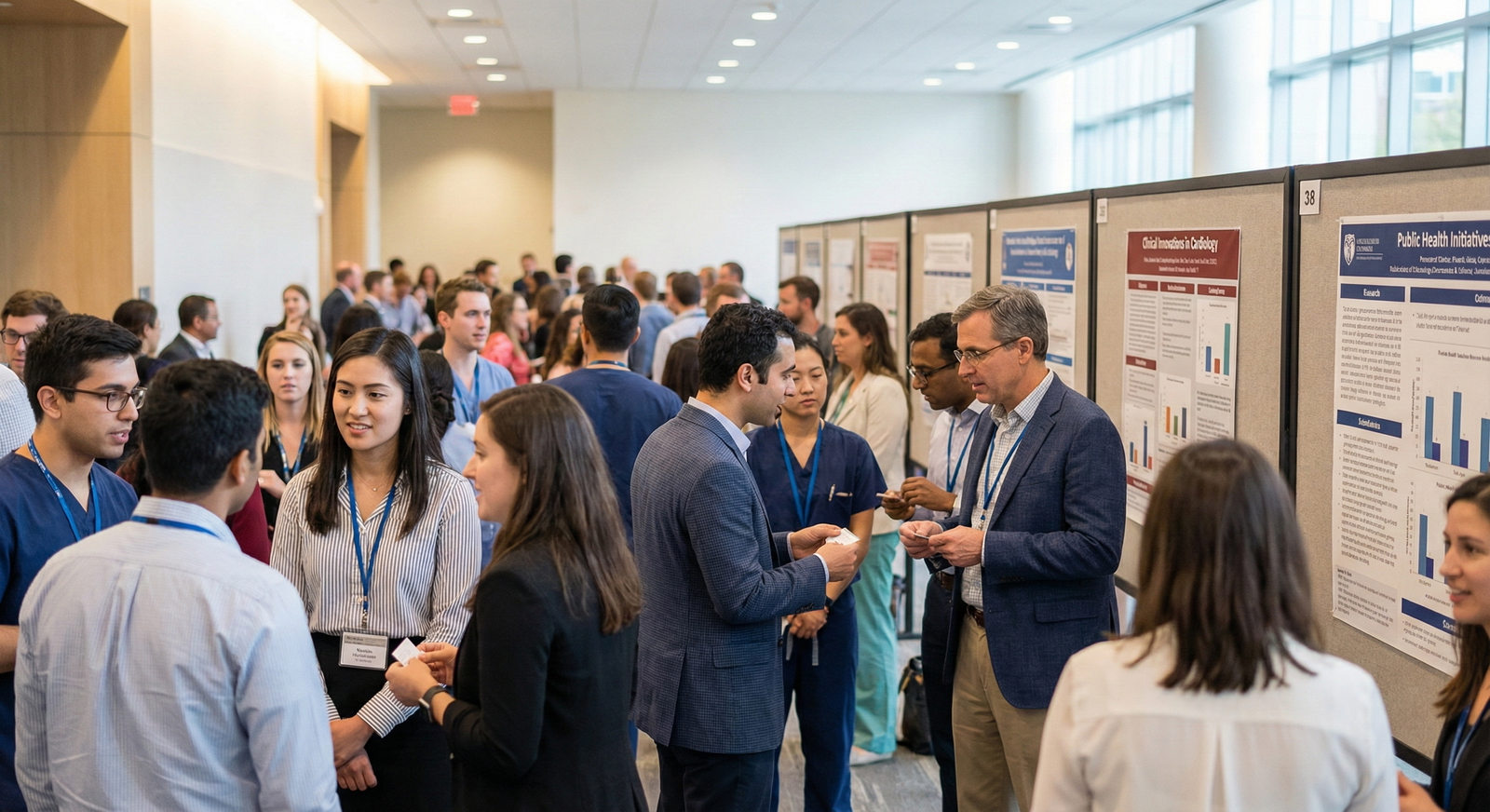
Networking in medicine is not about collecting business cards or sending mass emails on LinkedIn—it’s about building real, professional relationships that open doors, provide guidance, and help you grow into the physician you want to become.
For a Caribbean IMG on a preliminary medicine year (prelim IM), strategic networking is often the difference between:
- A lonely, uncertain PGY-1 year with limited options afterward, and
- A well-supported path that leads to a categorical residency, fellowship, or another meaningful next step.
This article focuses on networking in medicine for Caribbean IMGs in Preliminary Medicine, with practical, step-by-step strategies tailored to your unique position—especially if you’re coming from a Caribbean medical school like SGU, AUC, Ross, Saba, or others and are thinking about the Caribbean medical school residency pipeline and beyond.
Understanding Your Networking Goals as a Caribbean IMG in Preliminary Medicine
Before you start “networking,” you need to understand what you’re networking for.
As a Caribbean IMG in a prelim IM year, your typical goals include:
Securing a categorical position
- Transitioning into a categorical internal medicine spot (at your own program or another).
- Pivoting into a different specialty that accepts PGY-2 transfers (e.g., neurology, anesthesia, radiology in certain settings).
Positioning yourself for the next Match cycle
- Improving your application with stronger letters of recommendation, new mentors, and more meaningful experiences.
- Demonstrating growth and reliability to program directors who may remember you during rank list discussions.
Exploring long-term career pathways
- Connecting with subspecialists (e.g., cardiology, GI, ICU, heme/onc) for mentorship in medicine and potential future fellowship.
- Understanding what kind of practice (academic, community, hospitalist, subspecialty) suits your strengths and goals.
Building a professional reputation in the U.S. health system
- Overcoming bias some may have toward Caribbean medical school graduates by showcasing consistent excellence, professionalism, and maturity.
- Becoming “the resident people think of” when opportunities arise (research, quality improvement, open PGY-2 slots).
Think of networking as intentional relationship-building to move closer to these four goals. Every clinic, rounding day, sign-out, conference, or hallway conversation is a potential touchpoint.
Day-to-Day Clinical Networking: Turning Your Prelim Year into a Launchpad
Your primary networking arena is your hospital. Unlike a student, you’re now a physician colleague. This changes how attendings, fellows, and senior residents perceive you—and creates opportunities if you handle it well.
1. Build a Reputation Before You Ask for Anything
Before approaching people for letters, research, or transfers, you need to become known for reliability.
Focus on three core pillars:
Clinical reliability
- Show up early, stay engaged, follow through on tasks.
- Double-check orders, call back consultants promptly, and keep your notes clear and timely.
- If something goes wrong, own it, learn, and adjust—people notice accountability.
Teachability
- Ask thoughtful questions (not just “what should I read?” but “what did you see in this case that made you think PE vs pneumonia?”).
- Accept feedback gracefully: “Thank you, I’ll adjust how I present from now on. If you notice anything else, I’d appreciate knowing.”
Professionalism
- Be respectful to nursing, ancillary staff, and colleagues—word travels fast.
- Keep frustration private; avoid complaining in public spaces or on social media.
- Document thoroughly, respond to pages, and be approachable.
When people think of you as solid, teachable, and professional, they’re far more likely to respond when you later ask about opportunities.
2. Network Intentionally with Attending Physicians
Every attending has potential value as a mentor, letter writer, advocate, or connector. Don’t just work your shift and disappear.
Actionable strategies:
Pre-round professionally
- Know your patients’ overnight events, lab trends, imaging, and plans.
- When attendings see that you care about your patients and understand the “why” behind decisions, they remember you differently than “just another prelim.”
Use downtime wisely
If there’s a quiet moment:- Ask: “Dr. X, I’m a prelim from [Caribbean school]. I’m hoping to stay in internal medicine long term. Would you mind sharing how you chose your career path?”
- This opens a personal-professional conversation and signals you’re serious about growth.
The “close-out” conversation at rotation end
In the last few days:- “Dr. X, I’ve really appreciated working with you this month. I’m a Caribbean IMG in a preliminary medicine year and hoping to secure a categorical position for next year, possibly in internal medicine. If you ever hear of opportunities or have advice for someone in my position, I’d really value your guidance.”
Often, this soft ask leads to:
- An offer for a meeting,
- Ongoing mentorship, or
- “Keep me in mind when you need a letter.”
3. Leveraging Senior Residents and Fellows
Senior residents and fellows are closer to your position and often more approachable. They may:
- Know about upcoming open PGY-2 spots.
- Be involved in research or QI projects.
- Offer insights about program politics and which attendings are excellent mentors.
How to connect:
Ask for career advice at natural times
- Post-rounds, during call when things are quiet, or after sign-out:
“You’re a couple of years ahead of me—what would you recommend a prelim like me focus on if I hope to get a categorical spot?”
- Post-rounds, during call when things are quiet, or after sign-out:
Volunteer to help
- If a resident presents a morbidity and mortality (M&M) case or QI project:
“This topic interests me a lot. If you ever need help pulling charts, data entry, or writing a section, I’d be happy to assist.”
This is a low-pressure way to join ongoing work and start building your academic CV.
- If a resident presents a morbidity and mortality (M&M) case or QI project:
Ask for introductions
- “You mentioned Dr. Y is really supportive of residents. Do you think it’d be okay if I emailed them to discuss career planning? Could I mention that you suggested I reach out?”
That one sentence—“Can I mention you referred me?”—often warms up a cold email into a warm introduction.
4. Using Your Caribbean Medical School Network (Including SGU, Ross, AUC, etc.)
Your Caribbean medical school residency alumni network is powerful, especially if you’re from a large institution like SGU, which has a robust SGU residency match footprint.
Practical steps:
Identify alumni at your hospital or region
- Ask your GME office or chief residents: “Do we have any attending physicians or fellows who graduated from [your Caribbean school]?”
- Search LinkedIn and Doximity by school name and city/region.
Reach out with a specific, respectful message
- “Dear Dr. Z, I’m a PGY-1 preliminary medicine resident at [Hospital] and a recent graduate of [Your Caribbean School]. I would be very grateful for 15–20 minutes of your time, at your convenience, to ask about your journey from Caribbean IMG to [current role] and any advice you might have for someone in my position.”
Use their insights smartly
Alumni can:- Recommend which departments/attendings are IMG-friendly.
- Give candid advice about your odds for an internal transition vs reapplying elsewhere.
- Sometimes advocate for you if they see your work ethic and character.

Conference and External Networking: Beyond Your Hospital Walls
While your hospital is the core of your day-to-day medical networking, conferences, virtual events, and professional organizations let you expand beyond your institution.
1. Choosing the Right Conferences and Events
For a prelim IM Caribbean IMG, realistic and useful targets include:
- ACP (American College of Physicians) regional or national meetings
- Society of Hospital Medicine (SHM) meetings
- Subspecialty conferences if you have an interest (e.g., ACC for cardiology, CHEST for pulmonary/critical care)
- Local/state internal medicine or specialty societies
- Virtual webinars and case conferences held by academic centers
If cost is an issue—which it often is in residency—look for:
- Reduced resident rates
- Abstract-based travel grants
- Free virtual content (very common post-2020)
2. How to Network at Conferences (Without Feeling Awkward)
Before the conference:
Review the agenda and:
- Highlight sessions in your area of interest (e.g., hospital medicine, QI, nephrology).
- Note speakers from hospitals where you might want to apply in the future.
Prepare a short personal “intro pitch”:
“Hi, I’m Dr. [Name], a preliminary internal medicine resident at [Hospital]. I’m originally from [Country] and trained at [Caribbean school]. I’m particularly interested in [hospital medicine / cardiology / critical care] and looking to learn more about career paths and potential opportunities.”
During the conference:
- Sit near others, not at the empty back row.
- Ask concise, thoughtful questions at sessions (introduces your name and face to the room).
- Approach speakers afterward:
- “Thank you for your talk on [topic]. I’m a prelim from [institution] and especially interested in [related subject]. Would you mind if I emailed you later with a question about career planning in this field?”
After the conference:
- Send a short follow-up email within a week:
- Remind them who you are.
- Thank them again for their time/presentation.
- Ask 1–2 specific questions or for advice.
- Don’t immediately ask for a job—build the relationship first.
This is how conference networking creates long-term mentorship or collaboration, not just one-off conversations.
3. Leveraging Virtual Medical Networking
Virtual spaces can be very useful when used maturely:
LinkedIn
- Keep a professional profile: accurate photo, concise bio, updated training.
- Connect with alumni, attendings you’ve worked with, and conference contacts.
- Engage by sharing or commenting on educational posts (not political or controversial content).
Professional listservs and Slack groups
- Many specialties or interest groups (e.g., hospitalist, QI, ultrasound) have forums where trainees can participate.
- Ask clinical/academic questions, seek resources, and connect with people in your desired field.
Always remember: you are a physician, not a premed. Maintain a professional tone; avoid venting, complaining, or oversharing.
Mentorship in Medicine: Finding, Building, and Using Mentorship Well
Strong mentorship in medicine is one of the biggest determinants of success for Caribbean IMGs—especially in a preliminary medicine year where the future can feel uncertain.
1. Different Types of Mentors You Need
For a prelim IM Caribbean IMG, think in terms of three mentor categories:
Clinical Mentor (Internal Medicine-focused)
- Helps you become a better clinician.
- Guides your reputation within your current program.
- Often an attending you worked with closely on wards or in clinic.
Career/Residency Mentor
- Knows how residency programs work—categorical vs prelim, second-year spots, reapplication strategies.
- May be a program director, associate program director, GME leader, or senior faculty.
Background-Understanding Mentor (often an IMG or Caribbean grad)
- Understands your specific challenges (visa issues, bias, family abroad, limited “home program”).
- Offers emotional support plus practical strategies.
One person might fill more than one role, but often you’ll have multiple mentors with different strengths.
2. How to Ask Someone to Be a Mentor (Without Making It Awkward)
Instead of a dramatic “Will you be my mentor?” ask for a conversation and advice:
- “Dr. X, I’ve really appreciated your feedback on rounds and I admire your career path. Would it be possible to schedule 20–30 minutes sometime in the next month to get your advice on planning my pathway after this preliminary year?”
During the meeting:
Share your story briefly:
- Caribbean medical school.
- Why you chose internal medicine or your chosen path.
- Your current concerns (e.g., getting a categorical position, improving competitiveness).
Ask targeted questions:
- “Based on what you’ve seen of my work so far, what are my strengths and what should I improve?”
- “What would you prioritize in my position over the next 6–9 months?”
- “Do you think staying at this institution is realistic, or should I prepare for an external match?”
At the end:
- “This has been extremely helpful. Would it be okay if I checked in with you from time to time as things progress?”
Congratulations—that’s a mentor relationship beginning.
3. Being a Good Mentee
Mentors are more likely to invest in you if:
You implement their advice and report back:
“I took your suggestion to get more involved in QI; I’ve joined Dr. Y’s handoff improvement project.”You respect their time:
- Come prepared with questions.
- Show up on time for meetings.
- Keep emails concise.
You’re open to honest feedback, even when it’s tough:
- If someone tells you your documentation needs work or your presentations are scattered, treat it as gold, not an insult.
These behaviors convert a casual advisor into a genuine advocate, the type who might email a colleague at another institution on your behalf when a categorical spot opens.

Applying Networking to the Preliminary Medicine Year: Strategic Moves
Your preliminary medicine year is short, intense, and high-stakes. You must balance service demands with long-term planning. Networking helps you leverage this year rather than simply “survive” it.
1. Timeline Overview: When to Focus on What
First 3 months: Establish reputation
Prioritize:
- Being clinically reliable and professional.
- Learning the system (EMR, workflows, culture).
- Identifying 2–3 potential mentors.
Avoid:
- Immediately asking about categorical transfers on day one.
- Overcommitting to side projects until your clinical foundation is solid.
Months 3–6: Deepen relationships and explore options
Request formal meetings with:
- A clinical mentor.
- Someone in leadership (program director/APD, chief resident).
Questions to ask:
- “Do you foresee any possibility of a categorical position opening here?”
- “If not, how can I best position myself for the upcoming Match elsewhere?”
Begin limited academic engagement:
- One manageable QI project or case report.
- Attend local conferences or virtual events when feasible.
Months 6–10: Concrete planning and applications
If reapplying:
- Update CV and personal statement.
- Ask for letters from attendings who know you well.
- Use your network (mentors, alumni) to identify IMG-friendly programs and possible PGY-2 transfers.
If internal transfer is realistic:
- Maintain high performance on key rotations.
- Politely express continued interest:
“If any categorical positions open here, I would be very eager to be considered. I really value the training environment and feel I’ve grown a lot here.”
Months 10–12: Consolidation and transition
- Keep showing up strong—programs remember how you finish.
- Maintain relationships:
- Thank mentors and letter writers.
- Stay in contact as you move into your next role (categorical position, another hospital, or fellowship track).
2. Using Networking to Overcome IMG and Caribbean Grad Bias
As a Caribbean IMG, you may encounter subtle or explicit doubts about your training. Networking—done through consistent performance and professional interaction—directly counters this.
You can:
- Demonstrate that you match or exceed the work ethic and competence of U.S. grads.
- Show humility and growth rather than defensiveness.
- Highlight your strengths:
- Adaptability (studying abroad, navigating different systems).
- Cultural competence (often bilingual/multilingual and comfortable with diverse patients).
- Resilience (board exams, limited home program, etc.).
When attendings and program leaders know you personally, you stop being “a Caribbean IMG” and become “Dr. [Your Name], the prelim who works hard and takes great care of patients.” That’s the shift that opens doors.
Polished Communication: The Hidden Networking Skill
All networking in medicine is built on clear, respectful, time-efficient communication.
1. Email and Message Etiquette
Use professional greetings:
“Dear Dr. [Last Name],” or “Hello Dr. [Last Name],”Keep it short:
- Who you are
- Why you’re writing
- What you’re asking for
- Gratitude
Example (asking for a meeting):
“Dear Dr. Smith,
My name is Dr. Maria Lopez, a PGY-1 preliminary internal medicine resident at [Hospital]. I’ve greatly appreciated your teaching on rounds this month and would value your advice on planning my next steps after this prelim year. If possible, could we schedule a 20-minute meeting sometime in the next few weeks?
Thank you for considering this.
Sincerely,
Maria Lopez, MD”
2. In-Person Conversation Skills
Use people’s names: “Good morning, Dr. Patel.”
Ask open-ended questions when time allows:
- “What do you enjoy most about hospital medicine?”
- “What do you wish you had known as an intern?”
Respect clinical priorities:
- Don’t corner someone in a crisis or when they’re rushing to a procedure.
- If they look busy, say: “I have a career question I’d love to ask sometime—could I send you an email to find a better time?”
These small communication choices collectively define your professional brand.
Putting It All Together: A Networking Mindset for Caribbean Prelim IMGs
As a Caribbean IMG in prelim IM, your situation can feel uncertain—but networking gives you agency:
- Every rotation gives you potential mentors and letter writers.
- Every conference or webinar opens a door to new relationships.
- Every day at work is a chance to reinforce your reputation for reliability and growth.
If you combine strong clinical work with deliberate, respectful relationship-building, you will:
- Maximize your chances at a categorical internal medicine spot (at your current institution or elsewhere).
- Position yourself competitively for future fellowship or career pathways.
- Build a support system that follows you well beyond this one intense year.
FAQs: Networking in Medicine for Caribbean IMGs in Preliminary Medicine
1. As a prelim IM Caribbean IMG, when should I start networking for a categorical position?
Start immediately, but focus the first 1–2 months on building your reputation. Around months 2–3, begin having early career conversations with attendings and mentors. By months 4–6, you should have honest input on whether an internal categorical spot is realistic or if you should actively prepare to reapply elsewhere.
2. How do I ask for a letter of recommendation without sounding pushy?
Ask attendings near the end of a rotation, after you’ve worked with them closely for at least 2–4 weeks:
“Dr. X, I’ve really appreciated working with you this month. I’m applying for [internal medicine categorical / another specialty], and I was wondering if you would feel comfortable writing a strong letter of recommendation for me.”
If they hesitate, thank them and consider asking someone else. If they agree, provide:
- Your CV
- Personal statement draft
- Brief summary of cases or projects you worked on with them
3. What if my program has very few Caribbean or IMG attendings—how can I find mentors who understand my background?
Use external networking:
- Search LinkedIn or Doximity for attendings in your area who trained at your Caribbean school or are IMGs in your specialty of interest.
- Attend regional or virtual conferences and specifically look for speakers or panelists with international backgrounds.
- Ask your medical school’s alumni office for a list of graduates in your region or specialty.
Many IMGs are willing to help if you approach them respectfully and with specific questions.
4. Is conference networking really necessary if I’m overwhelmed during my prelim year?
Not strictly necessary—but highly valuable if you can manage even one local or virtual conference. For prelim IMGs, your time is tight, so prioritize:
- One or two key events where you’re more likely to meet people in your desired specialty or geographic region.
- Submitting a case report or small QI project, which gives you a reason to be there and to talk with others.
If your schedule or finances don’t allow travel, focus on virtual sessions and local/regional meetings first.
Networking in medicine isn’t about being extroverted—it’s about being intentional, reliable, and genuinely interested in learning from others. As a Caribbean IMG in a preliminary medicine year, that combination can transform a single intense year into the foundation of a strong, sustainable career.