Why Networking Matters So Much for Caribbean IMGs in Medical Genetics
For a Caribbean IMG aiming for a medical genetics residency, networking in medicine is not optional; it is strategic survival.
You are competing in a small, relationship‑driven specialty where:
- Most residency programs know each other well
- Many applicants come from US MD or strong research backgrounds
- Program directors rely heavily on trusted recommendations, informal reputations, and prior knowledge of candidates
For an applicant coming from a Caribbean medical school residency pipeline (for example, the SGU residency match pathway), you may not have the same baked‑in visibility as a US MD student—yet. Networking is how you close that gap.
In medical genetics, networking:
- Puts your name and face in front of program directors and faculty
- Helps you learn which programs are realistic vs aspirational for your profile
- Gives you early access to research, observership, and away rotation opportunities
- Generates advocates who can directly influence your genetics match outcome
- Helps you build a career‑long support system in a niche, rapidly evolving field
If you treat networking as a core competency—just like studying for Step exams—you improve your chances not only of a successful genetics match, but of building a sustainable, satisfying career in this specialty.
Understanding the Networking Landscape in Medical Genetics
Medical genetics is a relatively small field. That is an obstacle and an opportunity.
The Structure of the Field
Key players in your networking strategy:
- Medical genetics residency programs
- Typically 2‑year programs after a primary residency (often Pediatrics or Internal Medicine), or categorical in some centers
- Often closely linked to academic centers and children’s hospitals
- Clinical geneticists and genetic counselors
- Faculty who evaluate rare disease, congenital anomalies, hereditary cancer syndromes, metabolic disease, etc.
- Highly involved in resident education and often influence selection
- Laboratory geneticists, bioinformaticians, and researchers
- Experts in genomics, variant interpretation, and molecular diagnostics
- Crucial for research collaboration and long‑term career development
- Professional societies
- American College of Medical Genetics and Genomics (ACMG)
- American Society of Human Genetics (ASHG)
- National Society of Genetic Counselors (NSGC – adjacent but very relevant)
In such a tightly knit network, people know who is “serious” about medical genetics. Your goal is to become one of those recognized, serious names.
Unique Challenges for Caribbean IMGs
As a Caribbean IMG pursuing a medical genetics residency, your obstacles are specific:
Less built‑in program familiarity
- Fewer genetics PDs have a long track record with Caribbean medical school residency graduates compared with US MD programs.
- Some may be unfamiliar with your school’s grading or clerkship structure.
Geographic and financial limitations
- Attending multiple conferences, doing unpaid observerships, or traveling for away electives can be expensive and logistically difficult.
Visa and status concerns
- Some programs are cautious about visa sponsorship or have limited slots for IMGs.
- You must prioritize programs known to be IMG‑friendly and clarify visa policies early.
Perception bias
- You may need to work harder to demonstrate academic rigor, reliability, and professionalism.
- Networking allows you to show this directly to people, not just on paper.
The good news: networking, done thoughtfully, compensates for many of these challenges by giving faculty first‑hand evidence of your commitment and abilities.
Step‑By‑Step Networking Strategy for Caribbean IMGs in Medical Genetics
Think of networking in medicine as a long game spanning three phases: pre‑clinical/early clinical, dedicated residency application phase, and during residency and beyond.
1. Early Phase: Laying Foundations (Pre‑Clinical & Core Rotations)
If you are still in basic sciences or doing core rotations through a Caribbean school (e.g., SGU, AUC, Ross):
A. Build a Genetics‑Fluent Identity
Even before you meet genetics faculty, show a consistent pattern:
- Select genetics‑relevant electives if available (embryology, molecular biology).
- Seek case reports or small projects involving congenital anomalies, hereditary cancer, dysmorphology, or metabolic disorders.
- Present genetics‑related topics in student interest groups, grand rounds, or journal clubs.
This strategic focus helps people see you as “the genetics person” long before your residency applications.
B. Start a Professional Online Presence
At this stage, your main networking tools:
- A clean, complete LinkedIn profile
- Professional photo
- Headline like: “Caribbean IMG aspiring Medical Geneticist | Interested in genomics, rare disease, and variant interpretation”
- Short, focused “About” section emphasizing your interest in medical genetics
- Optional: Professional Twitter/X or Bluesky (if you will genuinely engage)
- Follow genetics societies (ACMG, ASHG), major labs, and academic geneticists
- Share conference posters, article summaries, or your own reflections on new genetics research
Your online footprint should already reflect your interest in medical genetics before you meet anyone in person.
C. Engage with Faculty at Your Caribbean School
Even if your school does not have a medical genetics residency program, you can still build mentorship in medicine:
- Ask basic sciences genetics or pathology faculty if they know any clinical geneticists or researchers to introduce you to.
- Request virtual introductions, email connections, or combined journal clubs with genetics departments abroad.
- Offer to help with small projects (e.g., literature review, data entry) that can become stepping stones for future collaborations.
Even a brief email introduction from a respected faculty member often opens doors that a cold email cannot.
2. Mid‑Phase: Active Networking Through Conferences and Clinical Exposure
This is where medical networking becomes deliberate and targeted.
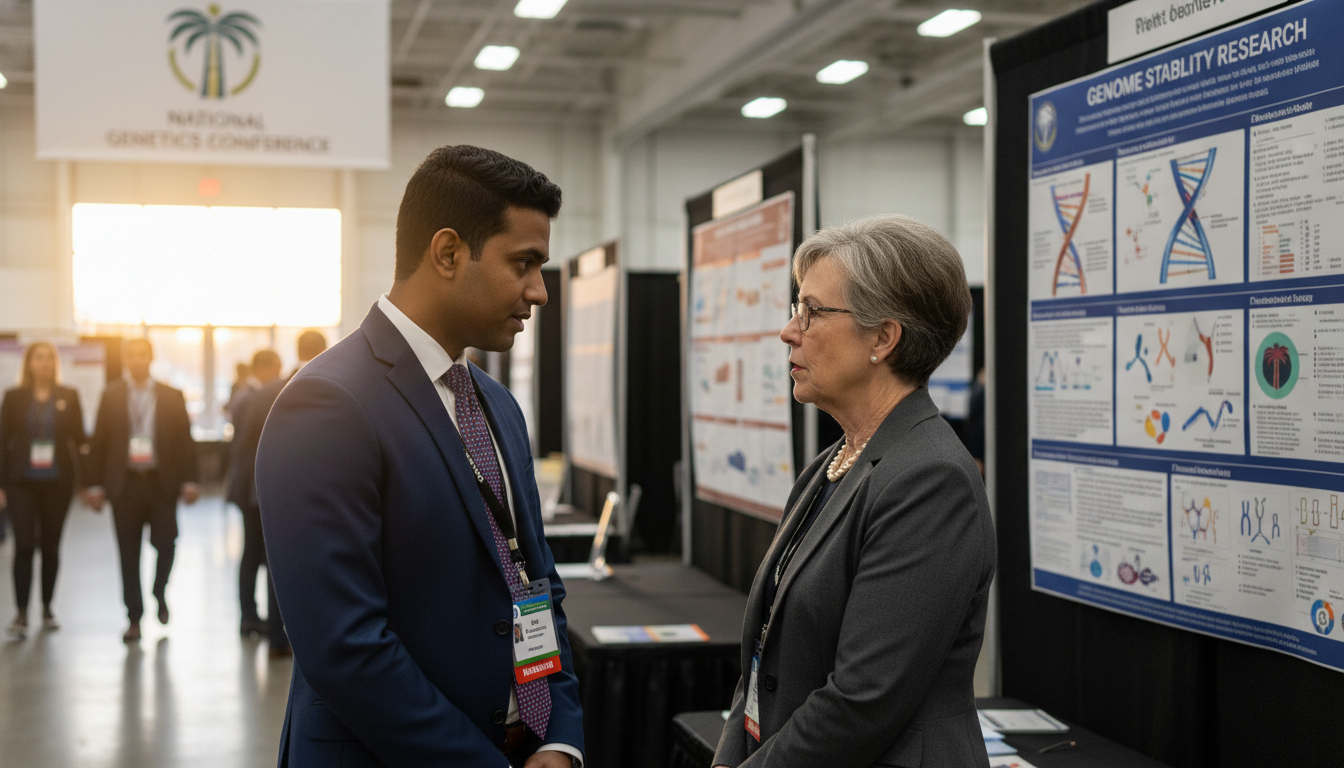
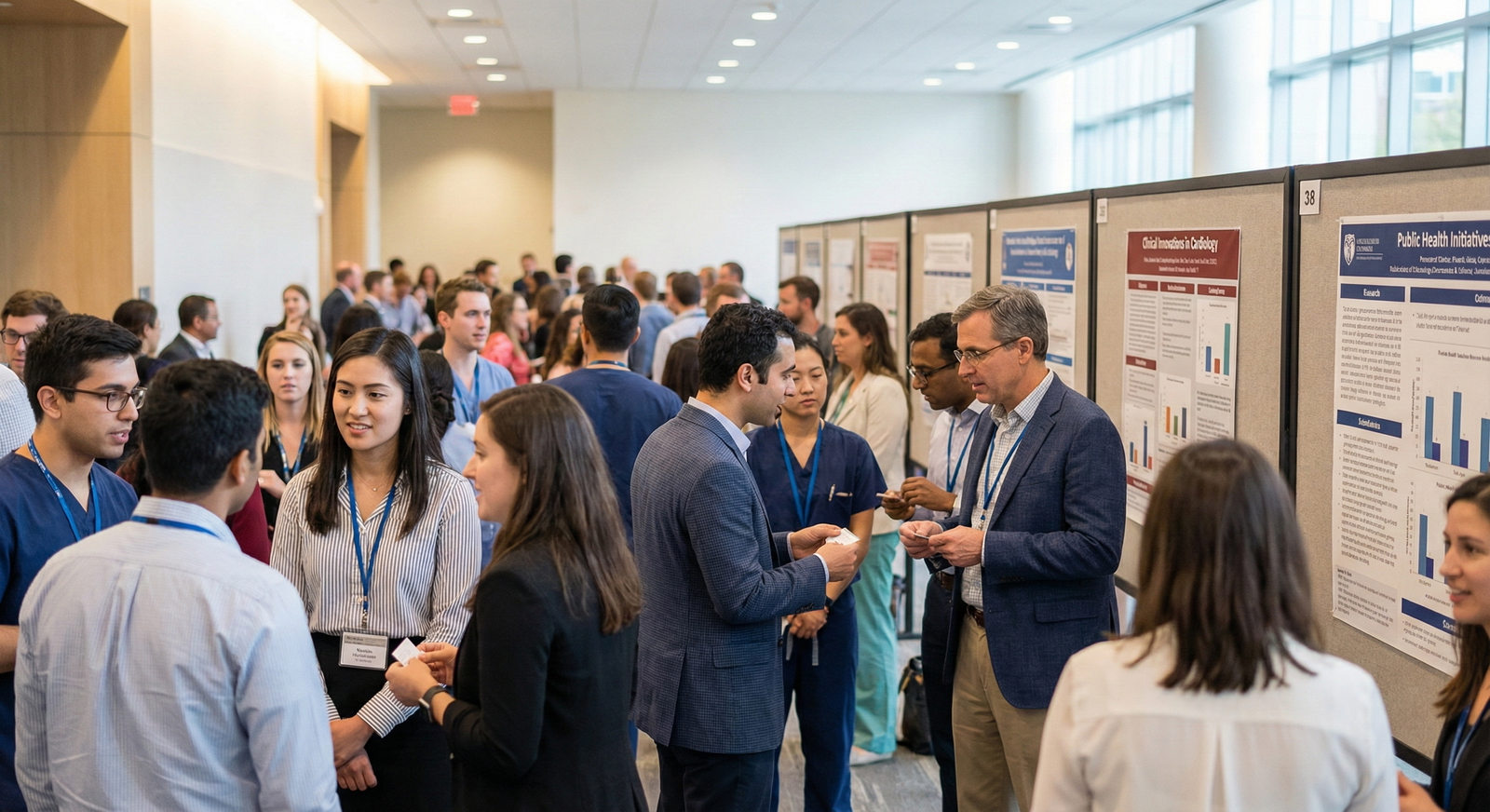
A. Use Conferences as High‑Yield Networking Hubs
For medical genetics, the most relevant events are:
- ACMG Annual Clinical Genetics Meeting
- ASHG Annual Meeting
- Regional genetics society meetings or rare disease conferences
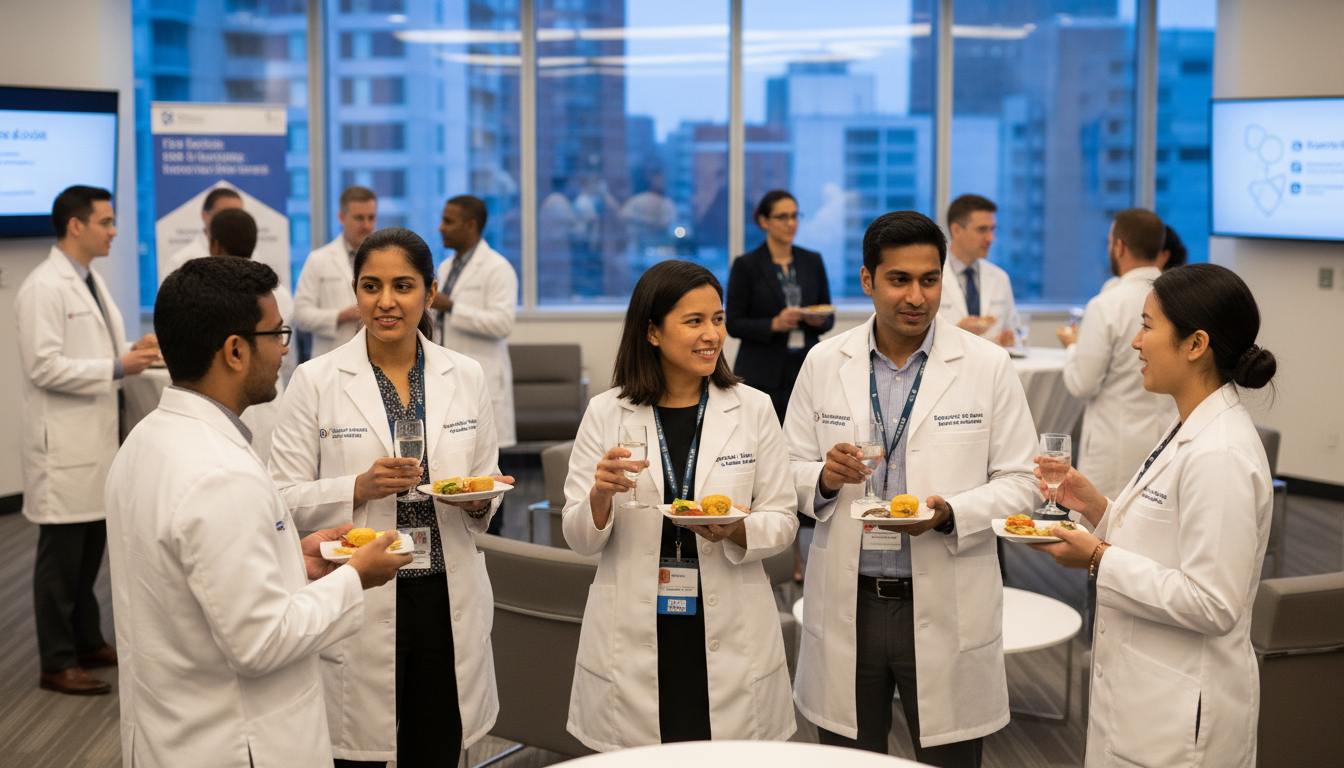
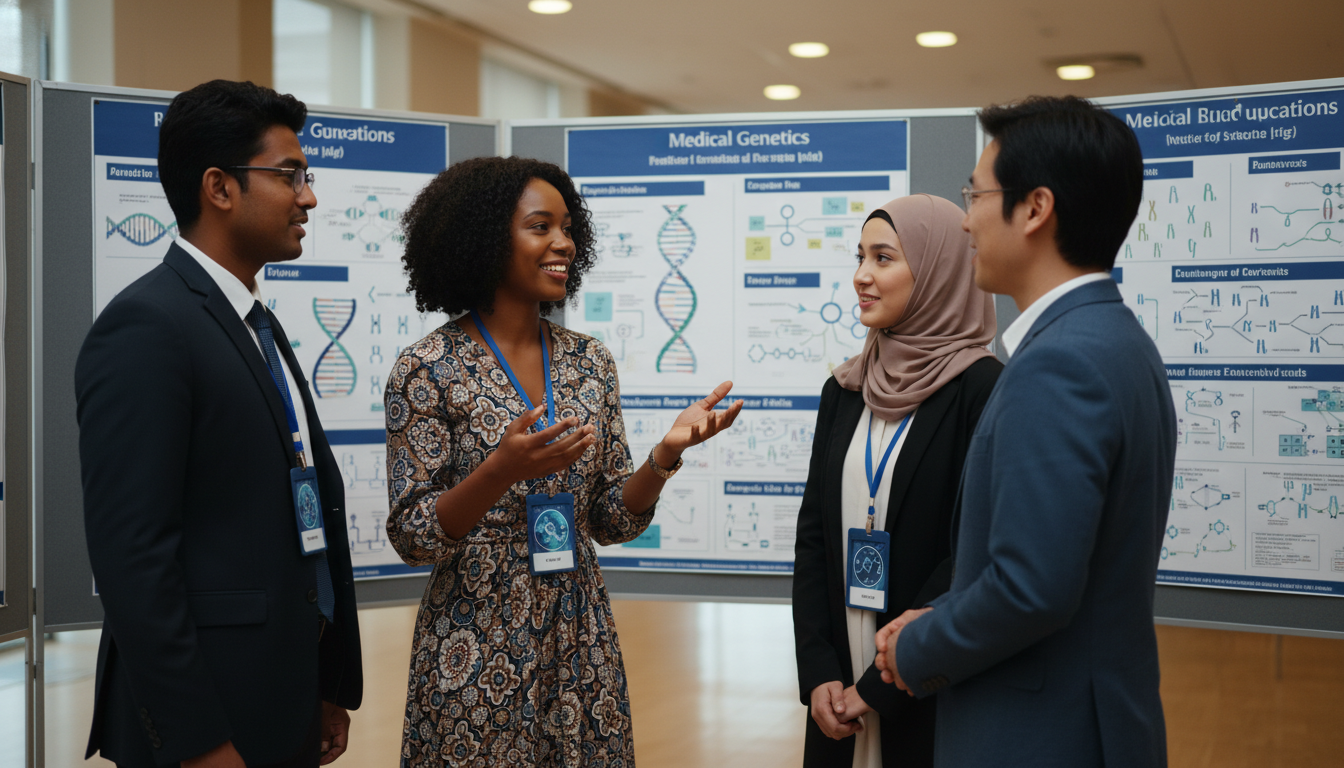
These events are networking multipliers. You can:
- Meet multiple program directors and faculty in a few days
- Attend sessions specific to training, residency, and fellowships
- Introduce yourself to people whose names will appear on residency program websites
If travel is difficult, prioritize at least one major conference during your application cycle, even if only for 1–2 days.
How to Prepare for Conference Networking
Pre‑conference research
- List 5–10 programs you’re interested in for your genetics match.
- Look up which faculty are presenting or attending from those institutions.
- Note poster numbers, session times, or any “meet the expert” events.
Outreach before the meeting (if appropriate)
- Short email:
- Introduce yourself as a Caribbean IMG interested in medical genetics residency
- Mention a specific talk/poster you look forward to
- Ask if you can briefly introduce yourself at their poster or after their session
- Short email:
Create a brief personal “pitch” (30–60 seconds)
Include:- Who you are (Caribbean IMG, year level, exam status)
- Why you are drawn to medical genetics
- Any genetics‑related research, electives, or projects
- A question that invites them to talk (e.g., “What qualities do you look for in applicants to your medical genetics residency?”)
B. What to Say When You Approach Faculty
When you meet a program director or faculty member:
- Greet them, clearly stating your name and background.
- Express a genuine, specific appreciation (“I enjoyed your talk on exome sequencing in undiagnosed patients”).
- Deliver your short pitch.
- Ask 1–2 targeted questions:
- “How can a Caribbean IMG make themselves a competitive applicant for your program?”
- “Are there particular experiences you recommend I pursue before applying?”
- Thank them, ask if you may follow up by email, and then actually follow up within a week.
Your follow‑up email might:
- Thank them again
- Mention a point from your conversation
- Attach your CV and ask if they know of any upcoming research, shadowing, or observership opportunities
This is classic conference networking—simple, but powerful when done systematically.
3. Strategic Use of Mentorship in Medicine
Mentorship is the backbone of effective networking in medicine, especially in a small specialty like medical genetics.
Types of Mentors You Need
Career Mentor (Field‑Specific)
- Ideally a clinical geneticist
- Guides you on training pathways, timing of primary residency vs medical genetics residency, and long‑term goals.
Application Mentor (Tactical)
- May be any physician familiar with US residency selection (not necessarily genetics)
- Helps you shape your ERAS application, personal statement, and interview strategies.
- Particularly helpful if they understand Caribbean medical school residency pathways and IMG‑specific challenges.
Peer Mentor
- Recent graduates, SGU residency match alumni, or IMGs currently in a medical genetics residency.
- Provide real‑time tips on which programs are IMG‑friendly, how to handle interviews, and what the day‑to‑day is like.
How to Ask for Mentorship Respectfully
When you identify someone you’d like as a mentor, avoid asking, “Can you be my mentor?” immediately. Instead:
Start with a specific, limited ask:
- “Would you be willing to review my CV for 10 minutes and suggest ways to strengthen it for medical genetics?”
- “Could I schedule a 15–20 minute Zoom call to ask about your path into medical genetics?”
Demonstrate follow‑through:
- Implement at least one suggestion they give and report back later:
- “I joined ASHG as you recommended and attended the webinar on variant interpretation. It was incredibly helpful.”
- Implement at least one suggestion they give and report back later:
Over time, the relationship can naturally evolve into longer‑term mentorship.
Mentorship in medicine works because busy physicians invest more in learners who reliably show initiative, gratitude, and follow‑through.
Practical Networking Tactics for the Genetics Match
As your application season approaches, your networking efforts should become more focused on match‑relevant outcomes.

1. Targeted Outreach to Programs
Create a spreadsheet of medical genetics residency programs:
- Columns: Program name, PD, coordinator, IMG‑friendly status, visa policy, alumni Caribbean IMGs, research strength, conference contacts, etc.
Then:
- Email programs where you have any connection (met at conference, share an alma mater, know a resident):
- Introduce yourself
- Briefly mention the connection
- Express specific interest in their program
- Attach CV and Step scores (if strong enough)
- Ask if they consider Caribbean IMGs and whether any observerships/electives are possible
Targeted, respectful outreach—especially if connected to prior interactions—can significantly increase your visibility.
2. Leveraging Observerships and Electives as Networking Engines
If you secure an observership or elective in medical genetics:
Be present and professional every single day
- Arrive early; stay engaged in clinics and case discussions
- Read about patients ahead of time and offer thoughtful questions
- Help with small tasks (case summaries, literature searches)
Ask for feedback midway, not just at the end
- “Is there anything I could do differently to be more helpful to the team?”
Express your interest clearly, but not aggressively
- Let key faculty know you are applying in the upcoming cycle and would value any advice.
If you perform well, faculty are far more likely to:
- Write strong, nuanced letters of recommendation
- Advocate for your interview invitation
- Contact colleagues at other institutions on your behalf
This is where medical networking transforms directly into tangible genetics match advantages.
3. Using Alumni and Near‑Peer Networks
As a Caribbean IMG, your alumni network is a critical asset:
- Reach out to SGU residency match or other Caribbean alumni who have entered genetics, pediatrics, or internal medicine.
- Ask them where IMGs from their programs typically match and which genetics programs seem more IMG‑friendly.
They may:
- Introduce you to their faculty or program directors
- Share unspoken culture points about programs (e.g., “They really value research productivity” or “They prefer applicants with strong bedside manner even if publications are fewer”)
- Offer mock interviews, which is invaluable in a niche field where typical questions may be very specialized
Sustaining and Growing Your Network During and After Residency
Networking in medicine does not stop after the genetics match. This specialty is rapidly evolving, and your long‑term success depends on continuous relationship‑building.
During Your Primary Residency (Pediatrics, IM, etc.)
If you plan to do a primary residency before medical genetics:
- Identify your institution’s genetics division early.
- Ask to rotate through clinical genetics or metabolic clinics.
- Request a small project (case report, QI project, chart review) with genetics faculty.
This adds credibility to your later medical genetics residency application and deepens your ties to the field.
During Medical Genetics Residency
Once you are in a program:
- Attend national meetings regularly and now present as a trainee.
- Seek out cross‑institution collaborations—multi‑center registries, rare disease networks, or gene‑specific study groups.
- Mentor junior IMGs or students from Caribbean schools who are interested in genetics.
Mentorship is a two‑way street. By helping others, you strengthen your reputation and your connections to new generations of trainees.
Long‑Term Career Networking
Over time, your network will include:
- Former co‑residents now at different institutions
- Genetic counselors and lab directors who may refer patients or collaborate on research
- Industry contacts in diagnostics, pharmacogenomics, or gene therapy
To maintain these relationships:
- Periodically send brief updates: new position, publication, or project.
- Celebrate others’ successes (congratulate on promotions, awards, or major papers).
- Offer to collaborate or help when you can, not just when you need something.
Common Networking Mistakes Caribbean IMGs Should Avoid
Being transactional or overly aggressive
- Faculty can sense when someone is only interested in extracting a letter or an interview.
- Always prioritize authentic curiosity and contribution.
Ignoring follow‑up
- Networking without follow‑up is virtually useless. A two‑line thank‑you email can keep a door open.
Under‑preparing for conversations
- Walking up to a PD without knowing their program’s basic structure signals lack of seriousness.
- Always review program websites and recent publications beforehand.
Downplaying your Caribbean background
- You don’t need to hide that you are a Caribbean IMG. Instead, frame it as evidence of resilience, adaptability, and international perspective.
- Be prepared to calmly discuss why you chose a Caribbean school and what you’ve done to ensure strong clinical training.
Neglecting professionalism on social media
- If you are visible online, your posts are part of your professional brand.
- Avoid negativity, unprofessional comments, or patient identifiable information.
Putting It All Together: A Sample Networking Timeline
M2–M3 (or Basic Sciences/early clinical years):
- Join ACMG/ASHG as a student or trainee member.
- Build LinkedIn profile; follow geneticists and genetics programs.
- Seek basic genetics projects at your Caribbean school; present at small meetings.
M3–M4 (Core and Elective Rotations):
- Attend your first major genetics conference (virtual or in‑person).
- Introduce yourself to 3–5 faculty from genetics programs of interest.
- Secure at least one genetics‑related observership or elective in the US/Canada/UK if possible.
Pre‑application year:
- Convert short‑term contacts into mentors through follow‑up and small, specific requests.
- Work on at least one genetics‑related abstract/poster.
- Start targeted outreach to medical genetics residency programs, highlighting your genetics experience.
Application season:
- Email your established contacts to inform them you’ve applied and reiterate your interest.
- Ask mentors for honest feedback on your program list and interview strategy.
- During interviews, reference prior conversations with faculty or residents when appropriate.
Post‑match and during residency:
- Continue attending conferences, now as a resident presenter.
- Expand your network across institutions through collaborative projects.
- Begin mentoring junior Caribbean IMGs aspiring to medical genetics.
FAQs: Networking in Medicine for Caribbean IMGs in Medical Genetics
1. I can only afford one major conference. Which should I choose for medical genetics networking?
If you can attend only one, the ACMG Annual Clinical Genetics Meeting is usually the most directly relevant to clinical medical genetics residency. Program directors, practicing geneticists, and many trainees attend. If your interests are more research‑heavy (genomics, variant interpretation, population genetics), ASHG is also excellent. Choose the one that aligns best with your CV and goals—and prepare thoroughly to maximize every hour you’re there.
2. How important is research for a medical genetics residency as a Caribbean IMG?
Research is valuable but not absolutely mandatory. However, in a small academic specialty like medical genetics, even modest research or case reports in genetics or rare diseases can significantly strengthen your application and make networking conversations easier. Program directors use research as a signal of genuine interest and intellectual engagement. Focus on quality over quantity—one well‑done project with a genetics mentor is better than many superficial ones.
3. Can I match into medical genetics directly, or do I need another residency first?
Pathways vary by country and program. In the US, many pursue a primary residency (often Pediatrics or Internal Medicine), then a 2‑year medical genetics residency. Some institutions offer combined or categorical programs (e.g., Pediatrics‑Genetics). As a Caribbean IMG, discuss with mentors which pathway fits your profile, visa status, and long‑term goals. Networking with genetics faculty early can help clarify which route is more realistic for you.
4. How can I stand out as a Caribbean IMG when everyone at conferences seems more accomplished?
You don’t need a long publication list to be memorable. You can stand out by:
- Being well‑prepared (knowing speakers’ work and programs)
- Asking thoughtful, respectful questions
- Showing genuine enthusiasm for medical genetics and patient care
- Following up consistently with a brief, professional email
Reliability, curiosity, and professionalism are often more impressive to faculty than an over‑polished but superficial CV. Over time, these traits—combined with strategic networking—can open doors to a successful genetics match, even from a Caribbean medical school background.
Networking in medicine, especially in a specialized field like medical genetics, is not about being extroverted or knowing everyone. It is about being intentional, prepared, and consistently present. As a Caribbean IMG, you can absolutely build a powerful, supportive network that carries you from your first conference badge all the way through your medical genetics residency and beyond.