Understanding Networking in Global Health as an MD Graduate
As an MD graduate entering global health, your clinical training is only part of what will shape your career. The other essential ingredient is networking in medicine: building intentional, authentic relationships that open doors to residency positions, research collaborations, global health residency tracks, fieldwork, and long-term mentorship.
In global health, opportunities are often created through people rather than posted positions. Programs are built across continents, funding is competitive, and much of the most meaningful work happens in teams spread across institutions and countries. Your ability to connect, follow up, and contribute will strongly influence whether you end up merely interested in global health—or immersed in it as a core part of your professional identity.
This article focuses on how an MD graduate—especially one from an allopathic medical school interested in global health—can strategically network for residency and beyond. You’ll find practical steps for conference networking, leveraging medical networking platforms, finding mentorship in medicine, and building a sustainable, global professional community.
1. Why Networking Matters More in Global Health
Networking is important in every specialty, but it is uniquely critical in international medicine and global health.
1.1. The Structure of Global Health Opportunities
Global health is:
- Interdisciplinary – It brings together clinicians, epidemiologists, policy experts, NGOs, community leaders, and governments.
- Relationship-driven – Funding, partnerships, and projects often depend on long-standing institutional and personal relationships.
- Geographically distributed – Teams are frequently split across multiple countries and time zones.
- Less standardized – Unlike more traditional residency paths, the global health residency track structure varies widely by institution.
Because of this, positions are often:
- Never formally posted
- Filled via word-of-mouth
- Built around existing partnerships
- Funded through grants that hinge on known collaborators
Well-designed medical networking gives you access to this “hidden job market.”
1.2. Specific Benefits for MD Graduates in Global Health
For an MD graduate seeking a global health-focused career, networking can:
Improve residency match outcomes
Connections at institutions with global health residency tracks can help you:- Learn which programs truly support international work vs. “window dressing”
- Get informal feedback on your fit
- Receive advice on how to frame your application for an allopathic medical school match
Accelerate skill development
Networking can connect you with:- Ongoing research projects needing a clinician collaborator
- Fieldwork opportunities during elective time
- Faculty willing to supervise a quality improvement or implementation science project
Provide mentorship and sponsorship
Formal and informal mentors can:- Guide your early career decisions
- Help you avoid common pitfalls (e.g., unsafe or extractive projects)
- Introduce you to key figures and recommend you for roles
Open doors in international medicine
Trusted relationships with partners abroad are often essential for:- Repeat field placements in the same community
- Ethical, long-term projects
- Locally led initiatives that truly align with global health equity principles
2. Core Principles of Effective Medical Networking
Before you start shaking hands at conferences or sending emails, it helps to adopt a clear, ethical framework for networking in medicine.
2.1. Think “Mutual Benefit,” Not “What Can I Get?”
People are more receptive when they sense you’re interested in mutual growth, not just personal gain.
Ask yourself:
- What can I learn from this person?
- What can I offer this person or their team?
- How can I contribute meaningfully even as a junior MD?
Examples of what you can offer as an early-career MD:
- Help with literature reviews for a global health project
- Assistance with data collection, basic analytics, or manuscript drafting
- Clinical perspective for public health teams that lack frontline experience
- Language skills or regional familiarity if you have them
2.2. Be Specific About Your Interests
Vague statements like “I like global health” are hard to work with. Specificity makes it easier for people to think of you when opportunities arise.
Consider refining your interests to a short, clear “focus statement,” such as:
- “I’m an MD graduate focused on infectious diseases and health systems strengthening in sub-Saharan Africa.”
- “My primary interest is maternal health and implementation science in low-resource settings.”
- “I’m looking for global health residency tracks with structured fieldwork and mentorship in international medicine.”
Clarity helps mentors and program directors mentally place you in their network.
2.3. Follow-Through Is Your Superpower
Trust and reputation in global health are fragile. Many projects have been damaged by outsiders who over-promise and under-deliver. You can distinguish yourself by:
- Answering emails reliably
- Meeting deadlines you agree to
- Communicating early if you’re overwhelmed or need more time
Consistent follow-through signals maturity and increases the likelihood you’ll be invited into more ambitious roles.
2.4. Be Humble and Culturally Aware
Global health is deeply tied to power, history, and equity. As an MD graduate from an allopathic medical school, you may carry privileges that shape how local partners and colleagues perceive you.
Networking effectively means:
- Listening more than you speak, especially in cross-cultural settings
- Acknowledging limits to your understanding
- Avoiding “savior” narratives; centering local expertise
- Treating colleagues in partner countries as equal or leading collaborators, not merely “sites” or “resources”
This attitude will enrich your relationships and help you earn long-term trust.
3. Strategic Networking for the Allopathic Medical School Match
If you’re still approaching or in the MD graduate residency application phase, targeted networking can significantly impact your global health trajectory.
3.1. Identify Programs with Genuine Global Health Commitment
Not every “global health program” is equally invested. Use your network to assess programs critically.
Steps:
Create a shortlist of programs that:
- Offer a formal global health residency track
- Have faculty with global health publications or leadership roles
- Maintain long-term partnerships with specific countries or communities
Use online medical networking tools:
- Program websites and alumni pages
- LinkedIn to identify residents and graduates in global health
- PubMed to track faculty publications in your area of interest
Reach out with targeted questions, such as:
- “How much protected time do global health residents actually get each year?”
- “Are global health projects led by local partners long-term, or are they short electives?”
- “Is there funding for travel, language training, or implementation projects?”
3.2. Professional Introductions and “Warm” Contacts
A “cold” email can work, but a “warm” introduction is often more effective.
Sources of warm introductions:
- Faculty at your medical school who have external collaborations
- Global health centers or institutes at your university
- Residents or fellows from your institution who matched into programs you admire
- Conference contacts who know people at your target programs
Example email to a faculty mentor:
Dear Dr. Lopez,
I’m applying for internal medicine residency this cycle with a strong interest in a global health residency track focused on HIV and health systems in East Africa. I noticed you’ve collaborated with Dr. Njoroge at [Institution].
Would you be comfortable introducing me via email so I can learn more about their program’s structure and resident opportunities? I’d be grateful for any guidance.
Sincerely,
[Your Name], MD
A short, respectful request like this often leads to meaningful conversations and improved insight for your allopathic medical school match decisions.
3.3. Leveraging Away Rotations and Electives
Away rotations or global health electives are networking opportunities in disguise.
To maximize them:
Research attending physicians before you arrive
Know who leads:- The global health track
- International partnerships
- Key research initiatives
Introduce yourself early and clearly
Early in the rotation, say something like:- “I’m particularly interested in global health with a focus on chronic disease management in resource-limited settings. I’d love to learn about any resident opportunities to engage with your international programs.”
Ask for feedback and advice
Near the end of the rotation:- Request feedback on your performance
- Ask if they see alignment between your goals and their program
- Inquire if you can stay involved in a project (even remotely)
These relationships can significantly strengthen your residency application and future letters of recommendation.

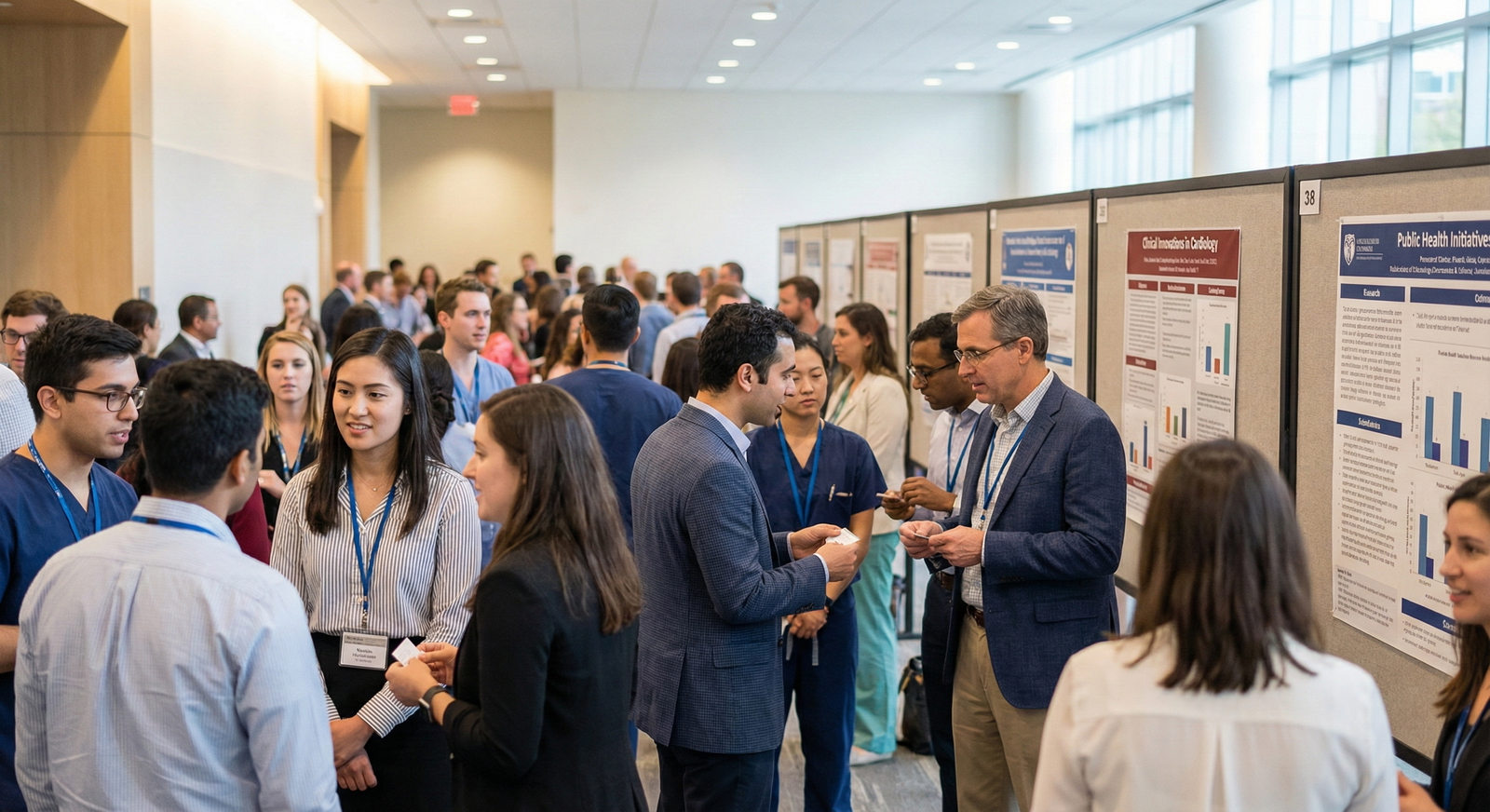
4. Conference Networking: Turning Events into Relationships
Conferences are concentrated networking environments, especially powerful in global health and international medicine.
4.1. Choosing the Right Conferences
For an MD graduate in global health, consider:
- Major global health conferences (e.g., CUGH, ASTMH, regional global health meetings)
- Specialty conferences with global health tracks (e.g., internal medicine, pediatrics, emergency medicine societies)
- Implementation science or health systems conferences with a global focus
- Regional or national conferences tied to your allopathic medical school or affiliated institutions
Check if there are:
- Resident/fellow sections
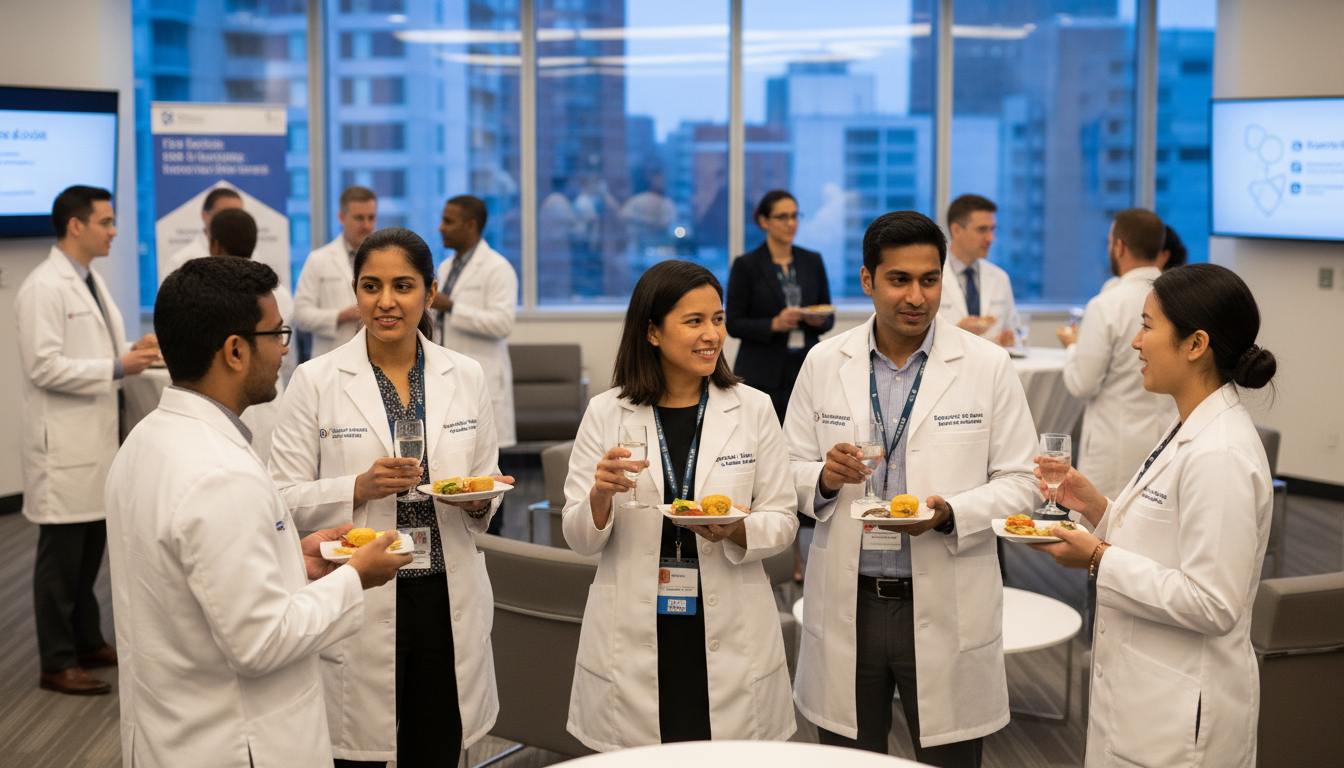
Often tailored to mentorship and career exploration. - Networking receptions
Some specifically for global health. - Abstract submission opportunities
Presenting a poster or talk increases your visibility and creates easy conversation openings.
4.2. Preparing a Networking Toolkit
Before you go, prepare:
A 30–45 second “elevator pitch” including:
- Your current role: “I’m an MD graduate entering internal medicine residency this year.”
- Your interests: “I’m focused on global health, especially non-communicable diseases in low-resource settings.”
- Your near-term goal: “I’m looking for residency programs and mentors who integrate implementation science and long-term partnerships into training.”
Updated LinkedIn and email signature
Include:- Degree and planned specialty
- Global health interests
- Current institutional affiliation
A short list of priority people or sessions
Identify:- Global health residency directors
- Leaders of global health residency tracks
- Researchers in your area (e.g., global oncology, migrant health, refugee health)
4.3. Approaching People at Conferences
Starting conversations can feel awkward at first. Use simple, sincere openers:
- “I really enjoyed your talk on X. Could I ask you a quick question about how residents get involved in this work?”
- “I’m an MD graduate interested in global health residency tracks. I’d love any advice you have for someone at my stage.”
- “Your work on health systems strengthening in [country] aligns with my interests. Do you think your team engages with residents or early-career MDs?”
Keep it brief at first, especially if they’re surrounded by others. Your initial goal is not to secure a job but to:
- Make a positive impression
- Ask one or two insightful questions
- Obtain permission to follow up later
4.4. Following Up After Conferences
Within 3–5 days of returning:
- Send personalized emails to people you met.
- Reference something specific from your interaction.
- Include a concise reminder of who you are and what you’re seeking.
Example:
Dear Dr. Patel,
It was a pleasure meeting you after your panel on global health residency training at the CUGH conference. I appreciated your insights on building long-term partnerships rather than short-term electives.
As a recent MD graduate pursuing an internal medicine residency with a strong interest in a global health residency track, I’d be grateful for any advice on programs that allow meaningful longitudinal engagement in East Africa.
If you’re open to it, I’d love to schedule a brief 15–20 minute call at your convenience.
Best regards,
[Your Name], MD
Attach your CV or LinkedIn profile only if it feels appropriate and relevant.
5. Building Long-Term Mentorship and Collaborative Networks
One-off encounters are useful, but long-term mentorship and collaboration are what truly shape your career in global health.
5.1. Identifying Potential Mentors in Medicine
You may need multiple mentors:
Clinical mentors
Help you become an excellent physician in your primary specialty.Global health mentors
Guide you through:- Working with NGOs, ministries of health
- Ethical research and program design
- Funding and academic promotion
Peer mentors
Slightly more advanced residents or fellows who recently navigated similar decisions.
Where to find them:
- Global health faculty at your institution
- Leaders of your target global health residency track
- Investigators on global health projects you admire
- Physicians you meet through conference networking
5.2. Asking for Mentorship Thoughtfully
Avoid opening with “Will you be my mentor?” Instead:
- Start with a limited, focused ask:
- “Could I schedule a 20-minute call to get your advice on X?”
- If it goes well:
- Ask if they’d be open to periodic follow-up conversations (e.g., twice a year).
- Over time:
- If a natural, ongoing relationship forms, it may organically become mentorship.
Important behaviors:
- Come prepared with specific questions.
- Respect their time; end on schedule unless they clearly extend.
- Follow up on their suggestions (and let them know you did).
5.3. Contributing as a Junior Collaborator
To convert mentorship into collaboration:
Volunteer for tasks:
- “If you need help summarizing literature for that policy brief, I’d be happy to assist.”
- “I have experience with REDCap; if your team needs data entry or cleaning, I can help.”
Offer consistent value:
- Deliver quality work on time.
- Ask for feedback and incorporate it.
- Keep them updated on your progress.
Over time, you may be invited to:
- Co-author manuscripts
- Present at conferences
- Join project planning calls with international partners
This is how mentorship in medicine can evolve into sponsorship—senior people actively advocating for you in rooms you aren’t yet in.
5.4. Using Digital Platforms for Medical Networking
Beyond conferences and local institutions, make use of:
LinkedIn
- Create a clear, professional headline: “MD Graduate | Aspiring Internal Medicine Resident | Global Health & Health Systems Strengthening”
- Join global health-related groups.
- Engage with posts by leaders in the field.
Specialty societies and listservs
- Many have global health sections with:
- Job postings
- Research calls
- Virtual networking events
- Many have global health sections with:
Global health centers’ newsletters
- Learn about new grants, workshops, or mentorship programs.

6. Sustaining a Global Health Network Throughout Residency
Once you’re in residency, it can be easy to let global health slip under the pressure of clinical responsibilities. Intentional planning keeps your network alive and growing.
6.1. Protecting Time and Attention
You can’t be everywhere. Instead:
Choose 1–3 core global health activities to sustain:
- One longitudinal project (e.g., research or QI with an international partner)
- One mentorship relationship
- One conference every 1–2 years, if possible
Set a recurring calendar block:
- Monthly 1–2 hour block for:
- Emailing collaborators
- Working on manuscripts
- Following up with mentors
- Monthly 1–2 hour block for:
6.2. Integrating Global Health into Your Residency Environment
Within your residency:
- Join or help build the global health residency track if available.
- Support journal clubs or case conferences with international medicine themes.
- Invite external global health speakers (virtually if needed).
- Connect with residents who share your interests and start small collaborative projects.
This internal medical networking creates a “micro-community” that supports your international focus.
6.3. Ethical and Professional Considerations
As your network grows:
- Be transparent about your role and limits.
- Avoid overcommitting—saying “no” sometimes protects your credibility.
- Credit collaborators, especially those in partner countries, appropriately in publications and presentations.
- Reflect regularly on power dynamics and equity in your projects.
Sustainable networking in global health isn’t just about advancing your own career—it’s about supporting long-term, ethical partnerships and shared goals.
FAQs: Networking in Medicine for MD Graduates in Global Health
1. How early should I start networking for a global health residency track?
Begin as soon as you’re sure global health is more than a passing interest. For many, that’s in the later years of medical school, but even as a new MD graduate, you are not “too late.” Focus first on identifying programs and people aligned with your values, then gradually build relationships through emails, conferences, and project involvement.
2. I’m introverted. Can I still be effective at conference networking?
Yes. You don’t need to “work the room.” Aim for a few meaningful conversations per day rather than dozens of superficial ones. Prepare questions in advance, attend smaller breakout sessions or workshops where interaction is more natural, and follow up thoughtfully by email. Depth matters more than volume.
3. Is it acceptable to email a program director or global health track leader directly?
It can be appropriate if your email is concise, respectful, and clearly focused on learning rather than demanding. Introduce yourself, state your interest in their global health work, and ask 1–2 specific questions or request a brief call. If possible, obtain a warm introduction from someone who knows them.
4. How can I maintain international connections during a demanding residency schedule?
Prioritize a small number of relationships and projects. Schedule recurring check-ins (e.g., quarterly calls with a mentor or partner team), communicate clearly about your time constraints, and set realistic expectations for your contributions. Even modest but consistent involvement can keep your network strong until you have more flexibility post-residency.
Networking in medicine, especially in global health, is not about collecting business cards—it’s about building a community around shared commitments to health equity, ethical collaboration, and high-quality care. As an MD graduate, you have the clinical foundation; with intentional, respectful networking, you can connect that foundation to a meaningful, sustainable career in global health.