Why Networking Matters So Much for Non-US Citizen IMGs in Pathology
For a non-US citizen IMG or foreign national medical graduate aiming for a pathology residency in the United States, “networking” can feel vague, intimidating, or even unnecessary. After all, pathology is a data-driven specialty where test scores, publications, and US clinical experience are heavily emphasized.
But when it comes to the pathology match, your relationships often determine:
- Who knows you well enough to strongly advocate for you
- Who is willing to open doors to research, observerships, and away rotations
- Who can explain your non-traditional path in a way US-based program directors trust
In other words, networking is not about “schmoozing” or pretending to be someone you’re not. It is about being known, trusted, and remembered by people who can authentically speak to your potential as a trainee and future colleague.
For a non-US citizen IMG in particular, networking in medicine helps you:
- Overcome the disadvantage of being trained outside the US
- Compensate for limited access to home-program advocacy
- Navigate visa issues (J-1/H-1B) with real-world advice
- Find mentors who understand both pathology and the IMG journey
- Build a support system during a long, sometimes isolating application process
The good news: pathology is a relatively small and collegial specialty where people often know each other across institutions. That means well-planned, sincere medical networking can have a major impact for you—if you approach it thoughtfully.
In this article, we’ll break down how to build and leverage a strong professional network, step-by-step, tailored to non-US citizen IMGs seeking pathology residency.
Understanding the Landscape: Where Pathology Networking Actually Happens
Before you can network effectively, you need to know where interactions naturally occur in pathology. Think of this as mapping the “ecosystem” of your future specialty.
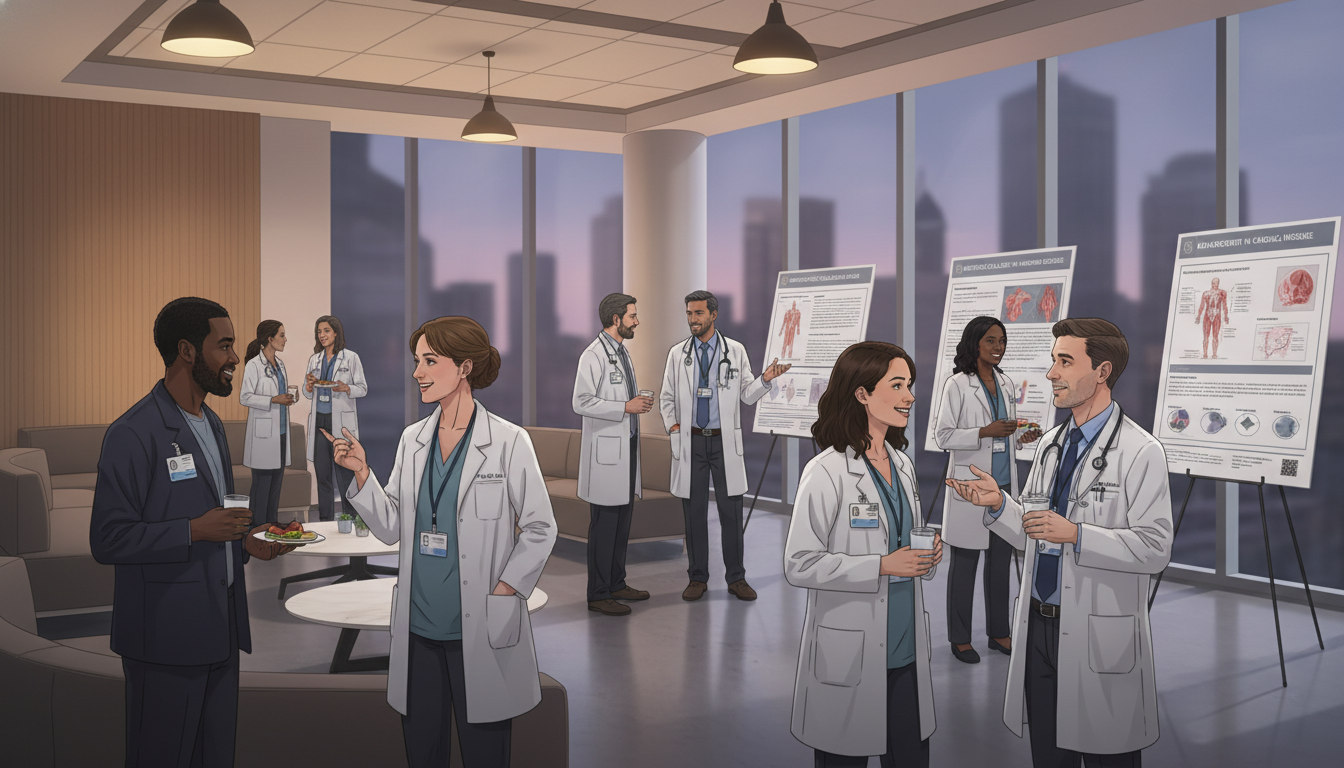
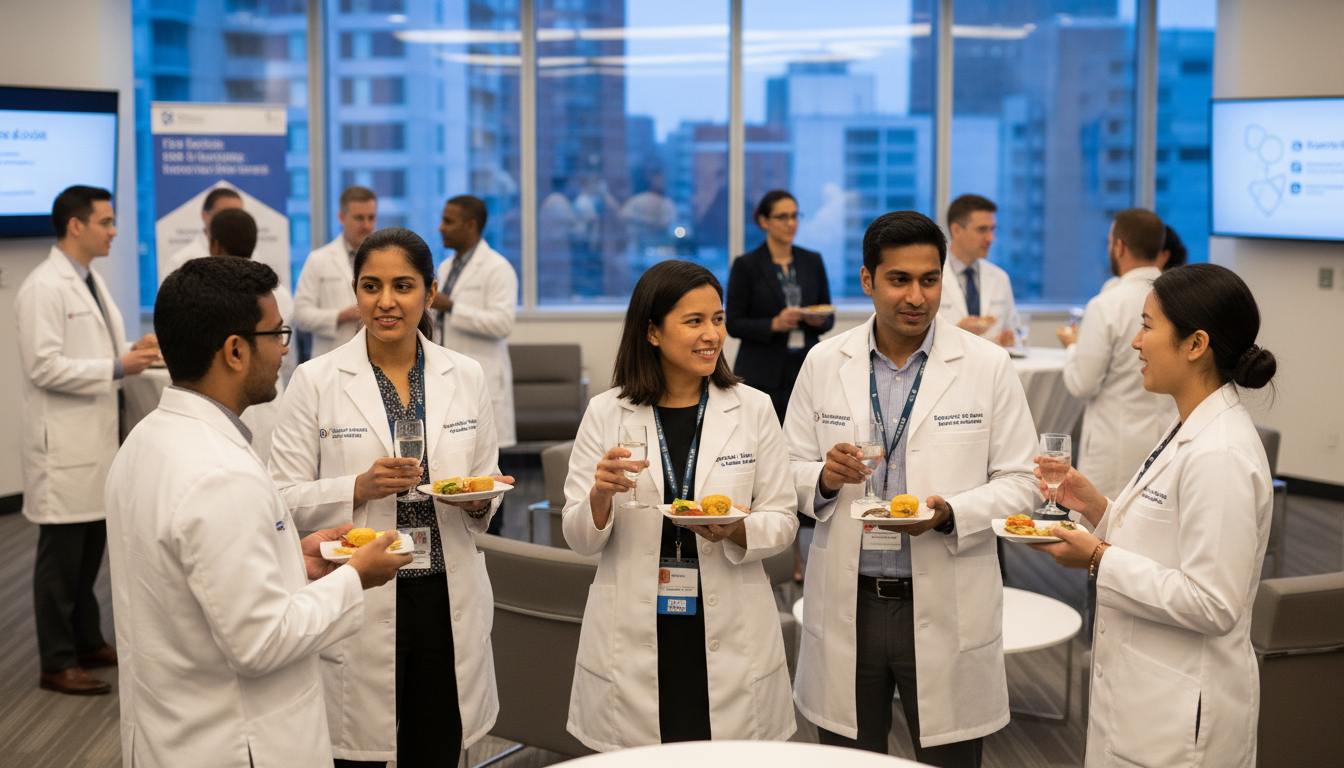
1. National and International Pathology Conferences
Core venues for medical and conference networking in pathology include:
USCAP (United States and Canadian Academy of Pathology)
- The largest and most influential anatomic pathology meeting
- Heavy focus on research, posters, and subspecialty educational courses
- Program directors, faculty, and fellows often attend and recruit future trainees
CAP (College of American Pathologists) Annual Meeting
- Focuses more on clinical pathology, quality, and lab management
- Excellent for understanding lab operations, informatics, and leadership roles
ASCP (American Society for Clinical Pathology)
- Good for laboratory medicine, transfusion, hematology, and education topics
Subspecialty societies (e.g., neuropathology, hematopathology, cytopathology)
- Smaller and less overwhelming
- Easier to make real connections if you already have an interest or project in that area
For a foreign national medical graduate, attending even one major conference before or during your application cycle can dramatically expand your network.
2. Institutional Settings: Where Relationships Form Daily
If you’re doing an observership, research year, or US clinical experience:
- Departmental conferences (tumor boards, unknown conferences, journal clubs)
- Sign-out with attending pathologists, fellows, and residents
- Departmental grand rounds and visiting professor lectures
Every one of these is a networking opportunity—not because you should constantly “sell yourself,” but because consistent, professional presence allows people to notice your work ethic, curiosity, and reliability.
3. Digital and Online Spaces
You don’t have to be physically in the US to begin networking in pathology:
- Twitter/X pathology community (#PathTwitter)
- LinkedIn (for professional identity and connections)
- Online pathology interest groups and journal clubs (e.g., virtual slide sessions)
- Institutional webinars and open houses for the pathology match
Used correctly, these platforms can help a non-US citizen IMG become visible and engaged long before they set foot in a US pathology department.
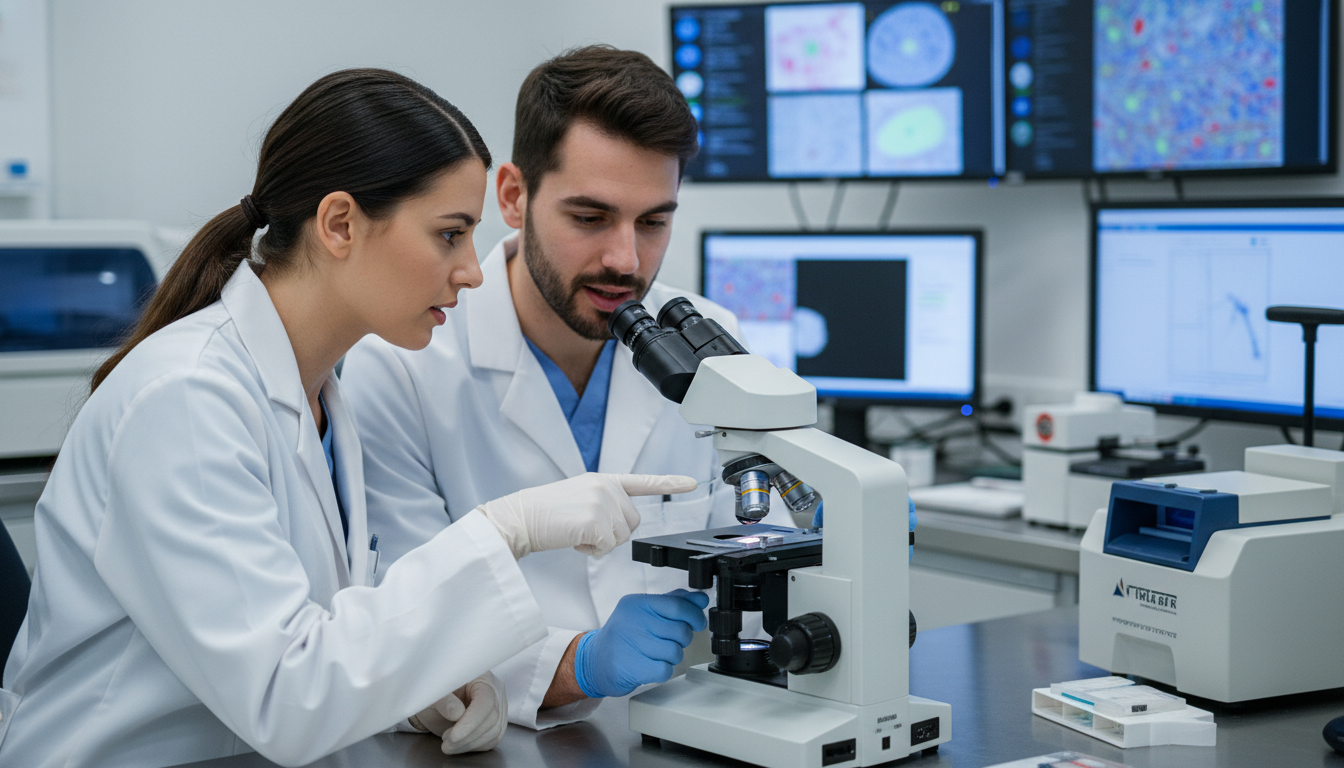
Building Your Core Network: Mentors, Sponsors, and Peers
Not all connections are equal. For a non-US citizen IMG in pathology, aim to develop three main categories of relationships: mentors, sponsors, and peers.
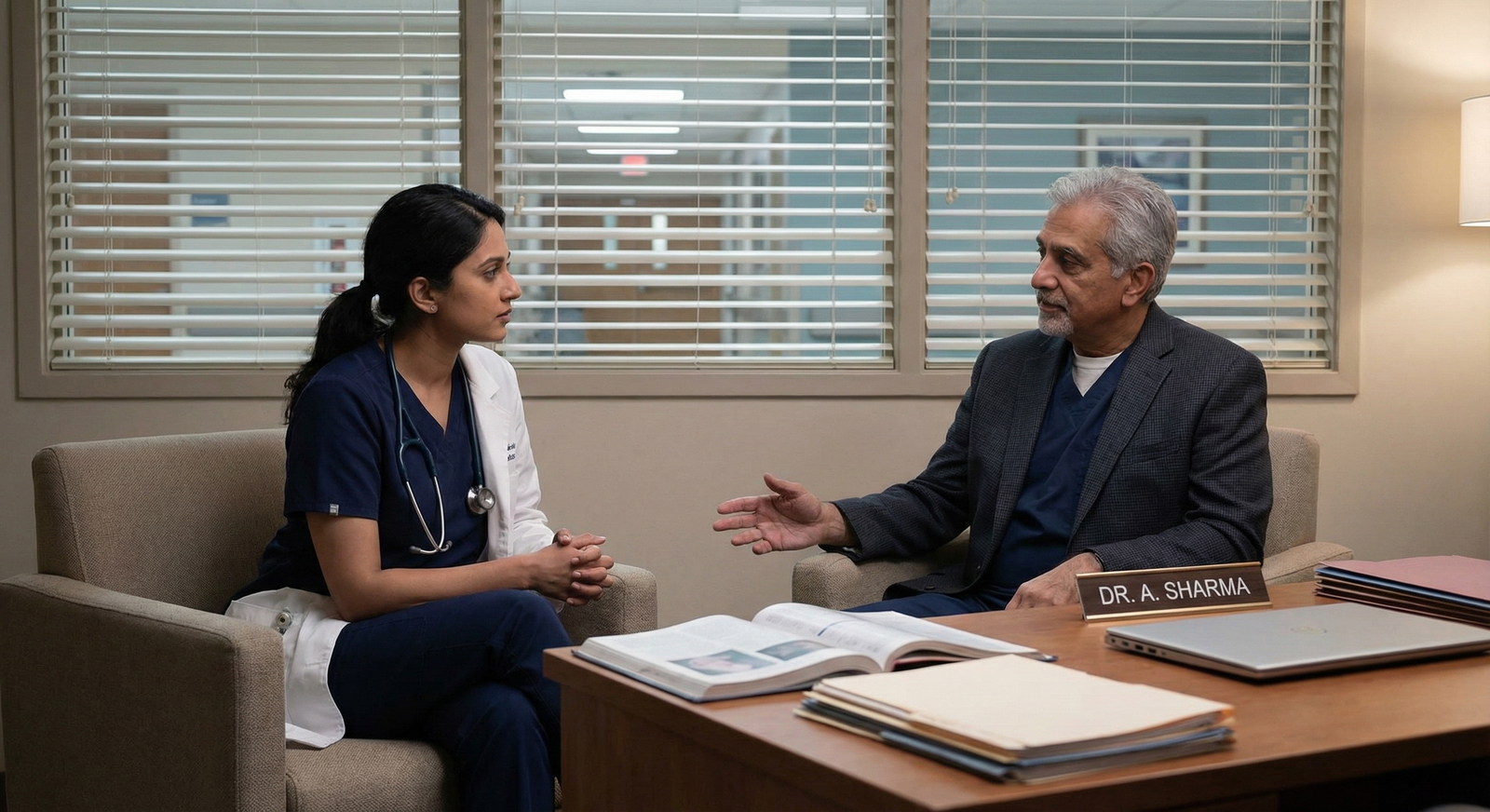
1. Mentorship in Medicine: Who Guides You and How
Mentors are people who advise you, not necessarily people who directly give you positions. In mentorship medicine, you ideally have more than one mentor, each fulfilling a different role:
Content mentor (Pathology-specific)
- A pathologist who helps shape your academic and career trajectory
- Explains subspecialties, research directions, and realistic training paths
Process mentor (IMG-specific)
- Often an older non-US citizen IMG, fellow, or junior faculty
- Guides you through exams, visas, ERAS, and the mechanics of the pathology match
Local mentor (Where you work or rotate)
- Observership or research supervisor who sees your daily performance
- Often the key person for detailed letters of recommendation
How to Identify and Approach Potential Mentors
Look at faculty profiles on department websites:
- Focus on those with educational roles (program directors, AP/CP leadership, clerkship directors)
- Identify those with international training backgrounds—they may relate more to your journey
Craft a concise email:
- Subject: “Prospective Pathology Applicant – Seeking Career Advice (Non-US IMG)”
- 1–2 lines: who you are (non-US citizen IMG, where you trained, USMLE status)
- 1–2 lines: why you’re specifically reaching out (shared interests, publications, institution)
- A clear ask: 15–20-minute virtual meeting to get guidance on your pathology trajectory
Example closing line:
I understand you have a busy schedule, but even a brief conversation would be incredibly valuable as I plan my path toward pathology residency.
Always attach your CV and keep the email under ~200 words.
2. Sponsors: The People Who Actively Open Doors
Sponsors are different from mentors. They are people who:
- Nominate you for positions (research, electives, away rotations)
- Introduce you to other influential pathologists
- Advocate for your application inside selection committees
In pathology, sponsors are often:
- Research PIs who like your work and reliability
- Program directors or associate program directors who know you well
- Senior residents or fellows who recommend you to faculty (“We should interview this person”)
You rarely ask someone directly: “Will you sponsor me?” Sponsorship grows out of:
- Consistent, high-quality work
- Professionalism and reliability over time
- Follow-through on projects and deadlines
3. Peers: Your Pathology Network at the Same Level
Never underestimate the power of peer networking:
- Senior residents at your institution who share tips and interview insights
- Other IMGs on similar paths who exchange information about observerships and research positions
- People you meet at conferences, online journal clubs, and webinars
In a small specialty like pathology, your peers may later become fellowship directors, collaborators, or co-authors.
Conference Networking for the Pathology Match: A Practical Playbook
For many non-US citizen IMGs, conferences are expensive and logistically complex—but they can offer enormous return on investment if you prepare properly.
Step 1: Prepare Before the Conference
a. Get on the Program if Possible
Having a poster or abstract:
- Gives you a natural starting point for conversations
- Signals academic engagement
- Often subsidizes or justifies funding from your home institution or sponsor
Submit case reports, small retrospective analyses, or collaborative projects with US-based groups whenever possible.
b. Research Who Will Be There
- Check the faculty and program director lists for talks and courses.
- Identify:
- Program directors of pathology residencies that accept IMGs and/or sponsor visas
- Faculty whose research or subspecialty aligns with your interests
Prepare a simple tracking sheet (Excel or Notion):
- Name, institution, role (PD, chair, subspecialist)
- Why you want to meet them
- Session/poster number where you might find them
c. Prepare Your Story
Have a 2–3 sentence introduction ready:
- Who you are (name, where you studied, current position)
- Your current status (non-US citizen IMG, exams, visa needs if appropriate)
- Your pathology interests and what you’re looking for (research, mentorship, advice, or future training)
Example:
My name is Dr. Ahmed Khan, I’m a non-US citizen IMG from Pakistan, currently working in a pathology research position at [Institution]. I’m very interested in hematopathology and will be applying to pathology residency next year. I’d really value your advice about strengthening my application and exploring research or elective opportunities.
Step 2: On-Site Networking Tactics
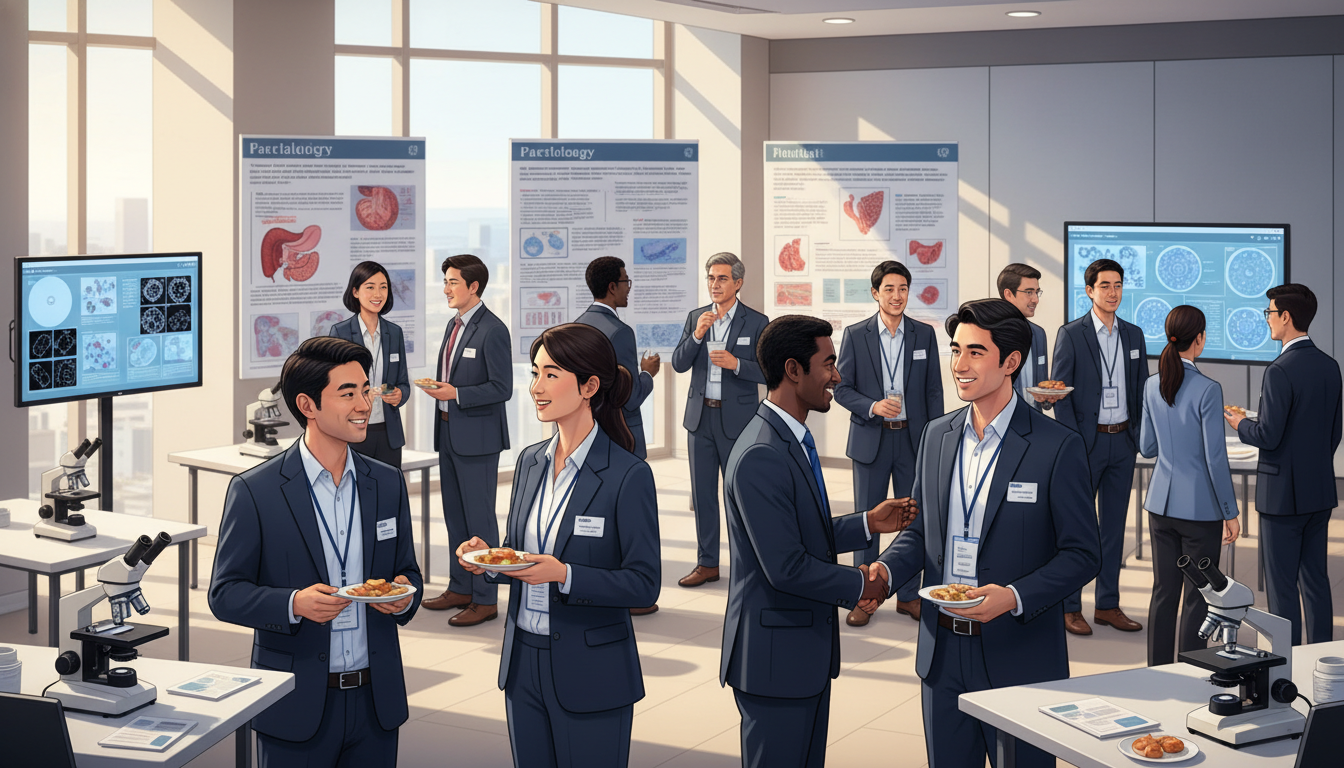
a. Start with Poster Sessions
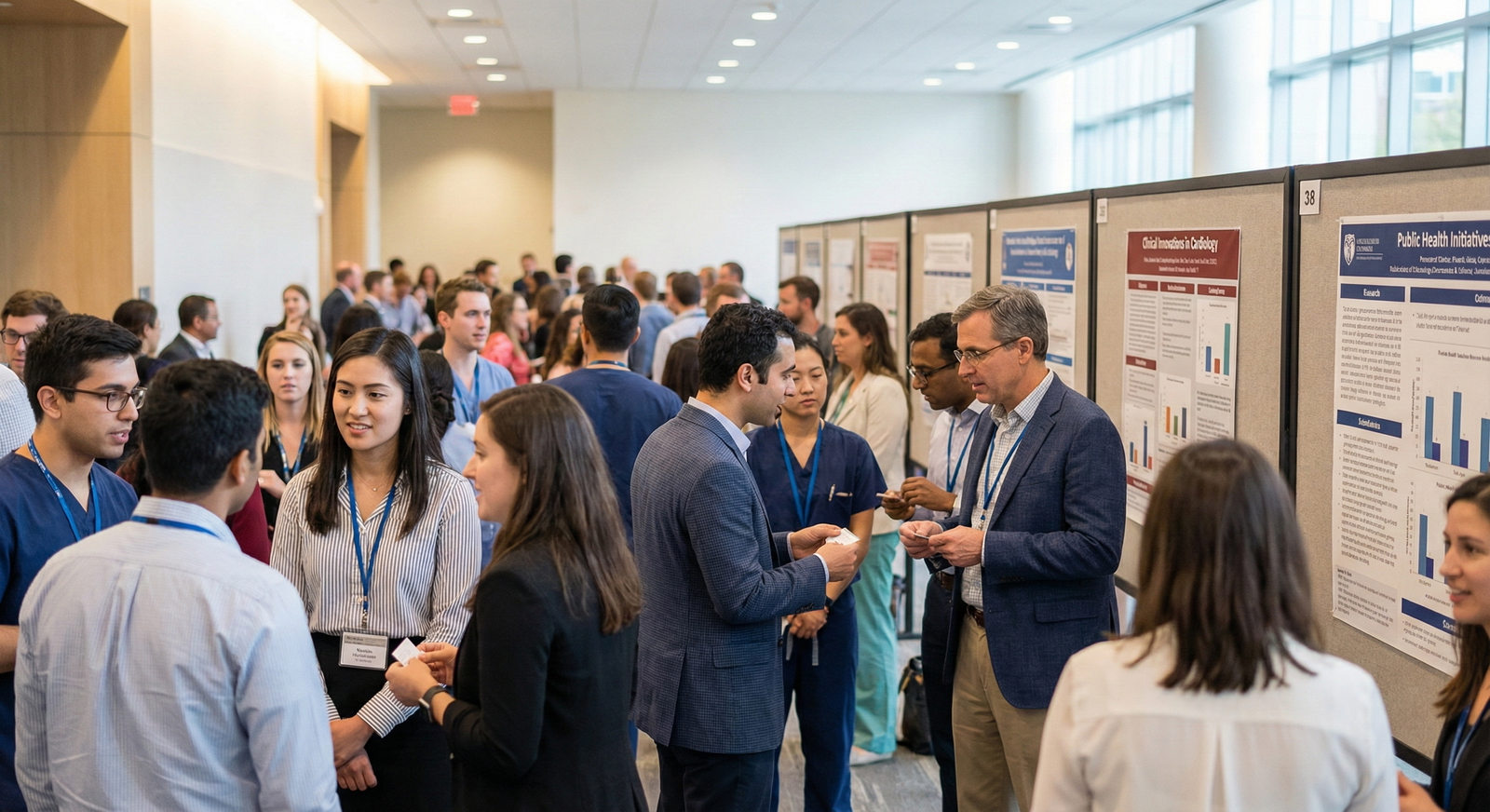
Poster sessions are the most “approachable” environment for medical networking:
- Visit posters from institutions you’re interested in
- Ask presenters (often residents/fellows) about:
- Their training program culture
- How IMGs are integrated and supported
- Whether their program sponsors J-1 or H-1B visas
Then transition to:
I’m a non-US citizen IMG planning to apply to pathology soon. Do you mind if I ask how your program views foreign national medical graduates?
Often, they’ll give you honest feedback and might introduce you to their faculty.
b. Ask Concrete, Focused Questions
Faculty and program directors are more likely to remember IMGs who:
- Ask thoughtful questions relevant to their work
- Show awareness of their publications or talks
- Avoid generic “please give me a residency” conversations
Examples:
- “I saw your article on digital pathology integration. How do you see that affecting training for future residents?”
- “For an IMG interested in your subspecialty, what kind of early experiences would you recommend pursuing?”
c. Collect and Use Contact Information
- Ask for business cards or permission to connect on LinkedIn
- Make a quick note after each interaction: where you met, what you discussed
Step 3: Following Up After the Conference
Within 3–5 days:
- Send a brief email:
- Remind them who you are and where you met
- Mention one specific aspect of your conversation
- Politely state what you’re hoping for next (advice, review of your CV, potential observership, or just permission to stay in touch)
Example:
It was a pleasure speaking with you after your session on liver pathology at USCAP. Your comments about training future pathologists in molecular diagnostics were particularly insightful. As a non-US citizen IMG preparing for the pathology match, I would be grateful for any advice you might have on aligning my research and elective experiences with current trends in pathology training.
Keep it to 6–8 sentences and attach your updated CV if relevant.
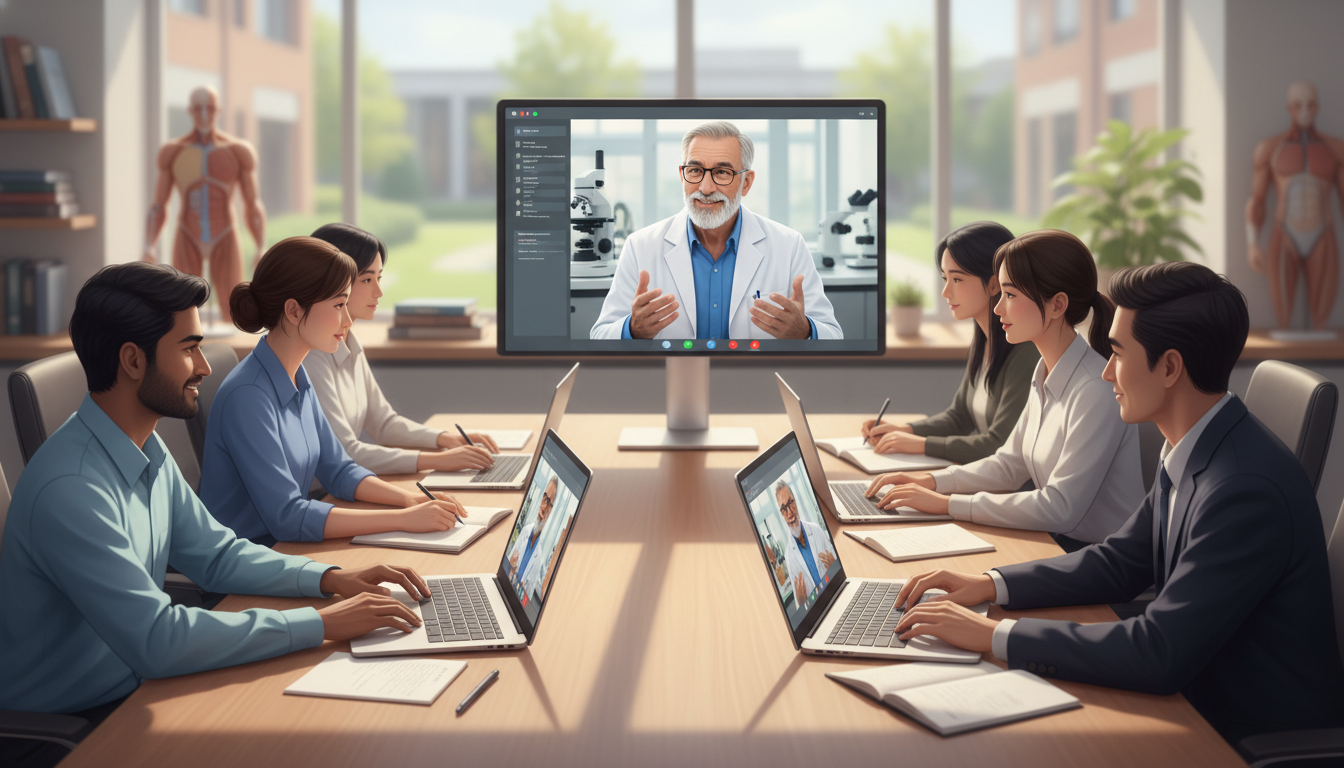
Everyday Networking: Online Platforms, Email, and Within Departments
You don’t need a conference badge to invest in medical networking. For a non-US citizen IMG, much of the most important relationship-building happens quietly and consistently.
1. Online Networking: Twitter/X, LinkedIn, and Beyond
a. Twitter/X (#PathTwitter)
Many pathologists, program directors, and residents are active here.
Use it to:
- Follow pathology departments and residency programs
- Engage with educational threads (slide of the week, unknown cases)
- Share your own learning journey and case reflections (while protecting patient privacy)
Practical tips:
- Use a professional profile with your real name, “MD,” and a short bio:
- “Non-US citizen IMG | Aspiring Pathologist | Interested in GI/Liver | Preparing for US pathology residency”
- Avoid controversial or unprofessional debates
- Comment meaningfully on posts—ask questions, thank educators, share what you learned
b. LinkedIn
LinkedIn is particularly useful for structured career networking:
- Connect with alumni from your medical school now in US pathology
- Message residents/fellows at programs you’re interested in
- Share milestones: research publications, conference posters, US observerships
When sending connection requests:
- Always include a short note (1–2 lines)
- Mention your shared interest in pathology and that you are a non-US citizen IMG seeking advice
2. Email Etiquette as a Non-US Citizen IMG
You will likely send many emails asking about:
- Research volunteer opportunities
- Observerships or shadowing
- Electives or visiting student rotations
- Mentorship meetings
Keep these principles in mind:
- Clarity: State your purpose early.
- Brevity: No more than 200–250 words for first contact.
- Specificity: Propose one or two realistic next steps.
If you don’t receive a reply:
- Wait 10–14 days
- Send one polite follow-up
- After two unanswered attempts, move on without taking it personally
3. Networking Within Your Department or Research Group
If you are already in the US on a research position, observership, or visa:
Treat every day as part of your interview.
- Arrive on time, be prepared, volunteer for work that others avoid
- Ask for feedback and apply it
- Attend all available conferences and case discussions
- Introduce yourself to new faculty or visitors briefly and professionally
Small, consistent professionalism is often what turns a casual contact into someone who is willing to sponsor you later.
Turning Connections into Opportunities: Research, Observerships, and Strong Letters
Networking in medicine is not just about “knowing people.” It must eventually translate into tangible steps that strengthen your pathology residency application.
1. Leveraging Relationships for Research
Pathology is research-friendly for IMGs because many projects use:
- Archived tissue and digital slides
- Databases of cases and outcomes
- Retrospective chart reviews
Once you have a basic relationship with a pathologist:
- Express clear interest in helping with research (even unpaid, if feasible and allowed)
- Offer specific skills: data collection, literature reviews, grossing assistance (if permitted), digital slide annotation
- Be realistic about your time and deadlines
A track record of one or two well-completed projects is far better than many half-finished ones.
2. Observerships and Rotations: How Networking Opens Doors
Many pathology departments do not openly advertise observerships. Instead:
- Faculty who know and trust you may “sponsor” your observership
- Friends or peers may tell you which programs unofficially accept observerships
- Mentors can introduce you to coordinators who manage visiting observers
When asking about observerships:
- Emphasize your goal: to learn the US system and better prepare for residency
- Reassure them about your professionalism and commitment
- Be honest about visa status and availability dates
3. Letters of Recommendation: From Network to Advocacy
Strong letters are often the most direct benefit of effective networking.
A meaningful letter usually requires:
- At least 4–8 weeks of consistent observation of your work
- Evidence of your initiative, communication, and growth
- A faculty member who feels invested in your success
When requesting a letter:
- Ask: “Would you feel comfortable writing a strong letter of support for my pathology residency application?”
- Provide your CV, personal statement draft, and any relevant evaluations
- Remind them of key projects or contributions you made
A genuine, detailed letter from a US pathologist who knows you well often carries more weight than a generic letter from a very famous name who barely interacted with you.
Common Pitfalls in Medical Networking for IMGs—and How to Avoid Them
1. Being Too Transactional
If every conversation quickly becomes “Can you give me a position?” people will pull away.
Instead:
- Focus first on learning, contributing, and building trust
- Let opportunities emerge naturally as your work speaks for itself
2. Oversharing or Leading with Visa Concerns
Visa status is important—but if you open every interaction with “Will you sponsor H-1B?” you may prematurely close doors.
Better approach:
- Establish your value and interest first
- Once there’s genuine engagement, bring up visa logistics as a necessary detail
3. Poor Follow-Through
The fastest way to damage your reputation is:
- Missing agreed deadlines for research
- Not responding to emails promptly
- Failing to attend scheduled meetings or sign-outs
Your reliability is a core part of your professional brand.
4. Underestimating Peer Relationships
Don’t focus only on senior faculty. Residents and fellows:
- Often influence the interview shortlist
- Provide inside information about program culture
- May later become faculty who remember you from earlier interactions
Final Thoughts: Treat Networking as a Long-Term Professional Habit
For a non-US citizen IMG or foreign national medical graduate, networking in medicine is not an optional extra—it is part of your core strategy to succeed in the pathology match and beyond.
Key principles to keep in mind:
- Start early: You do not need to wait until application season; begin building relationships while preparing for exams and research.
- Be authentic: You don’t need to pretend to be extroverted. Quiet, thoughtful engagement is highly respected in pathology.
- Be consistent: Small, regular touchpoints—emails, conference attendance, online contributions—create momentum over time.
- Give back: Share resources with other IMGs, help juniors, and contribute to the professional community. This builds your reputation as a future colleague, not just an applicant.
If you view networking as building genuine, mutually respectful professional relationships—not as manipulation—you will find that many pathologists are eager to support serious, committed non-US citizen IMGs in joining the specialty.
FAQs: Networking in Medicine for Non-US Citizen IMGs in Pathology
1. I’m still in my home country and have never been to the US. How can I start networking now?
You can:
- Join #PathTwitter and engage with educational posts
- Create a professional LinkedIn profile and connect with pathologists and residents (especially alumni from your school)
- Attend virtual conferences, webinars, and residency open houses
- Email pathologists whose work you admire, asking for brief informational meetings about career paths
You don’t need to physically be in the US to begin building your pathology network.
2. How many conferences should I attend before applying to pathology residency?
Quality matters more than quantity. For most non-US citizen IMGs:
- Attending one major meeting (e.g., USCAP) during your research/observership period, plus possibly one additional relevant meeting (CAP/ASCP or a subspecialty conference), is usually sufficient if you prepare and network effectively.
- If finances are tight, prioritize one well-planned conference where you have a poster or clear networking goals rather than several low-yield meetings.
3. Do I have to be very outgoing to network successfully in pathology?
No. Pathology is a specialty that values thoughtful observation and analytical thinking. Many pathologists are introverted. You can network effectively by:
- Asking good, concise questions
- Following up politely by email
- Being reliable and present in departmental conferences and research settings
Being respectful, prepared, and consistent matters more than being loud or charismatic.
4. How do I know if my networking is actually helping my pathology match chances?
Signs your medical networking is working include:
- Faculty or residents start introducing you to others (“You should meet X, they’re working on something you’d like”)
- You receive invitations to join projects, observerships, or electives
- Mentors proactively offer to write you letters or review your application materials
- Program representatives remember you from conferences or prior emails during interview season
Ultimately, networking doesn’t replace exam scores or solid application elements—but it helps ensure that when your application is reviewed, someone in the room knows your story and is willing to advocate for you.