Why Networking Matters So Much for Non‑US Citizen IMGs in Anesthesiology
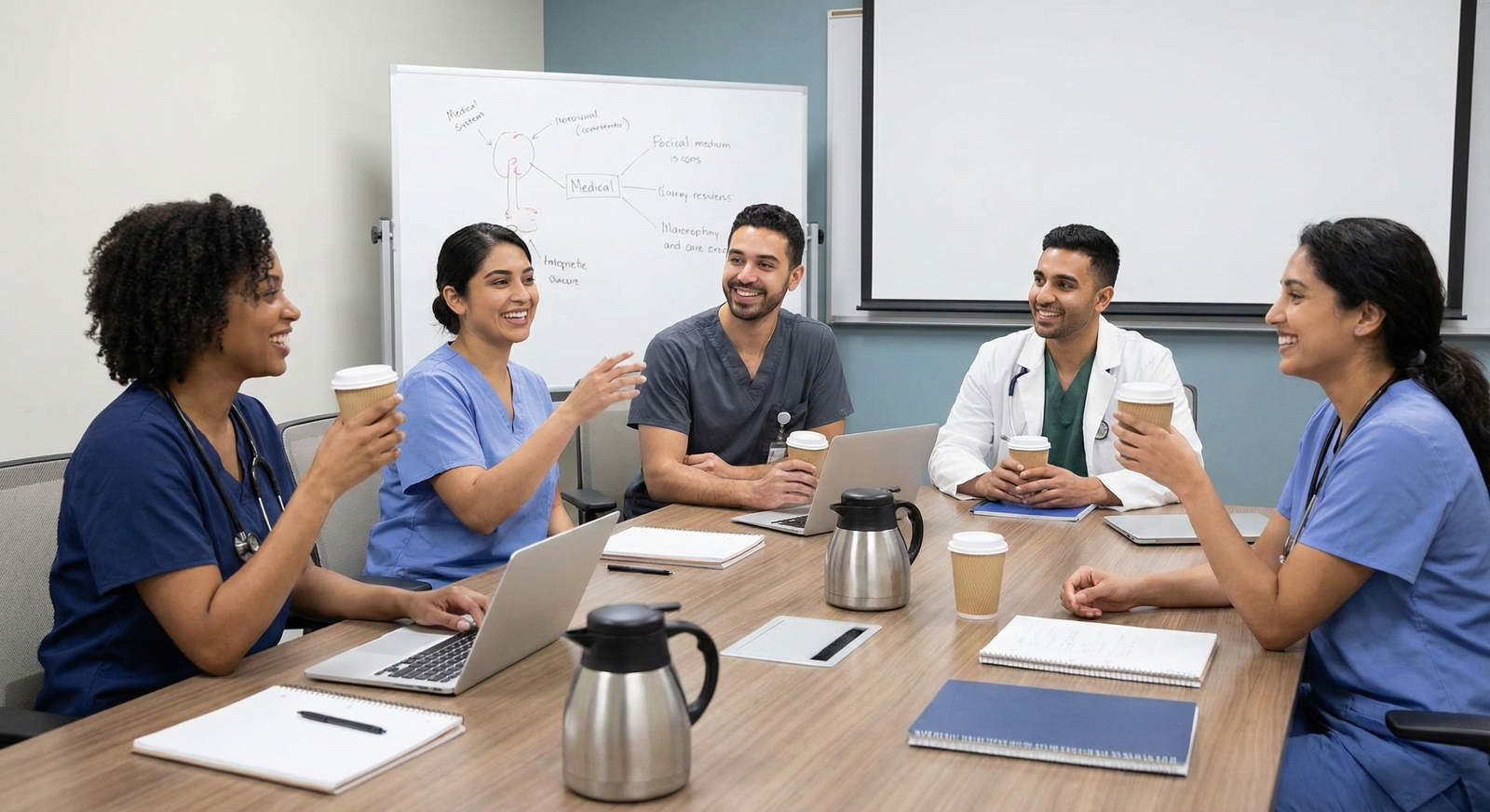
For a non‑US citizen IMG, the road to an anesthesiology residency is rarely straightforward. Strong exam scores and solid clinical skills are necessary—but often not sufficient. What frequently separates successful candidates from unsuccessful ones is who knows you, how they know you, and whether they are willing to advocate for you.
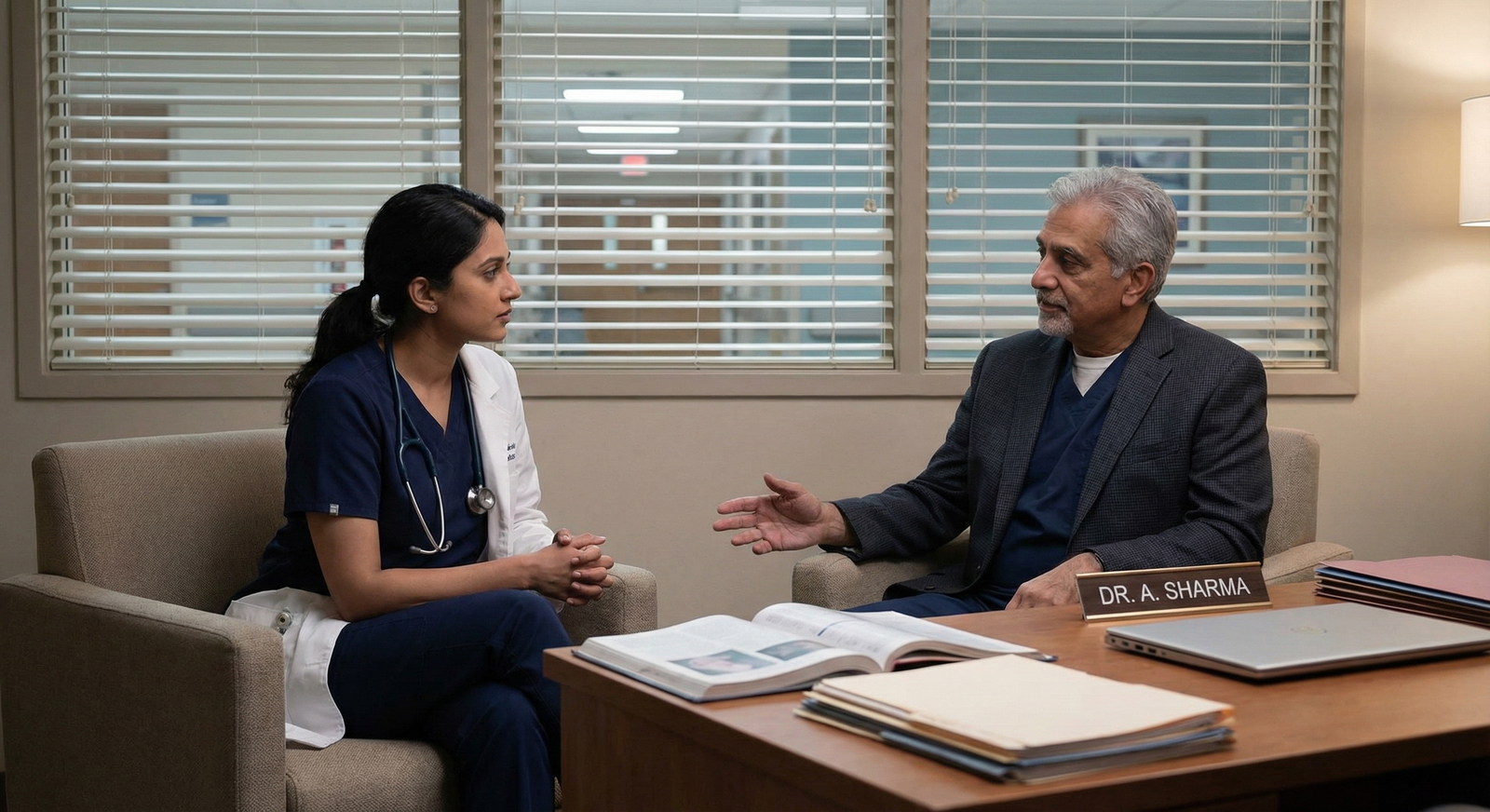
That is the essence of networking in medicine: building genuine, professional relationships that open doors, create learning opportunities, and help others see your potential beyond your CV.
For a foreign national medical graduate targeting an anesthesiology residency in the US, networking can:
- Turn an observership into a strong letter of recommendation
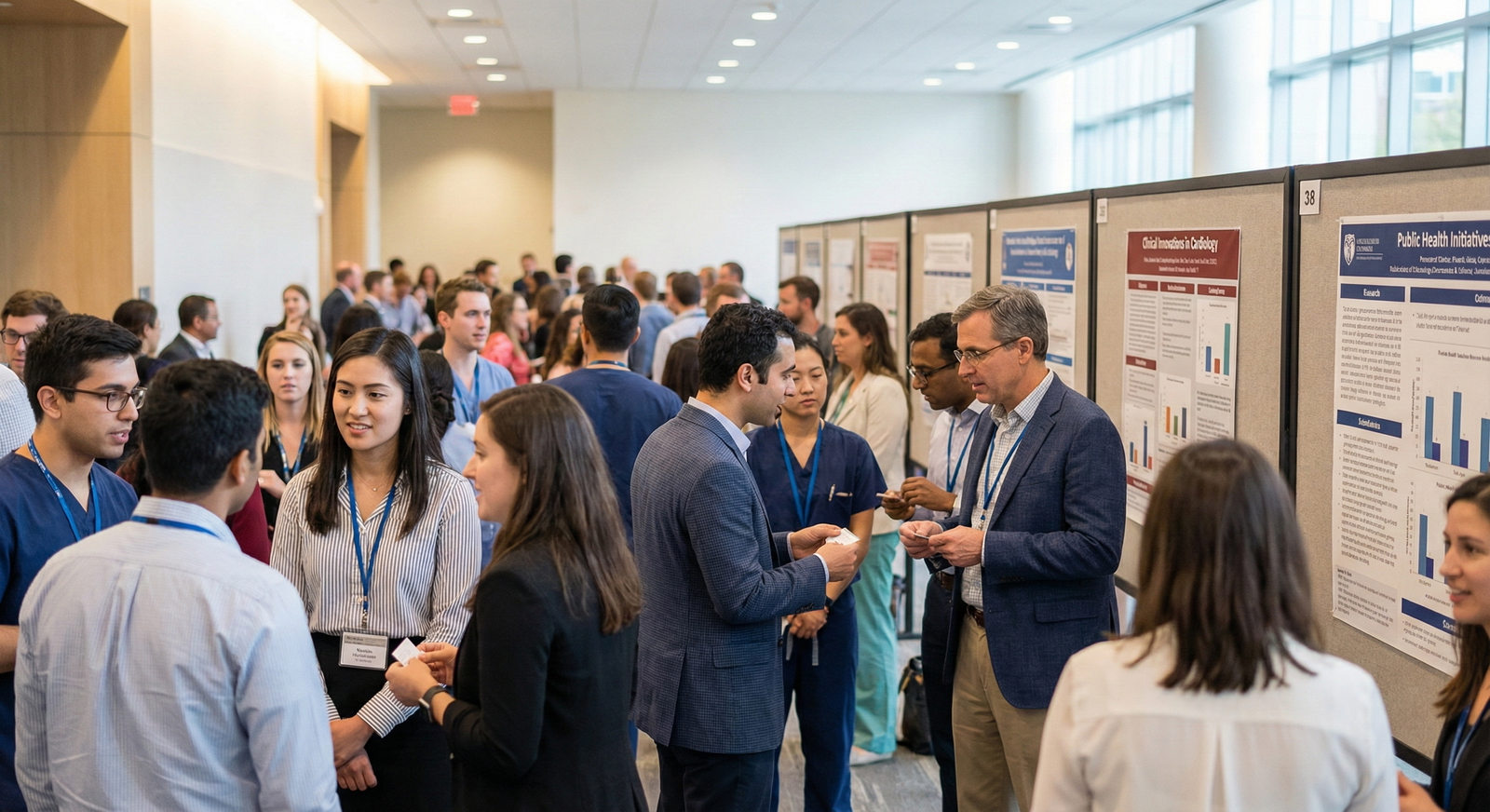
- Convert a conference poster into an interview invitation
- Transform a brief interaction into a mentorship relationship
- Help you navigate visa questions and program policies more effectively
Networking does not mean being fake, manipulative, or “using” people. In medicine, the most effective networkers are often those who focus on adding value to others—by being reliable, prepared, respectful, and genuinely curious.
This article will walk you through a structured, practical approach to medical networking specifically tailored to non‑US citizen IMGs pursuing anesthesiology, with concrete strategies you can start applying immediately.
Understanding the Networking Landscape in Anesthesiology
Anesthesiology is a relatively small, relationship‑driven specialty. Step scores and transcripts are important, but program directors and faculty often rely heavily on trusted opinions from colleagues, prior experience working with you, and your reputation for professionalism and teamwork.
Unique Challenges for Non‑US Citizen IMGs
As a non‑US citizen IMG, you face several structural barriers in the anesthesia match:
- Fewer US clinical contacts to write letters or vouch for you
- Limited in‑person visibility at US teaching hospitals
- Visa concerns (H‑1B vs J‑1) that some programs may be hesitant about
- Possible implicit bias or uncertainty about your training background
- Less familiarity with US medical culture, expectations, and etiquette
Networking helps counterbalance these challenges by giving faculty, residents, and coordinators a reason to invest in you—because they have seen your work ethic, engagement, and character.
Where Networking in Anesthesiology Actually Happens
Your networking opportunities typically cluster in six main settings:
- US Clinical Experiences
- Observerships
- Externships
- Research positions
- Short‑term electives
- Conferences & Meetings
- ASA (American Society of Anesthesiologists)
- SOAP, SCCM, SPA, SNACC, ASRA, and regional/state anesthesia societies
- Research Collaborations
- Remote research with US‑based anesthesiology faculty
- Quality improvement projects
- Online Platforms
- Twitter/X (med‑twitter)
- Specialty‑specific online communities
- Alumni & Informal Networks
- Seniors from your medical school
- Friends from your home country now in US training
- Formal Mentorship Programs
- Mentorship programs through societies or hospitals
- Diversity and IMG support initiatives
Understanding this landscape helps you design an intentional strategy instead of “hoping” something will happen.
Building a Strategic Networking Plan as a Non‑US Citizen IMG
Instead of random messaging and unfocused “networking,” treat this like a structured project with goals, targets, and timelines.
Step 1: Define Clear Networking Goals
Useful goals include:
- Secure 2–3 mentors in anesthesiology (at least one in the US)
- Obtain 2–3 strong US letters of recommendation in anesthesiology
- Present at 1–2 anesthesia conferences before applying
- Develop at least 5 professional contacts (faculty or senior residents) who know your work and might advocate for an interview
Write these down with deadlines. For example:
- “Within 6 months, obtain one ongoing research collaboration with a US anesthesiologist.”
- “Within 12 months, present at a regional or national anesthesia meeting.”
Step 2: Identify Target Institutions and People
Look for:
- Programs that historically interview or match IMGs
- Institutions that sponsor J‑1 or H‑1B visas
- Academic centers with active research in your areas of interest (e.g., cardiac anesthesia, critical care, regional anesthesia)
Then list:
- Faculty in anesthesiology whose work you genuinely find interesting
- Program directors, associate PDs, and core faculty at programs friendly to foreign national medical graduates
- Residents or fellows who share your background (IMG, same country, same med school)
This will form your networking “hit list”—people you’ll reach out to or try to meet at conferences and during experiences.
Step 3: Prepare a Professional Identity
Before starting, have your basic materials ready:
- Well‑formatted CV (US style, 1–2 pages if possible, with clear sections)
- Brief professional bio (3–5 sentences) you can paste into emails or online profiles
- Updated LinkedIn profile with:
- Clear headline (“Non‑US citizen IMG interested in Anesthesiology & Perioperative Medicine”)
- Professional photo
- Short “About” section highlighting your goals and key experiences
- A short introduction script, e.g.:
“Hi, I’m Dr. [Name]. I graduated from [School, Country] and I’m a non‑US citizen IMG currently focused on anesthesiology. I’m particularly interested in [e.g., critical care and perioperative outcomes] and I’m hoping to learn more about training and research opportunities in the US.”
This preparation makes every interaction smoother and more confident.

In‑Person Networking: Clinical Rotations, Hospitals, and Conferences
When you are physically present in a US hospital or at a conference, every day is a networking opportunity—if you approach it intentionally.
Making the Most of US Clinical Experiences
For a non‑US citizen IMG, a single observership or externship can be more valuable than months of online networking if you handle it correctly.
How to stand out as an observer or rotator:
- Be reliably early and prepared
- Arrive before your attending or resident
- Read about the day’s cases the night before (e.g., type of surgery, anesthetic plan, comorbidities)
- Show clinical curiosity (not aggression)
- Ask 1–2 thoughtful questions per case
- Frame questions to show you prepared:
- “I read that for laparoscopic cholecystectomy we often use [X] technique. Why did we choose [Y] approach here given the patient’s COPD?”
- Be useful in small ways
- Help organize charts, check vital signs trends, prepare presentations
- Offer: “Would it be helpful if I create a short summary of this case for our next teaching session?”
- Volunteer for academic contributions
- “I’d love to help with any ongoing quality improvement or case report projects. Is there anything I could assist you with?”
If you consistently show this behavior, people remember your name—which is the foundation of effective networking in medicine.
Turning Rotations into Recommendations and Relationships
Near the end of a positive experience:
Ask for feedback first:
“I’ve really enjoyed working with you this month. Do you have any feedback that could help me improve further as I prepare for anesthesiology residency applications?”
Then, if the response is encouraging:
“I’ll be applying to anesthesiology residency as a non‑US citizen IMG this year. If you feel you know my work well enough, I would be very grateful for a letter of recommendation.”
Keep in touch afterward with brief, professional updates, such as:
- “I wanted to let you know I’ve just submitted an abstract to ASA based on the QI project we discussed.”
- “Thank you again for your guidance during my rotation. I’ve received an interview from [Program]; your support has been invaluable.”
This converts a one‑month interaction into a long‑term part of your network.
Conference Networking: From Awkward to Strategic
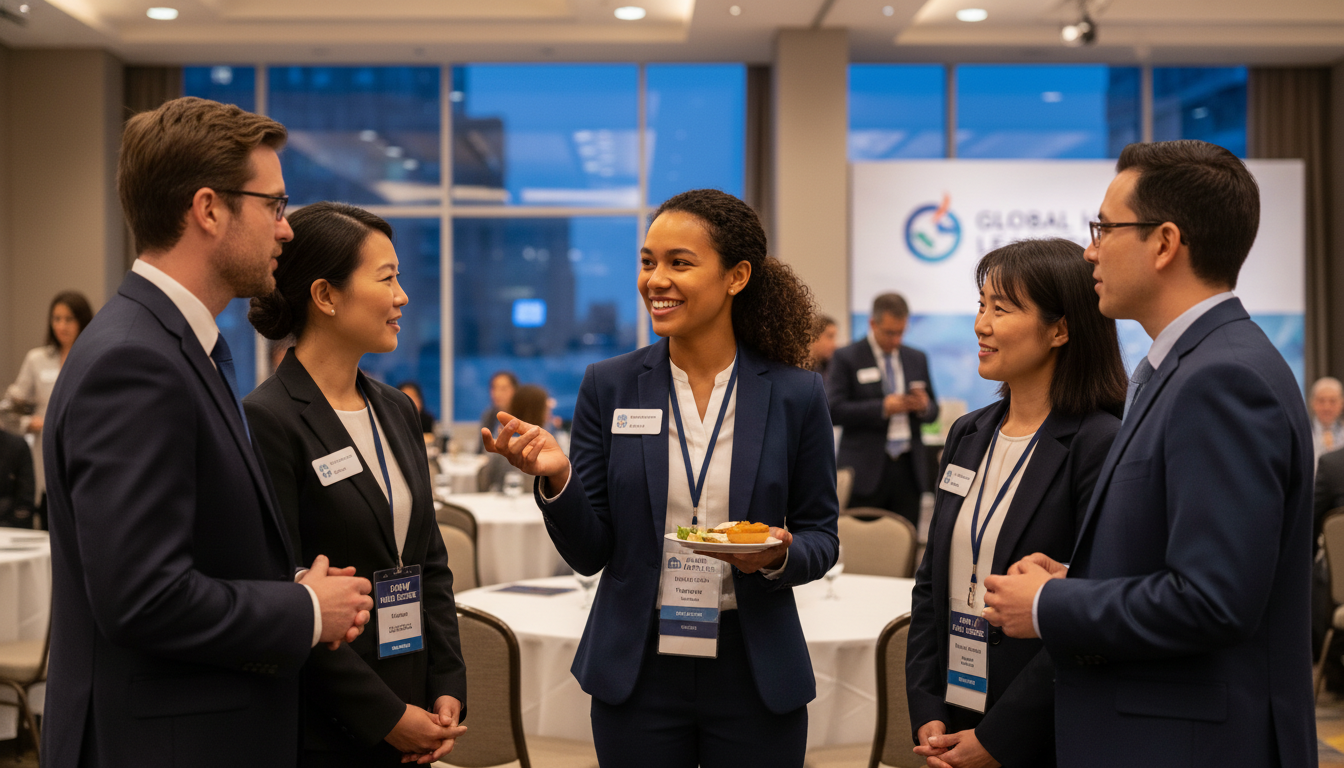
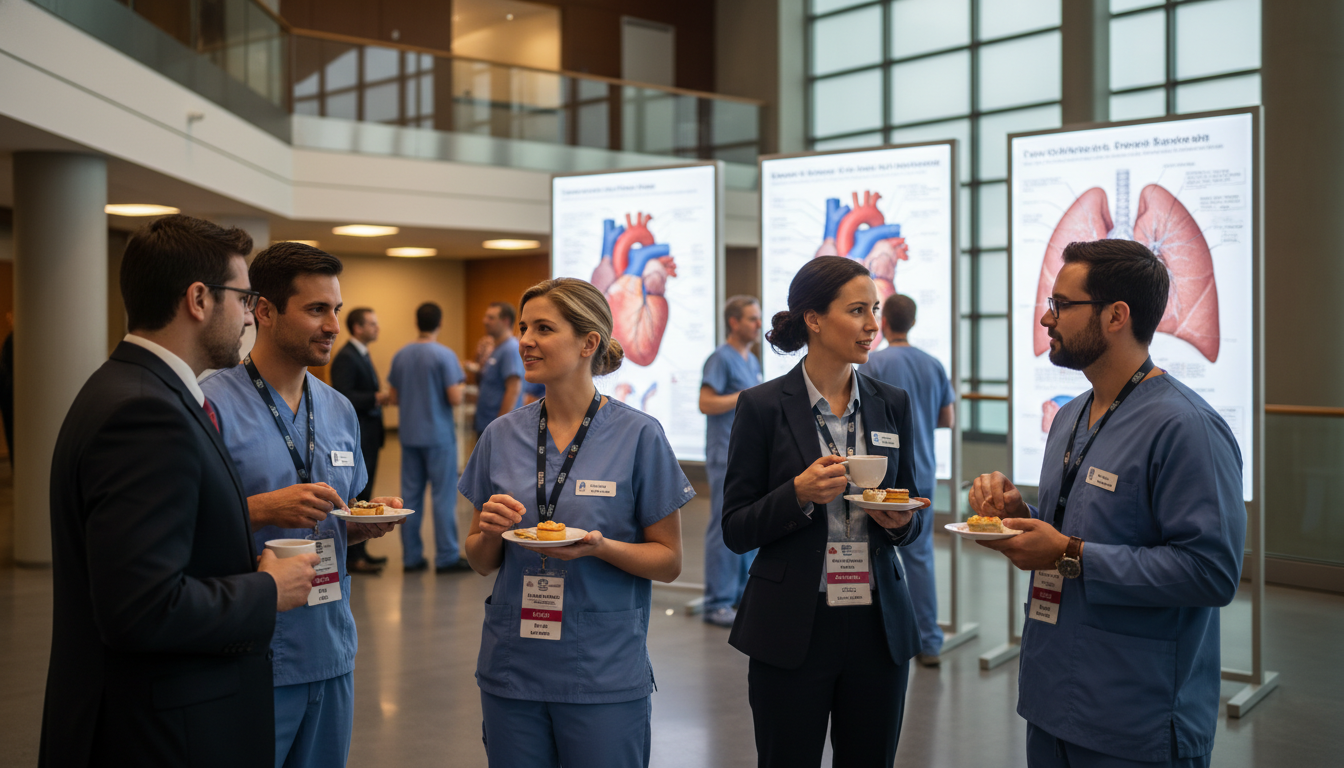
Conferences are dense networking environments where you can meet dozens of anesthesiologists in a few days.
Major conferences to consider:
- ASA Annual Meeting
- State society meetings (e.g., California Society of Anesthesiologists)
- Specialty meetings (e.g., ASRA for regional anesthesia, SCCM for critical care)
Before the conference:
- Review the program schedule and identify:
- Sessions related to your interests
- Speakers from programs you care about
- Look up speakers and connect on LinkedIn or email:
“Dear Dr. [X], I’m a non‑US citizen IMG interested in anesthesiology and very interested in your work on [topic]. I’ll be attending your talk at [Conference]. If time permits, I’d be grateful for 5 minutes afterward to briefly introduce myself and ask one question about career development.”
Not everyone will reply—but some will, and it frames your interaction.
During the conference:
Attend the resident and medical student events—program directors and faculty often attend specifically to meet potential applicants.
Prepare 2–3 focused questions to avoid vague small talk, for example:
- “What do you think are the most important qualities for residents in your program?”
- “As a foreign national medical graduate, what can I do over the next year to be a stronger candidate for anesthesiology?”
After a brief conversation, ask politely:
“Would it be okay if I connect with you on email or LinkedIn to ask for occasional guidance?”
After the conference:
Send a short follow‑up within 48–72 hours:
Subject: Thank you – ASA Meeting
Dear Dr. [Name],
It was a pleasure meeting you at the ASA session on [topic]. I appreciated your advice about [specific point]. As a non‑US citizen IMG preparing for the anesthesia match, your perspective was very helpful.
I hope to stay in touch and will keep you updated on my progress.
Best regards,
[Name]
This is how conference networking becomes the beginning of mentorship in medicine or future advocacy.

Online Networking: Making the Digital World Work for You
When you’re not physically in the US, online networking becomes your primary tool. Used well, it can be surprisingly powerful—even for securing research, observerships, and informal advising.
Using LinkedIn Strategically
LinkedIn is underused by many IMGs but is extremely valuable for a foreign national medical graduate aiming for anesthesiology.
Profile essentials:
- Professional photo: Clear, neutral background, business or smart attire
- Headline: e.g., “International Medical Graduate | Aspiring Anesthesiologist | Interested in Perioperative Outcomes Research”
- About section: 4–6 sentences summarizing:
- Your medical background
- Interest in anesthesiology
- Key skills (languages, research methods, teaching)
- Your near‑term goal (e.g., obtaining research experience in the US)
How to build connections:
- Search for:
- “Department of Anesthesiology [Hospital/University]”
- “Anesthesiology resident” + program name
- Send targeted connection requests with a short personalized note:
“Dear Dr. [Name], I’m a non‑US citizen IMG interested in anesthesiology and currently exploring research and observership opportunities. I admire your path in [X]. I’d be grateful to connect and learn from your experience.”
Responding politely to public posts, sharing educational content, and commenting thoughtfully on anesthesiology topics can gradually make you visible within the community.
Email Outreach for Research and Observerships
Cold emailing can feel intimidating, but if done correctly, it’s one of the most direct ways to expand your medical networking.
Identify faculty:
- Use PubMed or hospital websites to find anesthesiologists with interests aligning with yours.
- Prioritize:
- Those who publish regularly
- Those at programs that do consider IMGs
- Those with roles in education or research coordination
Structure of a strong cold email:
Subject line:
- “Prospective IMG interested in contributing to your perioperative research”
- “Non‑US citizen IMG seeking research/observership opportunities in anesthesiology”
Body (brief, 3–4 short paragraphs):
- Who you are (non‑US citizen IMG, where you studied, current status)
- Why you are reaching out to this faculty member (1–2 specific references to their work)
- What you are asking for (research help, remote data work, future observership possibilities)
- A closing sentence thanking them and offering your CV
Example:
Dear Dr. [Name],
My name is [Your Name], and I am a non‑US citizen international medical graduate from [School, Country] with a strong interest in anesthesiology, particularly [e.g., perioperative outcomes and critical care].
I recently read your publication on [specific article/topic] and was impressed by your work on [brief detail]. I hope to pursue an anesthesiology residency in the US and I am eager to gain more exposure to academic anesthesiology and research.
If you have any ongoing projects for which you might need assistance with literature review, data collection, or manuscript preparation, I would be very grateful for the opportunity to contribute, even remotely. I understand your time is valuable and I will respect all deadlines and confidentiality.
I have attached my CV for your reference, and I would greatly appreciate any guidance you could offer.
Sincerely,
[Your Name]
You may send many emails and receive few responses, but you only need 1–2 positive replies to create major opportunities.
Using Twitter/X and Other Platforms
Academic anesthesiology has an active presence on Twitter/X and, to a lesser degree, other platforms.
- Follow:
- Anesthesiology departments
- Program directors and faculty
- Major societies (ASA, ASRA, SCCM, SOAP)
- Engage:
- Like and comment thoughtfully on posts about education, patient safety, or research
- Share relevant publications with short reflections
- Avoid:
- Controversial politics, unprofessional arguments, or protected patient information
Over time, your name and interests become familiar, which can support your medical networking when you meet these people at conferences or reach out by email.
Mentorship, Advocacy, and Long‑Term Relationship Building
Networking is not about collecting business cards or LinkedIn connections—it’s about building sustained, reciprocal professional relationships.
Understanding Different Types of Mentorship in Medicine
For non‑US citizen IMGs, you ideally want multiple mentor roles covered:
- Career Mentor (Anesthesiology‑specific)
- Guides you on which programs to target
- Helps you understand subspecialties and fellowships
- Research Mentor
- Offers projects, co‑authorship, and academic exposure
- Process Mentor (IMG‑focused)
- Understands the challenges of visas, ECFMG, and the anesthesia match
- Near‑Peer Mentor
- Recently matched residents or fellows who remember the process clearly
You do not need to label these relationships formally. Often, they grow from:
- A productive research collaboration
- A great clinical rotation
- A thoughtful interaction at a conference
- A senior IMG whom you’ve stayed in touch with
How to Nurture These Relationships
To turn a single interaction into a lasting connection:
- Respect their time
- Ask concrete, specific questions
- Avoid frequent long messages
- Demonstrate progress
- If they give advice, act on it and later report back:
- “Based on your suggestion, I joined [society] and submitted an abstract.”
- If they give advice, act on it and later report back:
- Offer value in return
- Help with data cleaning, literature review, or translations
- Volunteer to present at their journal club or teaching session if appropriate
Over time, such relationships often evolve into strong letters of recommendation and private advocacy, such as:
- “I know this applicant from research; they are very reliable. Please interview them.”
This behind‑the‑scenes support is where networking in medicine becomes truly powerful.
Navigating Visa and IMG‑Specific Issues Through Your Network
Mentors and contacts can also help with the aspects of being a foreign national medical graduate that are rarely listed on websites:
- Which programs actually consider H‑1B vs J‑1
- How to phrase visa questions professionally during the application and interview process
- Institutions that have historically supported non‑US citizen IMGs in anesthesiology
Your peers and seniors from similar backgrounds (same country or med school) are especially helpful for this. Don’t hesitate to ask:
“As a fellow non‑US citizen IMG, do you have any advice about which anesthesia programs tend to be more open to applicants requiring a [J‑1/H‑1B] visa?”
Common Mistakes and How to Avoid Them
Even strong candidates sometimes undermine their efforts with avoidable networking errors. Watch out for these:
1. Being Transactional or Desperate
Faculty and residents can sense when someone views them purely as a stepping stone. Instead of asking immediately:
- “Can you write me a letter?”
- “Can you help me get into your residency?”
Focus first on learning and contributing:
- “I’d appreciate your perspective on how an IMG can improve their chances.”
- “Is there any way I might help with ongoing projects in your department?”
2. Over‑Messaging or Ignoring Boundaries
Sending multiple follow‑up emails within a few days or pressuring someone for a quick response is counterproductive. As a rule:
- Wait 7–10 business days before a gentle follow‑up
- After one follow‑up with no reply, assume they are not available and move on
3. Poor Professionalism in Informal Settings
What you post on social media, how you behave at conference social events, and even how you interact with administrative staff can affect your reputation. For anesthesiology especially, teamwork and reliability are key.
- Avoid alcohol intoxication at events
- Treat nurses, CRNAs, residents, and coordinators with the same respect as faculty
People talk, and reputations spread—positively and negatively.
4. Neglecting Your Home‑Country Network
Your seniors who have already matched in the US are a gold mine of real‑world information:
- Sample emails that worked for them
- Which anesthesiology programs are IMG‑friendly
- How they framed their visa status during interviews
Stay connected with them via WhatsApp, email, or LinkedIn. They understand your context better than anyone else and often want to help.
FAQs: Networking in Medicine for Non‑US Citizen IMGs in Anesthesiology
1. I’m in my final year abroad and have no US experience yet. What is the single best first step for networking?
Start by creating a strong online presence (CV, LinkedIn) and then focus on emailing US anesthesiology faculty for remote research collaborations. Simultaneously, connect with seniors from your school who matched into anesthesiology or related fields in the US. This establishes a minimum network foundation while you work on exam scores and plan future observerships.
2. How can I bring up visa issues without damaging my chances during networking or interviews?
You don’t need to lead with your visa status in initial networking. When appropriate (especially once interviews are offered), you can say:
“As a non‑US citizen IMG, I will require [J‑1/H‑1B] visa sponsorship. I’ve reviewed your website, but would you mind confirming whether your program currently sponsors this visa type?”
Polite, factual, and not apologetic. Mentors can also quietly advise you which programs are realistically open to your situation.
3. Is conference networking worth the cost for a foreign national medical graduate?
Yes—if you attend strategically. Presenting a poster or oral presentation at a major anesthesiology conference significantly boosts your profile and creates natural opportunities to talk with faculty. To reduce costs, look for:
- Abstract competitions with discounted registration
- Virtual attendance options
- Regional meetings that are cheaper than national ones
If money is very tight, prioritize research and online networking first, and aim for at least one key conference close to your application year.
4. How do I know if a mentor or contact might realistically help me in the anesthesia match?
Ask yourself:
- Have they seen me work (clinically, academically, or on a project)?
- Have they given specific positive feedback?
- Are they in a position connected to residency (faculty, PD, APD, core faculty, research director)?
If the answer is “yes” to at least two, they may be able to help with letters, references, or informal advocacy. Your goal is to cultivate several such relationships, understanding that not every contact will directly influence the match—but each can still contribute to your growth and network.
Networking in medicine as a non‑US citizen IMG seeking an anesthesiology residency is challenging, but highly achievable with structure, persistence, and professionalism. Each interaction—online, in the hospital, or at conferences—is a chance to show who you are: a capable, committed future anesthesiologist ready to contribute to the specialty.