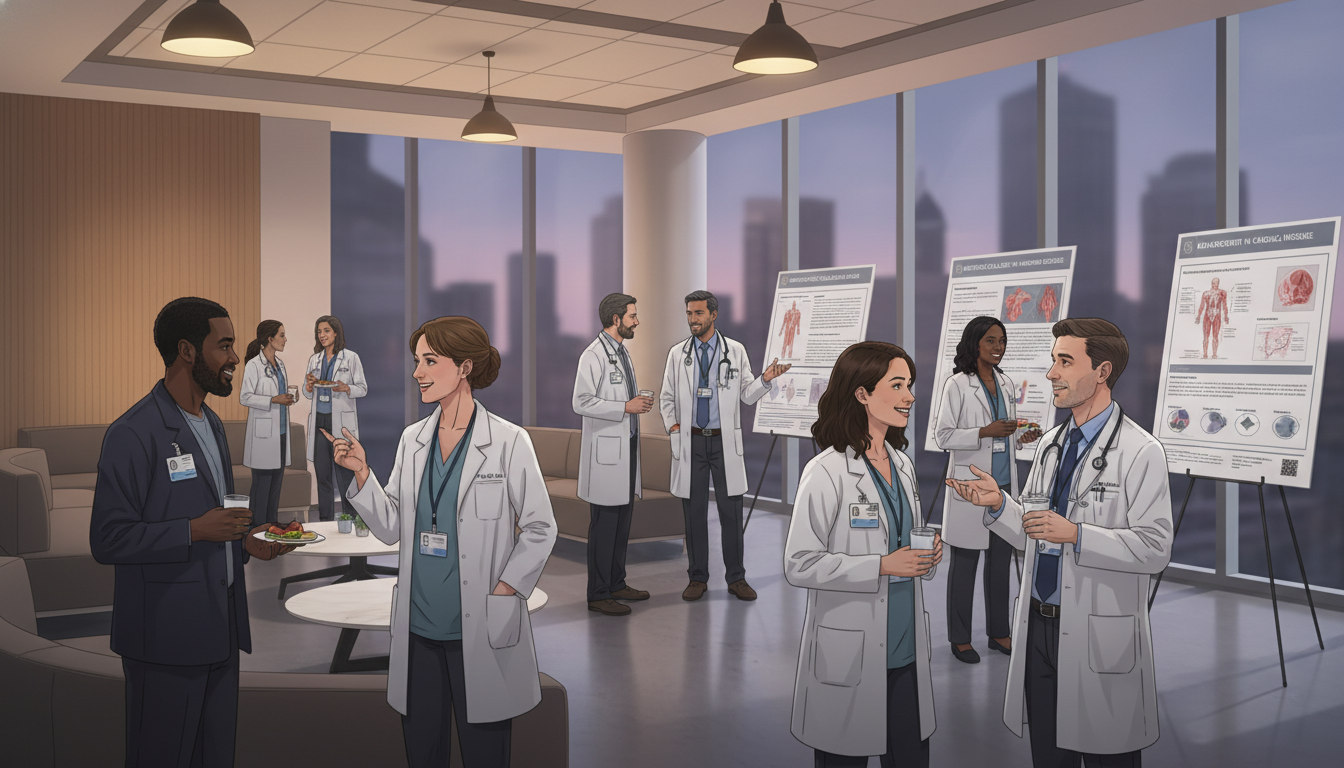
Why Networking Matters Even More for Non‑US Citizen IMGs in ENT
Otolaryngology (ENT) is one of the most competitive specialties in the United States. For a non‑US citizen IMG or foreign national medical graduate, the challenge is even steeper: fewer interview spots, visa considerations, limited local connections, and less familiarity with the “hidden curriculum” of the otolaryngology match.
In this environment, networking in medicine is not optional; it is a strategic career skill that can significantly influence whether you match into an ENT residency. Where U.S. graduates may rely on home programs and built‑in mentorship, non‑US citizen IMGs must deliberately create those opportunities—often from abroad.
This article explains, step by step, how to build a strong professional network in ENT as a non‑US citizen IMG, with a focus on:
- How medical networking actually works in otolaryngology
- Concrete strategies to start networking early (even from outside the U.S.)
- Making the most of conference networking and online platforms
- Finding and using mentorship in medicine to open doors
- Avoiding common networking mistakes that hurt rather than help
Throughout, the goal is practical: what you can do this month, this year, and during each phase of your journey to maximize your chances in the otolaryngology match.
Understanding the Networking Landscape in Otolaryngology
How ENT Networking Works Behind the Scenes
ENT is a relatively small specialty. Many program directors, faculty, and researchers know one another personally or through conferences, research collaborations, and professional societies. When your application reaches a program, it often triggers informal questions such as:
- “Does anyone know this applicant or their mentor?”
- “Have they worked with anyone in our network?”
Those informal conversations can influence:
- Whether you get invited to interview
- How faculty perceive your professionalism and reliability
- Whether someone advocates for you in ranking meetings
As a non‑US citizen IMG, the key is to insert your name into those private conversations in a positive way—through research collaborations, away rotations, conference networking, and consistent professional interactions.
The Extra Layer for Non‑US Citizen IMGs: Visa and Risk
From a program’s point of view, there is risk in taking a foreign national medical graduate:
- Visa sponsorship (J‑1 vs H‑1B) can be logistically and financially complex
- There may be uncertainty about your clinical skills in the U.S. system
- Limited face‑to‑face interactions can make it harder to assess “fit”
Networking counteracts that risk:
- A trusted ENT faculty member can vouch for your work ethic and communication
- A research mentor can clarify your visa status and long‑term plans
- Multiple professional touchpoints make you a familiar, less “risky” applicant
In other words, networking does not replace strong scores, research, and clinical performance—but it can amplify your strengths and mitigate doubts, especially when you are a non‑US citizen IMG.
Laying the Foundation: Networking Before You Reach the U.S.
Many non‑US citizen IMGs start networking before they ever set foot in a U.S. hospital. This early phase is crucial and often underutilized.
Step 1: Build a Focused ENT Identity
Before contacting anyone, clarify:
- Why ENT? (Specific aspects: head & neck oncology, otology, rhinology, laryngology, pediatric ENT, etc.)
- What experience you already have: ENT electives, surgeries observed, research, ENT‑related volunteering
- Your long‑term goal: “I intend to pursue a career in academic otolaryngology with a focus on X.”
This clear identity helps you:
- Stand out among generic emails and applications
- Approach the right mentors and research groups
- Signal seriousness to potential sponsors and collaborators
Actionable task:
Write a 4–5 sentence “ENT narrative” you can adapt for emails, LinkedIn, and personal statements. Keep it specific and authentic.
Step 2: Strategic Use of Email Outreach
Cold emailing is often the first networking tool available to a foreign national medical graduate. Done well, it works; done poorly, it gets ignored.
Target contacts:
- ENT department chairs and residency program directors
- Faculty whose research matches your interests (identified via PubMed and program websites)
- ENT residents with an interest similar to yours (most programs list their residents online)
Key principles for effective emails:
- Be concise and specific (200–250 words).
- Show you know their work. Reference 1–2 of their recent papers or projects.
- Make a clear, modest ask. Example: a 15‑minute Zoom meeting, advice on research opportunities, or feedback on how to prepare for U.S. rotations.
- Attach a one‑page CV, not a long document.
Sample cold email skeleton:
- One line: Who you are (non‑US citizen IMG, school/country, graduation year)
- One line: Why ENT and your specific interest
- Two lines: What you appreciate about their work, referencing something concrete
- Two to three lines: What you are looking for (advice, research collaboration, remote involvement)
- Closing: Appreciation and CV attached
Follow‑up is part of networking. If you don’t hear back in 10–14 days, send one polite reminder. If there’s still no response, move on instead of repeatedly emailing.
Step 3: Remote Research and Scholarly Networking
You do not have to be physically in the U.S. to contribute to ENT research. Many groups need help with:
- Systematic reviews and meta‑analyses
- Retrospective chart reviews (once IRB and data access is set)
- Data extraction, statistics, or manuscript drafting
- Literature reviews for grant applications
How this builds your network:
- You interact regularly with ENT faculty and residents
- You earn co‑authorship and presentations that put your name on the map
- Your mentor may introduce you to collaborators at other institutions
For a non‑US citizen IMG, research is not only about publications—it is a relationship‑building engine.
Actionable task:
Identify 5–10 ENT faculty whose research interests match yours. For each, read at least one recent paper, and then send a tailored email proposing specific ways you could help.
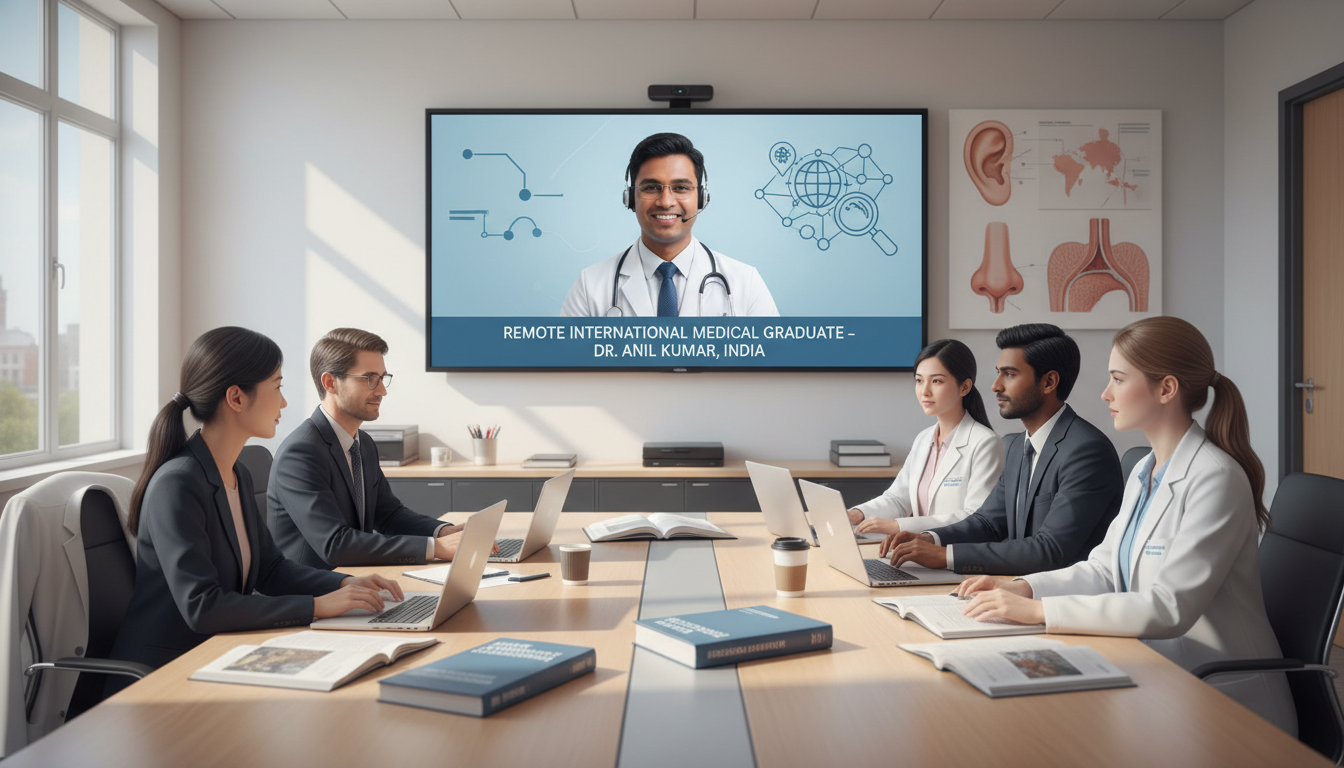
Mastering Conference Networking in ENT
Conferences are the most concentrated networking opportunities in medicine. For ENT, major meetings include those organized by:
- American Academy of Otolaryngology–Head and Neck Surgery (AAO‑HNS)
- Triological Society (TRIO)
- Subspecialty meetings (e.g., COSM, ARS for rhinology, AOS/ANS for otology, AHNS for head & neck, ASPO for pediatric ENT)
As a non‑US citizen IMG, attending even one major conference—physically or virtually—can transform your networking trajectory.
Before the Conference: Preparation is Everything
Secure a role if possible.
- Submit abstracts for posters or oral presentations.
- Even a case report can give you an official reason to be there and an easy conversation starter: “I’m presenting a poster on…”
Study the program and create a target list.
- Identify 10–15 faculty whose talks, panels, or posters align with your interest.
- Research their programs, publications, and roles (PD, chair, fellowship director, etc.).
Reach out in advance.
Send brief emails or LinkedIn messages:- Introduce yourself in 2–3 sentences
- Mention that you’ll be at the same meeting
- Ask whether you might briefly say hello after their session or during a break
Even if only a few respond, the pre‑contact makes it much easier to approach them in person.
During the Conference: How to Approach and Connect
Dress and demeanor:
- Business or business‑casual attire, professional but comfortable
- Keep a small notebook or notes app handy for names and follow‑ups
Approach script for speakers and faculty:
Right after a talk (if not rushed) or at breaks:
“Dr. [Name], thank you for your presentation on [topic]. I’m [Your Name], a non‑US citizen IMG from [Country/School] interested in [subspecialty]. I’ve been following your work on [specific paper or project]. Could I ask you one quick question about [brief, thoughtful question]?”
After a short exchange, you can add:
“I’m hoping to pursue ENT residency in the U.S. as a foreign national medical graduate. If I may, is there a way I could stay in touch or learn more about opportunities to contribute to your group’s work?”
Have a simple, professional email address and, if possible, a basic business card with:
- Name, degree
- LinkedIn URL
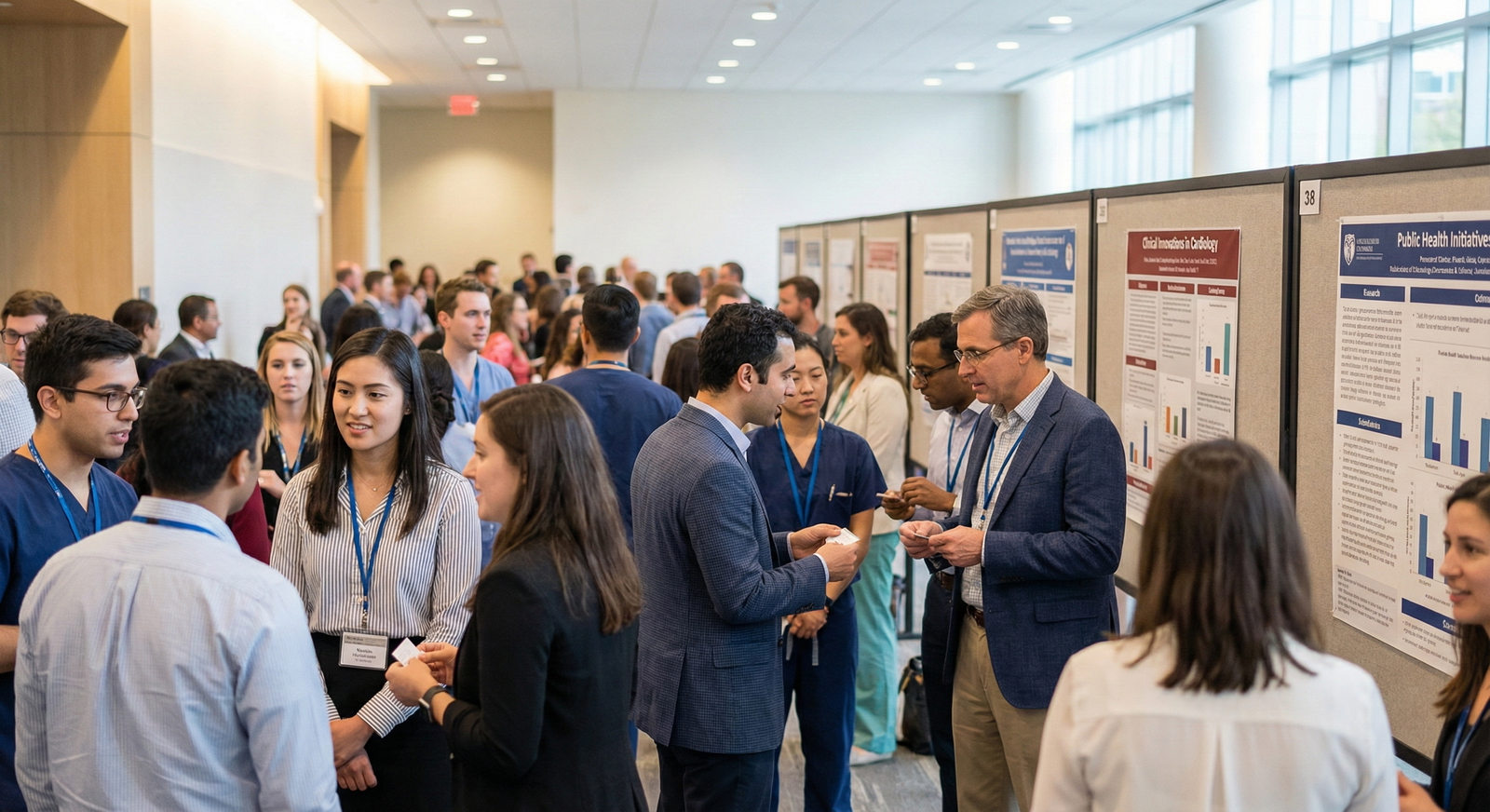
Poster Sessions and Resident Mixers: Hidden Networking Gold
Poster sessions and resident/fellow mixers are less formal and more approachable:
Poster sessions:
- Engage presenters—many will be residents or fellows.
- Ask about their project, then about their program.
- If you have your own poster, stand by it and speak confidently; faculty often walk through and may remember your name.
Resident mixers:
- These are excellent for candid program information.
- Ask residents how IMGs are received, whether their program sponsors visas, and what they look for in applicants.
- Residents can later advocate for you when they see your application.
Actionable task:
For your next ENT conference (virtual or in person), set a goal to have at least 10 meaningful conversations and collect contact information or LinkedIn connections for each.
After the Conference: Turning Contacts into Relationships
Within 1 week of the conference:
- Send personalized follow‑up emails:
- Thank them for their time
- Reference a specific part of the conversation
- Reiterate your interest and ask one thoughtful question or mention a paper you read afterward
Example:
“I appreciated our discussion about resident autonomy in head & neck cases at [Conference]. I read your recent paper on [topic] after we spoke, and I was especially struck by [brief comment]. If there are any ongoing projects where you think a motivated IMG could help with literature review or data analysis, I would be grateful for the opportunity to contribute.”
Consistent, modest follow‑up over months (not days) turns a one‑time meeting into a genuine professional connection.
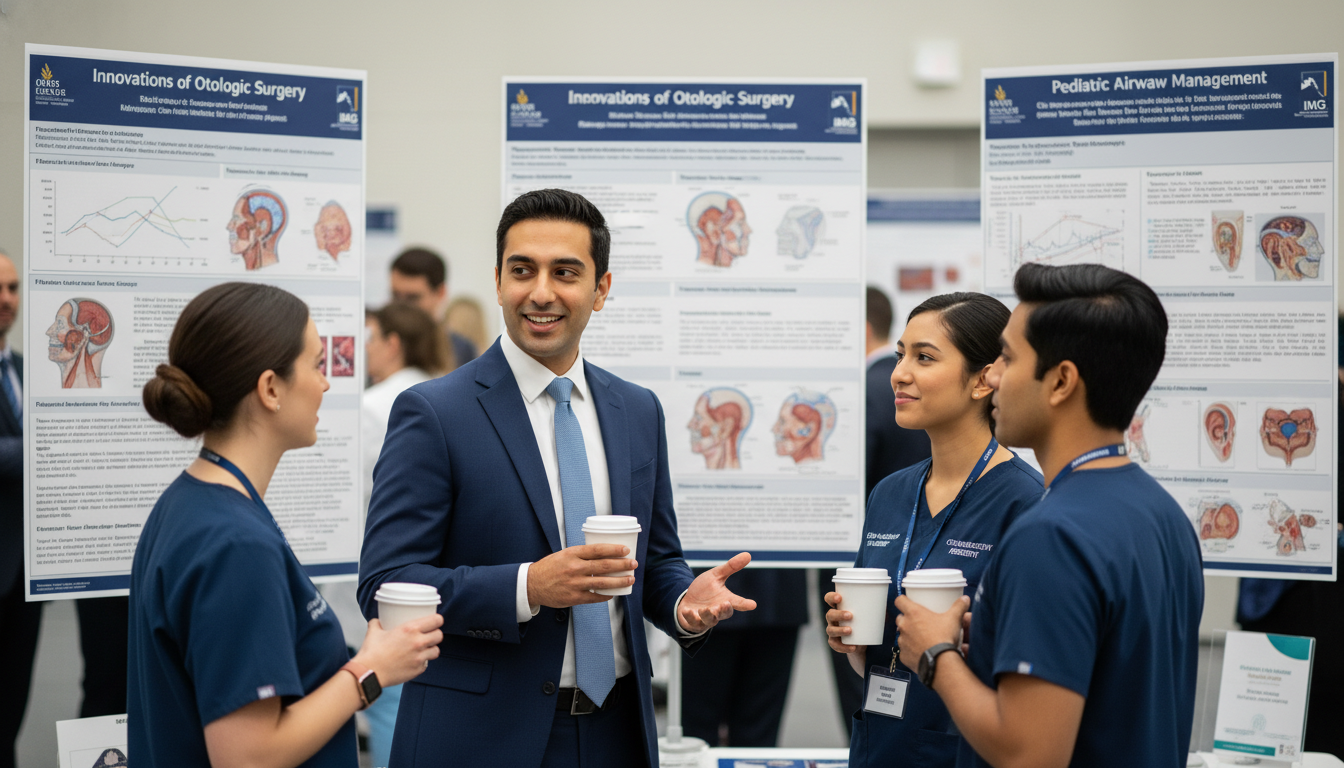
Mentorship in Medicine: Building Your ENT Support Team
Networking and mentorship in medicine are deeply intertwined. Your mentors are the central nodes in your network—and for a foreign national medical graduate in ENT, they are often the people who make the critical difference in the otolaryngology match.
Types of Mentors You Need
Clinical ENT Mentor (U.S.-based if possible)
- Guides you on rotations, letters of recommendation, and clinical expectations
- Can speak to your bedside manner, surgical interest, and professionalism
Research Mentor in Otolaryngology
- Helps build your academic profile
- Invites you onto projects, presentations, and collaborative work
- Introduces you to other faculty in the field
Process Mentor (IMG or resident who has done it before)
- May be a senior resident or recent graduate
- Gives tactical advice about ERAS, interviews, visas, and ranking strategies
Each mentor plays a different role; you don’t have to rely on one person for everything.
How to Approach Potential Mentors
Start by offering value, not asking for favors:
- Ask specific questions: “Given my background, what one or two steps would you recommend for the next 6 months?”
- Volunteer for tasks: literature reviews, data cleaning, drafting meeting summaries
- Show reliability: meet deadlines, communicate clearly, respond to feedback professionally
Over time, as trust builds, mentors often naturally:
- Offer to write letters of recommendation
- Connect you to collaborators at other institutions
- Provide personalized feedback on your application strategy
Long-Distance Mentorship Challenges (and Solutions)
As a non‑US citizen IMG, your mentor might be thousands of miles away. To make it work:
- Regular check-ins: Propose a schedule (e.g., once every 4–6 weeks) with a clear agenda each time.
- Structured updates: Email monthly progress reports (publications, exam results, upcoming applications) so they can keep track of your trajectory.
- Visibility in their network: Join lab meetings virtually, attend their online talks, and engage thoughtfully during Q&A.
Actionable task:
List 3 people who are already somewhat in your circle (e.g., research supervisors, faculty from electives, senior residents) who could become stronger mentors. Decide one concrete step to deepen each relationship this month.
Digital Networking: LinkedIn, Email, and Professional Online Presence
For non‑US citizen IMGs, digital platforms often serve as your first and most consistent networking arena.
LinkedIn as a Medical Networking Tool
While not as central as PubMed or program websites, LinkedIn is increasingly used by physicians, residents, and programs.
Optimize your profile:
- Professional headshot (plain background, clinical or business attire)
- Headline: “Non‑US Citizen IMG | Aspiring Otolaryngologist | Researcher in [Subspecialty]”
- About section: 3–4 sentences summarizing your ENT interest, research, and goals
- Featured section: Link to publications, posters, or presentations if available
How to use LinkedIn effectively:
- Connect with ENT faculty, residents, and other IMGs in ENT
- Engage with content: thoughtfully comment on articles, shares, or updates from ENT departments
- Send brief, personalized connection messages:
- “I’m a foreign national medical graduate interested in ENT and have been following [your lab’s/your program’s] work on [topic]. I’d be grateful to stay connected and learn from your posts.”
Professional Email Etiquette
Your email interactions are a core part of your digital presence in medicine.
- Use a simple professional email address (e.g., firstname.lastname@gmail.com)
- Write clear subjects: “Non‑US Citizen IMG Interested in ENT Research Collaboration”
- Avoid overly formal or stiff language; aim for respectful and concise
- Always proofread; small errors can signal carelessness to busy faculty
Avoiding Social Media Pitfalls
- Keep personal accounts (Instagram, TikTok) private if they do not reflect a professional image.
- Be cautious with public statements about politics, controversial topics, or criticism of institutions.
- Never post patient information or identifiable clinical details.
Your online presence should support, not undermine, the professional image you are building through networking.
Common Networking Mistakes Non‑US Citizen IMGs Make (and How to Avoid Them)
Even highly motivated applicants can hurt their chances through poor networking habits. Awareness can save you time and reputation.
1. Being Transactional Rather Than Relational
Programs and mentors can sense when someone is only interested in what they can get (letters, sponsorship, placements).
Fix: Focus on building long‑term professional relationships. Ask for advice, offer help, and show appreciation—even when no immediate opportunity exists.
2. Over‑Emailing or Pushing Too Hard
Repeated emails, urgent requests, or pressure about letters of recommendation can alienate busy faculty.
Fix:
- Accept that some emails will never be answered.
- Limit follow‑ups to one or two polite messages unless they invite more contact.
- Respect boundaries and time frames for letters and recommendations.
3. Being Unprepared When Opportunities Appear
If a faculty member says, “Send me your CV,” or “We have a project you could join,” and you take weeks to respond or send a disorganized CV, you may lose the chance.
Fix:
- Maintain an updated one‑page CV ready at all times.
- Keep a short personal statement or ENT interest summary you can adapt quickly.
- Respond within 24–48 hours to professional opportunities whenever possible.
4. Ignoring Residents and Fellows
Many IMGs focus only on professors and program directors. Yet residents and fellows:
- Are more accessible
- Understand the match process recently and personally
- Often have influence in selection discussions
Fix: Make a conscious effort to network horizontally (with peers and near‑peers), not just vertically.
5. Networking Only During Application Season
Some applicants start networking 3–4 months before applications go out. This is usually too late for meaningful mentorship, research, or personalized letters.
Fix: Begin networking at least 1–2 years before your target otolaryngology match cycle, if possible. If you are already close to application time, focus on deepening a few key relationships rather than scattering your efforts widely.
Final Thoughts: Creating Your Own “Home Program” Through Networking
As a non‑US citizen IMG or foreign national medical graduate, you might not have a home ENT program in the U.S.—but through deliberate networking in medicine, you can effectively create your own support system:
- A U.S.-based mentor who knows your work and advocates for you
- A set of collaborators who recognize your name at conferences and in selection meetings
- A web of residents and fellows who can guide you through the unwritten rules of the otolaryngology match
This network does not appear overnight. It is built email by email, project by project, conversation by conversation. Start early, be intentional, and treat every interaction as an investment in a long professional career, not just a residency slot.
Networking cannot guarantee an ENT residency, but for non‑US citizen IMGs, it often marks the difference between being an anonymous application and a recognized, trusted future colleague.
FAQ: Networking in Medicine for Non‑US Citizen IMGs in ENT
1. I am still in medical school outside the U.S. When should I start networking for ENT?
Ideally, start 1–3 years before your planned application cycle. In your early years, prioritize learning about the specialty, joining ENT‑related student groups, and starting research (even locally). By the time you are within 12–18 months of applying, you should be actively emailing U.S. faculty, seeking remote research roles, and planning for possible U.S. observerships or electives.
2. I don’t have any ENT department at my home institution. How can I still show commitment to the specialty?
You can demonstrate interest by:
- Joining or forming an ENT or surgery interest group
- Doing ENT‑relevant research (e.g., head & neck oncology, audiology, sinus disease, airway pathology) with related departments
- Attending virtual ENT grand rounds or webinars from U.S. institutions
- Publishing case reports or reviews in ENT journals with supportive local supervisors (even if they’re not ENT specialists)
- Networking with ENT mentors abroad via email and conferences
Then, connect to U.S. otolaryngology faculty through remote research or short observerships to strengthen your profile further.
3. How important is conference networking if I cannot afford to travel to the U.S. frequently?
In‑person conferences are powerful, but virtual attendance still counts. Many ENT societies now offer:
- Live‑streamed sessions and virtual Q&A
- Online poster sessions and chat functions
- Discounted or free registration for trainees and IMGs
If you attend virtually, you can still:
- Ask questions in chat or Q&A (briefly introduce yourself and your institution)
- Connect with speakers afterward by email or LinkedIn, mentioning the specific session
- Highlight your participation and any virtual presentation on your CV
Do what you can within your budget; one well‑utilized virtual conference can be more valuable than multiple poorly used in‑person events.
4. I’m worried my accent or communication style will hurt my networking efforts. What can I do?
Accent itself is rarely a problem; clarity and professionalism matter more. You can:
- Practice concise self‑introductions and common questions aloud
- Join English or communication workshops, Toastmasters, or interview prep groups
- Ask trusted mentors or peers to give feedback on your email tone and spoken communication
- Focus on being clear, polite, and structured in what you say
Many successful ENT attendings in the U.S. are former non‑US citizen IMGs with diverse accents. Strong communication is a skill you can develop—and networking itself is a good way to practice.