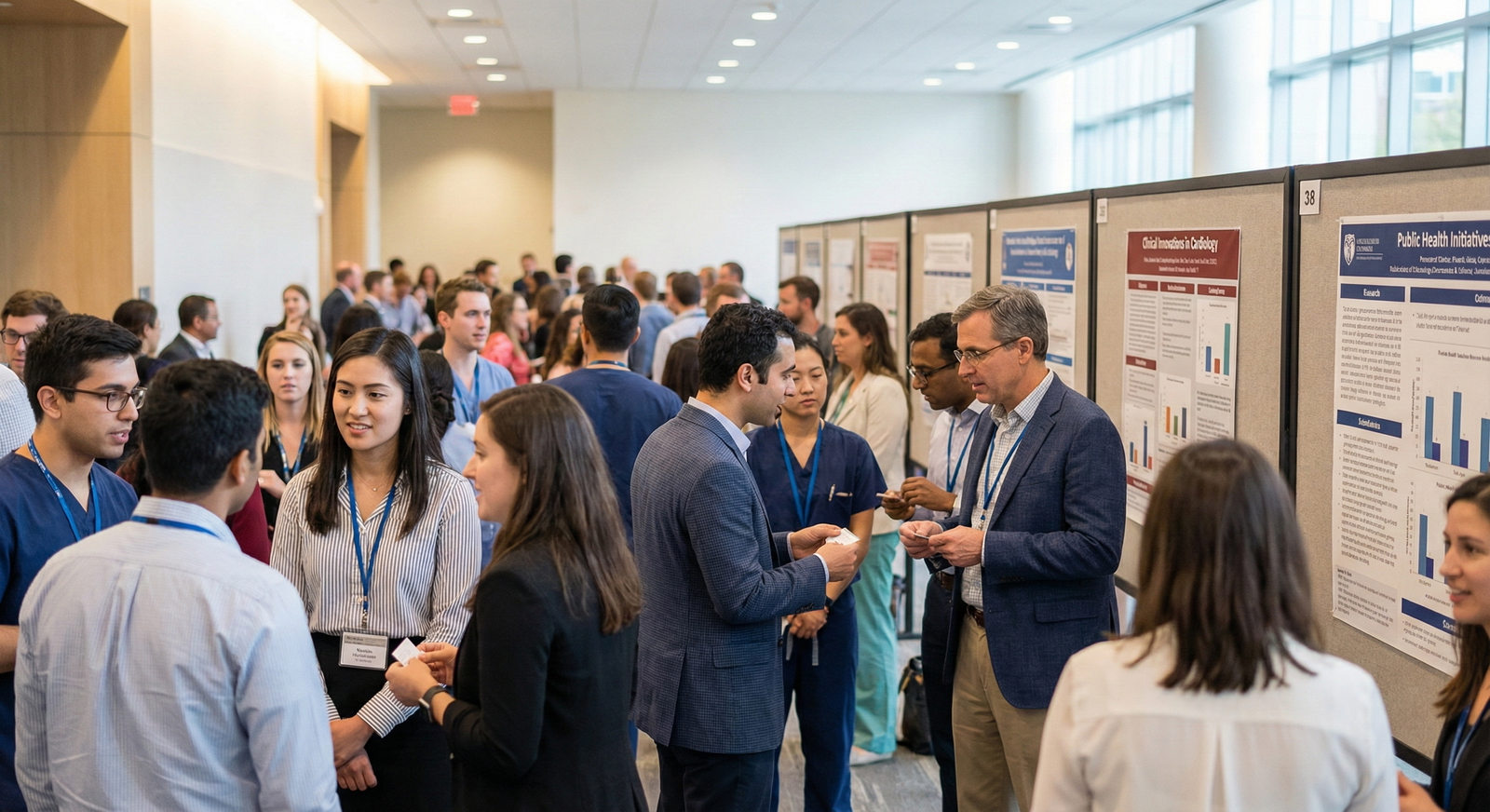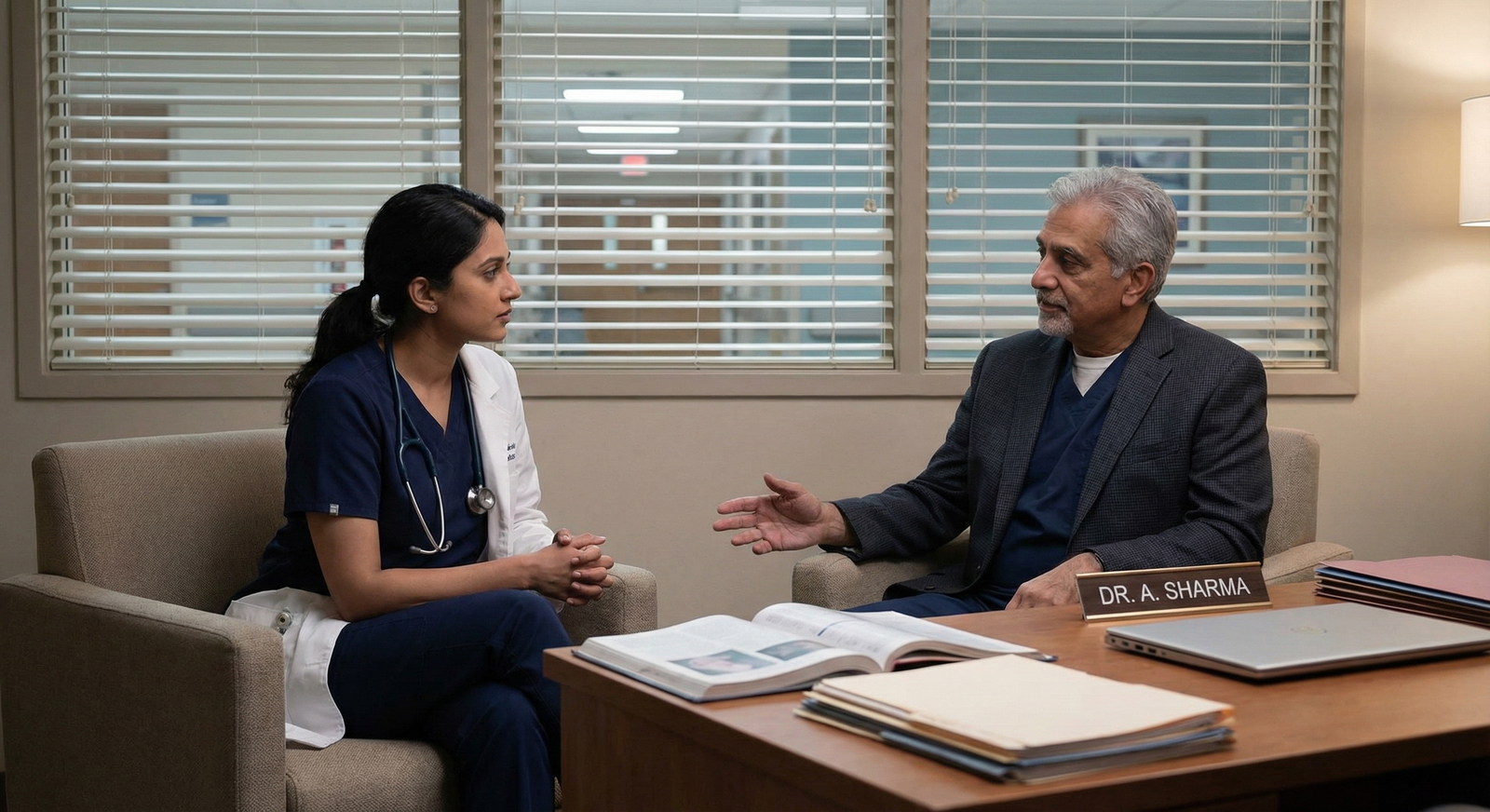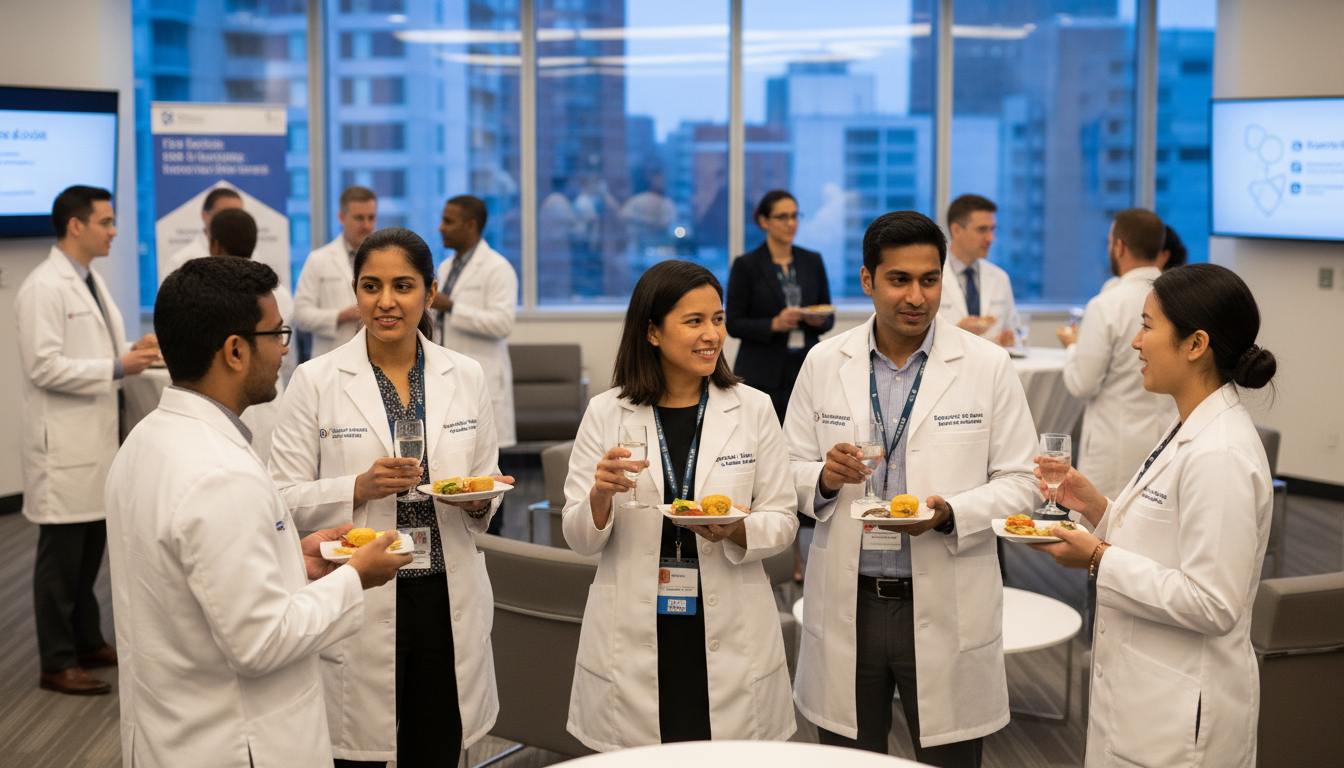
Why Networking Matters So Much for Non‑US Citizen IMGs in General Surgery
For a non-US citizen IMG aiming for a general surgery residency in the United States, strong clinical skills and exam scores are necessary—but they are rarely sufficient on their own. General surgery is one of the most competitive specialties, and program directors consistently emphasize the importance of personal connections, trusted recommendations, and demonstrated commitment to both surgery and their institution.
This is where networking in medicine becomes a decisive factor.
For a foreign national medical graduate, particularly one trained outside the US, the default disadvantages are real:
- Less access to US clinical mentors and advocates
- Limited visibility to US faculty and program directors
- Fewer opportunities for home-institution advocacy
- Often weaker understanding of the unspoken rules of the US surgery residency match process
Strategic, sincere networking can help balance these disadvantages by:
- Creating advocates who can speak for you in selection meetings
- Generating high-impact letters of recommendation from US surgeons
- Opening research, observership, and sub-internship opportunities
- Giving you insider information on which programs value and support IMGs
- Helping you understand program culture and realistic expectations
The goal is not superficial socializing. In surgery, networking means building professional, long-term relationships rooted in respect, reliability, and clinical seriousness. Think of it as constructing your own “surgical village” in the US—people who know your work and will support your journey into general surgery residency.
Core Principles of Effective Networking for Non‑US Citizen IMGs
Before diving into specific strategies, it helps to understand some fundamental principles that distinguish productive networking from aimless contact collection.
1. Quality Over Quantity
A single strong relationship with a US surgery mentor who truly knows your abilities is more valuable than 50 superficial email connections. Program directors recognize the difference between generic “template” letters and letters written by someone with meaningful experience supervising you.
Focus on:
- A few key mentors (attendings, program directors, research supervisors)
- A small but reliable peer group (residents or fellows who will guide you)
2. Reciprocity: Add Value, Don’t Just Ask for Favors
As a foreign national medical graduate, you might feel you have nothing to offer—but that’s rarely true. You can:
- Take ownership of research tasks and deliver on time
- Help coordinators and residents with presentations, data collection, or QI projects
- Share unique clinical perspectives from your home country
- Demonstrate loyalty—staying engaged with a group long-term, not just until you get what you need
Mentors respond positively when they see you’re not just appearing when you need a letter or a signature.
3. Consistency and Long-Term Presence
Networking in medicine is marathon, not sprint. Relationships build over repeated, consistent interactions:
- Showing up to weekly research meetings
- Attending recurring departmental conferences
- Staying in touch with mentors over months and years
Even if you can’t be physically present in the US, regular email updates or virtual meetings can maintain continuity.
4. Professionalism in Every Interaction
Every interaction—emails, conference questions, Zoom calls, presentations—contributes to your reputation:
- Be on time (or early), always
- Double-check written communication for clarity and politeness
- Respect boundaries—don’t over-message or demand immediate responses
- Be transparent about your visa and IMG status when relevant, but avoid leading with it as a “problem”
General surgery culture values discipline, reliability, and composure under pressure. Let those qualities shine in how you network.
Building Your Network Before You Come to the US
Many non-US citizen IMGs assume they must be physically in the US to start meaningful medical networking, but it’s possible—and smart—to begin years before you appear for away rotations or interviews.

1. Leverage Your Existing Connections Strategically
Start by mapping your current network:
- Graduates from your medical school who matched into general surgery residency in the US
- Faculty members who trained or did fellowships in North America
- Visiting US surgeons or researchers who have collaborated with your institution
Action steps:
- Ask your dean’s office or alumni office if they have a list of graduates in US residencies, particularly general surgery or surgical subspecialties.
- Search LinkedIn and institutional websites for alumni from your medical school now working in US surgery.
- Politely reach out with a short, focused email:
- Introduce yourself briefly
- Mention the connection (same school, same department, same mentor)
- State your interest in general surgery and ask for 15–20 minutes of advice, not favors
Example opening line:
“Dear Dr. X, I am a final-year medical student at [Institution], also interested in general surgery, and I understand you completed your residency at [US program]. I would be grateful for 15 minutes of your time to learn about your path as a non-US citizen IMG and to better understand how to prepare.”
You are not asking for a letter or job—you’re building rapport and insight first.
2. Join National and International Surgical Societies
Many professional societies offer discounted membership for students and international physicians, including:
- American College of Surgeons (ACS) – especially the Resident and Associate Society (RAS-ACS)
- Society of American Gastrointestinal and Endoscopic Surgeons (SAGES)
- Association for Academic Surgery (AAS)
Why this matters for a non-US citizen IMG:
- Access to webinars, virtual conferences, and mentorship programs
- Exposure to leaders in academic general surgery
- Opportunities to present posters or e-posters at meetings—even remotely
Practical tip:
When you join a society, actually use the benefits. Attend virtual sessions, introduce yourself briefly in chat (name, IMG status, interest in general surgery), and follow up with speakers whose work aligns with your goals.
3. Start Research Collaborations from Abroad
Research productivity is often a major component of the surgery residency match for IMGs. Networking can help you access collaborative, remote-friendly projects such as:
- Retrospective chart reviews
- Systematic reviews and meta-analyses
- Case series or clinical outcome projects
How to find these:
- Contact alumni in US general surgery and ask if their group has ongoing projects needing help.
- Email faculty in US surgery departments whose work you admire—be specific about how you can contribute (e.g., literature searches, data entry, basic statistics).
- Join international research collaboratives or student research networks in surgery.
Key point:
Delivering high-quality work on time is the single best networking tool you have. A research mentor who experiences you as reliable and self-directed is more likely to:
- Offer additional projects
- Introduce you to other surgeons
- Eventually write a strong letter or even help with observerships
4. Build a Professional Online Profile
Program directors increasingly look at online information to better understand applicants. As a foreign national medical graduate, you can use this to your advantage.
- LinkedIn: Create a complete, concise profile with:
- Clear headline: “Non-US Citizen IMG | Aspiring General Surgeon | Research in [Area]”
- Professional photo
- Publications, poster presentations, research experiences
- ResearchGate / Google Scholar: Keep updated lists of your publications
- Professional email: Use a clean, simple address (e.g., firstname.lastname.md@gmail.com)
Your online presence should match your application and reinforce your identity as a serious, academically oriented future general surgeon.
Maximizing Conference and In-Person Networking Opportunities
When you do have the chance to attend US conferences, electives, or observerships, how you behave in person can multiply the value of months or years of preparation.
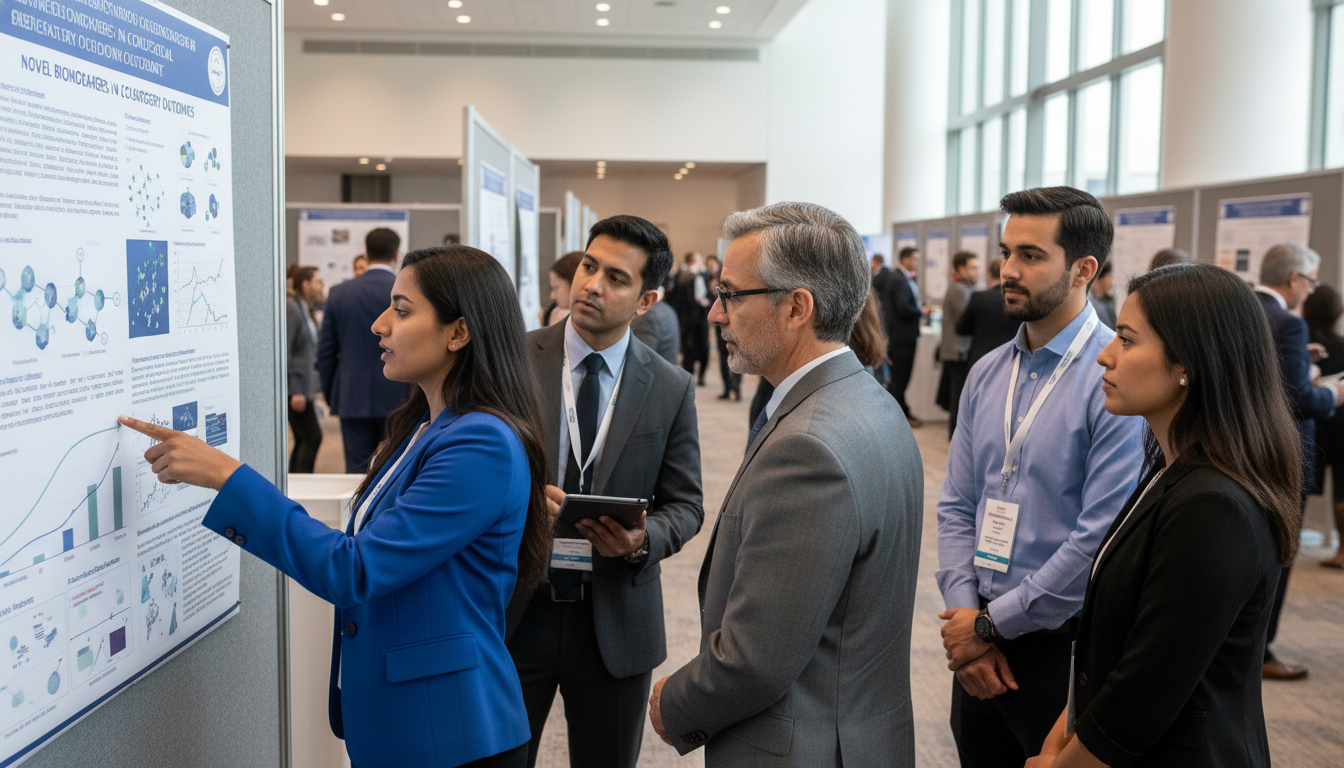
1. Approach Conference Networking with a Clear Plan
Before a conference:
- Identify 5–10 surgeons whose work interests you (from the program schedule).
- Read at least one of their recent papers or abstracts.
- Prepare a one-sentence and a three-sentence version of who you are and what you’re seeking:
- “I’m a non-US citizen IMG from [Country], strongly interested in general surgery and particularly [subspecialty]. I’m currently working on [brief project] and hoping to pursue surgery residency in the US.”
During the conference:
- Attend sessions relevant to general surgery and arrive early enough to introduce yourself to speakers.
- Ask one thoughtful, concise question during Q&A; then approach the speaker afterward:
- Thank them for the talk
- Reference your interest and any overlapping research
- Ask if you may email them for advice or possible collaboration
After the conference:
- Send a short follow-up email within 48–72 hours:
- Remind them who you are
- Reference a detail from your interaction
- Propose a specific next step (e.g., “Would it be possible to schedule a 15-minute Zoom call to learn more about your group’s research and how I might help from abroad?”)
2. Make the Most of Posters and Oral Presentations
As a non-US citizen IMG, presenting at a US or international conference gives you visibility and credibility.
Maximize the networking value:
- Stand by your poster during the full session, stay engaged, and initiate conversation with people who pause to read it.
- Prepare a 60-second and a 3-minute explanation of your project, tailored to:
- Surgeons who are experts
- Residents and students who may be less familiar
- At the end of each meaningful conversation, ask:
- “May I stay in touch by email? I’d love to follow your work / learn more about opportunities in your department.”
Collect business cards or note names and institutional emails immediately afterward.
3. Understand Cultural Norms in US Medical Networking
General surgery in the US has a distinct culture: direct, hierarchical, and time-sensitive, but often surprisingly open to motivated learners.
Key norms to respect:
- Time discipline: Keep conversations brief unless the other person clearly wants to talk longer.
- Formality: Use “Dr. [Last Name]” unless explicitly invited to use first names.
- Boundaries: Don’t push for observerships or letters in your first conversation; build rapport first.
- Humility + confidence: Be honest about your IMG status and challenges, but avoid self-pity. Focus on what you’re doing to overcome obstacles.
Using US Clinical Experiences and Observerships to Build Strong Relationships
For a non-US citizen IMG targeting general surgery residency, US clinical experience (U.S. CE) is more than a line on a CV—it’s the best networking environment you’ll ever have.
1. Treat Every Rotation as a 4–8 Week Interview
Whether you’re doing:
- An official sub-internship/externship
- An observership
- A research fellowship with limited clinical exposure
Assume that everyone is quietly asking themselves:
“Would I want this person as my future co-resident or junior colleague?”
To build a strong professional reputation:
- Show up early and stay later than required (but be efficient, not aimlessly present).
- Offer to help with tasks within your allowed scope (notes, scut work, assisting with research, preparing talks).
- Ask focused, prepared questions that show you read before cases and clinics.
- Never complain about hours, patients, or staff in a way that reaches attendings or leadership.
Consistency over a few weeks often matters more than one dramatic performance in the OR.
2. Identify and Nurture Potential Mentors
In a surgery department, potential mentors include:
- Attendings who seem interested in teaching
- Residents who give you feedback and guidance
- Research faculty or fellows overseeing your projects
To turn a contact into a mentor:
- Ask for regular feedback: “Is there anything I can do better on the team?”
- Express long-term interest: “I’d like to pursue general surgery in the US, and your perspective would be very valuable to me.”
- Offer to help on ongoing research or QI projects.
Near the end of your time there, if your relationship is strong and they have seen your work ethic:
- Ask directly: “Would you feel comfortable writing a letter of recommendation for my surgery residency applications?”
- Provide your CV, personal statement draft, and a summary of your contributions to remind them of specifics.
3. Build Relationships with Program Coordinators and Residents
Networking isn’t just about faculty. Program coordinators and residents often play a critical, if subtle, role in the surgery residency match process.
- Be polite, respectful, and organized with coordinators—they note who is professional and who is not.
- Ask residents about:
- Program culture and expectations
- How IMGs are supported in that specific program
- Their own paths—many residents love helping motivated IMGs
Residents can later advocate for you during rank meetings: “I worked with this person; they are solid and hardworking.”
4. Maintain Contact After You Leave
Networking only works if relationships are maintained:
- Send updates every 3–6 months: USMLE scores, new research, conference presentations, visa status.
- Before application season, remind mentors of your interest in general surgery and ask if they have advice on program selection, visa-friendly institutions, and where to apply.
- Express genuine gratitude for any help, large or small.
Strategic, Ethical Use of Social Media and Digital Platforms
Social media, when used carefully, can be a powerful extension of your networking efforts in surgery.
1. Use X (Twitter) and LinkedIn Professionally
Many academic surgeons and surgical societies are active online, sharing:
- New research
- Announcements about research positions
- Calls for abstracts and conference opportunities
Practical advice:
- Follow:
- Major surgery journals
- Surgery departments you’re targeting
- Known allies of IMGs and international trainees
- Occasionally comment (professionally) on posts—ask content-focused questions, not personal favors.
- Share your own achievements (publications, presentations) modestly to build a visible track record.
2. Respect Confidentiality and Professional Boundaries
Never post:
- Identifiable patient information
- OR images without explicit institutional permission
- Critical comments about programs, attendings, or colleagues
Your online behavior can and will be used by programs to judge professionalism.
Putting It All Together: A Practical Networking Roadmap for Non‑US Citizen IMGs in General Surgery
To make this concrete, here is a staged approach for a foreign national medical graduate targeting a general surgery residency:
Phase 1 (1–3 Years Before Applying)
- Join at least one major surgical society and participate in virtual events.
- Reach out to alumni and international mentors for informational conversations.
- Get involved in at least one ongoing research collaboration with a US surgeon.
- Build and refine your LinkedIn and academic profiles.
Phase 2 (1–2 Years Before Applying)
- Aim to present at least one poster or oral presentation at a surgery conference (US or international).
- Expand your network to include residents and fellows in US programs.
- Consider applying for a research fellowship in a US surgery department if feasible; these positions often evolve into strong mentorship relationships.
Phase 3 (Year of US Clinical Experience / Sub‑Internships)
- Treat every rotation like an extended interview.
- Identify 2–3 potential letter writers who know your work well.
- Engage fully in departmental life: M&M conferences, grand rounds, research meetings.
- Ask for honest feedback and continuously improve.
Phase 4 (Application and Interview Season)
- Contact mentors for advice on program selection, especially those that routinely sponsor visas and support IMGs in general surgery.
- Stay organized with a spreadsheet of contacts, emails sent, responses, and follow-ups.
- During interviews, reconnect with faculty or residents you met previously—familiar faces reinforce your consistent interest.
Phase 5 (Post‑Match, Regardless of Outcome)
- If you match: thank every mentor and contact who helped you, and stay connected. You are now part of the network that can help future IMGs.
- If you don’t match: maintain dignity, update mentors, seek feedback, and use your network to strengthen your application for the next cycle (research, observerships, additional US CE).
FAQs: Networking in Medicine for Non‑US Citizen IMGs in General Surgery
1. As a non-US citizen IMG, is networking really as important as exam scores for general surgery?
Both are critical, but they serve different functions. Strong USMLE scores (and where applicable, OET, Step 3) get your application noticed and help you pass filters. Networking—particularly mentorship medicine, US-based advocates, and meaningful letters of recommendation—helps decision-makers feel confident ranking you. For a foreign national medical graduate without a US medical school behind them, networking often makes the difference between being “qualified on paper” and being advocated for in committee.
2. How can I network effectively if I can’t travel to the US before applying?
Focus on remote strategies: join surgical societies, participate in virtual conferences, engage in collaborative research with US teams, and schedule Zoom calls with potential mentors. Use email and LinkedIn professionally. Many IMGs have secured research positions, observerships, and even direct invitations for electives purely through consistent remote networking.
3. When is it appropriate to ask someone for a letter of recommendation or help with the surgery residency match?
Only after the person has had substantial exposure to your work—for example, supervising you clinically for several weeks, or collaborating on multiple research projects. Before asking, consider:
- Have they seen you handle responsibility and feedback?
- Have you contributed significant, reliable work to their team?
If yes, you can ask politely and give them an easy way to decline (e.g., “If you feel you know my work well enough to comment strongly, I would be honored to have your support”).
4. Are there red flags in networking that could harm my chances as a non-US citizen IMG?
Yes. Common red flags include:
- Overly aggressive requests for observerships or letters in early interactions
- Unprofessional or overly casual emails and social media posts
- Poor follow-through on promised research or tasks
- Complaining about previous programs, mentors, or the system
- Pushing for visa discussions too early, instead of first demonstrating your value
Strong networking is respectful, intentional, and grounded in your work ethic and reliability, not pressure or sympathy.
By approaching networking in medicine with strategy, humility, and consistency, a non-US citizen IMG aiming for general surgery can overcome many structural disadvantages. The goal is not to “collect contacts” but to build a genuine professional community—mentors, peers, and future colleagues—who can confidently say in a selection meeting, “I know this applicant. We should give them a spot.”