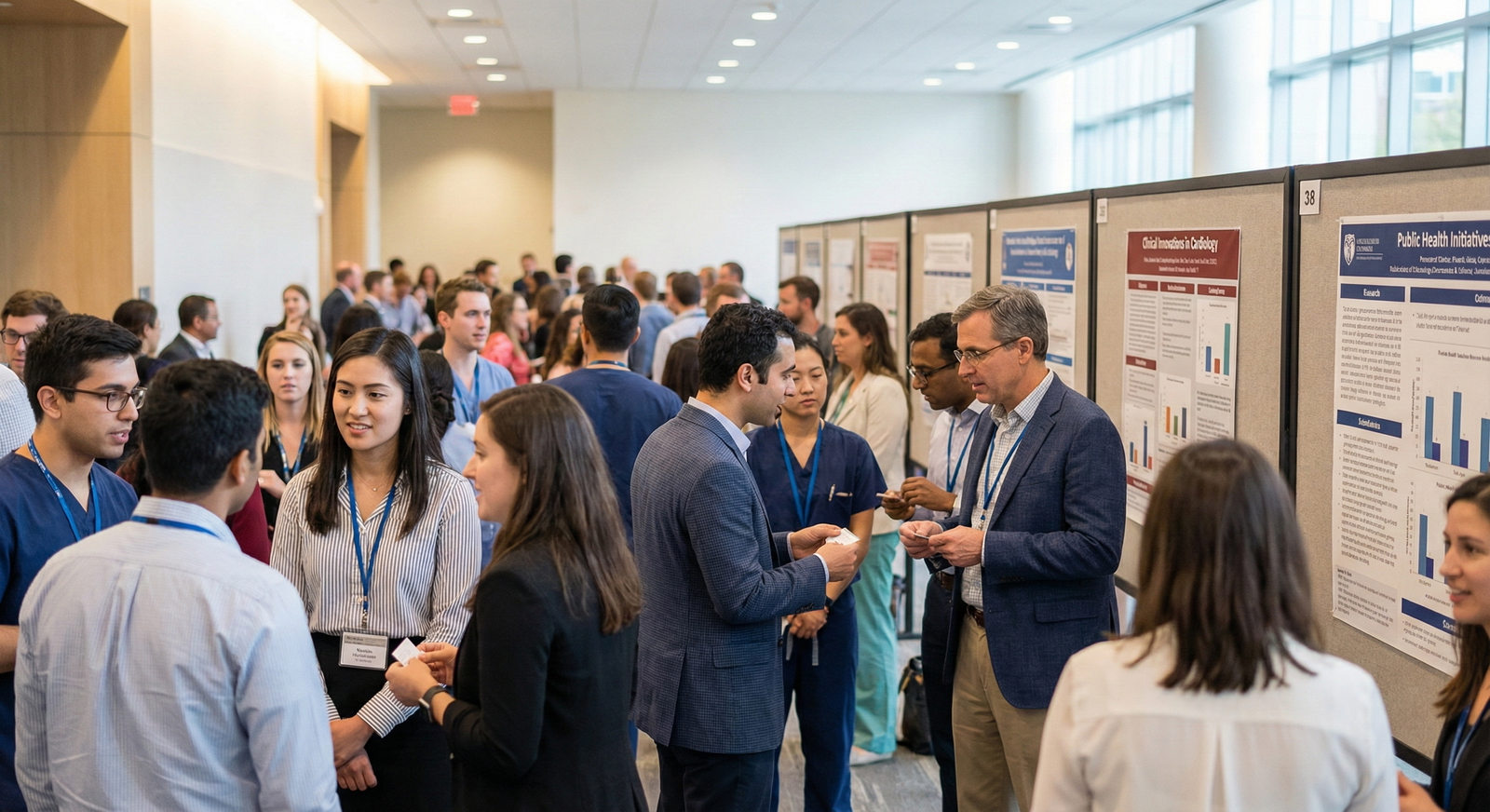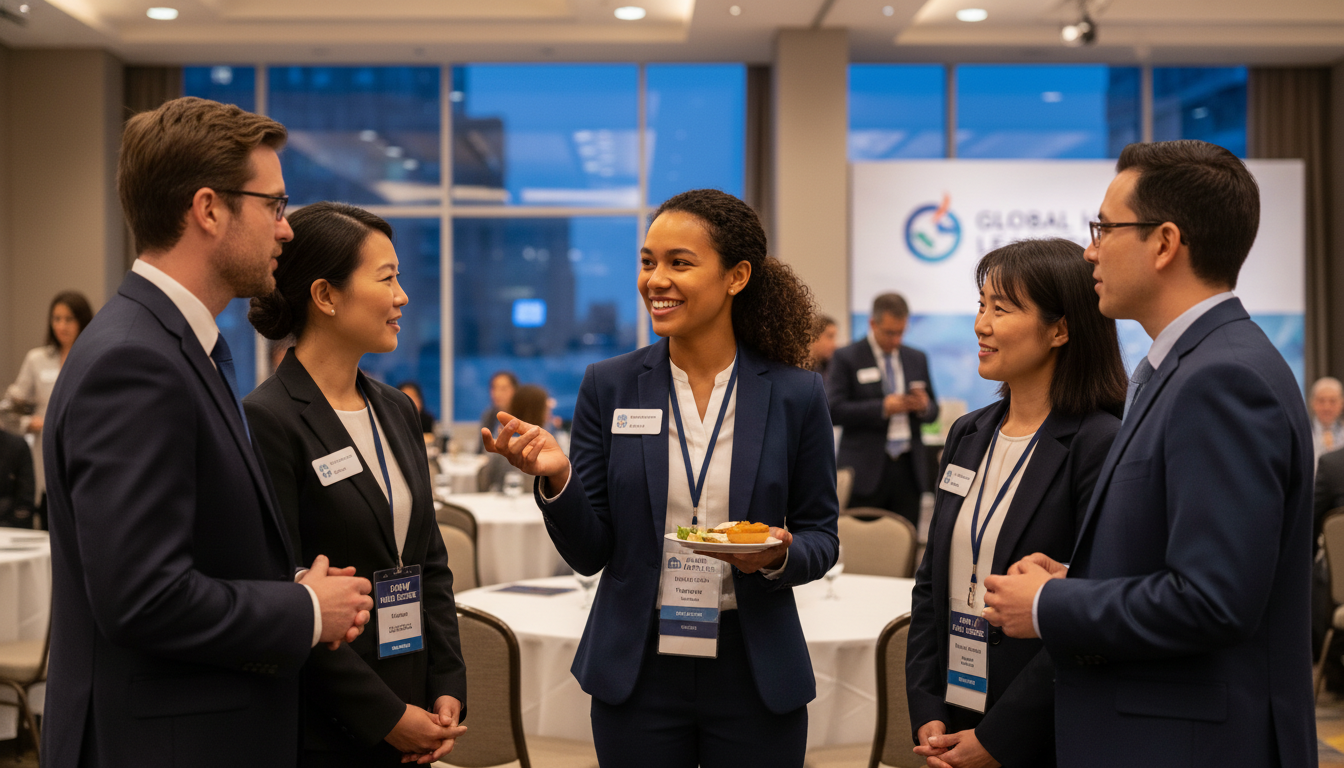
Networking in medicine is not just a “nice to have” for a US citizen IMG pursuing dermatology—it is a core strategy that can determine whether you match, where you match, and how your early career unfolds. As an American studying abroad, you start at a distance from most US training programs. Strategic medical networking closes that distance.
Below is a practical, step‑by‑step guide to building a powerful network as a US citizen IMG interested in dermatology residency. We will cover what networking actually means in medicine, how to start even if you’re overseas, and how to turn connections into concrete opportunities like interviews, derm match support, research, and mentorship in medicine.
Understanding Networking in Medicine as a US Citizen IMG in Dermatology
For many students, “networking” sounds vague or transactional. In medicine, especially for an American studying abroad aiming for dermatology, it simply means:
Building genuine, professional relationships that help you learn, contribute, and grow—while others benefit from knowing you.
For a US citizen IMG, networking is particularly critical because:
- Dermatology is among the most competitive specialties. Strong scores and publications are not always enough.
- Program familiarity matters. Faculty and residents are more comfortable ranking applicants they know, or who come with trusted recommendations.
- Geographic and institutional barriers exist. Being trained abroad often means fewer organic opportunities to rotate or be seen in US departments.
Think of networking as creating three overlapping circles of support:
- Information network – people who help you understand derm programs, application strategies, evolving trends (e.g., holistic review, Step 1 pass/fail, research expectations).
- Opportunity network – people who can help you access research, derm electives, away rotations, observerships, and committee roles.
- Advocacy network – people who are willing to go on record for you: letter‑writers, mentors who email program directors, residents who advocate during rank meetings.
Your goal is to grow all three, steadily and intentionally, from MS2–residency application season.
Foundation: Crafting Your Professional Identity and “Networking Package”
Before sending a single email or attending a single conference, tighten your professional “brand.” This doesn’t mean being fake—it means presenting your authentic interests and achievements clearly and consistently.
1. Clarify Your Narrative as a US Citizen IMG in Dermatology
Program directors will inevitably ask two questions:
- Why dermatology?
- Why were you an American studying abroad?
Have concise, honest, and positive answers:
Why dermatology?
Focus on clinical exposure, intellectual interest (e.g., complex medical derm, derm‑path, procedural derm), and specific experiences (e.g., following psoriasis patients longitudinally, seeing impact on quality of life).Why abroad?
Briefly explain: cost, family situation, dual citizenship, educational opportunities, or desire for global experience—without sounding defensive.
Example narrative:
“I grew up in New Jersey and chose to study medicine in Ireland for both financial reasons and the opportunity to train in a public health system that sees complex dermatologic disease. Those experiences, especially in immunobullous disease clinics, solidified my interest in dermatology and in eventually returning to the US to contribute within academic dermatology.”
A clear narrative helps others remember you—and advocate for you.
2. Build a Polished Online Presence (LinkedIn & Beyond)
You do not need to be a social media influencer. You do need easily discoverable, professional profiles.
Minimum recommended:
LinkedIn:
- Professional headshot (neutral background, clinical or business‑casual attire)
- Headline: “US citizen IMG | [Your Med School] | Dermatology Residency Applicant”
- About section: 3–4 sentences summarizing:
- US citizen IMG background
- Interest in dermatology
- Main research/clinical interests
- Goal of training in US dermatology residency
- Experience: clinical rotations, research, leadership
- Featured section: link to PubMed, posters, presentations if available
Email signature:
- Full name, medical school & expected graduation year
- “US citizen”
- Contact info, LinkedIn URL
- Optional: research interests (“Interests: inflammatory dermatoses, skin of color, medical education”)
This allows people you meet via medical networking or conference networking to quickly understand who you are.
3. Prepare Core Networking Materials
Have these ready before “networking season” (conferences, electives, sub‑Is):
- 1‑page CV tailored to dermatology:
Highlight:- Dermatology experiences (clinics, electives, observerships)
- Derm or skin‑related research (even if not first author)
- Teaching/leadership
- Volunteer work with skin‑of‑color, underserved clinics, global health
- Short verbal introduction (30–45 seconds):
Template:
“Hi, I’m [Name], a US citizen IMG in my [X]th year at [School, Country]. I’m planning to apply for dermatology residency in [Year], and I’m especially interested in [specific area—e.g., medical derm, derm‑path, skin of color]. This year I’m working on [brief research/clinical project]. I’d love to learn more about [their program / their research focus / career advice].”
Practice this until it feels natural.
Building Your Network from Abroad: Remote and Early‑Stage Strategies
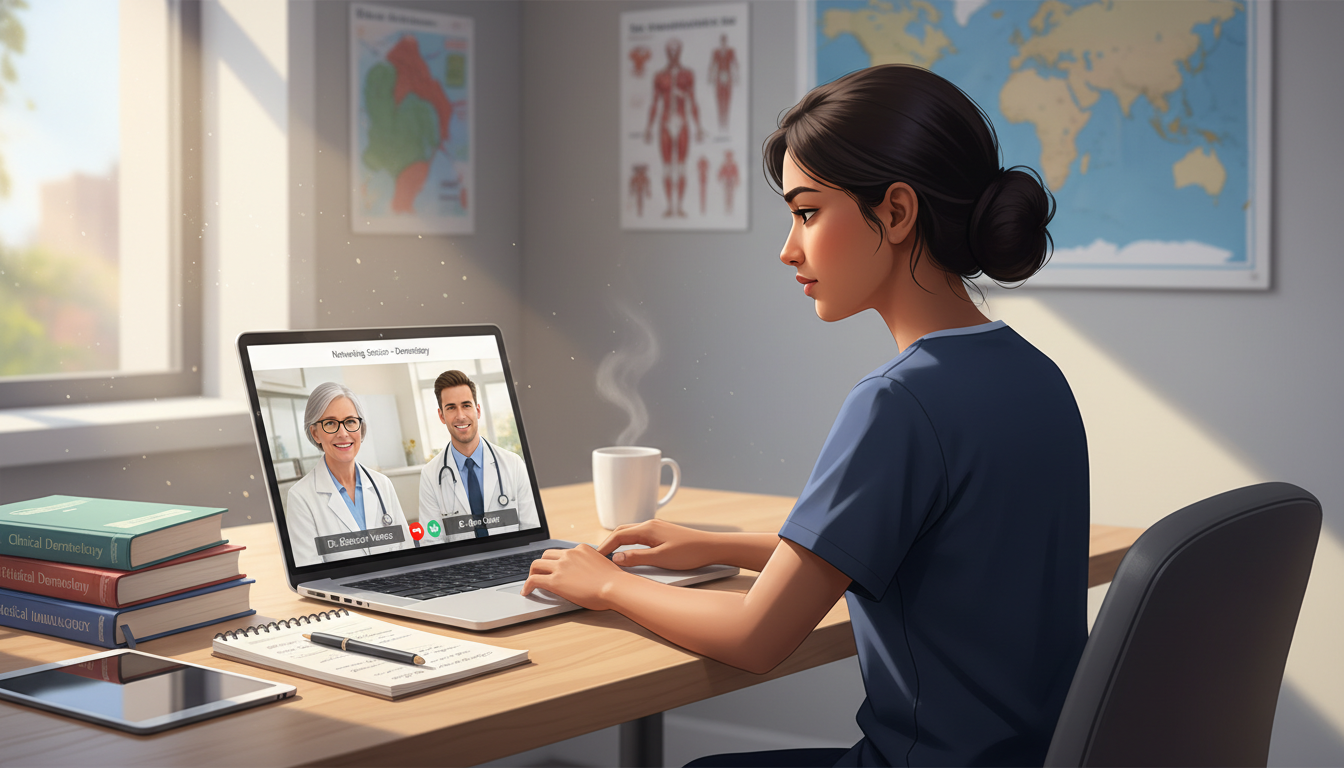
You do not have to wait until you are physically in the US to begin networking in medicine. Many US citizen IMG applicants start strong while still overseas.
1. Use Alumni and School‑Affiliated Networks
Even foreign schools often have graduates in US residency:
- Ask your dean’s office or career center for:
- US alumni list
- Alumni currently in dermatology or other competitive specialties
- Reach out via email or LinkedIn:
Sample email:
Subject: US citizen IMG seeking brief advice on US dermatology pathway
Dear Dr. [Last Name],
My name is [Name], and I am a US citizen IMG currently in my [X]th year at [School]. I learned from [office/alumni database] that you trained at [School] and are now in/after a dermatology residency in the US.
I’m very interested in applying for dermatology residency in [Year] and would be extremely grateful for 15–20 minutes of your time for brief advice on how you navigated the process as an IMG.
I understand you are very busy and completely understand if a meeting is not possible. Either way, thank you for your time and for serving as an example for students like me.
Best regards,
[Full Name], [Medical School, Grad Year]
US Citizen IMG | Dermatology‑Interested
[Email] | [LinkedIn URL]
Even one such connection can expand your derm network dramatically.
2. Engage in Remote Research and Scholarly Work
For dermatology, research often doubles as networking:
- Target US dermatology departments with:
- Ongoing clinical or translational research
- Strong record of publishing with students
- Receptive attitude toward IMGs (check past residents’ backgrounds)
Approach potential mentors:
Dear Dr. [Last Name],
I am a US citizen IMG in my [X]th year at [School, Country], with a strong interest in dermatology, especially [topic]. I will be applying for dermatology residency in [Year].
I have completed [briefly: research methods experience, skills, stats, any prior publications]. I would be grateful for any opportunity to assist with ongoing or new projects remotely, including chart review, data collection, or literature review.
I understand that supervising a student abroad requires extra effort; if that is not feasible, any brief advice on how to become involved in dermatology research as an IMG would also be greatly appreciated.
Thank you very much for your time and consideration.
Sincerely,
[Name, signature block]
Each research relationship is also a mentorship medicine opportunity—if you show reliability, you may gain letters, introductions, and visibility.
3. Join Professional Societies and Virtual Events
Many dermatology organizations have student memberships and online content:
- AAD (American Academy of Dermatology) – medical student section, virtual talks, mentorship programs.
- Skin of Color Society, Women’s Dermatologic Society, SDPA (student‑friendly educational events).
- Regional derm societies (e.g., state or city societies where you hope to match).
Use these for:
- Virtual journal clubs
- Webinars with program directors
- Career panels
- Student research contests
In each event:
- Keep your camera on if possible.
- Ask 1–2 thoughtful questions in the chat or Q&A.
- Afterwards, send a brief thank‑you email to the speaker, noting one point you found helpful and your background as a US citizen IMG in dermatology.
This is low‑pressure but cumulative exposure.
4. Leverage Social Media Thoughtfully (Optional but Powerful)
On platforms like Twitter/X and LinkedIn:
- Follow:
- Dermatology program accounts
- PDs, APDs, and faculty
- Residents who discuss derm education
- Engage respectfully:
- Like and retweet academic posts
- Comment with thoughtful questions or appreciation
- Share your own scholarly work (e.g., “Honored to present our poster on [topic] at [conference]. Grateful to my co‑authors…”)
Avoid casual, personal content on public professional accounts; treat these as extensions of your CV.
In‑Person Medical and Conference Networking: Turning Encounters into Relationships
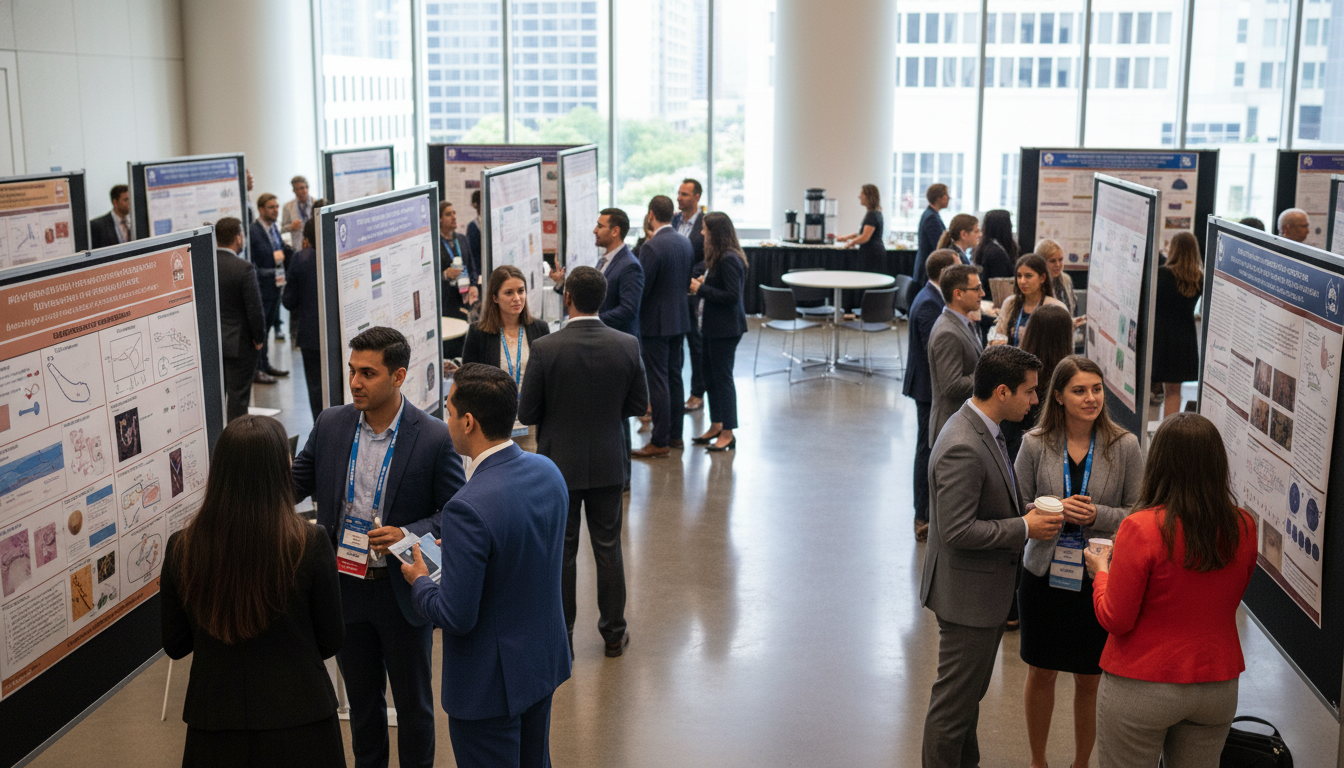
When you finally reach the US for away rotations, observerships, or conferences, in‑person networking becomes critical.
1. Conference Networking for US Citizen IMGs in Dermatology
If you can attend even one major meeting (e.g., AAD Annual Meeting, a regional derm society meeting), plan as if it’s a strategic mission.
Before the conference:
- Review the program in detail:
- Identify:
- Program director panels
- “Meet the Professor” sessions
- Medical student or IMG‑oriented sessions
- Note names from programs you’re targeting.
- Identify:
- Reach out in advance:
Dear Dr. [Last Name],
I am a US citizen IMG and [Year] at [School, Country], planning to apply for dermatology in [Year]. I will be attending [Conference Name] and noticed you are speaking on [Session Title].
I greatly admire your work in [brief reference]. If you have a few minutes after your session, I would be very grateful for the chance to briefly introduce myself and ask one or two questions about [career path / research / advice for IMG applicants].
Thank you for considering this, and I look forward to your talk.
Best regards,
[Name, signature block]
Not everyone will respond—but some will, and you’ll arrive as more than just “one more face.”
During the conference:
- Dress: business or business‑casual (blazer, conservative clothing).
- Wear your badge visibly.
- Use your 30–45 second introduction frequently.
- Ask targeted questions:
- “How does your program involve residents in research?”
- “What qualities do you see in successful dermatology residents?”
- “Do you have any advice for US citizen IMGs trying to navigate the derm match?”
After the conference:
- Send follow‑up emails within 48–72 hours:
- Thank them.
- Reference something specific you discussed.
- Briefly restate your goals and timeline.
- Do not immediately ask for a letter or rotation unless explicitly invited; instead, you might ask:
“If it would be appropriate, I would be grateful to explore ways to get involved in [research/electives] at your institution in the future.”
This is how conference networking compounds over years.
2. Networking During Rotations and Observerships
Clinical time in US dermatology departments is the single most powerful networking environment for a US citizen IMG.
Your goals during an elective/observership:
- Be memorable for your work ethic and attitude.
- Gain advocates who will speak up for you.
- Learn the “culture” of the specialty and of specific programs.
Practical behaviors:
- Arrive early, stay engaged, stay a bit late to help with tasks.
- Read about patients seen in clinic and look up relevant derm topics.
- Ask concise, well‑timed questions (e.g., between patients, not while the attending is actively examining).
- Offer help:
- Drafting notes (if allowed)
- Preparing patient education materials
- Assisting with small data projects or QI ideas
- Express interest clearly but not desperately:
- “I’m a US citizen IMG and very interested in applying to dermatology, particularly programs like this with [X feature]. I’d be grateful for any advice you have for someone with my background.”
End of rotation:
- Ask residents and attendings if they would be open to staying in touch.
- Request feedback:
“As I prepare for applications, is there anything you think I should focus on improving?”
- If you had sustained contact and strong performance, you may eventually ask select faculty about letters of recommendation.
Building Mentorship and Turning Connections into Derm Match Support
Networking without mentorship can feel shallow. For a US citizen IMG, mentorship in medicine is the bridge between “I met someone once” and “This person will advocate for me in the derm match.”
1. Understanding Types of Mentors
Try to cultivate a small mix of:
- Career mentors (dermatology attendings, PDs, senior faculty):
- Guide overall path, program targeting, and major decisions.
- Near‑peer mentors (residents, fellows, recent grads who are US citizen IMGs):
- Give real‑time, practical advice on ERAS, interviews, social dynamics.
- Research mentors:
- Help with publications and presentations; often write strong letters.
- Institutional advocates:
- People within a program who will say, “We should interview [Your Name].”
One person may fill more than one role.
2. How to Ask for Ongoing Mentorship
After a few good interactions:
“I’ve really valued your advice about dermatology and the IMG pathway. If you’d be comfortable, I would be incredibly grateful to consider you a mentor as I prepare for the derm match. I know your time is limited, and I’d be happy to keep questions focused and occasional.”
Most people will either accept or gently define boundaries (e.g., “I’m happy to offer occasional advice”). Both are helpful.
3. Staying on the Radar: Maintenance, Not Pestering
To maintain medical networking relationships:
- Send brief updates every 3–4 months:
- “Since we last spoke, I’ve [submitted a manuscript / completed a derm elective / passed Step 2 / presented a poster]. Thank you again for your earlier guidance.”
- Before application season:
- Share your planned derm match strategy (program tiers, geographic focus).
- Ask if they have feedback:
“Do these targets seem realistic given my profile as a US citizen IMG?”
4. Letters, Advocacy, and Strategic Support
When asking for a letter:
“Would you feel comfortable writing a strong letter of recommendation in support of my dermatology residency application?”
Include:
- CV
- Personal statement draft
- Specifics: when you worked with them, what you learned
- List of programs if they ask
Some mentors may also:
- Email PDs personally
- Recommend you for research or away rotations
- Invite you to join multi‑center projects
This is the outcome of consistent, respectful networking in medicine over time—not of a single email.
Common Pitfalls and How to Avoid Them as a US Citizen IMG
Even well‑intentioned applicants can sabotage their efforts. Watch out for:
1. Overly Transactional Behavior
If every interaction quickly becomes: “Can you give me a research spot / LOR / interview?”, people will pull back.
Better:
- Show genuine curiosity about their work and path.
- Offer value where possible (e.g., help with data collection, manuscript edits, organizing a journal club).
- Accept “no” gracefully and maintain the relationship for future learning.
2. Ignoring IMG‑Friendly Paths Outside “Top‑10 Only” Mindset
Some US citizen IMG applicants limit networking only to elite programs. While aspirational connections are fine, also:
- Connect with mid‑tier academic and strong community programs.
- Explore transitional/prelim years where derm‑friendly mentors exist.
- Consider one‑year research fellowships in dermatology departments that regularly sponsor IMGs.
These can be powerful stepping stones into dermatology residency.
3. Not Owning Your IMG Story
Avoid apologizing for your path. Instead:
- Acknowledge the reality (fewer automatic connections).
- Emphasize strengths:
- Adaptability
- Global exposure to skin disease
- Maturity in navigating complex systems
- Show that you have deliberately used medical networking to bridge structural gaps.
4. Poor Follow‑through
If you say you will:
- Send a draft by Friday
- Attend a virtual meeting
- Finish data abstraction
…then do it, or communicate early if you cannot. Reliability is the currency that turns casual connections into advocates.
FAQs: Networking in Medicine for US Citizen IMGs in Dermatology
1. As a US citizen IMG, when should I start networking for a future dermatology residency?
Start as early as you reasonably can. In pre‑clinical or early clinical years, focus on:
- Learning about dermatology as a field
- Attending virtual events and grand rounds
- Conducting early research or case reports
By the year before you apply, you should:
- Have at least 1–2 dermatology mentors
- Be involved in or have completed derm‑related research
- Be known to at least a few US dermatology departments through electives or remote work
Networking is cumulative; starting early reduces pressure later.
2. I feel awkward “networking.” How can I make it feel more natural?
Reframe networking as “finding people I can learn from and help.” Use simple structures:
- Prepare 2–3 genuine questions you’d like answered (e.g., “How did you decide on an academic vs. private career?”).
- Keep initial conversations short and respectful of time.
- Focus on curiosity, not self‑promotion.
Over time, as you see how often people are willing to help a motivated US citizen IMG, it becomes easier.
3. Do I need to attend big conferences like AAD to successfully network for derm match?
Attending a major conference is helpful but not strictly mandatory. You can still build robust medical networking through:
- Away rotations and sub‑internships
- Remote research collaborations
- Local or regional meetings
- Society webinars, journal clubs, and mentorship programs
If you can attend at least one AAD or similar meeting before applying, plan intentionally to maximize its value—but do not view it as the only pathway.
4. How can I tell if a program is realistic for me as a US citizen IMG in dermatology?
Use a combination of:
- Program website and resident profiles (do they have IMGs or US citizen IMGs historically?)
- NRMP Charting Outcomes and recent match data
- Mentor input: share your Step scores, grades, research output, and ask directly,
“Given my profile and being a US citizen IMG, where would you recommend I focus my applications?”
Networking provides the context that numbers alone cannot. Mentors who know your story can help you create a balanced list—combining reach, target, and safety options.
By viewing networking in medicine as a long‑term, relationship‑focused process rather than a last‑minute scramble, you can transform your position as a US citizen IMG into a distinctive strength. Each email, conference conversation, Zoom journal club, and research collaboration is a brick in the bridge between “American studying abroad” and “US dermatology resident”—and you have the power to start building that bridge today.