Why Networking Matters Even More for US Citizen IMGs in Medical Genetics
As a US citizen IMG and an aspiring medical genetics specialist, you live at the intersection of two niches: being an American studying abroad and pursuing a relatively small, highly specialized field. That combination makes networking in medicine not optional—but foundational to your success.
In medical genetics, programs are few, departments are small, and faculty often know each other across institutions. This is great news if you network well: one strong advocate can open doors for research, mentorship medicine opportunities, and ultimately a successful genetics match. But it also means you can’t rely solely on test scores and applications; people need to know who you are.
For US citizen IMGs, networking helps you:
- Offset perceived risk about international training with strong personal endorsements
- Access research and scholarly projects that make you stand out
- Learn the hidden curriculum of the genetics match (unwritten rules, program culture, “fit”)
- Build mentors who will advocate for you across institutions
- Create a professional identity in a small, interconnected specialty
This article will walk you step-by-step through how to build and leverage a strong professional network in medical genetics as a US citizen IMG—from preclinical years abroad to intern year and beyond.
Understanding the Medical Genetics Landscape as a US Citizen IMG
Medical genetics is unique among specialties. To network effectively, you need to understand the environment you’re trying to enter.
The Structure of Medical Genetics Training
In the US, common pathways include:
- Combined Pediatrics–Medical Genetics
- Internal Medicine–Medical Genetics
- Obstetrics & Gynecology–Medical Genetics (less common)
- Residency followed by Clinical Genetics fellowship
Departments are typically small: a handful of clinical geneticists, some genetic counselors, and a modest number of trainees. That means:
- Fewer residency and fellowship positions
- More direct contact with program directors and senior faculty
- Strong emphasis on “fit,” maturity, professionalism, and curiosity
For someone who is an American studying abroad, this can be advantageous. Once a few leaders in the field know you and trust your work, word spreads quickly.
Why Networking Is Particularly Critical for US Citizen IMGs
You already have one advantage: you’re a US citizen, which eliminates visa concerns for programs. But you also face classic IMG challenges:
- Less access to US-based mentors early on
- Fewer built-in opportunities for US research or clinical exposure
- Potential unfamiliarity with the nuances of the US residency application process
Networking directly addresses these gaps. Strategic medical networking helps you:
- Get invited into US-based projects (case reports, reviews, QI, genetics research)
- Secure US letters of recommendation in genetics or related fields
- Learn which programs are historically open to US citizen IMG applicants
- Clarify whether you should position yourself for categorical genetics, combined programs, or a core residency followed by genetics fellowship
Think of networking in medicine not as superficial socializing, but as:
“Showing up consistently, adding value, and building professional relationships that help both you and your colleagues take better care of patients.”
Core Strategies: Building a Genetics-Focused Network from Scratch
You may be thousands of miles away from the US, but you can still build a powerful network in medical genetics if you’re methodical. Below are the core strategies, with concrete tactics tailored to US citizen IMGs.

1. Start with a Clear Professional Story
Before you meet anyone, be clear on who you are and what you’re seeking. You should be able to articulate in 30–60 seconds:
- Your status: “I’m a US citizen IMG in my [X] year at [School/Country].”
- Your interest: “I’m deeply interested in medical genetics, especially [e.g., cancer genetics, biochemical genetics, prenatal genetics].”
- Your actions: “I’ve been involved in [relevant research, electives, online courses, case reports].”
- Your ask: “I’d love advice on how to strengthen my profile and connect with the genetics community from abroad.”
This “professional intro” becomes the backbone of your emails, conference introductions, and LinkedIn messages.
2. Use Digital Platforms Strategically
LinkedIn and Doximity
Optimize your headline:
“US citizen IMG | Aspiring Medical Geneticist | Interested in [Subarea]”Fill out your About section with:
- Medical school and location
- USMLE/COMLEX progress (optional, but helpful)
- Specific interest in medical genetics and any experience (electives, online genetics courses, research)
Connect with:
- Clinical geneticists at US institutions
- Program directors and associate PDs in medical genetics
- Genetics fellows and residents in combined programs
- Genetic counselors in your area of interest
When you send connection requests, include a short, specific note:
“I’m a US citizen IMG in [Country], very interested in medical genetics and learning more about training pathways in the US. I’d be grateful to follow your work and possibly ask a few questions in the future.”
You’re signaling focus, seriousness, and respect for their time.
X (Twitter) and Other Academic Social Media
Many geneticists, especially in academic centers, are active on X:
- Follow medical genetics societies (ACMG, ASHG, regional groups).
- Follow genetics program accounts and academic geneticists.
- Engage gently: like, retweet, and occasionally comment with thoughtful, brief insights or questions.
Aim for substance, not volume. Over time, you’ll become a familiar name.
3. Engage with Genetics Societies and Organizations
For a US citizen IMG in medical genetics, your “professional home” societies are crucial.
Key organizations:
- ACMG (American College of Medical Genetics and Genomics)
- ASHG (American Society of Human Genetics)
- AAP Section on Genetics and Birth Defects (if you’re pediatrics-oriented)
Action steps:
- Explore student or trainee membership rates: these are often discounted.
- Subscribe to newsletters, webinars, and trainee-focused content.
- Join special interest groups (e.g., cancer genetics, biochemical genetics, genomics).
Whenever you attend a virtual session, note speakers whose work seems aligned with your interests and add them to your “potential mentor list.”
4. Build Mentorship Deliberately (Multiple Mentors, Different Roles)
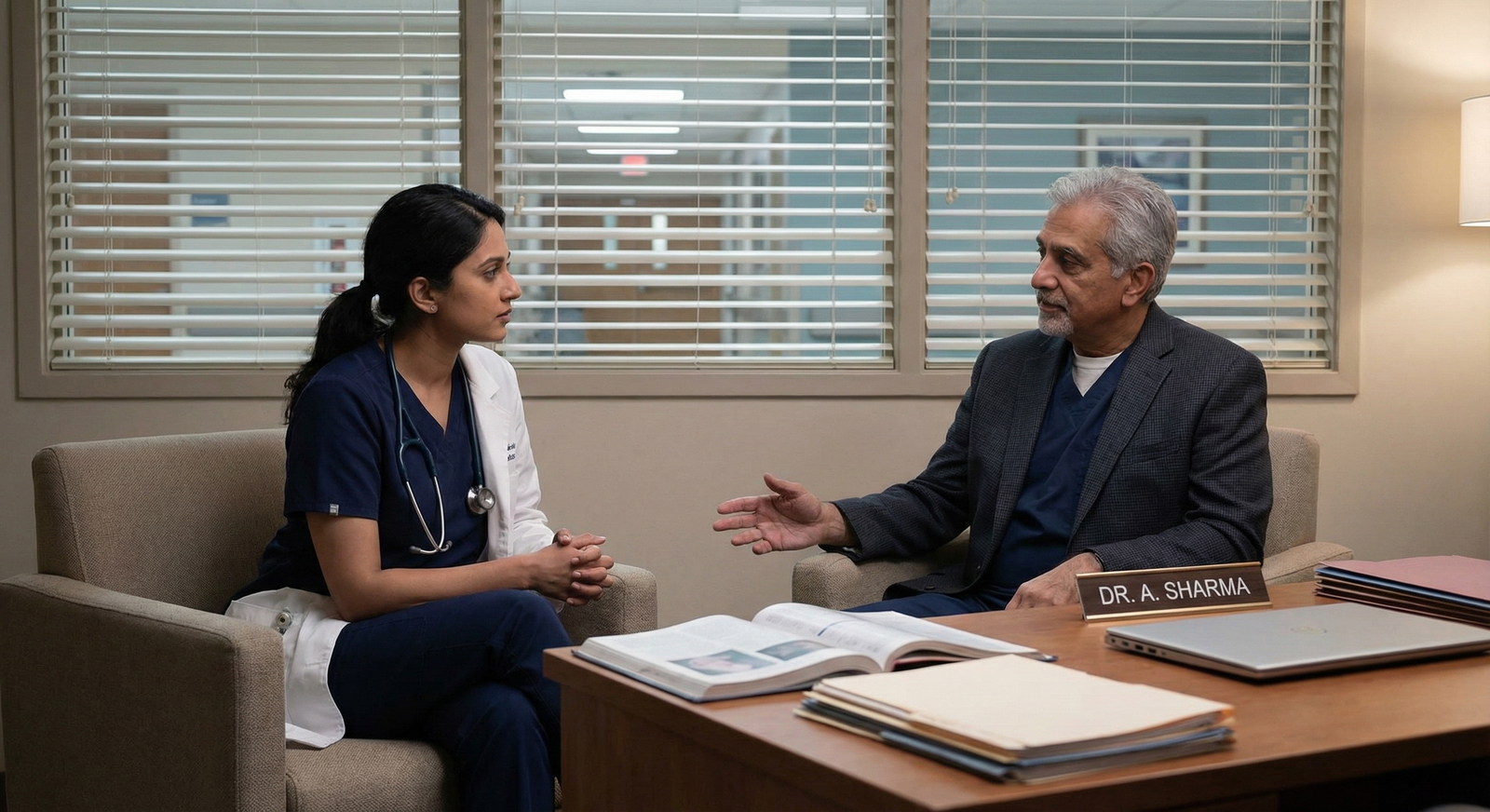
Networking in medicine is not just about “knowing people”; it’s about having mentors and sponsors:
- Mentors advise you, review CVs, guide decisions.
- Sponsors actively open doors: introduce you to colleagues, add you to projects, recommend you for positions.
For a US citizen IMG, you should aim for at least:
- One local mentor at your international school (doesn’t have to be a geneticist, but should understand your context and support US applications).
- One US-based mentor in medical genetics (even if informal).
- One mentor in your likely core field (pediatrics, internal medicine, OB/GYN), possibly US-based or from your school.
How to approach a potential genetics mentor by email:
- Start with a clear, short subject line:
- “US citizen IMG interested in medical genetics seeking brief guidance”
- Introduce yourself concisely (1–2 sentences).
- Show you’ve done your homework: mention one paper, lecture, or project of theirs you read or watched.
- Make a small ask, with a time frame:
- “Would you be willing to have a 15–20 minute video call sometime in the next month to advise me on how I can become a competitive applicant for a future medical genetics residency or fellowship as a US citizen IMG?”
Your first goal is not a research project—it’s a relationship. Projects often come later.
5. Create Value as a Student or Early Trainee
You may worry that you have “nothing to offer” senior physicians. In reality, you can be valuable in several ways:
- Literature reviews: Offer to help summarize recent genetics papers for a busy mentor.
- Case reports: Ask whether any interesting genetic cases could be turned into a case report or short communication, with your help.
- Conference abstracts: Volunteer to assist with data cleanup, poster design, or background sections.
- Educational materials: Help create patient education handouts or trainee teaching slides.
When you offer help, be specific:
“If you ever need assistance with literature searches or drafting background sections for manuscripts or case reports in medical genetics, I’d be very happy to contribute.”
Deliver quality work on time, and your reputation will spread quickly.
Mastering Medical Networking at Conferences and Virtual Events
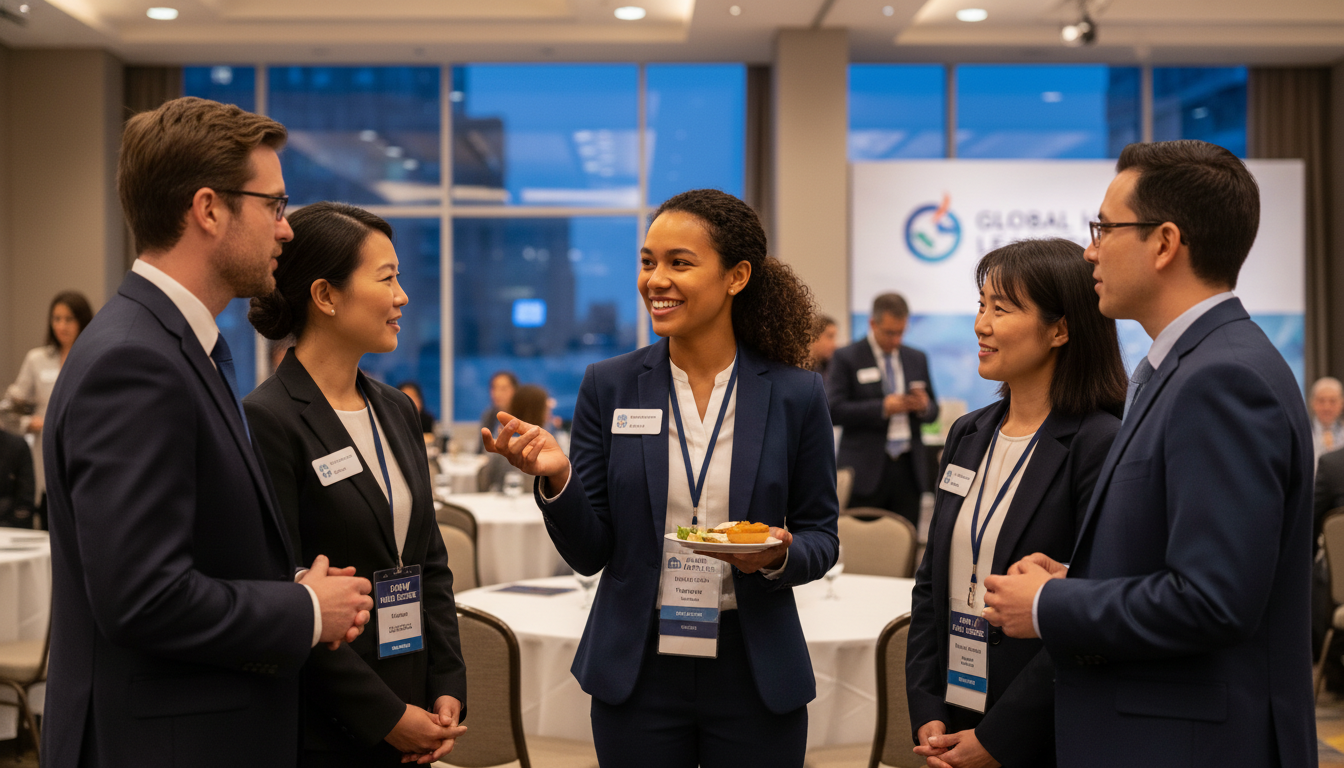
Conference networking is one of the most efficient ways to get “face time” with dozens of people in medical genetics, even as a US citizen IMG. In-person attendance is ideal, but virtual participation can still be powerful.

1. Choose the Right Conferences
Focus on conferences where medical genetics faculty and trainees reliably gather:
- ACMG Annual Clinical Genetics Meeting
- ASHG Annual Meeting
- Subspecialty or regional genetics conferences
- Pediatric, internal medicine, or OB/GYN national meetings with genetics tracks
As a student or early trainee, your goals:
- Learn the current issues and hot topics in genetics
- Identify programs that are active and supportive of trainees
- Meet at least 5–10 people who remember you afterward
2. Prepare Before You “Enter the Room”
Whether virtual or live:
- Review the program: Prioritize genetics tracks, trainee sessions, and mentorship or career panels.
- Make a “hit list” of 10–15 people you’d most like to connect with (program directors, division chiefs, active researchers, and fellows).
- Draft brief introductory messages you can adapt during the event:
- “I’m a US citizen IMG from [School, Country], hoping to pursue medical genetics training in the US. I’ve followed your work on [topic] and would love to ask a quick question about [X].”
3. At the Conference: How to Approach People
For in-person conferences:
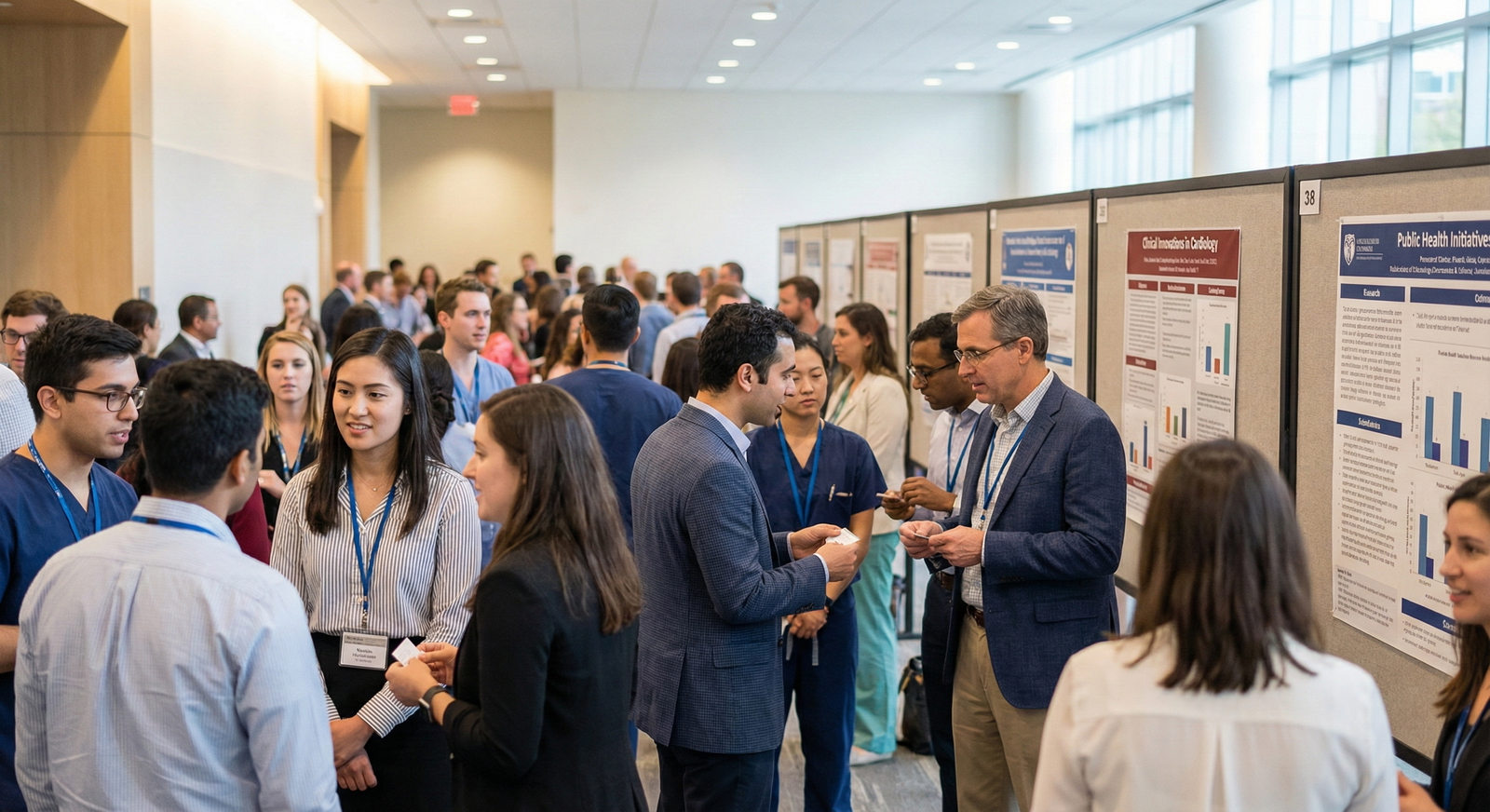
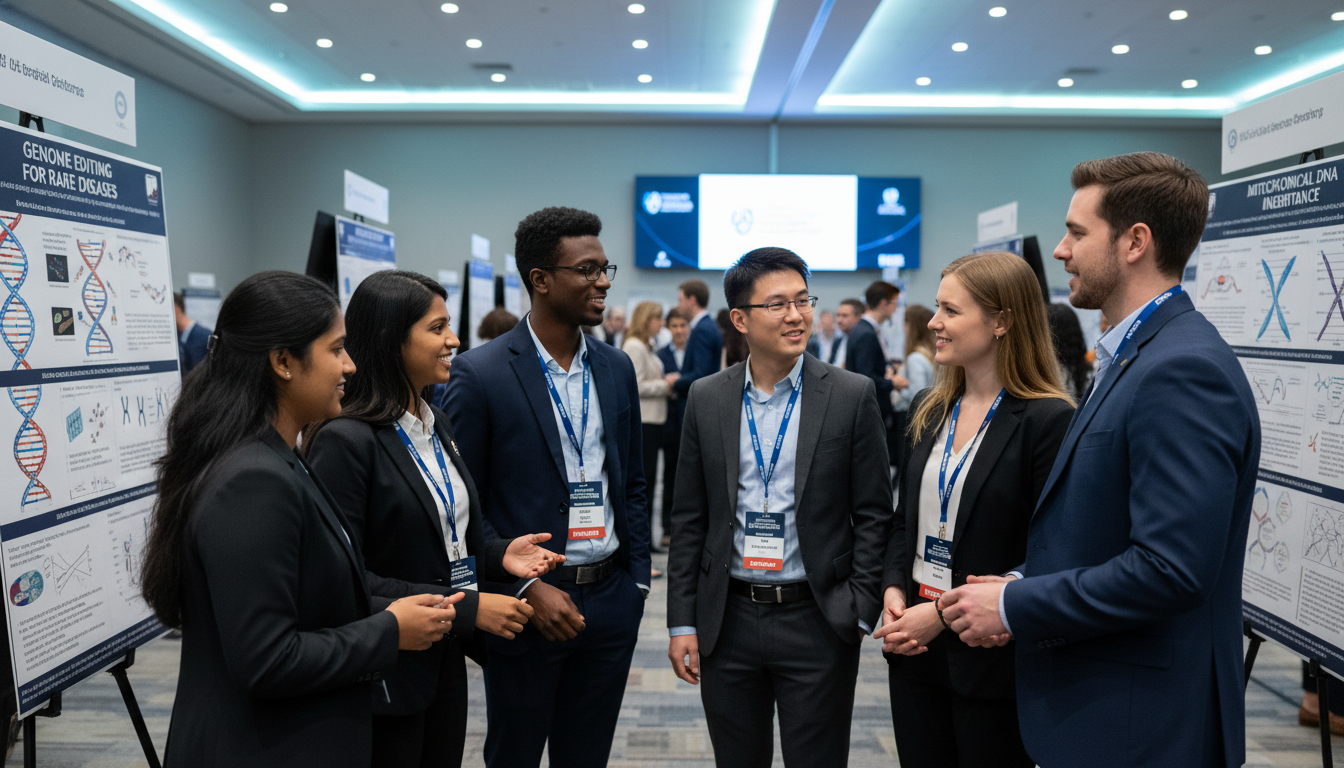
- Visit poster sessions in genetics; these are often the lowest-barrier networking environments. Start with fellows and residents—they remember what it’s like to be in your shoes and can introduce you to faculty.
- After talks, introduce yourself to speakers:
- “Thank you for your talk. I’m a US citizen IMG very interested in medical genetics, especially [topic]. I had a quick question about [brief, specific point].”
- Then: “Would it be okay if I follow up by email? I’d really appreciate any advice you have for someone with my background.”
For virtual conferences:
- Ask thoughtful questions in Q&A chats.
- Use provided networking lounges, breakout rooms, or 1:1 meeting tools.
- Immediately after a session, send a concise email or LinkedIn message referencing the talk.
4. Follow-Up: Where Networking Often Fails
Most people never follow up—and that’s where you can distinguish yourself.
Within 48–72 hours:
- Send personalized thank-you emails:
- Reference where you met
- Mention one specific thing you learned
- Make a small ask, only if appropriate, like:
- “If you ever have a trainee-focused project or educational initiative in genetics that needs help, I’d be very interested in contributing, even remotely.”
Track contacts in a simple spreadsheet:
- Name, institution, role
- Where you met
- Topics discussed
- Date and content of follow-up
- Next steps or reminders
Every 4–6 months, send brief updates to mentors and key contacts:
“Since we last spoke, I’ve completed [X], presented [Y], and am now starting [Z]. Thank you again for your guidance—it has been very helpful.”
This keeps you on their radar without being intrusive.
Turning Your Network into Tangible Match Advantages
Building relationships is step one. Step two is using those connections ethically and strategically to improve your chances in the genetics match.
1. Identifying Programs That Welcome US Citizen IMGs
Your network can help you answer critical questions that are rarely visible on program websites:
- Has the program taken US citizen IMGs or other IMGs in the past?
- How do they view international schools?
- What do they value most: research, clinical exposure, advanced degrees, or unique life experiences?
- Are they open to applicants who do a core residency (e.g., pediatrics or IM) first and then medical genetics?
You can ask fellows, residents, or junior faculty by email:
“As a US citizen IMG strongly interested in medical genetics, I’m trying to understand which programs are IMG-friendly and how they view applicants with my background. Any candid insight would be incredibly helpful, even in a short reply.”
2. Using Mentorship to Shape Your Application Timeline
Mentors who are deeply embedded in genetics can help you:
- Decide whether to apply directly to combined programs vs. core residency then genetics fellowship
- Time your Step exams and US clinical experiences for maximum impact
- Prioritize which research or scholarly projects matter most for your CV
- Choose which conferences to target for abstract submissions
Your mentors may also:
- Review and edit your personal statement
- Practice mock interviews with you, highlighting strengths and patching weaknesses specific to being a US citizen IMG
- Strategize how to describe your international training in a positive, compelling way
3. Letters of Recommendation and Advocacy
Networking in medicine becomes most concrete in the form of strong letters of recommendation and behind-the-scenes advocacy:
A US-based genetics mentor can write:
- How you’ve handled complex literature
- Your curiosity about molecular mechanisms and clinical implications
- Your reliability with remote projects
A core specialty mentor (pediatrics/IM/OB) can highlight:
- Bedside manner
- Work ethic and teamwork
- Maturity and professionalism
Sponsors may also:
- Email program directors to say, “This candidate is excellent and worth a close look.”
- Introduce you to genetics faculty at other institutions via email.
- Invite you to join multi-institutional projects that increase your visibility.
Ensure that you earn this advocacy by consistently:
- Meeting deadlines
- Communicating clearly
- Responding professionally to feedback
- Being transparent about your limits
4. Using Your Network During Interview Season
When interviews come, your network can still help:
- Informal advice about program culture (“collaborative vs. hierarchical,” “heavy lab vs. heavy clinic”)
- Realistic expectations about workload and procedural exposure
- Insight about which programs are especially supportive of trainees from non-traditional paths (like US citizen IMG plus international training)
You can also let close mentors know your interview list; sometimes, they may personally reach out to colleagues in those programs to reinforce their support for you.
Common Networking Pitfalls for US Citizen IMGs—and How to Avoid Them
Even well-intentioned students and trainees can sabotage their own networking efforts. Be mindful of these common mistakes.
1. Being Too Transactional
If every outreach message sounds like “Can you give me a research project?” people will disengage quickly.
Instead:
- Ask for advice first, not tasks or favors.
- Show genuine interest in their work and career path.
- Demonstrate you’ve already taken initiative on your own (courses, reading, local projects).
2. Overcommitting and Under-Delivering
Because you’re often working across time zones and systems, it’s easy to say “yes” to too many things and fall behind.
To avoid this:
- Clarify expectations before agreeing to a project: timeline, your specific duties, how many hours per week.
- If something changes, notify your mentor early:
- “I’m concerned I may not meet the original deadline because of [brief reason]. Could we adjust the timeline or scale back my role so I can still deliver high-quality work?”
Reliability is one of the most important currencies in medical networking.
3. Neglecting Your Core Clinical Foundation
You’re aiming for a specialized field, but you must still be an excellent clinician. Genetics training programs need residents who can manage whole patients, not just variants and phenotypes.
This means:
- Don’t neglect core pediatrics, internal medicine, OB, or neurology training.
- Seek strong clinical evaluations wherever you train.
- Use your network to find US clinical electives (observation, sub-internships where possible) in relevant fields.
Your reputation as a solid clinician plus your focused interest in genetics becomes a powerful combination.
FAQs: Networking in Medical Genetics for US Citizen IMGs
1. I’m an American studying abroad with no genetics department at my school. How do I start?
Begin by building a remote network:
- Join ACMG/ASHG as a student member.
- Attend virtual webinars and trainee sessions.
- Identify 3–5 geneticists whose work aligns with your interests and email them for brief mentorship conversations.
- Seek genetics-related projects you can do locally: case reports involving suspected genetic conditions, small audits, or literature reviews. You can later present these at genetics conferences, which further expands your network.
2. Do I need genetics research to match into medical genetics as a US citizen IMG?
Not strictly, but some scholarly activity is very helpful, particularly in a smaller, academic-leaning field like genetics. Your networking can help you obtain:
- Case reports or case series
- Narrative reviews or book chapters
- Quality improvement projects related to genetic testing, counseling, or newborn screening
Your US-based mentors can advise which projects will carry the most weight for the genetics match given your specific profile.
3. How early should I start networking if I’m still in basic sciences abroad?
It’s never too early to begin light networking:
- Attend introductory genetics webinars and virtual conferences.
- Follow genetics societies and faculty on LinkedIn/X.
- Learn the language of medical genetics (e.g., reading ACMG variant classification guidelines, becoming familiar with common clinical indications for referral).
More direct outreach to potential mentors usually makes the most sense once you’re in clinical years, when you can discuss real cases or clinical experiences.
4. What if I’m shy or introverted—can I still network effectively?
Absolutely. Many excellent physicians are introverted. Focus on:
- One-on-one or small-group interactions rather than big social events.
- Thoughtful, well-crafted emails instead of spontaneous conversations.
- Asking good questions and listening carefully; people remember being heard.
Networking is not about being the loudest person in the room; it’s about being consistent, respectful, and reliable over time.
By approaching medical networking as a deliberate, long-term process—not a last-minute scramble before ERAS—you can transform your status as a US citizen IMG from a perceived disadvantage into a compelling narrative: an American studying abroad who sought out mentorship, contributed meaningfully to genetics, and built a reputation strong enough to earn a place in this highly specialized field.