Networking in medicine is rarely explained clearly, yet it’s one of the most powerful tools you have as a US citizen IMG—especially in a competitive field like urology. As an American studying abroad, you face unique challenges in the urology match: limited face-time with US faculty, fewer organic connections, and the need to “prove” yourself in a very small specialty. Thoughtful, strategic medical networking can help you overcome these barriers.
This guide focuses on networking in medicine for US citizen IMGs interested in urology residency: how to build authentic relationships, use conferences strategically, connect with mentors, and leverage both your IMG background and your US citizenship.
Understanding Networking in Urology as a US Citizen IMG
Networking in medicine is not about collecting business cards or sending mass emails. In urology, a small, relationship-driven specialty, it’s about:
- Building genuine professional relationships
- Demonstrating your interest and reliability over time
- Being visible and memorable to faculty, residents, and coordinators
- Creating a network of advocates who can speak to your character, work ethic, and fit for urology residency
For a US citizen IMG, networking carries some particular implications.
Why networking matters even more for US citizen IMGs
Urology is highly competitive. As a US citizen IMG, you may:
- Attend a school with limited home urology presence
- Have fewer built-in mentors in your desired specialty
- Be at a disadvantage when programs filter heavily for US MD/DO applicants
- Have limited opportunities for in-person away rotations or early exposure
Effective networking helps to:
Get your name recognized
When your application is reviewed, someone might say, “I remember this student from EAU/AAU/virtual meeting/our research project.”Offset structural disadvantages
While you cannot change school name or “IMG” status, you can demonstrate strong professional engagement, commitment to urology, and a track record of collaboration.Identify IMG-friendly programs
Through conversations with residents and faculty, you learn where US citizen IMG candidates have matched, what those programs value, and how to target your efforts.Access research and project opportunities
Networking opens doors to multi-center studies, case series, and quality improvement projects which are extremely valuable in the urology match.
Foundations of Effective Medical Networking
Before diving into conferences and emails, you need a base structure: who you are, what you want, and how you present yourself.
Clarify your narrative as an American studying abroad
You should be able to explain concisely and confidently:
- Why you chose to study medicine abroad
- How your international experience has made you stronger (adaptability, cultural competence, resourcefulness)
- Why urology specifically
- Why you want to train in the US
This narrative should appear consistently across:
- Your personal statement
- Your ERAS application
- Conversations with attendings and residents
- Emails asking for advice or mentorship
Example 30-second narrative:
“I’m a US citizen studying medicine in Ireland. I chose to train here because of the strong clinical exposure and early hands-on experience with procedures. During my third year, I rotated on urology and was drawn to the combination of surgery, long-term patient relationships, and technology-driven care. I’m committed to pursuing urology residency in the US and have been building research and mentorship connections with US-based urologists to prepare for that path.”
Build a professional identity online
In 2025, networking in medicine is hybrid: in-person and digital. Program directors, residents, and potential mentors may look you up. Set yourself up for success with:
LinkedIn profile
- Professional headshot
- Clear headline: “US Citizen IMG | Final-Year Medical Student | Aspiring Urologist”
- Summary that includes your urology interest, school, and career goals
- Experience entries for clinical rotations, research, leadership
- Skills: “Clinical Research,” “Urology,” “Medical Education,” etc.
Professional email address
- Simple format: firstname.lastname@…, avoid nicknames
- Set a clear, polite signature block:
Name, medical school, expected graduation year, phone (US number if available), LinkedIn link
Academic-focused social media (optional but powerful)
- X (Twitter): Many urologists, residents, and societies are active here
- Follow: AUA, SUO, major urology journals, US urologists, and urology residency accounts
- Engage professionally: share articles, comment thoughtfully, highlight your work
This creates a cohesive presence that supports your networking—in person and online.
Strategic Networking Through Conferences and Events
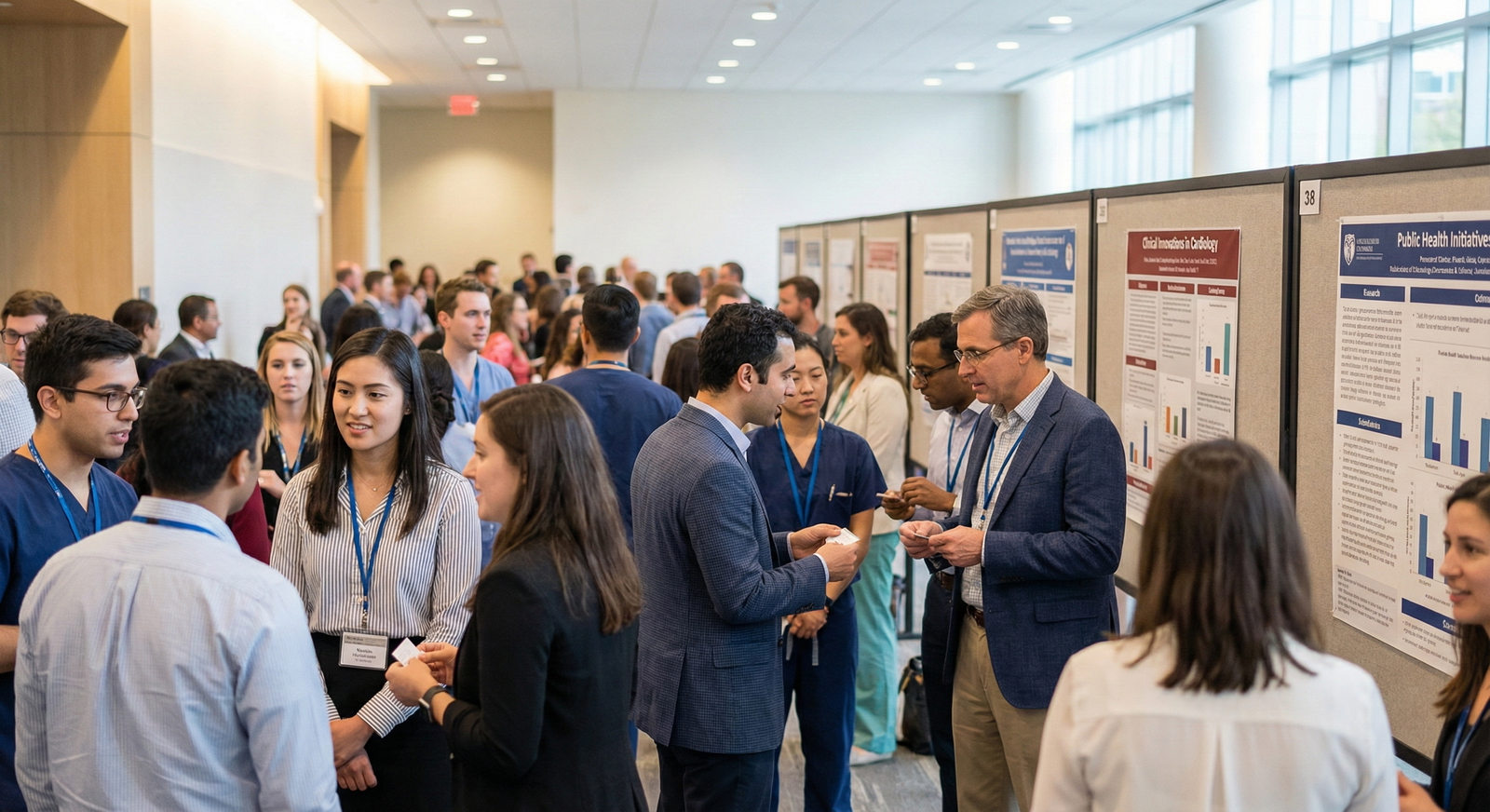
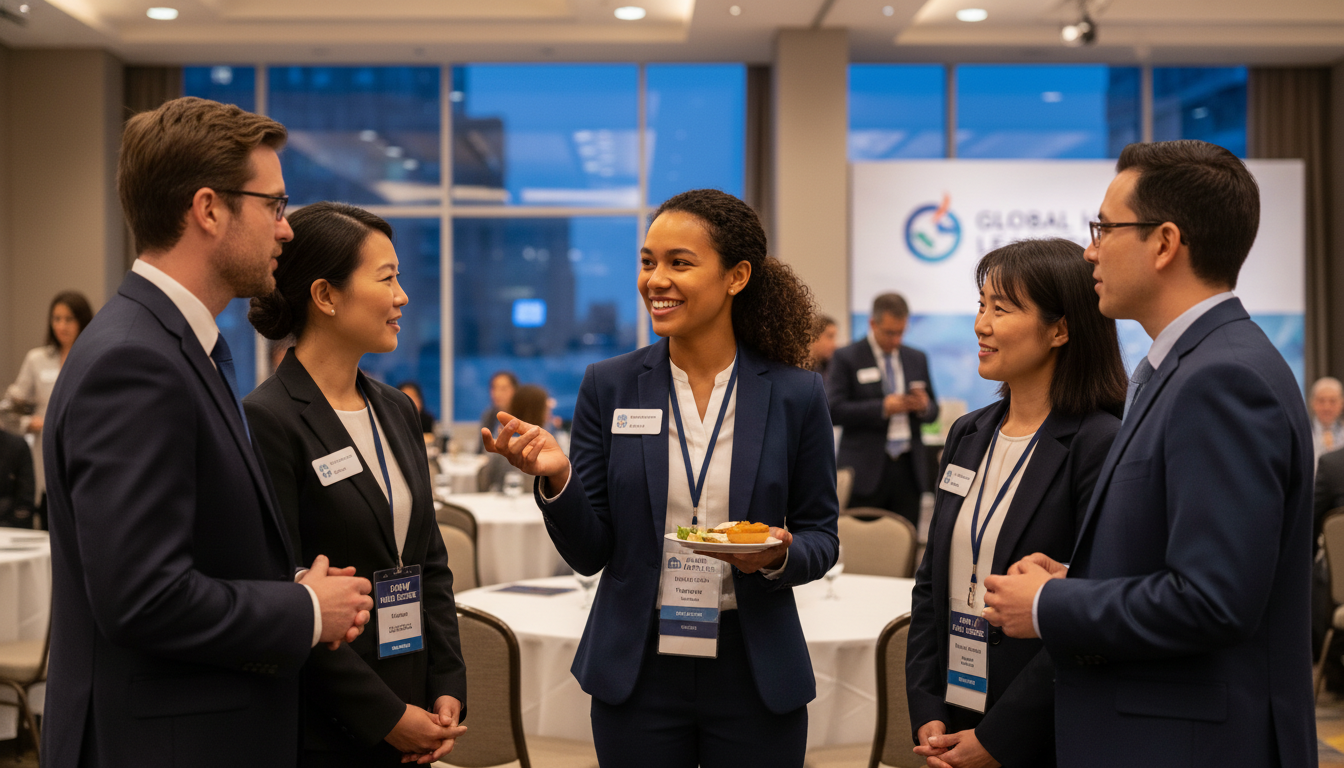
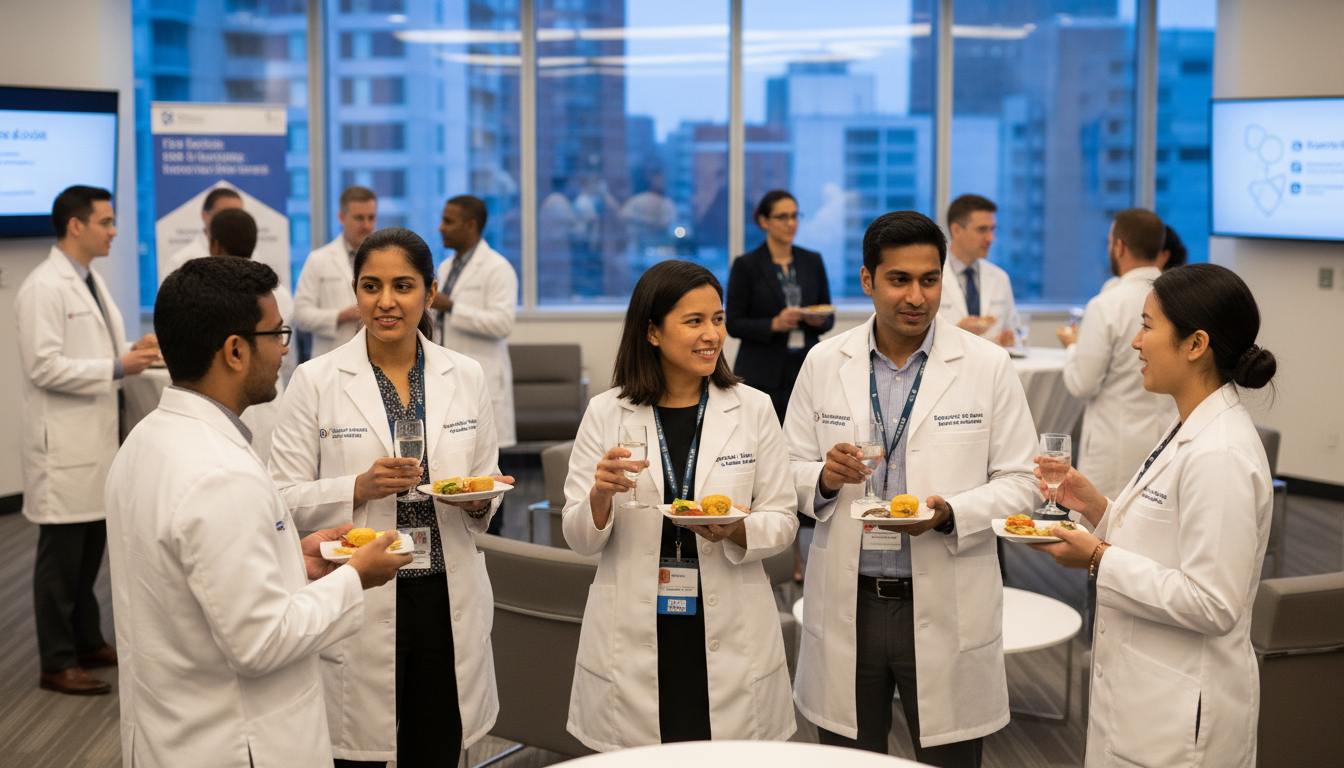
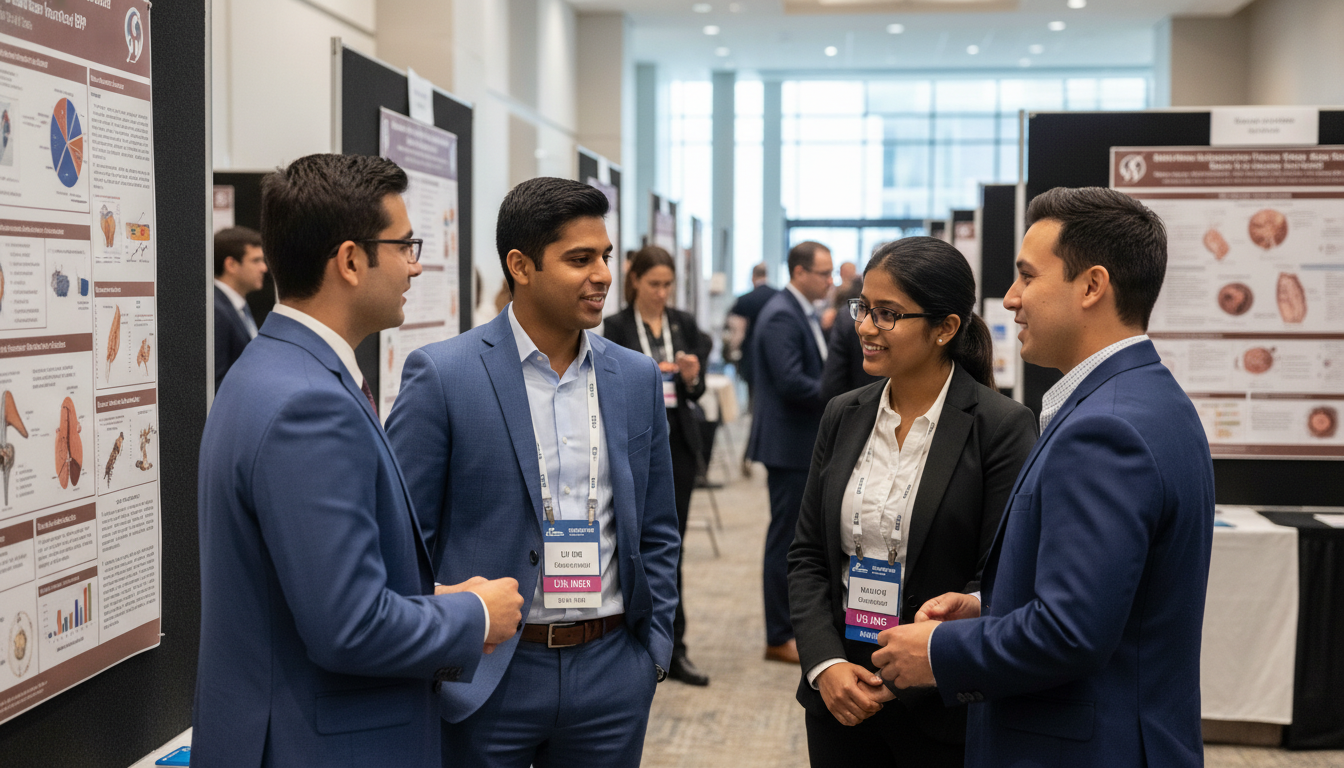
Conferences are the most concentrated opportunities for urology match networking: you have faculty, residents, and fellow applicants in one place. As a US citizen IMG, these events can be your primary chance to meet programs in person.
Choosing the right conferences
Prioritize conferences where:
- US urology programs are heavily represented, such as:
- AUA (American Urological Association) Annual Meeting
- SUO and subspecialty meetings (pediatrics, oncology, endourology)
- Student or trainee registration fees are reduced or with scholarships
- There are student/resident-focused sessions or mentoring events
Even if you can only attend one major meeting during medical school, attending once and planning it well is far better than attending multiple meetings passively.
Before the conference: preparation is everything
Study the program in advance
- Identify:
- Sessions led by faculty from programs you’re interested in
- Medical student or residency panels
- Poster sessions in general urology and your interest areas
- Identify:
Make a contact list
- Aim for 10–20 people to potentially meet:
- US urology program directors
- Residents from IMG-friendly programs
- Urologists who publish in topics you care about
- Note:
- Affiliation
- Any connections (same school alumni, mutual contact, research interests)
- Aim for 10–20 people to potentially meet:
Reach out ahead of time (brief, respectful emails)
Example email:
Subject: Medical student interested in urology – brief introduction at AUA?
Dear Dr. [Last Name],
My name is [Name], and I am a US citizen medical student studying at [School, Country], interested in pursuing urology residency in the United States. I have been following your work on [short, specific topic] and was particularly interested in your recent [paper/presentation].
I will be attending the upcoming AUA meeting and noticed you will be speaking at [session]. If your schedule allows, I would be very grateful for 5–10 minutes at some point during the conference to briefly introduce myself and ask 1–2 questions about your perspective on training in urology and how a US citizen IMG can strengthen their application.
Thank you for considering this,
[Full Name]
[Medical School, Expected Grad Year]
[Email] | [LinkedIn link]
Not everyone will respond. Even 2–3 positive replies can create anchors for your conference experience.
- Prepare your “short pitch”
- Who you are
- Where you study
- Why urology
- What you’re working on (clinical interest or research)
- Your timeline: “I’m applying in the 20XX urology match”
Example:
“I’m a fourth-year US citizen IMG at [School] in [Country]. I became interested in urology after assisting in several endourology cases and seeing the immediate symptom relief patients experienced. I’m currently involved in a project on [topic], and I’m planning to apply in the 20XX urology match.”
During the conference: how to actually network
Attend strategically, not randomly
- Show up early to:
- Sessions led by programs you’re targeting
- Medical student & resident panels
- “Meet the faculty” or mentoring sessions
- Sit toward the front where interaction is more natural
- Show up early to:
Ask thoughtful, concise questions
- After a talk:
“Thank you for your presentation. I’m a US citizen IMG interested in urology. For someone in my position, are there particular types of projects or experiences that make an applicant stand out to your program?”
- After a talk:
Introduce yourself to residents Residents are often more accessible and candid. You might say:
“Hi, I’m [Name], a US citizen IMG at [School]. I’m very interested in [Program Name]. Would you be open to sharing a little about what your program looks for in applicants, especially international graduates?”
This can lead to:
- Honest feedback on your profile
- Clues about whether they’ve had successful US citizen IMG residents
- Invitations to virtual infosessions, sub-I opportunities, or research
Respect time and boundaries
- Keep initial conversations short (2–5 minutes)
- If conversation is going well, ask:
“Would it be alright if I emailed you to follow up or ask a bit more about your work/program?”
- Don’t push for immediate commitments (e.g., letters or rotations)
Take quick notes After a conversation, step aside and write:
- Name, role, institution
- What you discussed
- Any advice they gave
- Whether they invited you to follow up
These notes are essential for personalized follow-up and for remembering who is who during application season.
After the conference: converting contact into connection
Within 3–5 days:
Send brief, personalized thank-you emails:
Dear Dr. [Last Name],
It was a pleasure meeting you at the AUA meeting after your session on [topic]. I appreciated your advice about [specific piece of advice].
As a US citizen IMG planning to apply for urology residency in 20XX, I found your perspective on [point] particularly helpful. I’ll be sure to [action you’ll take].
Thank you again for your time and insight.
Sincerely,
[Name]For residents you met:
Dear Dr. [Last Name],
Thank you again for taking the time to talk with me at AUA about your experience at [Program]. Hearing your path and your comments about [specifics] was very helpful as I plan my upcoming application cycle.
If your program offers any upcoming virtual meet-and-greet sessions or visiting student opportunities, I would be grateful if you could let me know.
Best regards,
[Name]
Over time, these small touches build recognition and goodwill, which can be particularly valuable in a small field like urology.
Finding and Cultivating Mentorship in Urology
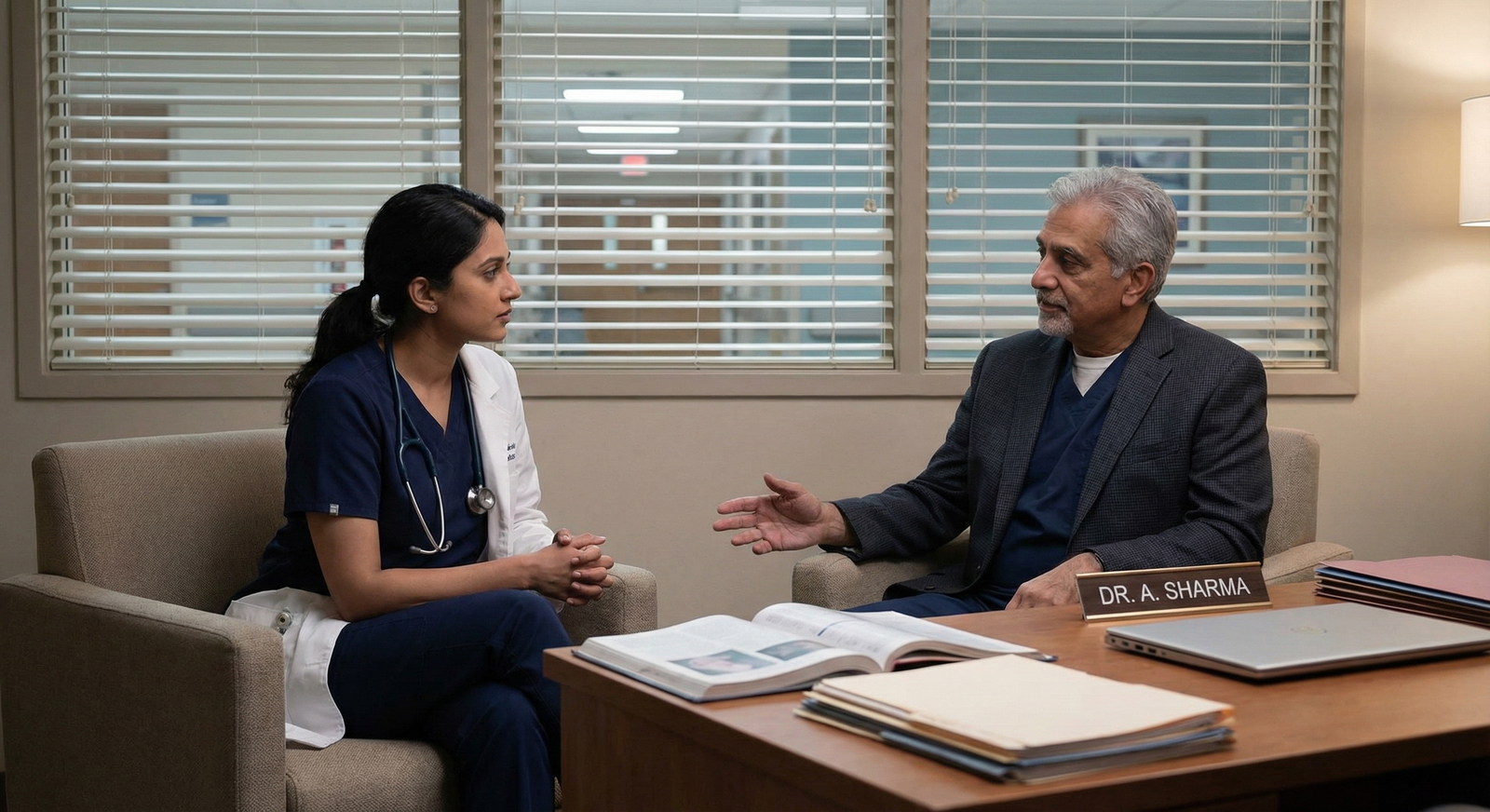
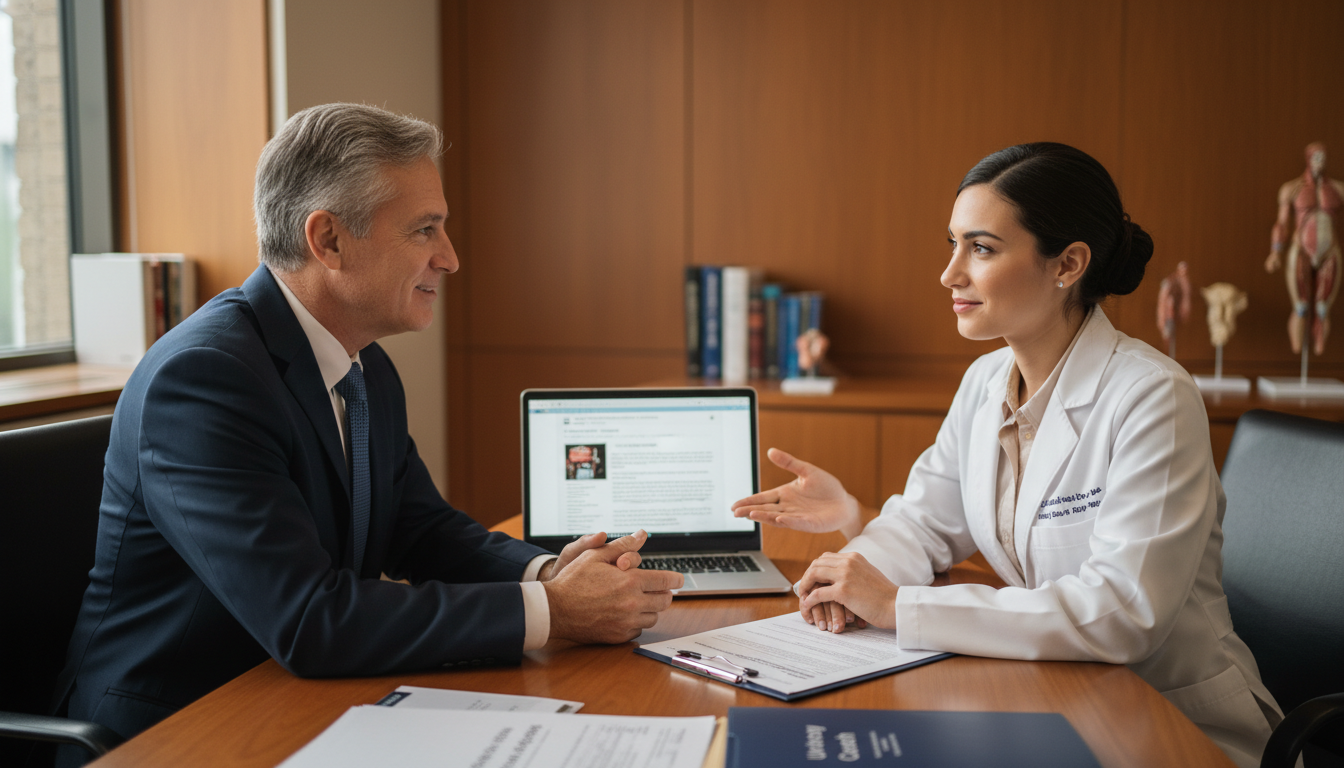
Mentorship in medicine is a core part of success, and mentorship in urology can be transformational for a US citizen IMG. You will want to build a small team of mentors who serve different roles: research advisor, career guide, and sometimes advocate.
Types of mentors you should seek
Home-base mentor (local or virtual)
- May or may not be a urologist
- Helps coordinate letters of recommendation, MSPE content, and overall timeline
- Understands your school’s structure and IMG challenges
Urology content mentor (ideally US-based)
- Practicing urologist who can:
- Offer specialty-specific guidance
- Help you understand current trends and expectations in urology residency
- Possibly involve you in research or case reports
- Practicing urologist who can:
Near-peer mentor
- US citizen IMG who:
- Successfully matched into urology (or another competitive surgical specialty)
- Can offer practical, lived experience and emotional support
- US citizen IMG who:
How to approach mentors in medicine professionally
When reaching out cold, keep messages:
- Brief
- Respectful
- Focused on asking for advice first, not opportunities
Example email to a potential urology mentor:
Subject: US citizen IMG seeking urology career advice
Dear Dr. [Last Name],
My name is [Name]. I am a US citizen IM4 medical student at [School, Country] with a strong interest in urology and plans to apply in the US urology match in 20XX.
I have been reading your work on [specific area], and it aligns closely with my interests in [topic]. As I prepare for the upcoming application cycle, I am looking for guidance on how US citizen IMGs can best position themselves for urology residency.
If you might have 15–20 minutes for a brief Zoom or phone call in the coming weeks, I would greatly appreciate the opportunity to ask a few focused questions about your perspective on this path.
Thank you for considering my request.
Sincerely,
[Full Name]
[Medical School, Expected Grad Year]
[Email] | [LinkedIn]
Many busy physicians will not respond—but a small percentage will, and those can become critical mentors.
Being a good mentee
To maintain and deepen mentorship:
- Prepare for meetings with specific questions:
- “Given my scores and background, which types of programs should I prioritize?”
- “What sort of projects would be most beneficial for my application?”
- Follow through on advice:
- If they suggest you contact someone, do so and report back
- Respect their time:
- Keep meetings to the agreed length
- Send updates 2–3 times a year, not weekly messages
Over time, reliable follow-through can make a mentor more willing to:
- Write a stronger, more personalized letter
- Introduce you to colleagues at other programs
- Advocate informally when they hear of opportunities or open positions
Day-to-Day Networking Opportunities in Clinical Settings
While conferences and formal mentoring are important, much of your medical networking happens in smaller, everyday moments—even if your school has limited urology exposure.
During rotations (urology and non-urology)
Use every clinical rotation as a chance to:
- Develop a reputation as reliable, prepared, and humble
- Learn how to present patients concisely and clearly
- Show curiosity about urologic issues in other specialties (nephrology, oncology, geriatrics)
Even on non-urology rotations, connect dots:
“I’m very interested in urology, and I’ve noticed how often we consult urology for these patients. Is there anything specific you look for when deciding to involve urology in a case like this?”
Faculty in other specialties may know urologists and can sometimes introduce you or serve as strong letter writers.
Leveraging virtual opportunities
As an American studying abroad, you might not be physically present in US hospitals, but you can:
- Attend virtual urology grand rounds offered by some institutions
- Join webinars hosted by AUA sections or local urology societies
- Participate in virtual case conferences or journal clubs
During these virtual events:
- Introduce yourself briefly in the chat:
“US citizen IMG medical student from [School] interested in US urology residency—thank you for hosting this session.”
- Afterward, email the organizer:
“Thank you for organizing the excellent urology seminar on [topic] today. As a US citizen IMG, these virtual experiences are especially valuable. If there are ongoing educational series or research collaborations that welcome medical students, I would be grateful to hear about them.”
These small touches can gradually build a web of connections across multiple institutions.
Medical networking with peers
Peers can be unexpectedly powerful in your professional network:
- Classmates who match into medicine, surgery, or radiology may later:
- Alert you to open PGY-1 spots or research years
- Introduce you to urologists at their institutions
- Other urology applicants:
- Share information about programs
- Offer support and reality checks during the application season
Treat your peer network as colleagues, not competitors—especially in a small, interconnected field like urology.
Putting It All Together: A Networking Game Plan for the Urology Match
Below is a practical roadmap tailored to a US citizen IMG aiming for urology residency.
1–2 years before application
- Clarify your urology interest and narrative
- Begin following urology societies and programs online
- Identify potential mentors in medicine, especially in urology
- Participate in at least one research or quality improvement project, ideally with urologic relevance
- Start attending virtual or local urology events
9–12 months before application
- Choose and register for at least one major conference where you can do meaningful medical networking
- Reach out to potential mentors and contacts you’d like to meet at the conference
- Polish your LinkedIn and professional email presence
- Identify IMG-friendly programs and track where US citizen IMG applicants have matched in recent years
6–9 months before application
- Attend the conference with a clear networking plan
- Actively meet faculty and residents, especially from targeted programs
- Follow up with thank-you emails and connection requests
- Deepen relationships with 1–3 mentors in urology and related fields
3–6 months before application
- Ask mentors and key faculty if they would feel comfortable writing strong letters of recommendation
- Stay in touch with residents and faculty you’ve met, updating them (briefly) on:
- Completed research
- Exam scores
- Planned application cycle
- Attend any virtual residency open houses and keep track of who you speak with
During application and interview season
- Before each interview, review:
- Whether you have prior contacts at that institution
- Any interactions from conferences, emails, or virtual events
- During interviews, reference those prior connections naturally:
“I first learned more about your program when I spoke with Dr. [Resident/Faculty] at AUA. They mentioned [specific strength], which really stood out to me.”
- After interviews, send concise, individualized thank-you messages that reference prior interactions when relevant.
Taken together, this strategy can convert your status as a US citizen IMG from a perceived disadvantage into a distinctive story of initiative, resilience, and global perspective, reinforced by authentic, well-tended relationships across the field of urology.
FAQs: Networking in Medicine for US Citizen IMGs in Urology
1. As a US citizen IMG, do I really have a chance in the urology match, or is it too competitive?
Yes, you do have a chance—US citizen IMGs do match into urology, though the numbers are smaller compared with US MD/DO students. Your goal is to minimize avoidable weaknesses (e.g., lack of research, no US letters, no exposure) and maximize relational strength through targeted networking, strong mentorship, and thoughtful program selection. Strategic networking can make the difference between being an “unknown IMG” and being a known, credible applicant with advocates.
2. How early should I start networking if I’m interested in urology residency?
Ideally, start 1–2 years before you apply. Early networking allows time to:
- Build genuine mentorship relationships
- Join research projects and see them through
- Attend at least one major conference and follow up meaningfully
If you’re late in the process, focus on high-yield networking: identify potential mentors, attend any upcoming conferences or webinars, and connect with current residents from IMG-friendly programs.
3. I’m introverted and uncomfortable “selling myself.” How can I still network effectively?
Networking in medicine does not require being loud or extroverted. Focus on:
- Small, one-on-one conversations
- Asking thoughtful questions and listening carefully
- Following up with clear, concise emails
Many faculty deeply appreciate students who are prepared, respectful, and genuinely curious—traits that do not depend on being extroverted.
4. Is it okay to ask someone I met briefly at a conference for a letter of recommendation?
Generally no—not right away. Letters should come from people who know your work and character. Use conference meetings to open doors to:
- Future research or clinical collaborations
- Visiting rotations or observerships
- Ongoing advising
If you later work more closely with that person, a letter may become appropriate. Until then, focus on building depth before asking for high-stakes support.
Thoughtful networking is not about manipulating people; it’s about building real, professional relationships that help you grow and allow others to see your potential. As a US citizen IMG pursuing urology residency, you may start with fewer built-in connections, but with deliberate effort, you can create a powerful network that supports you throughout the urology match—and beyond.