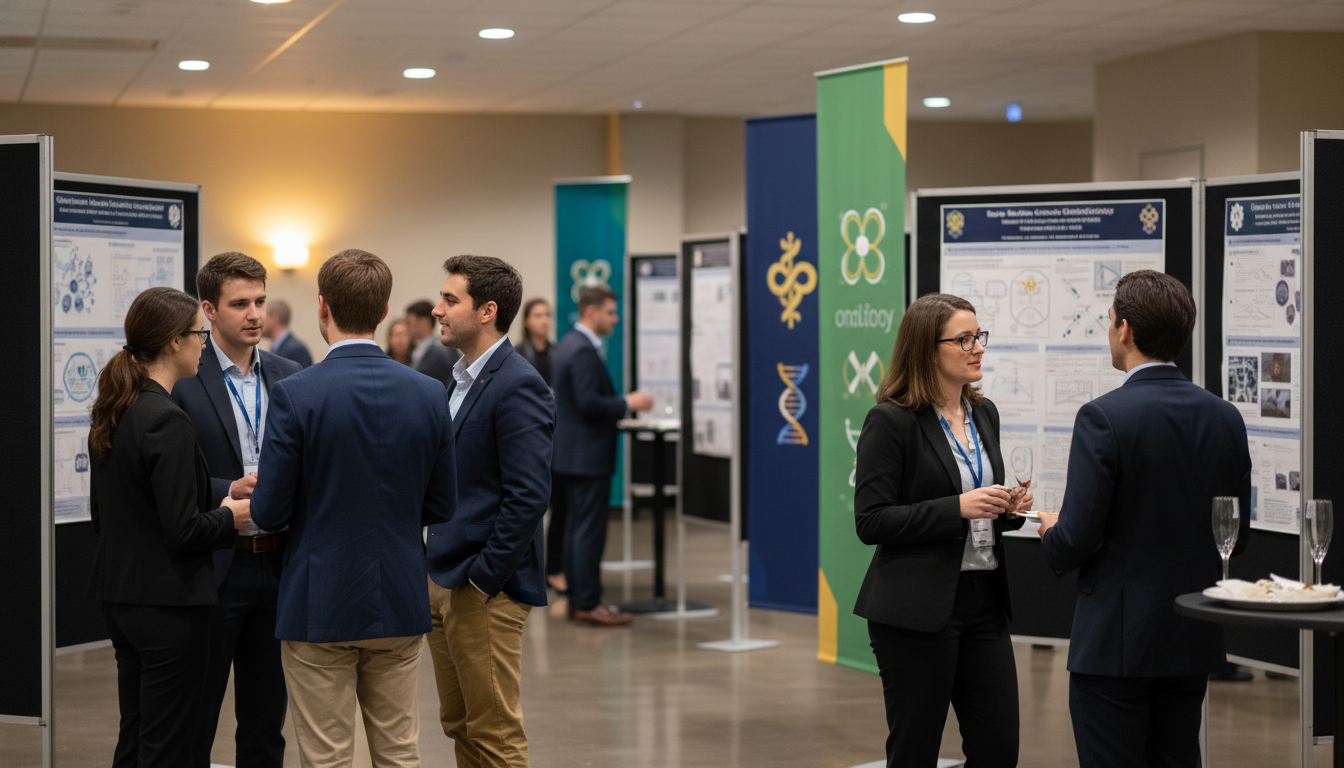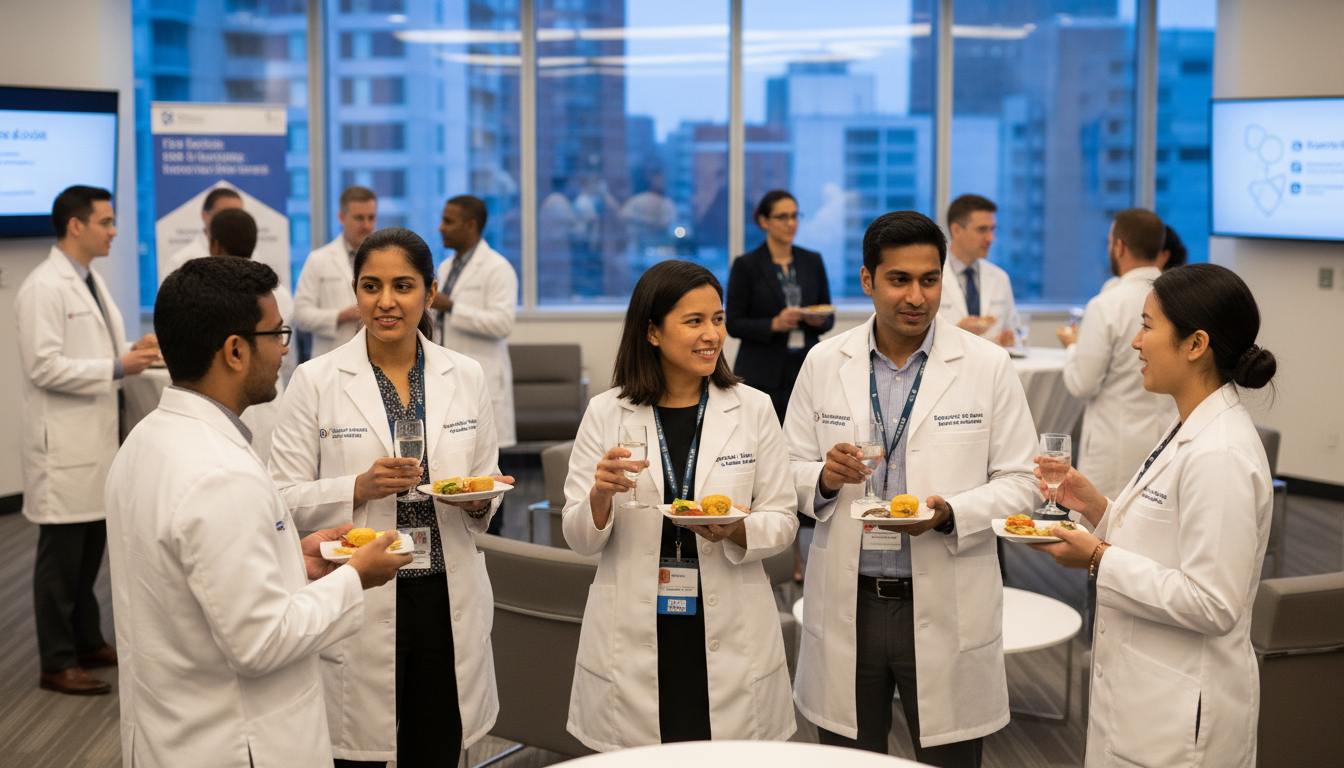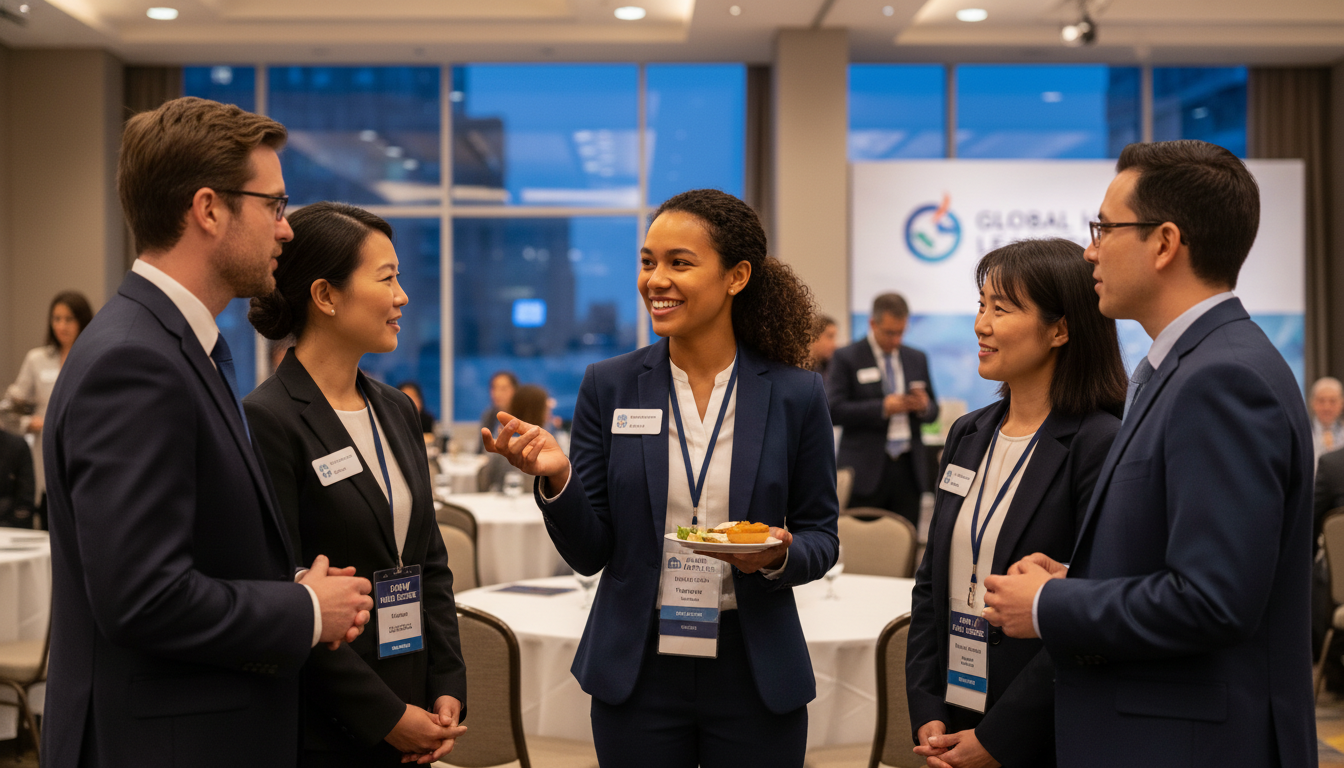
Networking in medicine is not about handing out business cards or collecting LinkedIn connections—it is about building genuine, long-term professional relationships that open doors to mentorship, research, advocacy, and ultimately, residency positions. For a US citizen IMG and especially an American studying abroad, effective networking can be the factor that transforms an uncertain path into a successful ophtho match.
Below is a detailed guide tailored to US citizen IMGs aiming for ophthalmology residency—with practical strategies, step-by-step approaches, and scripts you can start using today.
Understanding the Networking Landscape as a US Citizen IMG
Networking in medicine is different from other fields: it is structured, hierarchical, and deeply tied to mentorship, reputation, and shared work. For a US citizen IMG in ophthalmology, the challenges and opportunities are distinct.
Unique Challenges for US Citizen IMGs
Limited natural exposure to US faculty
- You may be training in the Caribbean, Europe, Asia, or elsewhere.
- Fewer built-in opportunities for US-based clinical rotations, shadowing, or casual exposure to program directors (PDs) and residents.
Less visibility in the ophthalmology community
- Many IMGs lack early access to ophtho-specific interest groups, labs, and departmental events.
- Your name is unfamiliar to most US academic ophthalmologists unless you deliberately create visibility.
Perception barriers
- Some programs are cautious about IMGs due to variability in training environments.
- You may not benefit from the “home program” advantage where PDs know a candidate for years.
Your Built-In Advantages as a US Citizen IMG
Citizenship simplifies paperwork
- No need for visa sponsorship removes a significant barrier for many programs.
- You can truthfully present yourself as “IMG without visa needs,” which some PDs consider favorably.
Cultural and communication familiarity
- Familiarity with US culture, health system expectations, and patient communication is often a plus.
- You can speak confidently about US healthcare topics, patient-centered care, and interdisciplinary practice.
A compelling narrative
- As an American studying abroad, you have a built-in story of adaptability, resilience, and global perspective.
- When used thoughtfully, this becomes an asset in networking conversations and interviews.
The goal of networking for you is two-fold:
- Become known to US-based ophthalmologists and departments.
- Be remembered positively as a motivated, reliable, and collegial future resident.
Core Principles of Effective Networking in Ophthalmology
Before jumping into tactics, it helps to understand the principles that make networking in medicine effective and authentic.
1. Focus on Relationships, Not Transactions
Bad networking: “Can you write me a letter?”
Good networking: “I’ve followed your work on diabetic retinopathy screening and would love to learn how I might contribute to a project like this, even in a small way.”
You want to be the person who:
- Shows consistent interest
- Adds value (e.g., helps with data collection, manuscript editing)
- Follows through on commitments
- Is pleasant and professional to work with
2. Demonstrate Credibility Through Action
In ophthalmology, your reputation is built by:
- The quality and reliability of your work on research projects
- How well you prepare for rotations, observerships, or electives
- Your behavior at conferences, on emails, and in virtual meetings
Networking works when people can confidently say:
- “This student is dependable.”
- “They are serious about ophthalmology.”
- “I would be comfortable having them in our program.”
3. Be Visible in Multiple Channels
You want to be seen:
- In person (electives, conferences, department events)
- Online (research profiles, LinkedIn, academic Twitter/X)
- Through your work (abstracts, posters, publications, presentations)
Ophthalmology is a relatively small field—names get around. Strategic visibility means the right people hear about you more than once.
Tactical Networking Strategies: Step-by-Step for US Citizen IMGs
This section breaks down practical strategies you can start using now, regardless of your current year in medical school.

1. Build Your Foundation: Online Presence and Story
Before you start actively networking, make sure what people find about you is professional and aligned with your goals.
Create a Focused Professional Identity
Minimum elements:
- Professional email
- Use a simple format: firstname.lastname@domain.
- Updated CV
- Highlight: education, US clinical experiences, research, leadership, ophthalmology exposure.
- LinkedIn profile
- Headline example: “US citizen IMG | Aspiring Ophthalmologist | Interested in retina and global eye health.”
- Add a concise “About” section summarizing your pathway as an American studying abroad.
Optional but high-yield:
- Research profiles (Google Scholar, ResearchGate) if you have publications.
- Professional Twitter/X focused on ophthalmology content, journals, conferences.
Develop Your Personal Narrative
You should be able to answer clearly:
- Why ophthalmology?
- Why did you choose to study medicine abroad as a US citizen?
- What unique perspective do you bring?
Keep a 30–45 second “intro” ready for networking situations:
“I’m a US citizen studying medicine at [School] in [Country], and I’ve become very interested in ophthalmology through [experience]. I’m particularly drawn to [subfield/interest], and I’m hoping to build more clinical and research exposure in US academic ophthalmology as I prepare for the ophtho match.”
You will reuse this at conferences, in emails, and during informal introductions.
2. Leverage Medical Networking Through Faculty at Your School
Even if your school has no ophtho department, you likely have:
- Internal medicine, neurology, pediatrics, or surgery faculty with US training
- Alumni who matched into ophthalmology or other competitive fields
- Visiting professors who rotate through
How to Start
Identify connection points
- Ask your dean’s office or student affairs: “Do we have alumni in ophthalmology or in US residencies?”
- Check LinkedIn or your school’s alumni page for “ophthalmology,” “retina,” “cornea,” etc.
Request brief meetings
Email template:
Subject: US citizen IMG seeking advice on ophthalmology pathway
Dear Dr. [Name],
My name is [Name], and I am a [Year] medical student at [School]. I am a US citizen IMG very interested in pursuing ophthalmology residency in the United States. I noticed that you [trained/practiced/are connected] in the US and was wondering if you might be willing to share 15–20 minutes of advice on how best to navigate this path as an American studying abroad.
I would be very grateful for any guidance or suggestions regarding clinical experiences, research, or individuals I might learn from.
Best regards,
[Name]
[Email]
Ask specifically about connections
- “Are there any ophthalmologists in the US you’d recommend I reach out to for mentorship or potential research opportunities?”
- “Do you know of any alumni currently in ophthalmology who might be open to speaking with me?”
This is classic mentorship medicine: using existing faculty relationships to open doors in another specialty.
3. Research as a Networking Engine in Ophthalmology
Research is one of the highest-yield ways to enter the US ophthalmology network as a US citizen IMG.
Finding Research Opportunities
Approach 1: Cold outreach to ophthalmology departments
Identify:
- Vision science or ophthalmology departments at US institutions (especially those with a history of working with IMGs).
- Faculty whose work aligns with your interests (retina, glaucoma, cornea, uveitis, etc.).
Email structure:
- Subject: “US citizen IMG interested in ophthalmology research”
- Brief intro: who you are, your interest in ophthalmology.
- Show familiarity: mention a recent paper or theme in their research.
- Offer time and effort: data entry, literature review, manuscript editing, chart reviews.
Example:
Dear Dr. [Name],
My name is [Name], and I am a US citizen IMG in my [Year] at [Medical School] in [Country]. I am strongly interested in pursuing ophthalmology residency in the United States and am particularly fascinated by your work on [topic].
I am eager to build research experience and would be grateful for any opportunity to assist with ongoing projects, even in a small role such as data collection, chart review, or literature review. I am comfortable with [mention any skills: Excel, basic statistics, R, SPSS, etc.], and I have flexibility in my schedule to dedicate consistent time to research.
If you think there might be a way I could contribute to your work, I would greatly appreciate the chance to speak further.
Sincerely,
[Name]Accept that response rates may be low—persistence matters. Sending 30–40 targeted, customized emails is not excessive.
Approach 2: Formal research fellowships or gap years
Some ophthalmology departments offer dedicated research positions, often filled by IMGs. These:
- Give you 1–2 years embedded in a US ophtho department
- Provide exposure to multiple faculty members
- Frequently lead to strong letters and publications
When evaluating these fellowships:
- Look for previous fellows who matched into ophthalmology or other competitive specialties.
- Ask directly during interviews: “Have prior fellows gone on to successful matches, particularly in ophthalmology?”
Using Research to Build Real Relationships
Once you secure a project:
- Communicate regularly and reliably.
- Offer to present posters or help with conference submissions.
- Ask your mentor for feedback not only on research, but also on your ophtho match strategy.
If you become known as the student who always follows through, your research mentor becomes:
- A strong letter writer
- A connector to other faculty
- Someone who might email a PD on your behalf when you apply
4. Conference Networking: Turning Events into Opportunities
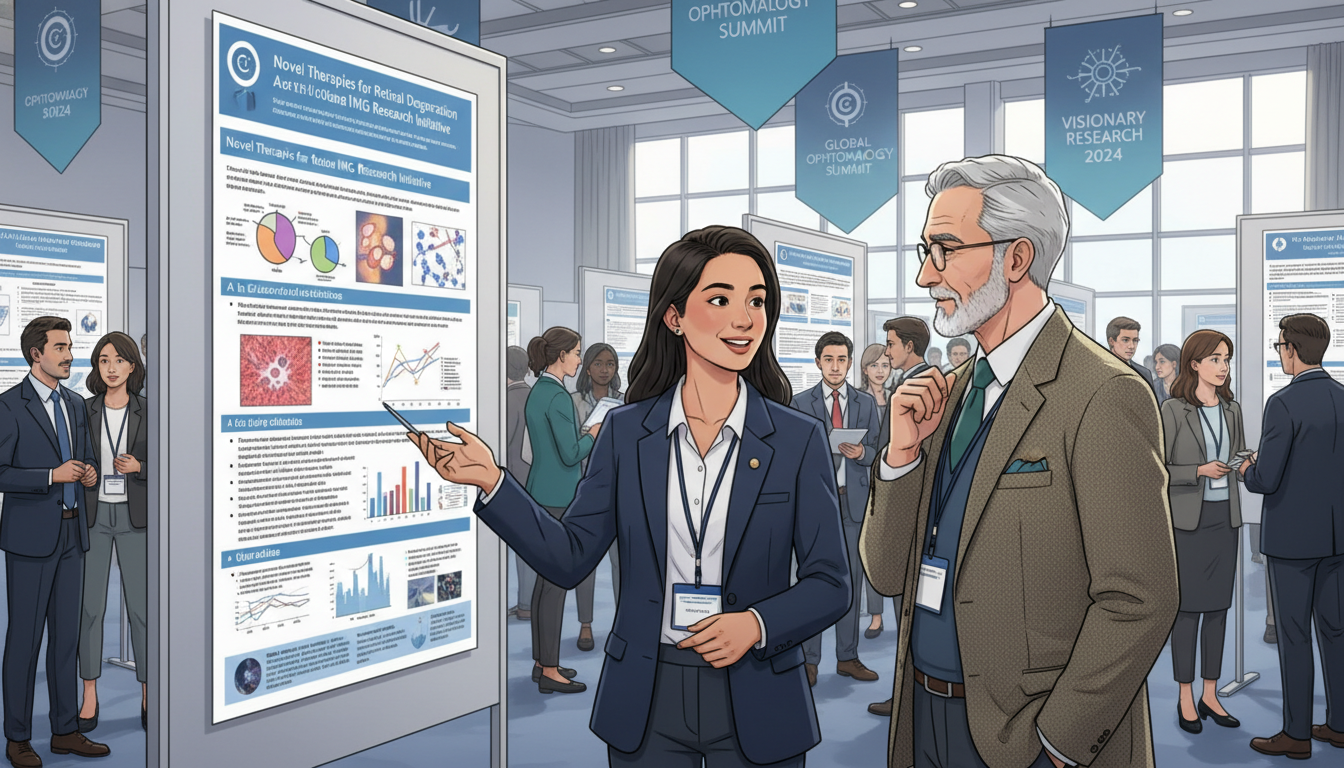
Conferences are one of the most powerful tools in medical networking—especially in a small field like ophthalmology.
Choosing the Right Conferences
For a US citizen IMG interested in ophthalmology residency, consider:
- AAO (American Academy of Ophthalmology)
- ARVO (Association for Research in Vision and Ophthalmology) — especially for research-focused networking
- Subspecialty meetings (ASRS, ASCRS, AAPOS) if you have related projects
If travel funds are limited:
- Prioritize the conference where your work is accepted.
- Apply for travel grants or IMG/student scholarships offered by societies.
How to Prepare
Know who will be there
- Look up program schedules, key sessions, and faculty from programs you want to apply to.
- Make a shortlist of 10–15 faculty or residents you want to meet.
Send pre-conference emails
Example:
Dear Dr. [Name],
I’m a US citizen IMG and aspiring ophthalmologist currently involved in [type of research] with [Mentor/Institution]. I’ll be attending [Conference] and noticed that you’ll be speaking on [topic]. I’ve been following your work on [brief comment].
If you have a few minutes during the meeting, I’d be very grateful for the chance to briefly introduce myself and ask for your advice as I prepare for the ophtho match.
Best regards,
[Name]
Prepare a concise “conference pitch”
- Who you are (US citizen IMG, school, year)
- Why ophthalmology
- What you’re working on currently
- Your goals for the next 1–2 years (US rotations, research, applying to ophthalmology residency)
Effective Conference Networking Behaviors
- Attend social events, resident breakfasts, young ophthalmologist sessions.
- Stand by your poster and actively talk to visitors.
- Ask thoughtful questions after talks or during Q&A.
- When you meet someone:
- Use their title (Dr. [Name]).
- Introduce yourself clearly.
- Thank them for their talk or time.
Afterward:
- Send a short follow-up email within 72 hours:
- “Thank you for taking the time to speak with me at [conference]. I especially appreciated your insights on [topic]. I hope to stay in touch as I continue to explore ophthalmology and prepare for residency applications.”
This is conference networking at its best: targeted, respectful, and tied to shared professional interests.
5. Mentorship in Medicine: Finding and Working with Ophthalmology Mentors
Mentorship is the backbone of networking in medicine. For US citizen IMGs, strong mentors can compensate for structural disadvantages.
Types of Mentors You Need
Ophthalmology content mentor
- Helps you understand the field, subspecialties, and evolving trends.
- Often a researcher or clinician in ophtho.
US residency process mentor
- Understands ERAS, SF Match, and specifically the ophtho match.
- May be an advisor, an older IMG who matched, or a faculty member in another specialty familiar with the US system.
Peer mentor
- Someone 1–2 years ahead of you (ideally another US citizen IMG in ophthalmology) who can share up-to-date, practical advice.
How to Convert Contacts into Mentors
A mentor relationship often begins after:
- A research collaboration
- A conference interaction
- A clinical rotation or observership
To nudge a general contact toward mentorship:
- Ask periodically for advice (“Would you mind if I check in every few months as I plan my path?”).
- Provide updates on your progress to keep them engaged.
- Respect their time: come with specific questions, not “What should I do?”
Remember: You don’t “declare” someone a mentor. The relationship evolves through consistent, respectful interaction.
6. Strategic Clinical Networking: Electives, Observerships, and Away Rotations
Direct clinical exposure in the US is crucial both for:
- Letters of recommendation (LORs)
- Being known to ophthalmology programs
For a US citizen IMG, this often comes in three forms: electives, observerships, and unofficial shadowing.
Electives and Away Rotations
If your school allows US electives:
- Aim for 1–2 ophthalmology electives in the US, ideally at:
- Programs with a history of IMGs
- Institutions where your research mentors work
- Approach each elective as a month-long interview:
- Arrive early, stay engaged, read about cases, and ask thoughtful questions.
- Introduce yourself to the program director and residents.
- Express your interest in ophthalmology clearly and early.
If a program cannot offer a formal elective:
- Ask whether you can at least do observerships or short-term shadowing in clinic or OR.
Extracting Networking Value from Clinical Time
During your rotation:
- Request a brief meeting with the PD or key faculty near the end:
- Share your interest in ophthalmology.
- Ask for feedback on your competitiveness and steps to improve.
- Ask residents:
- How they approached networking and research.
- If they know of programs open to US citizen IMGs.
If the rotation goes well:
- Later, when you apply, email your attending or PD:
- Remind them of your rotation.
- Ask if they would be willing to write a letter or advocate for you.
Integrating It All Into an Ophtho Match Strategy
Networking is not separate from your ophtho match strategy—it is your strategy’s backbone.
For a US citizen IMG, a high-yield plan might look like:
Pre-Clinical / Early Clinical Years (M1–M3 equivalent)
- Build foundational ophthalmology exposure (interest groups, shadowing, basic reading).
- Start mentorship medicine: identify one or two ophthalmology faculty or alumni to speak with.
- Begin low-stakes medical networking online (LinkedIn, Twitter/X, reading and sharing ophtho articles).
Late Clinical Years / Before Application Cycle
- Secure at least one meaningful research experience, ideally with a US institution.
- Attend at least one major ophthalmology conference if possible.
- Complete US-based electives or observerships in ophthalmology.
- Cultivate 2–3 mentors who know your work and trajectory.
Application Year
- Use your network for:
- Feedback on your personal statement.
- Programs to prioritize or avoid.
- Insight into how programs view US citizen IMGs.
- Keep mentors updated on interview invitations.
- If comfortable and appropriate, ask them to advocate for you at specific programs (some mentors will reach out to PDs directly).
Throughout, be systematic:
- Maintain a simple tracking sheet: contacts, date of last communication, context, and next steps.
- Follow up with people at reasonable intervals (every 3–6 months is usually appropriate).
Frequently Asked Questions (FAQ)
1. How early should I start networking if I’m an American studying abroad and interested in ophthalmology?
Ideally, you should start in your first or second year of medical school, even if informally. Early steps can be simple:
- Shadow a local ophthalmologist.
- Join ophthalmology interest groups or online communities.
- Reach out to one or two US-based mentors for general advice.
More intensive networking—research, conferences, electives—typically ramps up during your later clinical years, about 1–2 years before you apply for the ophtho match.
2. I feel awkward “networking.” How can I do this without seeming insincere or pushy?
Focus on learning and contribution instead of “getting something.” For example:
- Ask faculty about their career path, current projects, or subspecialty choices.
- Offer help with research or clinic tasks appropriate for your level.
- Be genuinely curious about others’ work and experiences.
If you consistently:
- Show respect for people’s time
- Prepare thoughtful questions
- Follow through on commitments
…you will not come across as pushy. You will be perceived as motivated and professional.
3. As a US citizen IMG, can networking really overcome the disadvantages I face in the ophtho match?
Networking cannot erase objective factors (scores, grades, research gaps), but it can:
- Get your application a closer look at programs that otherwise might not consider IMGs.
- Lead to stronger, personalized letters of recommendation.
- Connect you with opportunities (research fellowships, electives) that strongly boost your profile.
For many US citizen IMGs in ophthalmology, successful matches are often traced back to 1–3 key relationships built through deliberate, sustained networking.
4. What if I can’t afford to attend major conferences—will that ruin my networking chances?
Conferences help, but they are not the only route. Alternatives include:
- Virtual conferences and webinars: Many societies offer low-cost or free virtual access.
- Online networking: Engage with ophthalmology faculty and residents on professional platforms, respond to threads on research papers, and attend online journal clubs.
- Research teams: Joining a US-based research project often creates more meaningful, lasting relationships than a brief conference interaction.
If you can attend one major meeting during your entire training, choose the one where:
- You are presenting work, or
- You can meet multiple mentors and potential advocates at once.
By approaching networking as a long-term, relationship-centered process rather than a last-minute scramble, you can transform your trajectory as a US citizen IMG aiming for ophthalmology residency. Start small, be consistent, and let your curiosity, reliability, and professionalism speak for you in every interaction.