Why Networking Matters Even More for US Citizen IMGs in Radiation Oncology
Radiation oncology is one of the smallest and most interconnected specialties in medicine. Departments are relatively small, academic, and tightly networked. As a US citizen IMG or American studying abroad, that reality cuts both ways:
- Your application may start with less built-in visibility compared with US MDs.
- But strong, strategic networking can dramatically close that gap—and sometimes even turn it into an advantage.
In a specialty where nearly every program director knows colleagues at most other programs, your reputation, relationships, and name recognition can be as important as your metrics. Networking in medicine isn’t about schmoozing—it’s about building authentic, professional relationships that bring you mentorship, advocacy, and opportunity in the rad onc match.
This guide focuses specifically on networking in medicine for US citizen IMGs interested in radiation oncology residency—how to start, where to go, what to say, and how to turn brief encounters into concrete support for your career.
Understanding the Radiation Oncology Landscape as a US Citizen IMG
Before you can network effectively, you need situational awareness: how the field works and where US citizen IMGs fit into it.
The Unique Culture of Radiation Oncology
Radiation oncology is:
- Small – Many programs take 1–3 residents per year.
- Academic – Research and scholarly activity are highly valued.
- Collaborative – Daily interaction with medical oncology, surgery, physics, dosimetry, and nursing.
- Relationship-driven – Program directors, faculty, and leaders know each other from conferences, committees, and collaborative trials.
That means:
- Word-of-mouth recommendations carry a lot of weight.
- A single strong mentor can open multiple doors for you.
- A great impression at a conference or away rotation can spread quickly.
Where US Citizen IMGs Start at a Disadvantage
As a US citizen IMG or American studying abroad, you may face:
- Less face time with US radiation oncology departments during medical school.
- Limited built-in referrals from home-school faculty to PDs across the country.
- Skepticism or unfamiliarity with your school or curriculum.
Networking doesn’t erase these challenges, but it directly compensates by:
- Giving you visibility as an individual, not just “an IMG.”
- Securing personal advocates who will vouch for your work ethic and potential.
- Helping you navigate strategy for the rad onc match (where to apply, how to sequence rotations, whether to do a research year, etc.).
Core Principles of Effective Medical Networking for IMGs
Before tactics, you need the right mindset. Networking in medicine can feel awkward, especially if you’re starting from outside the US system. Keep these principles in mind.
1. Aim for Relationships, Not Transactions
A transactional mindset sounds like: “Can you write me a letter?” or “Can you get me into your program?”
Instead, build professional relationships based on:
- Shared interests (e.g., CNS tumors, GI, global oncology, AI in radiation planning).
- Curiosity and learning (asking thoughtful questions about their work).
- Mutual respect and reliability (doing what you say you’ll do, following through).
If you consistently show up as interested, prepared, and humble, support naturally follows—letters, introductions, and opportunities will often come without you having to push aggressively.
2. Be Specific About Your Goals and Story
Vague goals (“I like oncology”) are hard for mentors to help with. Clear and honest framing helps others see where you fit and how they can support you:
- “I’m a US citizen IMG interested in radiation oncology, with particular interest in head and neck cancers and disparities research.”
- “I’m currently doing my clinical years in [Country], but I plan to return to the US for a radiation oncology residency.”
When mentors understand your context as a US citizen IMG, they can:
- Offer targeted advice about exams, visas (if relevant), and timing.
- Connect you with others who have a similar background.
- Provide realistic input on your rad onc match strategy.
3. Lead With Value and Professionalism
Even as a student, you can provide value:
- Reliability – Respond promptly, meet deadlines, show up prepared.
- Research help – Data collection, chart review, reference formatting, figure preparation.
- Perspective – Insights into international training systems, language skills, or global health interests.
Professionalism is your brand: punctuality, respectful communication, appropriate boundaries, and integrity. The more stress-free you are to work with, the more mentors will advocate for you.
Building Your Network From Scratch: Step-by-Step
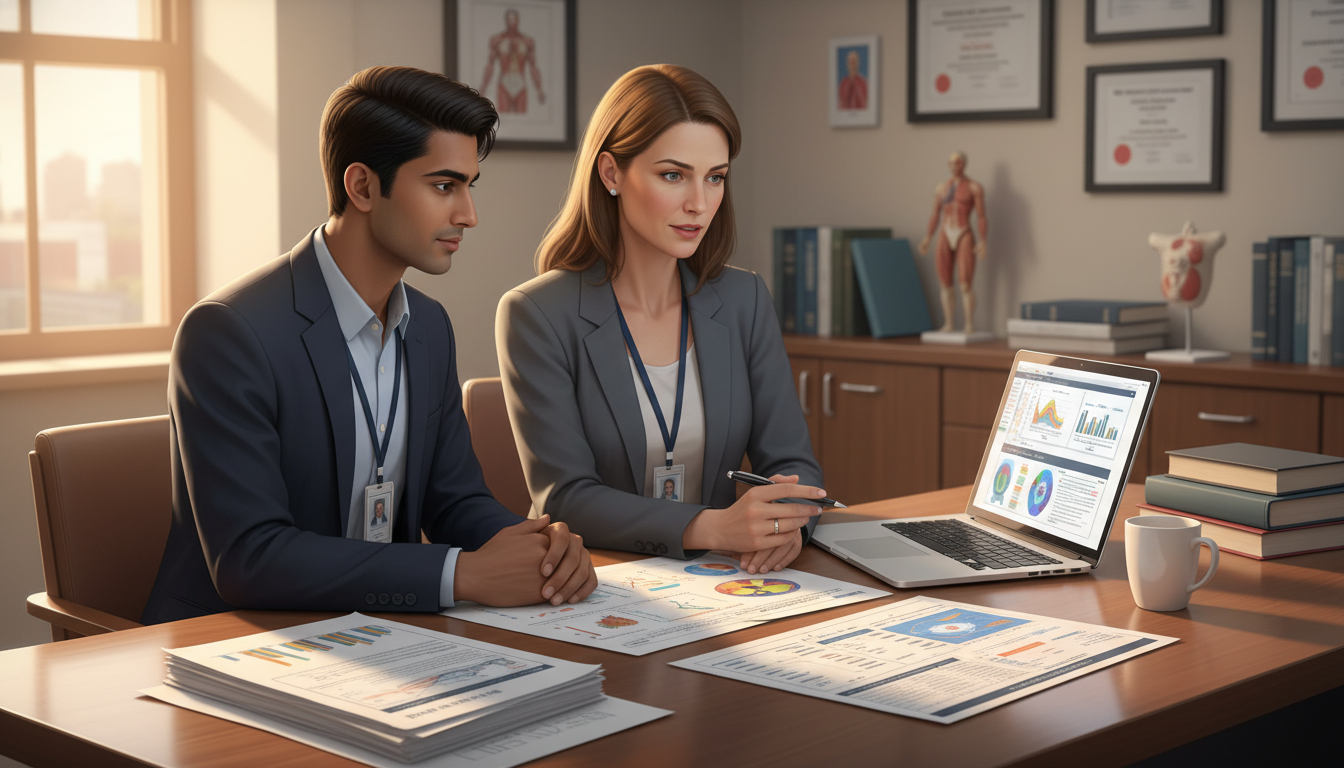
If you are an American studying abroad with no home radiation oncology department, you may feel like you’re starting at zero. You aren’t. Here’s a structured plan.
Step 1: Map Your Existing Connections
Start by listing:
- Your medical school oncology or radiology faculty – even if not rad onc.
- US-based alumni from your school in any oncology discipline.
- Personal contacts (family friends, college classmates, professors) who work in medicine in the US.
- Online communities (US citizen IMG groups, oncology interest forums, LinkedIn contacts).
Ask each of them a very simple question:
“I’m a US citizen IMG interested in radiation oncology. Do you know anyone in rad onc that you would feel comfortable introducing me to for career advice?”
You’d be surprised how often a casual contact leads to a meaningful introduction.
Step 2: Use Professional Platforms Strategically
For radiation oncology, LinkedIn is underused but powerful for IMGs.
- Create a clean, professional profile:
- Clear headline: “US citizen IMG aspiring radiation oncologist | Class of 20XX”
- Short summary focusing on your interest in radiation oncology.
- Add research, presentations, and any US clinical experience.
- Connect with:
- Radiation oncology faculty you’ve met (even briefly).
- Residents you encounter at conferences or online sessions.
- US citizen IMGs who matched into rad onc.
When you send a request, always add a note:
“Hello Dr. Smith, I’m a US citizen IMG interested in radiation oncology. I attended your ASTRO talk on SBRT last year and found your discussion of toxicity very helpful. I’d appreciate connecting here as I continue to learn about the field.”
X (Twitter) and Other Academic Social Media
Many radiation oncologists are active on X for academic discussions.
- Follow major rad onc leaders, departments, and journals.
- Engage by liking and occasionally commenting (with substance, not flattery).
- Share your own small wins—posters, abstracts, or reflections on articles (while respecting patient confidentiality).
Aim for professional and restrained engagement; your social media footprint will be considered part of your professional image.
Step 3: Join Formal Mentorship and Interest Programs
Seek out mentorship medicine initiatives specifically for oncology or IMGs:
- ASTRO (American Society for Radiation Oncology) often has trainee or student membership with access to:
- Mentorship programs
- Committee work
- Virtual educational series
- Institutional programs:
- Many large US cancer centers offer virtual shadowing, journal clubs, or elective rotations that you can join remotely.
- IMG-focused mentorship:
- Some academic centers or societies have informal or formal IMG mentorship channels—ask directly about this when you connect with faculty.
When you’re paired with a mentor, be proactive:
- Send a brief intro email with CV attached.
- Highlight 2–3 clear goals for the relationship (e.g., “understand the rad onc match timeline,” “identify 1–2 appropriate research projects,” “get feedback on my CV and personal statement”).
Mastering Conference and In-Person Networking in Radiation Oncology
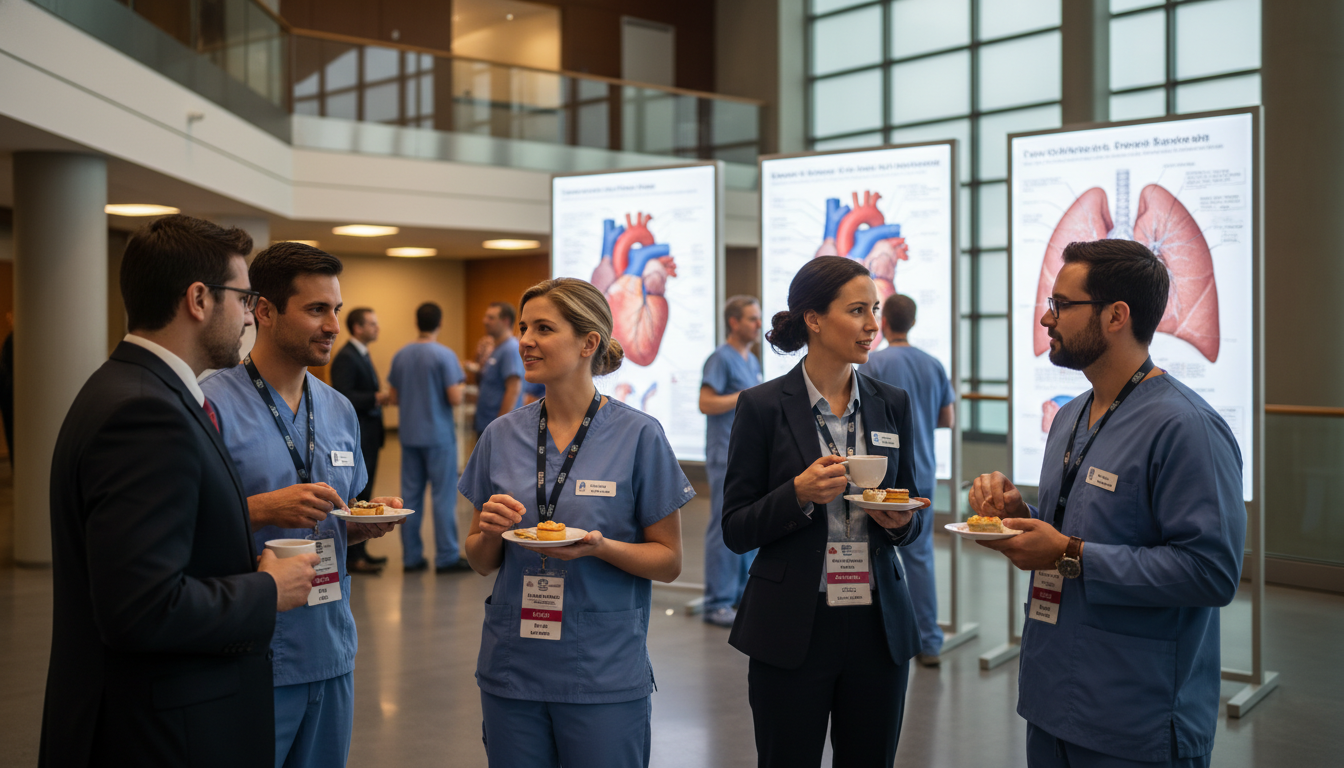
Conferences are where the entire field gathers—they’re gold mines for US citizen IMG networking.
Choosing the Right Meetings
Key conferences include:
- ASTRO Annual Meeting – The main radiation oncology meeting.
- Disease-site focused US meetings (e.g., CNS, GU, breast, GI) often have rad onc representation.
- Regional or institutional oncology symposia near where you are rotating or living.
If travel is challenging, prioritize:
- Virtual attendance when available.
- Smaller regional meetings you can realistically reach.
- Meetings where your mentor is presenting—this amplifies your introduction opportunities.
Preparing Before the Conference
Review the program:
- Identify sessions related to your interests (e.g., proton therapy, global oncology).
- Note down names of speakers who work at programs you’re interested in.
Contact mentors and residents ahead of time:
- “Will you be at ASTRO this year? If you have 10–15 minutes, I’d appreciate the chance to briefly say hello in person.”
Print business cards (simple, professional):
- Name, “US citizen IMG – Medical Student”
- Email, LinkedIn URL
- Graduation year and school
Prepare a 30-second self-introduction:
- Who you are: “I’m [Name], a US citizen IMG in my [X] year of medical school.”
- Your interest: “I’m pursuing radiation oncology with a particular interest in [disease site or theme].”
- One connecting thread: research interest, unique background, or current project.
How to Approach People at a Conference
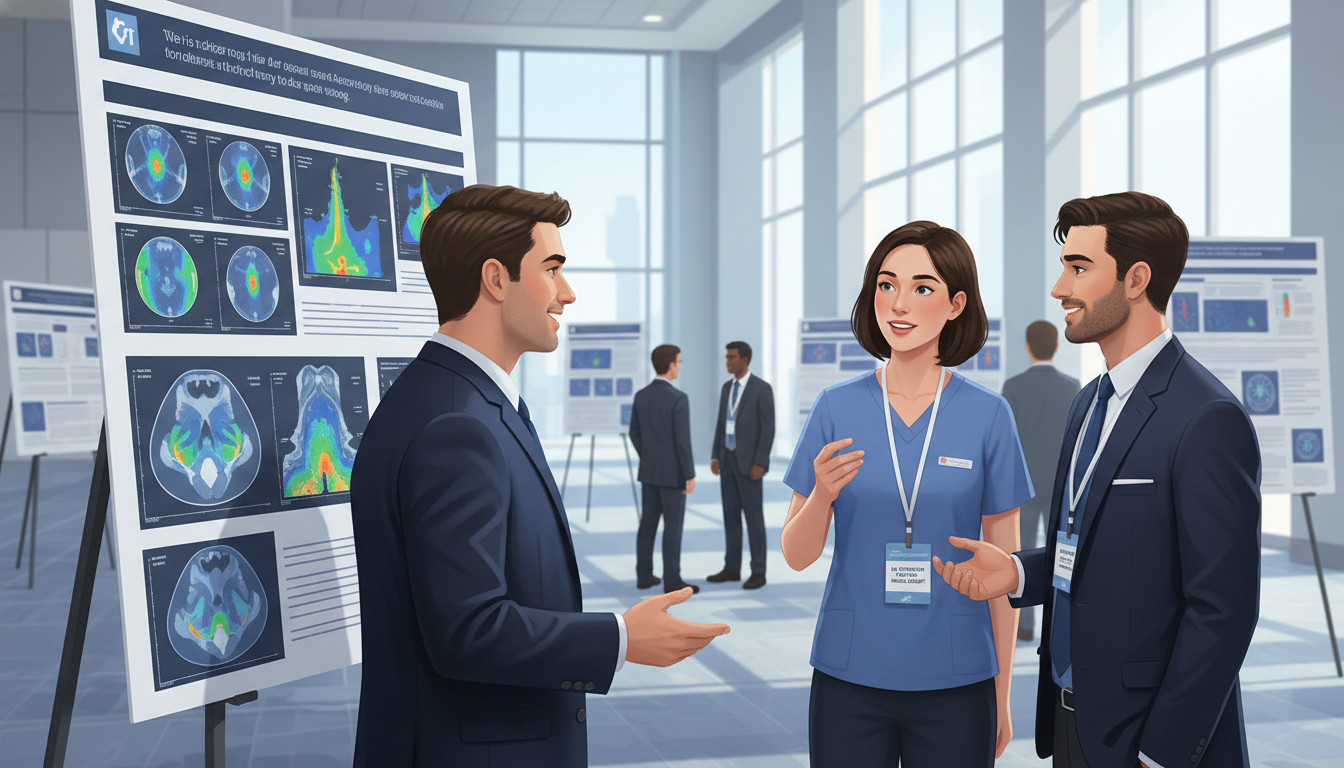
Walking up cold to faculty can be intimidating, but it’s completely acceptable, especially in poster sessions and networking events.
Scenario 1: After a Talk
- Wait until the session ends and a small group has gathered at the podium.
- Approach with a specific comment or question:
“Dr. Lee, I’m [Name], a US citizen IMG very interested in CNS tumors. I really appreciated your point about hippocampal avoidance. I was curious how your team handles patients who have difficulty with mask tolerance—do you typically involve behavioral health?”
- Keep it brief, thank them, and if the interaction goes well, add:
“If you’re open to it, I’d love to connect by email or LinkedIn; I’m exploring radiation oncology as a career.”
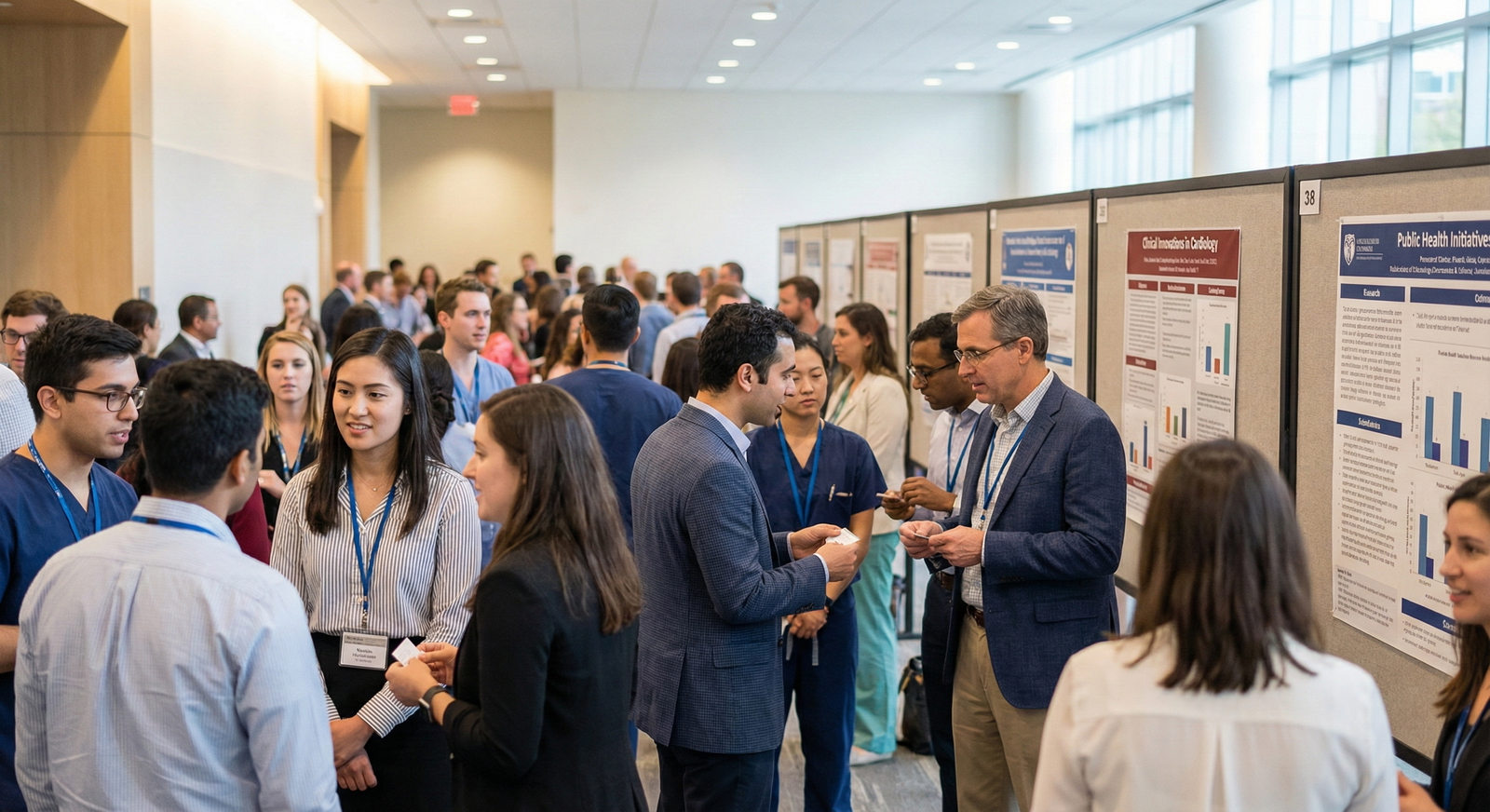
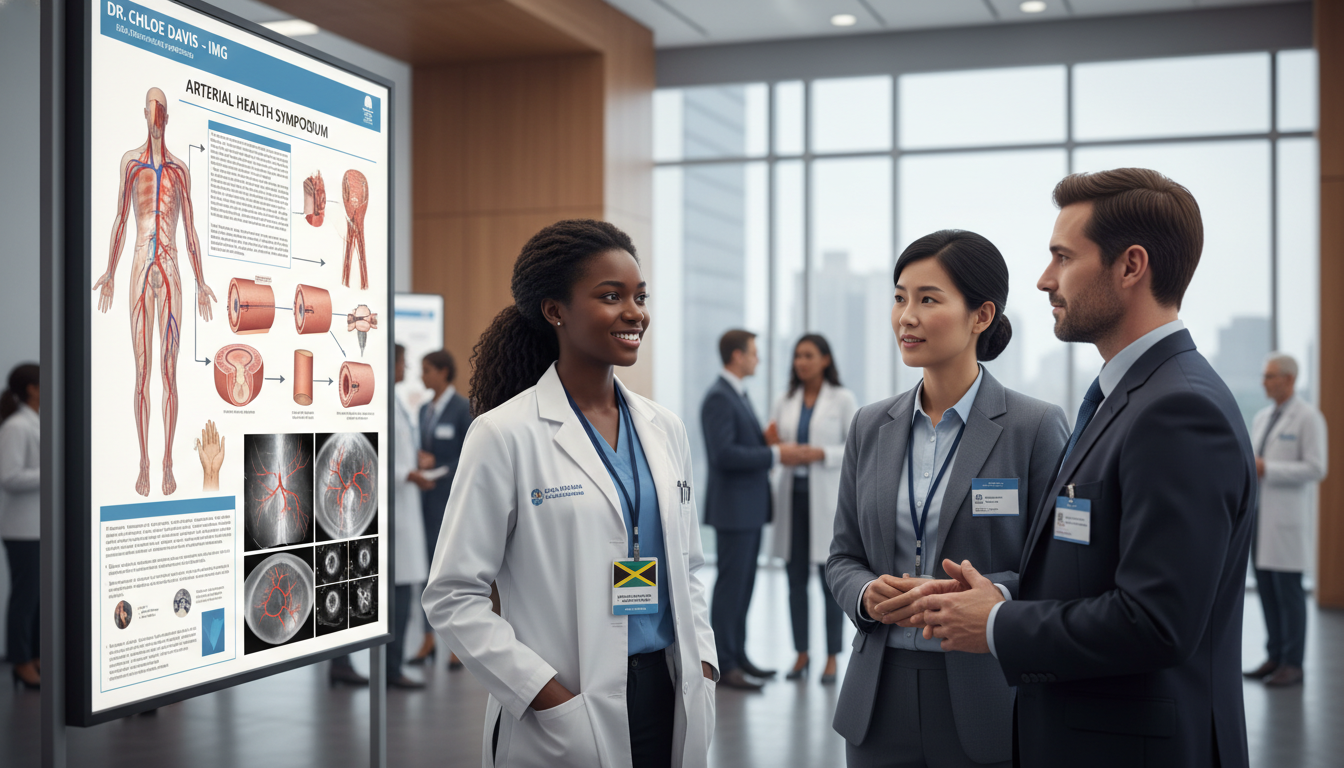
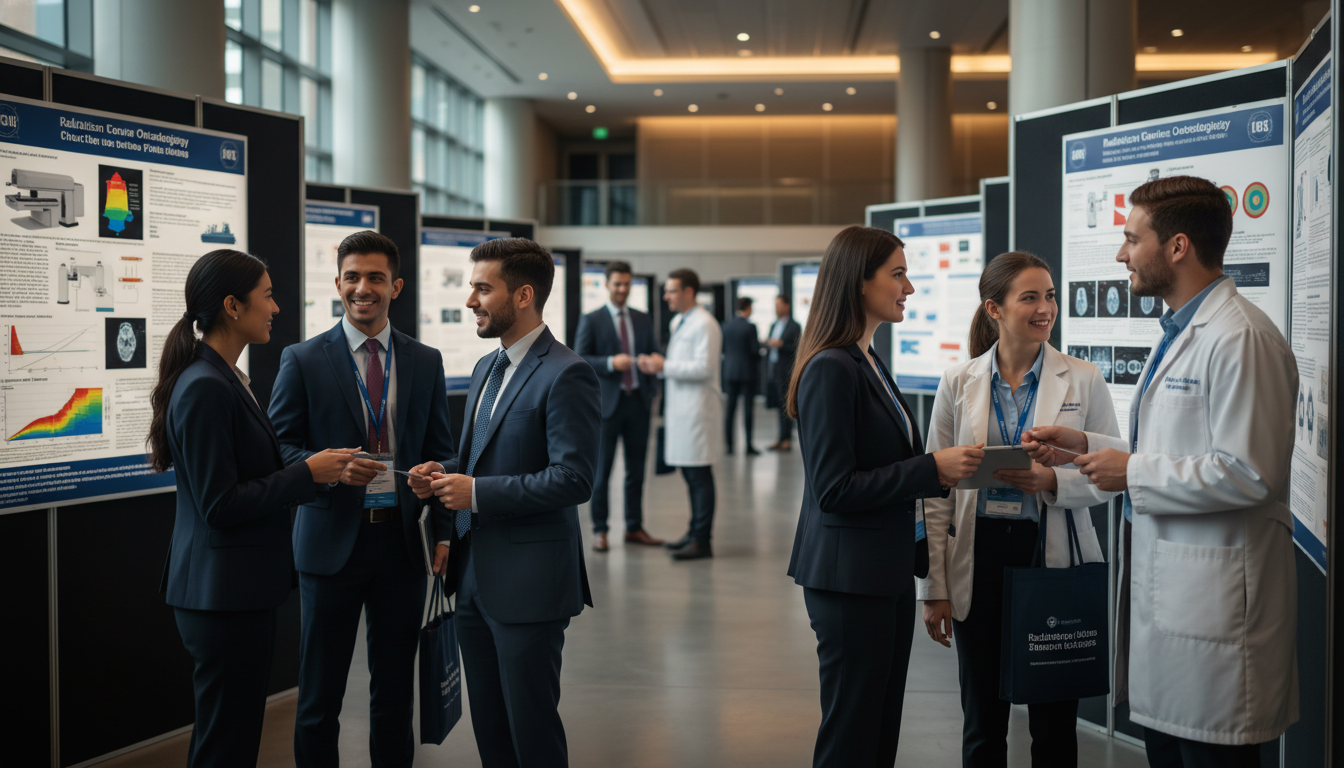
Scenario 2: At a Poster Session
- Approach posters closest to your interests.
- Ask the presenter:
“Could you walk me through the main takeaway of your work in 2–3 minutes? I’m still early in my training and trying to learn how people think through these treatment decisions.”
- If the presenter is a resident or fellow, they can be especially valuable contacts:
- Ask how they chose their program.
- If they know other US citizen IMGs in rad onc.
Following Up After Conferences
Within 3–5 days:
- Send concise follow-up emails:
- Remind them of the context (“We met at your ASTRO session on lung SBRT…”).
- Mention a specific thing you learned.
- Add one clear ask, if appropriate (brief Zoom, advice on a project, permission to keep in touch).
Example:
“Dear Dr. Ahmed,
It was a pleasure meeting you at ASTRO after your talk on adaptive RT in pancreatic cancer. I’m a US citizen IMG planning to apply for radiation oncology and your comments on multidisciplinary collaboration were especially helpful.
If you have 15–20 minutes in the coming weeks, I would be grateful for your advice on how someone in my position can build a compelling application, especially from outside the US system. Thank you again for your time and for the excellent presentation.
Best regards,
[Name]”
Turning Contacts Into Mentors, Advocates, and Opportunities
Networking only matters if it leads to ongoing relationships and concrete support in your rad onc match journey.
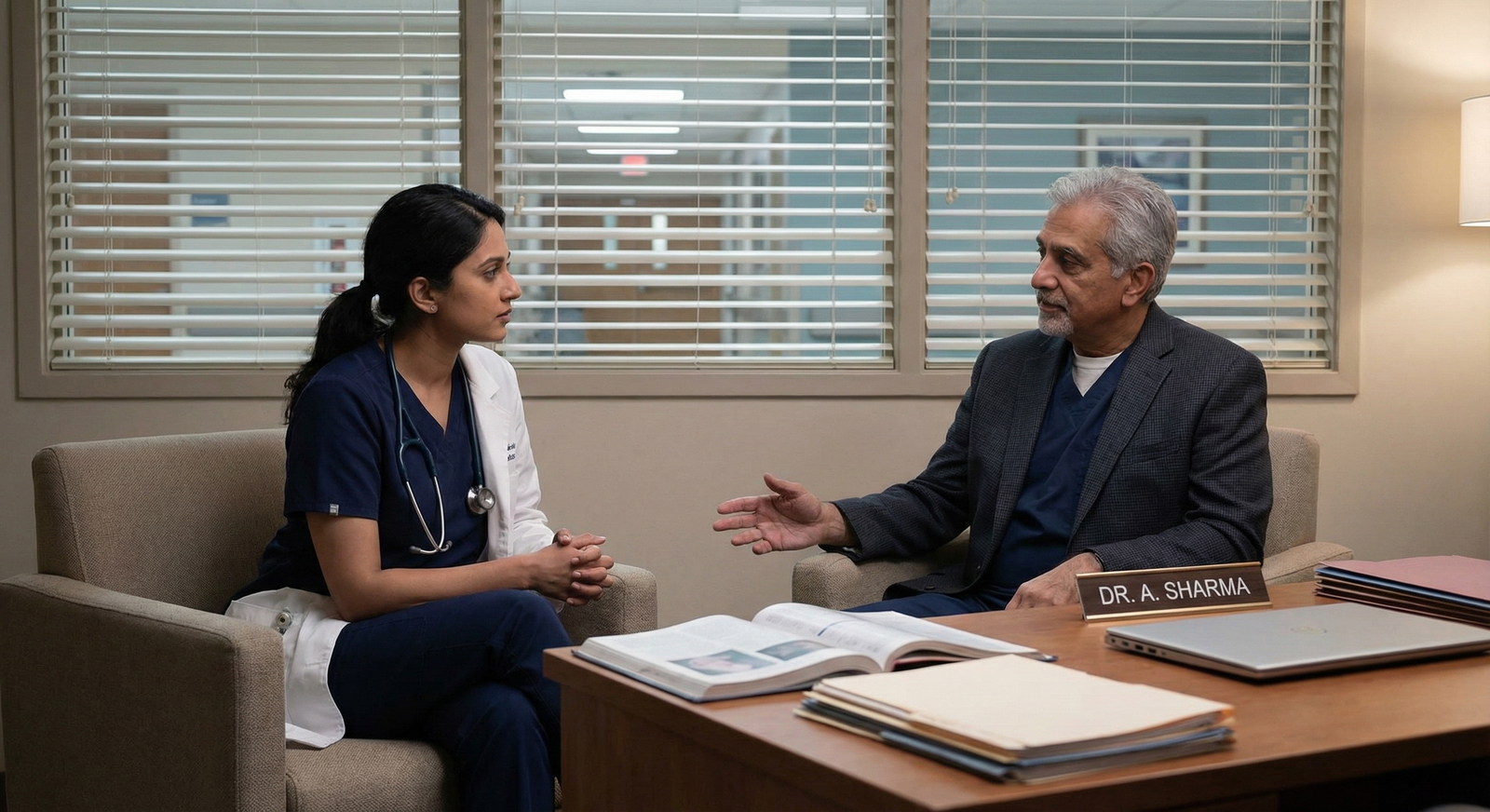
From One Conversation to an Ongoing Mentorship
Signs someone may be open to mentoring you:
- They respond thoughtfully to your initial emails.
- They ask about your goals and background.
- They offer to review your CV or personal statement.
- They suggest you reach out again with updates.
You can formalize this gently:
“I really appreciate the guidance you’ve shared over the past few months. Would it be alright if I considered you a mentor as I work toward applying in radiation oncology and occasionally update you or ask for advice?”
Then:
- Check in every 2–3 months with brief, structured updates:
- New experiences (electives, exams, research).
- Specific decisions you’re facing where their input would help.
- Always respect their time; send concise, well-thought-out questions, not vague “what do you think?” emails.
Leveraging Rotations and Research for Networking
For a US citizen IMG, US-based clinical and research experiences in radiation oncology are often the single most powerful networking tools you have.
Away Rotations (Electives)
During US electives:
- Identify a core group of faculty and residents to connect with.
- Show up early, prepare for cases, and volunteer for tasks (contouring practice, literature reviews, patient education materials).
- Ask residents how they ended up at their program and what they wish they’d known as applicants.
Near the end of the rotation, if you’ve built rapport:
“I’ve really appreciated learning from you this month. As a US citizen IMG, I know I have some extra challenges in the rad onc match. Do you have any advice, and would you feel comfortable staying in touch as I navigate the process?”
Faculty who are especially supportive might offer:
- To review your application materials.
- To connect you with colleagues at other institutions.
- To write a letter of recommendation (if you performed strongly).
Research Projects
Research is networking disguised as work.
- Ask mentors: “Is there a small project I could realistically complete or significantly contribute to from my current location?”
- Start with manageable tasks:
- Retrospective chart reviews.
- Case reports or case series.
- Quality improvement projects.
- Insist on clarity about authorship and expectations early on.
Each project expands your network:
- Co-authors at your mentor’s institution.
- Collaborators from other departments or centers.
- Opportunities to present at meetings, which become networking multipliers.
How to Ask for Letters and Advocacy
When it’s time to apply for radiation oncology residency:
- Approach mentors who:
- Have seen your work ethic and professionalism over time.
- Understand your story as a US citizen IMG.
- Are comfortable advocating for you.
Your ask should be clear and respectful:
“I’m preparing to apply for radiation oncology this cycle and would be honored if you felt able to write a strong letter of recommendation on my behalf. You’ve seen my work on [X] and [Y], and your perspective would mean a lot to me. I’ve attached my updated CV, personal statement draft, and a summary of our work together.”
For particularly senior mentors, you can also ask:
“If you feel comfortable, I’d be deeply grateful if you could reach out to any programs where you think I might be a good fit, especially given my background as a US citizen IMG.”
In a small field like radiation oncology, those quiet emails or phone calls can significantly impact your rad onc match outcomes.
Common Pitfalls and How to Avoid Them
Even well-intentioned networking can go wrong. Watch for these issues.
1. Being Overly Aggressive or Transactional
Red flags:
- Asking for a letter after one short interaction.
- Pushing for research authorship before contributing meaningfully.
- Repeatedly emailing without allowing time for response.
Alternative: focus on building trust first, then make reasonable, timed asks.
2. Neglecting Professional Boundaries
Remember:
- Faculty and residents are busy; be concise and patient.
- Keep relationships professional—avoid oversharing personal problems or venting about programs or colleagues.
- Social media is public: avoid complaints, unprofessional jokes, or anything that could be screen-captured.
3. Failing to Follow Through
This is especially damaging, because your reliability becomes part of your reputation in the rad onc community.
- If you agree to a task (data collection, draft writing), do it on time.
- If you’re delayed, communicate early and honestly—not at the last minute.
- Keep track of your commitments in a simple spreadsheet or task app.
4. Underestimating Resident Networks
Residents:
- Talk openly across programs (friends from med school, conferences).
- Often know about unadvertised research or rotation opportunities.
- May later become faculty and program leaders.
Treat residents with as much professionalism and respect as attendings; they can be your strongest allies.
Frequently Asked Questions (FAQ)
1. As a US citizen IMG, when should I start networking for a radiation oncology residency?
Ideally 1–2 years before you apply. That gives time to:
- Build at least one substantial mentorship relationship.
- Complete and present at least one research project.
- Arrange US-based radiation oncology electives.
If you’re closer to application season, start immediately—prioritize high-yield connections (rad onc faculty, residents, ASTRO activities) and be transparent about your timeline.
2. I feel awkward “bothering” faculty. How much contact is too much?
Reasonable contact:
- Initial introduction and thank-you email.
- Follow-up requests (e.g., one short Zoom, feedback on CV).
- Updates every 2–3 months or when you have a significant development.
Too much:
- Weekly emails without new content.
- Re-sending the same request multiple times within a short window.
- Pushing aggressively if they don’t respond; non-response is often a soft “no.”
Err on the side of concise, spaced-out communication and diversify your mentorship, so no single person feels overburdened.
3. I can’t attend big US conferences due to cost. How can I still network?
You still have options:
- Attend virtual components of major meetings (ASTRO often has recorded sessions and virtual tickets).
- Join online journal clubs or departmental seminars (many are open or can be joined by request).
- Focus on email and video networking:
- Request short Zoom meetings with faculty whose work you admire.
- Participate in virtual mentorship and interest groups.
- Prioritize local or regional oncology meetings near where you are—smaller meetings sometimes allow even more meaningful interaction.
4. How do I address my IMG background when networking without sounding apologetic?
Be matter-of-fact and confident:
“I’m a US citizen IMG studying at [School] in [Country]. Training abroad has given me exposure to [X], and I’m committed to returning to the US for radiation oncology residency.”
Focus on:
- What you’ve gained from your path (resilience, global health perspective, language skills).
- How you’ve bridged any gaps (US electives, exams, research).
- Your clear, long-term commitment to the specialty.
Most mentors understand that being an American studying abroad comes with additional hurdles; they’re usually more interested in your work ethic and trajectory than the name of your school alone.
Thoughtful, consistent networking in medicine—especially within the tightly knit radiation oncology community—can transform your trajectory as a US citizen IMG. By building real relationships, seeking mentorship, and showing genuine commitment, you’re not just trying to “get in”; you’re becoming part of the field you hope to join.