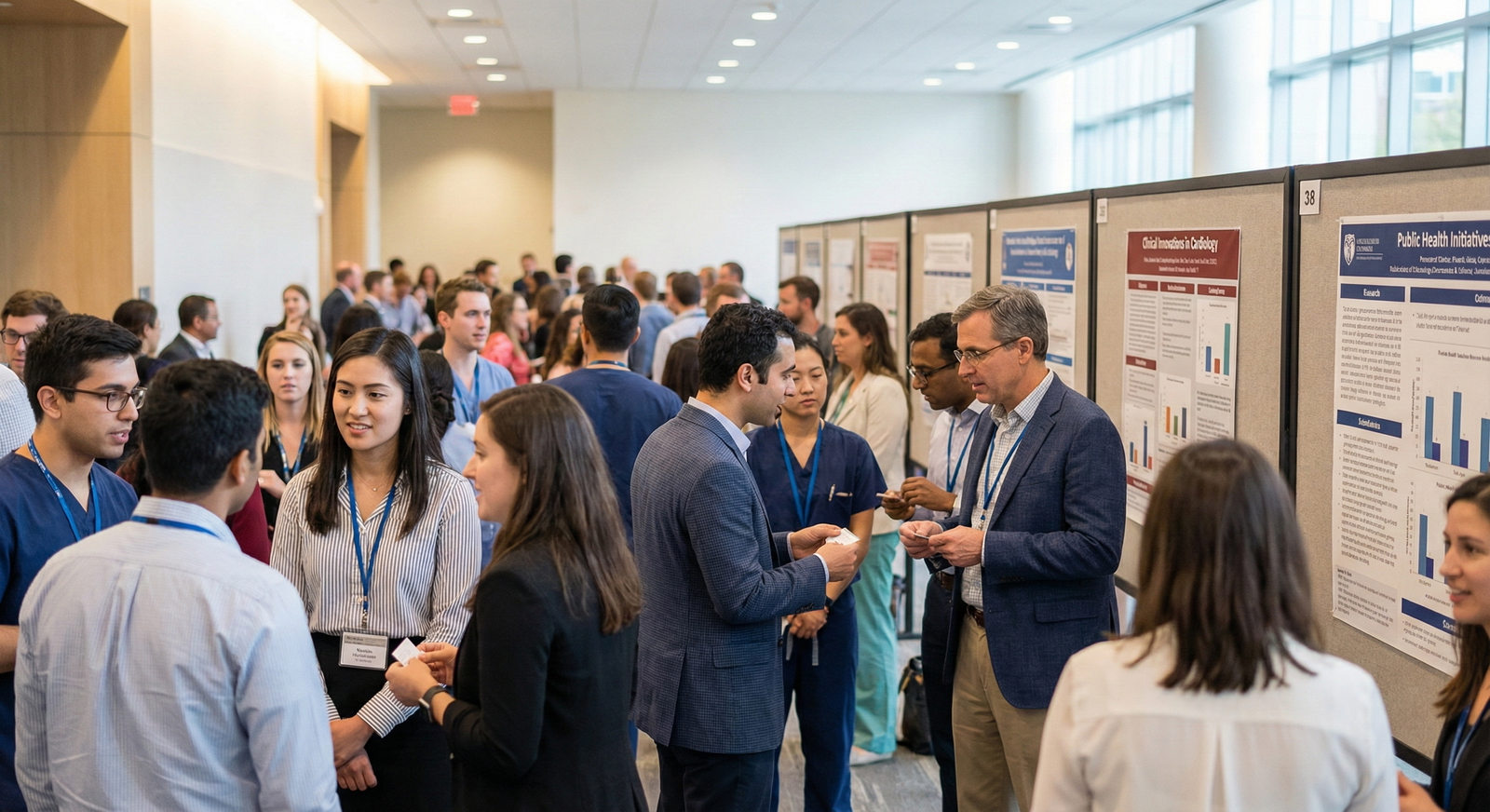
Networking in medicine can be the hidden difference between an average residency experience and an extraordinary career trajectory—especially in a relationship‑driven specialty like ophthalmology. As an MD graduate preparing for or navigating ophthalmology residency, the connections you build now can shape your ophtho match, your fellowship prospects, your early research portfolio, and ultimately your clinical practice.
Below is a practical, step‑by‑step guide tailored specifically to MD graduates in ophthalmology on how to build, maintain, and leverage a powerful professional network.
Understanding Networking in Ophthalmology: Why It Matters
In medicine, “networking” often gets misunderstood as shallow self‑promotion. In reality, effective medical networking is about building genuine, mutually beneficial professional relationships over time.
For an MD graduate focused on ophthalmology, networking supports you in at least five key domains:
The allopathic medical school match and beyond
- Even if you’ve already completed the allopathic medical school match and started an ophthalmology residency, networking is still critical:
- For early exposure to subspecialties (retina, cornea, glaucoma, oculoplastics, pediatrics, neuro‑ophthalmology, uveitis, etc.)
- For future fellowships and first attending jobs
- For collaborative research and quality improvement projects
- Even if you’ve already completed the allopathic medical school match and started an ophthalmology residency, networking is still critical:
Access to opportunities you can’t see on paper
- Many research openings, committee roles, speaking invitations, and local leadership positions never make it to public postings.
- They’re often filled by, “Do you know anyone who’d be good for this?”
- If your name is in someone’s mind when that question is asked, your career accelerates.
Strong letters and advocacy for the ophtho match and fellowships
- In ophthalmology, reputation travels quickly across programs.
- A mentor or senior faculty member who can vouch for you during fellowship selection or early career hiring carries tremendous weight beyond test scores or CV bullet points.
Clinical and technical growth
- Networking exposes you to different surgical styles, practice models (academic vs private vs hybrid), and clinical philosophies.
- Informal conversations with attendings and senior residents can yield practical tips you never find in textbooks or formal lectures.
Support, perspective, and wellness
- Residency is demanding. Mentors and peers can help you navigate burnout, imposter syndrome, and career doubts.
- A strong network offers advice when you’re choosing between subspecialties, institutions, or practice settings.
Key mindset shift:
Networking in medicine is not about “using people”; it’s about thoughtfully creating long‑term relationships where both sides grow, learn, and benefit.
Core Principles of Effective Networking for an MD Graduate
Before diving into specific tactics, adopt these foundational principles:
1. Think Long‑Term, Not Transactional
Avoid introducing yourself to someone only when you need a letter or a research spot. People sense when they’re being “used.”
Instead:
- Reach out early in residency to express interest, learn about their work, or ask for guidance.
- Keep in touch periodically, even when you don’t need anything.
- Offer updates on your progress—this builds narrative continuity and trust.
2. Be Specific About Your Interests
Ophthalmology is broad. Saying “I like ophthalmology” is generic; saying “I’m particularly interested in medical retina and tele‑ophthalmology for diabetic retinopathy screening” is memorable.
Practical step:
- Draft a 1–2 sentence “professional snapshot,” e.g.
“I’m a PGY‑2 ophthalmology resident with a strong interest in cornea and global ophthalmology, particularly capacity‑building in low‑resource settings. I’m looking to build research experience in corneal infections and keratoplasty outcomes.”
Use this when introducing yourself to faculty, mentors, or potential collaborators.
3. Deliver Value, Even as a Trainee
As an MD graduate early in your ophthalmology journey, you may feel you have little to offer. You do. For example:
- Help organize departmental events or journal clubs.
- Volunteer to assist with database building, chart review, or image grading for research.
- Share summaries of key papers with your team.
- Offer to mentor medical students interested in the allopathic medical school match into ophthalmology.
Networking works best when you’re seen as someone who contributes, not someone who only asks.
4. Follow Up Reliably
Professional reputations are built on small behaviors:
- If you say you’ll email an abstract draft by Friday, send it (or communicate delays).
- After someone meets with you, send a concise thank‑you email summarizing what you learned or plan to do.
- If they suggested an article, read it and send a brief reflection.
These micro‑behaviors signal maturity, reliability, and respect.
Building Your Network Inside Your Ophthalmology Program
Your home institution is your most immediate and powerful networking environment. Many MD graduate residents underutilize the people they see every day.

1. Faculty Relationships: Depth Over Breadth
You do not need to become close with every attending. Instead, aim to build deeper relationships with a handful of faculty whose interests and values align with yours.
How to do this:
- Identify targets: Look at your department’s faculty list. Note subspecialties, research themes, leadership roles (program director, medical student education, diversity and inclusion, etc.).
- Start small: After a clinic or OR day, say, “I really appreciated how you explained X to the patient today. I’m very interested in [subspecialty/area]. Would you be open to a brief meeting sometime to talk about your career path and how I can get more involved in this area?”
- Prepare for meetings: Bring:
- A concise CV
- Questions (about training, research, clinical practice, or work‑life integration)
- A sense of your own interests (even if still forming)
Example questions:
- “What led you to choose your subspecialty?”
- “What skills do you think are most important for someone entering [retina/cornea/etc.] today?”
- “Are there ongoing projects or committees where a resident could be helpful?”
2. Mentorship in Medicine: Finding the Right Mix
In mentorship medicine, you benefit from having different “types” of mentors:
- Clinical mentors – help refine your exam, surgical technique, and clinical judgment.
- Research mentors – help you plan and execute scholarly work.
- Career mentors – provide big‑picture perspective and guidance on jobs, fellowships, and life decisions.
- Peer mentors – residents one or two years ahead of you.
No single person needs to fill all these roles. It’s normal to have a “mentorship board” rather than a single mentor.
How to formalize mentorship:
- After a few positive interactions, you might say:
- “I’ve really appreciated your guidance over the past few months. If you’re open to it, I’d love to consider you a mentor as I navigate residency and my interest in [X]. Would it be alright if I checked in with you periodically?”
3. Networking with Co‑Residents and Fellows
Your co‑residents and fellows are future colleagues across the country. Treat these relationships seriously.
Practical ways to build these ties:
- Organize:
- Case‑based teaching nights
- Joint study sessions for OKAPs
- Informal journal clubs
- Help each other with:
- Surgical tips
- Research collaborations
- Reviewing personal statements or CVs for the ophtho match or fellowships
A peer who matches into a prestigious retina fellowship this year could be the attending who later calls another program director on your behalf.
4. Residents as Ambassadors: Medical Students and Early Networking
Many MD graduates underestimate the networking potential that comes from mentoring medical students:
- Serve as a point person for students interested in ophthalmology.
- Include students in research projects when possible.
- Speak at student interest group events.
You become known as a supportive, engaged young physician—this reputation often travels up the chain to faculty and program leadership.
Expanding Your Network: Conferences, Societies, and the Digital World
Ophthalmology is rich with national and international networking opportunities. As an MD graduate, these should be strategically planned rather than random.
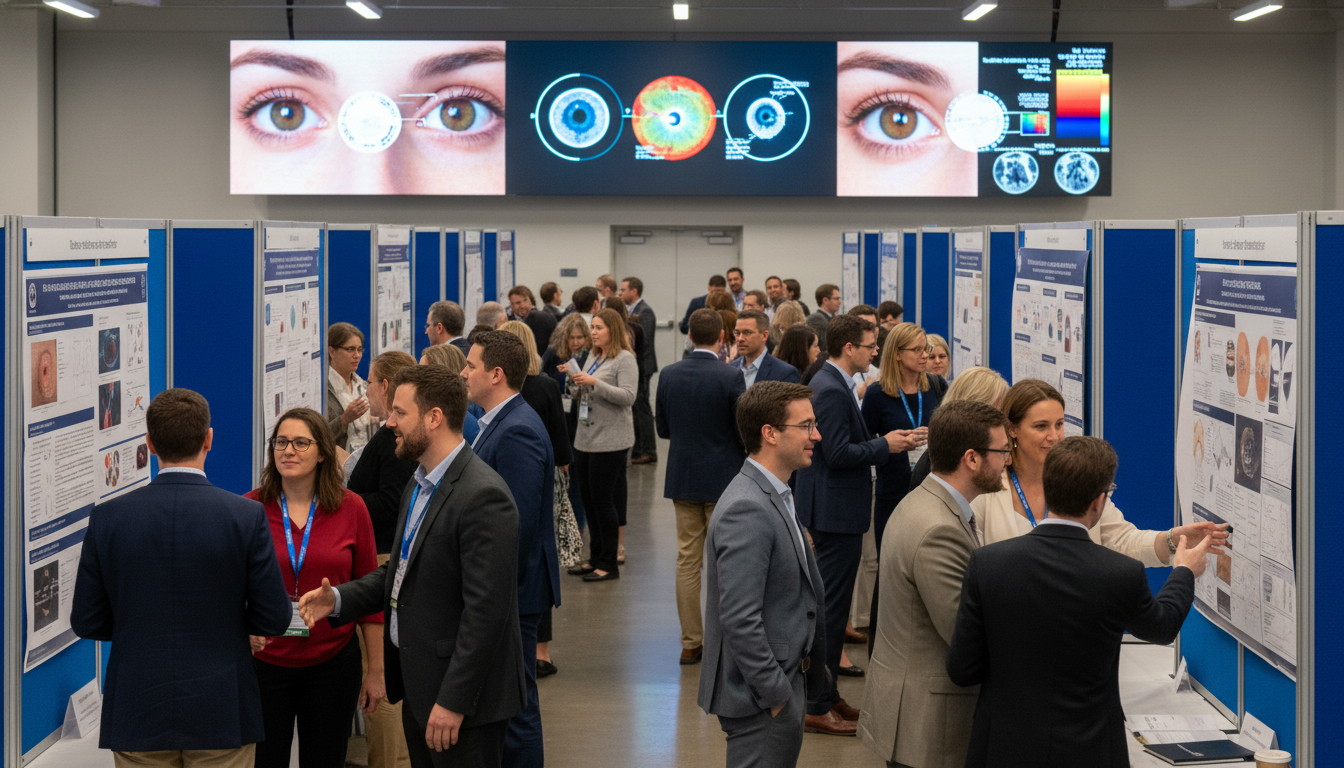
1. Conference Networking: Turning Meetings into Relationships
Conferences (AAO, ARVO, subspecialty meetings like ASCRS, ASRS, AAPOS, etc.) are ideal for dense, high‑impact networking.
Before the conference:
- Review the program and:
- Highlight sessions within your subspecialty interest.
- Identify speakers whose work you admire.
- Reach out in advance:
- “Dear Dr. X, I’m a PGY‑2 ophthalmology resident at [Institution] interested in [Area]. I’ve been following your work on [Specific topic] and will be attending your session at [Meeting]. If you have 10–15 minutes for a brief conversation during the conference, I’d be grateful for the chance to introduce myself and learn about your current projects.”
Even if they don’t reply, you’ve primed the connection.
During the conference:
- Attend talks on time and stay through Q&A.
- Ask thoughtful, concise questions—this increases visibility.
- Introduce yourself after a talk:
- “Dr. X, thank you for your excellent presentation. I’m an MD graduate in ophthalmology training at [Institution]. I’m very interested in [related area]. Do you have any advice for a resident trying to develop a research career in this field?”
Poster sessions:
- Presenting a poster gives you a natural conversation starter.
- Even when you are not presenting, circulate and:
- Ask presenters about their work.
- Exchange cards or LinkedIn contacts.
- Note names and areas of interest for follow‑up.
After the conference:
- Send short follow‑up emails:
- Thank them for their time.
- Reference something specific from your conversation.
- If appropriate, propose a concrete next step (e.g., “If you ever need resident support for data collection on [topic], I’d be excited to help.”).
This is medical networking at its most powerful: focused, respectful, and followed by action.
2. Joining Ophthalmology Societies and Committees
Professional societies often have sections for young ophthalmologists, residents, and fellows.
Consider:
- AAO (American Academy of Ophthalmology)
- ARVO (Association for Research in Vision and Ophthalmology)
- Subspecialty groups: ASRS, ASCRS, NANOS, etc.
Within these:
- Look for:
- Resident/Fellow committees
- Young ophthalmologist councils
- Diversity, global ophthalmology, or advocacy committees
- Volunteer:
- Help with webinars, newsletters, or educational content.
- Participate in leadership development programs if available.
Committee work builds relationships with peers and attendings across institutions, enhancing your visibility far beyond your program.
3. Digital Networking: LinkedIn, Email, and Online Communities
While ophthalmology is a relatively small field, digital presence still matters.
LinkedIn:
- Create a profile emphasizing:
- Current role: “Ophthalmology resident (MD graduate) at [Institution]”
- Interests: subspecialties, research focus
- Publications and presentations
- Use a professional headshot and clear headline.
- Connect with:
- Faculty you work with
- Co‑residents and fellows
- People you meet at conferences
When sending connection requests, add a short personalized note:
- “It was great speaking with you after your ARVO presentation on [topic]. I’d love to stay connected as I develop my interest in [area].”
Email etiquette:
- Use clear subject lines: “Ophthalmology resident seeking guidance on [topic]” or “Follow‑up from AAO session on [topic].”
- Keep emails concise, respectful, and specific in your ask.
Online communities:
- Some specialties have active listservs, Slack groups, or forums for residents and young ophthalmologists.
- Participate constructively; avoid violating patient privacy or institutional policies.
Strategic Networking for the Ophtho Match, Fellowships, and Early Career
For MD graduates, the implications of networking change over time—from getting into ophthalmology (if you’re still in the application cycle) to shaping your subspecialty and career path.
1. If You’re Still Pre‑Match or Reapplying
If you are an MD graduate still trying to secure an ophtho match or reapplying:
Leverage medical networking to:
- Secure away rotations / visiting electives
- These are powerful audition opportunities where you can impress a program beyond your paper application.
- Use connections from your home program, faculty mentors, or conference introductions to identify places that welcome visiting students.
- Find research or preliminary work in ophthalmology
- This can strengthen your next application.
- A mentor at one institution may introduce you to collaborators at another, broadening your options.
Key tip: Be transparent yet professional about your situation. Many faculty respect resilience and are willing to advocate for strong candidates who needed a second cycle.
2. During Residency: Networking Toward Subspecialty and Fellowship
As you progress through residency, networking helps crystallize your direction:
Exploring subspecialties:
- Ask attendings about:
- Daily life in their subspecialty
- Job market realities
- Balance of clinic vs surgery
- Shadow multiple clinics and OR days early (PGY‑2/early PGY‑3), not just during your assigned rotations.
Preparing for fellowship applications:
- Start conversations by late PGY‑2 or early PGY‑3:
- “I’m leaning toward [subspecialty] and would value your perspective on fellowships or institutions I should consider.”
- Strong faculty advocates may:
- Call fellowship directors on your behalf.
- Help align your research to match your fellowship goals.
- Advise you on which programs fit your personality and strengths.
Example:
- You’re interested in surgical retina. Your retina mentor:
- Introduces you to colleagues at a high‑volume surgical program during ARVO.
- Later, they mention you directly to that program’s fellowship director when you apply.
- Your CV gets a closer read; your interview may go deeper because you’re a “known quantity.”
This is connection‑driven medicine in action—not favoritism, but informed advocacy based on genuine knowledge of your abilities.
3. Transitioning to Attending Life: Job Search and Early Practice
Networking remains essential as you approach the end of residency or fellowship:
Academic jobs:
- Often come from:
- Within your training institution
- Recommendations from mentors to their colleagues elsewhere
- Networking helps you learn:
- Where there are service or subspecialty gaps
- Which departments are growing or restructuring
- How protected time, call structures, and promotion expectations work in real life
Private and hybrid practices:
- Positions are frequently filled informally.
- Mentors may know:
- Which practices have a strong ethical culture and good surgical volume
- Where new associates have struggled
- Attend local and regional society meetings; these are heavily attended by private practice ophthalmologists.
Negotiation and contract review:
- Senior ophthalmologists in your network can:
- Review contracts
- Warn you about red flags (non‑compete clauses, unrealistic RVU expectations)
- Offer insight into fair compensation models in your region
Practical Do’s and Don’ts of Medical Networking in Ophthalmology
To keep your networking professional, ethical, and sustainable, follow these guardrails.
Do’s
- Do be genuine. Talk about what truly interests you, even if it’s evolving.
- Do respect time. If you ask for “15 minutes,” stick to it unless they extend.
- Do prepare before meetings or calls; review their publications or recent talks.
- Do follow through on commitments—this builds trust quickly.
- Do diversify your network across:
- Subspecialties
- Geographic regions
- Practice types (academic, private, VA, etc.)
- Do practice brief self‑introductions so you can confidently explain who you are and what you’re working toward.
Don’ts
- Don’t mass‑email generic requests like “I want research. Do you have any?” Make your ask specific and tailored.
- Don’t only contact people when you need something. Maintain light‑touch contact over time.
- Don’t oversell your experience. Under‑promise, over‑deliver.
- Don’t gossip or disparage others. The community is small; negativity travels fast.
- Don’t push for immediate results. Strong professional relationships are built over months and years, not days.
Integrating Networking Into Your Busy Residency Life
As an MD graduate in a demanding ophthalmology residency, time is your scarcest resource. Networking has to be intentional, not random.
Monthly habits:
- Attend at least one departmental conference where you introduce yourself to someone new.
- Email a brief update to one mentor (“Here’s what I’ve been working on; one question I have is…”).
- Update your CV or LinkedIn with any new presentations, publications, or responsibilities.
Quarterly habits:
- Present at least one case in grand rounds or a local meeting—public presence builds reputation.
- Set a 30‑minute meeting with a key mentor to reassess your trajectory (subspecialty plans, research, wellness).
- Reach out to one contact outside your institution (conference acquaintance, society contact) to maintain and grow your external network.
Yearly habits:
- Target at least one major conference (AAO, ARVO, or a key subspecialty meeting).
- Apply for at least one leadership, committee, or educational role.
- Reflect on your networking wins:
- Who helped you this year?
- How did you provide value to others?
- What relationships would you like to deepen next year?
By embedding these habits, networking becomes an organic part of your professional identity rather than a stressful add‑on.
FAQs: Networking in Medicine for MD Graduates in Ophthalmology
1. I’m an introvert. Can I still be effective at conference networking?
Yes. Introverts often excel at deeper one‑on‑one conversations, which are the backbone of meaningful connections. Strategy:
- Set modest goals (e.g., “I will have 3 substantial conversations per day”).
- Prepare a few opening lines and questions in advance.
- Focus on poster sessions or smaller workshops, which are more conducive to quiet, substantive interaction than large receptions.
2. How early in residency should I start thinking about networking for fellowship?
By mid‑PGY‑2, you should:
- Be exploring potential subspecialty interests.
- Have at least one or two mentors who know you reasonably well. By early PGY‑3, especially in competitive areas (retina, cornea, oculoplastics), you should be:
- Involved in at least one or two relevant research or scholarly projects.
- Talking with mentors about fellowship programs and developing a targeted plan.
3. Is it appropriate to ask a faculty member directly for a letter of recommendation after a short rotation?
It depends on the depth of your interaction:
- If you worked closely for several weeks and received positive feedback, it’s reasonable to ask:
- “Do you feel you know my work well enough to write a strong letter of recommendation for me?”
- If they hesitate or mention limited exposure, respect that. It’s better to have fewer strong letters than multiple lukewarm ones.
4. How do I maintain connections with people I meet at conferences without seeming annoying?
Aim for light but meaningful contact:
- Send a thank‑you email within a week.
- Occasionally (every few months), share:
- A brief update (“I’ve started a small project on X we talked about.”)
- A relevant paper or resource, with a one‑sentence comment.
- A note if you’ll be attending the same conference next year and would like to reconnect. If they don’t respond every time, don’t take it personally—faculty are busy. Consistency and professionalism matter more than frequency.
By approaching networking as an integral, ethical, and patient‑centered part of your ophthalmology career—as important as mastering the slit lamp or phacoemulsification—you position yourself not only for a successful ophtho match or fellowship, but for a fulfilling, well‑supported life in medicine.