Understanding Networking in Medicine as a Non-US Citizen IMG
Networking in medicine is more than collecting business cards or adding people on LinkedIn. It is the process of building genuine, professional relationships that open doors to mentorship, research, observerships, letters of recommendation, and ultimately residency positions. For a non-US citizen IMG or foreign national medical graduate, networking can be the strongest bridge between your current situation and a successful US residency match.
Unlike US graduates who often benefit from built-in networks at their medical schools, international graduates must intentionally create these connections—often from abroad, with visa limitations, financial constraints, and fewer in-person opportunities. The good news: effective medical networking is a skill you can learn, practice, and systematically improve.
In this article, you’ll learn:
- How to understand and map your current network
- Specific strategies for online and in-person networking
- How to use conference networking and mentorship medicine effectively
- Ways to overcome IMG-specific barriers (visa, geography, cultural differences)
- Practical scripts, examples, and follow-up templates
Throughout, the focus is on realistic, actionable strategies tailored to the unique challenges of the non-US citizen IMG.
Laying the Foundation: Mindset, Goals, and Network Mapping
Before sending emails or attending a conference, you need clarity about why you’re networking and what you can offer.
Shift Your Mindset: From “Asking for Help” to “Creating Mutual Value”
As a foreign national medical graduate, you may feel you are “bothering” people when you reach out. This mindset can paralyze you. Instead, think of networking as:
- Relationship-building, not transactional asking
- Long-term investment, not a one-time ask for a letter or position
- Mutual learning—you bring perspective, language skills, global health experience, and research help
Many US physicians enjoy mentoring IMGs because:
- They value diversity and global perspectives
- They need motivated students for research and quality improvement projects
- They remember someone helped them early in their careers
You are not only seeking; you are also contributing.
Clarify Your Networking Goals
Networking without clear goals quickly becomes frustrating. Define 2–3 concrete objectives for the next 6–12 months, such as:
- Obtain 1–2 US-based mentors in your target specialty
- Join 1 research project with a US institution
- Secure 1–2 observerships or externships
- Have informational interviews (short career chats) with 5–10 residents or attendings in your specialty
- Build a strong LinkedIn profile with 100+ meaningful connections in medicine
Write these goals down. This will guide who you contact, what you say, and which events you attend.
Map Your Existing Network (Even If You Think You Don’t Have One)
Most non-US citizen IMGs underestimate their existing network. Start by mapping:
1. People from your home institution
- Professors and department chairs
- Research supervisors
- Residency alumni who matched in the US (even 10–15 years ago)
2. International programs and collaborations
- Universities that had exchange agreements with your school
- Visiting professors who gave lectures in your country
- International conferences you’ve attended (even virtually)
3. Personal circles
- Friends, senior students, or relatives living in the US
- Current or former coworkers in hospitals with US-trained staff
Create a simple spreadsheet with:
- Name
- Role (consultant, resident, program director, researcher, etc.)
- Institution and specialty
- How you know them
- Contact details
- Last contact date
- Follow-up notes
This document becomes your living “network map” that you’ll update over time.
Online Networking: Maximizing Digital Platforms as an IMG
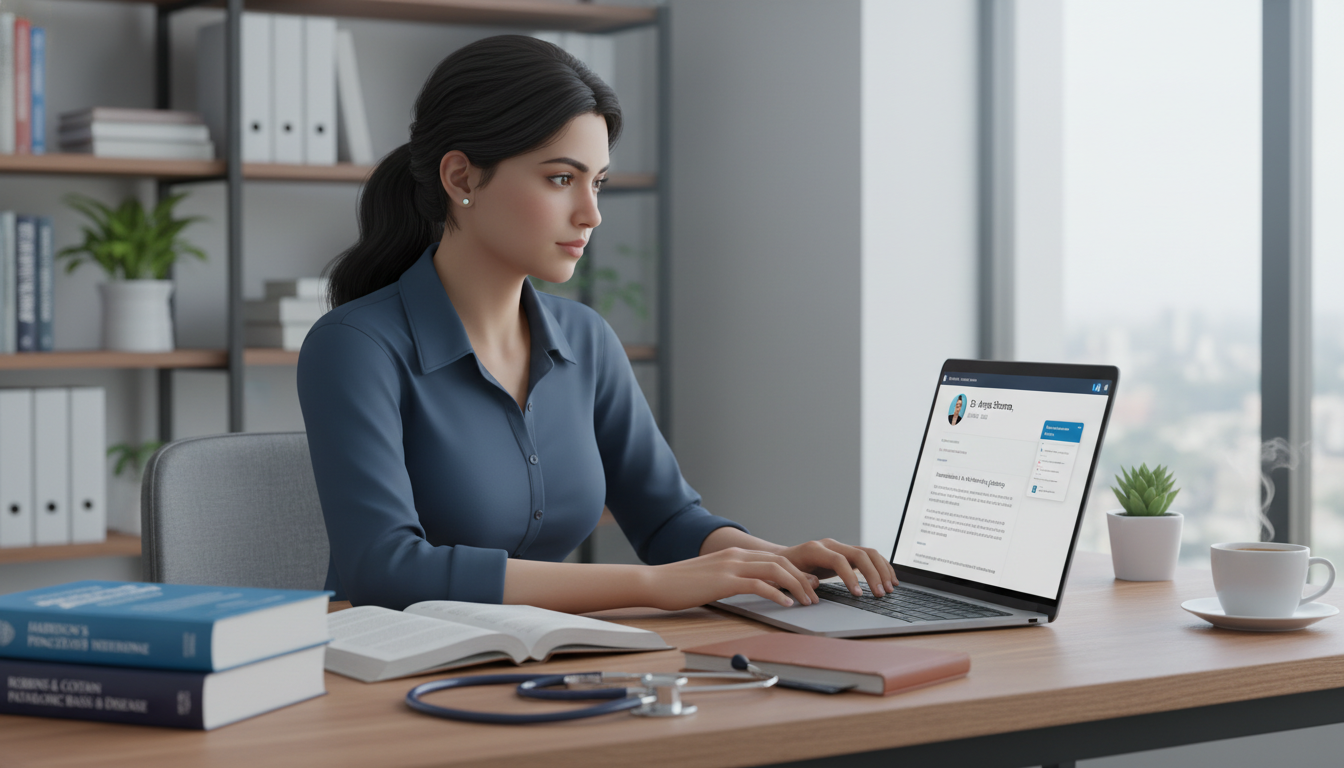
Online networks are particularly powerful for foreign national medical graduates who may be outside the US or limited by visa and travel barriers. Done right, your digital presence can bring opportunities to you.
Build a Professional Online Identity
1. LinkedIn: Your Primary Public Profile
Optimize your LinkedIn to specifically reflect your status as a non-US citizen IMG interested in US residency:
Headline example:
“Non-US citizen IMG | Aspiring Internal Medicine Resident | Interested in Cardiology Research | USMLE Step 1/Step 2 CK Complete”About summary example:
“I am a non-US citizen IMG from [Country] with a strong interest in internal medicine and cardiology. I have experience in clinical research, quality improvement projects, and medical education. Currently, I am preparing for USMLE and actively seeking mentorship and research collaboration opportunities with US-based physicians, particularly in [specialty]. My long-term goal is to train in the US and contribute to patient care and academic medicine in a diverse, multidisciplinary environment.”Add:
- USMLE scores or “USMLE Step 1 passed, Step 2 CK scheduled MM/YYYY”
- Clinical rotations (both home country and any abroad)
- Research, posters, presentations, publications
- Volunteer work or leadership roles
2. Research Platforms (if applicable)
- Google Scholar / ResearchGate: Link them in your LinkedIn profile
- Keep publication lists updated
- Follow researchers in your target specialty and institutions
3. Professional Email Identity
Create an email that looks professional:
Format:
firstname.lastname.md@gmail.comor similarUse a consistent signature block:
Name, MD (Non-US citizen IMG, [Country])
Aspiring [Specialty] Resident
USMLE: Step 1 [score if strong], Step 2 CK [status]
LinkedIn: [URL]
Email: [address] | Phone/WhatsApp: [optional]
Using LinkedIn for Targeted Medical Networking
1. Identify Relevant People
Search by:
- Specialty + “MD” + location (e.g., “pulmonary critical care MD New York”)
- “Program Director” + your specialty
- “[Specialty] resident” + hospital name
- Keywords like “international medical graduate,” “IMG,” or “global health”
Focus on:
- Residents and fellows (often more responsive)
- Assistant or associate professors involved in research
- Graduates from your medical school now in the US
2. Connection Request Scripts
Keep initial messages short and specific:
To a resident:
“Dear Dr. [Last Name],
I am a non-US citizen IMG from [Country], currently preparing for USMLE and hoping to apply to [specialty] in the next cycle. I saw your profile and noticed you are a resident at [Program], which I greatly admire. I would appreciate the opportunity to connect and learn from your experience as I plan my path.
Sincerely,
[Your Name]”To a faculty member with similar research interests:
“Dear Dr. [Last Name],
I am a foreign national medical graduate from [Country] with a strong interest in [field]. I read your recent work on [topic] and found it very insightful. I am preparing for USMLE and looking to engage in research in [area]. I would be grateful to connect here and follow your work.
Kind regards,
[Your Name], MD”
3. Engage Before Asking for Anything
Once connected:
- Like and thoughtfully comment on their posts
- Share relevant articles with a short personal insight
- If they share a publication, comment on one specific point you found useful
This shows genuine interest, not opportunism.
Cold Emailing for Shadowing, Research, or Mentorship
Cold emailing still works—especially when you are focused, respectful, and persistent.
General Principles:
- Keep emails under 200–250 words
- Personalize each email (no obvious copy-paste)
- Highlight what you can contribute (not only what you want)
- Accept “no” or no response gracefully and move on
Sample Email for Research Opportunity:
Subject: Non-US Citizen IMG Interested in [Specialty] Research
Dear Dr. [Last Name],
My name is [Name], and I am a non-US citizen IMG from [Country], currently preparing for USMLE and very interested in [specialty], particularly [specific topic such as heart failure, stroke, etc.]. I recently read your paper on [short title/topic] in [journal] and was especially interested in your findings about [1 specific detail].
I am hoping to gain experience in clinical research and would be grateful for any opportunity to contribute to ongoing projects remotely, including data collection, literature review, or manuscript preparation. I have prior experience in [briefly mention any research/skills: e.g., SPSS, Excel, REDCap, basic statistics, systematic reviews].
I understand your time is extremely limited, but if there is any way I might assist you or your team, even on a small project, I would be very grateful. My CV is attached for your reference.
Thank you for your time and consideration.
Sincerely,
[Your Full Name], MD
Non-US citizen IMG, [Country]
LinkedIn: [URL]
Send many of these (e.g., 30–50 carefully targeted emails), track responses in your spreadsheet, and expect a low response rate. One “yes” can significantly impact your trajectory.
In-Person and Conference Networking: Turning Contacts into Opportunities
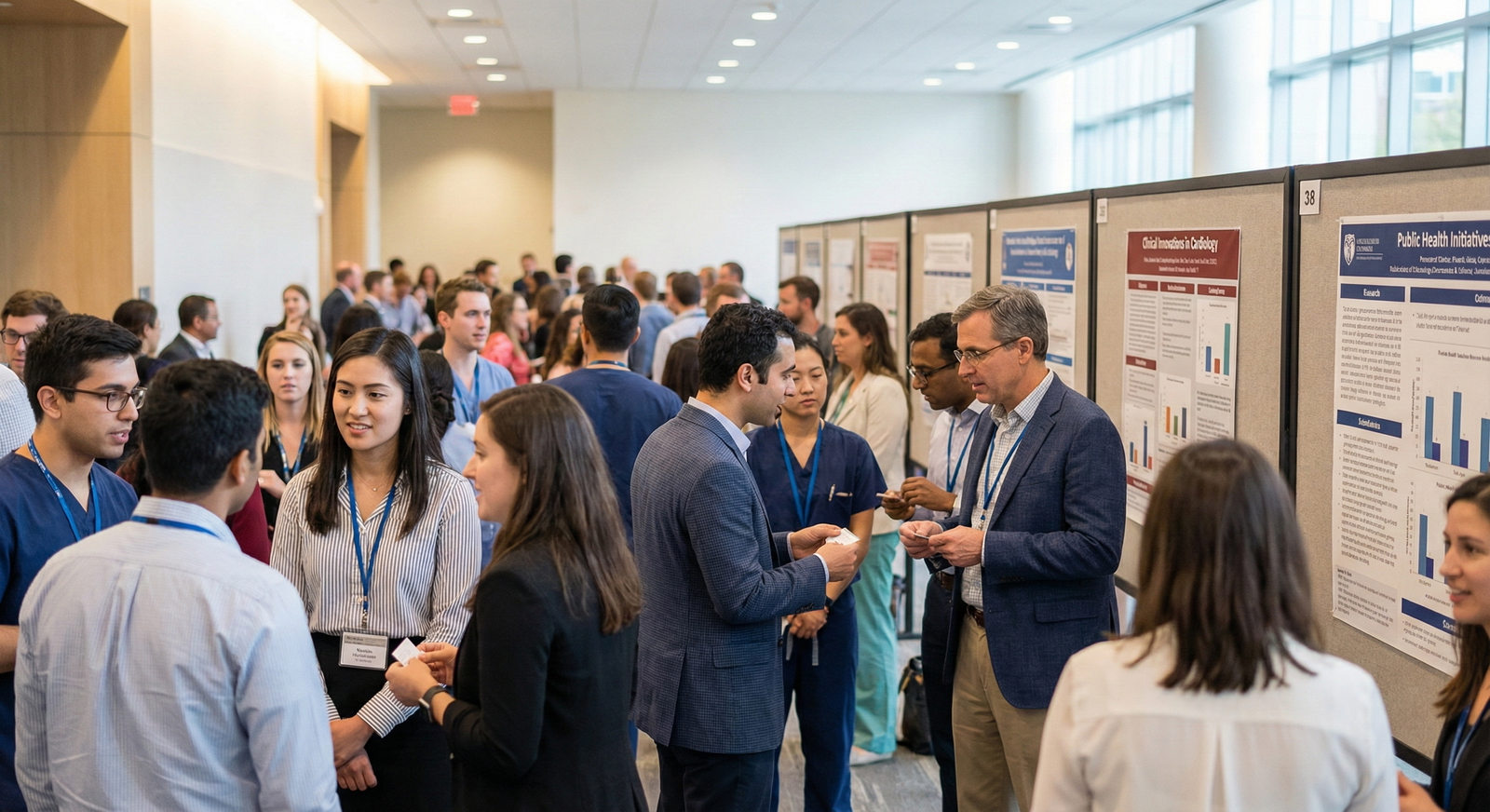
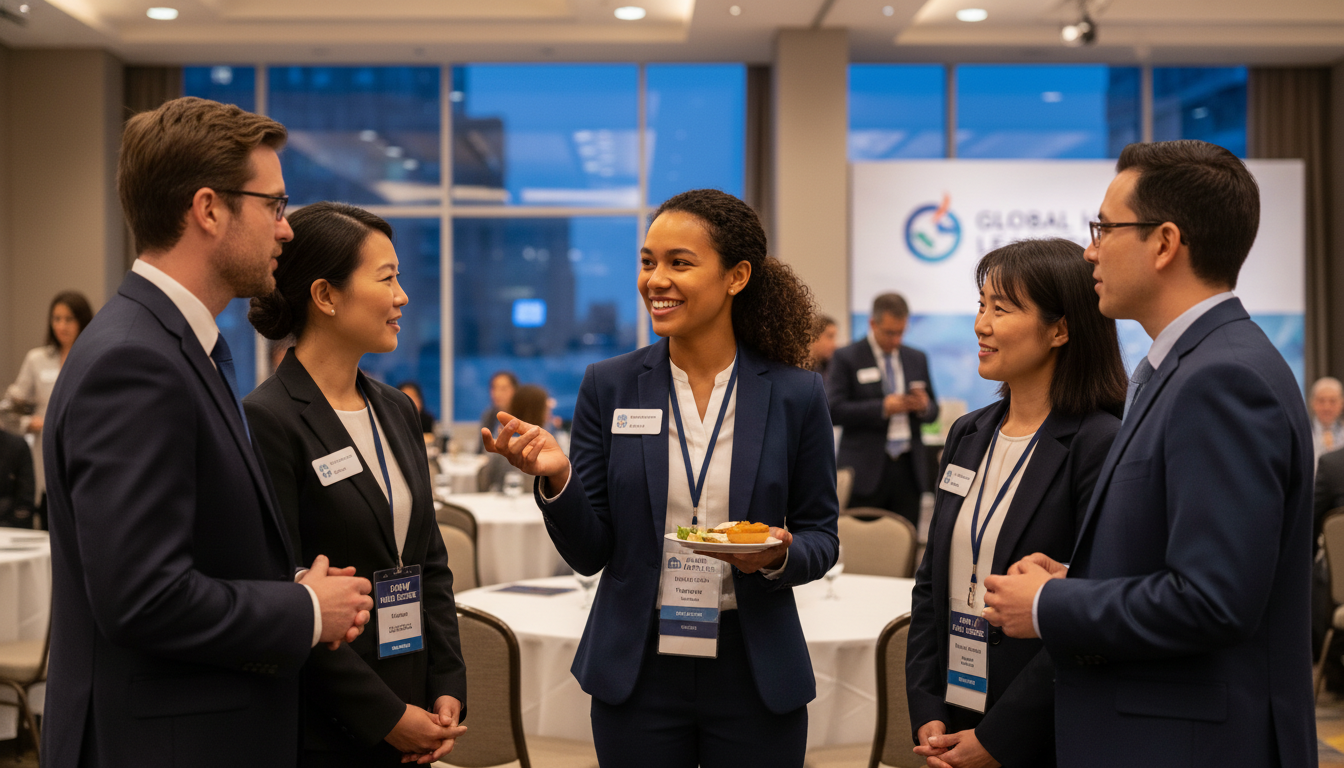
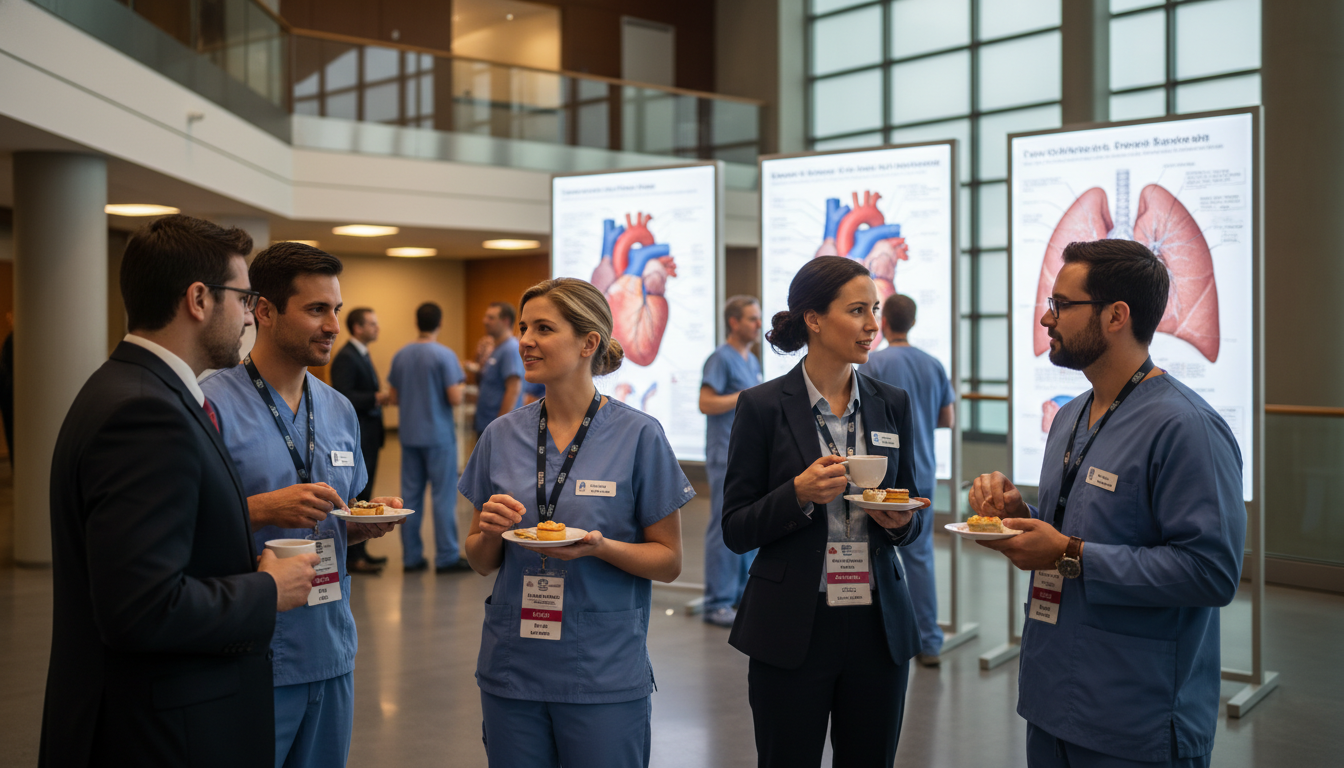
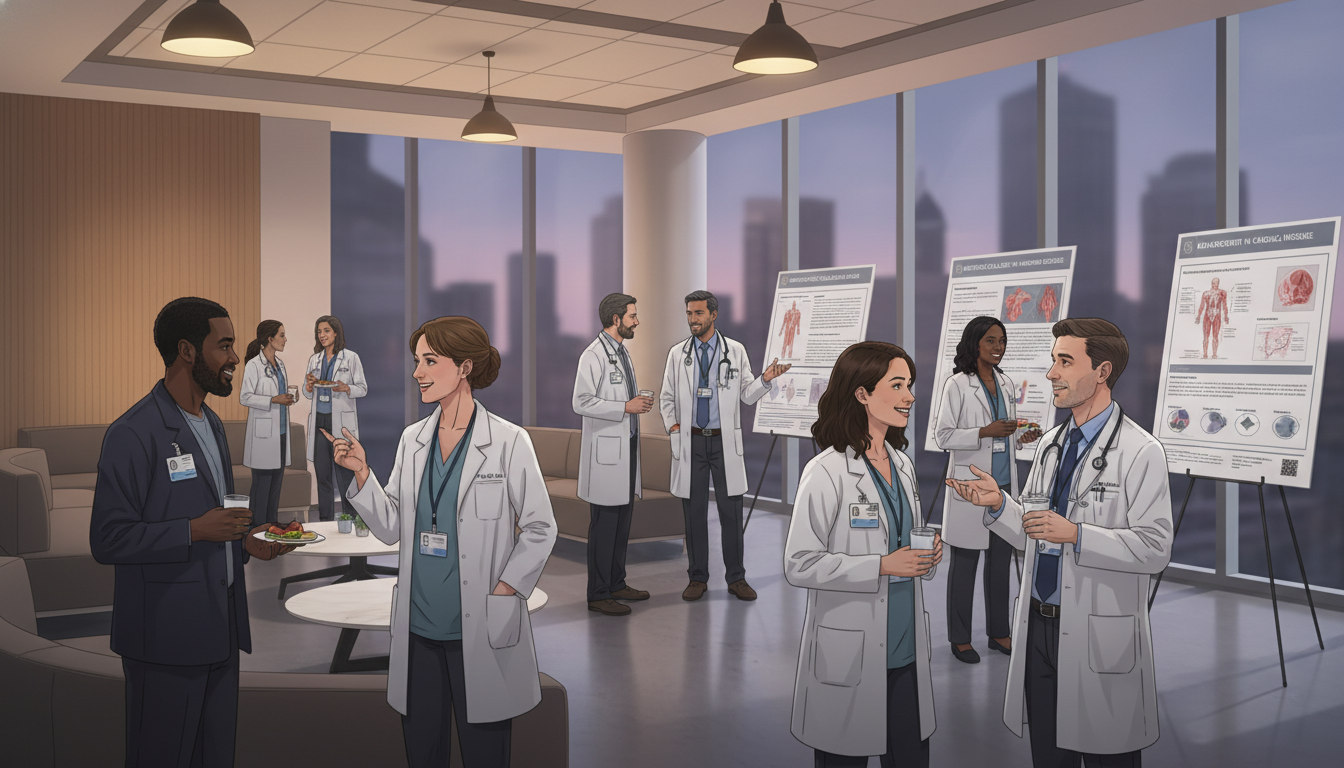
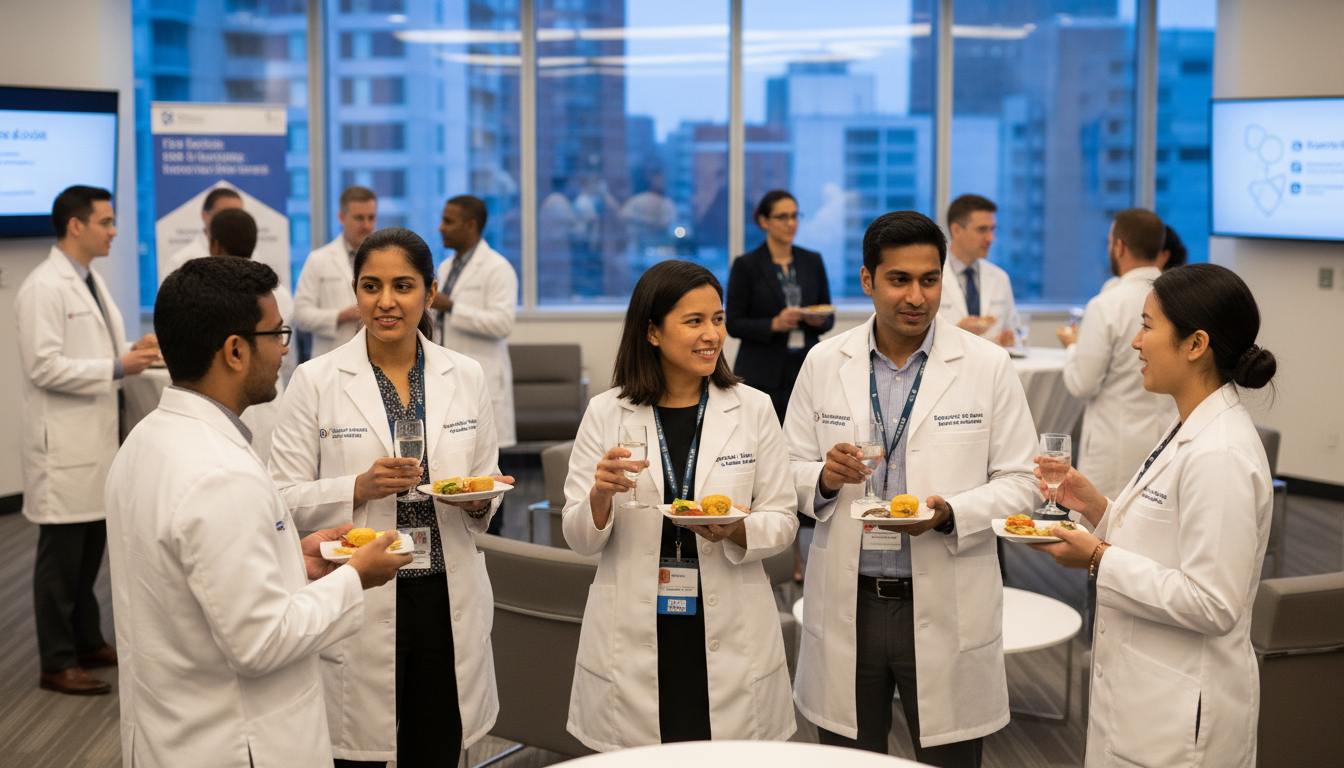
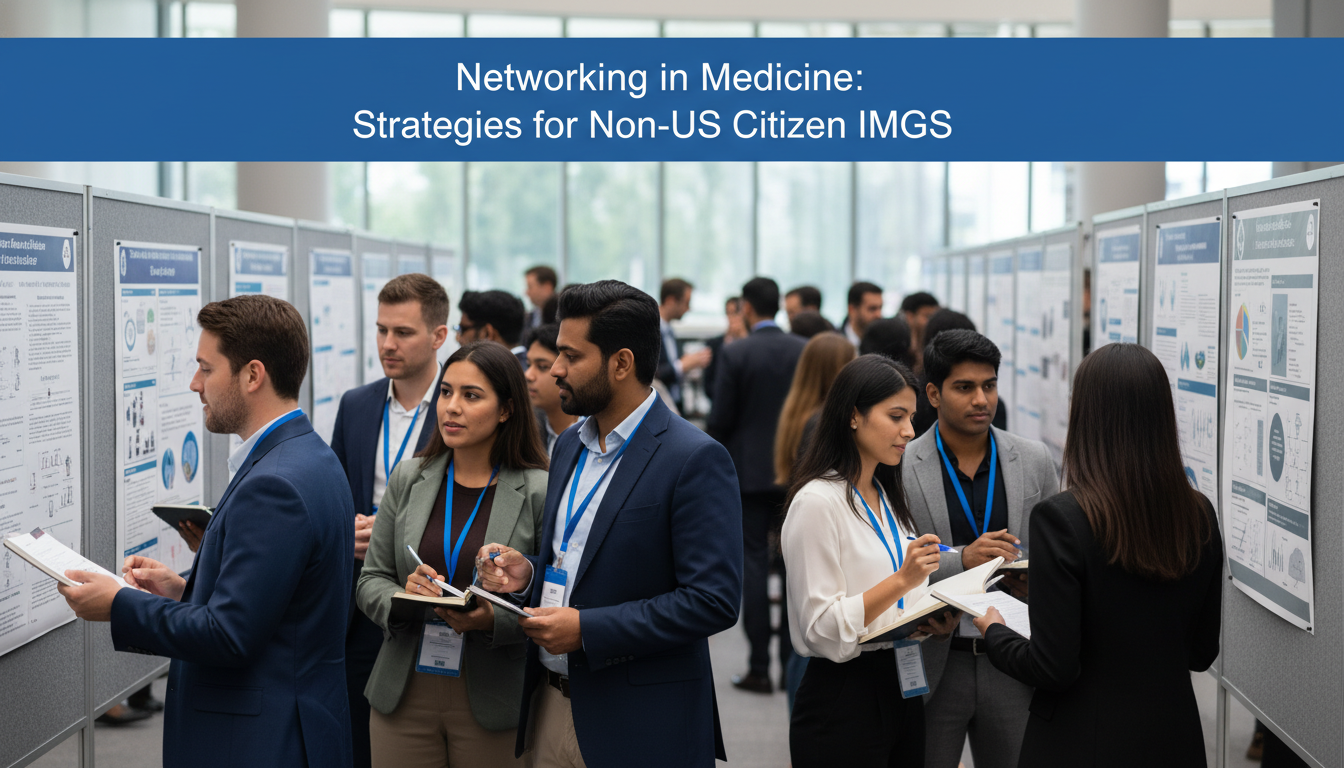
For non-US citizen IMGs, conference networking and short visits to the US can be critical high-yield moments. Even virtual conferences can create powerful connections if you prepare and follow up properly.
Choosing the Right Conferences and Events
Focus on:
- National meetings in your target specialty (e.g., ACC, ASCO, ACG, ACR)
- Regional or state society meetings (sometimes easier and more intimate)
- IMG-focused events, webinars, or virtual fairs
- Institutional grand rounds or virtual lecture series (many are open to public/visitors)
Check:
- Whether there are student/trainee discounts
- Opportunities to submit abstracts (even case reports)
- Special sessions on career pathways, residency preparation, or international graduates
Preparing Before the Conference
1. Research and Shortlist People to Meet
Use the conference program to identify:
- Speakers from programs you’re targeting
- Researchers in areas you care about
- Panelists speaking about training pathways or IMG issues
Create a list of:
- 10–20 people you would like to meet
- Their talk titles and times
- Questions you might ask them
2. Draft a 20–30 Second “Professional Introduction”
You will say this many times:
“Hello, my name is [Name]. I am a non-US citizen IMG from [Country], currently preparing for USMLE and very interested in [specialty/subfield]. I have experience in [brief point—research, clinical area, teaching], and I’m hoping to learn more about training and research opportunities in the US.”
Practice this out loud until it feels natural.
3. Prepare Simple Ask Cards or Digital Contact
- Have business cards (if possible) with:
- Name, MD
- “Non-US citizen IMG – Interested in [Specialty]”
- Email and LinkedIn
- Or be ready to offer:
- “May I connect with you on LinkedIn and follow up by email?”
Networking During the Conference
1. Start with Low-Stakes Interactions
- Talk to other students, residents, and attendees in line, at coffee breaks, or near posters
- Ask: “What brings you to this conference?” or “Which sessions have you found most helpful so far?”
These often lead to introductions or tips about people you should meet.
2. Approaching Speakers and Faculty
Right after a talk is a great time to introduce yourself. Example:
“Dr. [Last Name], thank you for your insightful talk on [topic]. I’m [Name], a non-US citizen IMG from [Country] interested in [subfield]. I particularly appreciated your point about [specific detail]. If you don’t mind, I’d love to connect on LinkedIn or via email to learn more about your work and training path.”
Do not immediately ask for a job, observership, or letter. Focus on relationship-building first.
3. Poster Sessions: High-Yield for IMGs
If you have a poster:
- Stand near it and engage people who stop by
- End with: “If you have any advice for an IMG interested in [specialty], I’d really value it.”
If you are visiting others’ posters:
- Ask:
- “What inspired this project?”
- “What are the next steps for your research?”
- If it’s a resident or fellow:
- “Would you mind if I ask about your path into [program/institution]? I’m planning to apply as an IMG and would appreciate any guidance.”
Following Up After the Conference
Follow-up is where most IMGs lose the benefit of conference networking. Within 48–72 hours:
Send a personalized email or LinkedIn message:
“Dear Dr. [Last Name],
It was a pleasure briefly meeting you after your talk on [topic] at [Conference]. I especially appreciated your comments about [specific point]. As I mentioned, I’m a non-US citizen IMG from [Country] interested in [specialty/subfield].If it’s convenient, I would be very grateful for a short 15–20 minute conversation (phone or Zoom) to ask a few questions about training and research opportunities for IMGs in this field.
Thank you again for your time and for your excellent presentation.
Best regards,
[Your Name], MD”Track who you follow up with and any replies in your spreadsheet
If no response after 10–14 days, you may send one brief, polite reminder
Mentorship in Medicine: Finding, Cultivating, and Benefiting as a Non-US Citizen IMG
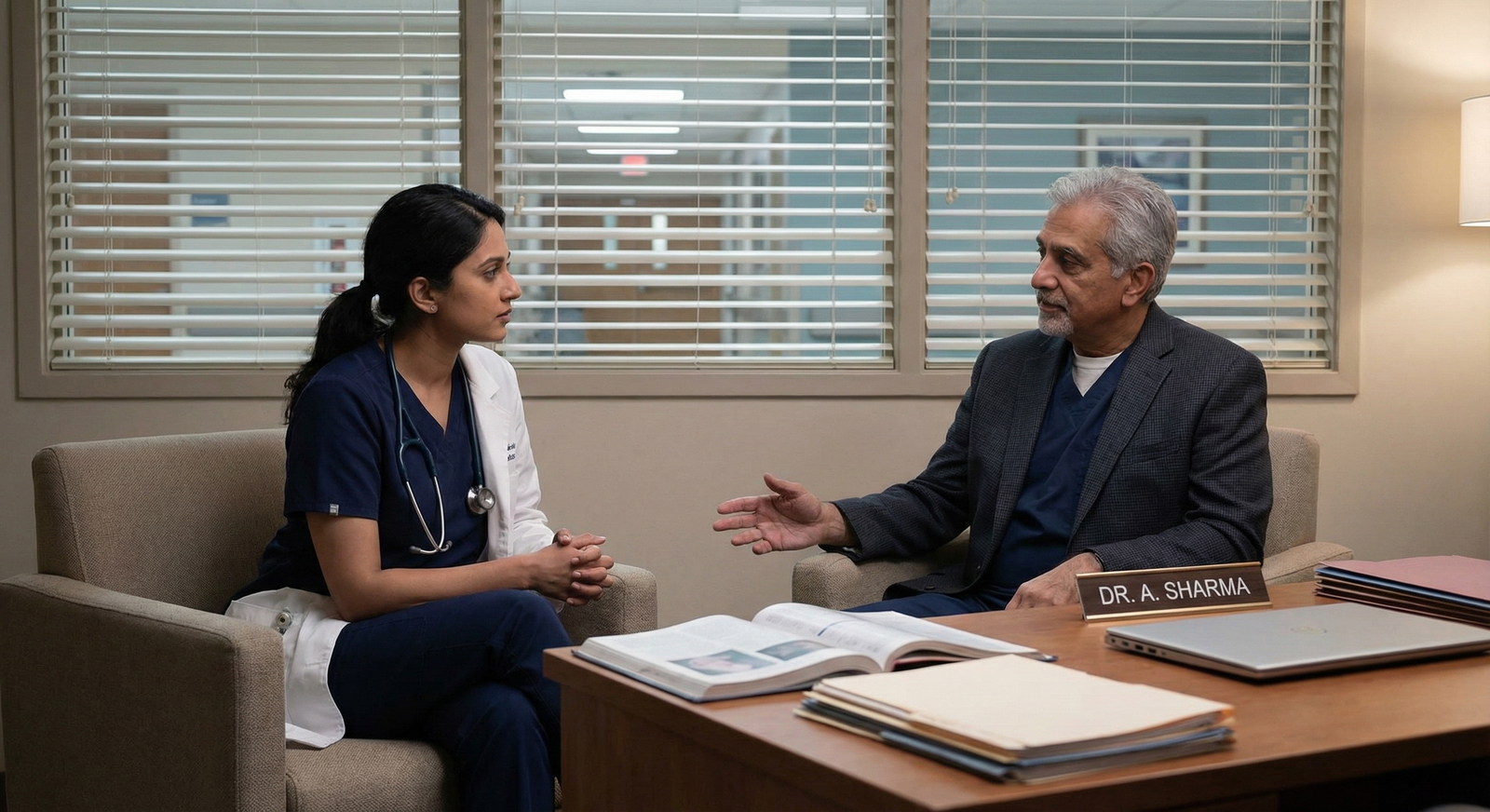
Mentorship medicine—structured guidance from more experienced physicians—is one of the most important outcomes of effective networking. For a non-US citizen IMG, a strong mentor can mean:
- Better understanding of US residency selection
- Honest feedback on your CV and application strategy
- Introductions to other physicians or researchers
- Supportive letters of recommendation (over time)
Types of Mentors You Should Seek
1. Career Mentor
- Helps you choose specialty, programs, and timeline
- Often an attending or experienced resident/fellow in your desired field
2. Research Mentor
- Guides you in projects, abstracts, and publications
- May or may not be in your exact clinical field but is academically active
3. Cultural/Systems Mentor (US-based)
- Teaches you US clinical culture, communication norms, and expectations
- Especially useful if they’ve worked with IMGs before
One person can fill multiple roles, but usually you will benefit from multiple mentors with different strengths.
Where to Find Mentors as a Foreign National Medical Graduate
- Your home-country faculty who trained in the US
- Alumni from your medical school now working in the US
- US-based faculty you meet through:
- Conferences
- Research collaborations
- Virtual observerships
- Organized mentorship programs:
- Specialty societies (e.g., ACP, ACC, ACG, AAN, etc.) often have IMG or trainee mentorship programs
- International or diaspora physician associations (e.g., Pakistani-American, Indian-American, Nigerian, etc.)
How to Ask Someone to Be Your Mentor
Instead of asking, “Will you be my mentor?” (which can feel heavy), start with a small ask:
“Would it be possible to schedule a brief 20-minute meeting sometime in the next few weeks to ask your advice about my path as a non-US citizen IMG interested in [specialty]?”
After 2–3 helpful conversations, you can say:
“You’ve already been incredibly helpful in guiding me. If you’re comfortable, I would be very grateful to continue seeking your guidance as a mentor as I move through exams and applications.”
Being a Good Mentee
To maintain and grow your mentorship relationships:
- Be prepared: Send a brief update and specific questions before meetings
- Respect time: Start and end on time; don’t ask for unrealistic favors early
- Implement advice: Then report back what you did and what happened
- Offer help: You may assist with literature searches, data entry, or teaching materials
Over time, mentors may naturally offer:
- Research roles
- Observerships or introductions
- Letters of recommendation when they truly know your work and character
Overcoming Common Barriers for Non-US Citizen IMGs in Networking
Non-US citizen IMGs face predictable obstacles in networking in medicine. Recognizing and planning for them makes them less intimidating.
Geographic and Time Zone Barriers
If you’re outside the US:
- Use email and LinkedIn as your main networking tools
- Suggest time windows that work for both time zones (offer 2–3 options)
- Attend virtual conferences, webinars, and grand rounds—often free
When you visit the US (for observerships, exams, or interviews):
- Plan networking days around your main purpose
- Inform contacts in advance: “I will be in [City] from [dates] and would be grateful for a chance to briefly meet in person if convenient.”
Visa and Legal Restrictions
As a foreign national medical graduate:
- Do not ask for paid work if you don’t have the appropriate authorization
- Use words like “observership,” “shadowing,” or “unpaid research volunteer” when reaching out
- Learn basic visa terminology (J-1 vs H-1B) so you can ask informed questions about program sponsorship
When networking with program representatives:
- You may ask: “Does your program typically sponsor J-1 or H-1B visas for residents?”
Cultural and Communication Differences
You may worry that your accent, style of communication, or formality will be a disadvantage. In reality:
- Being polite, concise, and respectful is universally appreciated
- US culture values:
- Clear, direct questions
- Initiative and follow-through
- Honest recognition of your strengths and limitations
Avoid:
- Very long, dense emails
- Overly apologetic language (“sorry to bother you,” “I know I am not worthy”)
- Demanding tone (“I need you to write me a letter”)
Aim for:
- Polite confidence and professionalism
- Specific requests and flexibility
Dealing with Rejection and Silence
You will send many messages that receive no response. This is not a judgment of your worth. Physicians are extremely busy; emails are easily lost.
To handle this:
- Expect low response rates (5–20%)—you are playing a numbers game
- After one polite reminder, move on instead of sending multiple follow-ups
- Keep expanding your list of contacts and opportunities
Consistency over months and years is what builds a strong network, not a single email or event.
FAQs: Networking in Medicine for Non-US Citizen IMGs
1. Is it acceptable to ask someone directly for observerships or research positions?
Yes, but with timing and tact. It is usually better to:
- First establish contact through a short conversation or email
- Show understanding of their work and briefly present your background
- Then ask:
“If there are any opportunities for an observership or for me to assist with research projects in your department, even on a volunteer basis, I would be extremely grateful to be considered.”
Avoid asking for multiple big favors in your very first message.
2. How early should I start networking before applying for residency?
Ideally 12–24 months before your ERAS application, especially as a foreign national medical graduate. This allows time to:
- Take USMLE exams
- Participate in at least one research project
- Complete observerships or US clinical experiences
- Build relationships deep enough to earn genuine letters of recommendation
Even if you are starting later, begin now. Networking benefits accumulate over time and can help for future fellowship or career opportunities as well.
3. What if I don’t have publications? Can I still network effectively?
Absolutely. Many mentors are happy to guide motivated IMGs before they have publications. When you reach out:
- Emphasize your willingness to work hard and learn
- Offer help with data collection, chart review, systematic reviews, or QI projects
- Be honest: “I am eager to gain my first research experience and am ready to start with basic tasks and learn step by step.”
Over time, these efforts can lead to posters, abstracts, or publications.
4. How do I maintain relationships after an observership or research experience?
Before leaving:
- Thank your supervisors personally
- Ask if it’s okay to keep them updated
- Clarify if they are comfortable with you listing the experience on your CV
Afterward:
- Send a thank-you email within a week
- Update them every few months with:
- Exam results
- New projects
- Application progress
For example:
“Dear Dr. [Last Name],
I hope you are well. I wanted to share an update: I recently passed Step 2 CK and have begun preparing my ERAS application for internal medicine. My observership in your department was a major influence on my decision, and I remain very grateful for the guidance you provided. If you have any updated advice as I prepare my application list, I would greatly appreciate it.Sincerely,
[Your Name]”
Consistent, respectful updates transform one-time experiences into long-term professional relationships.
By approaching networking in medicine as a structured, long-term process—rooted in genuine curiosity, professionalism, and persistence—you, as a non-US citizen IMG, can gradually build a powerful support system. Each email, conference conversation, informational interview, and mentorship connection is a step toward your US residency goals and a sustainable, fulfilling career in global medicine.