Why Networking Matters Even More for a US Citizen IMG in Vascular Surgery
Vascular surgery is one of the most relationship‑driven and niche specialties in medicine. For an American studying abroad and aiming for a vascular surgery residency—especially an integrated vascular program—your network can be just as important as your CV.
As a US citizen IMG, you face two parallel challenges:
- Visibility – Many program directors are less familiar with international schools and want additional assurance about training quality and clinical readiness.
- Competition – Integrated vascular surgery residency positions are limited and often filled by applicants who have deep connections to academic centers, home programs, and mentors.
Strategic networking in medicine helps you:
- Get invited for away rotations or observerships in vascular surgery
- Gain mentorship in medicine from vascular surgeons who can advocate for you
- Secure strong letters of recommendation from US‑based vascular faculty
- Learn about hidden opportunities—research positions, electives, quality improvement projects
- Understand the culture and expectations of vascular surgery and specific programs
For a US citizen IMG, networking is not a “nice-to-have”; it is a core strategy for being seriously considered for competitive vascular surgery programs.
Understanding the Vascular Surgery Networking Landscape
Before you start emailing surgeons, it’s important to understand the environment where vascular networking actually happens—and who the key players are.
Key Organizations and Communities
These are the main vascular surgery organizations where networking in medicine is both expected and welcomed:
Society for Vascular Surgery (SVS) – The primary US professional society for vascular surgeons.
- Offers: Annual meeting (Vascular Annual Meeting, VAM), committees, student/trainee sections, mentorship programs.
Vascular and Endovascular Surgery Society (VESS) – Focuses more on early-career development and academic collaboration.
- Offers: Mentoring connections, research presentation opportunities, leadership pathways.
Regional Societies (e.g., Eastern Vascular Society, Midwestern Vascular Surgical Society, Southern Association for Vascular Surgery, Western Vascular Society)
- Often smaller meetings, easier access to faculty, and less “formal” networking—great for first‑time networkers.
General Surgery Organizations (e.g., American College of Surgeons [ACS])
- Vascular surgeons attend these meetings and lead sessions; it’s another venue to meet them, especially if you’re not yet fully committed to vascular surgery.
For an American studying abroad, these societies are your virtual home programs—places where you can consistently show up, contribute, and become known.
Who You Need in Your Network
When you think about medical networking for vascular surgery, prioritize these individuals:
- Academic Vascular Surgeons – They write key letters, sponsor research, and advocate for you during rank meetings.
- Vascular Surgery Program Directors / Associate PDs – They decide who gets interviews and how IMG applications are interpreted.
- Vascular Fellows and Senior Residents – Often more accessible; they can guide you, review your application, and connect you to faculty.
- General Surgery Faculty with Vascular Ties – In places without dedicated vascular departments, these surgeons are still powerful advocates.
- Research Coordinators / Lab Managers – They help onboard students into vascular research groups and keep CVs and authorship organized.
- Peers (Other US Citizen IMG and MD/DO applicants) – Your future colleagues; they share information, tips, and collaborate on projects.
Your objective is not to “collect contacts” but to build a small, reliable set of relationships that can:
- advise you honestly,
- open doors, and
- support your trajectory into integrated vascular programs.

Building a Strong Network as a US Citizen IMG: Step‑by‑Step Strategy
This section lays out a practical roadmap, starting from where many US citizen IMG students are—outside the US clinical system—and moving toward meaningful connections in vascular surgery.
Step 1: Clarify Your Story and Goals
Before reaching out to anyone, define:
Why vascular surgery?
Be able to explain your motivation clearly: the blend of open and endovascular work, longitudinal patient care, procedural intensity, etc.Why you as a US citizen IMG?
Understand how to frame your path:- You chose to be an American studying abroad for specific reasons (e.g., opportunity, personal/family circumstances, late decision to pursue medicine).
- You bring strengths—adaptability, cultural flexibility, resilience, and often bilingual skills.
Your timeline and needs:
- When are you applying for vascular surgery residency?
- Do you need US clinical experience in vascular?
- Do you want research, mentorship, or letters?
If you’re clear about your goals, people can help you much more effectively.
Step 2: Establish a Credible Digital Footprint
Networking in medicine now starts long before an in‑person handshake.
Professional Email and Signature
- Use a simple email:
firstname.lastname@... - Signature should include:
- Full name, degree status (e.g., “US citizen IMG, 4th year medical student at [School], Class of 2026”)
- USMLE status (if applicable)
- Mobile (US or international, with country code)
- Time zone
- Use a simple email:
Updated CV and One‑Page “Academic Snapshot”
- Prepare a clear, US‑style CV (1–3 pages).
- Consider a one‑page summary highlighting: board scores (if taken), clinical experiences, research, language skills, and vascular interest.
LinkedIn Profile
- Many surgeons now use LinkedIn.
- Highlight: “US Citizen IMG targeting vascular surgery residency” in your headline.
- Connect selectively with vascular surgeons you’ve met or worked with; don’t mass‑add strangers without context.
Professional Use of X (Twitter)
- Vascular and academic surgeons are very active here.
- Follow SVS, major integrated vascular programs, and leading vascular surgeons.
- Share and comment thoughtfully on vascular research, conferences, and mentorship medicine content.
This digital “base layer” gives credibility when people look you up after initial contact.
Step 3: Use Email Outreach Strategically
Cold emailing can feel uncomfortable, but for a US citizen IMG in vascular surgery, it’s often necessary—and when done correctly, well‑received.
Who to Email
- Vascular surgery faculty at hospitals where you want to rotate, do research, or eventually train
- Program directors and associate PDs for advice and potential opportunities
- Vascular fellows who have been active in research or teaching
- Research directors in vascular labs
How to Structure Your Email
A concise template:
Subject:
“US citizen IMG interested in vascular surgery – seeking mentorship and research opportunities”Body (short, focused):
- Brief self‑introduction (name, school, graduation year, US citizen IMG)
- Clear expression of interest in vascular surgery
- Specific reason you’re contacting them (something you’ve read, seen, or learned about their work or program)
- A single, focused ask: advice call, research opportunity, observership information, etc.
- Attach CV and optionally a one‑page summary.
Aim for 150–250 words—busy physicians appreciate brevity.
Follow‑Up Practice
- Wait about 7–10 days before a first follow‑up.
- One or two polite follow‑ups are acceptable.
- If no reply, move on. Don’t take it personally; people are often just overwhelmed.
Step 4: Leverage Your “US Citizen” Status
Your citizenship is a logistical advantage even as an IMG:
- Programs do not need to sponsor visas.
- You’re eligible for a broader range of positions and funding opportunities.
- You can participate more easily in long‑term research or rotations in the US.
In your networking conversations, it’s appropriate to mention:
“I’m a US citizen IMG, so I will not require visa sponsorship and am fully committed to training in the US.”
Many programs are familiar with US citizen IMG backgrounds and may be more open once they can confirm your immigration status is straightforward.
Conference Networking: Turning Meetings into Mentorship
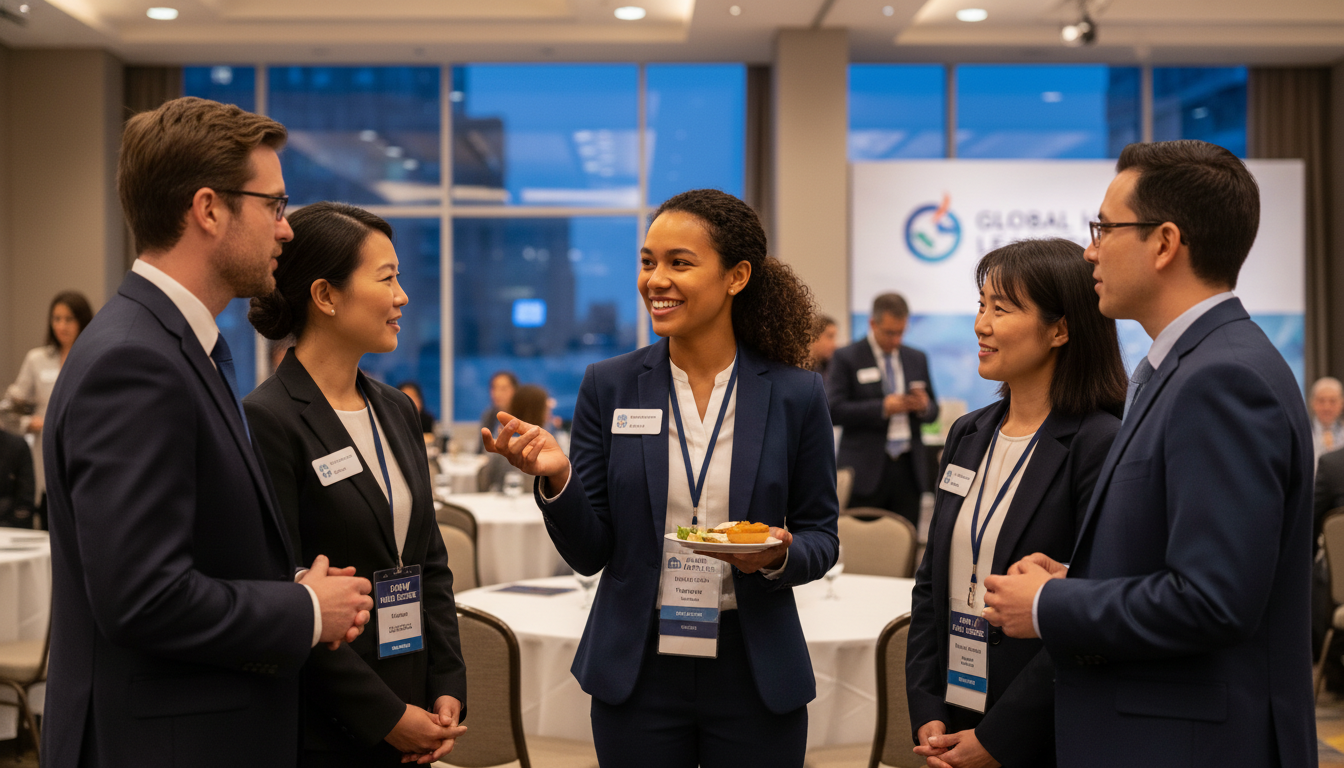
Conferences are where vascular surgeons from across the country gather—and where a motivated US citizen IMG can make a powerful impression in a short time.
Choosing the Right Conferences
As a student or early graduate, you don’t need to attend every meeting. Prioritize:
- SVS Vascular Annual Meeting (VAM) – The premier vascular meeting; excellent for integrated vascular program exposure.
- Regional vascular society meetings – Often more intimate, easier to have real conversations.
- ACS Clinical Congress – Great for broad networking; look for vascular and endovascular sessions.
Whenever possible, present something—a poster, case report, or small study. Even modest work is valuable; it gives you a reason to be there and a talking point.
Preparing Before the Meeting
Study the Program and Attendee List
- Identify vascular surgery residency programs you’re interested in.
- Note talks and posters by faculty from those institutions.
- Highlight sessions where program directors or big names in vascular surgery will speak.
Set Clear Goals
Examples:- “Introduce myself to at least 3 vascular surgeons from integrated programs.”
- “Ask at least 2 program directors about what they look for in a US citizen IMG applicant.”
- “Exchange contact information with residents or fellows at my top 5 programs.”
Prepare an “Elevator Pitch”
A 20–30 second self‑introduction, such as:“Hi, my name is [Name]. I’m a US citizen IMG from [School] graduating in [Year], very interested in vascular surgery. I’ve been working on [brief research topic or clinical interest] and I’m hoping to apply to integrated vascular programs. I’ve followed your work on [specific topic] and was hoping to ask a quick question.”
Practice this until it feels natural.
On‑Site Conference Networking Tactics
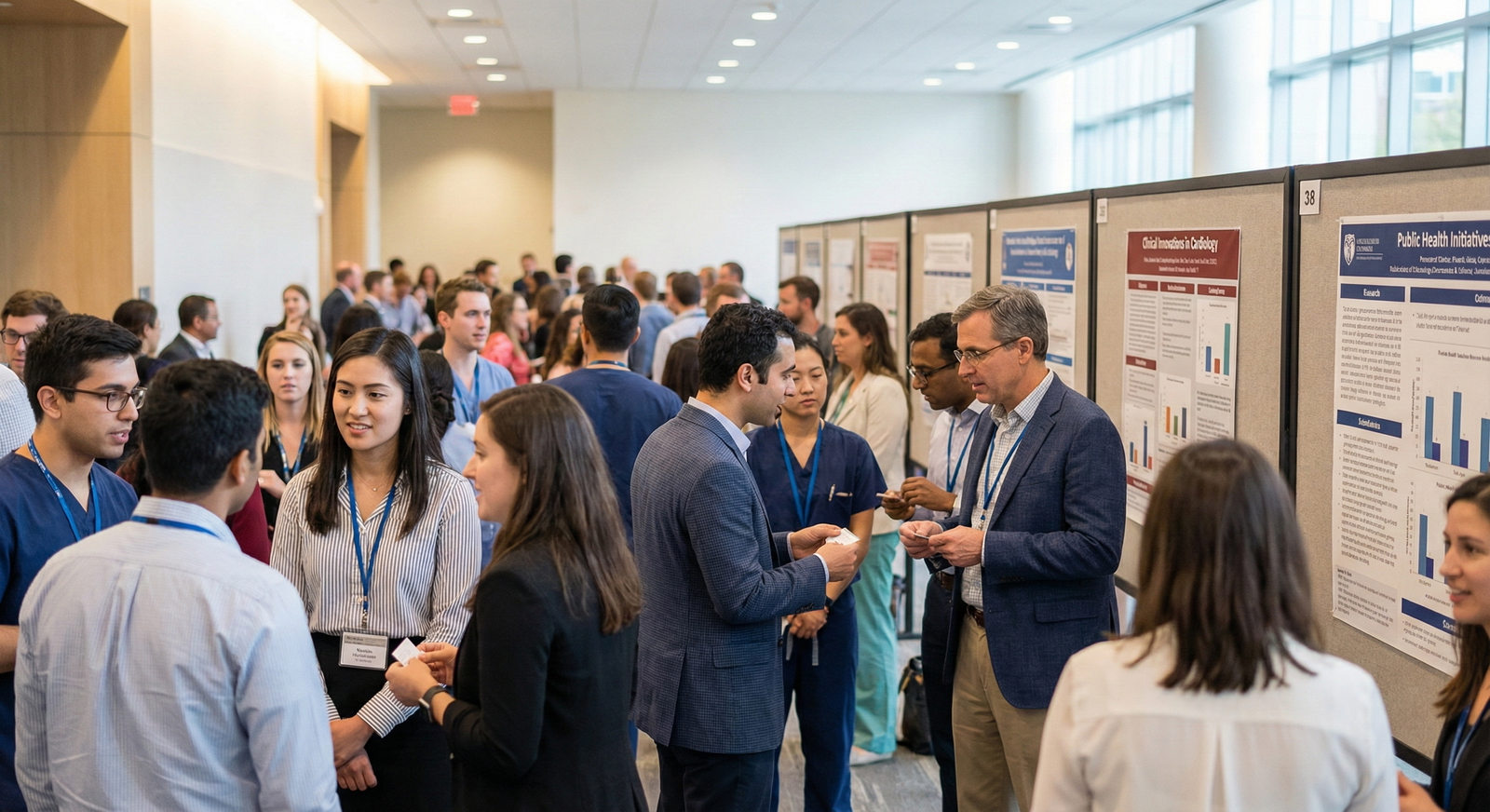
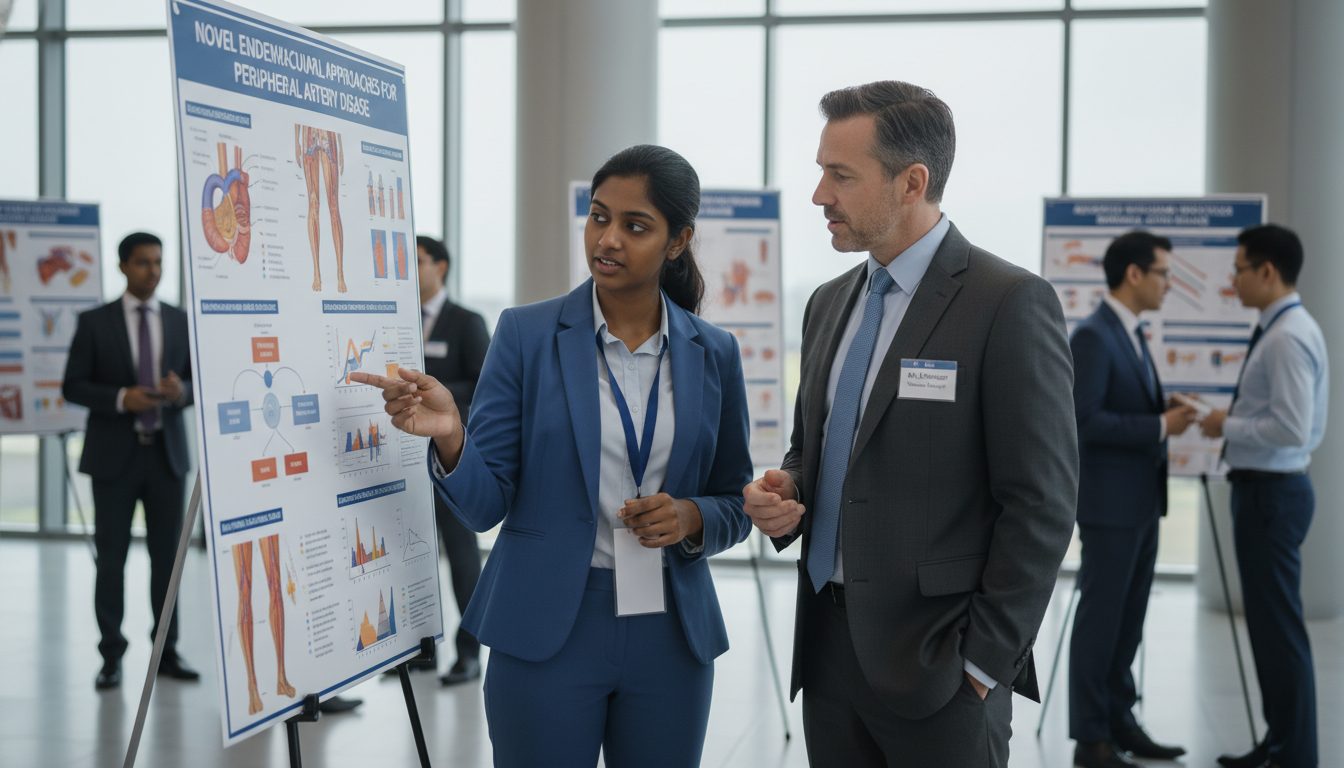
Attend poster sessions actively
- Ask presenters thoughtful questions.
- Introduce yourself afterward: “I’m interested in vascular surgery and particularly in [their topic]. Do you work with students or trainees on projects?”
Go to early‑morning or evening trainee events
- Many societies have events specifically for students and residents. These are ideal for a US citizen IMG to connect casually with faculty and peers.
Sit near the front at sessions you care about
- You’ll be seen, and it’s easier to introduce yourself to speakers afterward.
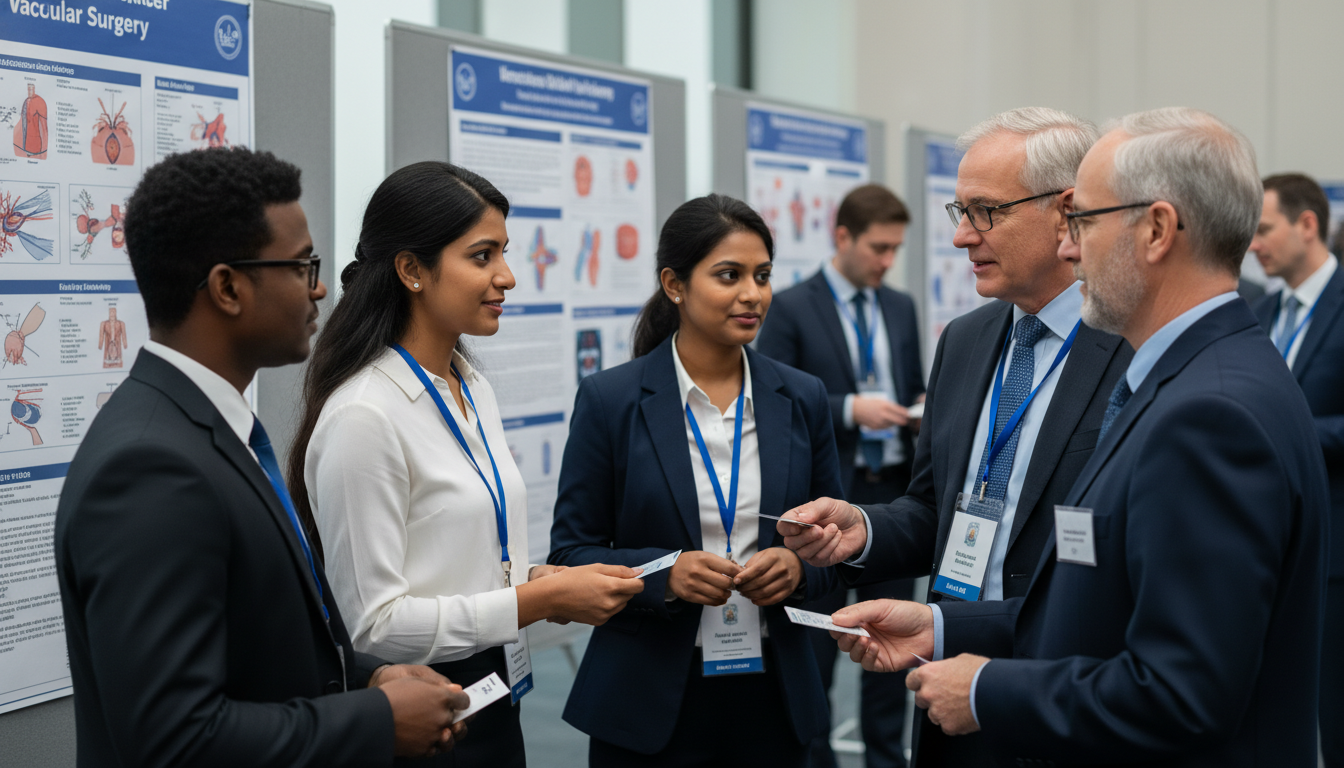
Use business cards or LinkedIn QR codes
- You don’t need fancy cards. Even a simple paper card with your name, “US citizen IMG, Class of [Year], email, LinkedIn” is useful.
- Alternatively, show your LinkedIn QR code for quick connection.
After the Conference: Securing Long‑Term Benefit
Within 48–72 hours, send short personalized emails:
- Remind them how you met: “We spoke after your talk on [topic] at VAM.”
- Mention one specific thing you found insightful.
- Clearly state your next step:
- Ask if they’d be willing to have a 15‑minute call about pathways for a US citizen IMG interested in vascular surgery.
- Ask about research, electives, or formal mentorship options.
This is where conference networking becomes ongoing mentorship in medicine, not just casual chatting.
Mentorship, Sponsorship, and Research: Deepening Your Network
Networking is not just about knowing people; it’s about building relationships that change your trajectory. For an American studying abroad and targeting integrated vascular surgery, you especially need:
- Mentors – To guide your decisions and professional development
- Sponsors – To actively advocate for you in rooms you are not in
- Collaborators – To work with you on projects that build your academic identity
Finding Mentors in Medicine (Vascular‑Specific)
You may need more than one mentor:
- Career Mentor – Helps you plan your path into vascular surgery (ideally a vascular surgeon).
- Research Mentor – Guides your projects and publications.
- Application Mentor – Reviews your CV, personal statement, and ERAS materials, often a recent successful vascular applicant or fellow.
Ways to identify potential mentors:
- Through conferences (as discussed)
- By reaching out to authors of vascular papers you’ve read
- Via formal society mentorship programs (SVS, VESS, regional societies)
- Through your US clinical rotations or observerships
When asking for mentorship, keep your initial ask light:
“I’m a US citizen IMG strongly interested in vascular surgery and was wondering if you might be open to occasional guidance as I navigate the path toward integrated vascular programs.”
Turning Mentors into Sponsors
A sponsor is usually a senior person (often faculty) who is willing to:
- Recommend you for opportunities
- Connect you directly to program directors
- Speak about you in selection meetings or reference calls
Sponsorship is earned through:
- Reliability: Doing what you say you will, on time
- Quality: Producing solid work (research, presentations, clinical performance)
- Professionalism: Being respectful, responsive, and easy to work with
For a US citizen IMG, sponsorship is especially powerful. A respected vascular surgeon saying,
“This IMG is outstanding. I’d strongly consider them for your integrated vascular program,”
can change how your entire application is perceived.
Using Research as a Networking Engine
Research in vascular surgery is both career‑building and relationship‑building.
Getting Started with Research
Look for:
- Case reports from your rotations abroad that could be relevant to vascular.
- Retrospective studies using available data sets (if your school allows).
- Review articles or book chapters (often more accessible to students).
Contact vascular research groups in the US:
- Ask: “Do you have ongoing projects where a remote US citizen IMG could help with data collection, chart review, or manuscript preparation?”
Start small but finish what you start. A single well‑done project that goes to publication or a national conference can anchor your narrative.
Presenting Your Work
When you present:
- Introduce yourself clearly as a US citizen IMG aiming for vascular surgery.
- After your talk or poster, invite conversation:
“I’d love feedback on how I can strengthen my path toward an integrated vascular residency as a US citizen IMG. Are there specific experiences you recommend?”
Research is a natural way to create repeated interactions with faculty and team members, which deepens trust and visibility.
Translating Networking into Strong Applications for Integrated Vascular Programs
All of your medical networking should ultimately feed into a cohesive application story for vascular surgery residency.
Strong Letters of Recommendation
You ideally want:
- At least one, preferably two, letters from US‑based vascular surgeons who know you well.
- Additional letters from general surgery or other surgical subspecialty faculty who can speak to your operative potential and teamwork.
To earn strong letters:
- Spend substantial time (rotations, research, longitudinal work) at one or two US institutions with vascular services.
- Signal early: “If things go well and you feel you can support me, I would be honored to request a letter when I apply for integrated vascular programs.”
Mentors who know you well can also call programs on your behalf—a powerful, often invisible aspect of sponsorship.
Away Rotations and Observerships
For a US citizen IMG, exposure to US training environments is crucial:
- Clinical electives/away rotations are ideal if your school authorizes them.
- Observerships are valuable if hands‑on roles aren’t possible.
Use your network to identify:
- Programs that have previously welcomed US citizen IMG students
- Specific faculty who are open to international visitors
- Opportunities timed close to your application season
During these experiences:
- Treat every interaction as part of your “interview.”
- Show curiosity about vascular surgery: ask about procedures, patient follow‑up, and decision‑making.
- Request feedback: “How do I compare to typical US students you work with? What should I work on?”
Communicating Your Network in Your Application
You can signal your engagement with the vascular community by:
- Listing society memberships (SVS, regional groups, ACS)
- Highlighting conference networking outcomes: presentations, travel awards, committee work
- Mentioning specific mentors in your personal statement (with their permission)
- Describing mentorship in medicine experiences—how guidance from vascular surgeons shaped your path
In interviews, be ready to describe:
- How you, as an American studying abroad, intentionally built a network in US vascular surgery
- What you learned from your mentors about the realities of vascular surgery life
- How your experiences with medical networking differentiate you from applicants who had a traditional US “home program”
FAQs: Networking in Medicine for US Citizen IMG in Vascular Surgery
1. As a US citizen IMG, will programs take my networking efforts seriously, or will they still prefer US grads?
Programs do often favor US grads, but serious, consistent networking can significantly improve how they perceive you. When respected vascular surgeons vouch for you, when you appear at conferences, when you show a pattern of engagement with the vascular community, you stop being “an unknown IMG” and become “the motivated US citizen IMG that Dr. X keeps talking about.” Networking can’t erase every structural disadvantage, but it can markedly shift your odds for integrated vascular and, if needed, vascular fellowships after general surgery.
2. I can’t afford to attend every major conference. What should I prioritize?
Prioritize one major vascular meeting (SVS VAM) and one regional vascular society meeting if possible. Look for:
- Student/trainee discounts
- Abstract‑based travel grants
- Virtual components (where you can still engage with faculty and residents)
If in‑person is truly impossible, attend virtual events, ask questions during Q&A, and follow up by email or social platforms—remote conference networking is increasingly common and accepted.
3. How early should I start networking if I’m an American studying abroad and only vaguely interested in vascular now?
The ideal time is as soon as you think vascular might be your path, even if it’s not 100% certain. Early exposure through online talks, shadowing, and introductory research will:
- Clarify whether vascular surgery truly fits you
- Give you more time to build organic, long‑term relationships
Even if you later pivot to a different surgical field, the skills and contacts you gain through networking in medicine will still benefit you.
4. What if my early emails or outreach attempts are ignored—should I take that as a sign to change specialties?
No. Vascular surgeons are often overwhelmed with clinical loads and may miss or forget emails. Non‑responses usually reflect time constraints, not rejection of you as an IMG or as a future vascular surgeon. Use multiple avenues:
- Try another faculty member at the same institution
- Approach residents and fellows first; they can introduce you
- Meet people at conferences or virtual panels where “live” interaction triggers later email responsiveness
Persistence, done respectfully, is an asset in both vascular surgery and medical networking.
By approaching networking in medicine as a structured, longitudinal project rather than last‑minute outreach, you—as a US citizen IMG—can build authentic relationships that make you visible, supported, and competitive for vascular surgery. Your path may be less traditional, but with intentional conference networking, robust mentorship in medicine, and strategic engagement with the vascular community, it can be just as successful.