
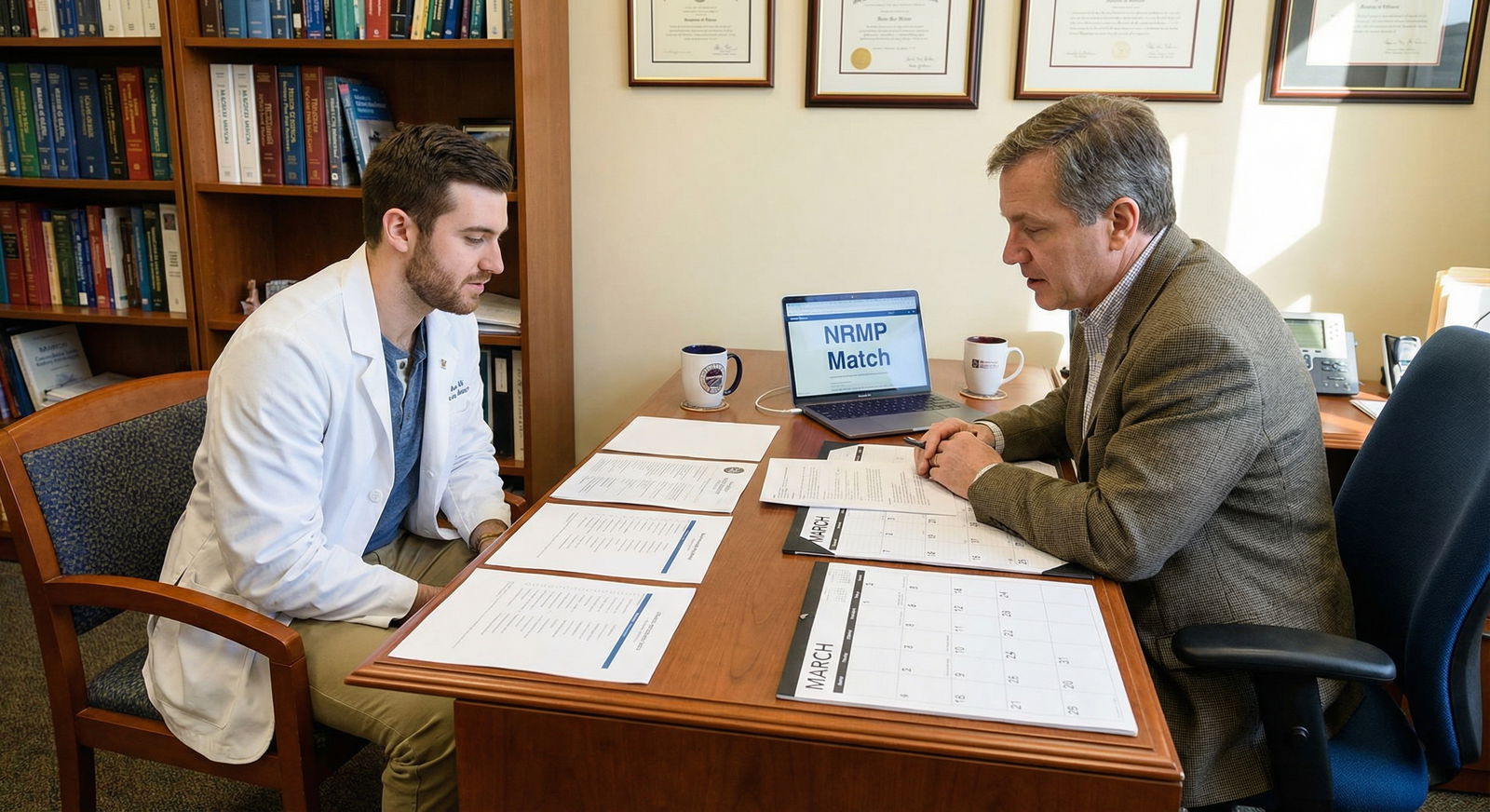
The most dangerous bad advice you will get during Match season will come from people you trust.
The Core Problem: Verbal Advice vs Written Rules
Let me be blunt: faculty are not the NRMP. Program directors are not the NRMP. Your dean is not the NRMP.
I have watched students get investigated, sanctioned, and scared out of their minds because they trusted verbal “this is how it works” over the actual Match Participation Agreement they clicked through without reading.
Here is the mismatch that creates trouble:
- NRMP rules are precise, written, and binding.
- Faculty advice is often casual, outdated, and based on rumor or “how we do it here.”
- You are the one held liable if those conflict. Not your attending. Not your PD. You.
Before we go deeper, anchor this:
When there is a conflict between what a human tells you and what the NRMP Rules say in writing, you follow the rules. Every time. No exception.
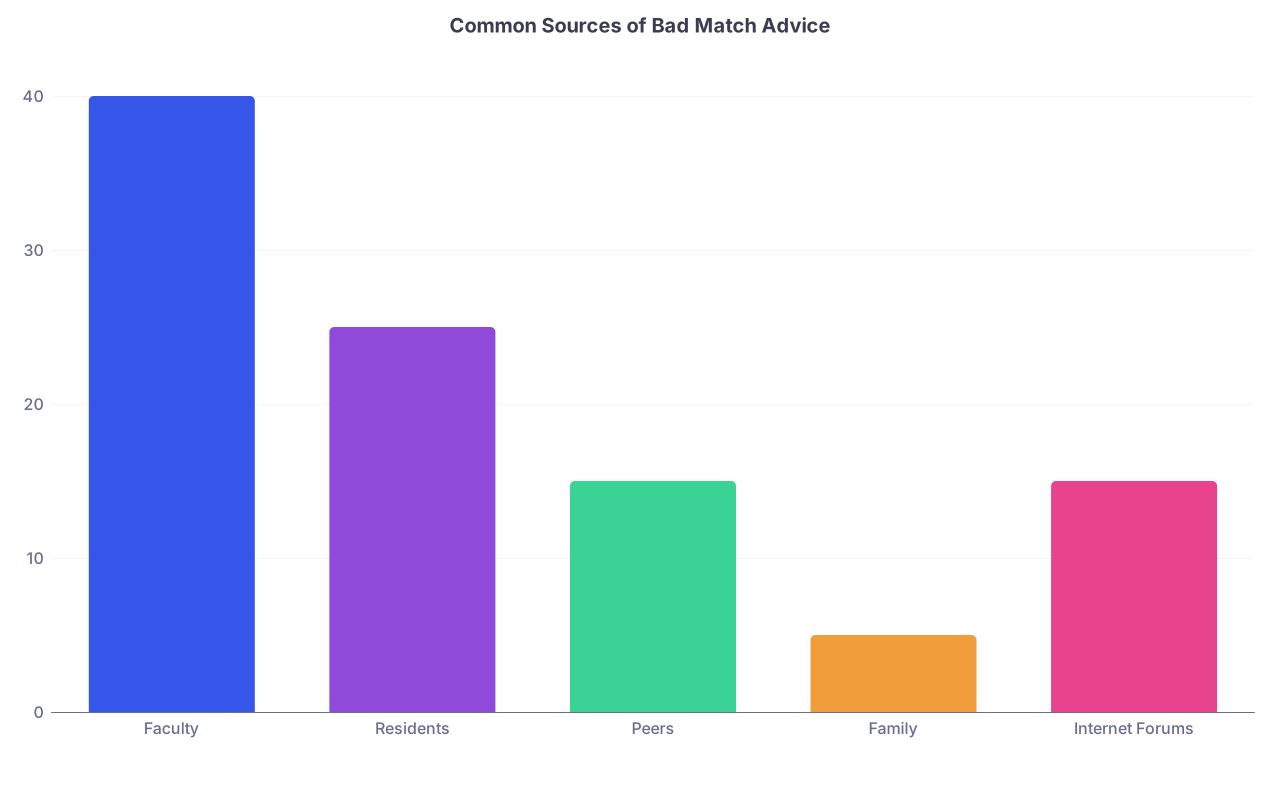
| Category | Value |
|---|---|
| Faculty | 40 |
| Residents | 25 |
| Peers | 15 |
| Family | 5 |
| Internet Forums | 15 |
NRMP Basics You Cannot Afford to Misunderstand
You do not need to memorize every line of the NRMP bylaws. But you absolutely must understand a few foundational concepts, because this is where “friendly advice” most often conflicts with reality.
The Match Participation Agreement is a Contract
That box you checked on NRMP’s website? That was not a formality. It was you entering a legal agreement. Breaking it can mean:
- Being labeled as having violated NRMP policy (this follows you)
- Being barred from future Matches
- Being reported to state medical boards and specialty boards
- Having your match result invalidated
Faculty will sometimes treat NRMP rules like “guidelines.” They are wrong. These are binding terms.
Contingent Ranking and Certifying a List
NRMP rules are built around one core ethical frame: both sides (applicant and program) must be able to rank each other freely, without pressure, conditions, or side deals.
Any advice that sounds like “rank us first and then we will…” is already in a danger zone. You should feel your internal alarm go off whenever you hear:
- “If you rank us first, we will rank you to match.”
- “Do not rank that other program, just put us first and trust me.”
- “You can withdraw after the Match if you change your mind.”
These are classic “how people think it works” statements. They are also classic ways people walk directly into violations.

High‑Risk Scenarios Where Faculty Advice Commonly Conflicts With NRMP Rules
Let me walk through the scenarios I see repeatedly. If any of these sound familiar, slow down. You are in potential violation territory.
1. Pressure to Disclose Your Rank List
Classic line from faculty or PDs:
“Just between us, where are you ranking us?”
Or worse:
“We need to know if you are ranking us highly so we can decide how to rank you.”
Here is the conflict:
- NRMP rule: Programs cannot require you to disclose your rank order or the names, specialties, or geographic locations of programs you are ranking. You are free to volunteer information, but you cannot be coerced, pressured, or misled.
- Faculty myth: “Everyone tells us their rank order; it helps us advocate for you.”
The mistake: Feeling obligated to answer. Thinking that not disclosing your rank list means you look “ungrateful” or “less interested.”
How to avoid the mistake:
Use a neutral, rule-safe line you practice ahead of time. For example:
“I have been advised not to discuss my specific rank list, but I can tell you I remain very interested in your program.”
You are not being difficult. You are following the Agreement you signed.
2. Promises and “Implicit Deals”
Another thing I have heard in faculty offices more times than I can count:
- “If you tell us we are your first choice, we will rank you to match.”
- “We do not say this to everyone, but you are basically in if you rank us highly.”
- “We are going to rank you very high; you should rank us first.”
NRMP has an entire section on illegal or improper “commitments” and “statements of intent.” Here is where people get tangled:
- Programs and applicants are allowed to express interest.
- They are not allowed to solicit or make promises that would influence the rank order list through coercion, fear of retribution, or false assurances.
Faculty often do not know where the line is. So they cross it.
Your mistake is not knowing that their crossing the line can pull you into it too. If you start trading promises, writing emails that say “I will rank you first if you rank me first,” or trying to “lock in” positions with verbal deals, you are co‑creating evidence of a potential violation.
Better approach:
You can send a genuine letter of interest or a “you are my first choice” letter. But you state your side only. Never set up a mutual bargain.
Safe:
“After much consideration, I plan to rank [Program] first.”
Dangerous:
“If you can assure me I will match here, I will rank you first.”
The first is allowed. The second is courting an NRMP problem.
3. Being Told to Withdraw After Matching
This one is ugly. And it still happens.
Student matches to a program they are not thrilled about. Faculty mentor says something like:
- “You can always back out later.”
- “Just tell them you are not coming, it will be fine.”
- “We can find you a spot somewhere else next year.”
This collides head-on with the NRMP’s core premise: The Match is binding. You are required to accept and start training in the position to which you match, barring very narrow exceptions (catastrophic life events, visa issues, etc.) that go through a formal waiver process.
Simply deciding you would rather not go, or that another program outside the Match is now more attractive, is not a valid reason to walk away.
Your mistake is believing that “everyone does it” or that your mentor can shield you. They cannot. NRMP takes post‑Match abandonment extremely seriously.
If someone suggests you just “don’t show up” or casually seek a different program after matching, stop listening. You are the one whose professional record will carry that violation.
4. Coordinated Switching or Side Deals Between Programs
I have seen faculty float ideas like:
- “We can talk to that program director; maybe they can swap a spot.”
- “If you match here but want to switch to our sister program, we will work something out quietly.”
This enters a zone of potential illegal arrangements between programs and serious NRMP violations. Any deal that subverts the Match process, reshuffles positions after Match Day in a coordinated way, or prearranges outcomes undermines the algorithm’s fairness.
You might think, “I am just following what they told me.”
NRMP will see your name in the emails and the timeline of events. They will not care that your attending said it was fine in the hallway.
5. Ignoring NRMP When It Conflicts With Institutional Policy
Sometimes your school’s “Match handbook” or your institution’s policies are slightly out of date—or just wrong. They might advise things like:
- Mandatory post‑interview thank‑you notes that include ranking language.
- Structured ranking “guidance” that encourages you to signal lists to programs.
- Telling you you must respond to PDs if they ask for rank order commitments.
You cannot just say, “But my school told me to.”
| Situation | Follow NRMP or Faculty/School? |
|---|---|
| Asked to disclose your rank list | NRMP |
| Pressured to promise ranking order | NRMP |
| Told to abandon matched position casually | NRMP |
| Encouraged to negotiate post-Match switch | NRMP |
| Conflicting written school handbook | NRMP |
How To Protect Yourself When Advice Sounds “Off”
You cannot stop people from giving you bad advice. You can stop yourself from acting on it blindly.
Step 1: Know the Red‑Flag Phrases
When you hear any of these, your guard should go up immediately:
- “Off the record…”
- “Everyone does this; NRMP never enforces it.”
- “We say we cannot ask, but just between you and me…”
- “We will make sure you match if you just…”
- “Do not worry, no one reads those NRMP rules anyway.”
Once a conversation heads in this direction, you switch into self‑preservation mode. Stay polite, but do not commit to anything.
Step 2: Separate Relationship Management From Rule Compliance
This is where students get manipulated. You want to be respectful. You do not want to anger a powerful PD or a beloved mentor. So you feel trapped into saying or doing what they suggest.
You solve this by:
- Thanking them for their time and advice.
- Not endorsing or agreeing with any request that conflicts with NRMP rules.
- Using neutral, non‑committal language when cornered:
- “I appreciate your guidance; I have been advised not to discuss the details of my rank list.”
- “I am still finalizing my list, but I remain very interested in your program.”
You can maintain the relationship without violating the rules.
Step 3: Check the Actual Text
Stop relying on “someone said NRMP allows this now.” Go to the source:
- NRMP Match Participation Agreement for Applicants
- NRMP Code of Conduct
- NRMP FAQs (they explicitly address most of these scenarios)
If you cannot find a clear answer, contact NRMP directly or ask your dean’s office to get a written clarification. Do not rely on hallway gossip.

| Step | Description |
|---|---|
| Step 1 | Receive Faculty Advice |
| Step 2 | Consider Following |
| Step 3 | Pause and Do Not Agree |
| Step 4 | Review NRMP Rules |
| Step 5 | Contact NRMP or Dean |
| Step 6 | Follow NRMP Guidance |
| Step 7 | Conflicts with NRMP? |
| Step 8 | Still Unclear? |
Step 4: Document, Do Not Escalate Immediately
If something feels wrong but you are not sure:
- Write down exactly what was said, by whom, and when.
- Save emails or messages that seem to pressure or coax you into breaking rules.
- Talk to a trusted, NRMP‑savvy advisor (often a student affairs dean, GME office, or an upper‑level resident who recently matched).
You do not need to file a complaint every time someone makes an offhand comment. But if things escalate, you will want a record that you did not initiate any scheme or agreement.
Specific High‑Yield Myths You Must Ignore
Let’s debunk some of the most persistent and harmful myths that are often reinforced by faculty who “have been doing this for 20 years.”
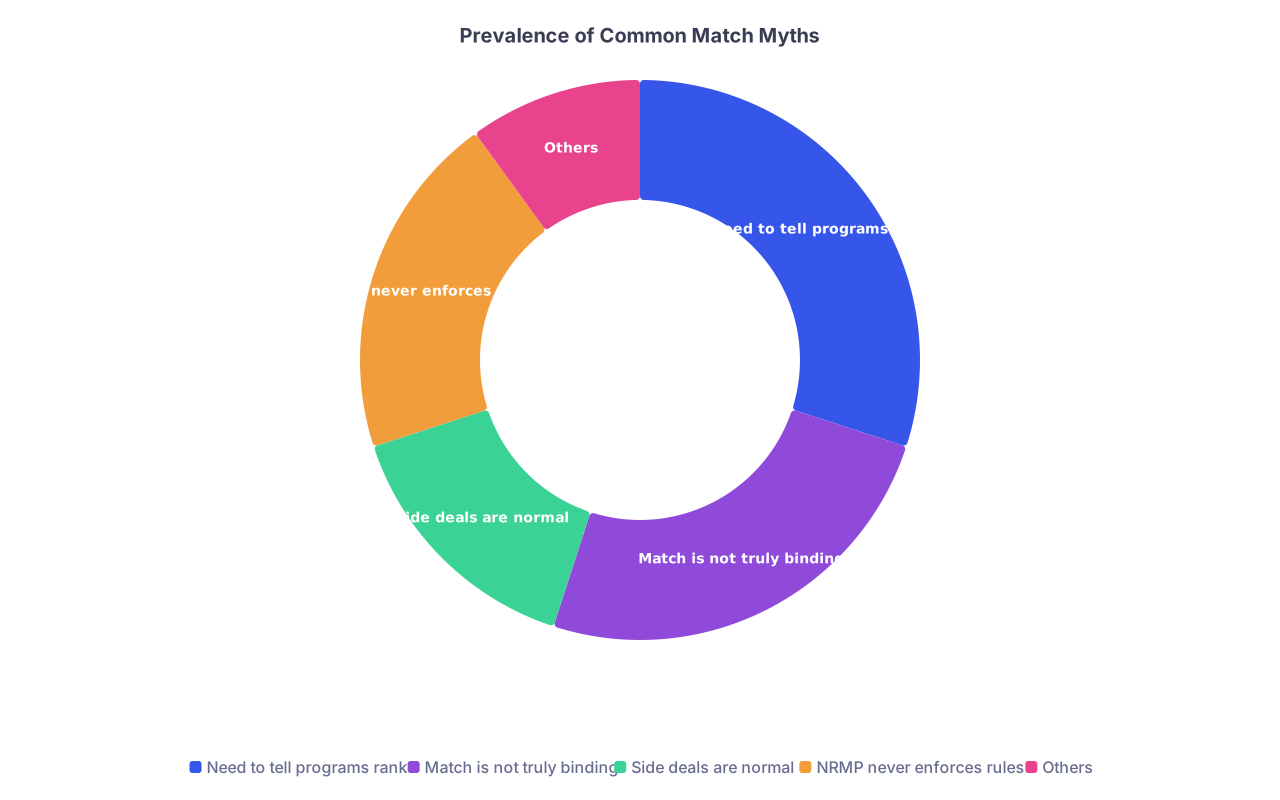
| Category | Value |
|---|---|
| Need to tell programs rank | 30 |
| Match is not truly binding | 25 |
| Side deals are normal | 15 |
| NRMP never enforces rules | 20 |
| Others | 10 |
Myth 1: “You have to tell programs where you will rank them to show interest.”
Reality: No, you do not. Expressing interest is fine. Disclosing specific rank position is optional. Being pressured to disclose is not allowed.
Dangerous mistake: Sending multiple “I will rank you #1” emails to different programs because attendings at each site told you to “signal commitment.”
This can backfire badly. Programs talk. PDs compare notes. At best, you look dishonest. At worst, it gets flagged and escalated.
Myth 2: “Once you match, you can just switch quietly if something better shows up.”
Reality: The Match result is binding. Any change requires NRMP involvement and approval. Quiet side‑switches between programs are exactly what NRMP investigates.
Dangerous mistake: Agreeing verbally with a faculty member to “not show up” at your matched program because they are “working on something else” for you.
Myth 3: “NRMP does not actually enforce these rules. They are just there on paper.”
Reality: NRMP absolutely investigates violations. They publish sanction reports. I have seen names appear that never imagined a casual email or promise would rise to that level.
Dangerous mistake: Believing you are “too small” to be worth investigating. NRMP does not care how prestigious you are. They care whether you broke the agreement.
Myth 4: “If the PD says it is allowed, it must be okay.”
Reality: Program directors do not write NRMP rules. They are subject to them. Many PDs are very careful; a minority are sloppy or misinformed.
Dangerous mistake: Treating a PD’s email as “authorization” to do something that feels wrong, like promising specific rank positions or hinting at guaranteed matching.
Myth 5: “You should always do whatever keeps the relationship smooth, even if it is in a gray zone.”
Reality: Your long‑term professional record is more important than one awkward interaction. You can be respectful without being complicit.
Dangerous mistake: Agreeing to something you know conflicts with NRMP rules because you are afraid of disappointing a powerful attending.
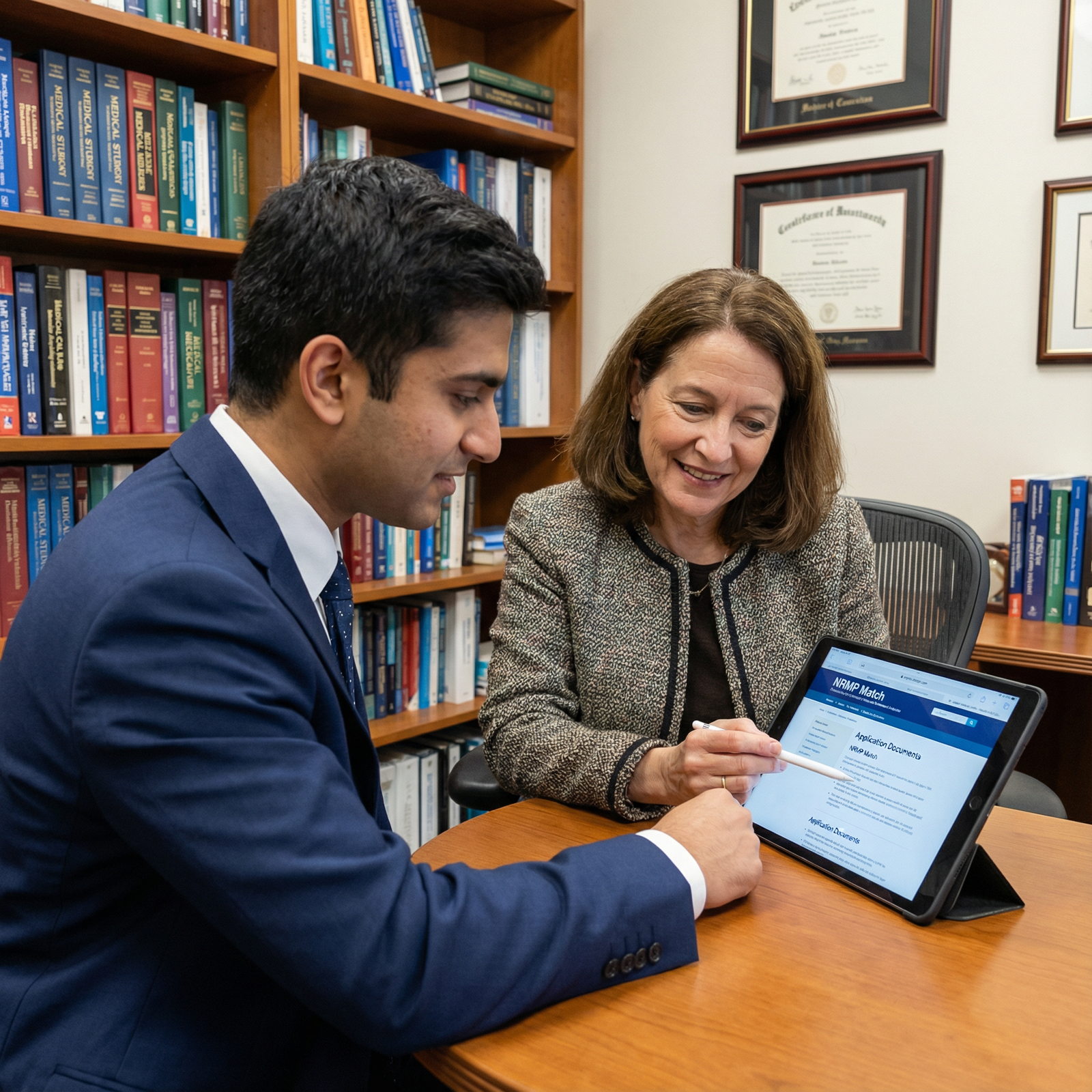
Practical Scripts: What To Say When You Are Put On the Spot
You will be put on the spot. Better to be ready than to improvise nervously.
Use and adapt these as needed.
When asked directly: “Where are you ranking us?”
“On the advice of my dean’s office and NRMP guidance, I am not discussing the specifics of my rank list, but I can say I have a strong interest in your program.”
If they push:
“I hope you can understand that I want to follow NRMP rules closely. I value this program and the time you have invested in my application.”
When pressured: “If you rank us first, we will rank you high.”
“I really appreciate your enthusiasm and support. I am still finalizing my list and want to keep that process private, but I remain very excited about your program.”
Do not bite on the conditional. Do not reply, “Okay, I will rank you first if…” You keep your side clean.
When a mentor suggests something that sounds rule‑breaking
“Thank you for trying to help me. I am a bit worried about NRMP rules on this. Would you be comfortable if I double‑check the current NRMP policy or ask our dean’s office for guidance?”
If they dismiss NRMP:
“I understand your experience, but since my name is on the Match Agreement, I feel I need to be especially careful.”
If Things Go Wrong: Damage Control
Sometimes, despite best intentions, a student already sent an email, made a promise, or informally agreed to something before realizing the implications.
Here is how to avoid turning a mistake into a career problem:
- Stop digging. Do not send follow‑up emails reinforcing the problematic statement.
- Save all related communication. Do not delete; that looks worse later.
- Seek confidential advice from a dean, GME office, or legal counsel if available.
- If necessary, quietly clarify your position in writing in a neutral, rule‑compliant way.
Example: “To avoid any misunderstanding, my rank list will ultimately reflect my independent preferences in accordance with NRMP rules.”
Do not start threatening NRMP reports or accusing programs unless instructed by someone who understands the process. You want less drama, not more.
FAQs
1. Is it a violation if I voluntarily tell a program they are my number one?
No. You are allowed to share your preferences voluntarily. The line is crossed when programs demand, pressure, or condition ranking decisions on such disclosures, or when you enter into explicit mutual promises like “if you rank me first, I will rank you first.” Keep your communications one‑sided expressions of interest, not negotiated deals.
2. What if a program director explicitly asks me to confirm I will rank them first?
You should not comply with that request. Give a neutral response that expresses appreciation and interest without confirming rank order. For instance: “I am still finalizing my list, but I am very enthusiastic about your program and grateful for the opportunity to interview.” You are protecting both yourself and, frankly, the program from stepping across NRMP boundaries.
3. Can I be punished if a faculty member breaks NRMP rules without telling me?
If you are completely unaware and did not participate, the risk to you is lower. The problem is that many “schemes” require at least some cooperation from the applicant—emails, verbal commitments, rank disclosures. That is where you become exposed. Your safest path is to refuse participation in anything that smells like a side deal or pressured disclosure.
4. Are thank‑you notes or update letters risky under NRMP rules?
They are only risky if you use them to create or accept implicit agreements. Simple expressions of gratitude, updates on your application, or statements of interest are fine. What you must avoid are conditional promises (“If you rank me to match, I will rank you first”) or misrepresentations (telling multiple programs they are each your sole number one).
5. What should I do if I think a program has violated NRMP rules during my recruitment?
Start by documenting everything: dates, times, what was said or written. Then discuss it confidentially with your dean or a trusted institutional advisor who understands Match policy. They can help determine if it meets the threshold for concern and how to approach it. Do not fire off accusations to NRMP in the heat of the moment; handle it deliberately and with guidance.
Two things to keep in your head as you go through this process:
- The NRMP rules you agreed to outrank any verbal advice, no matter who gives it.
- You can respect faculty and programs without sacrificing your own compliance or integrity.
Follow the written rules. Be polite, not pliable. That is how you get through Match season without a preventable, career‑staining mistake.


