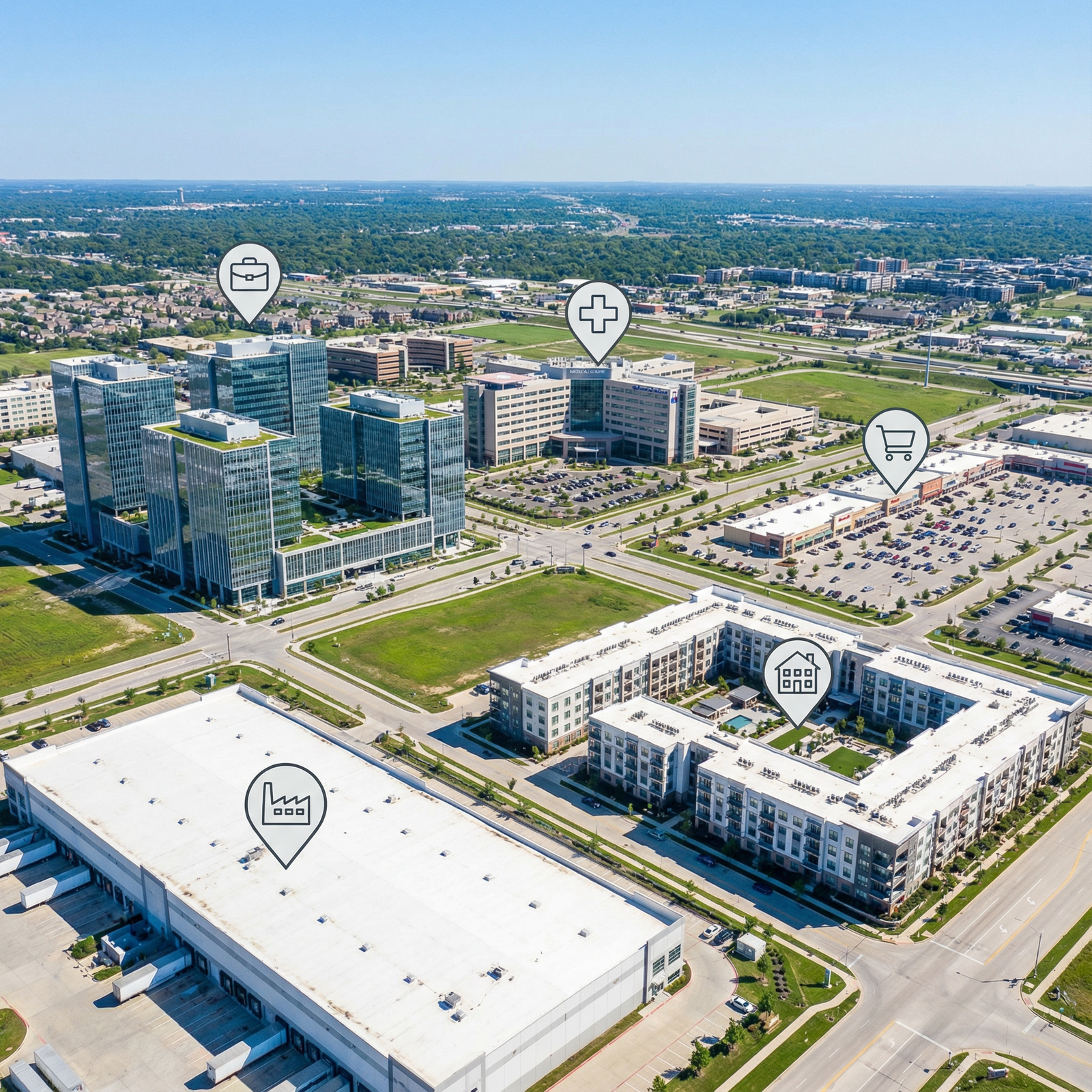
It’s Sunday afternoon. You just finished call, you’re scrolling Zillow and BiggerPockets, and you’re looking at a $700k duplex near the hospital. The lender says you’re “approved with 20% down.” Your buddy swears you’re overthinking it and should “just buy, rents always go up.”
You’re not worried about qualifying. You’re worried about getting stretched so thin that one bad tenant or a furnace replacement blows up your cash flow and starts bleeding into your clinical income.
Here’s the answer you’re actually looking for: how much cash you, as a physician, should keep in reserve for real estate, and how to structure it so you don’t wreck your financial life chasing doors.
The Short Answer: Target Ranges
Let me give you numbers first, then we’ll unpack them.
For physicians investing in long‑term residential rentals (single family, duplex, small multifamily):
| Scenario | Recommended Reserve |
|---|---|
| Your household (non-real estate) | 3–6 months of personal expenses |
| Each rental (conservative) | 6 months of property expenses |
| Each rental (aggressive but acceptable) | 3 months of property expenses |
| Small portfolio (5+ doors) | 3–6% of total property value |
| Bigger leverage / new investor | Stay at the high end of all ranges |
Property expenses = PITI + fixed operating costs:
Principal + Interest + Taxes + Insurance + HOA + average maintenance + utilities you pay + property management.
For a $700k duplex with, say, $4,500/month all‑in expenses, a conservative reserve is about $27,000 just for that property.
Now let’s walk through why, how to calculate it properly, and where people screw this up.
Step 1: Separate Your Two Safety Nets
You need two totally separate cash buffers:
- Personal emergency fund
- Real estate reserves
Do not mentally blend them. That’s how physicians end up “house rich, cash poor,” then taking on extra shifts to cover some tenant’s broken water heater.
Personal emergency fund
For attendings with stable jobs:
I like 3–6 months of essential household spending in cash or cash‑like (HYSA, money market).
This is not for properties. This is for: job loss, disability gap, family emergency, sudden move. Medicine is “stable” until your group loses a contract or you decide you can’t stand that call schedule one more year.
If your household nut is $12k/month, you should have $36–72k before you talk about real estate reserves.
Real estate reserves
Think of this as the buffer that lets your properties live and die on their own, without raiding your W‑2 income.
For real estate, I’m blunt: if you’re a physician, you don’t “get” to be under‑reserved just because you earn a lot. You’re a high‑income, high‑liability target. You need more margin, not less.
Step 2: How to Calculate Property‑Level Reserves
Let’s strip the hand‑waving and do real numbers on that hypothetical $700k duplex.
Assume this:
- Purchase price: $700,000
- Down payment: 20% ($140,000)
- Loan: $560,000 at 7%
- P&I: ~$3,725/month
- Taxes: $700/month
- Insurance: $175/month
- HOA: $0
- Property management: $400/month
- Maintenance/CapEx average: $350/month
- Utilities (landlord): $150/month
So your true monthly cost is roughly:
3,725 + 700 + 175 + 400 + 350 + 150 = $5,500/month
This is the number you reserve against.
Conservative reserve: 6 months
6 × $5,500 = $33,000 for this property alone.
Aggressive-but-not-stupid reserve: 3 months
3 × $5,500 = $16,500.
If you’re early in your investor journey, brand new landlord, high leverage, or buying in a sketchier tenant pool? Stay close to that 6‑month mark.
Step 3: Portfolio-Level Rules of Thumb
Once you have several properties, you can stop holding a full 6 months on every door in separate piles, because risks diversify a bit. But you still need a real plan, not vibes.
Three decent options:
Percentage of portfolio value
- Hold 3–6% of total real estate value in cash reserves
- $3M portfolio → $90k–$180k in reserves
Percentage of debt
- 4–8% of total loan balances
- $2M in loans → $80k–$160k reserves
Multiple of monthly portfolio expenses
- 3–6 months of total portfolio expenses
- If all properties combined cost $18k/month to carry → $54k–$108k
For most full‑time physicians with 3–10 units, the “3–6 months of total expenses” rule works well, as long as your rents are adequate and properties are reasonably maintained.
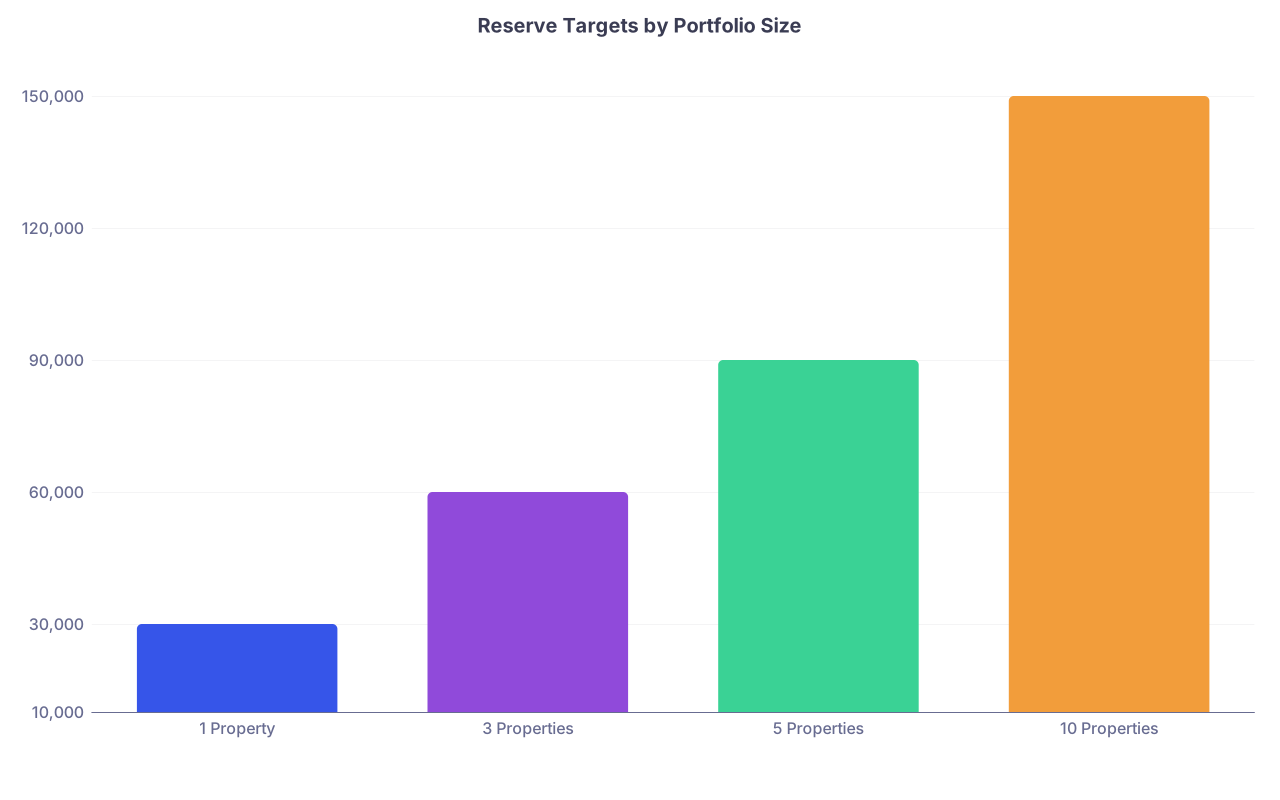
| Category | Value |
|---|---|
| 1 Property | 30000 |
| 3 Properties | 60000 |
| 5 Properties | 90000 |
| 10 Properties | 150000 |
(These are example “comfortable” reserves assuming $4–5k/month average expenses per property, mid‑range risk tolerance.)
Step 4: Scenario‑Based Stress Test
Here’s how I actually sanity‑check a physician’s reserve level when they show me their spreadsheet:
You ask: “If the worst realistic combo of events happened, how many months can I survive without touching my personal emergency fund?”
Run this thought experiment:
- One property is vacant for 4 months
- Another has a $10–15k surprise repair (sewer line, roof, HVAC)
- A tenant stops paying and you burn 3–4 months of legal + lost rent
- Interest rates jump and your HELOC/ARM payment bumps up
- You’re simultaneously having a heavy expense month at home (move, new baby, parental support)
Now map that to your actual reserves.
If that scenario would wipe out your entire RE reserve and force you to raid your personal emergency fund or pick up extra shifts, your reserves are too low.
I like this rule: your real estate reserves alone should handle:
- 6 months of portfolio‑wide negative cash flow
- Plus 1 big capital event ($10–20k),
- Without you panicking.
Step 5: Where to Park the Cash
You’re a physician, so your brain will want to “optimize yield.” Fight that reflex a bit here. Reserves are like malpractice coverage: you want reliability, not sexiness.
Good places:
- High‑yield savings accounts (online banks)
- Money market funds (at a major brokerage)
- Short‑term Treasuries or Treasury money market funds in a brokerage account
- Business savings accounts if you hold properties in an LLC
Avoid using:
- Individual stocks or high‑volatility funds
- Crypto (obvious, but I’ve seen it)
- Hard‑to‑access things like long‑term CDs with penalties
You’re not trying to squeeze out another 1% here. You’re paying for optionality and sleep.
Step 6: Don’t Forget These Hidden Cash Needs
A lot of physicians under‑reserve because they forget the cash that’s about to be needed. Common misses:
Turnover costs
Each tenant change can eat 1–2 months of rent in cleaning, minor rehab, leasing fees, and vacancy.CapEx that’s already on the clock
Roof with 5 years left. 18‑year‑old furnace. 25‑year‑old water heater. Those aren’t “if,” they’re “when.”For older properties, I want more like 6–9 months of expenses, not 3–6.
Insurance deductibles
A $10k deductible on a hail or wind policy means nothing if you don’t have $10k free.Lender requirements
Some lenders will require 6–12 months of PITI reserves per property when you get into multiple mortgages. That’s not just for underwriting; assume it’s also what keeps them comfortable that you won’t default.
Step 7: Physician‑Specific Factors That Change the Number
You’re not a random investor. Your profession changes the calculus.
You should hold more reserve if:
- Your income is highly variable (RVU‑based, locums, startup practice)
- You’re in a lawsuit‑prone specialty and already feel financially exposed
- You’re the sole breadwinner in your family
- You have high fixed personal expenses (private school, large primary home mortgage, alimony, etc.)
- You’re early attending with big student loans and not much net worth yet
You might get away with the low end of ranges if:
- Dual‑physician household with very stable employment
- Low personal spending, primary home paid off or modest
- Deep experience in real estate (or partnering with someone very competent)
- Very conservative deal selection (strong cash flow, good areas, newer buildings)
But even then, I’d still keep property reserves at 3 months minimum. Anything less and you’re basically self‑insuring with your W‑2 income.
Step 8: Rules for Scaling Safely
As you grow, it’s easy to let reserves fall behind because “I need that $80k for the next down payment.”
Here’s a clean framework:
Hard floor:
Never drop below:- 3 months of personal expenses, plus
- 3 months of total property expenses
Conservative goal:
Build to:- 6 months of personal expenses, plus
- 6 months of total property expenses,
Then and only then go hunting for the next property.
Add a property, add reserves:
Before closing on a new property, earmark its 3–6 month reserve as part of the required cash.
Down payment + closing costs + immediate repairs + reserves. That’s the true cost.
Here’s how that looks in a simple example portfolio:
You have:
- Primary home: $4,000/month
- Personal expenses total: $10,000/month
- 3 rentals: $4,500/month each in expenses ($13,500 total)
Minimum fully loaded reserve =
Personal: 3 × $10,000 = $30,000
Properties: 3 × $13,500 = $40,500
Total minimum: $70,500
That’s a real number. And yes, a lot of physicians investing in real estate are nowhere near that. They’re flying naked and hoping nothing breaks.

| Step | Description |
|---|---|
| Step 1 | Calculate personal monthly expenses |
| Step 2 | Hold 3 to 6 months in cash |
| Step 3 | Calculate total monthly property expenses |
| Step 4 | Hold 3 to 6 months for properties |
| Step 5 | Maintain or grow reserves |
| Step 6 | Add 3 to 6 months of new property expenses to reserves |
| Step 7 | Buying a new property |
Common Mistakes Physicians Make With Reserves
Let me just call out the patterns I see over and over:
“My income is my reserve”
Translation: “I’ll work more if something breaks.” That works until you burn out, get sick, or your group implodes.Counting HELOC capacity as reserve
A HELOC is backup, not primary reserves. Banks can freeze it, reduce it, or you may not want to tap it in a downturn.Assuming “my market is safe”
I’ve literally seen physicians in Austin, Seattle, and Denver get crushed during short, sharp local downturns or tech busts. Your city is not magical.Confusing appreciation with liquidity
A $400k equity position doesn’t buy you a new roof tomorrow without a loan, a refi, or a sale. None of those are quick or guaranteed.Not adjusting as interest rates change
When debt is cheap, small vacancies are annoying. When rates spike and you’re on ARMs or interest‑only, they’re lethal. Higher rate environment = higher reserves, full stop.
Putting It All Together: A Clean Formula You Can Use
Here’s a simple approach you can literally run tonight:
List:
- Monthly personal expenses
- Monthly expenses for each property
Decide your comfort level:
- Conservative: 6 months personal + 6 months property
- Moderate: 4–5 months of each
- Aggressive (experienced only): 3 months of each
Compare that target to your current liquid reserves (HYSAs, money market, Treasuries). Do not count:
- Brokerage stocks
- Retirement accounts
- Home equity or HELOC limits
If you’re below target:
- Pause new acquisitions
- Direct extra cash flow (clinical + rental) to reserves until you’re on target
- Only then start talking about more doors
FAQ (5 Questions)
1. Should I use a HELOC as part of my real estate reserve?
You can treat a HELOC as a secondary or backup layer of reserves, but not your primary. Banks can freeze or reduce HELOCs, especially in downturns (exactly when you’d want to use it). I’d aim for full reserves in cash/cash‑like vehicles, and consider HELOC capacity as bonus safety margin, not something you rely on in your base plan.
2. Do reserves change if I invest passively in syndications instead of owning rentals?
Yes. For passive syndications or funds, you generally don’t need property‑level reserves because you can’t get capital calls in most standard equity deals and you’re not paying mortgages personally. But you should still have your normal 3–6 months personal cash reserve, plus any cash you might want ready for capital calls if you invest in structures that allow them. You also need to be comfortable that that money is illiquid for 5–7 years.
3. Is it ever okay to invest in real estate with less than 3 months of reserves?
If you’re a physician, I’d say no. That’s gambling, not investing. The only time I’ve seen it “work” is when someone gets bailed out by rapidly rising prices or a spouse with huge income. That’s survivorship bias. If you don’t have 3 months of personal + 3 months of property expenses in cash after closing, the deal is too big for you right now.
4. How often should I re‑evaluate my reserve levels?
At least annually, and anytime you: buy or sell a property, change jobs, take on a big new personal expense (big house, new daycare, private school), or refinance. Situations change fast in medicine. Build a quick yearly “reserve checkup” into whatever system you use for financial planning, same time you review disability/malpractice coverage.
5. Where exactly should I keep reserves—personal vs property accounts?
Best practice: keep them separate. Personal emergency fund in a personal HYSA or money market; property reserves in the LLC’s business savings or a brokerage money market titled to the entity. That makes bookkeeping, taxes, and asset protection cleaner. If you commingle everything, you’ll constantly be guessing how much is truly available for a new deal.
Open a spreadsheet or notes app right now and write down three numbers: your monthly personal expenses, your total monthly property expenses, and your current liquid cash. Multiply those expenses by 3–6 and see where you land. If there’s a gap, you just found your next financial priority—before you write another offer.