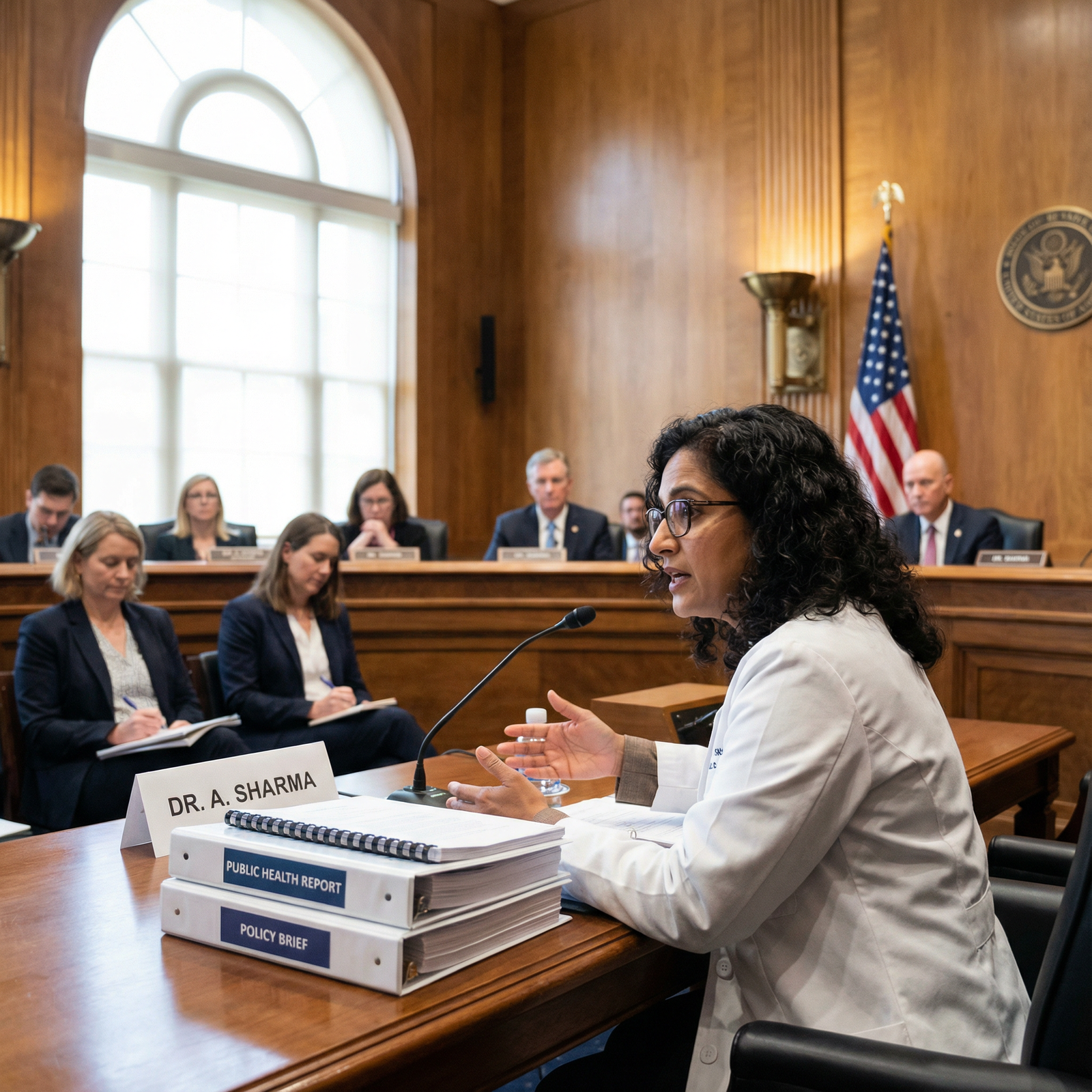
Most physicians underestimate how much legal power they can unlock with a single well‑documented phone call.
Public health emergency declarations are not abstract government rituals. They are legal switches. And physicians—especially those on the front lines—are often the ones who supply the evidence that flips those switches.
If you do not understand what those declarations actually do, who can trigger them, and what you are ethically responsible for when you call for one, you are flying blind in a crisis.
Let me break this down specifically.
1. The Core Idea: Declarations Are Legal Keys, Not Press Releases
Public health emergency declarations are legal instruments that change the rules of the game—instantly and dramatically.
They can:
- Suspend normal licensing rules (so out‑of‑state clinicians can work).
- Relax scope‑of‑practice limits and supervision requirements.
- Alter liability protections.
- Change how you use, allocate, and document medications, vaccines, and beds.
- Force data sharing and movement restrictions that would be illegal in normal times.
- Unlock money. Lots of it. Federal, state, and sometimes international.
Most physicians see the public face: press conferences, banners on health department sites, media headlines. The real action is in the statutory language and the fine print of what gets waived or authorized.
As a clinician, your role is not to “declare an emergency.” You almost never have that power directly.
Your role is to:
- Recognize when statutory triggers are being met (or about to be).
- Produce concise, defensible clinical evidence to justify that.
- Communicate that evidence to the right legal/administrative actors in the right way.
- Practice ethically under the new rules once the declaration is in place.
So the question is not “Can I declare a public health emergency?” It is:
Which declarations exist, who can sign them, and how can I, as a physician, credibly push them into motion?
2. The Major Types of Public Health Emergency Declarations You Need to Know
I will focus on U.S. context because that is where the legal tools are most developed and explicit. The basic structure generalizes to many high‑income countries, though the names change.
There are four main buckets that matter clinically:
- Federal public health emergency – HHS (PHSA §319)
- Federal Stafford Act / disaster declarations – President / FEMA
- PREP Act declarations – HHS (liability and countermeasures)
- State‑level public health / emergency declarations – Governor / state health officials
You need a mental map of how these fit together.
| Declaration Type | Who Declares | Main Effects Clinically |
|---|---|---|
| HHS Public Health Emergency | HHS Secretary | Funding, waivers, certain flexibilities |
| Stafford Act Disaster | President | FEMA resources, logistics, shelters |
| PREP Act Declaration | HHS Secretary | Liability shield for countermeasures |
| State Public Health Emergency | Governor/Health Dir | Licensing, quarantine, data, powers |
| Hospital Internal Emergency | Hospital leadership | Incident command, altered standards |
Now we’ll walk through what each one unlocks and how a physician can effectively trigger or support it.
3. Federal Public Health Emergency (HHS, PHSA §319)
This is the one you heard about endlessly during COVID‑19. It is authorized under Section 319 of the Public Health Service Act.
What it does in practice
Once the HHS Secretary declares a PHE:
- HHS can grant waivers under other statutes (e.g., Medicare/Medicaid rules via §1135, telehealth flexibilities).
- Funds can be moved and reallocated more rapidly.
- Certain surge staffing mechanisms and cross‑jurisdictional coordination become easier.
- It provides the legal basis for other emergency actions (e.g., some FDA flexibilities pair with a PHE or a separate emergency declaration).
It does not, by itself, quarantine your city or conscript clinicians. Those powers are mostly state‑based.
What information actually drives a federal PHE?
No Secretary sits at a desk thinking, “I feel like declaring a PHE today.” They respond to:
- Epidemiological data from CDC and states.
- On‑the‑ground reports from clinicians and hospital leadership.
- Situational reports from state health departments and Emergency Operations Centers (EOCs).
Physicians do not call HHS directly and ask for a PHE. But your clinical documentation and communication up the chain can be decisive.
I have seen single ICU directors’ situational emails quoted verbatim in state briefing decks that went to HHS. You are closer to the truth than most people in D.C.
How you “trigger” it in real life
Your leverage point is your local and state infrastructure:
- Document concretely:
- ICU occupancy, ED boarding hours, mortality shifts.
- PPE burn rate and actual stock on hand.
- Time to transfer critical patients; numbers refused due to capacity.
- Send structured situation reports (sit‑reps) to:
- Hospital incident command.
- Local health department medical director.
- State health department if you have that relationship.
The reports that actually move policy are:
- One page.
- Table of key metrics.
- Clear bottom line: “Under current rules, we will be unable to safely provide standard of care in X days.”
Those are the memos that get forwarded to state health officials, then to CDC contacts, then quoted in briefing notes. That is your indirect trigger.
4. Stafford Act and Federal Disaster Declarations
These are often thought of as “hurricane / wildfire tools.” That is shallow thinking.
The Stafford Act lets the President declare:
- Emergency (smaller, faster).
- Major disaster (bigger, more resources).
This brings in FEMA, logistics, shelters, temporary medical facilities, and huge financial support to states.
It is technically framed around “natural catastrophes,” but COVID‑19 showed that widespread infectious disease can absolutely be the basis for such declarations.
How does this intersect with clinical care?
For hospitals, Stafford Act activity means:
- Federally supported alternate care sites (e.g., field hospitals).
- Logistics support: oxygen, ventilators, staffing augmentation.
- Cost sharing and reimbursement for emergency protective measures.
- Support for evacuations and patient movement.
It does not change your individual scope of practice. It changes the infrastructure around you.
How a physician’s voice gets into Stafford Act decisions
Presidential disaster declarations are usually requested by governors. Governors lean heavily on:
- State health department situational reports.
- Hospital association surveys.
- Direct calls from major health system CEOs and CMOs.
If you are a clinician leader (ED director, ICU chief, CMO, EMS medical director), your job is to make the governor’s staff and the health department’s life easy:
- Provide:
- Comparative data: “Last 5‑year max ICU occupancy vs. current sustained occupancy.”
- Operational impact: “Ambulance offload times increased from 20 to 110 minutes.”
- Safety signals: “We are canceling category B and now C surgeries.”
A single, carefully described situation—like a regional inability to transfer trauma patients because every ICU is saturated—can be the narrative hook that pushes a governor from “we’re coping” to “we must request federal disaster assistance.”
Again, you are not signing anything. You are supplying the hard clinical facts that justify the signature.
5. PREP Act Declarations: The Liability Shield Clinicians Forget Exists
The PREP Act (Public Readiness and Emergency Preparedness Act) is not about funding or logistics. It is about liability.
The HHS Secretary issues PREP Act declarations that specify:
- The disease or threat.
- The countermeasures (e.g., vaccines, antivirals, diagnostics).
- The covered persons (which types of providers).
- The time period and sometimes the geographic area.
If an action falls under that declaration, covered persons get broad immunity from suit and liability (with narrow exceptions like willful misconduct) for claims related to use of those countermeasures.
This is what made mass COVID‑19 vaccination clinics legally tolerable for health systems and pharmacists.
Why this matters clinically and ethically
You will be asked to:
- Vaccinate or treat far outside your usual patient demographics and settings.
- Stand up rapid, imperfect workflows.
- Accept slightly higher error risk to save more lives overall.
Without liability protection, many institutions and clinicians would simply not participate or would throttle their efforts.
PREP Act declarations are what make large‑scale, high‑velocity public health interventions politically and economically survivable.
How can physicians influence PREP Act use?
The Secretary does not declare PREP protections for fun. There has to be a credible showing that:
- There is a real or potential public health threat.
- A specific countermeasure will mitigate it.
- Fear of liability could materially slow or limit uptake.
Your role as a clinician:
- Document and communicate the chilling effect of liability.
- “Our system attorneys are reluctant to authorize mass vaccination at non‑traditional sites without explicit federal liability protections.”
- “Volunteer clinicians are declining to staff PODs due to perceived malpractice exposure.”
- Participate in formal feedback channels:
- Specialty societies.
- State medical associations.
- Hospital associations.
HHS actually listens when multiple CMOs and specialty leaders send convergent messages saying: “The countermeasure is ready. Liability concerns are the bottleneck. A PREP declaration will materially change our operational posture.”
Ethically, you must be honest. Do not exaggerate liability concerns just to get a desired declaration. That becomes a moral hazard.
6. State‑Level Public Health and Emergency Declarations: Where Most Real Power Lives
Here is the part many physicians miss: State statutes usually have the most direct impact on your daily practice during an emergency.
Governors and sometimes state health officers can declare:
- Public health emergency (disease‑focused).
- State of emergency / disaster (broader, includes weather, infrastructure, terrorism, etc.).
The exact terminology and structure differ by state, but the common levers are similar.
What state declarations can do to your practice
Once declared, state law often authorizes:
- Emergency licensing flexibilities:
- Fast‑track or recognition of out‑of‑state licenses.
- Reactivation of retired or inactive licenses.
- Scope‑of‑practice adjustments:
- Expanded roles for NPs, PAs, pharmacists, paramedics.
- Relaxed supervision or collaboration requirements.
- Mandated reporting and data sharing:
- Compulsory notification of cases and outcomes.
- Direct data feeds from EHRs to health departments.
- Movement and gathering restrictions:
- Quarantine / isolation orders.
- Closure of schools or certain businesses.
- Liability protections under state law for good‑faith emergency care.
Some states explicitly tie “altered standards of care” or “crisis standards of care” to formal declarations. Others just use them as the legal backdrop.
How physicians can actually activate or shape these declarations
This is the level at which physicians can have very direct impact, especially if you have any leadership role:
- Direct communications to state health leadership.
- State epidemiologist.
- State health officer.
- Chief medical officer.
- Participation in advisory groups.
- Many states have emergency preparedness task forces, crisis standards committees, or advisory councils that include clinicians.
- Written letters / position statements.
- From regional hospital coalitions.
- From state medical societies and specialty societies.
Specific example I have seen: ED and ICU directors in a half‑dozen hospitals jointly wrote to the state health commissioner with:
- Current occupancy and projected trajectories.
- Numbers of patients cared for in non‑ICU locations.
- Documented delays in time‑sensitive care (STEMI, stroke) due to overcrowding.
- A clear ask: “We request activation of statewide crisis standards of care and temporary expansion of scope for [specified roles].”
Within days, the governor’s office announced a state of emergency, along with regulatory waivers the letter had requested almost word‑for‑word.
You cannot underestimate the power of well‑aligned, convergent clinical voices from multiple independent systems. Politicians and health officials pay attention when every major CMO in the state is saying the same thing with data behind it.
7. Hospital‑Level Emergency Declarations: The Switch You Actually Control
You probably do not sign state or federal declarations, but inside your hospital, you can start the cascade.
Most hospitals have:
- An Emergency Operations Plan (EOP).
- A structure derived from the Hospital Incident Command System (HICS) or similar.
- A policy for internal emergency declaration (sometimes called “Code Triage,” “Incident Command Activation,” or similar).
These internal declarations are not public law, but they do three very important things:
- Trigger chain‑of‑command clarity and clear operational control.
- Change staffing, call‑in, and resource allocation rules.
- Generate formal situation reports that go to health departments and coalitions.
How physicians activate these in real life
You may already have the authority, formally or informally, to recommend or request internal activation:
- ED attending noticing unsustainable ED boarding and ambulance diversion.
- ICU director seeing that ventilator demand is about to exceed supply.
- EMS medical director seeing multi‑casualty events stacking up without adequate receiving capacity.
The way you frame the ask matters:
Bad:
“We’re really busy; maybe we should think about declaring an emergency.”
Good:
“In the last 6 hours, mean ED LOS has doubled, ambulance offload is over 90 minutes, and we’ve held three intubated patients in hallways. We are no longer able to safely handle a mass casualty or local outbreak without formal activation of incident command.”
Once your hospital activates its EOP, it starts producing structured, objective reports—the same ones that trigger higher‑level state or regional actions.
So yes, your internal decision can start the domino chain that ends with a governor or secretary signing a public health emergency declaration.
8. Ethical Responsibilities When You Push for Emergency Powers
Legal tools are seductive. They promise quick fixes. But every expansion of power in a crisis comes with ethical baggage.
As a physician pushing for or operating under emergency declarations, your ethical duties include at least five core elements:
Truthfulness about capacity and risk
You do not exaggerate. You do not manufacture crisis language just to obtain funding or political attention. Overcalling emergencies erodes trust and leads to “alarm fatigue” in policymakers.
If you say “we will run out of ICU capacity in 72 hours,” you better have the data—and the math—to support it.
Proportionality
The legal response should be proportionate to the actual threat and capacity constraints.
- Asking for full statewide lockdown when you have a localized, controllable flare is ethically weak.
- Asking for targeted flexibilities (e.g., out‑of‑state licensing, expanded NP scope) when you can fix real problems that way is much stronger.
Justice and equity
Emergency declarations almost always affect vulnerable populations more harshly:
- Quarantine orders often target those who cannot work from home.
- School closures hit children with special needs and low‑income families hardest.
- Crisis standards of care can unintentionally encode bias into triage instruments.
As a physician, you should be acutely aware of who pays the cost of the legal powers you are asking for, and you should advocate for mitigating measures.
Transparency with patients and staff
When practice conditions change due to emergency declarations (e.g., altered standards of care, non‑traditional locations for treatment), you must be honest with patients and teams about:
- Why changes are happening.
- How decisions are being made.
- What is being done to minimize harm.
“Because the governor said so” is not an adequate ethical justification.
Temporal restraint
Emergency powers must be temporary. Once the conditions that justified them recede, you should be among the first to argue for their rollback.
Watching some institutions quietly enjoy the flexibility of emergency telehealth and scope expansions long after the real crisis passed has been instructive. Ethically, you must resist the temptation to normalize extraordinary powers without proper legislative debate.
9. The Specific Legal Tools Physicians Most Commonly “Trigger”
Let me be concrete. These are the functional levers that your input most commonly affects:
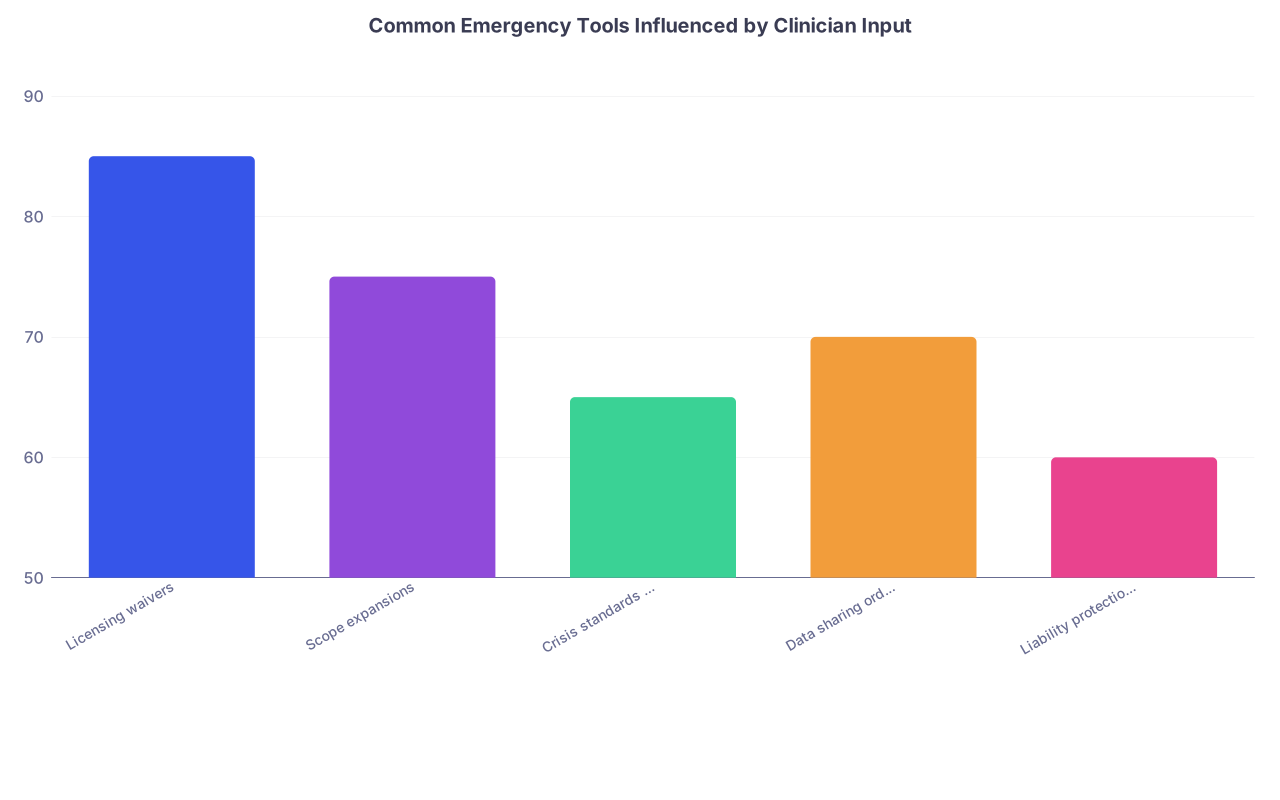
| Category | Value |
|---|---|
| Licensing waivers | 85 |
| Scope expansions | 75 |
| Crisis standards of care | 65 |
| Data sharing orders | 70 |
| Liability protections | 60 |
(Think of those numbers as “relative frequency of real‑world physician impact,” not precise percentages.)
1. Licensing waivers / rapid recognition
Your reports about staffing shortages across multiple hospitals often lead directly to:
- Temporary recognition of out‑of‑state licenses.
- Telemedicine flexibility (across state lines).
- Reactivation of lapsed or retired licenses.
You strengthen the case by being specific:
- Number of unfilled shifts over defined period.
- Units closed or at reduced capacity due to staffing.
- Delays in elective or semi‑urgent care attributable to clinician shortage.
2. Scope‑of‑practice expansions
In emergencies, many states temporarily expand what:
- NPs, PAs, and CRNAs can do independently.
- Pharmacists can prescribe or administer.
- Paramedics can do in the field or in EDs.
If you want these, your job is to:
- Clarify which tasks could be safely delegated.
- Provide protocols or supervision frameworks.
- Explicitly endorse non‑physician colleagues as capable, with appropriate oversight.
3. Crisis standards of care activation
Formal crisis standards of care (CSC) frameworks often sit in binders for years. When hospitals are truly at or beyond capacity, physicians are usually the ones who say, “We are no longer in contingency; this is crisis.”
How you trigger CSC ethically:
- Use objective triggers:
- Sustained occupancy thresholds.
- Resource depletion (ventilators, dialysis machines).
- Inability to provide specific time‑sensitive services at acceptable delays.
- Work through your state or regional CSC committees if they exist.
- Insist on:
- Documentation of criteria.
- Transparency.
- Regular reassessment.
Once CSC is activated, triage committees, not bedside clinicians, usually handle allocation decisions. That protects you ethically and emotionally.
4. Data sharing and enhanced reporting
During outbreaks, states may need:
- Mandatory reporting of specific lab results.
- Real‑time hospital census data.
- Syndromic surveillance feeds.
Physicians’ complaints that “we are blind” and “we cannot see what is happening across the region” often spur orders that require such data flows.
Your job is to:
- Be specific about which data would actually help operations and clinical decisions.
- Support the necessary EHR and IT adaptations.
- Push back if requests are so broad they create massive documentation burdens with little clinical value.
5. Liability protections
Beyond PREP Act, states can extend protections to:
- Clinicians making triage decisions under CSC.
- Volunteers in state‑run clinics or shelters.
- Clinicians practicing outside their normal specialty within defined limits.
Again, your role is to say clearly:
- “Without additional legal protections, we cannot safely reassign cardiologists to general internal medicine coverage for COVID‑19 wards.”
- “Our triage committee members require explicit statutory or regulatory protection to make allocation decisions free of individual liability fears.”
10. A Practical Decision Flow: When Should You Call for Emergency Powers?
Let me lay out a simple mental flowchart. This is how a responsible clinician leader thinks about escalating for emergency declarations.

| Step | Description |
|---|---|
| Step 1 | Recognize Strain |
| Step 2 | Use routine management |
| Step 3 | Activate or request hospital incident command |
| Step 4 | Operate under hospital emergency |
| Step 5 | Report structured data to local health dept |
| Step 6 | Targeted local measures |
| Step 7 | Coordinate letter from clinical leaders |
| Step 8 | Ask state for targeted emergency powers |
| Step 9 | State may request federal PHE/Stafford/PREP |
| Step 10 | Is patient safety at risk despite local fixes? |
| Step 11 | Resources still inadequate? |
| Step 12 | Regional/systemic problem? |
The core discipline is this:
- Fix what you can locally first.
- When local tools are exhausted, document precisely.
- Escalate through defined channels with concrete asks.
- Keep the tools you request proportionate to the actual need.
FAQ (Exactly 5 Questions)
1. Can an individual physician ever directly “declare” a public health emergency?
No. The legal authority to declare public health emergencies sits with government officials: HHS Secretary, President, governors, sometimes state health officers. What you can do is trigger internal hospital emergencies and supply the clinical evidence that justifies higher‑level declarations.
2. Am I legally obligated to report conditions that might justify an emergency declaration?
You are obligated to comply with mandatory reporting laws (certain diseases, clusters, unusual events). Ethically, if you recognize that your institution or region is approaching systems failure, you have a professional duty to communicate that clearly to leadership and public health. Failing to do so can be a form of silent complicity.
3. Do emergency declarations protect me from malpractice suits automatically?
Not automatically. Some declarations (especially PREP Act and specific state laws) can provide liability shields for defined activities, like using specified countermeasures or practicing under crisis standards. Others primarily unlock funding or regulatory waivers. You need to know, for your jurisdiction, which emergency measures actually alter liability and which do not.
4. What is my ethical role if I disagree with how emergency powers are being used?
You are not just a technician; you are a moral agent. If you believe emergency powers are being misused—disproportionate restrictions, discriminatory application, or unjust triage criteria—you should raise concerns through institutional ethics committees, professional societies, and, when appropriate, public channels. Silence in the face of clear injustice is not ethically neutral.
5. How can I practically prepare myself to use these tools responsibly before the next crisis?
Three steps: First, learn your state’s specific emergency statutes and your hospital’s EOP; this is not optional for serious clinicians. Second, build relationships now with incident command, your local health department, and regional coalitions. Third, participate in drills and tabletop exercises, and insist that they include legal and ethical components, not just logistics and clinical care.
Key takeaways:
- Public health emergency declarations are legal keys that reshape your practice environment; you rarely sign them, but your data and advocacy often determine whether they turn.
- Your ethical obligation is to be precise, proportionate, and honest when pushing for emergency powers, with eyes wide open to their impact on vulnerable populations.
- The best time to learn your jurisdiction’s emergency tools—and your institution’s internal triggers—is before the crisis. Not while patients are dying in hallways.