Understanding Second Look Visits as a Caribbean IMG
For many Caribbean medical school graduates, the residency match process can feel high‑stakes and uncertain—especially when you’re navigating it as an international medical graduate (IMG). One common question is whether a second look residency visit can improve your odds. You may be asking yourself: “Should I do second look visits if I’m from a Caribbean medical school?” or “Will this actually help my Caribbean medical school residency prospects?”
This guide breaks down how second look visits work, when and how they can help, and specific strategies tailored to Caribbean IMGs, including those from schools like SGU, Ross, AUC, Saba, and others. We’ll look at how to use second looks strategically—not emotionally—so you spend your time and money where they can truly make a difference.
What Is a Second Look Visit—and What It Is Not
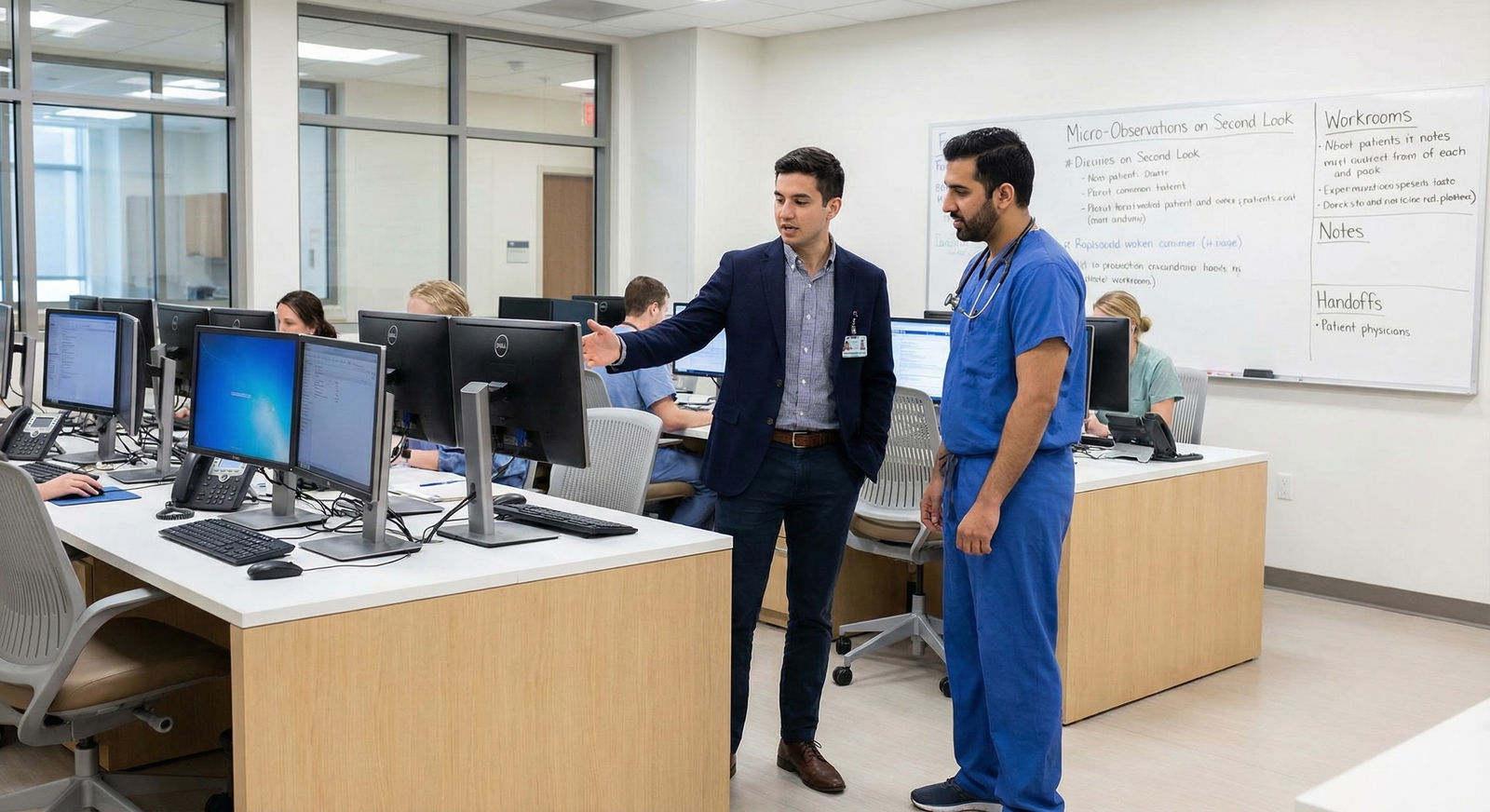
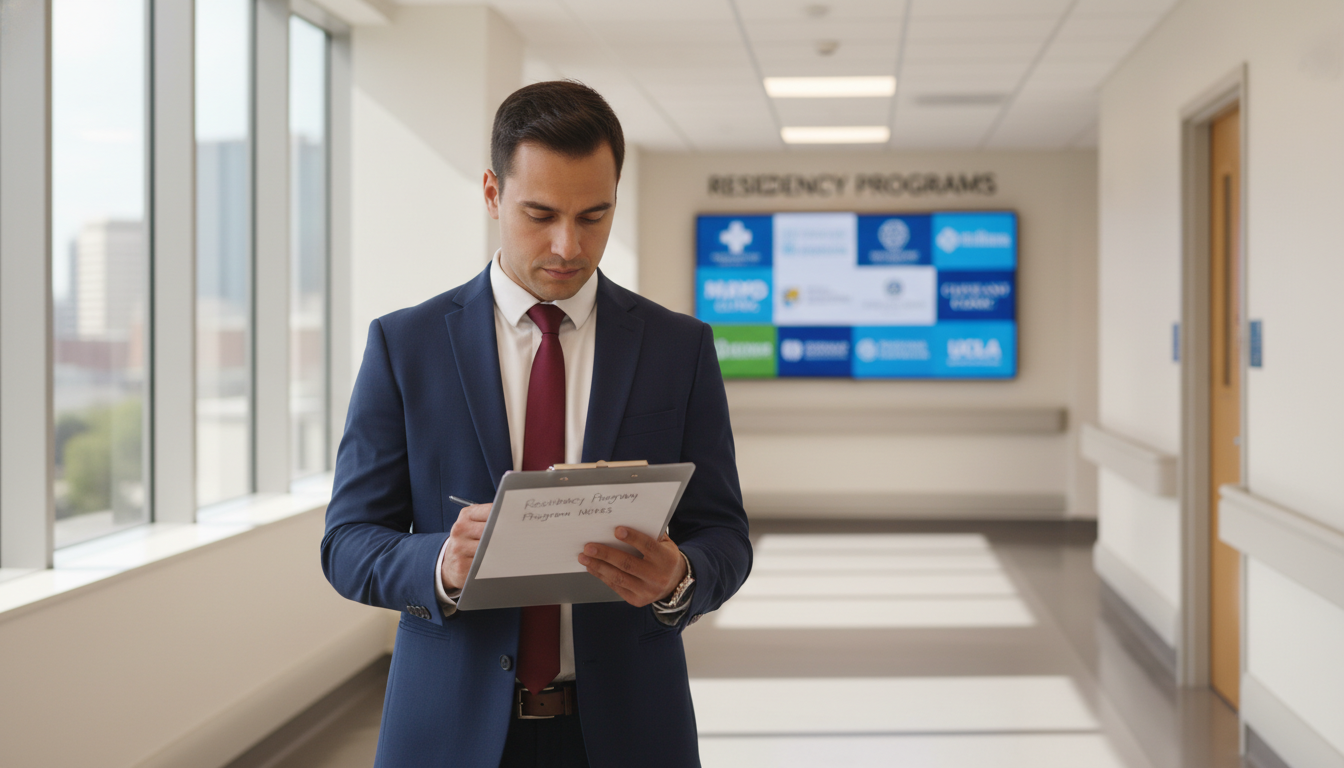
A second look residency visit is an optional, typically informal in‑person visit to a residency program after your interview but before you submit your rank list. It usually occurs between late January and mid‑February, depending on the specialty and program.
Typical Features of a Second Look
A second look visit may include:
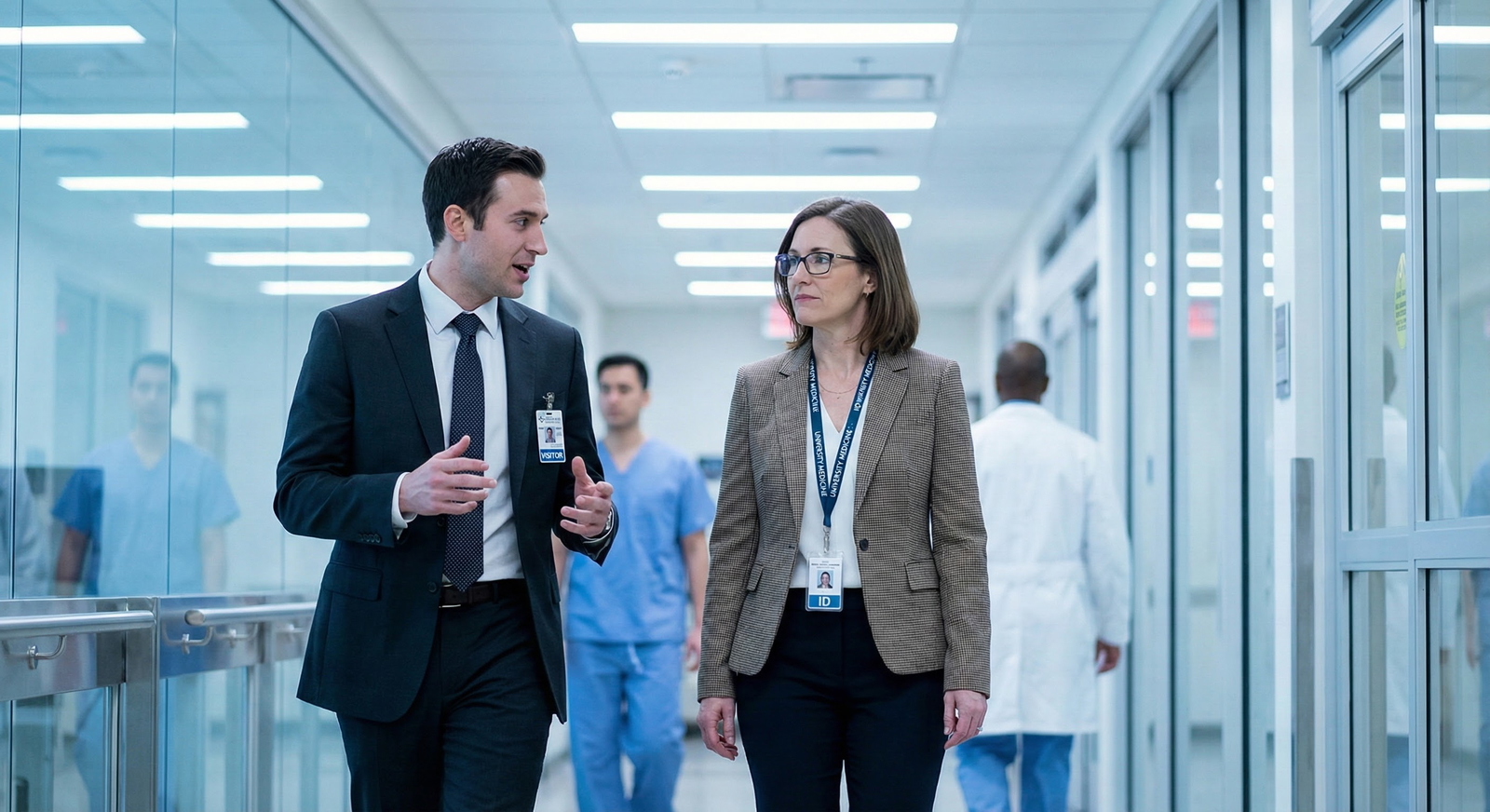
- Touring clinical areas (wards, clinics, OR, ED)
- Observing rounds or conferences as an observer (not functioning as a student)
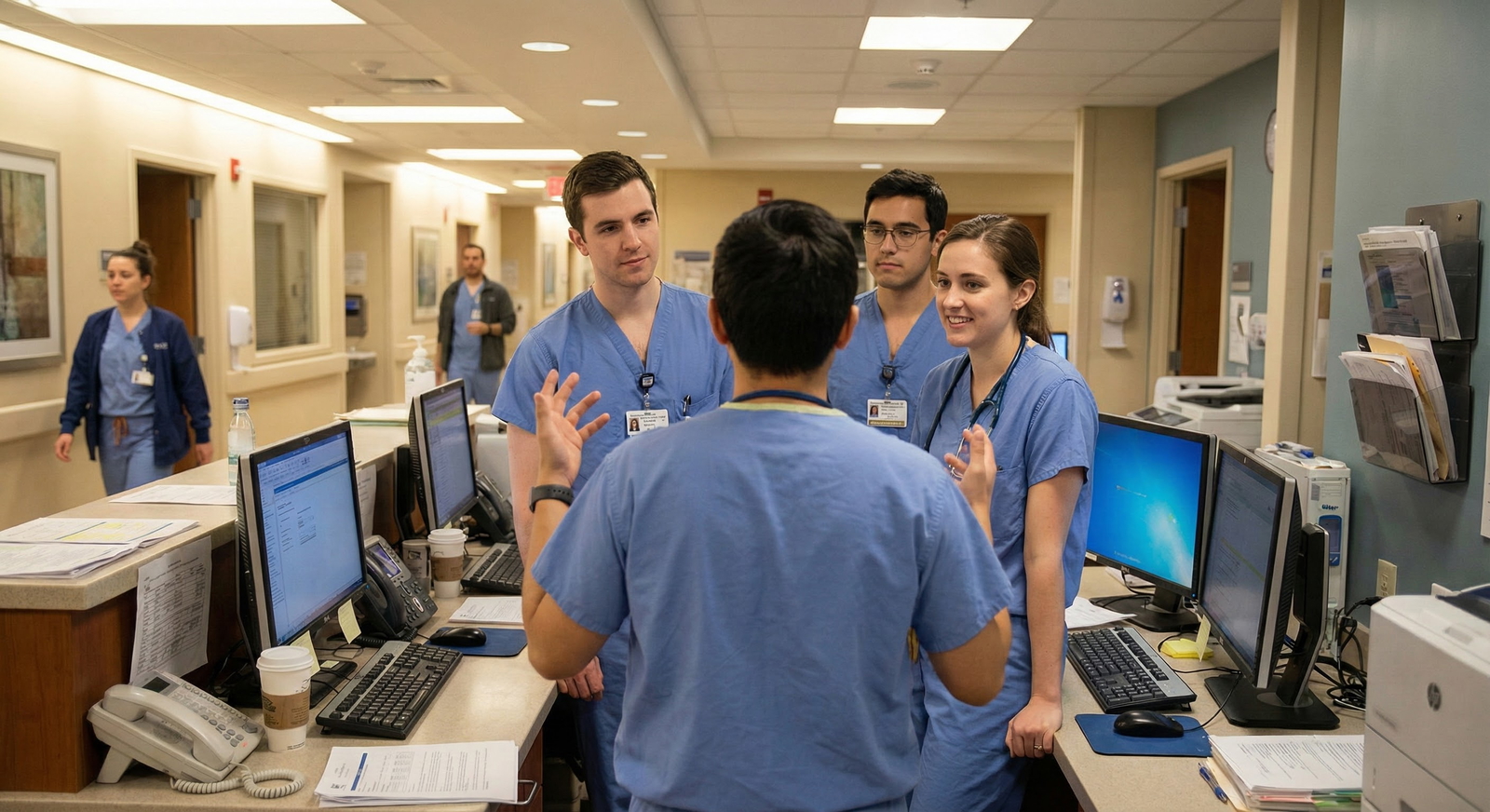
- Brief check‑ins with residents (and occasionally faculty or PD/APD)
- Observing hospital culture and workflow
- Informal Q&A with current residents about:
- Call schedules
- Didactics
- Fellowship placement
- Lifestyle and city details
Some programs have a structured second look day with a schedule sent in advance; others offer a loosely organized visit based on your availability.
What a Second Look Is Not
A second look is not:
- A second interview or chance to “re‑audition”
- A guaranteed way to move up the rank list
- A substitute for a strong interview day performance
- An opportunity to “game” the system by lobbying for a higher rank
Most programs explicitly state that second looks do not significantly influence their rank list decisions. Many PDs regard second looks as:
“A courtesy for candidates who want to see more of the program.”
For Caribbean IMGs, this is crucial: you should not assume that a second look can “fix” weaker parts of your application (board scores, gaps, limited U.S. experience). Instead, treat it as a targeted tool when you already have a realistic chance at matching there.

Should Caribbean IMGs Do Second Look Visits?
For a Caribbean IMG, traveling for multiple second looks can be financially and logistically challenging. The key question is not just “Should I do second look?” but:
“When is a second look worth it for me as a Caribbean IMG?”
When Second Looks May Be Helpful for Caribbean IMGs
Second look visits can be helpful in specific scenarios:
You Have a Top‑Choice Program You’re Seriously Considering Ranking #1–3
You might consider a second look if:
- You’re torn between 2–3 programs for your top rank spots.
- The program is geographically distant or you only saw a limited snapshot during interview day (e.g., virtual interview).
- You want to evaluate how supportive they are of IMGs or Caribbean graduates in particular.
In this case, the second look is for you, to clarify:
- Do you genuinely see yourself thriving here?
- How do residents with similar backgrounds (including IMGs) fare?
- Does the program culture match your learning style and personality?
You Interviewed Virtually and Haven’t Seen the Hospital or City
Many programs shifted or maintained virtual interviews. As a Caribbean IMG without prior U.S. clinical exposure in that region, this can leave big gaps:
- You don’t know what the hospital infrastructure feels like.
- You haven’t experienced the commute or surrounding area.
- You’re unsure about housing, transportation, and safety.
A brief in‑person visit can:
- Validate whether you could realistically live there for 3+ years.
- Reveal red flags that weren’t obvious on Zoom (e.g., understaffing, chaotic workflow, poor resident morale).
The Program Has Shown Genuine Interest in You
Some signs of genuine interest:
- Personalized thank‑you emails from PD/APD after the interview.
- Specific language like “we think you’d be a strong fit here.”
- Follow‑up questions about your rank list or plans (while still adhering to NRMP rules).
In such cases, a second look:
- Signals back that you are seriously interested.
- Lets you strengthen relationships with residents/faculty who advocated for you.
This doesn’t guarantee a ranking boost, but it can help keep you on their radar in a positive way—especially at community or mid‑sized programs that value perceived commitment.
You Are Transitioning from Caribbean Medical School to a New U.S. Region
Many Caribbean medical school graduates come from diverse backgrounds and may be applying broadly across the U.S.:
- If you have no personal or clinical connection to a region (Midwest, rural South, etc.), programs may worry about geographic retention.
- A second look, especially to a more remote or less popular region, can indirectly counter that concern by demonstrating that you’ve seen the location and are still genuinely interested.
When Second Looks Are Usually Not Worth It
Beware of doing second looks just because others are.
You Ranked the Program Lower or Aren’t Truly Excited About It
If a program is likely to land in the bottom half of your rank list:
- A second look is unlikely to change its position meaningfully.
- Your time and money are better invested in:
- Backup planning (SOAP strategies)
- Improving Step 3 or clinical experience
- Strengthening letters for a future reapplication, if needed.
You’re Doing It Only Because You’re Anxious as a Caribbean IMG
Many Caribbean IMGs feel extra pressure:
- “I have to do more to make up for my Caribbean medical school.”
- “Everyone else is doing second looks; I can’t fall behind.”
Anxiety should not be the driver. Programs know Caribbean IMGs often face financial constraints and visa issues. They will not penalize you for not doing second looks.
You Had a Clearly Poor Interview or Serious Mismatch
If:
- The interview felt tense or awkward.
- You realized the program’s priorities don’t align with yours (e.g., heavy research focus while you want clinical exposure).
- You sensed they were not comfortable with FMGs/IMGs.
A second look won’t repair a fundamentally poor fit. Reinvest that energy in programs that genuinely align with your goals.
You’re Planning 4–5 Second Looks Across the Country
This is often a poor return on investment for Caribbean IMGs:
- Thousands of dollars in flights/hotels.
- Time away from rotations or work.
- High fatigue with limited benefit.
One or two strategically chosen second looks at programs you could realistically see yourself ranking at the very top is usually more effective.
How Second Looks Fit Into Caribbean Medical School Residency Strategy
As a Caribbean IMG, your broader Caribbean medical school residency strategy should prioritize:
- Board scores and clinical performance
- Strong U.S. letters of recommendation
- Demonstrated professionalism and reliability
- Clear specialty and geographic focus
- Thoughtful, realistic rank list construction
Second looks are a supplement—not a core pillar of your application.
Reality Check: How Programs Actually Use Second Looks
Most program directors report that:
- Second looks rarely move an applicant up significantly on the rank list.
- They may serve as a mild “tie‑breaker” between similarly ranked candidates.
- They are more influential at:
- Smaller community programs
- Programs concerned about retention and commitment
- Places where faculty place high value on “fit” and interpersonal impressions
In contrast, at large academic centers:
- Rank lists are often built heavily on:
- Scores
- Clerkship and sub‑internship performance
- Letters of recommendation
- Research (in some specialties)
- Second looks are often viewed as neutral: a courtesy to the applicant.
For Caribbean IMGs—especially those from SGU, Ross, AUC, and similar schools—this means:
- Your SGU residency match (or equivalent from another Caribbean school) is far more strongly determined by your application strength and interview performance than by whether you attended second looks.
- Use second looks to refine your preferences and show genuine interest, but never assume they will override objective metrics.
Example Scenarios for Caribbean IMGs
Scenario 1: SGU Graduate Applying to Internal Medicine
- You have:
- Step 1: 227, Step 2: 240
- Strong U.S. IM letters (two from university‑affiliated IM programs)
- 12 interviews
You’re debating second looks. Strategic choices:
- You identify 2 programs:
- A mid‑sized community program in the Midwest where the PD mentioned comfort with IMGs and has had multiple SGU graduates.
- A university‑affiliated program in the South where the interview went especially well and residents seemed supportive.
You schedule one second look at the university‑affiliated program, where you’re deciding whether to rank it #1 vs #2. You skip second looks at mid‑lower tier programs you’re less excited about. This is a wise, targeted use of your time and money.
Scenario 2: Caribbean IMG With Limited Interviews (5–6 Total)
- Your scores are on the lower side.
- You received 5 interviews in FM or IM.
Here, your match odds are more sensitive. However:
- Second looks are unlikely to convert a weak application into a guaranteed match.
- Your best strategy is:
- Build a thoughtfully broad rank list (rank every program where you interviewed).
- Prepare extensively for SOAP as a contingency.
- If you choose a second look, select only one program that:
- Clearly values IMGs
- Is in a location you would genuinely accept and be happy in
- Felt relatively positive during the interview
This way, you preserve resources in case you must reapply or complete additional U.S. experience.

How to Plan and Execute a High‑Impact Second Look
Once you’ve decided a second look is warranted, the details matter. A poorly planned visit may be neutral or even slightly negative; a well‑executed visit can cement a positive impression and give you clarity about your rank list.
Step 1: Confirm Program Policies and Timing
Before you book travel:
Check the program website and emails
- Some programs:
- Don’t allow second looks at all.
- Only permit them on specific dates.
- Restrict them to post‑interview applicants.
- Some programs:
Email the program coordinator professionally Example template:
Subject: Second Look Visit Inquiry – [Your Name], [Specialty] Applicant
Dear [Coordinator Name],
I hope you are well. I interviewed with [Program Name] on [date] and remain very interested in the program. I wanted to ask whether your program is offering second look visit opportunities this season, and if so, what dates or format might be available.
As an international graduate from [Your Caribbean School], I’m especially interested in better understanding the day‑to‑day workflow and resident experience at your institution.
Thank you very much for your time and assistance.
Sincerely,
[Your Full Name]
AAMC ID: [ID]Be flexible about timing
- Programs are busy with clinical work and ranking meetings.
- Accept that your visit might be limited to a partial day.
Step 2: Set Clear Goals for Your Visit
Before you arrive, write down what you need to learn to make a confident rank decision. For Caribbean IMGs, useful focus areas include:
IMG/Caribbean‑friendly culture
- How many IMGs are in the program?
- Any current or recent residents from Caribbean schools (SGU, Ross, AUC, etc.)?
- Do IMGs hold chief positions or match into strong fellowships?
Support for transition to U.S. training
- How structured is intern orientation?
- Are there mentorship systems for new interns?
- How approachable are faculty and senior residents?
Workload and wellness
- Realistic patient census on wards/ICU
- Call frequency and night float system
- Burnout level, resident morale
Visa and logistical support (if applicable)
- J‑1 vs H‑1B sponsorship policies
- Institutional experience dealing with visa issues
Step 3: Behave Like a Professional Colleague
Even though PDs often say they don’t “re‑score” second looks, people remember professionalism and demeanor. Key tips:
Dress code
- Business casual is usually appropriate (e.g., slacks and shirt/blouse; white coat rarely needed unless instructed).
Punctuality
- Arrive 10–15 minutes early.
Engagement
- Ask thoughtful questions, but don’t dominate conversations.
- Show interest in residents’ lives and experiences, not just stats.
Respect boundaries
- Never ask: “Where am I on your rank list?” or “Will I match here?”
- Avoid pressuring anyone for promises or commitments.
Step 4: Ask Targeted, High‑Yield Questions
Examples of useful questions for Caribbean IMGs:
- “How has the program supported residents who trained outside the U.S., especially those from Caribbean schools?”
- “Could you share examples of recent IMGs’ fellowship or job placements after graduation?”
- “What are some common challenges new interns face here, and how does the program help them adjust?”
- “How does the program handle struggling residents or those who need extra support?”
- “How approachable is the PD and chief residents when there are issues on the floor?”
These questions help you assess whether this environment will truly support your success as an IMG.
Step 5: Follow Up Appropriately
Within a few days:
- Send a brief thank‑you email to:
- The coordinator
- Any faculty or residents who spent significant time with you (if you have their contact info)
Sample structure:
- Thank them for hosting you.
- Mention a specific aspect you appreciated (e.g., morning report, camaraderie, clear teaching).
- Reiterate your continued interest—without making ranking promises that violate NRMP rules.
Common Mistakes Caribbean IMGs Make With Second Looks—and How to Avoid Them
1. Treating Second Looks as a “Fix” for a Weak Application
Reality: If your main weaknesses are:
- Low board scores
- Limited U.S. clinical experience
- Red flags (failures, professionalism issues)
Second looks will not meaningfully change programs’ overall evaluation. Instead:
- Focus on:
- Step 3 (if applicable)
- Quality of current rotations
- Strong letters and future positioning
- Use second looks only to refine where you’d actually be happiest if you do match.
2. Overspending on Travel
Flying from one U.S. region to another from the Caribbean or your current base can be extremely expensive. Strategies:
- Cluster visits
If you have multiple interviews/second looks in the same region, group them into a single trip. - Limit to 1–2 critical programs
The marginal benefit of more than two second looks is usually very low. - Use remote alternatives when offered
Some programs offer virtual second looks or follow‑up Q&A sessions with residents.
3. Forgetting That Second Looks Are a Two‑Way Evaluation
Many Caribbean IMGs feel they’re always the ones being evaluated. But you are also evaluating:
- Can you live in this city with your support system, budget, and transportation options?
- Is the program culture respectful and inclusive toward IMGs?
- Do you feel psychologically safe asking questions or admitting when you don’t know something?
If the answer is “no,” that matters—no matter how prestigious the program is.
4. Allowing a Polite Visit to Overrule Your Core Priorities
Sometimes a warm, friendly second look experience can make you over‑rate a program. Remember to step back and consider:
- Board pass rates
- Fellowship outcomes (if relevant)
- Overall training volume and complexity of patients
- Support for visas and IMGs
- Geographic preferences (family, cost of living, long‑term plans)
Use second looks as one data point, not the only one.
Frequently Asked Questions About Second Looks for Caribbean IMGs
1. Do second look visits really improve my chances of matching as a Caribbean IMG?
They can contribute modestly but are rarely a deciding factor. Programs primarily base their rank lists on your complete application and interview performance. Second looks may matter more at smaller community programs or places particularly concerned about applicant commitment and geographic retention. For most Caribbean IMGs, second looks are best seen as a tool to refine your rank list and show authentic interest, not as a way to “rescue” an otherwise weak application.
2. If I’m from SGU or another large Caribbean school, do programs expect me to do a second look?
No. Programs understand that many Caribbean graduates face financial, visa, and travel constraints. Your SGU residency match or equivalent outcome will not depend on whether you completed second looks. What they do expect is:
- Professionalism
- Solid performance on rotations and exams
- Thoughtful engagement during the interview You should only consider second looks at 1–2 programs you’re genuinely excited to rank highly.
3. Should I do a second look if I only have a few interviews?
Not necessarily. If you have 4–6 interviews, your top priority is to:
- Rank every program where you interviewed.
- Prepare thoroughly for SOAP as a backup.
You might consider a single second look only if:
- A specific program seems especially IMG‑friendly.
- You could realistically see it as your #1 choice.
- Travel costs won’t jeopardize your financial stability for SOAP or reapplication.
But don’t feel pressured into multiple second looks; they are not a cure‑all.
4. Can I change a program’s mind about me during a second look if the interview didn’t go well?
This is very unlikely. Most rank decisions are shaped by:
- Interview impressions
- Scores
- Letters
- Experience
If an interview went poorly or there was a clear mismatch, a second look won’t usually overturn that. Instead, focus on programs where you felt a better fit. Use second looks there to deepen your understanding and ensure you make the best possible ranking decisions.
Bottom Line for Caribbean IMGs
Second looks can be a strategic advantage—but only when used intentionally. For Caribbean medical school graduates, especially those from SGU, Ross, AUC, and similar schools, the path to a strong Caribbean medical school residency outcome rests on your overall application, not on the number of times you revisit programs.
Use second look visits selectively:
- Choose 1–2 top‑choice programs where you already felt a good fit.
- Go in with clear goals and focused questions.
- Protect your time, energy, and finances for the broader match process.
If you treat second looks as one thoughtful piece of your RESIDENCY_MATCH_AND_APPLICATIONS strategy, rather than a magic solution, you’ll make more informed decisions—and position yourself for the best possible match as a Caribbean IMG.