Understanding Second Look Visits as a DO Graduate
Second look visits can feel like the “hidden round” of the residency match process—less formal than interviews, but often just as stressful. As a DO graduate, you may be wondering whether second looks really matter, if they help in the osteopathic residency match (now part of the single accreditation system), and how to use them strategically without wasting time or money.
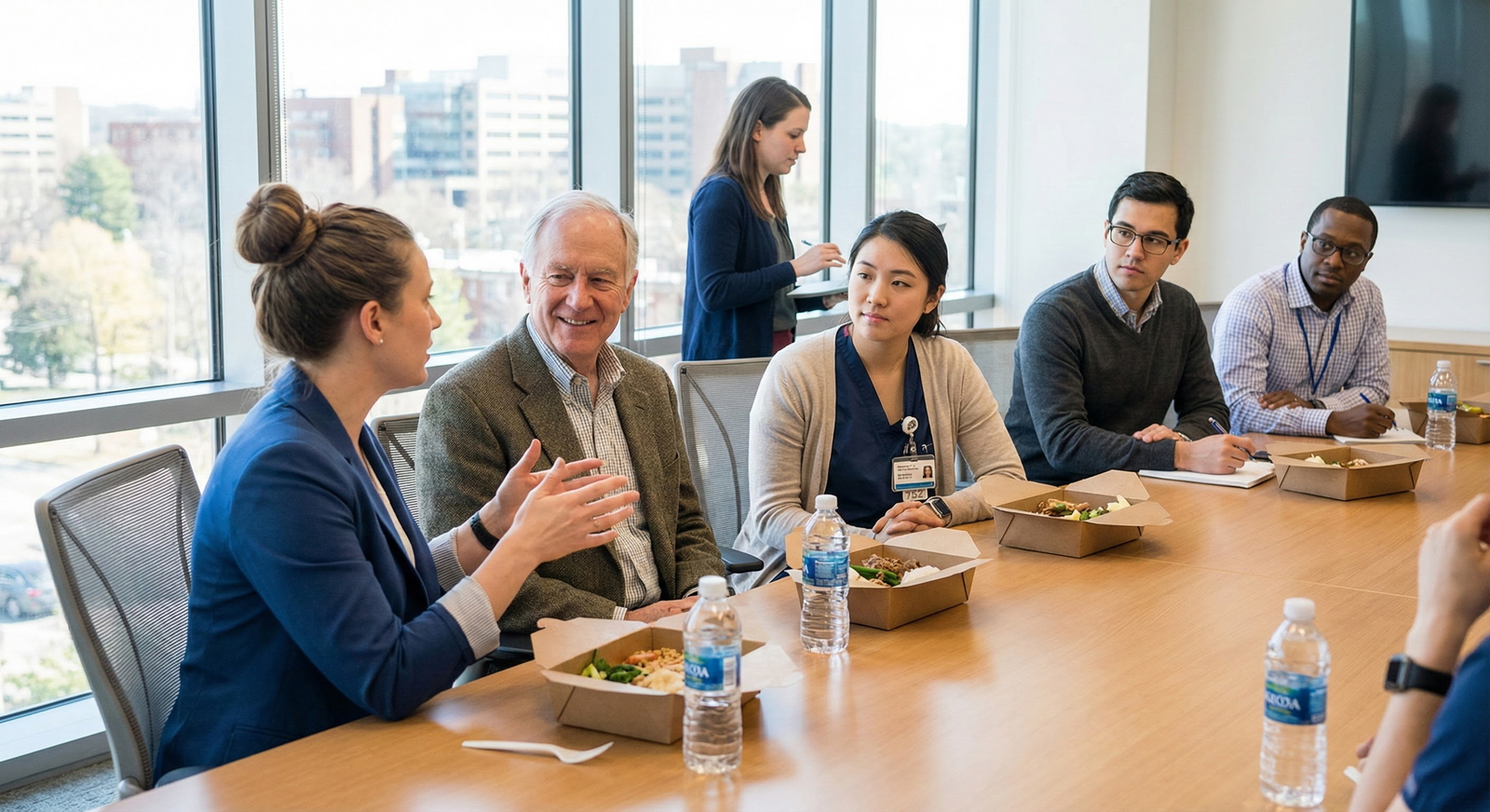
A second look visit is an optional, post-interview visit to a residency program designed to give you (and sometimes them) a closer look. Unlike the interview day, second looks are usually less scripted, more observational, and focused on “fit” rather than formal evaluation.
For DO graduates in particular, second looks can have unique value:
- They may help reassure you that the environment is DO-friendly and that osteopathic training is respected
- They can clarify how DO graduates have historically performed in that program
- They can give you deeper insight into mentorship, OMT usage (where relevant), and support for board prep (COMLEX and/or USMLE)
Yet, they can also be a drain on your limited time and money, and many programs explicitly say that second looks do not influence rank lists. Understanding when and how to use them is key to a smart residency strategy.
In this guide, we’ll cover how to decide if you should do a second look, how to plan and execute an effective visit, and how to follow up—not just to impress programs, but to ensure you rank in a way that actually fits your long-term goals.
Do You Need a Second Look? Strategic Considerations for DO Graduates
Not every program warrants a revisit. Before you ask, “should I do second look at this program?”, step back and think strategically.
Common Reasons to Consider a Second Look
You might consider revisiting programs if:
You’re genuinely undecided between two or three top programs
- You liked them equally on interview day
- You have only partial information (e.g., saw only one rotation site)
- You need more data on culture, resident happiness, or workload
You interviewed virtually and have never seen the hospital or city
- For DO graduates who interviewed at historically MD-dominated programs, this can be especially important to assess atmosphere and acceptance
- You want to see where you’ll realistically be spending 80+ hours a week
You’re changing specialty or have a non‑traditional path
- As a DO who perhaps did a prior career, a preliminary year, or a military transition, you may want to see whether the program really supports different backgrounds
You have specific DO-related questions that weren’t fully answered
- How many DOs are in the program and leadership?
- Do they accept COMLEX only? Did they require USMLE, and how do they view DOs in promotion or fellowship placement?
- Is there infrastructure for OMT clinic or osteopathic recognition (when relevant)?
The program encouraged a second look
- Some programs (especially community-based or smaller osteopathic-friendly programs) repeatedly mention that applicants are welcome to revisit programs to better understand the environment
- Note: “Welcome” is not the same as “required” or “expected”
When a Second Look Is Not Necessary
You probably do not need to do a second look visit if:
- You already know where the program falls on your rank list (e.g., clear #1 or clearly mid/lower tier)
- The program explicitly states that second looks do not influence ranking and you’re only going to “boost your chances”
- Visiting would create undue financial stress or require you to miss critical rotations or exams
- You’re considering a second look solely because others are doing it or out of anxiety
For many DO graduates, especially those carefully budgeting travel and time away from rotations, a focused approach is best: choose only 1–3 programs that you are seriously considering near the top of your list.
How Second Looks Are Viewed in the Osteopathic Residency Match Context
Although the AOA-accredited and ACGME-accredited programs have merged under a single accreditation system, cultural differences remain:
- Some previously osteopathic programs are used to informal visits and place a premium on face‑to‑face interaction
- Historically MD-dominant academic programs may emphasize formal interview day more and downplay second looks
- Many programs clearly state they do not adjust rank lists based on who revisits, for fairness and equity
As a DO graduate, you should consider:
- Whether the program has a track record of matching DO graduates
- How many DOs are in leadership or chief roles
- Whether second looks are more customary in the specialty/region you’re applying to (e.g., smaller community programs in some regions may be more familiar with informal visits)
Ultimately, you should view a second look less as a way to “convince” a program to rank you higher, and more as your due diligence before committing to three or more years in one place.

Planning Your Second Look: Logistics, Timing, and Communication
Once you’ve decided which programs to revisit, the next step is planning the visit in a way that’s professional, respectful, and efficient.
When to Schedule a Second Look
Most second look visits occur:
- After interviews are completed (usually December–February)
- Before rank lists are certified
- On weekdays, often aligning with resident didactics or conference days
Check:
- The program’s website and interview day materials
- NRMP rules and your specialty’s guidelines (to ensure compliance with communication standards)
- Any instructions you received via email regarding second looks
Many programs have specific policies such as:
- Dedicated second look dates
- A statement that second looks are observational only and not evaluative
- Restrictions on shadowing in certain patient care areas
How to Request a Second Look Professionally
Email is usually the best way to request a revisit. Address the program coordinator and/or program director, depending on their stated preferences.
Sample Email Template
Subject: Second Look Visit Request – [Your Name], [Specialty] Applicant
Dear [Program Coordinator/Dr. X],
Thank you again for the opportunity to interview at [Program Name]. I greatly appreciated learning more about your program and especially enjoyed [brief specific detail from interview day—e.g., meeting the residents at noon conference, hearing about your osteopathic recognition track, or discussing the ICU rotation].
As I finalize my rank list, I am strongly considering [Program Name] and would be grateful for the chance to return for a second look to better understand the day‑to‑day resident experience and the hospital environment. If possible, I would be interested in observing [morning report/clinic/rounds] and speaking with a few current residents, particularly DO graduates, about their experiences.
Would there be any opportunities in [time frame, e.g., late January or early February] for a brief second look visit? I am happy to work around your schedule and am mindful of any institutional policies regarding visitors or applicants.
Thank you for your time and consideration.
Sincerely,
[Your Full Name], DO
[AAMC ID or ERAS ID]
[Phone Number]
Keep the tone appreciative but low pressure. You’re asking, not demanding. Emphasize that you are “strongly considering” the program, but avoid language that could be interpreted as a binding commitment unless you genuinely intend it.
Budgeting and Travel Tips for DO Graduates
Residency application costs can be heavy, especially if you’ve already shouldered away rotations and exams. When planning second looks:
- Limit the number of programs you revisit to those where the visit could truly change your rank decision
- Combine trips where feasible (e.g., two programs in the same city or region)
- Look for:
- Resident‑recommended affordable lodging
- Hospital discounts at nearby hotels
- Public transport options instead of rideshares
If money is tight, mention your constraints when choosing dates—some programs can coordinate shorter visits that still give you meaningful exposure.
What to Do During a Second Look: Making the Most of Your Time
Once you arrive, treat the day as a hybrid of observation, networking, and self-assessment. You are there as much to evaluate them as they are to observe you.
Professionalism and First Impressions
Even though many programs say second looks don’t influence ranking, assume you may still be observed:
- Dress code: Business casual or “clinic appropriate” attire is generally safe (e.g., slacks and blouse/shirt, closed‑toe shoes, white coat only if asked)
- Punctuality: Arrive 10–15 minutes early; hospitals can be confusing to navigate
- Introduce yourself clearly: “Hi, I’m [Name], I’m a DO applicant here today for a second look in [Specialty]. Thank you for having me.”
Avoid:
- Negative comments about other programs or cities
- Overly aggressive self-promotion
- Intrusive questions during patient interactions
Key Areas to Observe
Focus your attention on elements that are hard to gauge from interview day:
Resident Culture and Morale
- Do residents seem exhausted, disengaged, or collegial and supportive?
- How do they talk about faculty, administration, and scheduling when they’re not “on stage”?
- Do DO residents (if present) appear integrated and respected?
Faculty-Resident Interactions
- Is feedback constructive or demeaning?
- Do attendings invite questions and teaching, or is it purely service‑oriented?
- Are DO residents called “doctor” and treated as equals to MD residents?
Workload and Workflow
- What is the vibe on rounds—chaotic, hostile, or organized?
- How much scut work is being done by residents vs. support staff?
- Do residents have a safe culture for asking for help?
Educational Environment
- Observe conferences, morning report, or didactics if possible
- Are educational sessions interactive and high quality?
- Do DO graduates speak about support for both COMLEX and USMLE, if applicable?
Facilities and Resources
- Call rooms, resident lounge, workstations, EMR usability
- Proximity of major services you’ll be working with (ICU, ED, radiology)
- Safety of the surrounding neighborhood (especially for late call shifts)
Questions to Ask as a DO Graduate
You’ll often have time for informal conversations with residents and, occasionally, faculty. Prepare a short list of focused questions, especially around osteopathic topics and fit.
Consider asking residents:
- “How many DOs are currently in the program, and how has their experience been?”
- “Do DO graduates here have any challenges with fellowship placement or career advancement?”
- “How does the program handle COMLEX vs. USMLE scores for residents? Are there dedicated board review resources?”
- “If you had to decide again, would you still choose this program, and why?”
- “What’s something you wish you’d known about this program before starting?”
If the program has osteopathic recognition or OMT opportunities:
- “How integrated is osteopathic training into your daily practice?”
- “Is OMT actually used on inpatient or outpatient rotations, and is it supported by attendings?”
These questions can help you judge not only whether the program is DO-friendly, but whether you’ll truly be able to practice in a way that fits your training and goals.

After the Visit: Interpreting Your Experience and Finalizing Your Rank List
The hours and days right after a second look are crucial. You’ll want to convert your impressions into concrete decisions for your rank list.
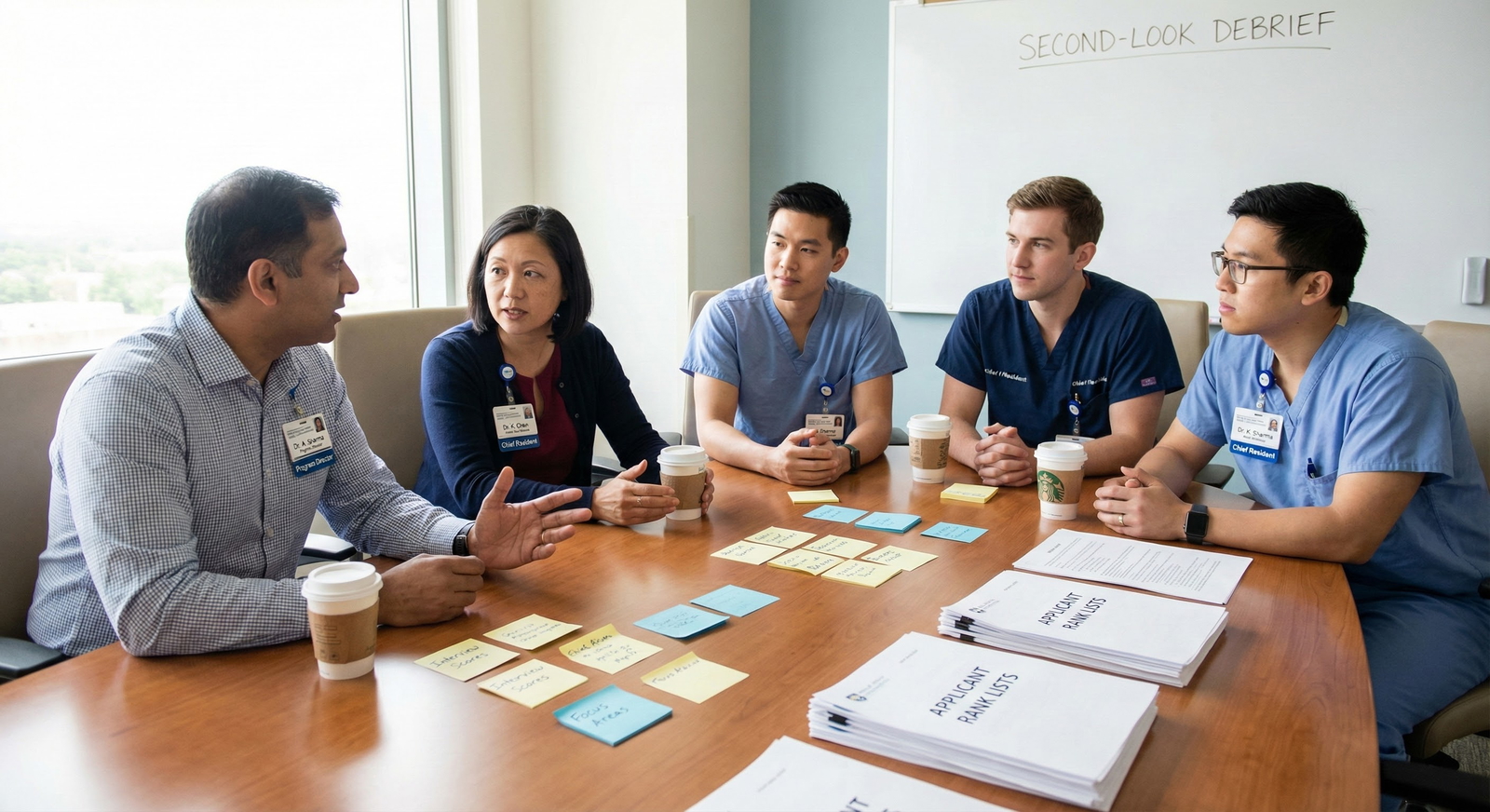
Debriefing: Capture Fresh Impressions
Soon after your visit (ideally the same day), write down:
- Overall gut feeling: Excited, neutral, uneasy?
- Pros and cons list:
- Culture, education, location, call schedule, DO representation, fellowship outcomes
- Red flags:
- Residents openly warning you about toxicity
- Repeated mention of residents leaving or transferring
- Dismissive comments about DOs, COMLEX, or osteopathic principles
Include specific examples: “Senior resident rolled eyes when DO intern asked a question—concern about culture” is more actionable than “Weird vibe.”
How Much Do Programs Really Change Rank Lists After Second Looks?
Policies vary:
- Some programs have made rank lists before second looks and do not change them
- Some adjust around the margins if they clearly identify an outstanding fit
- Many state that second looks are for your benefit, not an evaluative tool
For your purposes as a DO graduate:
- Assume that a second look is unlikely to dramatically improve your rank position
- View it primarily as a way to refine your ordering of programs
- Use what you learned to adjust your “reach,” “target,” and “safety” tiers in your osteopathic residency match strategy
Writing a Thoughtful Thank‑You Note
A brief, professional thank‑you message is appropriate, especially if:
- Residents or faculty took time out of their day to show you around
- You had specific conversations that influenced your thinking
You can email the program coordinator, who can distribute your note or share appropriate parts with the team.
Sample Thank‑You Email
Subject: Thank You for Second Look Visit – [Your Name], [Specialty] Applicant
Dear [Coordinator/Dr. X],
Thank you again for accommodating my second look visit to [Program Name]. I truly appreciated the opportunity to observe [morning report/clinic/rounds] and to speak with several of your residents, including [Resident Name if appropriate].
The visit gave me a much clearer sense of the day‑to‑day life in your program. I was particularly impressed by [specific observations—e.g., the collegial relationship between faculty and residents, how supportive the DO residents felt, the quality of teaching on rounds].
I am very grateful for your time and consideration as I finalize my rank list.
Sincerely,
[Your Full Name], DO
Avoid making promises about ranking unless you truly mean them and understand NRMP rules around communication.
Integrating Second Look Insights Into Your Rank Strategy
When you revisit programs, ask yourself:
Did the second look move this program up or down on my list?
- If you were lukewarm and are now enthusiastic, that’s meaningful
- If you were excited but now see red flags, that’s even more important
Do I feel that, as a DO graduate, I will be fully supported here?
- Are DOs fairly represented?
- Is there respect for osteopathic training?
- Are there DO mentors and role models?
Does this program align with my long‑term goals?
- Academic vs community practice
- Fellowship aspirations
- Regional ties or lifestyle priorities
Rank programs in true order of preference, not based on where you think you’re most likely to match. The match algorithm favors your authentic preferences, and second looks should refine those—nothing more, nothing less.
Common Pitfalls and How to Avoid Them
Second look visits can be helpful, but they also carry risks if approached poorly.
Pitfall 1: Overloading Your Schedule With Second Looks
Some applicants think more is better and schedule numerous second looks. This can:
- Drain your finances
- Distract from your current rotations or studies
- Blur your memory of each program
Solution: Focus on quality over quantity. Limit to a small subset of programs that are truly in contention for your top spots.
Pitfall 2: Treating Second Looks as “Auditions”
Showing up and trying to prove yourself clinically (answering questions aggressively, inserting yourself into patient care without permission) can come off as unprofessional and may violate patient privacy policies.
Solution: Approach second looks as observation and conversation, not as a trial shift. Follow directions, be respectful, and prioritize learning about the program.
Pitfall 3: Ignoring Red Flags Because of Reputation
You may visit a “prestigious” program where you notice unprofessional behavior, a lack of support for DO residents, or evident burnout. It’s tempting to ignore these concerns because of name recognition.
Solution: Weigh your day‑to‑day well‑being over perceived prestige. A smaller or previously osteopathic program where you are supported may lead to better performance, stronger letters, and more fulfilling training.
Pitfall 4: Letting Anxiety Drive Decisions
“Everyone else is doing second looks… am I missing out?” is a common fear. Many successful DO graduates complete zero second look visits and still match into strong programs.
Solution: Make decisions based on your situation: clarity of your rank list, financial constraints, and specific unanswered questions. You are not obligated to revisit programs to be seen as serious.
FAQs About Second Look Visits for DO Graduates
1. Do programs expect DO graduates to do second look visits to show interest?
No. Most programs do not expect any applicant—MD or DO—to do a second look, and many explicitly state that second looks do not affect ranking. As a DO graduate, second looks can be helpful for assessing fit and DO-friendliness, but they are optional. Your interest can be demonstrated through your interview performance, timely communication, and alignment with the program’s values and mission.
2. Can a second look help my chances in the osteopathic residency match?
Second looks can occasionally help at the margins if a program already views you as a strong fit and the visit reinforces that impression. However, you should not assume that revisiting programs will significantly change your position on a rank list. In the modern, unified match environment, second looks are best seen as a tool for you to refine your rank order and confirm that a program supports DO graduates, rather than as a primary strategy to boost match odds.
3. How many second looks should I do as a DO graduate?
For most applicants, including DO graduates, 0–3 second looks is a reasonable range. Only consider second looks at programs where:
- You are seriously considering ranking them near the top
- You have substantial unanswered questions (especially about DO support, culture, or training sites)
- The visit could meaningfully change your rank order
If doing additional second looks means significant financial strain or distraction from your current responsibilities, scale back.
4. If I can’t afford second look visits, will I be at a disadvantage?
In most cases, no. Programs are aware of the financial burden of residency applications and are increasingly careful not to disadvantage applicants who cannot travel for second looks. Many state clearly that revisiting programs is optional and that they base decisions primarily on application data and interviews. As a DO graduate, you can still assess DO-friendliness via:
- Talking to current or former DO residents by email/phone
- Asking detailed questions on interview day
- Reviewing program websites and alumni outcomes
Use second looks only when they add substantial value—and remember that many successful matches occur without them.
Second look visits, when used strategically, can be an effective way for a DO graduate to confirm program fit, evaluate DO support, and feel confident in a final rank list. They are a tool, not a requirement. By selecting programs thoughtfully, conducting yourself professionally during visits, and honestly integrating your impressions into your ranking strategy, you’ll be better positioned to enter a residency that values your osteopathic training and supports your long‑term career goals.