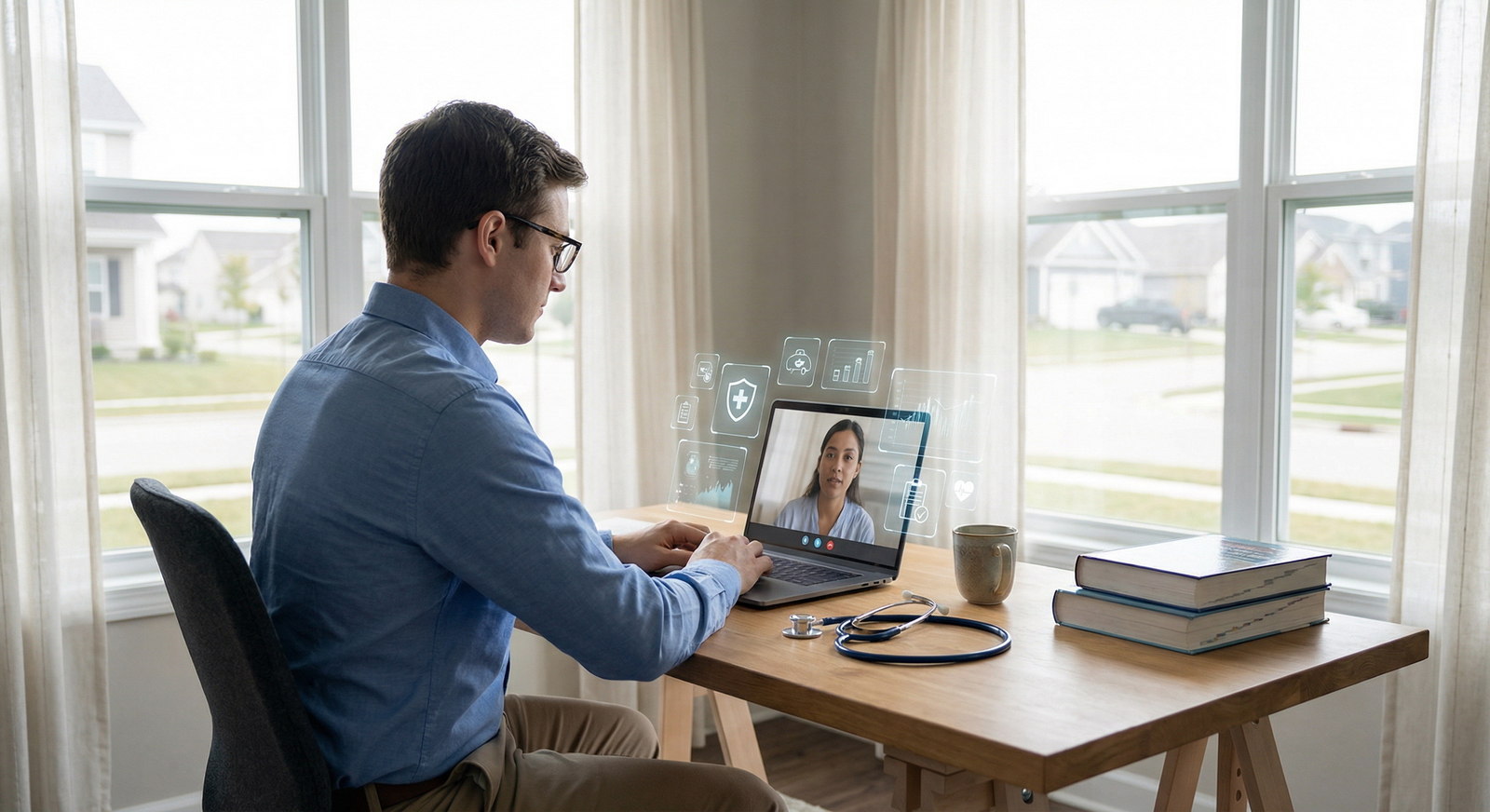
The Future of Physician Jobs: Telemedicine and Remote Care Roles
The job market for physicians is undergoing a structural shift. Beyond traditional clinic and hospital-based roles, Telemedicine and Remote Care are rapidly becoming core components of modern practice rather than side options. For residents, fellows, and early-career physicians, understanding how these changes will shape Healthcare Careers is now essential—not optional.
This expanded guide explores where telemedicine is heading, how Remote Care will transform day-to-day physician work, and what practical steps you can take during and after residency to position yourself for a rewarding, future-proof career in Digital Health and Patient-Centered Care.
Understanding Telemedicine and Remote Care in Today’s Practice
What Is Telemedicine—Really?
Telemedicine is more than “video visits.” It encompasses the use of electronic communications and digital tools to deliver clinical services and health information remotely. Key components include:
Synchronous telehealth: Real-time interactions
- Video visits (desktop, mobile, or integrated EHR platforms)
- Phone consultations
- Virtual urgent care and on-demand visits
Asynchronous telehealth: “Store-and-forward” communication
- Secure messaging and patient portals
- Image-based consults (e.g., dermatology photos, wound images)
- Remote specialist e-consults for primary care providers
Remote patient monitoring (RPM):
- Connected blood pressure cuffs, glucometers, pulse oximeters
- Wearables tracking heart rhythm, activity, sleep, or respiratory status
- At-home devices feeding data to dashboards and analytics platforms
Collectively, these tools enable physicians to extend care beyond the clinic walls—often improving access, adherence, and continuity.
Why Telemedicine Took Off—and Why It’s Staying
Barriers to care have long been a reality:
- Rural communities with limited specialty access
- Urban patients facing transportation, childcare, or work constraints
- High-risk or immunocompromised patients reluctant to sit in waiting rooms
- Fragmented follow-up and poor chronic disease monitoring
The COVID-19 pandemic did not create these issues—but it made them unavoidable. Emergency waivers, rapid reimbursement changes, and relaxed interstate practice rules enabled telemedicine to meet urgent demand.
Data from multiple sources, including McKinsey and AMA reports, revealed:
- Telehealth utilization increased by as much as 50–175% at the pandemic’s peak in some systems.
- A majority of patients and many physicians reported that they want to continue telehealth options after the pandemic.
- Behavioral health, chronic disease follow-up, and medication management emerged as particularly well-suited to virtual care.
Now that both patients and clinicians have experienced the convenience and effectiveness of telemedicine, it is unlikely to disappear. Instead, telehealth is shifting from an emergency substitute to an integrated, normalized part of care delivery.
Core Benefits of Telemedicine for Physicians and Patients
For patients:
- Improved access: Particularly for rural, mobility-limited, or transportation-challenged individuals.
- Greater convenience: Reduced time off work, less travel, simpler follow-up.
- Better continuity: Easier touchpoints for chronic disease management, medication titration, and preventive care.
- Enhanced Patient-Centered Care: Patients can connect from their own environment, which can improve communication, trust, and adherence.
For physicians and systems:
Efficiency and flexibility:
- Ability to structure clinic templates with a mix of in-person and virtual visits.
- Reduced no-show rates, especially for follow-up.
Expanded reach:
- Ability to serve patients across broader geographic regions (subject to licensure and payer rules).
- New practice models, including remote-only or multi-state practices.
Data-driven care:
- Real-time RPM data can guide early intervention and reduce hospitalizations.
- Integration with EHR and analytics improves population health management.
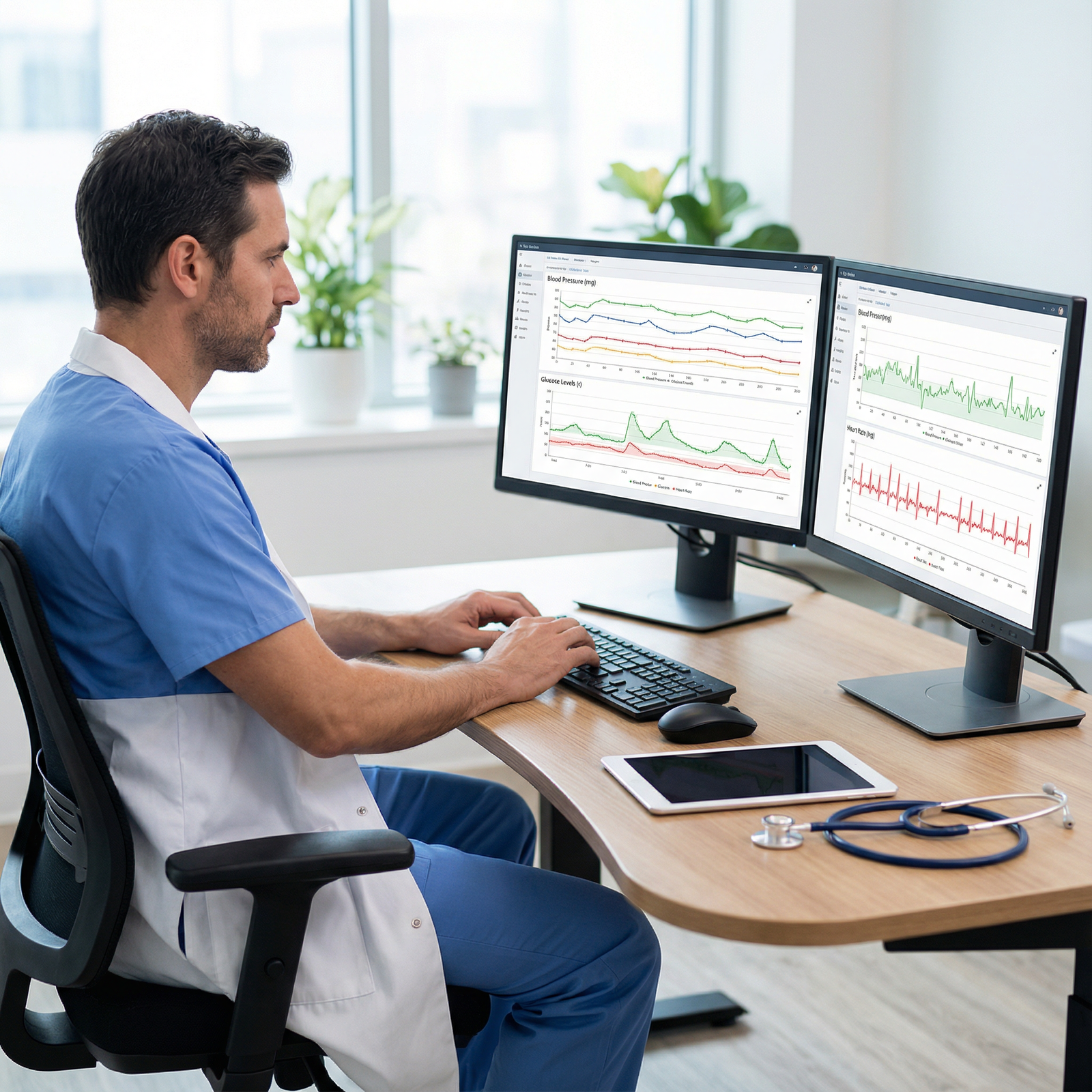
Future Trends in Telemedicine and Remote Care That Will Shape Physician Jobs
Telemedicine is moving beyond simple video encounters. The next decade will redefine how physicians structure clinic time, collaborate with teams, and build careers in Digital Health.
1. Hybrid Care Models Become the Default
The dominant model will not be “all virtual” or “all in-person,” but hybrid:
In-person visits for:
- New complex patients
- Physical exams, procedures, imaging, and acute issues requiring direct assessment
Virtual visits for:
- Stable chronic disease follow-up
- Medication management
- Pre-visit and post-discharge check-ins
- Behavioral health, counseling, and some group visits
Physicians will increasingly need to:
- Stratify patients by clinical appropriateness for telehealth vs in-person.
- Use standardized triage protocols that route patients to the right care modality.
- Document and code telehealth visits accurately for reimbursement.
For residents, this means that “clinic” will increasingly involve both physical exam rooms and virtual rooms—sometimes in the same half-day session.
2. Expansion and Sophistication of Remote Monitoring
Remote patient monitoring is transforming chronic disease management and post-acute care. For example:
- Cardiology: Weight and blood pressure monitoring for heart failure patients, with algorithm-based alerts for early fluid overload.
- Endocrinology/Primary Care: Continuous glucose monitors and insulin pump data guiding remote insulin titration.
- Pulmonology: Home spirometry and oxygen saturation trending in COPD or interstitial lung disease.
- Surgery/Hospital Medicine: Postoperative vital sign and symptom monitoring to identify complications earlier and reduce readmissions.
Physician roles evolve from episodic in-clinic decision-making to longitudinal oversight of data streams. Important implications:
- Physicians will need to interpret trends rather than single data points.
- Clinical workflows must incorporate alert fatigue management and well-defined escalation pathways.
- Collaboration with nurses, care managers, and pharmacists becomes central to managing digital population health.
3. Rising Demand for Telehealth-Savvy Specialists
Telemedicine is no longer limited to primary care. Subspecialists are in high demand for virtual care, especially in underserved regions and health systems pursuing value-based care.
Key growth areas include:
Telepsychiatry and telepsychology:
- High demand due to the mental health workforce shortage.
- Particularly effective for anxiety, depression, PTSD, ADHD, and psychotherapy follow-up.
Tele-dermatology:
- Store-and-forward image review plus live video for rash follow-up, acne, chronic skin diseases.
- Critical access for rural areas without dermatologists.
Chronic disease virtual clinics:
- Diabetes, heart failure, hypertension, obesity medicine.
- RPM-enabled, team-based care with frequent low-friction check-ins.
Tele-ICU and remote specialty consults:
- Critical care physicians overseeing multiple ICUs remotely.
- Subspecialty input for community hospitals without onsite experts.
Residents considering subspecialty training should evaluate how their chosen field is incorporating telehealth and where new practice models are emerging.
4. Deepening Focus on Patient-Centered Care in Virtual Settings
Telemedicine is not purely transactional; it must still prioritize Patient-Centered Care:
Building rapport through a screen:
- Eye contact by looking at the camera, not the image.
- Explicitly acknowledging limitations (“I can’t listen to your lungs today, but here’s what we can still do safely by video...”).
- Using lay language and teach-back techniques.
Equity and inclusion considerations:
- Addressing digital literacy and access to devices/internet.
- Offering language interpretation within telehealth platforms.
- Designing workflows that do not disadvantage older adults or low-income patients.
Physicians who can combine strong “webside manner” with clinical expertise will stand out in telemedicine-focused Healthcare Careers.
5. Evolving Regulations, Licensure, and Payment Models
Policy will continue to shape what is possible in Remote Care:
Licensure and cross-state practice:
- Interstate medical licensure compacts and telehealth-specific arrangements are expanding but remain fragmented.
- Physicians seeking multi-state telehealth work may need multiple licenses or compact eligibility.
Reimbursement and documentation:
- Many payers now reimburse telehealth at or near parity with in-person—but policies differ.
- Proper use of telehealth billing codes (e.g., audio-only vs video, RPM codes, e-consults) is critical.
Quality and safety standards:
- Credentialing and privileging requirements for telemedicine services.
- Standards for informed consent, privacy, and data security (HIPAA, GDPR internationally).
Physicians with a strong understanding of telehealth policy and reimbursement will be in demand for leadership and administrative roles.
Emerging Career Paths in Telemedicine and Remote Care
Telemedicine opens new doors for physicians beyond classic outpatient or hospitalist practice. Many roles can be combined or pursued in parallel.
1. Direct Telehealth Provider
What you do:
- Conduct virtual visits for acute care, follow-up, behavioral health, chronic disease management, or specialty consults.
- Use video, phone, or secure messaging as primary communication modes.
- Work for health systems, telehealth companies, payers, or as an independent contractor.
Why this appeals to physicians:
- Geographic flexibility—even full-time remote work.
- Often more predictable schedules and reduced commuting.
- Potential for part-time moonlighting to supplement income.
Skills to develop:
- Efficient digital documentation and telehealth etiquette.
- Comfort with multiple platforms and EHR systems.
- Strong communication tailored to virtual interactions.
2. Remote Care Coordinator (Clinical or Physician Lead)
While often a nurse or allied health role, physicians may serve as clinical leads for remote coordination teams:
- Oversee care plans for patients enrolled in RPM or chronic care programs.
- Set protocols for triage, escalation, and medication adjustment.
- Collaborate with nurses, pharmacists, and social workers to address social determinants of health via virtual care.
This role is particularly relevant in value-based or capitated care organizations where preventing ED visits and hospitalizations is central to success.
3. Health Informatics and Digital Health Physician
Physicians with informatics training are critical to designing safe, user-friendly telehealth systems:
- Integrate telemedicine platforms with EHRs and decision support tools.
- Optimize user interfaces for both clinicians and patients.
- Use data analytics to measure telehealth outcomes, disparities, and workflow impact.
Pathways:
- Clinical informatics fellowship and board certification.
- Hybrid roles combining clinical practice with part-time informatics/IT leadership.
- Industry roles at health tech companies or EHR vendors.
4. Telemedicine Consultant and Implementation Specialist
Experienced physicians can guide organizations through telehealth transformation:
- Assess clinical workflows, staffing models, and technology gaps.
- Design telemedicine service lines (urgent care, remote specialty clinics, post-discharge programs).
- Train clinicians in telehealth best practices and regulatory compliance.
This path is particularly suited to physicians with interests in operations, quality improvement, and change management.
5. Telemedicine Program Director or Medical Director
Leadership roles overseeing telehealth strategy across a health system or network:
- Set clinical standards and guidelines for telehealth encounters.
- Coordinate credentialing, compliance, and quality assurance processes.
- Evaluate new technologies and partnerships in the Remote Care space.
- Align telehealth initiatives with organizational goals (e.g., access, patient satisfaction, value-based metrics).
These positions typically require:
- Several years of clinical experience.
- Demonstrated expertise in Digital Health or telemedicine operations.
- Strong administrative, communication, and team leadership skills.
6. Care Transformation and Population Health Executive
As systems move toward risk-based and value-based payment models, executives who can leverage telemedicine for population health and care transformation are highly sought after:
- Design integrated virtual care pathways across the continuum (primary care, specialty, ED, inpatient, post-acute).
- Utilize telehealth and RPM to reduce readmissions and complications.
- Implement telehealth-supported community and home-based care programs.
Physicians in these roles bridge clinical insight, operations, finance, and technology strategy.
How Residents and Early-Career Physicians Can Prepare for Telemedicine Careers
1. Embrace Technology and Build Digital Fluency
Actionable steps:
- Volunteer to participate in your institution’s telehealth clinics or pilots.
- Learn at least one major telehealth platform in depth (documentation, features, troubleshooting).
- Explore how mobile apps, patient portals, and RPM tools are used in your specialty.
- Stay current with Digital Health trends via journals, podcasts, and professional societies.
Consider documenting your experience (e.g., QI projects, workflow improvements) for your CV.
2. Seek Diverse Clinical Experiences in Virtual Care
During training:
- Request electives or rotations that include telemedicine (primary care, psychiatry, dermatology, chronic disease clinics).
- Participate in community outreach or rural partnerships using telehealth.
- Ask attendings how they decide which patients are suitable for virtual visits vs in-person.
Aim to see a variety of use cases: urgent issues, chronic follow-up, post-discharge care, and interdisciplinary telehealth visits.
3. Pursue Structured Education and Certifications
Consider:
- Telehealth or Digital Health certificate programs offered by academic centers or professional societies.
- Clinical informatics electives or formal fellowships if you have deeper interest.
- CME courses on telemedicine billing, documentation, and regulatory requirements.
Organizations like the AMA, AAFP, ACP, APA, and specialty-specific groups increasingly offer telehealth training tailored to their fields.
4. Develop Your “Webside Manner”
Practice:
- Looking at the camera to approximate eye contact.
- Narrating your thought process clearly since physical exam is limited.
- Using screen-sharing to review labs, images, or patient education materials.
- Structuring visits with a clear agenda and summary, given shorter telehealth slots in some settings.
Ask for feedback from preceptors or peers, and consider recording mock visits (with consent) for self-review.
5. Network, Mentor, and Engage in Telehealth Communities
Build relationships by:
- Attending telehealth or Digital Health tracks at national conferences.
- Joining telemedicine committees or working groups at your institution.
- Connecting with mentors who have leadership or innovation roles in Remote Care.
- Participating in online communities focused on Digital Health and Healthcare Careers.
Mentors can help you identify fellowships, job opportunities, and leadership roles that align with your interests.
6. Understand Policy, Ethics, and Equity in Telemedicine
Familiarize yourself with:
- State licensure requirements and telehealth compacts.
- Payer policies regarding telehealth coverage and billing.
- Ethical issues: privacy, security, data ownership, algorithm bias, and digital divide.
- Strategies to ensure that telemedicine reduces, rather than exacerbates, health disparities.
Being conversant in these issues will differentiate you in interviews for both clinical and leadership positions.

FAQs: Telemedicine Careers for Physicians and Trainees
1. What kinds of physician jobs are available in telemedicine and Remote Care?
Telemedicine offers a spectrum of roles, including:
- Direct telehealth provider for primary care, urgent care, behavioral health, or specialty consults.
- Physician lead for remote patient monitoring or chronic care programs.
- Clinical informatics or Digital Health physician, often in hybrid clinical/IT roles.
- Telemedicine program director or medical director overseeing system-wide virtual care.
- Consultant helping organizations design, launch, or optimize telehealth services.
Many physicians blend telehealth with in-person practice, while others build fully remote careers.
2. Can I build a full-time career in telemedicine after residency?
Yes, full-time remote telemedicine roles are increasingly available, especially in primary care, psychiatry, emergency/urgent care, and certain specialties (e.g., dermatology, endocrinology). However:
- Job stability, benefits, and compensation vary widely by employer.
- Multi-state licensure and willingness to work evenings or weekends may expand opportunities.
- Some physicians prefer a hybrid model to maintain procedural skills and in-person practice.
Evaluating culture, clinical standards, and workload is crucial when considering telemedicine-only positions.
3. How does compensation in telemedicine compare to traditional in-person practice?
Compensation depends on:
- Specialty and demand (psychiatry and primary care remain in high demand).
- Employment model (salaried, RVU-based, per-visit, or hourly contractor).
- Payer mix and state/payer telehealth reimbursement policies.
In many cases, telemedicine pay can be comparable to in-person work, particularly when combined with lower overhead and commute time. However, some telehealth-only platforms may offer lower per-visit rates, so careful contract review is essential.
4. What skills will make me competitive for telemedicine-focused Healthcare Careers?
Key differentiators include:
- Demonstrated experience with telehealth clinics or RPM programs.
- Strong communication and “webside manner” skills.
- Basic literacy in health informatics, EHR workflows, and digital tools.
- Understanding of telehealth regulations, billing, and documentation.
- Experience with QI or research related to telemedicine outcomes, access, or equity.
Document these skills with specific projects, leadership roles, or certifications on your CV.
5. Will telemedicine replace traditional in-person physician visits?
Telemedicine is highly unlikely to replace in-person care for most specialties. Instead, it will:
- Complement in-person visits in hybrid care models.
- Take on specific roles where virtual care is clinically appropriate and often superior (e.g., behavioral health follow-up, chronic disease check-ins, certain post-op visits).
- Help extend specialty expertise to underserved and rural areas.
Physicians who can navigate both virtual and in-person environments—and know when each is appropriate—will be best positioned in the evolving job market.
By actively engaging with Telemedicine, Remote Care, and Digital Health during training and early practice, you can broaden your career options, enhance Patient-Centered Care, and help shape the next era of Healthcare Careers. The future of physician work is not just in hospitals and clinics—it’s also on secure platforms, in data dashboards, and in patients’ homes. Now is the time to prepare.