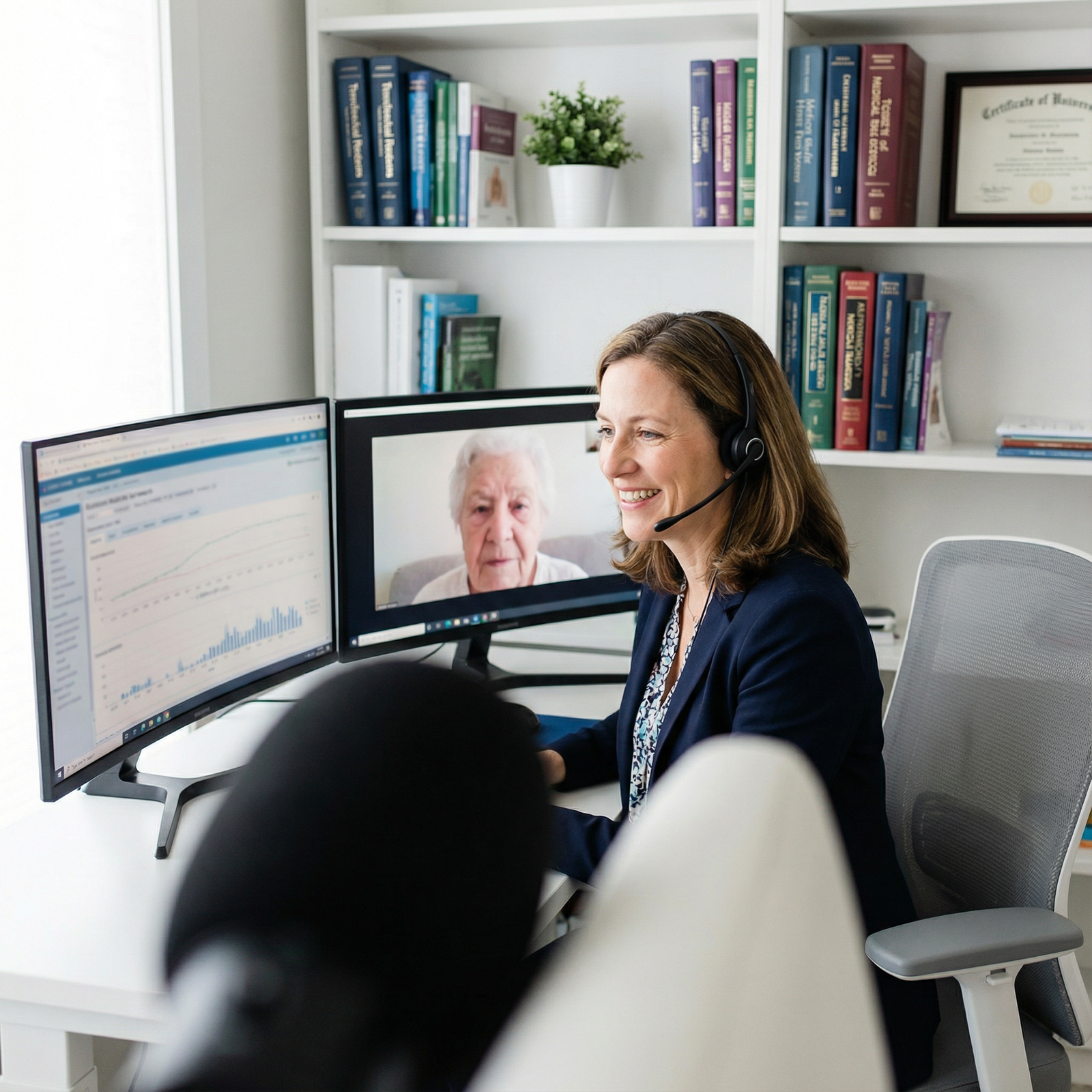
Telemedicine has rapidly evolved from a niche service to a mainstream pillar of modern healthcare. For physicians finishing residency, advanced practice providers, nurses, therapists, and other healthcare professionals, this shift has opened a wide range of new telemedicine jobs and flexible remote work opportunities with competitive compensation and meaningful patient impact.
Below is an updated, expanded guide to the top telemedicine companies hiring right now, what kinds of roles they offer, and practical job application tips to help you stand out in a crowded market.
Understanding the Telemedicine Job Market Today
Telemedicine (or telehealth) uses secure digital platforms—video, phone, chat, and remote monitoring—to deliver clinical care at a distance. It now spans almost every specialty and care setting, from urgent care and primary care to behavioral health, dermatology, and chronic disease management.
Key Drivers of Telemedicine Careers
Several forces continue to make telehealth one of the most dynamic areas in healthcare careers:
Post-pandemic normalization
After COVID-19 accelerated adoption, many patients and clinicians decided they prefer telehealth for appropriate visits. What started as an emergency workaround is now a standard care modality.Improved technology and platforms
High-quality video, integrated EHRs, e-prescribing, AI-assisted triage, and better cybersecurity have made remote care more efficient and user-friendly for clinicians.Regulatory and reimbursement shifts
Many payers have expanded coverage for telehealth, and regulatory changes (though evolving) continue to support remote care across multiple states and settings.Work–life balance and workforce needs
Burnout, provider shortages, and geographic maldistribution of clinicians have driven interest in remote work options that allow flexible schedules and virtual practice.
In this environment, telehealth companies are scaling rapidly and actively recruiting licensed clinicians, as well as professionals in operations, product, engineering, and customer support.
Types of Telemedicine Roles for Healthcare Professionals
Before diving into specific organizations, it helps to understand the variety of telemedicine roles you might pursue.
Clinical Roles
Physicians (MD/DO)
- Primary care and family medicine
- Internal medicine and hospital follow-up
- Psychiatry and behavioral health
- Emergency medicine / urgent care
- Dermatology, endocrinology, cardiology, and other subspecialties
Telemedicine physician roles may be part-time, full-time, or per-diem, and can be independent contractor (1099) or employed (W-2).
Nurse Practitioners and Physician Assistants (NPs/PAs)
Often staff urgent care, primary care, women’s health, and chronic disease management services, with growing roles in behavioral health and specialty care.Therapists and Mental Health Professionals
- Psychologists (PhD/PsyD)
- Licensed Clinical Social Workers (LCSW)
- Licensed Professional Counselors (LPC)
- Marriage and Family Therapists (LMFT)
High demand exists for virtual therapy and psychiatry due to ongoing mental health access gaps.
Registered Nurses and Care Coordinators
Work in triage, care navigation, chronic disease management, and remote patient monitoring programs.
Non-Clinical and Hybrid Roles
Telemedicine also offers healthcare careers beyond direct patient care:
- Clinical operations and program management
- Utilization review and quality improvement
- Product management for digital health tools
- Health informatics, data science, and analytics
- Customer success and provider onboarding
- Technical support and engineering for telehealth platforms
These roles are ideal for clinicians interested in broadening their impact beyond one-on-one visits.

Top Telemedicine Companies Hiring Right Now
Below is an expanded overview of major telehealth companies actively recruiting. Always verify current openings on each company’s careers page, as hiring needs change frequently.
1. Teladoc Health
Overview
Teladoc Health is one of the world’s largest telemedicine providers, offering virtual primary care, urgent care, behavioral health, specialty consultations, and chronic care management. They partner with health plans, employers, and health systems globally.Typical Hiring Opportunities
- Physicians (primary care, family medicine, internal medicine, psychiatry, dermatology, and other specialties)
- Licensed therapists and psychiatrists
- Nurse practitioners and PAs
- Care coordinators and population health roles
- Product, engineering, data science, and analytics
- Customer service and technical support
Best Fit For
Clinicians seeking large-scale virtual practice with structured workflows and strong operational support. Also attractive for professionals interested in care models at scale and population health.Where to Apply
Visit the Teladoc Health careers page:
https://www.teladoc.com/careers
2. MDLIVE (a Cigna Company)
Overview
MDLIVE delivers virtual visits across urgent care, primary care, and behavioral health, primarily through payer and employer partnerships. Now part of Cigna, it is deeply integrated into insurance-based telehealth.Typical Hiring Opportunities
- Board-certified physicians (especially family medicine, internal medicine, pediatrics, and emergency medicine)
- Psychiatrists, psychologists, and therapists
- Nurse practitioners and PAs
- Clinical quality and utilization management roles
- Operations, engineering, and product roles
Best Fit For
Clinicians comfortable working with insured member populations and standardized clinical protocols, interested in consistent volume and structured schedules.Where to Apply
Explore openings at:
https://www.mdlive.com/careers
3. Amwell
Overview
Amwell (American Well) powers telehealth for major health systems, insurers, and employers. Its platform supports on-demand visits, scheduled specialty care, and virtual care programs embedded in brick-and-mortar systems.Typical Hiring Opportunities
- Physicians in multiple specialties for on-demand and scheduled care
- Behavioral health clinicians (psychiatry and therapy)
- Nurses, care navigators, and remote monitoring staff
- Sales, implementation, and account management
- Software engineers, UX designers, and technical support professionals
Best Fit For
Clinicians who enjoy working closely with traditional health systems and those interested in how telehealth integrates with in-person care.Where to Apply
See current roles at:
https://www.amwell.com/careers
4. Doxy.me
Overview
Unlike some direct-to-consumer telehealth providers, Doxy.me focuses on providing a secure, simple telemedicine platform for individual clinicians, group practices, and hospitals. Many providers use it as their primary “virtual clinic.”Typical Hiring Opportunities
- Software development and engineering
- Information security and infrastructure roles
- Product management and UX design
- Marketing and business development
- Customer support and provider success teams
Best Fit For
Professionals interested in the technology side of telemedicine rather than direct clinical care, or clinicians looking to use the platform in private practice.Where to Apply
View available roles at:
https://doxy.me/careers
5. Included Health (formerly Doctor On Demand + Grand Rounds)
Overview
Doctor On Demand merged with Grand Rounds to form Included Health, a virtual-first care company providing urgent care, primary care, behavioral health, and care navigation services. It emphasizes inclusive, member-centered virtual care.Typical Hiring Opportunities
- U.S. board-certified physicians for urgent care and primary care
- Psychiatrists, psychologists, and therapists
- Nurse practitioners and PAs
- Clinical navigators, RNs, and care coordinators
- Data analysts, operations, and member experience roles
Best Fit For
Clinicians seeking cohesive virtual care teams with strong support for mental health, LGBTQ+ health, and integrated navigation services.Where to Apply
Start at the careers page (Doctor On Demand brand remains visible in some postings):
https://www.doctorondemand.com/careers
6. PlushCare (an Accolade Company)
Overview
PlushCare provides virtual primary care and urgent care, emphasizing continuity with the same provider when possible. It focuses on high-quality, relationship-based telemedicine.Typical Hiring Opportunities
- Board-certified primary care physicians (IM/FM)
- Psychiatrists and therapists (in some regions)
- Medical assistants in virtual support roles
- Operations, marketing, and member support
Best Fit For
Clinicians who value continuity of care and panel-based primary care, but want the flexibility of remote work.Where to Apply
Learn more at:
https://plushcare.com/careers
7. HealthTap
Overview
HealthTap offers virtual primary care and on-demand consults, including a robust Q&A platform where patients can access reliable medical advice. It blends asynchronous and synchronous care.Typical Hiring Opportunities
- Physicians in primary care and select specialties
- Healthcare content and clinical guideline contributors
- Software engineers, data scientists, and AI specialists
- Product and growth marketing roles
Best Fit For
Clinicians interested in both patient care and health information at scale—especially those who enjoy clinical writing, Q&A, and decision-support tools.Where to Apply
Explore roles at:
https://www.healthtap.com/careers
8. Lemonaid Health (now part of 23andMe)
Overview
Lemonaid Health provides affordable, protocol-driven telemedicine for common conditions (e.g., contraception, ED, anxiety/depression, dermatologic issues) through asynchronous and synchronous visits. After acquisition by 23andMe, it is increasingly integrated with personalized health data.Typical Hiring Opportunities
- NPs, PAs, and physicians in primary care and behavioral health
- Medical assistants and care coordinators
- Pharmacy collaboration and medication management roles
- Software development, marketing, and operations
Best Fit For
Clinicians comfortable with protocol-based care, asynchronous workflows, and high visit volumes for well-defined conditions.Where to Apply
See openings at:
https://www.lemonaidhealth.com/careers
9. Zocdoc
Overview
Zocdoc is primarily known as an online platform for patients to find and book in-person appointments. However, it now offers virtual visits and supports hybrid practices.Typical Hiring Opportunities
- Technical roles in engineering, product, and data
- Sales, provider relations, and account management
- Administrative and operations roles
Direct clinical employment is less common; instead, Zocdoc is a major patient acquisition and scheduling tool for clinicians who run their own telemedicine practice.
Best Fit For
Clinicians seeking to build or grow a hybrid or fully virtual private practice and looking for better online visibility and booking tools.Where to Apply
Review roles at:
https://www.zocdoc.com/careers
10. Talkspace
Overview
Talkspace is a leading teletherapy and telepsychiatry platform offering care via text, audio, and video messaging. It partners with individuals, employers, and health plans to improve access to mental health services.Typical Hiring Opportunities
- Licensed therapists (LCSW, LMFT, LPC, etc.)
- Psychiatrists and psychiatric NPs
- Clinical supervisors and quality roles
- Operations, provider success, and product positions
Best Fit For
Mental health professionals looking for flexible schedules, high patient demand, and a structured platform for delivering therapy remotely.Where to Apply
View current openings at:
https://www.talkspace.com/jobs
Advanced Job Application Tips for Telemedicine Roles
Getting hired in telehealth requires more than just clinical credentials. Employers want evidence that you can deliver excellent care through a screen, navigate virtual workflows, and thrive in a remote team.
1. Tailor Your Resume for Telemedicine Jobs
Highlight digital competence
Mention experience with EHRs, secure messaging, video platforms, remote monitoring tools, and any digital health initiatives you’ve led or joined.Showcase telehealth exposure
- Virtual visits done during residency
- Participation in hospital teleconsult services
- Quality improvement projects involving remote monitoring or digital follow-up
- CME or certificate courses in telemedicine
Quantify impact where possible
Example: “Conducted 40–60 video visits per week with patient satisfaction scores >4.7/5.”Include multi-state licensure and DEA status
Many telehealth companies prioritize clinicians licensed in multiple states or eligible for interstate compacts.
2. Emphasize Communication and “Webside Manner”
Telemedicine magnifies the importance of communication skills:
Describe specific examples of:
- Managing complex conversations via phone or video
- De-escalating conflict or anxiety remotely
- Explaining diagnoses and plans clearly without physical exam findings
Include phrases like “excellent written and verbal communication,” “experience with asynchronous patient messaging,” or “proven skills in building rapport via video.”
3. Prepare for Virtual Interviews Like a Telehealth Visit
Your interview doubles as a demonstration of your telemedicine skills.
Optimize your setup
- Neutral, professional background
- Good lighting (facing a window or ring light)
- Clear audio (preferably a headset)
- Stable internet and tested video platform
Practice eye contact
Look at the camera when speaking, not the screen, to simulate eye contact.Be ready for scenario-based questions, such as:
- “How would you handle a patient who needs in-person evaluation?”
- “Describe how you document and safety-net in a virtual urgent care visit.”
- “What do you do if technology fails mid-visit?”
4. Network Strategically in the Telehealth Space
- Join telehealth-focused groups and organizations (e.g., ATA – American Telemedicine Association).
- Connect on LinkedIn with clinicians already working in telemedicine; ask about their experience and recommendations.
- Attend virtual conferences and webinars hosted by telehealth companies—many have recruiting tracks.
A warm referral from a current clinician or employee can substantially increase your chances of an interview.
5. Stay Current on Telehealth Policy, Billing, and Best Practices
Demonstrating that you understand the broader context of telehealth is a major plus:
Follow updates on:
- State licensure compacts and cross-state practice rules
- Medicare and commercial payer telehealth reimbursement
- HIPAA-compliant technology requirements
- Clinical guidelines for virtual care in your specialty
Mention relevant CME, webinars, or courses in your application or interview.
Making Telemedicine Part of a Sustainable Career
For many clinicians, telemedicine is not all-or-nothing. You can blend in-person and virtual work to meet your professional and personal needs.
Common Telemedicine Career Models
Side gig or moonlighting
Pick up remote shifts in urgent care or behavioral health while holding a primary in-person job. This is common for residents finishing training or early-career physicians.Hybrid practice
Split your time between clinic/hospital work and scheduled telehealth blocks, often within the same health system.Fully remote clinician
Work exclusively in telemedicine jobs, often with flexible schedules and geographic freedom (subject to state licensure).Non-clinical digital health roles
Transition fully or partially into product, strategy, or clinical operations roles at telehealth or digital health companies.
Considerations Before Committing
Licensure and practice locations
Confirm in which states you’ll be expected to hold licenses and who pays for new licenses or renewals.Malpractice coverage
Ensure your policy explicitly covers telemedicine and the relevant states and scope of practice.Compensation model
Understand whether you’ll be paid per visit, per hour, salary, or RVU-based—and how no-shows, messaging, and admin time are handled.Support and infrastructure
Ask about:- Access to nursing support, care coordinators, and tech support
- Clear protocols for escalation and directing patients to urgent/emergency care
- Training and orientation to the platform and workflows
Telemedicine can be a powerful way to build a sustainable career with more autonomy and flexibility—if the operational details are clear and aligned with your goals.

Frequently Asked Questions About Telemedicine Careers
1. What qualifications do I need to work in telemedicine?
Your required qualifications depend on the role:
Physicians (MD/DO):
- Board certification or eligibility in your specialty
- Active, unrestricted state license(s)
- DEA registration for prescribing (and state-specific controlled substances requirements)
- Some companies prefer multi-state licensure or compact eligibility
NPs/PAs:
- National certification and active state licenses
- Collaborative agreements where required
- Experience in primary care, urgent care, or psychiatry is often valued
Therapists and mental health professionals:
- Appropriate master’s or doctoral degree
- Independent practice license (e.g., LCSW, LMFT, LPC, psychologist license) in the states where you see patients
Non-clinical roles:
- Relevant education and experience in IT, product, marketing, operations, or data science
- Prior healthcare exposure is a plus but not always required
Regardless of role, companies look for comfort with technology, strong communication skills, and understanding of virtual care best practices.
2. Can I work part-time or flexibly in telemedicine?
Yes. Many telemedicine jobs are designed with flexibility in mind:
- Per-diem and contract roles where you choose your shifts
- Evening and weekend coverage, ideal for side gigs or supplementing in-person work
- Part-time schedules that can integrate with childcare, other employment, or academic commitments
Make sure to ask about minimum shift requirements, time zone expectations, and how far in advance you must schedule availability.
3. Is prior telemedicine experience required to get hired?
Not always. Many telehealth companies welcome clinicians new to virtual care, especially if they:
- Demonstrate strong communication and documentation skills
- Are comfortable with technology and EHR use
- Have relevant experience in outpatient or urgent care settings
- Show a genuine interest in telehealth’s role in modern healthcare
Some employers provide structured onboarding, shadowing opportunities, and ongoing training. Highlight any informal telehealth experience (e.g., COVID-era video visits, phone triage, remote follow-ups) on your resume.
4. How can I improve my chances of getting hired by top telehealth companies?
A few targeted steps make a meaningful difference:
- Tailor your resume for digital health: emphasize telehealth exposure, EHR proficiency, and multi-state licensure.
- Optimize your LinkedIn profile with keywords like “telemedicine,” “virtual care,” “remote work,” and your specialty.
- Request recommendations from supervisors or colleagues who can speak to your communication skills and reliability.
- Practice a telehealth-ready interview setup—good lighting, professional background, and confident on-camera presence.
- Stay updated on telehealth regulations, billing, and best practices so you can discuss them intelligently in interviews.
5. Are there meaningful career growth paths in telemedicine, or is it just shift work?
Telemedicine can absolutely support long-term career growth:
- Leadership roles: medical director, regional clinical lead, head of virtual care, or chief medical officer (CMO) of digital health programs.
- Clinical operations and quality: overseeing protocols, performance metrics, and patient safety for virtual services.
- Product and strategy: helping design and improve digital tools, care pathways, and patient experiences.
- Education and training: teaching other clinicians how to deliver high-quality virtual care.
If career progression matters to you, ask prospective employers about mentoring, advancement paths, and opportunities to participate in projects beyond direct patient care.
Exploring telemedicine jobs can open doors to flexible, impactful healthcare careers at the intersection of clinical medicine and technology. Whether you’re just finishing residency, seeking burnout relief, or curious about remote work options, now is an excellent time to connect with leading telehealth companies, refine your application strategy, and take the next step toward a virtual-care future.