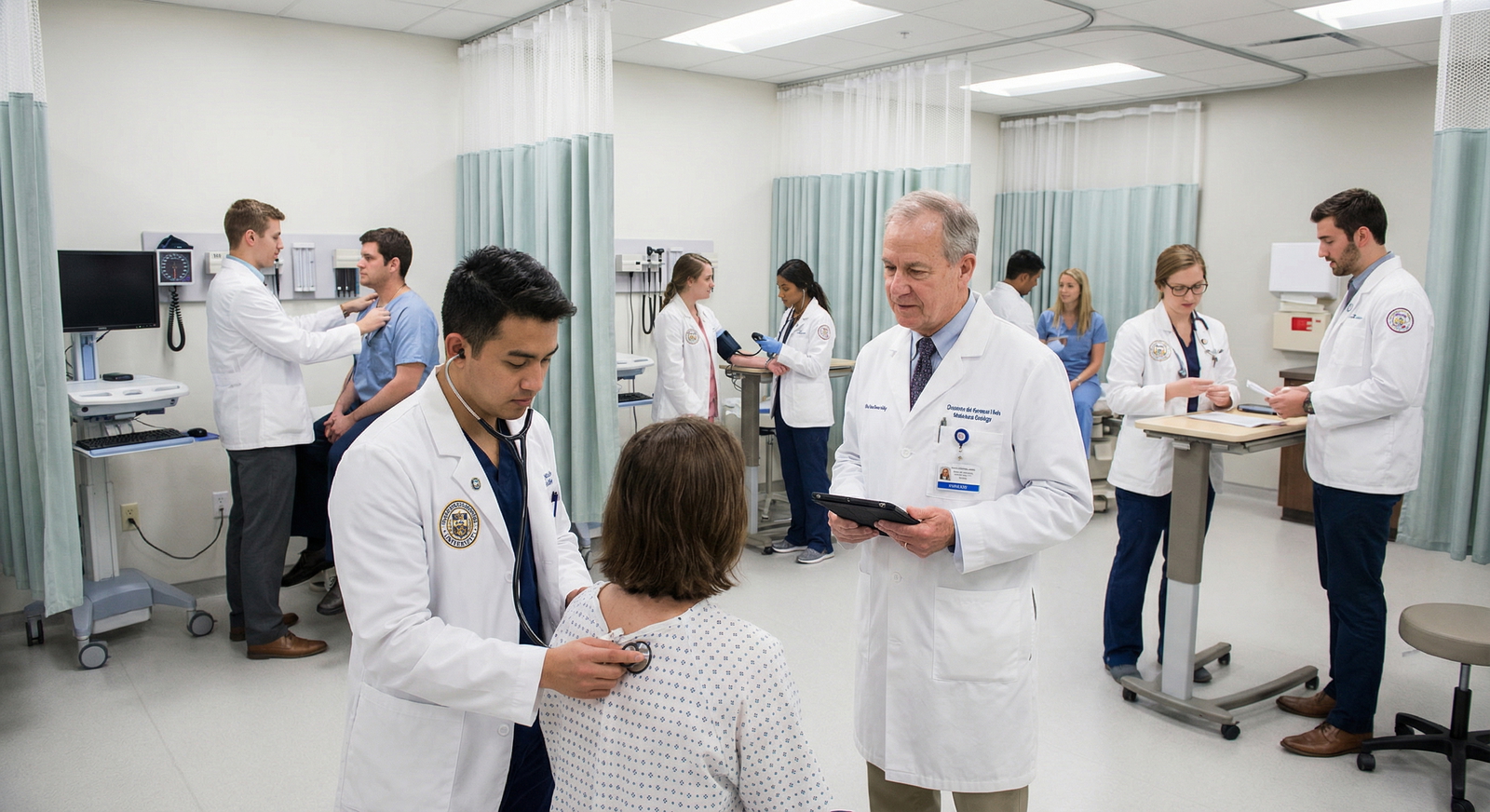
Transitioning from Step 1 to Step 2 of the USMLE is more than “just the next exam”—it’s a shift in mindset from memorizing mechanisms to thinking and acting like a clinician. You move from recalling pathways and bugs to managing real-world patient scenarios under timed conditions. With a strategic approach, this transition can actually feel empowering rather than overwhelming.
This enhanced guide walks you through how to “level up” your USMLE Step 2 exam preparation, building on your Step 1 foundation while sharpening the clinical skills residency programs care deeply about.
Understanding Step 1 vs. Step 2: How the Exam Focus Really Changes
The Core Difference: Mechanisms vs. Management
Step 1 emphasizes:
- Basic sciences: anatomy, biochemistry, microbiology, pathology, pharmacology, physiology, and behavioral sciences
- “Why” things happen: mechanisms of disease, drug actions, cellular processes
- Heavy focus on memorization and integration of foundational science
- Now scored as Pass/Fail (but still important for building a base)
Step 2 CK (Clinical Knowledge) emphasizes:
- Application of knowledge in clinical settings
- Diagnosis, management, and next-best-step decision-making
- Interpretation of labs, imaging, EKGs, and clinical narratives
- Breadth of clinical specialties: Internal Medicine, Surgery, Pediatrics, OB/GYN, Psychiatry, Emergency Medicine, Family Medicine, and more
Step 2 CS was discontinued in 2021, but clinical skills and communication are still heavily tested in Step 2 CK vignettes and will matter greatly in your clerkships, shelf exams, and residency.
Why This Transition Feels Hard (and Why That’s Normal)
Moving from Step 1 to Step 2 often feels challenging because:
- Questions are longer and more complex, packed with clinical details
- Instead of “What’s the diagnosis?” you’re often asked, “What is the next best step in management?”
- You’re expected to synthesize: history, physical exam, labs, imaging, and guidelines
- You’re learning to think not like a student, but like an intern
This is precisely why Step 2 is so valued by residency programs: it reflects your clinical reasoning, prioritization, and readiness to care for patients.
Shifting Your Study Focus: From Memorizing Facts to Clinical Reasoning
1. Mastering Clinical Vignettes
Step 2 CK is built almost entirely around clinical vignettes—detailed patient cases that test your ability to:
- Identify the most likely diagnosis
- Prioritize urgent vs. routine issues
- Choose evidence-based management
- Recognize red flags and “can’t-miss” diagnoses
How to train this skill:
- Use high-quality Q-banks (e.g., UWorld, Amboss) as your primary learning tool, not just as an assessment
- For each question, ask:
- What clues in the stem were most important?
- Why is the correct choice superior to the second-best option?
- What guideline or principle is this question testing?
Over time, you’ll start to see patterns in presentations, such as:
- Chest pain: ischemic vs. musculoskeletal vs. GI vs. anxiety
- Shortness of breath: cardiac vs. pulmonary vs. metabolic vs. anemia
- Abdominal pain by location and acuity
These patterns are the core of Step 2 clinical reasoning.
2. Building Strong Differential Diagnoses
Where Step 1 asked, “What disease is this?”
Step 2 often asks, “What do you do when it might be several things?”
You need to generate and narrow differential diagnoses quickly.
Practical strategies:
- Learn common differentials using organized frameworks:
- By system (cardiac, pulmonary, GI, neuro, etc.)
- By acuity (life-threatening vs. stable)
- By age group (neonate vs. child vs. adult vs. elderly)
- As you do practice questions, write out a mini-differential in the margin:
- Top 3 possibilities
- What features argue for or against each
Example:
For a 65-year-old with acute chest pain, you should rapidly consider:
- Acute coronary syndrome (ACS)
- Aortic dissection
- Pulmonary embolism
- Pericarditis
- GERD or esophageal spasm
…and then use clues (radiation, vital signs, risk factors, EKG, D-dimer, etc.) to triage.
3. Applying Basic Science to Clinical Care
Your Step 1 knowledge is not wasted—it just plays a different role now.
Step 2 often asks:
- Which drug is safest in a patient with renal failure?
- Which mechanism explains a particular side effect?
- Why is one treatment preferred over another?
Examples:
- Pharmacology: Knowing that ACE inhibitors are teratogenic drives you to choose labetalol or methyldopa in pregnancy.
- Physiology: Understanding preload and afterload helps you manage acute heart failure (diuretics vs. vasodilators vs. inotropes).
- Microbiology: Identifying risk factors and classic presentations leads you to choose appropriate empiric antibiotics.
When studying, ask yourself:
“How does this mechanism influence diagnosis or management in a real patient?”

Core Strategies for Effective USMLE Step 2 Exam Preparation
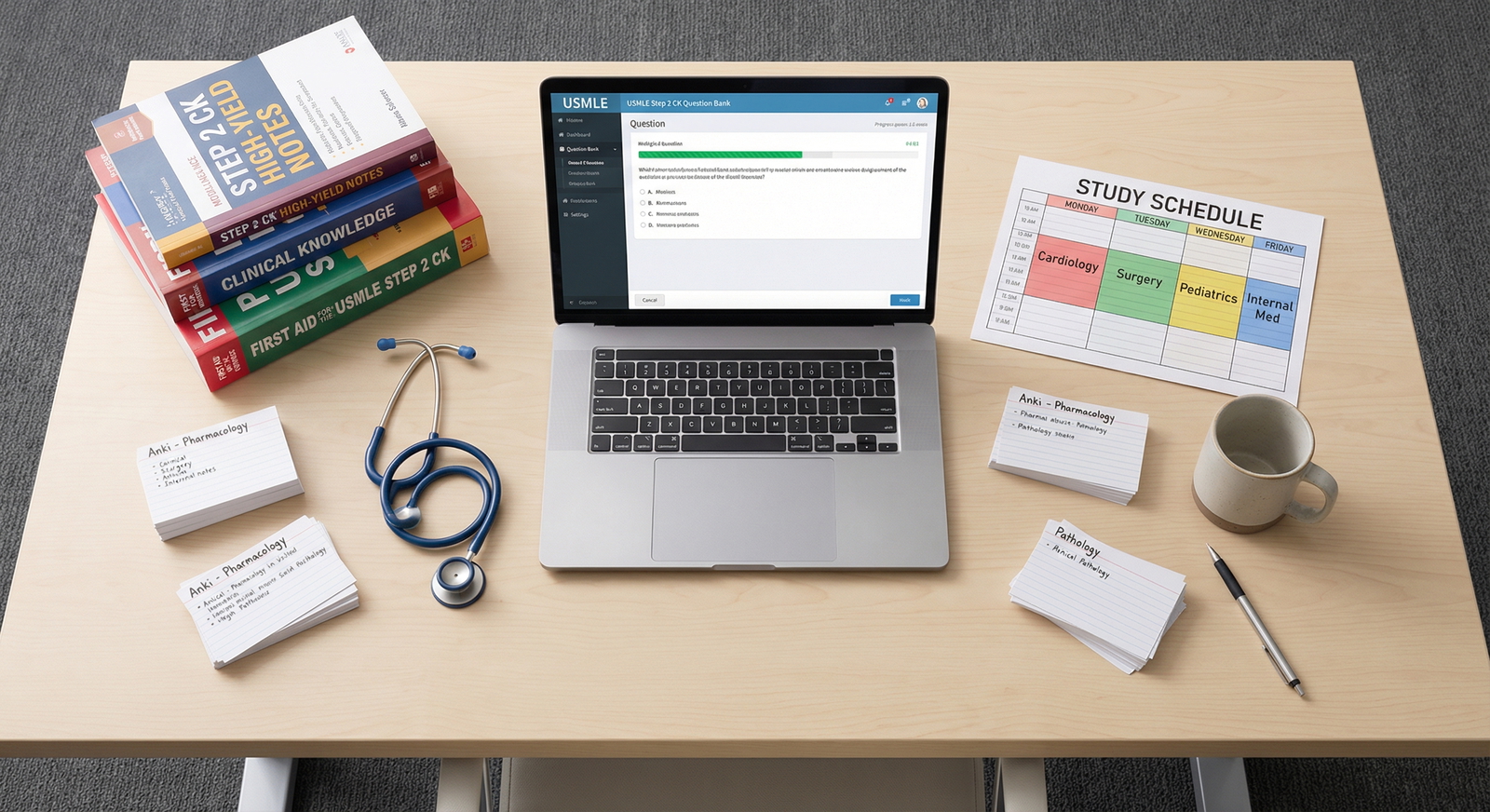
1. Designing a Strategic Step 2 Study Plan
Your study schedule should reflect:
- Your baseline strengths and weaknesses
- Your recent clinical rotations and upcoming schedule
- Your target score and residency goals
Common dedicated study period:
- 4–8 weeks of full-time prep after core clerkships
- Or integrated, longitudinal prep during the clinical year
Key components of a strong study plan:
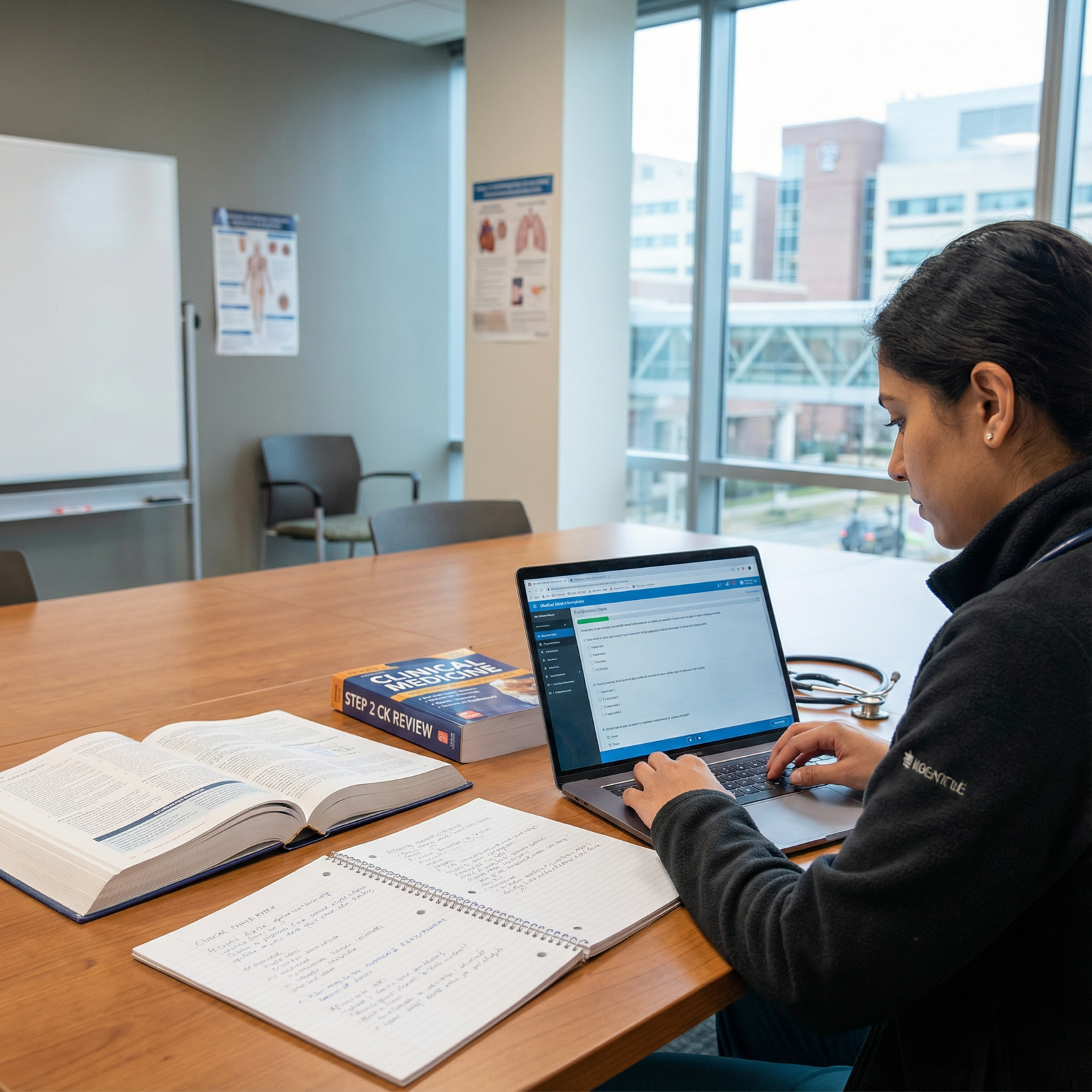
Daily Q-bank blocks
- 40–80 questions per day during dedicated
- Timed, random, mixed blocks to simulate the real exam
- Thorough review of each explanation (right and wrong answers)
Scheduled content review
- Use a concise Step 2 review resource:
- First Aid for the USMLE Step 2 CK
- Step-Up to Medicine (for Internal Medicine-heavy content)
- Online video series (e.g., Boards & Beyond, OnlineMedEd, etc.)
- Focus extra time on high-yield systems: cardiology, pulmonology, GI, neurology, infectious disease, OB/GYN, pediatrics, and psychiatry.
- Use a concise Step 2 review resource:
Practice self-assessments
- NBME practice exams
- UWorld self-assessments (UWSA)
- Space them every 1–2 weeks during dedicated
- Use the results to:
- Identify weak areas
- Adjust your study emphasis
- Practice pacing and test stamina
2. Using Active Learning Instead of Passive Review
Reading alone is rarely enough for Step 2. You need active engagement.
High‑yield active learning techniques:
- Flashcards (Anki / Quizlet)
- Focus decks on:
- Common presentations and first-line management
- Risk factors and diagnostic criteria (e.g., for psych, rheumatology)
- Algorithms (e.g., chest pain, stroke, sepsis)
- Focus decks on:
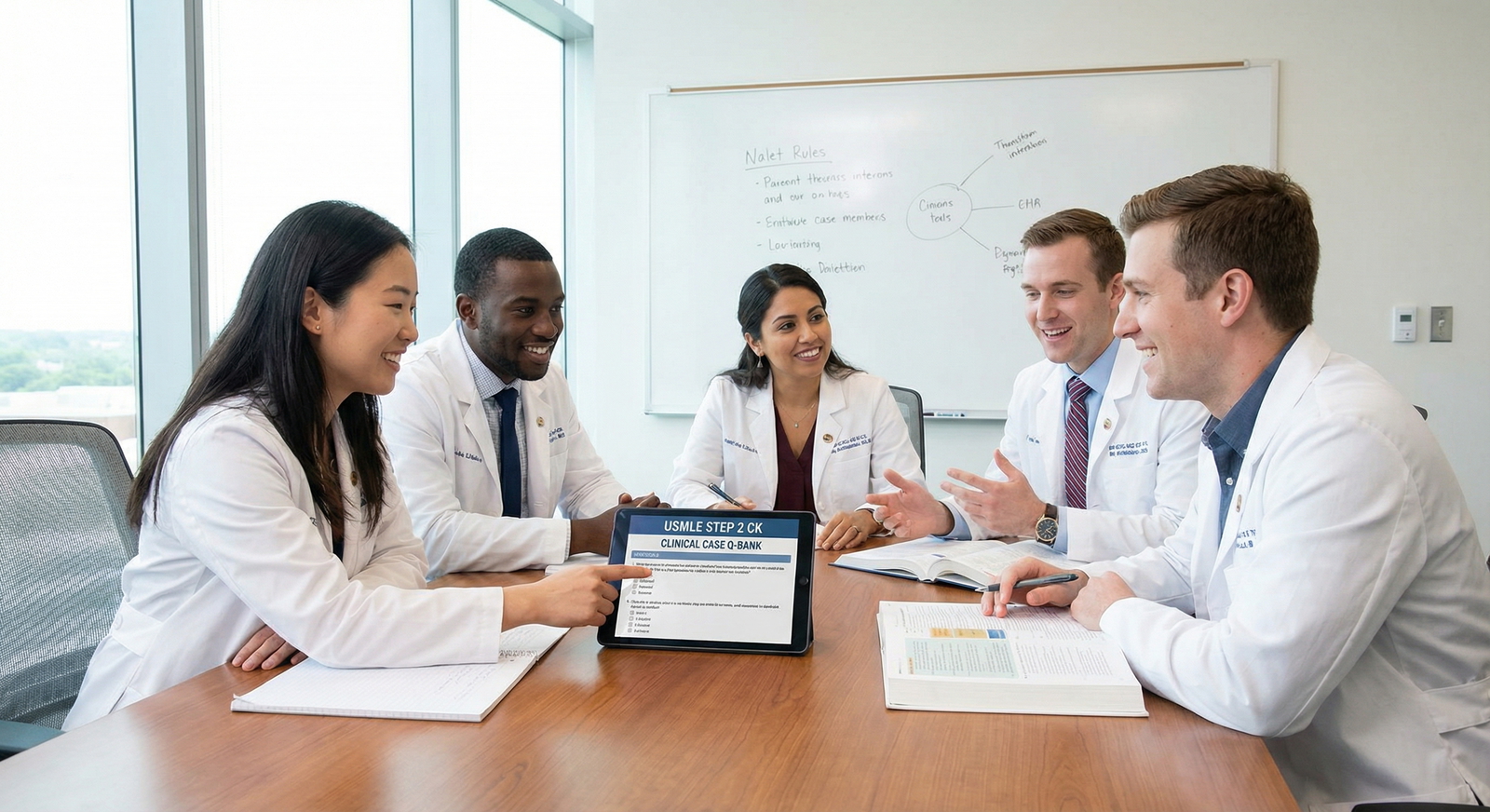
- Case discussion with peers
- Pick a topic (e.g., syncope, jaundice, altered mental status)
- One person presents a case; others walk through:
- Differential
- Workup
- Initial management
This simulates the clinical reasoning Step 2 demands and prepares you for both the exam and residency interviews (where you may be asked to walk through cases).
3. Leveraging Clinical Rotations as Live Exam Prep
Your clinical rotations are arguably the best preparation for Step 2 when you use them intentionally.
Turn your rotation into a study tool:
- For each new patient, ask yourself:
- What is my working diagnosis?
- What are the main differentials?
- What diagnostic tests are needed, and why?
- What is the immediate management?
- After rounds, briefly read about one high-yield topic related to a patient you saw that day (e.g., COPD exacerbation, DKA, preeclampsia).
Ask your residents and attendings:
- “What’s the next best step in management here?”
- “What would be the board answer for this case?”
- “Are there any ‘classic’ Step 2 questions on this topic?”
Linking real patients to Step 2-style thinking makes the material stick and improves both Exam Preparation and real-world Clinical Skills.
4. Balancing Q-Banks, Notes, and Resources
Many students worry: “Am I doing enough questions? Enough reading?”
A practical distribution during dedicated Step 2 study might look like:
- 60–70% of time: Q-bank questions + review
- 20–30% of time: Focused content review
- 10–20% of time: Practice exams & targeted remediation
Tips:
- Complete at least one full Q-bank (often UWorld) before your exam.
- If time permits, dip into an additional resource (e.g., Amboss) for weaker systems.
- Keep a running list or notebook of “must-remember” concepts and repeat them regularly.
Wellness, Test-Day Readiness, and Exam Logistics
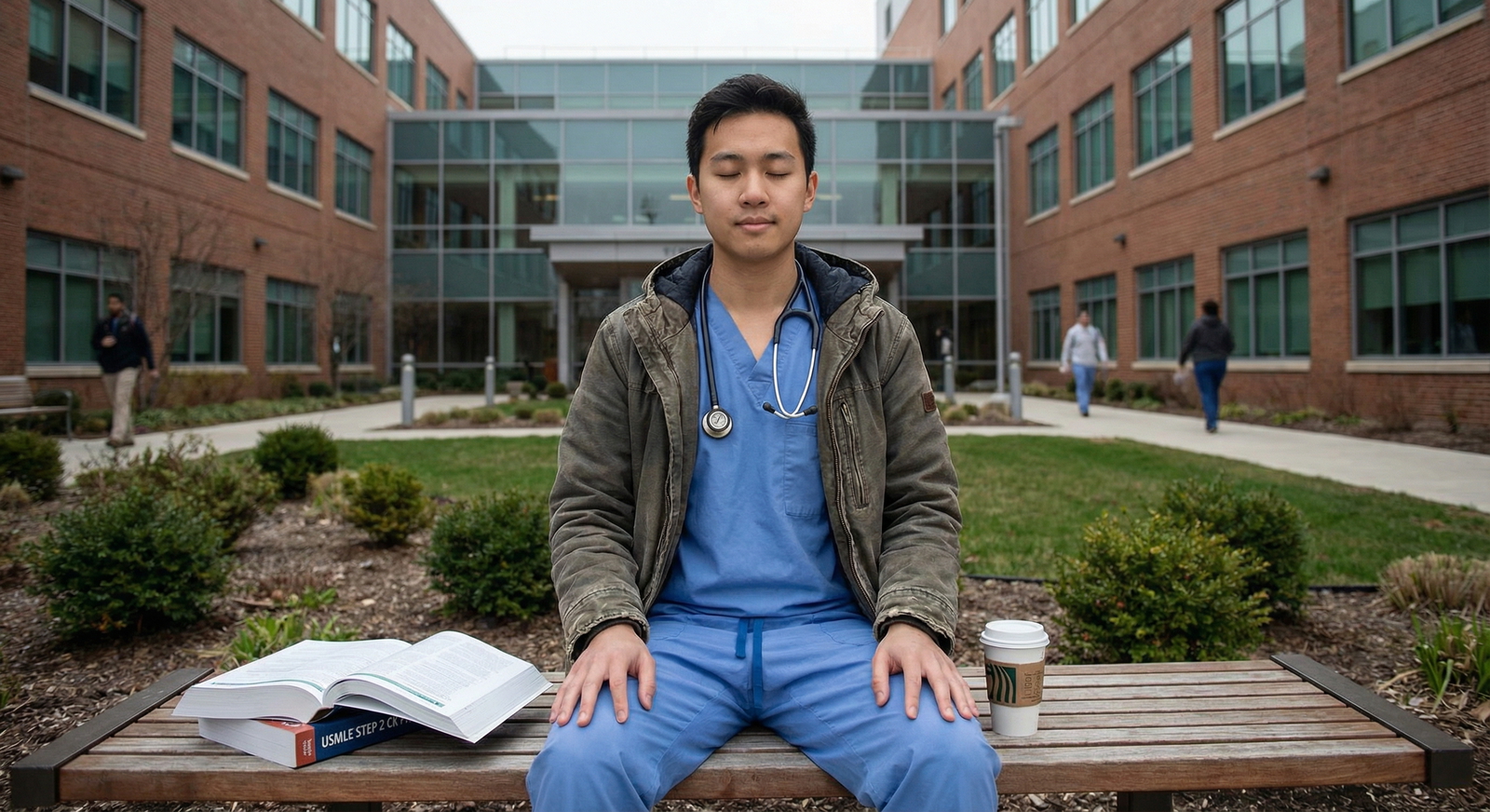
1. Protecting Your Physical and Mental Health
Sustained performance on Step 2 demands more than raw study hours.
Physical health priorities:
- Sleep: Aim for 7–8 hours; chronic sleep debt reduces recall and decision-making.
- Nutrition: Stable blood sugar and hydration help with focus; avoid overreliance on caffeine and sugary snacks.
- Exercise: Even 20–30 minutes of walking or light workouts 3–4 times per week improves mood, concentration, and stress resilience.
Mental wellness strategies:
- Use brief mindfulness exercises or breathing techniques before study blocks or practice exams.
- Build short, planned breaks into your day to prevent burnout.
- Stay connected with supportive friends, family, or classmates; isolation magnifies stress.
If anxiety or burnout feels unmanageable, reach out early—to student wellness services, counseling resources, or a trusted mentor.
2. Understanding Step 2 CK Exam Format and Logistics
Being comfortable with logistics helps reduce unnecessary test-day stress.
Core structure of Step 2 CK:
- One-day, computer-based exam
- Multiple 60-minute blocks (usually 8)
- Total items: roughly 318 multiple-choice questions
- Up to 9 hours of testing time, including breaks
Before exam day:
- Double-check your:
- Scheduling permit
- Test center location and commute time
- Required IDs
- Familiarize yourself with the USMLE tutorial (available online) so you don’t waste time on test day learning the interface.
- Plan your break strategy (e.g., short snack breaks after every 2 blocks).
3. Final Weeks: High-Yield Review and Simulation
In the last 2–3 weeks before your test:
Priorities:
- Take at least 1–2 full-length practice exams under test-like conditions.
- Taper to mixed, timed Q-bank blocks, simulating exam pacing.
- Rapidly review:
- High-yield tables and algorithms (e.g., from First Aid or summary sheets)
- Common emergencies: ACS, stroke, sepsis, GI bleed, ectopic pregnancy, status epilepticus, anaphylaxis.
The goal is not to learn entirely new content, but to:
- Consolidate what you know
- Identify and patch remaining weak spots
- Build confidence in your test-taking rhythm and stamina
The night before the exam:
- Stop heavy studying.
- Light review only (if needed), then relax.
- Prepare your bag, snacks, and clothes.
- Aim for a full night’s sleep.

Bringing Back Clinical Skills Without Step 2 CS
Even though Step 2 CS is no longer administered, clinical skills and communication remain central to both Step 2 CK and residency performance.
Practical Ways to Strengthen Clinical Skills
History-Taking Structure
- Practice concise, focused H&Ps:
- Chief complaint and HPI
- Pertinent positives and negatives
- Relevant PMH, meds, allergies, FH, SH, ROS
- Time yourself: Can you get a thorough history in 5–7 minutes?
- Practice concise, focused H&Ps:
Physical Exam Reasoning
- On the wards, always ask: “Which findings would confirm or refute my suspected diagnosis?”
- Tie exam maneuvers to management decisions (e.g., distinguishing CHF vs. COPD exacerbation).
Communication and Professionalism
- Practice explaining diagnoses and plans in plain language.
- Use empathetic phrases: “I can see this is really stressful; let’s go through this step by step.”
- Be mindful of cultural sensitivity and patient autonomy.
These skills show up on Step 2 CK as:
- Ethics and professionalism questions
- Shared decision-making scenarios
- Cases involving anxious, non-adherent, or vulnerable patients
Developing strong Clinical Skills now will pay off across your entire Medical Education trajectory—from clerkships to residency and beyond.
Conclusion: Embrace the Step 2 “Level Up”
Transitioning from Step 1 to USMLE Step 2 is not just about more content—it’s about evolving your identity from a preclinical learner to a budding clinician.
By:
- Understanding how Step 2 differs from Step 1
- Centering your Exam Preparation on Q-banks, clinical reasoning, and pattern recognition
- Leveraging your rotations as real-world study material
- Taking care of your physical and mental health
- Practicing under exam-like conditions
…you can turn this transition into a powerful step forward, not just toward a strong Step 2 score, but toward residency readiness and confident patient care.
With a structured plan, targeted Study Strategies, and a sustainable approach, you truly can “level up” for Step 2 and move closer to your goal of becoming a safe, capable, and compassionate physician.
FAQs: USMLE Step 2 Preparation and Transition from Step 1
Q1: How long should I study for Step 2 CK after completing Step 1 and core clerkships?
Most students prepare for 4–8 weeks of focused Step 2 study after finishing their core clerkships. The exact length depends on:
- Your baseline from shelf exams and Q-bank performance
- Your target score and specialty competitiveness
- How much Step 2-style studying you integrated during the clinical year
If your practice scores are lower than your goal, consider adding 1–2 extra weeks focused on weakest systems.
Q2: What are the highest-yield resources for Step 2 CK Exam Preparation?
Commonly recommended, high-yield resources include:
- Q-banks: UWorld (primary), Amboss (excellent supplement)
- Review books: First Aid for the USMLE Step 2 CK, Step-Up to Medicine (esp. Internal Medicine)
- Video resources: OnlineMedEd, Boards & Beyond (for targeted review)
- Self-assessments: NBME practice exams, UWorld self-assessments
The key is mastery of fewer, high-quality resources, rather than sampling too many.
Q3: How often should I take practice exams while preparing for Step 2 CK?
During dedicated study, aim to:
- Take a baseline NBME at the start (if possible)
- Repeat a practice exam (NBME or UWSA) every 1–2 weeks
- Reserve one or two self-assessments for the final 2–3 weeks before your exam
Use each exam to:
- Track score trajectory
- Identify weak content areas
- Practice timing and endurance
Q4: Is it better to study individually or in a group for Step 2?
Both can work—what matters is honest self-awareness:
- Individual study is best if you:
- Prefer full control of your schedule
- Need quiet, distraction-free time
- Find group study slows you down
- Group study can be valuable if you:
- Benefit from explaining concepts out loud
- Practice case discussions or clinical reasoning together
- Keep each other accountable and motivated
Many students combine both: independent Q-bank work, then weekly or biweekly group case reviews.
Q5: How can I improve my clinical skills and communication if there’s no Step 2 CS?
You can still build strong Clinical Skills by:
- Being intentional during rotations—treat each patient encounter as practice for history, physical exam, and counseling
- Asking for feedback from residents and attendings on your clarity, empathy, and organization
- Role-playing patient encounters with classmates, focusing on:
- Structuring the interview
- Explaining diagnoses and plans in plain language
- Handling emotions (fear, anger, frustration) respectfully
These behaviors not only help with Step 2 CK scenarios but will also stand out on your clerkship evaluations and in residency.
For more strategy on structuring your overall exam journey, you can also explore resources on building the perfect study schedule and avoiding common exam prep mistakes across different stages of Medical Education and board preparation.