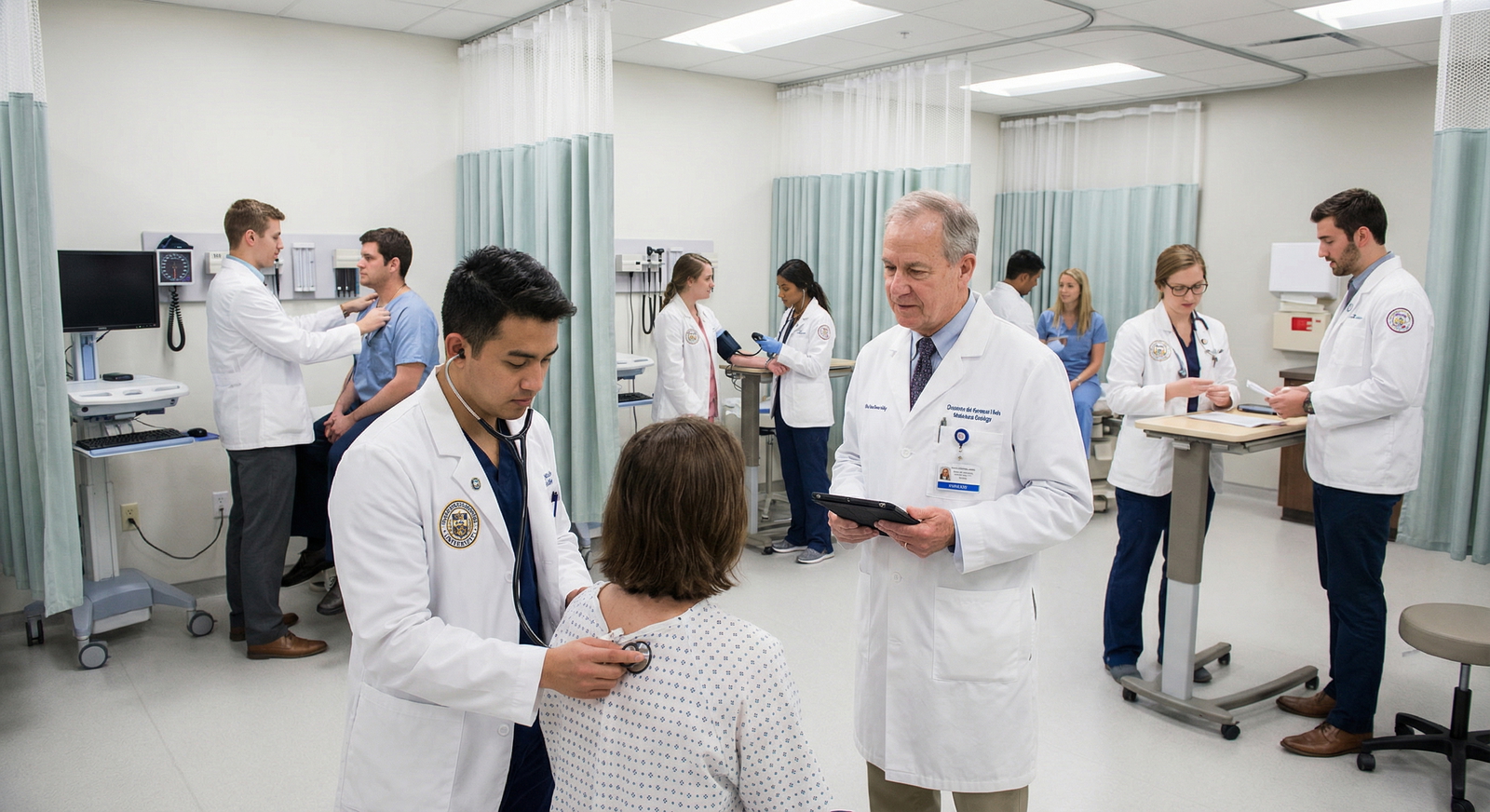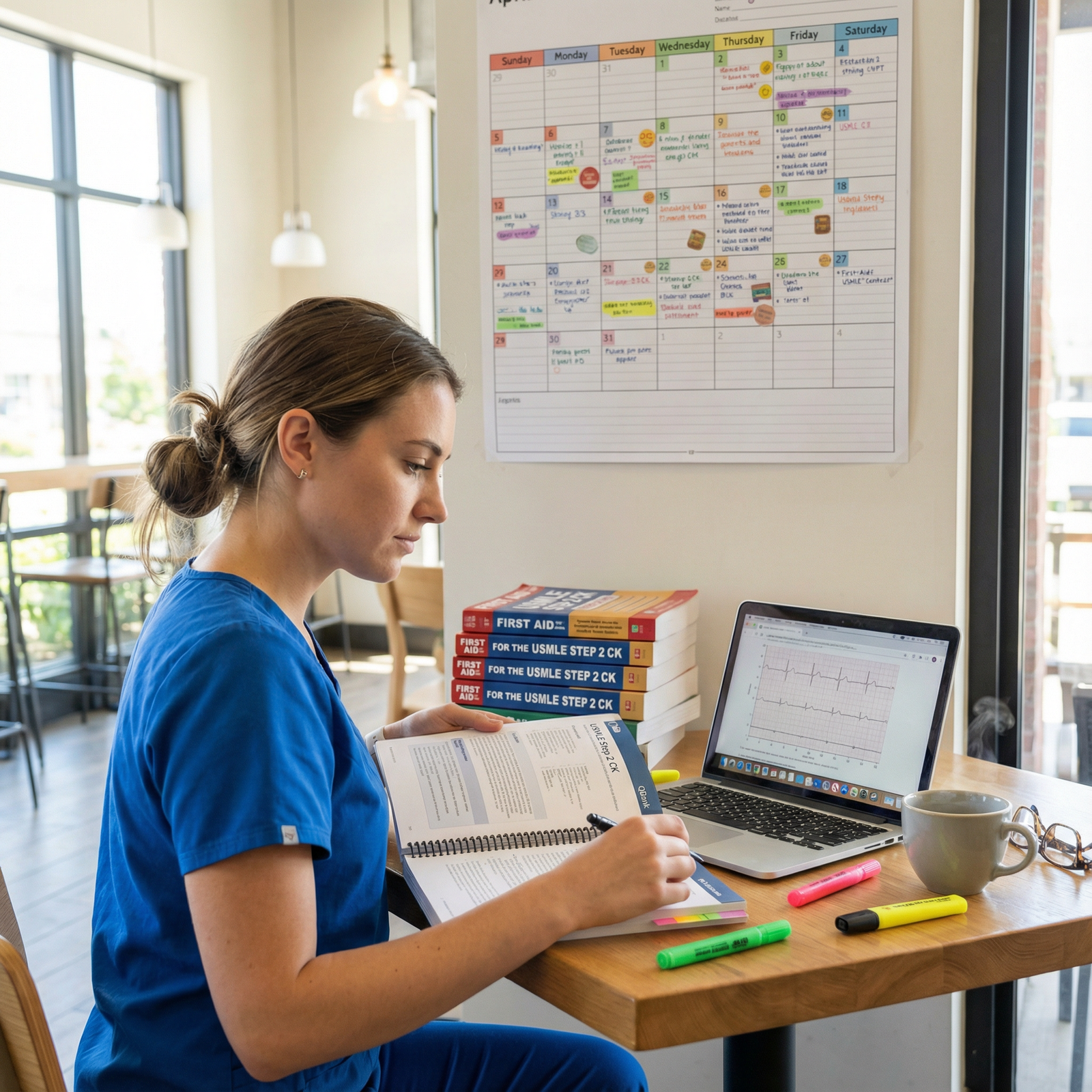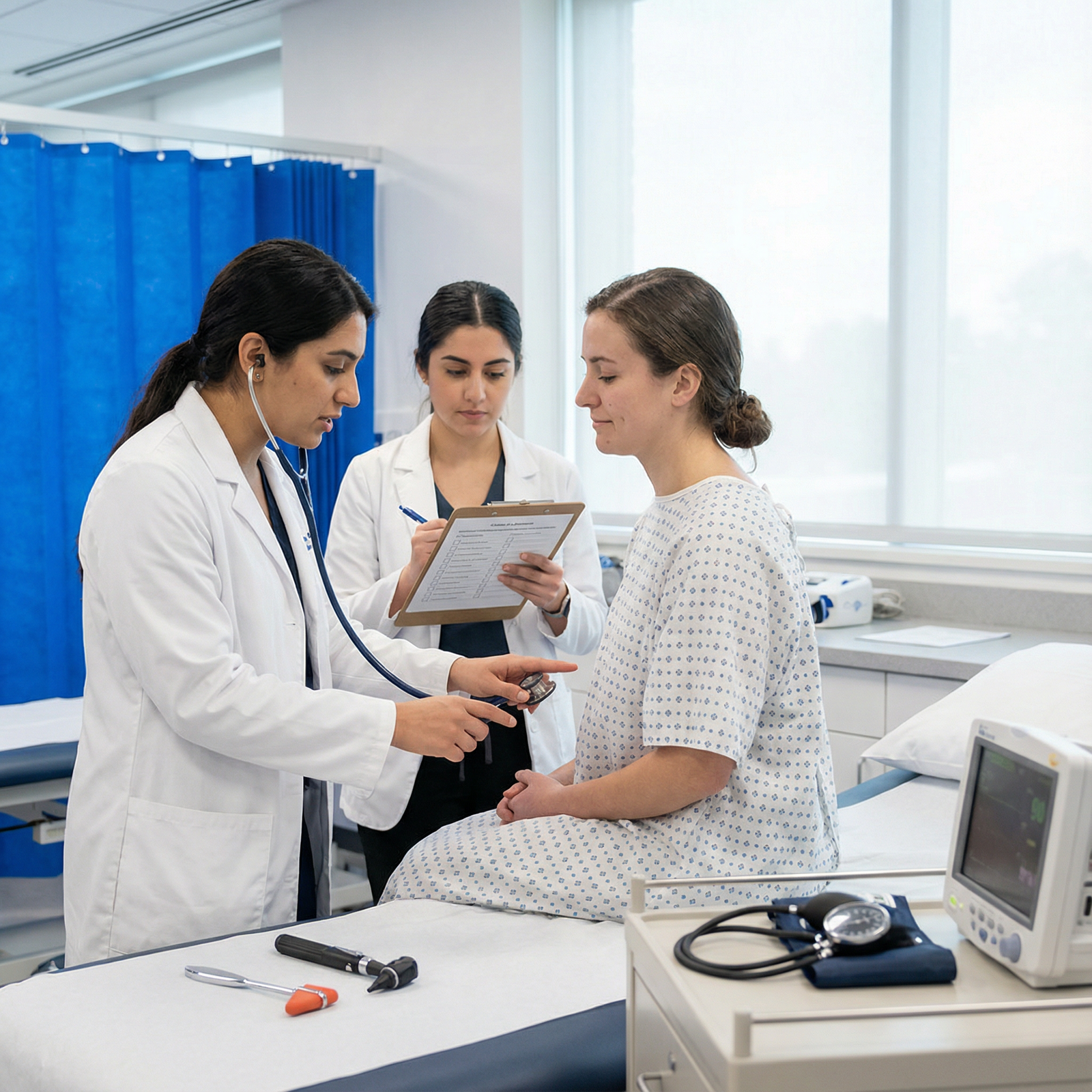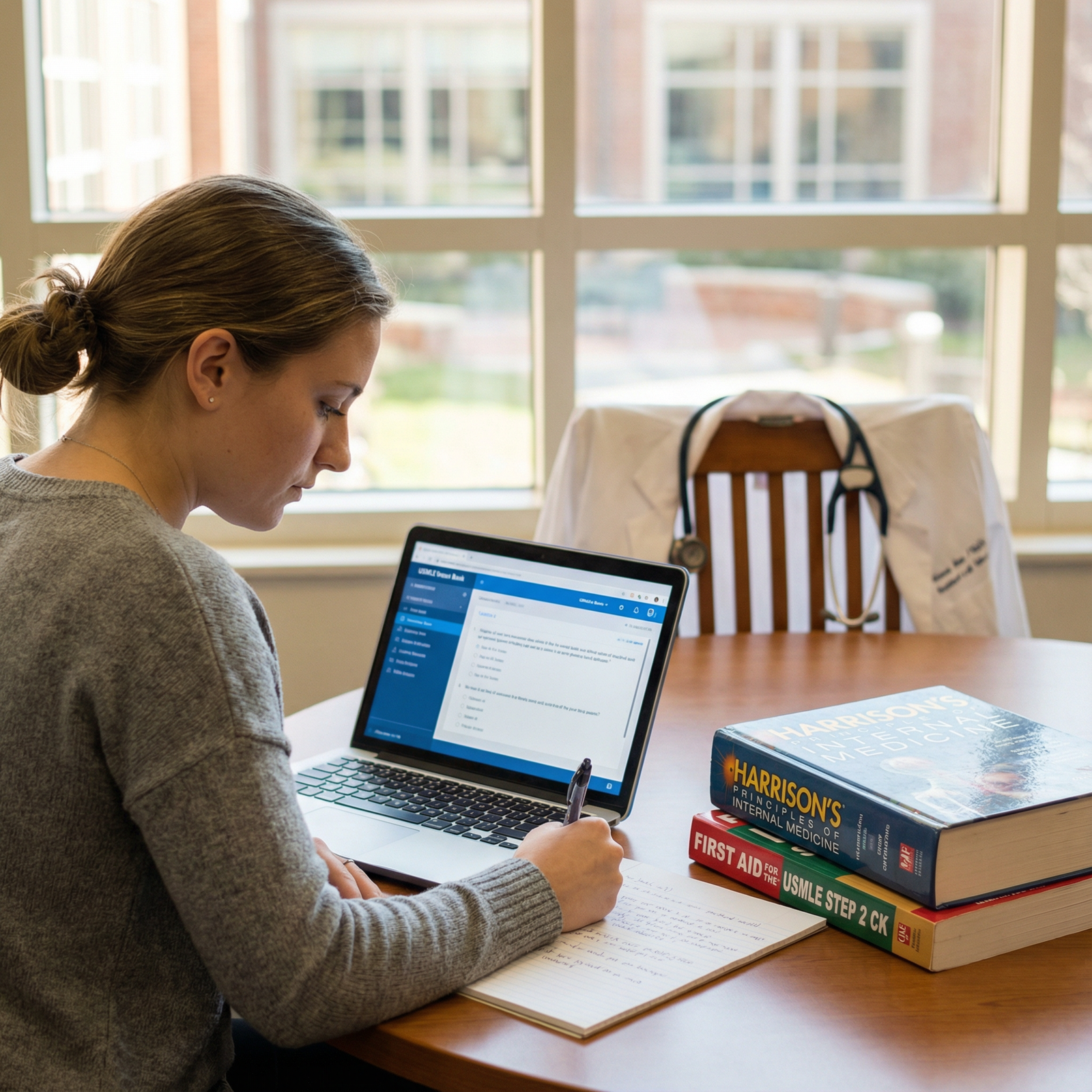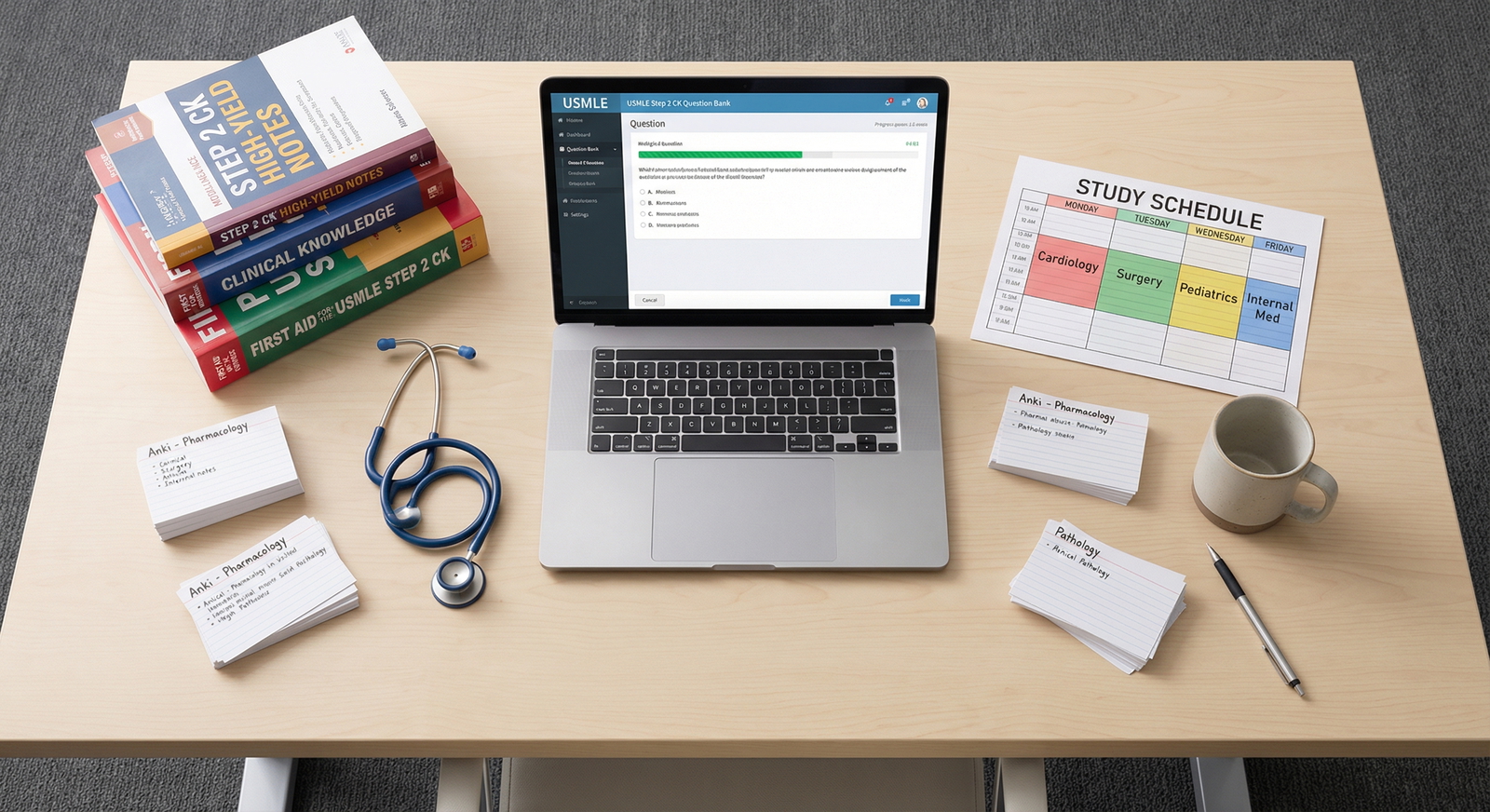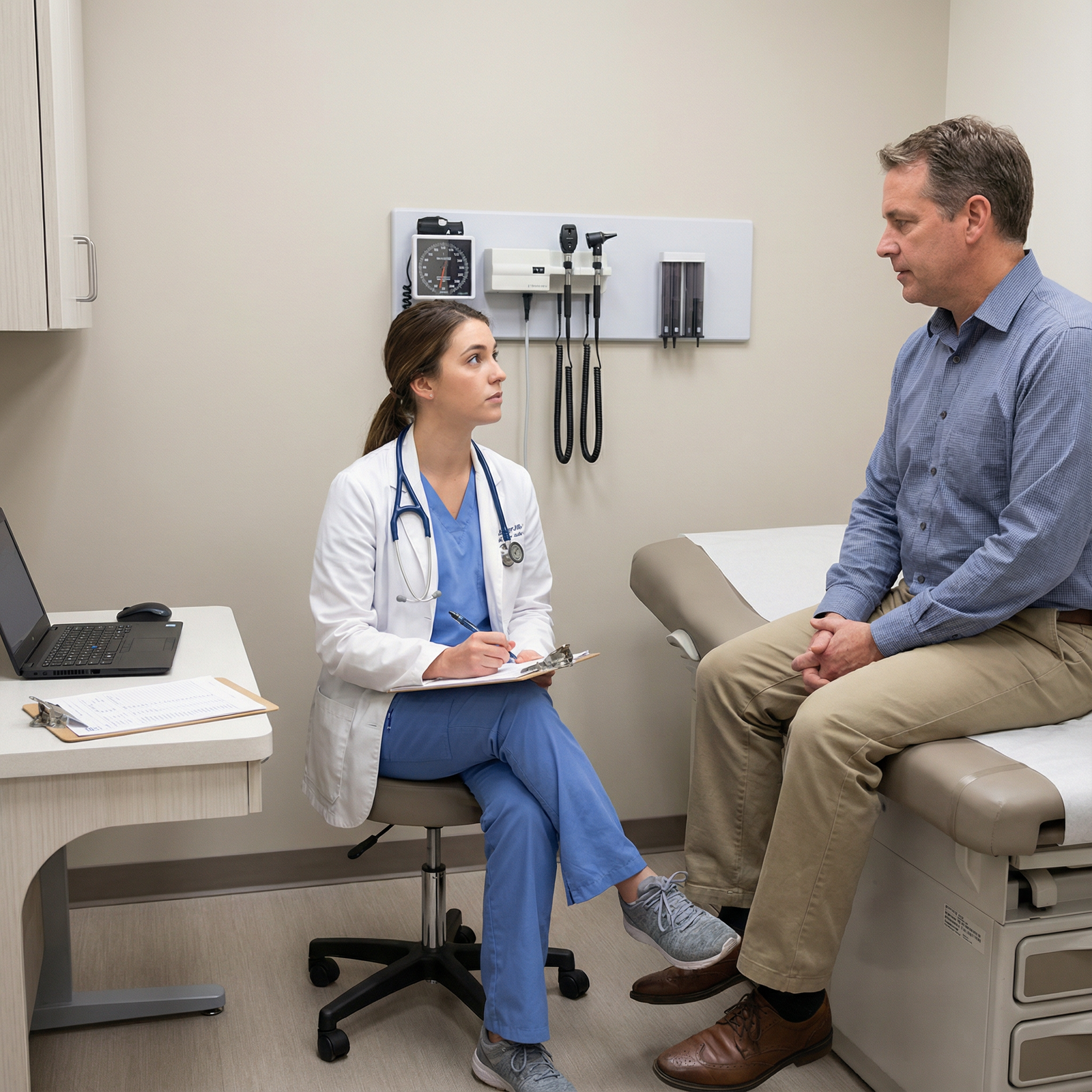
The USMLE Step 2 Clinical Skills (CS) exam has historically been a pivotal milestone for medical students seeking to practice in the United States. While the live Step 2 CS exam has been discontinued, the skills it assessed remain central to success in clerkships, residency, and patient care—and they are still evaluated in other ways (OSCEs, school-based clinical exams, and residency interviews).
This guide reframes the “secrets” of Step 2 CS success into a comprehensive roadmap for mastering clinical skills, strengthening performance on OSCE-style exams, and preparing for clinical practice. Whether you are taking a school OSCE, preparing for Step 2 CK cases, or building your clinical confidence, the same principles apply: structured communication, efficient history-taking, focused physical exams, clear documentation, and professional demeanor.
Understanding the Core of Step 2 CS–Style Exams
To prepare effectively for any clinical skills assessment or OSCE, you must first understand what is actually being tested and why.
What Step 2 CS Was Designed to Assess
Step 2 CS evaluated whether a candidate could function at the level of an entry-level resident in real patient encounters. Similar modern clinical skills exams still focus on your ability to:
- Perform focused patient examinations
- Communicate clearly and empathetically
- Gather key clinical information efficiently
- Demonstrate sound clinical reasoning
- Document findings and plans in a structured note
- Behave professionally with patients and staff
These skills remain core to US medical education, USMLE-style clinical reasoning, and residency readiness.
Typical Test/OSCE Structure and Timing
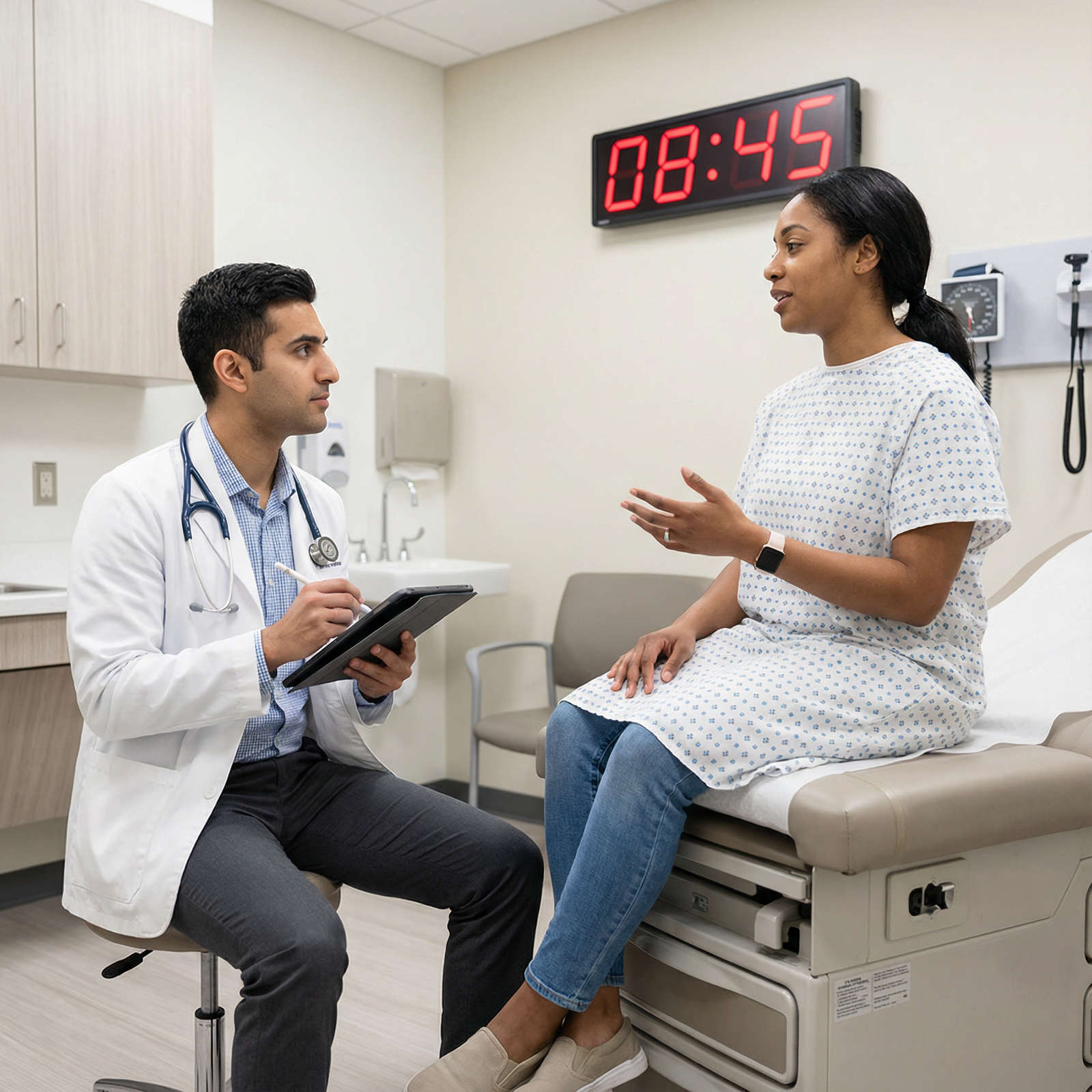
Most OSCE or Step 2 CS–inspired exams use a standardized patient (SP) format:
- 12–15 cases (varies by institution)
- Encounter time: Usually 10–15 minutes with the patient
- Documentation time: 5–10 minutes to complete a note or checklist
You are expected to:
- Introduce yourself and build rapport
- Take a focused yet thorough history
- Perform a targeted physical exam
- Summarize your understanding of the case
- Propose a differential diagnosis and initial plan (when appropriate)
- Document clearly and succinctly
Scoring Domains: How You Are Evaluated
While names differ by exam, most clinical skills assessments map onto three broad domains:
Integrated Clinical Encounter (ICE)
- History-taking and physical exam technique
- Quality, accuracy, and completeness of documentation
- Appropriateness of differential and workup
Communication and Interpersonal Skills (CIS)
- Empathy, respect, and professionalism
- Clarity of explanations
- Active listening and shared decision-making
- Ability to address patient concerns and emotions
Spoken English Proficiency (SEP) / Communication Clarity
- Understandable speech
- Logical flow of information
- Efficient, unambiguous communication with patients
Even in exams where grading is pass/fail, performance in these domains can reflect your readiness for residency and identify skills you must strengthen.
Strategy 1: Master the Exam Format and Case Types
Know What Cases You’re Likely to See
Although each test is different, most Step 2 CS–style exams use high-yield, common presentations:
- Chest pain, shortness of breath, cough
- Abdominal pain, nausea/vomiting, diarrhea, constipation
- Headache, dizziness, syncope, weakness
- Fever, rash, joint pain, fatigue
- Urinary symptoms, pelvic pain, vaginal discharge
- Depression, anxiety, substance use, confusion
- Pediatric complaints (fever, cough, vomiting, developmental issues)
- Geriatric issues (falls, memory loss, polypharmacy)
Additionally, be ready for:
- Health maintenance visits: Annual exams, vaccinations, counseling
- Ethical/communication challenges: Breaking bad news, non-adherence, requests for unnecessary tests, intimate partner violence, confidentiality issues
Action point:
Create a case list of the 30–40 most common clinical presentations and ensure you:
- Know key differentials for each
- Can ask a focused, structured history
- Know “must-not-miss” questions and red flags
- Have a basic exam plan for each system
Build a Mental Template for Every Encounter
Going into an encounter with a mental script dramatically reduces anxiety and missed steps. For example:
- Knock → Enter → Hand hygiene
- Greet the patient and introduce yourself with role
- Confirm patient’s name and preferred form of address
- State purpose of visit (“What brings you in today?”)
- Open-ended question → focused HPI
- Past history, medications, allergies, family and social history as relevant
- Focused review of systems
- Focused physical exam
- Summarize and check understanding
- Explain possible causes and plan in simple language
- Ask if the patient has questions or concerns
- Close the encounter respectfully
Rehearse this sequence until it becomes automatic.
Strategy 2: Develop Powerful Communication and Interpersonal Skills
Communication is not “extra credit” in clinical skills exams; it is central to passing and to good patient care.
Core Communication Behaviors Examiners Look For
Active listening:
- Let the patient speak without interrupting in the first 1–2 minutes
- Use verbal cues (“I see,” “Go on,” “Tell me more about that”)
- Summarize periodically: “So, if I understand correctly…”
Empathy and validation:
- “That sounds really painful.”
- “I can understand why this is worrying you.”
- “You’ve been dealing with a lot; thank you for sharing this with me.”
Nonverbal communication:
- Maintain eye contact
- Open body posture
- Sit at eye level
- Avoid looking at the clock excessively
Clarity and simplicity:
- Avoid jargon: say “high blood pressure” instead of “hypertension”
- Use brief, structured explanations: diagnosis → tests → treatment → reassurance
Handling Difficult Emotions and Sensitive Topics
You will likely face cases where the patient is anxious, angry, tearful, or ashamed. Use frameworks like NURSE to respond:
- Name the emotion: “You seem really worried.”
- Understand: “Anyone in your position might feel that way.”
- Respect: “I appreciate how open you are being.”
- Support: “We’ll work through this together.”
- Explore: “Can you tell me more about what worries you most?”
For sensitive topics (sexual history, substance use, domestic violence):
- Normalize: “I ask these questions of all my patients…”
- Ask permission: “Is it okay if I ask you a few questions about…”
- Be nonjudgmental: “Thank you for being honest; this helps me take better care of you.”
Communication for Non-Native English Speakers
If English is not your first language, Step 2 CS–style exams still require clear spoken English:
- Practice full encounters out loud with native or fluent English speakers
- Work on pace and pronunciation, not accent reduction
- Use short, simple sentences
- Avoid vague phrases; be concrete and specific
Action point:
Record yourself during a mock encounter and listen for:
- Filler words (“um,” “uh,” “like”)
- Overly complex sentences
- Places where you lose logical flow
Strategy 3: Practice Clinical Skills Deliberately and Repeatedly
Knowledge alone will not carry you through a timed clinical exam. Repetition under exam-like conditions is crucial.
Build a Structured Practice Plan
Form a small study group (2–4 students)
Rotate roles:- Physician
- Patient
- Observer (gives feedback)
Use standardized cases from:
- Old Step 2 CS resources (First Aid, Kaplan, etc.)
- School OSCE case banks
- Online question banks and clinical cases
Simulate real conditions:
- 15-minute patient encounter
- 10 minutes for documentation
- No pausing to look up information during the encounter
Debrief after every case:
- What went well?
- What was missed in history or exam?
- Was communication clear and empathetic?
- Did the note include key positives/negatives and a logical differential?
High-Yield Resources for Clinical Skills and Exam Preparation
Even though Step 2 CS is no longer administered, many legacy resources remain highly relevant for clinical skills and OSCEs:
First Aid for the USMLE Step 2 CS (archived)
- Excellent for structure, sample scripts, and note-writing practice
USMLE-style question banks (e.g., UWorld, AMBOSS) for Step 2 CK
- Strengthen clinical reasoning and differential building
- Use cases to practice how you would approach a real encounter
School clinical skills labs and OSCE prep sessions
- Often the best simulation of your actual exam format
- Get feedback from faculty and standardized patients
Strategy 4: Execute Focused, Efficient Physical Exams
Physical exams in these settings must be targeted, respectful, and technically correct rather than exhaustive.
Tailor the Exam to the Chief Complaint
For each major symptom, know the core exam elements. Examples:
Chest pain / shortness of breath
- General inspection (distress, diaphoresis)
- Vital sign commentary (even if simulated)
- Cardiovascular exam: inspection, palpation, auscultation (all valves)
- Lung exam: inspection, percussion, auscultation
- Check for extremity edema, JVD when appropriate
Abdominal pain
- Inspect, auscultate, percuss, palpate in all quadrants
- Assess for rebound tenderness, guarding, organomegaly
- Consider CVA tenderness for flank pain
Neurologic symptoms
- Mental status/orientation
- Cranial nerves (as appropriate)
- Motor, sensory, reflexes, coordination, gait (if time/space permit)
MSK/joint pain
- Inspect both joints, compare sides
- Palpate, range of motion, strength testing
- Assess function and stability
Respect, Safety, and Professionalism in the Exam
Examiners watch closely for professionalism:
- Always wash or sanitize hands at the start
- Ask permission before touching: “Is it okay if I examine your abdomen now?”
- Provide draping for privacy
- Explain what you’re doing: “You may feel some pressure, but tell me if you feel pain.”
- Thank the patient after the exam
Action point:
Practice common focused exams in front of a mirror or with a peer until you can perform them smoothly and automatically.
Strategy 5: Master Time Management and Encounter Flow
Time pressure is one of the biggest challenges in Step 2 CS–style exams.
Break the Encounter into Time Blocks
For a 15-minute encounter, aim for:
- 0–2 minutes: Introduction, chief complaint, open-ended exploration
- 2–9 minutes: Focused history, clarifying questions, relevant ROS
- 9–12 minutes: Targeted physical exam
- 12–14 minutes: Summary, explanation, and plan discussion
- 14–15 minutes: Questions, closure, and thank you
Use mental “checkpoints”:
- At 5 minutes, you should be well into focused history
- At 9–10 minutes, begin/finish your exam
- Always leave at least 2–3 minutes for explanation and closure
Prioritization Under Time Pressure
You won’t be able to ask every question or perform every maneuver. Focus on:
- Life-threatening and high-yield differentials
- Key red-flag symptoms (e.g., for chest pain: exertional component, radiation, diaphoresis, risk factors)
- Exam maneuvers that change your differential
If you run short on time:
- Prioritize the critical history and at least a core physical exam
- You can mention in your note additional exams or tests you would perform
Strategy 6: Write High-Quality Clinical Encounter Notes
Your Clinical Encounter Note (CEN)—or equivalent OSCE note—is a critical part of your score. It demonstrates whether you can:
- Distill relevant information
- Organize clinical data
- Generate a sensible differential and plan
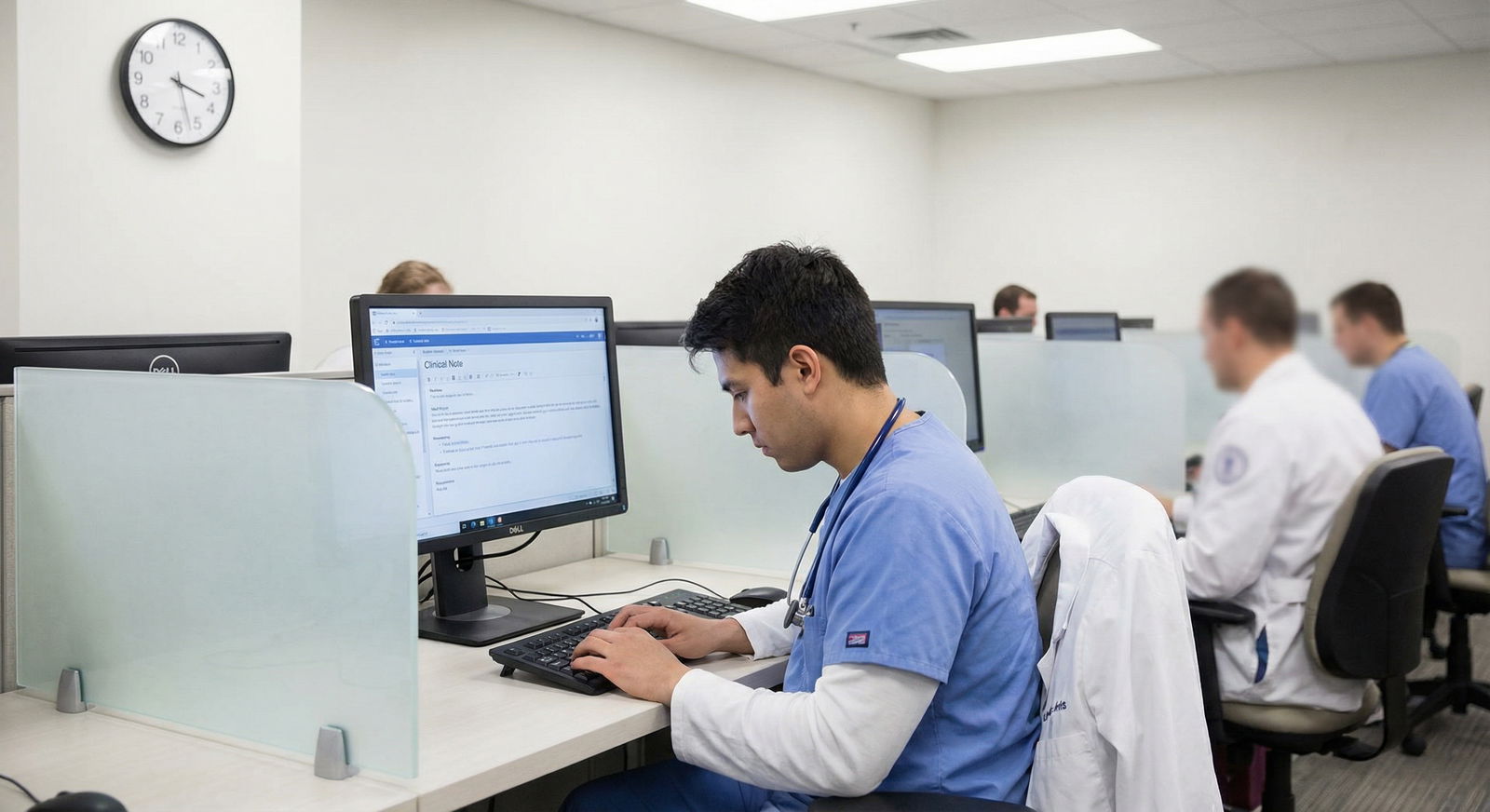
Use a Consistent, Clear Structure
Most notes follow a modified SOAP/H&P format:
- History
- Chief complaint and brief HPI (including key positives and negatives)
- Pertinent PMH, medications, allergies
- Focused FH/SH as relevant
- Physical Exam
- Only what you performed
- Include relevant positives and negatives
- Differential Diagnosis
- 2–3 likely diagnoses in order of probability
- 1–2 supporting findings for each
- Diagnostic Workup / Plan
- Focused labs, imaging, and tests
- Initial management steps when appropriate
Writing Efficiently Under Time Constraints
- Use short, telegraphic phrases, not full prose sentences
- Prioritize relevant findings; don’t list every normal system
- Explicitly include clues that support or argue against your differential
- E.g., “No fever, no weight loss, non-productive cough” helps differentiate among causes of cough
Action point:
Practice writing timed notes for multiple practice cases. Aim to:
- Finish comfortably within 8–10 minutes
- Consistently include at least 2–3 appropriate differentials
- Justify each diagnosis with at least one key finding
Strategy 7: Refine History-Taking and Clinical Reasoning
Strong history-taking is the backbone of clinical skills and USMLE-style exams.
Use a Structured History Framework
For every chief complaint, think in terms of:
- OPQRST or OLD CARTS for symptom analysis
- Associated symptoms (e.g., chest pain with SOB, cough, palpitations)
- Risk factors (smoking, travel, sexual history, occupation, family history)
- Impact on life and function
- Patient’s perspective: “What do you think might be causing this?” “What worries you most?”
Build and Refine Your Differential in Real Time
As you gather history:
- Form an initial, broad differential early on
- Use follow-up questions to rule in/rule out major diagnoses
- Let the differential guide your physical exam focus
- In your note, list the top 2–3 diagnoses with clear support
USMLE Step 2 CK preparation (questions and explanations) is excellent for honing this reasoning process, which directly improves your performance in real or simulated clinical encounters.
Strategy 8: Manage Test Anxiety and Optimize Exam-Day Performance
Even the best-prepared candidates can be affected by anxiety.
Preparation Strategies to Reduce Anxiety
- Simulate test-day conditions multiple times before the real exam
- Visit the exam center (if possible) or review photos/virtual tours
- Pack everything the night before (ID, confirmation, snacks, comfortable clothing)
- Sleep and nutrition matter—no last-minute all-nighters
In-the-Moment Anxiety Management
During the exam:
- Use brief breathing exercises while washing hands or before entering:
- Inhale 4 seconds → hold 4 → exhale 6–8 seconds
- If you blank momentarily:
- Return to basics: “What is the chief complaint?”
- Ask a broad, open-ended question to reorient yourself
- Don’t dwell on previous cases—each encounter is scored independently
Remember: Examiners don’t expect perfection. They want to see a safe, professional, thoughtful trainee.
Learning from Others and From Yourself
- Talk to upperclassmen or recent graduates about:
- What surprised them in OSCEs or clinical exams
- Common pitfalls and practical tips
- After each practice session:
- Identify one strength to maintain
- Choose one specific area to improve next time (e.g., better closure, more focused ROS)
Over time, deliberate practice plus feedback will transform your clinical skills, confidence, and performance across medical education milestones.
FAQs About Step 2 CS–Style Clinical Skills Exams
Is the USMLE Step 2 CS exam still required for licensure?
No. The USMLE Step 2 CS exam was discontinued. However, clinical skills are still rigorously assessed through school OSCEs, clerkship evaluations, and other institutional exams. The strategies in this guide remain essential for success in those settings and for residency readiness.
How much time should I dedicate to clinical skills exam preparation?
For most students, 4–8 weeks of structured preparation is sufficient if you are regularly seeing patients on rotations. This includes:
- 2–3 mock encounters per week initially, then
- 1–2 full “exam simulation” sessions as the test approaches
Students with less clinical exposure or language barriers may benefit from starting earlier.
What are the most common reasons candidates struggle or fail OSCE-style exams?
Major pitfalls include:
- Poor time management (not leaving time for exam or explanation)
- Incomplete or unfocused history-taking
- Skipping key components of the physical exam
- Weak or disorganized clinical encounter notes
- Insufficient communication skills—limited empathy, jargon-heavy explanations, or not addressing patient concerns
How can I improve my clinical documentation for these exams?
- Practice writing timed notes for multiple practice cases
- Use a consistent, structured template each time
- Focus on relevant positives and negatives rather than exhaustive lists
- Compare your notes to high-quality sample notes (from First Aid, faculty, or OSCE workshops) and adjust accordingly
Are commercial prep courses necessary for success?
For most students, commercial courses are not essential if you:
- Engage in regular, structured practice with peers
- Use high-yield written resources and question banks
- Attend your institution’s clinical skills sessions and seek feedback
Courses can be useful if you:
- Have repeatedly struggled with OSCEs
- Need intensive feedback on communication or English proficiency
- Prefer a highly structured, external schedule
Strong performance on clinical skills exams—whether labeled OSCE, Step 2 CS–style, or standardized patient assessments—depends on deliberate practice, structured communication, targeted exams, and clear documentation. These same skills will carry you into residency and beyond, improving not just your exam results but the care you provide to real patients.
By mastering these fundamentals of medical education and exam preparation, you are investing in both your immediate success and your long-term clinical excellence.