
Step 2 Clinical Skills Performance: Strategies to Elevate Your Exam Results
Preparing for the USMLE Step 2 Clinical Skills–style performance examinations (often referred to as Step 2 PE or clinical skills/OSCE exams) requires much more than memorizing facts. These exams are designed to assess how you function as a clinician: your Clinical Skills, Patient Interaction, communication, professionalism, and ability to synthesize information quickly into a coherent plan.
Modern medical education relies heavily on Objective Structured Clinical Examinations (OSCEs) and Step 2–type assessments to determine whether you are ready for supervised patient care. Strong performance on these exams not only supports your USMLE Step 2 and clerkship evaluations, but also signals to residency programs that you can function effectively with real patients on day one.
This guide breaks down practical, high-yield strategies to strengthen your performance across all components of clinical skills exams, with a focus on Patient Interaction, Exam Preparation, time management, and efficient documentation.
Understanding Clinical Skills / Step 2 PE–Style Exams
Before crafting a Study and Exam Preparation plan, you need a clear understanding of what is actually being tested. While formats vary slightly across institutions and over time, most Step 2 Clinical Skills–style exams share common elements.
Core Components of the Exam
Standardized Patient Encounters
- Typically 5–12 encounters depending on the exam format
- Each encounter is usually 10–15 minutes
- Standardized patients (SPs) are trained actors portraying specific clinical scenarios
- Cases are designed to reflect common and important conditions relevant to USMLE Step 2
History and Focused Physical Examination
- You must obtain a focused yet thorough history
- Perform an appropriate, targeted physical examination
- Demonstrate safe, respectful, and culturally competent technique
Communication and Professionalism
- Verbal and nonverbal communication with patients and staff
- Empathy, respect, maintaining patient comfort and dignity
- Explaining diagnoses, tests, and next steps in understandable language
Post-Encounter Notes (Clinical Documentation)
- Usually 8–10 minutes to type or write a note after each encounter
- Summarize key history and exam findings
- Formulate a prioritized differential diagnosis and basic management plan
- Organize content clearly and logically (often in SOAP or similar structure)
What Examiners Are Really Looking For
Beyond checklists, examiners are assessing whether you:
- Gather relevant data efficiently
- Demonstrate sound clinical reasoning
- Communicate clearly, compassionately, and professionally
- Can function under time pressure without sacrificing patient safety
- Translate the encounter into a structured, accurate clinical note
Keeping this global picture in mind will help you prioritize your preparation around skills that matter most for both the exam and real-world practice.
1. Mastering Patient Interaction and Communication Skills
Strong Patient Interaction is one of the most heavily weighted components in Step 2 Clinical Skills–type exams. Even with perfect medical knowledge, poor communication can significantly limit your score.
Building Rapport from the First 30 Seconds
The tone of the encounter is often set in the opening moments. Aim for a consistent “script” you can adapt to any case:
- Knock and pause before entering.
- Greet and introduce yourself:
- “Good morning, Mr. Smith. My name is Alex Lee, and I’m a third-year medical student working with the team today.”
- Confirm patient identity (name and age or date of birth).
- State your role and purpose:
- “I’ll be asking you some questions and performing a brief exam to better understand what’s going on.”
- Ask permission and ensure comfort:
- “Is that okay with you?”
- “Would you like the head of the bed raised or lowered?”
- Use open body language: sit down if possible, maintain eye contact, and avoid looking at the clock excessively.
These simple behaviors quickly signal respect and professionalism, which are critical to strong Clinical Skills scores.
Practicing Active Listening and Empathy
Examiners and standardized patients are highly attuned to whether you genuinely listen.
Key strategies:
- Start with open-ended questions:
- “What brings you in today?”
- “Can you tell me more about that?”
- Reflect and validate feelings:
- “It sounds like this has been really worrying for you.”
- “I can see this has been a difficult time.”
- Summarize and check understanding:
- “Let me make sure I understand. You said the pain started three days ago, it’s been getting worse, and it’s mostly on the right side. Is that correct?”
Avoid cutting patients off too quickly. Allow 20–30 seconds of uninterrupted speech at the beginning unless the scenario clearly requires immediate redirection (e.g., very limited time and tangential responses).
Handling Challenging Emotional or Sensitive Situations
Step 2 Clinical Skills–style exams frequently include patients who are:
- Anxious about a serious diagnosis
- Angry or frustrated with prior care
- Embarrassed by sexual, substance use, or mental health topics
- Grieving a recent loss
You are scored on how you respond:
- Acknowledge emotion explicitly
- “I can see you’re upset, and that reaction is completely understandable.”
- Apologize when appropriate (without assigning blame you can’t verify)
- “I’m sorry that your previous visit didn’t give you the answers you needed.”
- Normalize and destigmatize
- “Many people struggle with these symptoms; you’re not alone, and we’re here to help.”
These skills not only boost your Patient Interaction score but mirror what residency programs expect on the wards.
Role-Playing as a Core Practice Method
Self-study is rarely enough for communication skills; you need live practice:
- Partner with classmates for weekly mock encounters
- Rotate roles: clinician, patient, and observer
- Use structured feedback forms (e.g., communication, empathy, organization, timing)
- Record some sessions (with consent) and review your body language, pace, and clarity
For additional realism, ask residents or faculty to role-play complex or emotional cases and provide specific feedback (“Next time, pause after delivering bad news and ask how they’re feeling.”).

2. Strengthening Clinical Knowledge and Examination Skills
Clinical Skills exams are not primarily about obscure facts, but you must have a solid, Step 2–level foundation to reason through common presentations and perform relevant exams efficiently.
Focusing on High-Yield Presentations
Most Step 2 Clinical Skills–style cases cluster around core chief complaints. Prioritize practicing structured approaches to:
- Chest pain
- Shortness of breath / cough
- Abdominal pain / nausea / vomiting / diarrhea
- Headache / dizziness / syncope
- Fever / infectious symptoms
- Back pain / joint pain
- Neurologic complaints (weakness, numbness, vision change)
- Psychiatric concerns (depression, anxiety, suicidality, substance use)
- Women’s health (pelvic pain, abnormal bleeding, pregnancy-related concerns)
- Pediatric concerns (fever, behavior changes, vomiting, diarrhea, rash)
For each category, know:
- Key history questions you must not miss (e.g., red flags like weight loss, night sweats, trauma, neurologic deficits)
- Focused physical exam components that are expected
- Top 3–5 differentials and how to distinguish among them
- Basic initial workup (labs, imaging, consultations) at an appropriate level of detail
Making Your Physical Exam Targeted and Efficient
Aim for exams that are:
- Relevant to the chief complaint and associated systems
- Organized (head-to-toe or system-based sequence)
- Respectful (drape appropriately, warm hands, explain as you go)
- Safe (hand hygiene before and after, appropriate use of gloves)
Examples:
For chest pain:
- Vital signs (if possible), general observation
- Cardiovascular exam (inspection, palpation, auscultation)
- Lung exam
- Focused musculoskeletal exam (palpation of chest wall, range of motion if indicated)
- Peripheral pulses and edema check if relevant
For abdominal pain:
- Inspect → auscultate → percuss → palpate
- Check for rebound, guarding, organomegaly, CVA tenderness
- Consider specific signs (Murphy, McBurney) when indicated
Before the exam, review core techniques using reliable resources such as Bates’ Guide to Physical Examination, online videos by academic centers, or your school’s clinical skills curriculum.
Clinical Reasoning Under Time Pressure
You do not have to arrive at the single correct final diagnosis every time, but you must show:
- A logical differential diagnosis based on the most important positives and negatives
- Prioritization of life-threatening conditions (e.g., ruling out ACS, PE, meningitis, ectopic pregnancy)
- Orders and plans that are safe and reasonable, even if not maximally comprehensive
Practice externalizing your reasoning:
- Summarize to the patient in plain language (“Based on what you’ve told me and what I found on your exam…”).
- Then document that reasoning in your note.
This not only improves your exam performance but mirrors what supervising physicians want to see in real clinical documentation.
3. Time Management Strategies for Each Encounter
Time pressure is one of the most challenging aspects of Step 2–style performance exams. Even strong students struggle if they cannot complete histories, exams, and explanations in the allotted time.
Strategic Time Allocation
For a typical 15-minute encounter, a workable breakdown is:
- 1 minute – Introduction, confirm identity, establish rapport
- 6–7 minutes – History (chief complaint, HPI, past history, meds, allergies, social, family, focused ROS)
- 4–5 minutes – Focused physical examination
- 2–3 minutes – Wrap-up: summary, differential (optionally to patient in simple terms), initial plan, address questions
You will not cover everything in every category for every case. The skill is deciding what is highest yield early in the encounter and adjusting on the fly.
Using Structured Mnemonics Without Sounding Robotic
Mnemonics help you be thorough yet efficient. Common examples:
- LIQOR AAA or SOCRATES for pain (Location, Intensity, Quality, Onset, Radiation, Associated symptoms, Timing, Exacerbating/Relieving factors, Severity)
- PAM HUGS FOSS (or similar) for general history:
- Past medical, Allergies, Medications
- Hospitalizations, Urinary, GI, Sleep
- Family, OB/GYN, Sexual, Social (including tobacco, alcohol, drugs, occupation)
Use them as mental checklists, but keep your phrasing natural and conversational.
Simulating Real Exam Conditions
Incorporate timed practice early and often:
- Set a 15-minute timer for every mock case you do
- Stop the encounter when time ends, even if incomplete
- Then debrief:
- Which questions or exam maneuvers were truly essential?
- Where did you spend too long?
- Did you leave enough time for explanation and closure?
Similarly, practice note-writing with 8–10 minute timers after each case. The goal is to train your brain to prioritize.
4. Writing High-Impact Post-Encounter Clinical Notes
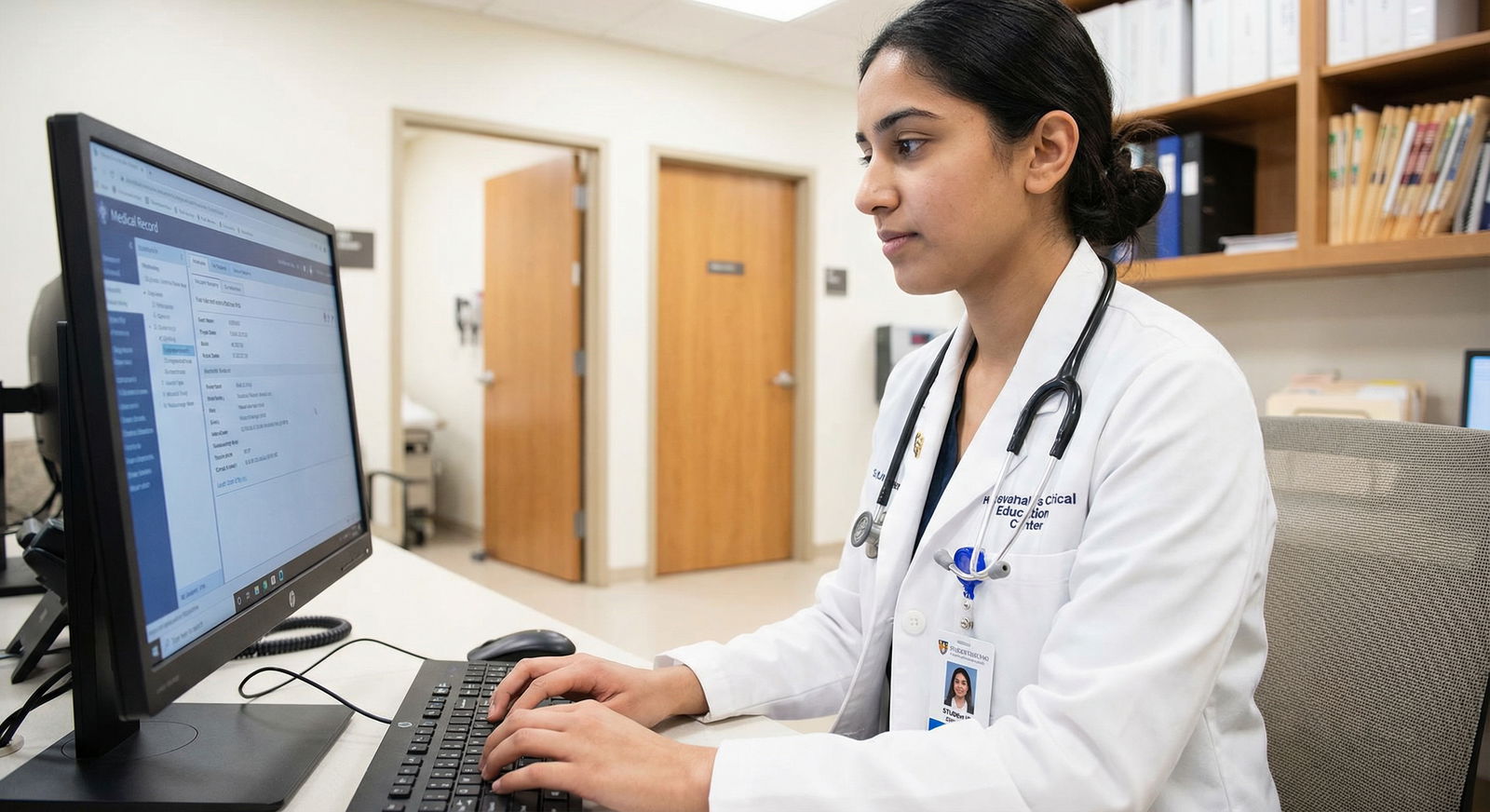
Your post-encounter note is where your Clinical Skills, Clinical Reasoning, and ability to synthesize information come together. Strong notes can rescue partial encounters; weak notes can undermine otherwise solid performances.
Structuring Your Note for Clarity
Most exams expect a SOAP-style or similar structure:
Subjective (S)
- Chief complaint + duration
- Concise, organized HPI with key positives and negatives
- Relevant PMH, meds, allergies, family and social history as applicable
Objective (O)
- Vital signs (if given)
- Key physical exam findings, organized by system
- Only include what you actually performed
Assessment (A)
- 2–4 differential diagnoses, prioritized
- Brief supporting reasoning for each (key positives/negatives)
Plan (P)
- Initial diagnostic tests or studies
- Basic management (medications, consults, education, disposition)
- Address symptom relief and safety (e.g., return precautions)
Writing with Precision and Brevity
You have limited time and space, so aim for:
- Short, clear sentences or well-organized bullet points
- No unnecessary jargon; use standard clinical abbreviations
- Inclusion of the most diagnostically relevant facts, not every detail you elicited
For example, instead of:
“The patient reports that the pain has been there for quite some time and seems maybe to get a little worse sometimes at night when lying down.”
Write:
“R-sided chest pain x3 days, worsened with deep inspiration and lying flat; no trauma, no exertional component, no radiation, no diaphoresis.”
Developing and Using Templates
In practice sessions, develop mental or written templates you can consistently fill in. For example, every note might follow:
- One-line summary (age, sex, key risk factors, chief complaint)
- HPI in 3–5 focused sentences
- Targeted PMH/meds/allergies/fam/social
- Top 3 physical exam findings
- 2–4 diagnoses with one sentence each
- Plan grouped by diagnostics, treatment, education/follow-up
Practice typing these quickly with a timer. Ask peers, residents, or faculty to critique your notes for:
- Organization
- Clinical logic
- Inclusion of key information
- Conciseness
5. Choosing High-Yield Preparation Resources and Practice Strategies
Smart Exam Preparation is about targeted, deliberate practice rather than sheer hours.
Core Resources for Clinical Skills and Step 2 Readiness
Consider integrating:
- Bates’ Guide to Physical Examination and History Taking
- For detailed physical exam techniques and normal vs. abnormal findings
- USMLE Step 2–focused question banks (e.g., UWorld)
- For building diagnostic frameworks and treatment plans
- Online clinical skills videos from reputable academic institutions
- To watch model interactions and exams
- OSCE case books or institutional case banks
- To simulate realistic Step 2 Clinical Skills scenarios
Align your resource use with your goals: if your communication is strong but your differential diagnosis is weak, invest more time in question banks and case-based learning.
Building Effective Feedback Loops
Deliberate practice requires feedback and reflection:
- Form a small study group (2–4 people) committed to weekly clinical skills sessions
- Designate one person as the evaluator each time, using a checklist for:
- Organization of interview
- Thoroughness of focused history and exam
- Communication and empathy
- Time management
- Accuracy of differential and plan
- After each case, spend 5–10 minutes debriefing with specific suggestions:
- “You rarely used open-ended questions at the start.”
- “You missed asking about red-flag symptoms for back pain.”
- “Your plan didn’t address pain control or follow-up.”
Track recurring weaknesses and deliberately target them in future practice.
6. Mental Preparation, Confidence, and Exam-Day Strategy
Success in any high-stakes clinical exam depends as much on mental readiness as on knowledge and Clinical Skills.
Managing Stress Before and During the Exam
Common strategies that help medical students and residents:
- Rehearsed routines
- The night before: light review, not cramming; organize clothes, ID, directions
- Exam morning: regular breakfast, brief relaxation exercise, positive self-talk
- Brief grounding techniques between stations
- Slow, deep breaths (inhale 4 seconds, exhale 6–8 seconds)
- Mental reset phrase: “New case, fresh start.”
- Quick body scan to release muscle tension
Remember: each station is independent. A challenging case or suboptimal performance in one room does not determine your overall result. Train yourself to let go and refocus.
Using Mock Exams to Normalize the Experience
Try to schedule at least one full-length mock OSCE:
- Same number of stations as your actual exam (or as close as possible)
- Realistic timing for encounters and notes
- No access to notes or resources between stations
- Proctors or peers enforcing transitions and timing
This experience:
- Desensitizes you to the logistics and pace
- Reveals stamina issues (e.g., losing focus in later stations)
- Helps you refine your pre-encounter and post-encounter routines
Professionalism and Safety: Non-Negotiables
Across all stations:
- Perform hand hygiene before touching the patient and after the exam
- Always ask permission before sensitive maneuvers
- Drape appropriately and preserve patient modesty
- Never fabricate exam findings in your note
- Maintain composure even if you feel unsure—be honest about limits:
- “Based on what I know now, here’s what I’m most concerned about and the tests I’d like to order. My supervising physician and I will review the results and discuss them with you.”
These behaviors are heavily weighted in Step 2 Clinical Skills–style scoring and align directly with expectations in residency.
FAQs: Step 2 Clinical Skills / Performance Examination
Q1: How much time should I devote to practicing Clinical Skills compared to studying for USMLE Step 2 CK?
Allocate at least 2–4 hours per week specifically for Clinical Skills practice (OSCE-style encounters, communication drills, and note-writing) during your main Step 2 preparation period. In the final 2–3 weeks before a performance exam or OSCE, many students increase this to 30–60 minutes per day, focusing on timed cases and notes.
Q2: How can I realistically practice Patient Interaction if I don’t have access to formal standardized patients?
You can still make significant progress by:
- Practicing with classmates, friends, or family as mock patients
- Using scripts or case vignettes from OSCE books or online resources
- Asking peers to portray specific emotional states (angry, anxious, withdrawn)
- Recording yourself to evaluate eye contact, body language, and clarity
The key is structured repetition with feedback, even in low-tech settings.
Q3: What should I do if I completely blank on the differential diagnosis during the exam?
Stay calm and:
- Re-anchor to the chief complaint and key red flags.
- Think in broad categories (e.g., for chest pain: cardiac, pulmonary, GI, musculoskeletal, anxiety).
- Choose a few reasonable, safe possibilities and focus on ruling out dangerous conditions.
- In your plan, emphasize appropriate initial tests (e.g., ECG, troponin, CXR, basic labs) and close follow-up.
Examiners are assessing your reasoning process and safety orientation, not perfection.
Q4: How detailed should my physical exam be in each encounter?
Your exam should be focused, not exhaustive. Prioritize:
- The system most relevant to the chief complaint
- Closely related systems (e.g., heart and lungs for chest pain, neuro exam for headache)
- Any additional maneuver that rules out a critical diagnosis
It is better to do a targeted, high-quality exam with clear explanations and proper technique than to rush through a full head-to-toe exam without purpose.
Q5: How can I tell if my post-encounter notes are “good enough” for a Step 2 Clinical Skills–type exam?
Have residents, faculty, or strong peers review your practice notes for:
- Clear organization (subjective, objective, assessment, plan)
- Inclusion of the most relevant positives and negatives
- Logical and prioritized differential diagnoses
- Reasonable, safe initial plan
If you consistently finish on time and reviewers can easily follow your reasoning, your notes are likely at or above the expected level. If they find them confusing or incomplete, adjust your templates and practice under time constraints until clarity and efficiency improve.
By systematically practicing Patient Interaction, sharpening your Clinical Skills, simulating real exam timing, and refining your post-encounter notes, you can approach any Step 2 Clinical Skills–style performance exam with confidence. These abilities will not only help you succeed on assessments, but more importantly, will shape you into a more effective, compassionate, and residency-ready physician.