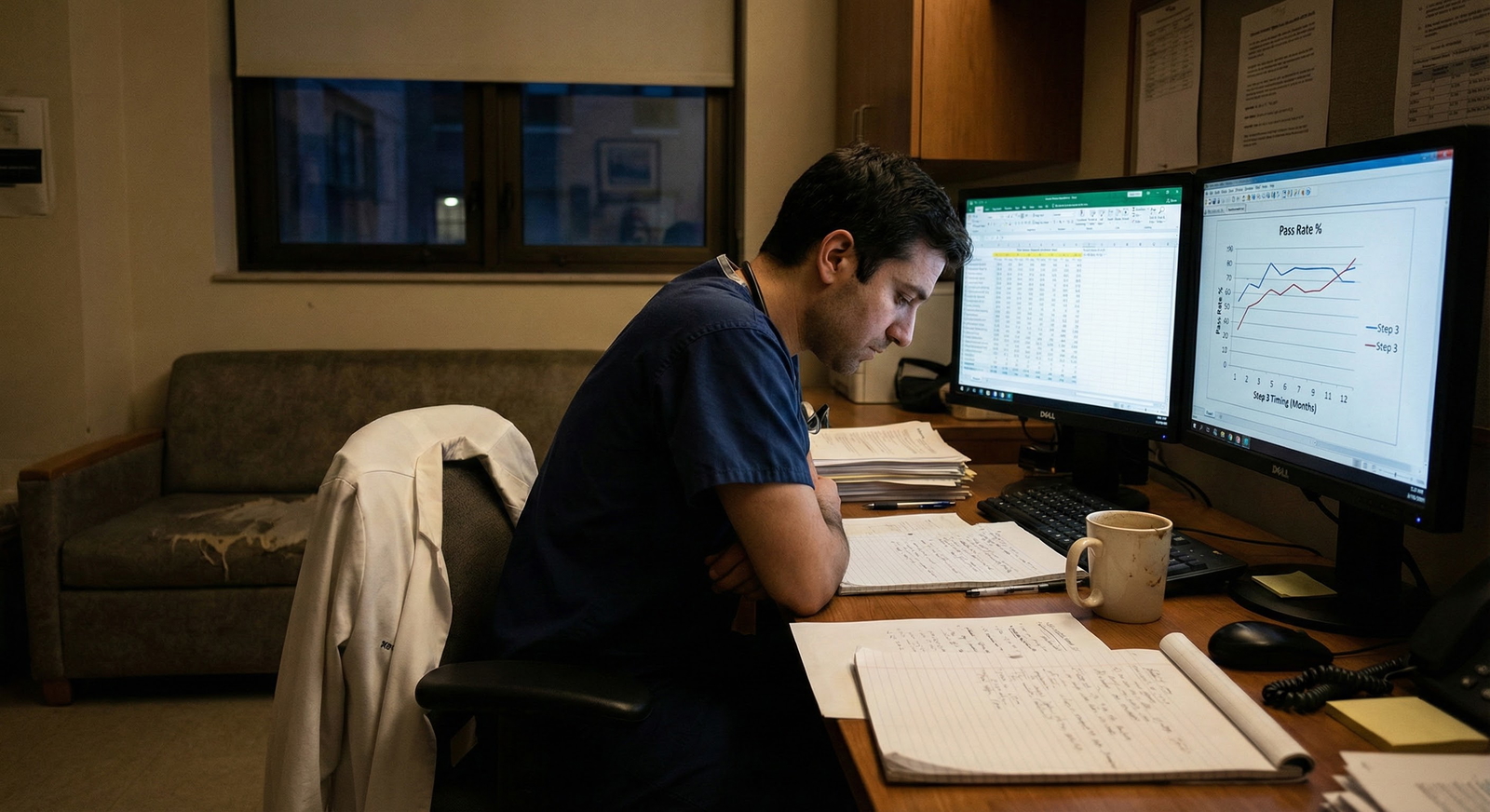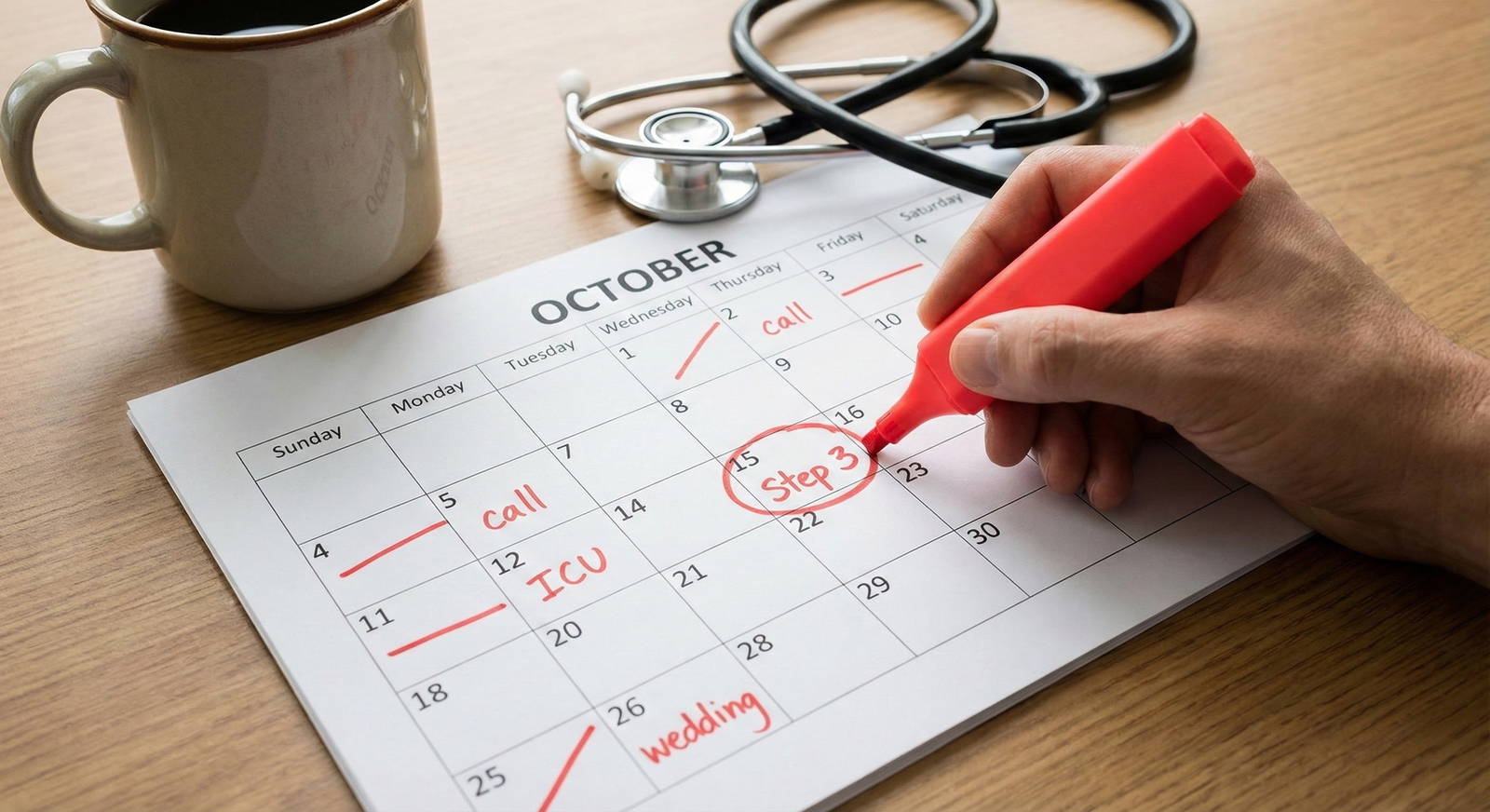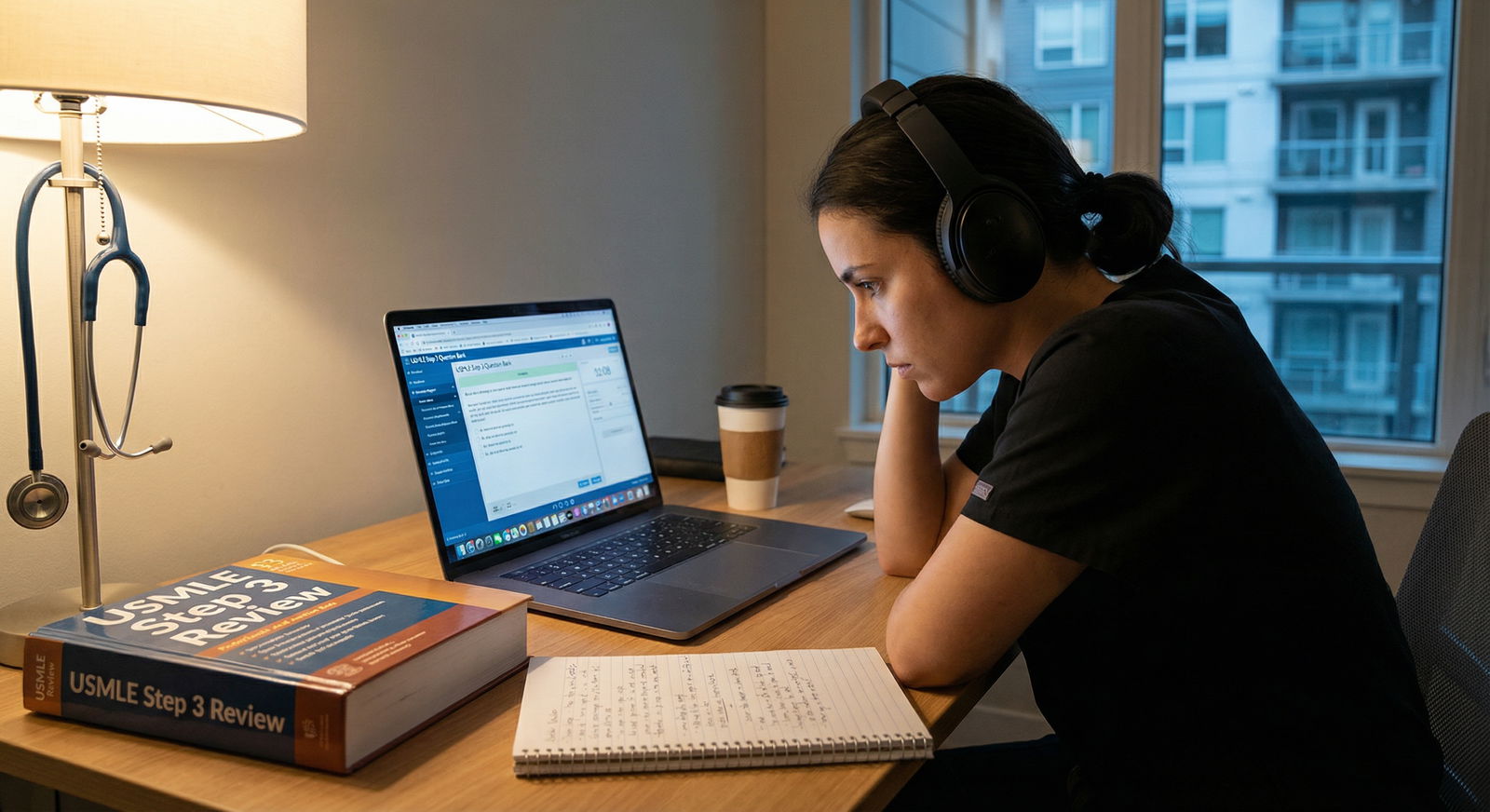
Maximizing your study time for USMLE Step 3 is less about how many hours you put in and more about how deliberately you use those hours. With rotations, call shifts, and real-life responsibilities, you simply can’t afford inefficient studying. A targeted, realistic plan—anchored in strong study strategies, active learning, and smart time management—will help you not only pass, but perform confidently.
This guide walks you through a comprehensive, practical approach to USMLE Step 3 preparation, with concrete examples and tools you can adapt to your schedule.
Understanding USMLE Step 3: What You’re Really Being Tested On
Before optimizing your study plan, you need a clear understanding of what USMLE Step 3 actually evaluates and how that should influence your preparation.
The Purpose of USMLE Step 3
Unlike Step 1 and Step 2 CK, Step 3 is about whether you can function as a safe, entry-level independent physician. The exam emphasizes:
- Application over memorization – management decisions, diagnostic reasoning, and prioritization
- Integration of multiple systems – particularly in complex, multi-problem patients
- Longitudinal thinking – follow-up, chronic disease management, and preventive care
- Patient safety and professionalism – including appropriate consultations and recognition of emergencies
Exam Structure: FIP and ACS
Step 3 is typically spread over two separate test days:
Foundations of Independent Practice (FIP)
- Mostly multiple-choice questions (MCQs)
- Focus: diagnosis, epidemiology, ethics, biostatistics, foundations of clinical practice, outpatient medicine, preventive care
- Heavy emphasis on broad coverage and integrated reasoning
Advanced Clinical Skills (ACS)
- Mix of MCQs and Computer-based Case Simulations (CCS)
- CCS evaluates how you:
- Order diagnostic tests appropriately
- Initiate and adjust treatment plans
- Manage inpatient and urgent scenarios
- Monitor response and follow up over time
- Time management and structured thinking are critical here
Understanding this structure helps you align your study strategies, resource selection, and time allocation with what the exam truly emphasizes: clinical reasoning and safe management.
Building a High-Yield Step 3 Study Schedule
Time is the most limited resource during residency and late medical school. A well-constructed study schedule should be realistic, flexible, and focused on high-yield activities.

Step 1: Assess Your Available Time and Constraints
Start with an honest inventory of your life between now and exam day:
- Weeks to exam: How many total weeks do you have? 4? 6? 10?
- Clinical demands:
- Are you on a heavy inpatient or ICU rotation?
- Are nights or 28-hour calls involved?
- Do you have lighter rotations (e.g., electives, outpatient) where you can plan heavier study days?
- Daily capacity:
- On busy days: realistically, 1–2 focused hours?
- On lighter days/off days: 4–6 focused hours?
Write this out. For example:
“I have 8 weeks until my exam. Weeks 1–4 are inpatient medicine with call every 4th night. Weeks 5–8 are outpatient with no call.”
From this, you can plan:
- Weeks 1–4: 1–2 hours/day on workdays, 3–4 hours on off days
- Weeks 5–8: 3–5 hours/day with 1 heavy practice-day/week
Step 2: Set Clear, Measurable Study Goals
Vague intentions like “study more” aren’t enough. Convert them into measurable targets:
- Question bank goals:
- Total questions to complete (e.g., full UWorld Step 3 QBank)
- Daily/weekly question targets (e.g., 40–60 Q/day on lighter days; 20–30 on long-call days)
- Content review goals:
- Systems or topics per week (e.g., Week 1: Cardio, Pulm; Week 2: GI, ID)
- Specific weaker areas (e.g., biostatistics, OB/GYN, pediatrics)
- CCS practice goals:
- Number of full CCS cases per week
- Targeted practice on specific case types (e.g., chest pain, trauma, OB emergencies)
Example weekly goal set:
- Complete 250–300 QBank questions
- Do 3–5 CCS practice cases
- Review 2–3 core systems from a Step 3 review book or online resource
Step 3: Create a Structured 4–8 Week Study Plan
Depending on your starting point and schedule, many residents find 4–8 weeks sufficient for focused Step 3 preparation.
Sample 6-Week Study Framework
Weeks 1–2: Foundation and Diagnostics
- Focus:
- Internal Medicine core (cardio, pulm, renal, endocrine)
- High-yield ambulatory care and preventive care
- Daily:
- 40–60 QBank questions + detailed review
- 1–2 hours of content review (online lectures or book)
- CCS:
- Start with tutorial and 1–2 simple cases per week to get used to interface
Weeks 3–4: Broader Systems + CCS Ramp-Up
- Focus:
- OB/GYN, Pediatrics, Psychiatry, Emergency Medicine, Surgery, Ethics, Biostatistics
- Daily:
- 40–60 questions/day focusing on mixed blocks to simulate exam variability
- Continued targeted content review
- CCS:
- 3–4 cases per week; focus on approach and time management
Weeks 5–6: Integration, Full Practice, and Weakness Targeting
- Focus:
- Mixed-topic blocks under timed conditions
- Intensive CCS practice
- Weekly:
- 1 full-length (or near full-length) timed practice exam
- 4–6 CCS cases per week
- Daily:
- 40–80 questions in exam-style blocks (no pausing, timed)
- 1–2 hours dedicated to reviewing incorrect/high-yield topics
Sample Daily Plan (Adjustable to Rotation Type)
On a lighter day/off day:
- Morning (2–3 hours):
- Two blocks of 20–25 questions each (timed), immediate review
- Afternoon (1.5–2 hours):
- CCS practice (1–2 cases) + review
- Focused reading on weaker topics from the morning’s questions
- Evening (1 hour):
- Flashcards (Anki), brief review of notes, or short videos
On a heavy call day:
- Pre-call or post-call:
- 20–30 questions untimed, focusing on accuracy and explanation review
- 20–30 minutes of Anki or quick content (e.g., biostats formulas, ethics principles)
The key to time management is consistency. Even 45–60 minutes of high-quality, focused work on a brutal day is more valuable than several hours of distracted, low-energy studying.
Choosing and Using the Right Step 3 Resources
The resources you choose—and how you use them—are central to effective medical exam preparation.
Core Step 3 Study Resources
Consider building your plan around a small, high-yield set of tools:
- UWorld Step 3 QBank
- Gold standard for MCQs and CCS practice
- Use in tutor mode initially for learning, then timed mode in later weeks
- First Aid for the USMLE Step 3 or similar concise review text
- Good for structured, high-yield overview
- Use to fill knowledge gaps revealed by QBank
- Online MedEd, Kaplan, Amboss videos
- Short, focused reviews for confusing topics (e.g., ventilator management, OB triage, rheumatology)
- NBME or official practice materials (if available)
- Use near the midpoint and 1–2 weeks before your exam to assess readiness
The Central Role of Question Banks
For Step 3, QBank is your primary study tool, not a supplement.
To maximize learning:
- Aim to complete the entire QBank once, ideally with a portion repeated if time allows
- Treat each question as a mini-lesson:
- Read explanations for both correct and incorrect choices
- Note patterns: common distractors, frequently tested guidelines, “next best step” logic
- Maintain a running list or flashcards of:
- Repeatedly missed topics
- Classic presentations
- Management algorithms (e.g., ACS, sepsis, stroke, diabetic emergencies)
Consider categorizing missed questions:
- “Knew but misapplied” → work on clinical reasoning
- “Didn’t know the fact” → content gap; add to flashcards
- “Rushed or misread” → test-taking behavior; adjust pacing and attention
Active Learning Techniques for Deeper Retention
Passive reading is low-yield, especially when time is limited. USMLE Step 3 rewards active learning and practical application of knowledge.
Practice Retrieval and Spaced Repetition
Anki or other SRS (Spaced Repetition Systems):
- Create cards for:
- Management algorithms (“First-line for acute COPD exacerbation?”)
- Risk stratification tools (Wells, CHADS-VASc, etc.)
- Guidelines and thresholds (e.g., BP targets, LDL goals, A1c cutoffs)
- Review daily in short bursts (10–20 minutes)
- Create cards for:
Self-quizzing:
- After a topic (e.g., COPD), close your notes and write out:
- Diagnosis criteria
- First-line treatment, escalation steps
- Hospitalization criteria, ICU triggers
- After a topic (e.g., COPD), close your notes and write out:
Teach to Learn
- Explain challenging topics to:
- A co-resident, classmate, or even a non-medical friend
- Or “teach” an imaginary intern or patient on paper
- Example:
- After reviewing DKA, write a one-paragraph explanation of:
- How to diagnose it
- Initial resuscitation steps
- Insulin dosing
- Monitoring and transition to subcutaneous insulin
- After reviewing DKA, write a one-paragraph explanation of:
Teaching forces you to organize information logically—the same skill Step 3 evaluates.
Simulate Real-World Clinical Scenarios
For both MCQs and CCS, think like you’re on the wards:
- Ask: “If this patient arrived on my service today, what would I do first, and why?”
- Practice formulating:
- Initial stabilization steps (ABCs, vitals, emergent interventions)
- Narrowed differential with top 2–3 likely diagnoses
- Immediate vs. deferred tests
- Admission vs. discharge decisions
This kind of active thinking will help you recognize patterns faster and choose the “next best step” more confidently.
Leveraging Digital Tools and On-the-Go Study
With busy schedules, you need flexible study strategies that fit into small pockets of time.
High-Yield Apps for USMLE Step 3 Preparation
- Anki
- Perfect for spaced repetition
- Sync across devices; use it between patients, on public transit, or pre-round
- QBank mobile apps (e.g., UWorld, Amboss)
- Do single questions or mini-blocks during downtime
- Medscape / UpToDate (if available via institution)
- Use for clarifying management details you repeatedly miss
- Avoid deep-dive reading; focus on guidelines relevant to your question misses
- Quizlet
- Can be useful for memorizing scores, diagnostic criteria, and drug side effects
Video-Based Learning for Difficult Topics
For visual or auditory learners, targeted short videos can be powerful:
- Use Online MedEd, Amboss, or Kaplan for:
- EKG interpretation refreshers
- Ventilator management
- OB/GYN triage and fetal heart rate monitoring
- Psychiatry management plans
- Strategy:
- Watch at 1.25–1.5x speed
- Pause to summarize the main algorithm in writing
- Convert key points into Anki or handwritten notes
Study Environment, Wellness, and Burnout Prevention
Your brain is your most valuable resource for Step 3—and it doesn’t function well when sleep-deprived, stressed, or overstimulated.
Designing a Productive Study Environment
- Choose a primary study space:
- Quiet, well-lit, and comfortable
- Minimal clutter and distractions
- Use “focus tools”:
- Pomodoro timers (25–50 minutes focused, 5–10 minutes break)
- Website blockers for social media during study blocks
- Keep essentials nearby:
- Water, light snack, scratch paper, pens/highlighters
- Your core study resources (laptop, book, notebook)
Prioritizing Well-Being and Sustainable Studying
- Sleep: Aim for 7–8 hours whenever your schedule allows
- Poor sleep significantly impairs recall, reasoning, and test performance
- Exercise: Even 15–20 minutes a few times per week:
- Improves mood and focus
- Helps regulate stress and prevent burnout
- Breaks: Take short, scheduled breaks every 60–90 minutes
- Walk, stretch, hydrate—avoid scrolling indefinitely on your phone
- Mental health:
- Recognize signs of burnout (irritability, poor concentration, emotional exhaustion)
- Talk to peers, mentors, or mental health professionals if needed
- It’s better to adjust your exam date than to take the exam completely depleted
Practice Tests, CCS Strategy, and Final Weeks Tuning
Full-Length Practice and Self-Assessment
In the final 2–3 weeks, start simulating the real exam experience:
- Timed blocks:
- Do full 38–40 question blocks under exam timing
- Avoid pausing; train endurance and pacing
- Practice exams:
- If available, schedule at least 2 full-length (or near full-length) practice exams
- Ideally, one at ~3 weeks out and one 7–10 days before test day
- After each exam:
- Analyze performance:
- Which systems are weakest?
- Are errors due to knowledge gaps, misreading, or time pressure?
- Adjust the next week’s plan to target the most common error types
- Analyze performance:
CCS: Specific Strategies for Case Simulations
Many examinees underestimate CCS. It can be a high-yield area if you approach it systematically.
Key CCS principles:
- Always stabilize first:
- Airway, breathing, circulation, vital signs, IV access, oxygen, cardiac monitoring if needed
- Think in time segments:
- Immediate orders (first 0–5 minutes)
- Short-term (next 30–60 minutes)
- Ongoing management and follow-up
- Don’t under-order, but avoid shotgun testing:
- Order what is clearly indicated for your differential diagnosis
- Always:
- Counsel when appropriate (smoking cessation, weight loss, medication adherence)
- Address prophylaxis (DVT, vaccines, prenatal care)
- Arrange appropriate follow-up and disposition (admit vs. discharge)
Practice:
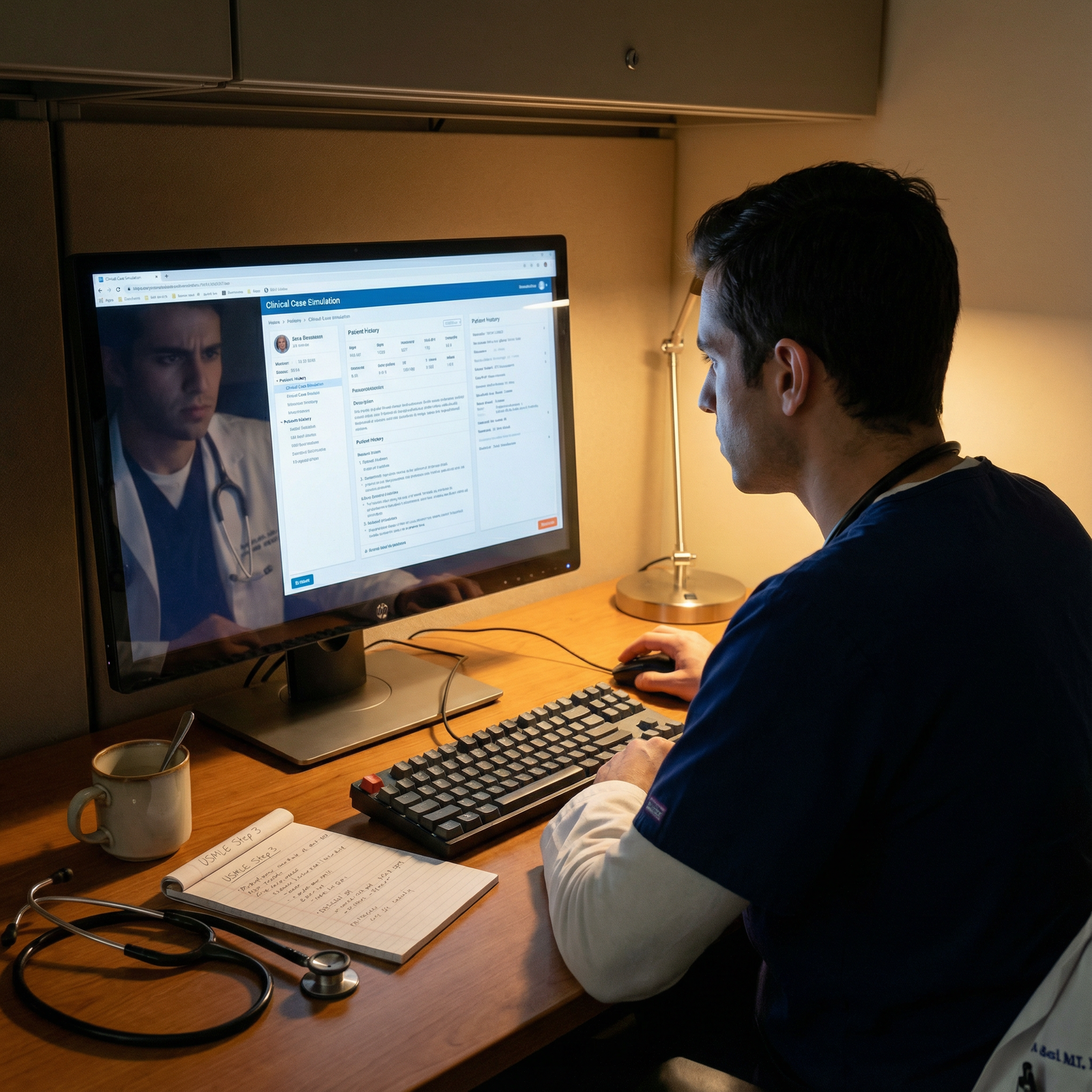
- Use the official CCS software and available practice cases
- After each case, reflect:
- Did you miss any obvious stabilizing step?
- Were there unnecessary tests?
- Did you delay key interventions (e.g., antibiotics for sepsis)?
Study Groups, Accountability, and Continuous Review
Strategic Use of Study Groups
Study groups can boost motivation and understanding when used appropriately:
Best uses for Step 3:
- Weekly 60–90 minute case discussions:
- One person presents a case (real or from QBank), others discuss management
- Quick teaching sessions:
- Each member teaches a 10-minute high-yield topic
- Accountability check-ins:
- Share weekly goals and report progress
Avoid:
- Turning study sessions into social time
- Comparing raw scores excessively (focus on your own trajectory)
Systematic Review and Repetition
Long-term retention comes from planned review, not one-time exposure.
- End-of-week review:
- Revisit your “high-yield mistakes” list
- Do 10–20 mixed questions from earlier topics to reinforce
- Before exam:
- Focus on:
- Ethics and biostatistics (often high-yield and somewhat formulaic)
- Algorithms and guidelines
- Frequently tested chronic diseases (diabetes, hypertension, CAD, asthma/COPD, CKD, depression/anxiety)
- Focus on:
Final Week and Test Day Strategy
In the last 5–7 days, shift from heavy learning to refinement and confidence-building.
Final Week Focus
- Light to moderate question volume:
- 40–60/day max, with priority on mixed blocks and review of prior misses
- High-yield quick wins:
- Ethics scenarios
- Biostatistics calculations and interpretation
- Preventive care and screening guidelines
- CCS:
- Run a few more cases to solidify your flow and comfort with the interface
Avoid:
- Starting new major resources
- Cramming all night
- Obsessively re-taking practice exams
Day Before and Day of Exam
The day before:
- Short, light review (2–4 hours max)
- Pack everything you need:
- ID, confirmation email, snacks, water, comfortable clothing
- Plan your route and timing to the test center
- Prioritize sleep and relaxation (walk, calm music, brief social time)
On exam day:
- Eat a familiar, balanced meal
- Use breaks strategically:
- Hydrate, eat a snack, stretch
- Avoid discussing questions with others
- During the exam:
- Use process of elimination consistently
- Don’t dwell on one difficult question; mark and move on
- Trust your training and your preparation
FAQs: USMLE Step 3 Study Strategies and Exam Preparation
1. How long should I study for USMLE Step 3?
Most examinees prepare for 4–8 weeks, depending on:
- Clinical workload
- How recently they took Step 2 CK
- Baseline comfort with clinical reasoning
If you’re on demanding rotations, lean toward the longer end with lower daily volume but consistent work.
2. What is the best question bank for USMLE Step 3?
UWorld Step 3 is considered the primary and most essential QBank for:
- High-quality, exam-style questions
- Excellent explanations and teaching points
- CCS practice cases and tutorials
Some learners supplement with Amboss for additional questions and a strong searchable library, but UWorld alone—used thoroughly—is usually sufficient for most candidates.
3. How can I balance Step 3 studying with busy rotations?
Use time management and micro-sessions:
- On heavy days: aim for 20–30 high-quality questions + 10–20 minutes of spaced-repetition flashcards
- Use commute time or brief downtime for Anki and quick reading
- Protect at least 1–2 larger blocks of time on off days for deeper work (timed blocks, CCS, and review)
- Plan your exam date adjacent to a lighter block or elective if possible
4. Do I need a formal Step 3 prep course?
Most residents and graduates succeed with self-directed study using:
- A high-quality QBank (UWorld)
- A concise review resource (e.g., First Aid Step 3, Online MedEd, Amboss)
A course can be useful if:
- You prefer structured schedules and external accountability
- You struggled with prior board exams and want additional support
- You have difficulty organizing study strategies on your own
5. How can I control test anxiety for Step 3?
- Simulate exam conditions with timed practice blocks and at least one full-length practice test
- Develop a pre-exam routine: consistent sleep, light exercise, and planned breaks
- Use simple relaxation tools:
- Deep breathing for a few minutes before and during breaks
- Brief mental resets between blocks (stretching, walking, hydration)
- Reframe anxiety as normal and expected—focus on the fact that you’ve already been functioning in clinical environments and Step 3 is testing skills you use daily
By combining structured planning, active learning, smart resource use, and sustainable self-care, you can maximize your study time for USMLE Step 3 without burning out. The goal isn’t perfection; it’s reliable, safe, and confident clinical decision-making—the same standard you already strive for in patient care.