

Last month, a final-year med student told me, “If I match rural, I think my life is over.” She said it half-joking, but her eyes didn’t match the joke. I’ve heard versions of that same sentence way too many times from people who are terrified of being “stuck in the middle of nowhere.”
Let me say this straight: you’re not the only one quietly panicking about rural placements. And no, you’re not weak or spoiled or “not dedicated enough” to medicine because the idea of a small-town hospital scares you.
What You’re Probably Afraid Of (You’re Not Crazy)
Let’s list out the nightmares running laps in your head, because pretending they’re not there doesn’t help.
You’re probably thinking things like:
- “I’ll be isolated and lonely with no friends.”
- “I’ll lose my clinical skills because there’s no fancy equipment or specialists.”
- “I’ll get stuck there forever and never be able to come back to a city.”
- “My partner will hate it and it’ll ruin our relationship.”
- “I’ll be on call constantly and burned out by 30.”
- “If something goes wrong, I’ll be the only doctor and someone will die because I’m slow or clueless.”
I’ve heard these from med students at big academic centers, from residents interviewing for rural tracks, from IMGs terrified of their only offer being a community hospital in the middle of cornfields.
Let me break the bad news first: some of your fears have a bit of truth in them.
You probably will feel more isolated at first. You will have fewer specialists to lean on. You will see higher acuity with less backup at times. And yes, call can be rough in some places.
But “rural placement” is not one monolithic horror movie setting. There’s a huge difference between a critical access hospital 2 hours from the nearest city and a 60-bed regional center in a town of 30,000 with Starbucks, Target, and three high schools.
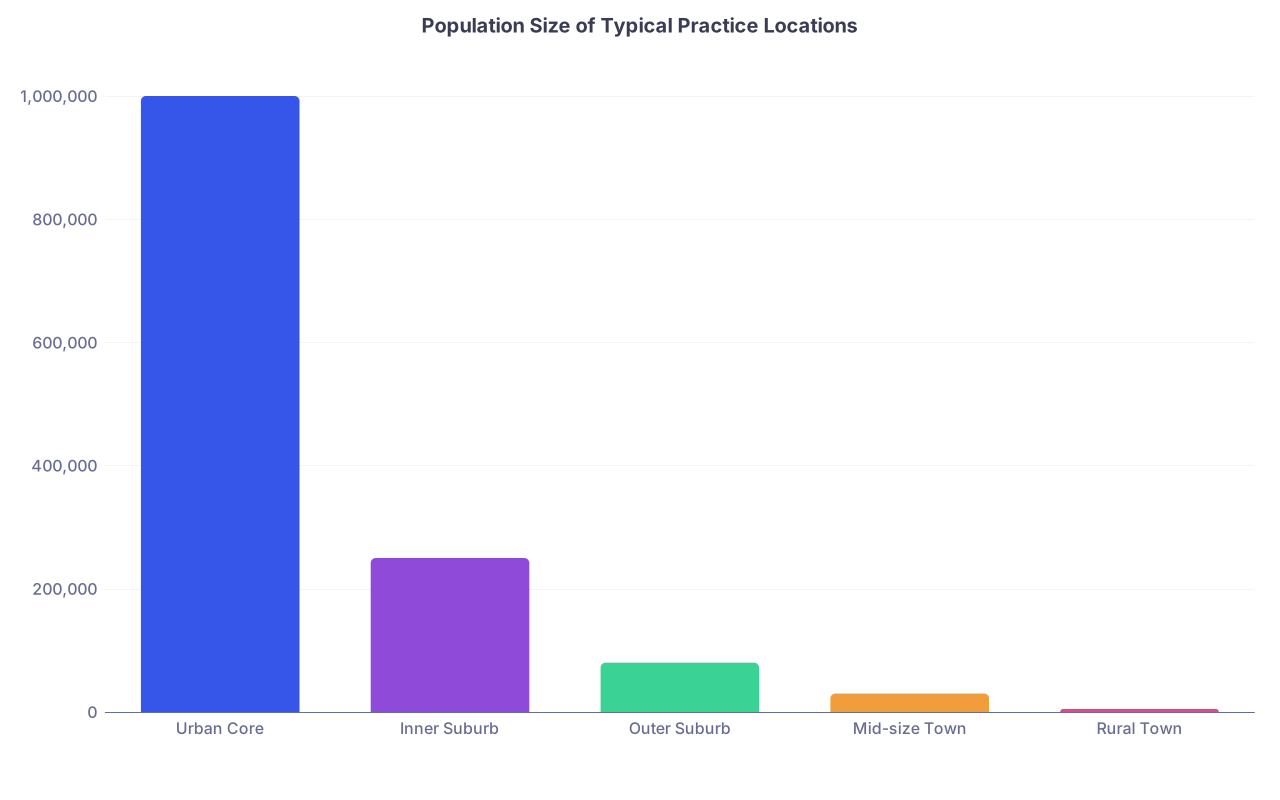
| Category | Value |
|---|---|
| Urban Core | 1000000 |
| Inner Suburb | 250000 |
| Outer Suburb | 80000 |
| Mid-size Town | 30000 |
| Rural Town | 5000 |
Your brain has probably lumped everything that isn’t a major metro into “desolate wasteland.” That’s just anxiety wiring, not reality.
What Day-to-Day Life Actually Looks Like
Picture the worst: you get placed in a small town, maybe 5–20k people. There’s one hospital, a handful of clinics, one Walmart, some local diners, maybe a McDonald’s and a Subway, and not much else.
Now, what does your life actually look like?
You get up. You drive 5–10 minutes to work. No traffic. No parking garage drama. Maybe you park literally outside the entrance like some kind of VIP. Inside, the nursing staff knows your name by week two, and you know theirs. People say hi in the hallway. Some patients recognize you in the grocery store.
Your clinic day is busy, yeah, but it’s not a conveyor belt of 5-minute visits in 8 different subspecialties. You might see a 4-year-old with an ear infection, a 70-year-old with COPD, prenatal counseling, then a laceration that actually needs you to do something beyond calling consults.
In the city, that seizure might go straight from ED to Neuro. Rural? You’ll be stabilizing, maybe calling tele-neurology, managing until transfer, making judgment calls that actually matter. Terrifying? Yes. Also the fastest way to become a legitimately competent physician.
I’ve seen new grads from big-name academic centers struggle when they leave the mothership. They’re used to asking “What does nephro want?” because there’s always a nephrologist in the building. Meanwhile, the small-town doc has been managing multi-system trainwrecks with a phone, a guideline PDF, and common sense. Guess who looks more confident three years out?
The Emotional Reality
Here’s the part nobody really advertises in glossy recruitment brochures: the emotional weight is heavier.
You will see your patients outside work. At the store. At your kid’s school. At church if you go. You will know when someone’s husband relapses, when someone’s son crashes their truck, when a patient misses dialysis and you see the obit in the paper.
If you like emotional distance, rural life might feel suffocating at first.
But that same closeness also makes medicine feel less… transactional. Less “you are patient in room 14B.” I’ve watched rural docs sit at funerals, attend high school graduations of kids they delivered, get hugged in aisles of Dollar General for helping someone’s grandmother live two more years.
That kind of connection can scare you if you’re already anxious about boundaries. But it can also remind you why you went into this mess in the first place.
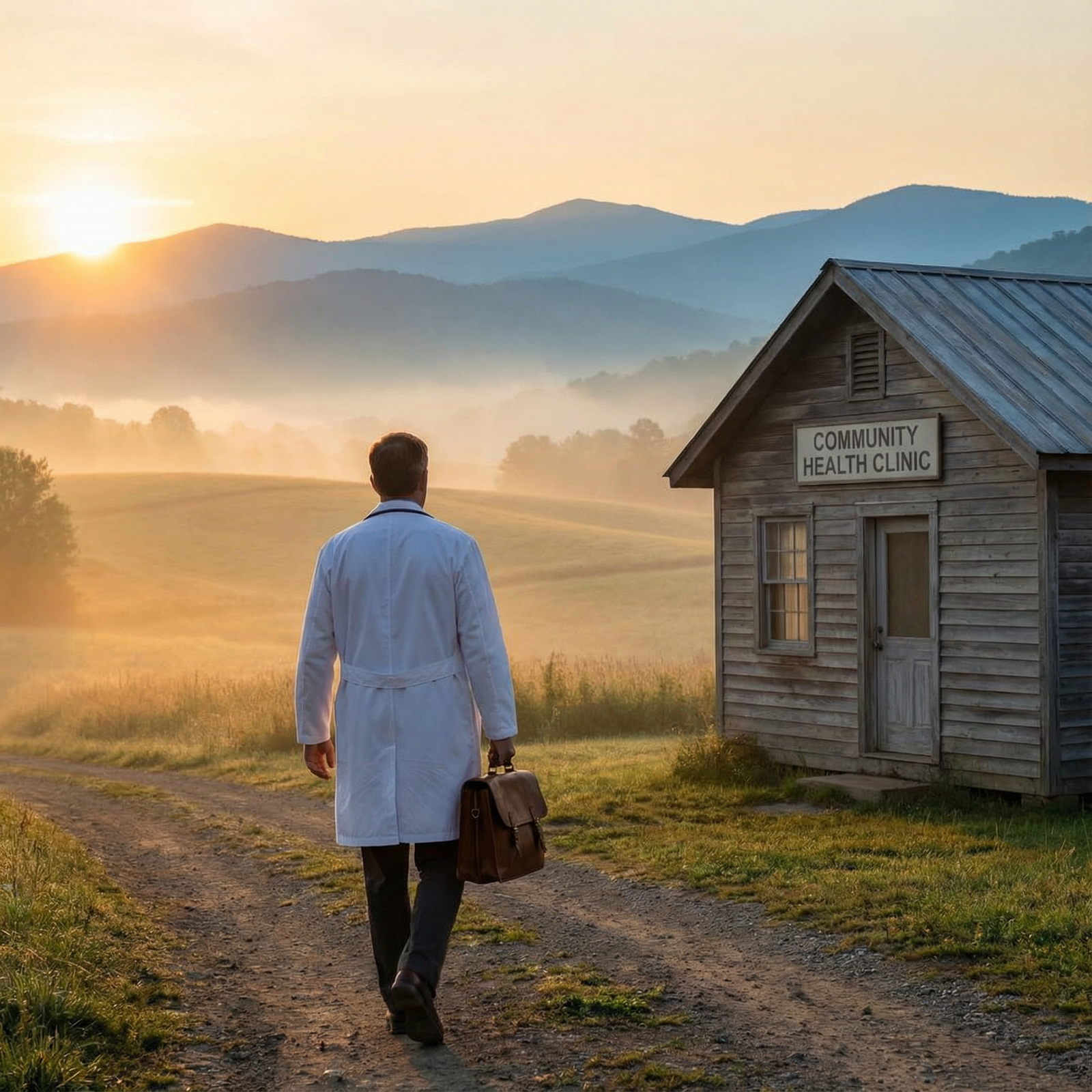
The Worst-Case Scenarios You Keep Imagining
Let’s hit the big horror scenes your brain keeps replaying and put them under a bright, harsh, realistic light.
“I’ll be completely alone and unsafe clinically”
Worst case your mind runs: it’s 2 a.m., massive trauma rolls in, there’s no surgeon, just you and one overworked nurse. You freeze. Something awful happens. You never recover emotionally.
Reality? Rural systems know their limits. Critical access hospitals don’t pretend they’re Level 1 trauma centers. They have protocols, transfer agreements, telemedicine backup, and regional hospitals on speed dial. Are you more exposed? Yes. Are you dumped with zero structure? No.
You’ll stabilize and transfer a lot. You’ll learn what you can manage locally and what you absolutely can’t. And if you’re in training, there are attendings. Programs don’t just abandon you in a cornfield with a stethoscope and say, “Good luck.”
“I’ll be stuck there forever”
This one is insidious. “If I go rural, no one in the city will hire me later.”
I’ve watched the opposite happen. A candidate who can say, “I worked in a 25-bed hospital and managed everything from sepsis to MI with limited resources” looks incredibly appealing to a lot of groups. Your breadth of experience becomes a selling point.
What can trap you is:
- Debt relief or loan forgiveness with service commitments that you don’t read carefully
- Golden handcuffs: high salary, low COL, suddenly the idea of moving back to a cramped apartment in a city feels ridiculous
- Relationships and kids who actually like the town
But those are choices layered over time, not a black hole you accidentally fall into and can’t crawl out of.
| Factor | Smaller Town / Rural | Large City / Academic Center |
|---|---|---|
| Commute time | 5–15 min | 30–90+ min |
| Scope of practice | Broad, generalist | Narrow, subspecialized |
| Access to consults | Limited, telehealth | Immediate, in-house |
| Cost of living | Lower | Higher |
| Professional visibility | High (everyone knows you) | Moderate/low |
“My personal life will implode”
Valid fear. If you have a partner whose entire career is city-based (finance, big tech, niche arts), a town of 7k can be a disaster. I’ve seen that happen. One person thrives, the other slowly erodes.
The key thing: short-term rural training and long-term rural career are not the same decision.
You can survive one or two years somewhere that isn’t perfect if you have clear timelines, an exit plan, and honest conversations with your people. That doesn’t make you flaky. It makes you strategic.
What Actually Makes Rural Life Hard (Not the Instagram Version)
There’s a lot of fake rural propaganda out there. “Slow life, beautiful sunsets, wholesome communities.” There’s some truth, but let’s not airbrush.
Here’s what genuinely grinds on people:
- On-call burden. If there are only 3 docs in your specialty, your coverage might be intense. Vacation planning is like solving a scheduling puzzle from hell.
- Professional loneliness. No big residents’ group. No constant noon conference with 15 other interns complaining with you.
- Limited anonymity. Everyone knows when your car’s at the bar. When you’re dating someone. When you gained 10 lbs.
- Fewer backup hobbies. If you decompress by going to live shows, art house cinemas, or obscure restaurants, you’ll feel it.
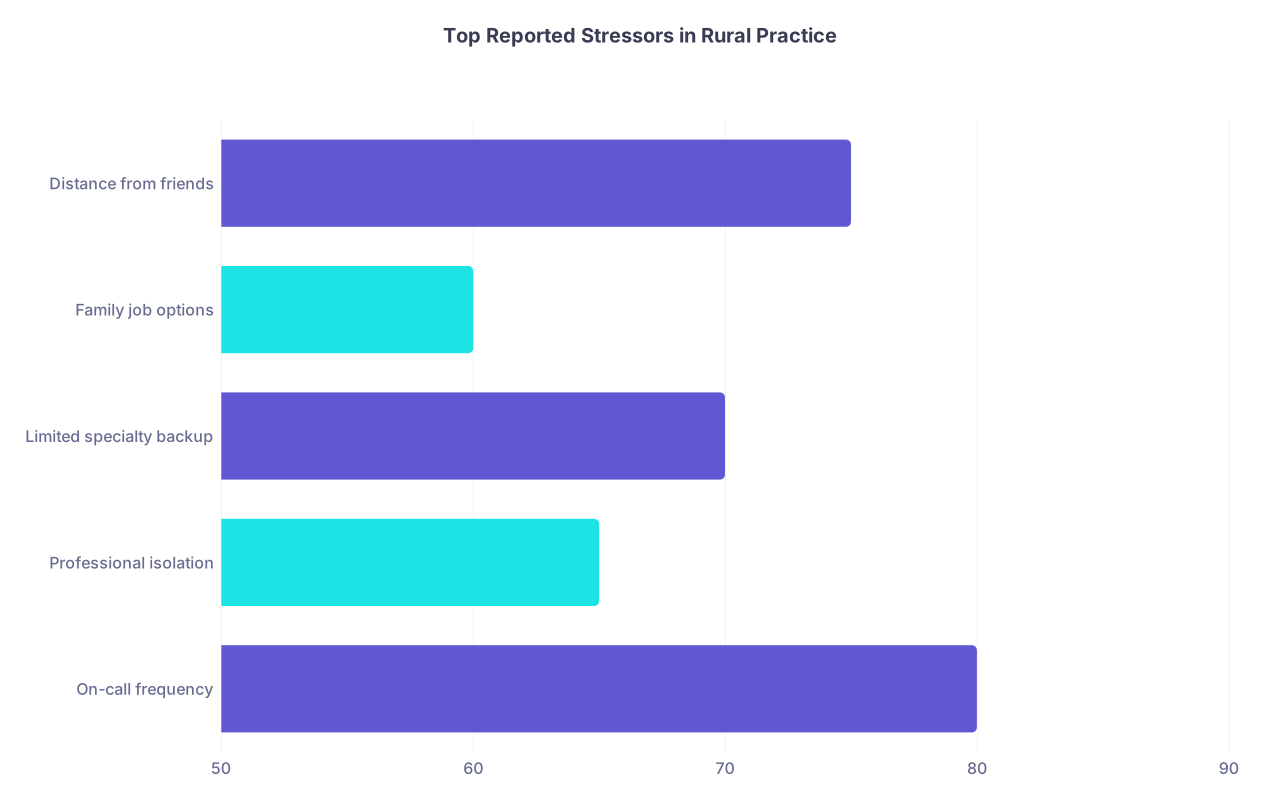
| Category | Value |
|---|---|
| On-call frequency | 80 |
| Professional isolation | 65 |
| Limited specialty backup | 70 |
| Family job options | 60 |
| Distance from friends | 75 |
So no, you’re not weak for worrying about any of this. These are real friction points.
But now here’s the other side.
The Stuff Nobody Tells You That Might Actually Save Your Sanity
People love to scare you with extremes. “If you go rural you’ll burn out.” Or the opposite: “Real doctors practice in rural America, everyone else is soft.” Both takes are lazy.
The more honest version is this: some people absolutely come back to life in rural placements.
The quieter commute. The lack of pager-blizzards from six services. The trees. Owning a house with an actual yard before age 50. Being able to sign up for OR days because there’s less competition. Watching your patients actually follow up because they trust you and don’t get lost in a giant system.
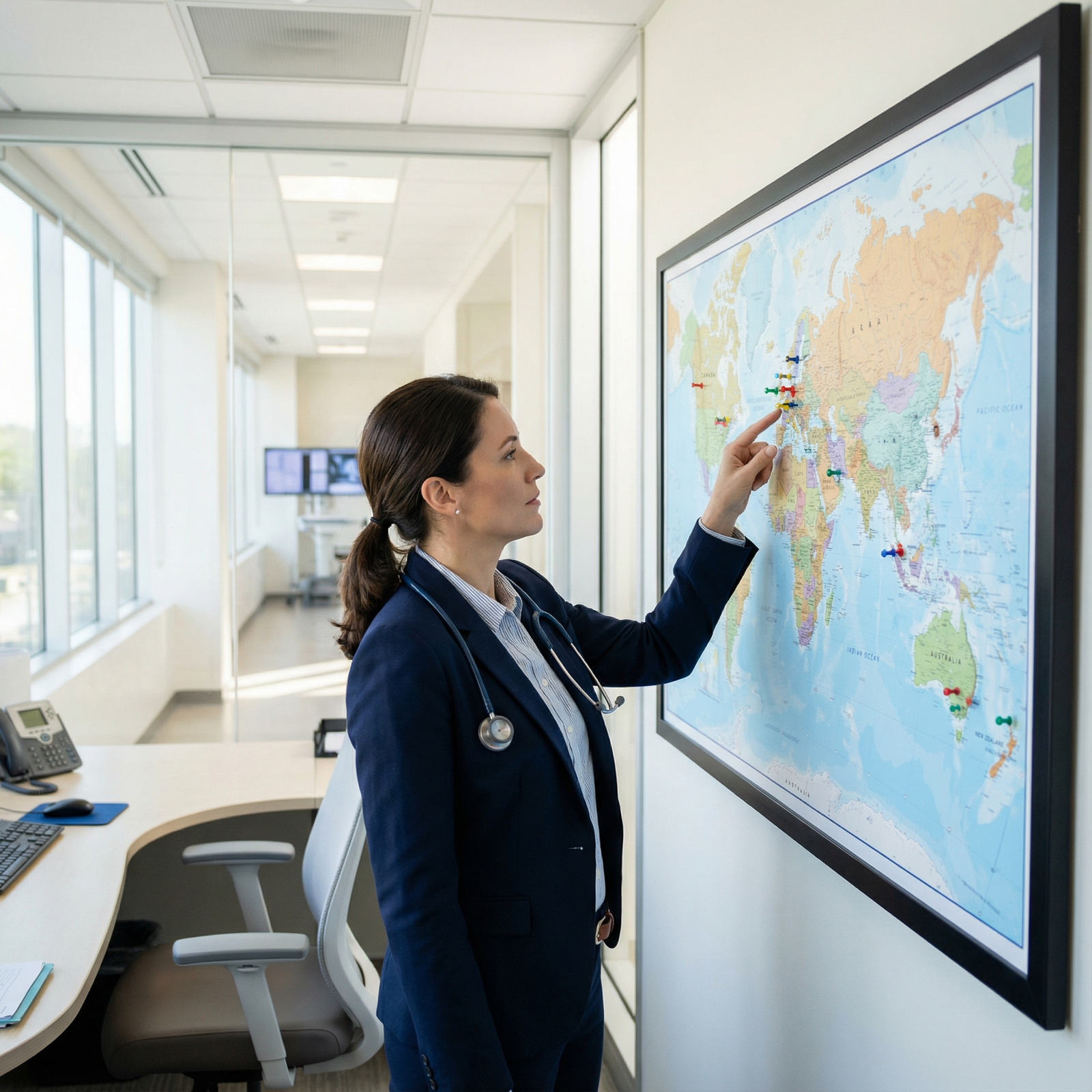
Skill Development Is Not a Joke
If your biggest fear is “I won’t be a good enough doctor,” then rural might be the fastest way out of that fear.
You will:
- Do more procedures because there’s less turfing.
- Manage a wider range of conditions.
- Learn to make decisions with incomplete information.
- Get comfortable saying, “I don’t know, but here’s what we’re going to do next.”
I’ve watched small-town FM docs comfortably handle things that made some urban-hospital hospitalists freeze. Not because they’re smarter. Because they had to practice broadly and they did, over and over.
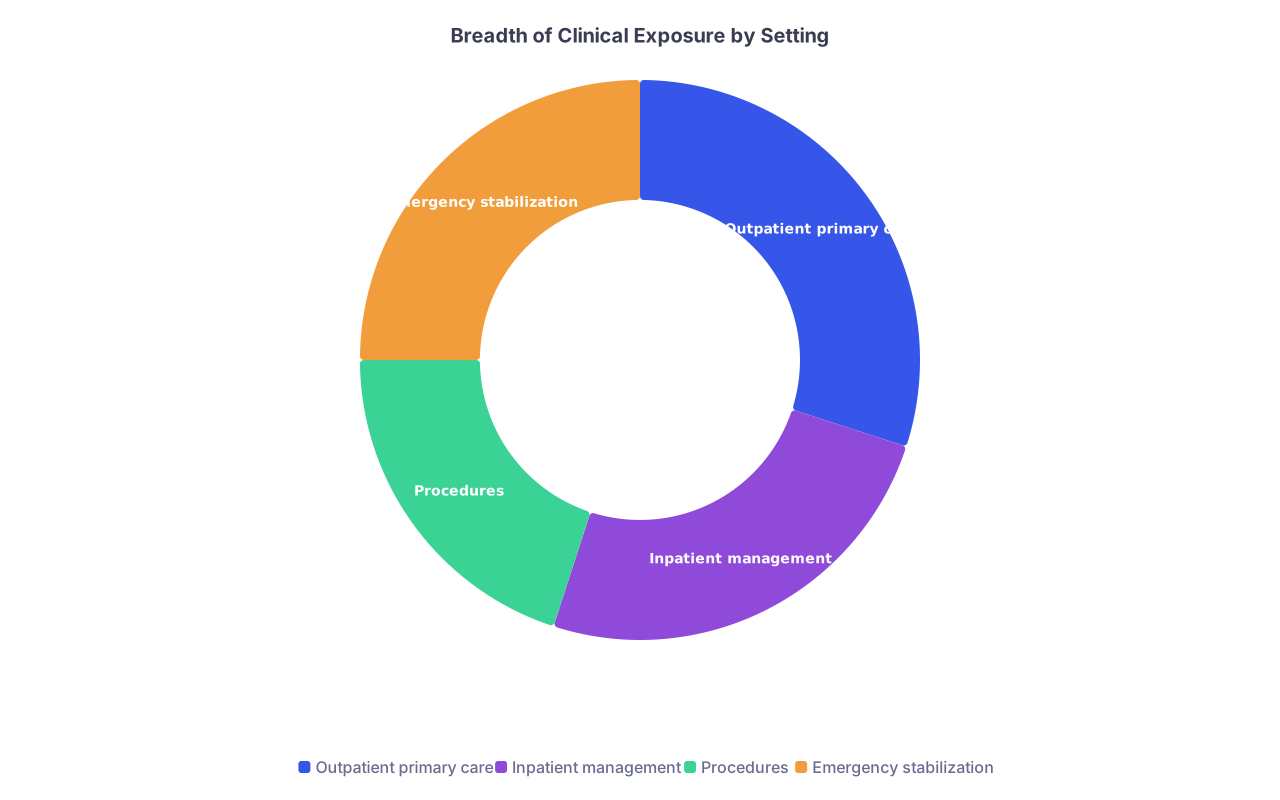
| Category | Value |
|---|---|
| Outpatient primary care | 30 |
| Inpatient management | 25 |
| Procedures | 20 |
| Emergency stabilization | 25 |
If you’re a worst-case-scenario thinker (hi, me too), there’s something oddly grounding about knowing, “If I was dropped somewhere with limited resources, I’d still know how to function.” Rural medicine can give you that.
How to Survive a Rural Placement Without Losing Yourself
This is the part your anxious brain actually wants: “Okay, if I end up there… then what?”
1. Treat it like a defined chapter, not a life sentence
Write it down. Literally. “I’m here from July 2026 to June 2027” (or whatever). Put it on your calendar. Set a reminder six months before the end: “Start planning next step.”
Your anxiety is fed by infinite unknown. Give it a boundary.
2. Build your support ecosystem on purpose
You can’t rely on “stuff just happening” socially in a small town like it might in a city.
You’ll have to:
- Say yes early to the awkward invites: bowling, potlucks, whatever.
- Find your one or two people at work who “get” you.
- Stay aggressively connected to your old network via FaceTime, group chats, weekend trips.
You’re allowed to not love the place and still build a life that is “good enough for now.”
3. Guard your identity outside of “the doctor”
If your entire existence becomes “the town doc,” burnout comes fast.
Keep pieces of yourself that have nothing to do with medicine: lifting, reading, baking, weird craft projects, online classes, whatever. Buy equipment for home if needed, because there might not be a fancy gym or studio nearby.
4. Get clinically humble and organized
Rural will test you. You can lower the terror by having systems.
Quick consult lists. UpToDate pathways bookmarked. Simulation practice whenever you can get it. Make protocols your friends, not your crutches.
Where Small-Town Medicine Actually Shines
You wanted “Best Places to Work as a Doctor,” right? Here’s reality: for certain personalities and life stages, a smaller town is absolutely the best place.
It’s best if you:
- Crave autonomy and hate 15 layers of approval.
- Want to really know your patients and follow them for years.
- Prefer wider skill sets over ultra-narrow subspecialization.
- Like the idea of being… actually needed.
And even if that’s not you forever, being “that doctor” for a few years can shape you in ways that stick: confidence, perspective, less ego about prestige, more focus on actual care.
The Future of Medicine Isn’t All Shiny Cities
Telemedicine, remote monitoring, AI decision support—these are making rural practice less isolated and more capable. You’re not going to be sitting there with a paper chart and a rotary phone (unless something’s gone very, very wrong).
We’re heading toward a world where a small-town doc can connect to specialists instantly, share imaging digitally, join virtual tumor boards, and still be the one physically at the bedside. That’s a powerful role.

| Step | Description |
|---|---|
| Step 1 | Small Town Doctor |
| Step 2 | Tele-specialist |
| Step 3 | Regional Hospital |
| Step 4 | Local Clinic |
| Step 5 | Air or Ground Transport |
| Step 6 | Community Resources |
So while you’re lying awake picturing yourself alone in some fading town, remember: the structure around rural medicine is evolving fast. You won’t be as alone as doctors were 20 years ago.
If You’re Still Terrified After All This
Then you’re normal.
You’re allowed to be scared of rural placements. You’re allowed to prefer cities. You’re allowed to say no to a long-term commitment somewhere you know you’ll wilt. None of that makes you less dedicated to medicine.
But if a rotation, a year, or even a few years in a small town is your path—for financial reasons, match odds, or just because that’s the offer you get—it doesn’t automatically mean disaster.
What it usually means is:
- You’ll be more uncomfortable at first.
- You’ll grow faster clinically.
- You’ll discover weird things you like and hate that you couldn’t have predicted.
- You’ll collect a bunch of stories that city-only docs never see.
And then, later, you’ll get to decide what to do with all that.
Years from now, you probably won’t obsess over whether your hospital was three blocks from a Trader Joe’s. You’ll remember the first time you were the only one in the room who knew what to do—and you did it anyway, hands shaking. And where you were on the map will matter a lot less than who you were becoming in that moment.
FAQ
1. Will doing a rural rotation hurt my chances of getting a competitive residency later?
No. If anything, it can help. Programs like seeing initiative, adaptability, and broad clinical exposure. If you can articulate what you learned—independence, procedural skills, managing with limited resources—it reads as a strength, not a downgrade. The key is tying the experience to the specialty you’re applying to when you talk about it in interviews or your personal statement.
2. What if I’m introverted and bad at making friends—will I just be lonely the whole time?
You might feel lonely at first, yes. Small towns don’t have automatic built-in social scenes like big cities. But introverts often do well because relationships there tend to be deeper, not wider. If you can find even one or two people you genuinely connect with (often coworkers), plus keep close ties to your existing friends online, it’s very survivable—sometimes surprisingly comforting.
3. Is rural medicine only for family medicine or primary care?
Not anymore. Sure, FM is a big player, but rural and small-town settings need hospitalists, EM, OB/GYN, general surgery, psych, anesthesia, even some subspecialists who come in part-time or in regional hubs. You might not be doing cutting-edge transplant surgery in a town of 5,000, but there’s a role for plenty of specialties in regional and small-city hospitals that still “feel” rural compared to big academic centers.
4. How do I know if a particular rural job or placement is actually safe and not a red flag?
Ask brutal, specific questions: How many physicians cover call? What’s backup like at 2 a.m.? How far is the nearest tertiary center? What’s turnover like among docs and nurses? Can you talk to a current or recent physician without the recruiter present? If their answers are vague, defensive, or weirdly salesy (“We’re like a family!” with no data), that’s a warning sign. Good places are transparent about workload, support, and what’s hard about the job.


