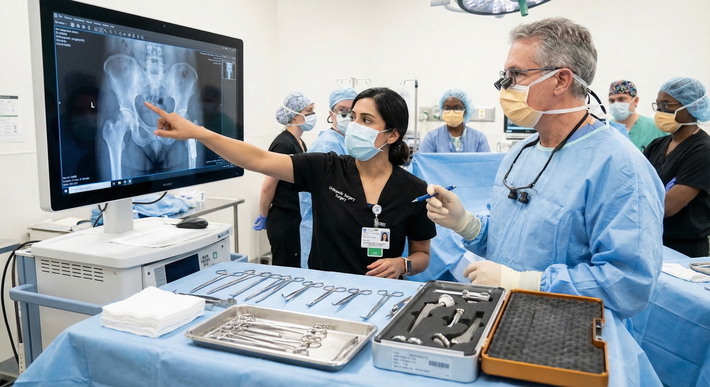
The most dangerous label in a surgical program isn’t “average” or “quiet.” It’s “high maintenance.”
Once that phrase gets attached to your name in a program director’s head, your file might as well have a skull and crossbones on it. And here’s the part no one tells you: the opposite label—“low risk” or “safe”—gets you ranked higher than flashier applicants who look better on paper.
You’re not competing to be the “best” on your CV. You’re competing to be the least likely to create headaches.
Let me show you exactly how surgical programs decide which bucket you land in, because it is not what you see on the website or hear on the tour.
What “High Maintenance” and “Low Risk” Really Mean in Surgery
Inside a surgery program, nobody says, “I think this applicant has a concerning risk profile for interpersonal and professionalism issues.” They say:
- “I get diva vibes.”
- “Feels high maintenance.”
- “Seems like a low-risk intern.”
- “They’ll show up and do the work.”
Those are code words. On rank night, those words move you up or down more than a 10-point difference in your Step 2 score.
In surgery, “high maintenance” basically means:
- You’re likely to require excess emotional energy, attention, or managing.
- You may generate drama—on services, with other residents, with nursing, with GME, with social media.
- You’ll question workflows in a way that creates friction rather than quietly adjusting first and asking smart questions later.
- You might have a mismatch between how much you think you deserve and how much you’ve actually done.
“Low risk” means:
- You will show up. On time. Consistently.
- You won’t implode at 2 a.m. on trauma call when things get ugly.
- You won’t be in the PD’s inbox every month because of “situations.”
- You’ll handle feedback—even rough feedback—without falling apart or escalating.
Is that fair? Not always. Is that how decisions actually get made? Yes.
The whole game is: how do you signal low risk and avoid setting off the high-maintenance alarms, especially in a culture as blunt and hierarchical as surgery?
Where Programs Decide: The Three Quiet Sorting Moments
You think your “label” forms during the formal interview. It doesn’t. By the time you shake the PD’s hand, there’s already a draft narrative about you.
There are three big sorting moments.
1. Before You Ever Arrive: Your File and the Whisper Network
Program directors and faculty absolutely pre-sort applicants into risk categories before interview season even starts.
Here’s what gets quietly flagged as “possible high maintenance” when they review:
Personal statement tone
I’ve seen this happen so many times: a technically fine statement that just reads…needy. Too much emphasis on what you “need” from a program, your expectations, your search for the “perfect fit,” your desire for support, your “journey” after a minor setback that’s written like a trauma memoir.The reaction in the room: “Why is this so emotional?” “This feels like someone who will need a lot of hand-holding.”
Multiple leaves of absence or unexplained gaps
Nobody is heartless. But when they see several interruptions without very clear, contained explanations, they start asking, “What are the odds this happens again?” If your MSPE hints at professionalism remediation, that’s almost always coded as risk, not “growth.”Overly curated, hyper-polished application that doesn’t match your station
A sub-I eval that says “very good MS4” yet your ERAS reads like a junior faculty member with 12 papers, three “leadership” roles that are essentially titles without work, and a personal statement about your “vision for surgical education reform.” People around the table will say: “Inflated. This is going to be a lot.”Letters that praise…then hedge
Faculty are more transparent with each other than you think. Phrases like “with appropriate guidance,” “can thrive in the right environment,” “benefits from clear structure,” or “highly sensitive” are read as: may be a project. May be high-touch.
On the flip side, what gets someone sorted as “low risk” early?
- Solid but not flashy board scores
- A clean MSPE: “professional,” “well-liked,” “team player,” “reliable,” “humble”
- Letters that say, “I’d be happy to have them as a resident here” or “we’d rank them to match”
One PD I know at a midwestern academic general surgery program literally has a sticky note on his monitor during review season with two checkboxes: “would I trust this person on my trauma service at 2 a.m.?” and “will they be constantly in my office?”
That’s the mindset.
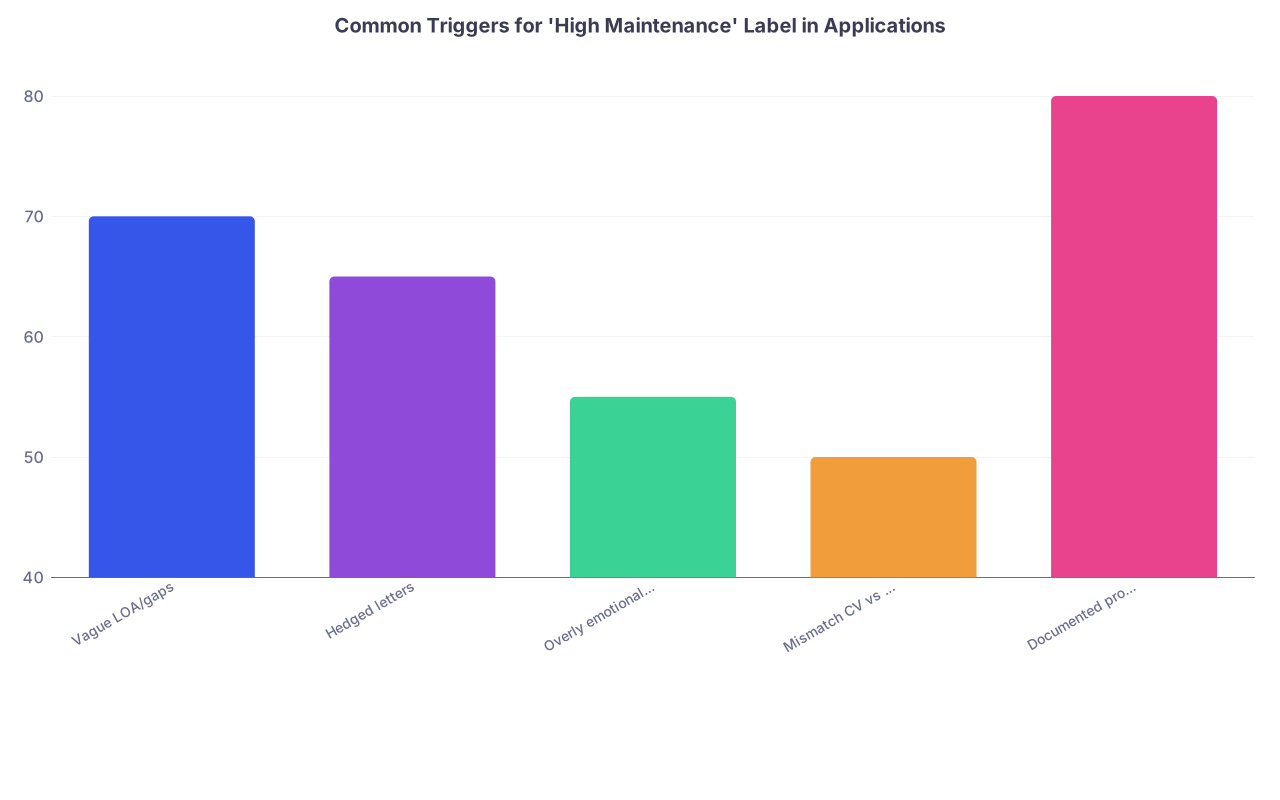
| Category | Value |
|---|---|
| Vague LOA/gaps | 70 |
| Hedged letters | 65 |
| Overly emotional PS | 55 |
| Mismatch CV vs evals | 50 |
| Documented professionalism issues | 80 |
2. The Interview Day: Every Micro-Behavior Gets Stored
By the time you show up, they already have an impression. Interview day is about confirming or overturning that impression.
You think the interview is just those 8–10 formal conversations. Wrong. The resident who walks you from the lobby? The coordinator at the check-in table? The PGY-2 at dinner? They all report back. Informally, but very clearly.
Here’s what consistently gets discussed in the debrief as “high maintenance” signals:
Excessive “fit shopping” questions
Asking, “How flexible are schedules if I need to travel frequently to see my partner?” or “How often can residents switch calls for personal things?” or “How much control do I have over choosing rotations?” may be honest questions—but people are literally writing, “will be constantly negotiating schedule.”Overly intense vibes for the level you’re at
This one stings. But I’ve heard exact words: “Why is this MS4 talking like a fellow?” or “They’re very into telling us how they would design a curriculum.” Ambition is fine. Trying to position yourself as a thought leader before intern year? High-maintenance energy.Emotional oversharing during interviews
Yes, vulnerability is human. But an interview isn’t therapy. When candidates cry while describing relatively routine stressors, or talk about “feeling unsupported” by their med school repeatedly, interviewers think: fragile + will escalate issues.Overemphasis on wellness and hours, poorly timed
Every program knows they need to say “we care about wellness.” But when an applicant asks three separate versions of “how strict are you on work hour violations, what happens if I’m really tired, do you protect post-call time rigorously?” and seems more focused on that than operative experience, you get labeled “not gritty enough for our culture.”
“Low risk” signals on interview day are boring, and that’s exactly why they’re powerful:
- You’re on time, you’re kind to staff, you thank the coordinator like a normal adult.
- Your questions are thoughtful but not self-centered. “How do your graduates do in X?” “What qualities do your best residents share?”
- You listen more than you posture.
- Residents come back from dinner saying, “Seemed chill. I’d take call with them.”
One attending at a big coastal academic program puts it this way: “By the end of the day I don’t remember their hobbies. I remember: Did they feel like someone I could stand being around at 3 a.m. when everything is going wrong?”
Quiet Red Flags: The Things You Don’t Realize You’re Signaling
Here’s where people get burned: they think high-maintenance means “asks for help” or “cares about wellness” or “has mental health history.” That’s not what actually gets you labeled.
Residents and PDs know everyone is stressed. A lot of attendings have had therapy themselves. The issue is operational risk, not moral judgment.
Let me walk you through a few patterns that consistently get translated into “high maintenance” in surgical culture.
The “Constant Exception” Vibe
The resident who texts the chief every fourth day asking to switch call. The one whose “emergencies” always happen when there’s a tough rotation. The applicant who, during the interview, asks:
- “If I have a lot of family obligations, can I do an easier research year?”
- “Is it possible to avoid night float?”
- “Do you allow part-time or extended training if I feel burned out?”
Reasonable human questions. But in a surgical PD’s brain, there’s a flashing banner: this person will need a custom track, constant adjustments, and might not pull their weight.
You don’t have to pretend you have no life. You do have to show you’re coming to surgery understanding the baseline: it’s hard, it’s tiring, it’s not built around your convenience.
The “Everything That Happened to Me Was Unfair” Story
If your narrative (personal statement, interviews, casual conversation) is dominated by:
- How your school failed you
- How your rotation grading was biased
- How others didn’t recognize your worth
- How you “never really got a fair chance” to do research or get leadership positions
People hear: lacks ownership. May blame the system for performance issues. Might be combative with feedback.
One PD said in a rank meeting, about an applicant like this: “If every story they tell ends with them as the victim, I know exactly how they’re going to talk about us when something doesn’t go their way.”
The “Ultra-Brand-Conscious” Persona
Programs smell it instantly: applicants who are obsessed with prestige and optics.
They over-name drop. They pepper in, “At my home Top 10 institution…” They ask, “Do your grads match at [famous place] for fellowship often?” and “How does your program compare to [higher ranked place]?” multiple times.
Faculty think:
- They’re going to be constantly dissatisfied with us.
- They’ll be a problem when we ask them to cover community sites or non-glamorous services.
- They’re more loyal to their image than to the team.
That’s pure high-maintenance energy.
How You Get Labeled “Low Risk” Without Being a Doormat
“Low risk” doesn’t mean “silent martyr” or “no boundaries.” The best programs don’t actually want that. They’ve been burned by residents who never speak up until they’re in total crisis.
What they want is someone who looks like they can function as a reasonably stable, professional adult in a brutal environment—and ask for help in a way that doesn’t blow up the system.
So how do you consciously project “low risk” without pretending you’re robotic?
Be Clear and Contained About Past Issues
If you had a leave, remediation, mental health crisis—hiding it rarely works. The MSPE or transcript usually hints at something, and vague mystery is more concerning than a clean explanation.
The key is to make it:
- Specific
- Bounded in time
- Framed with insight and evidence of current stability
Example of how attendings like hearing it in an interview:
“I had a medical leave during second year for anxiety and depression. I worked with a therapist and physician, returned to full-time coursework, and have completed third and fourth year without further interruption. It taught me how to ask for help early and build sustainable routines. I’m in a good place now and understand the intensity of surgical training.”
That reads very differently from: “I’ve struggled with mental health a lot, but I’m stronger for it,” followed by tears.
One is low risk with a known variable. The other is unpredictable.
Express High Standards and Realistic Expectations
If you say you want “a program that deeply values balance, wellness, and lifestyle,” in a categorical surgery interview, people will quietly slide you into the “questionable fit” column.
If you say: “I’m looking for a program that is busy and operative-focused, but also has an honest culture where people can talk when they’re struggling,” that’s much easier for a PD to swallow. You’re not naive about the workload, but you’re also not romanticizing suffering.
Residents will often say after meeting an applicant: “They get it.” That’s code for: they understand this is hard work and they’re still here.
Show You’ve Functioned Like an Intern Already
Nothing says “low risk” like examples of you doing the job already, on rotations or sub-Is, without exploding.
When you describe experiences, hit these beats:
- Taking ownership of tasks without being asked twice
- Communicating early when things were going sideways
- Handling a rough day or bad outcome and showing up again the next morning
Not in a melodramatic way. Just: “On my trauma sub-I, overnight got very hectic. Our team had three admits in two hours. I prioritized getting sign-out-ready notes and handoffs done. I stayed an extra hour to make sure everything was closed out properly. I liked that responsibility.”
That’s like catnip to surgical faculty. Boring responsibility. Quiet follow-through.

| Step | Description |
|---|---|
| Step 1 | Meet Applicant |
| Step 2 | Low Risk |
| Step 3 | High Maintenance |
| Step 4 | Tell PD - Safe |
| Step 5 | Tell PD - Caution |
| Step 6 | Would I take call with them? |
| Step 7 | Why not? |
Internal Rank Meetings: What Actually Gets Said
You need to picture the room where your fate is decided.
It’s usually a conference room with bad coffee, too many spreadsheets, and a bunch of people who are tired of interviewing. PD, APDs, a few core faculty, often the chief residents.
Here’s how those conversations actually sound:
“Applicant 276 – USMD, 245 Step 2, good letters from home.”
“The chief liked them—said they worked hard on the sub-I.”
“Residents at dinner thought they were nice, a little intense but okay.”
“Any concerns?”
“None major.”
“Alright, safe mid-list.”
That word—safe—is your friend. That’s “low risk.”
Contrast with:
“Applicant 312 – strong boards, 260+, ton of research.”
“Yeah but the letter from sub-I said ‘occasionally needs redirection regarding boundaries with staff.’”
“Residents at dinner felt she was sort of complaining a lot about her med school.”
“PD interview?”
“She asked three times about switching services and schedule flexibility.”
“Great on paper, but I don’t want to manage that for five years.”
“Drop her below our safer picks.”
Or:
“Applicant 198 – scores lower, IMG, but awesome trauma sub-I feedback.”
“Residents loved him.”
“Chief said: ‘I’d take him on my team tomorrow.’”
“Any concerns?”
“None. Hard worker, humble.”
“Bump him up. He’s low risk.”
Here’s the uncomfortable truth: being loved by residents and chiefs as “solid” and “chill” will beat a shinier CV where the phrase “bit of a project” gets mentioned even once.
Simple Ways to Stay Out of the High-Maintenance Bucket
You don’t need to play a character. But you do need to respect how surgery culture reads behaviors.
A few practical, tactical moves:
Check your personal statement for emotional overload
You’re not auditioning for a TED Talk. If your statement reads like a therapy blog, cut it back. One or two personal moments, then pivot hard to concrete experiences and what you do, not just what you felt.Coach your recommenders—subtly
Ask explicitly: “Would you feel comfortable saying you’d be happy to have me as a resident?” If they hesitate, that’s your signal to pick someone else. That one sentence in a letter screams “low risk, I trust this person.”Act like the coordinator matters (because they do)
Every year, someone sinks themselves by being snippy with the coordinator or showing frustration about logistics. That absolutely gets relayed. A single “seemed entitled” comment can tip you into the high-maintenance story.Limit your “how much time off” questions
Ask one well-framed question about wellness or schedule if you need to. Not five. And frame it around culture, not personal exceptions. “How does your program support residents when they’re going through a tough stretch?” is better than “How often can residents get time off for personal travel?”Don’t posture as an expert
You’re not there to reinvent their program. You’re there to show you’d be a good investment. Bring curiosity, not blueprints for how you’re going to “transform” their M&M culture.

A Hard Truth: Some Programs Want Different Risk Profiles
Not every surgery program defines “high maintenance” the same way.
- A malignant, ego-heavy program may call anyone who sets basic boundaries “high maintenance.”
- A healthier, modern academic program is more likely to distinguish between reasonable self-advocacy and constant drama.
But there’s a baseline that’s universal in surgical training: reliability and emotional containment matter. A lot.
The trick is to find the programs whose baseline you can live with and present yourself as a reliable adult, not a constant exception request.
If you’re someone who truly needs a heavily customized schedule, lots of flexibility, or tightly controlled hours, you’re not wrong as a human—but you’re going to clash with most traditional surgical environments. That’s not about moral failure. That’s about misalignment.
| Applicant Behavior | Typical Program Interpretation |
|---|---|
| Focuses on team-based stories | Low risk, understands hierarchy |
| Repeatedly questions schedule flexibility | Possible high maintenance |
| Calmly explains a past leave with clear recovery | Known variable, manageable |
| Blames school for most setbacks | Deflection, potential drama |
| Residents strongly endorse as good to work with | Safe, often moved up |
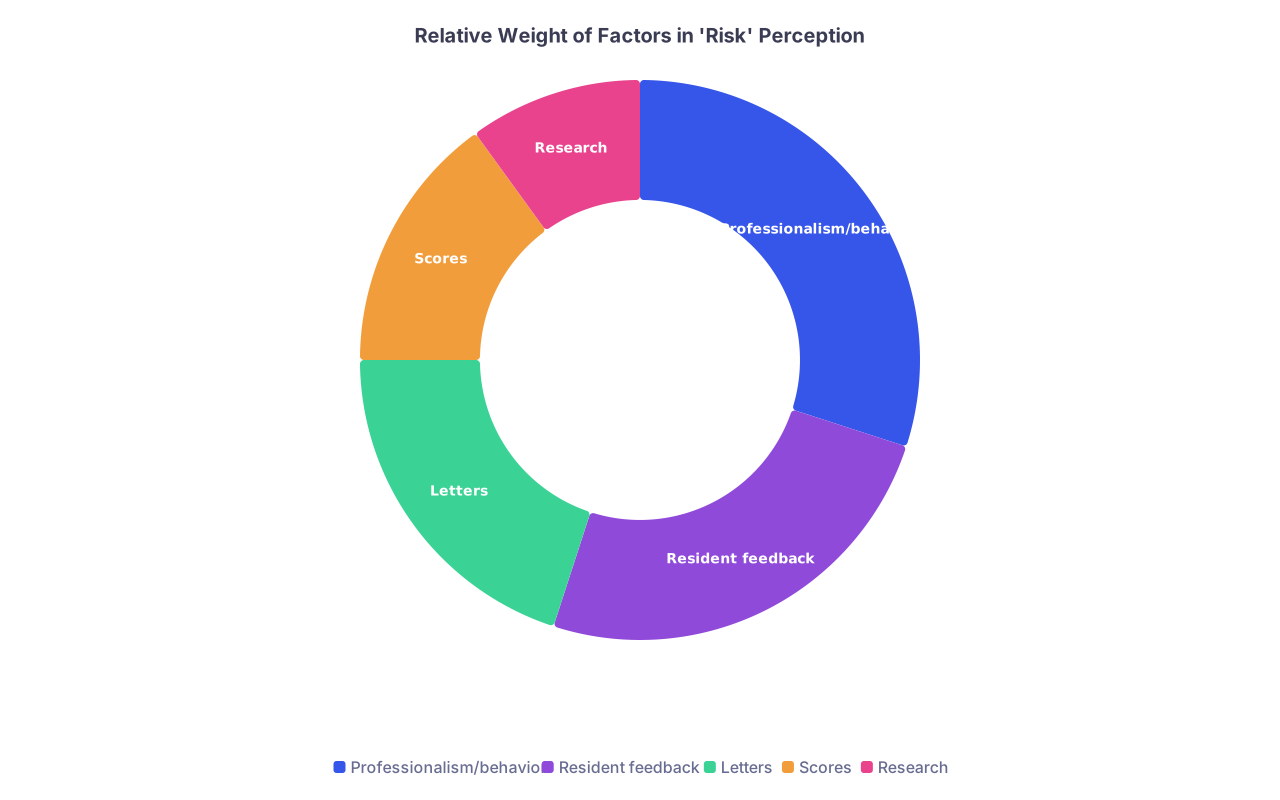
| Category | Value |
|---|---|
| Professionalism/behavior | 30 |
| Resident feedback | 25 |
| Letters | 20 |
| Scores | 15 |
| Research | 10 |
Pulling It Together
Here’s the core secret: surgical programs aren’t ranking “best CV” to “worst CV.” They’re ranking “least likely to cause problems” to “most likely to cause problems,” with competence as the minimum entry ticket.
Once they know you can pass the boards and hold a retractor, the real question is:
- Will this person quietly show up and do hard things with a reasonably good attitude?
- Or will this person generate emails, meetings, and crises?
You want everyone in that rank meeting to be a little bored when your name comes up.
“Good student, solid letters, residents liked them, no concerns.”
Perfect. That’s exactly how you climb.
You’re trying to be the resident they trust on a busy night and forget about when they go home—not the resident whose name makes their stomach drop when they see an email.
Understand that, and you’ll start presenting yourself differently at every step.
With that foundation, you’re much better prepared to judge which surgical programs are actually safe for you to train in, not just the other way around. But how you read their red flags and hidden culture—that’s a story for another day.