Microvascular Training Pathways in ENT and Plastics: Choosing Early vs Late
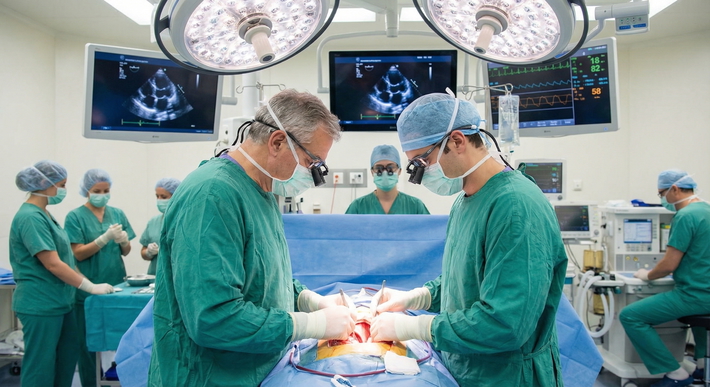
You are PGY‑1 on a busy surgical service. It is 11:30 p.m., and you just finished closing a neck after a free flap. The attending did the anastomosis at 9 p.m. while you retracted. You watched the coupler go on, the blue nylon flicker in the light, the vein fill. And now you are scrubbed out, staring at your phone in the locker room, googling: “How do I actually become a microsurgeon?”
And under that: “Do I have to decide this now?”
Let me be direct. Microvascular surgery is not one generic skill. It is a specific ecosystem built on your base specialty, your fellowship environment, and how early you commit. ENT (otolaryngology–head and neck surgery) and plastic surgery offer very different microvascular pathways. The earlier you understand those pathways, the fewer years you waste in the middle.
I am going to break this down exactly the way you should be thinking about it: base specialty choice, early‑commitment tracks vs late pivots, what fellowship actually looks like, and where people land on the other side.
1. What “Microvascular Training” Actually Means (In the Real World)
Forget the brochure language. When people say “I want to do micro,” they usually mean some combination of:
- Head and neck free flap reconstruction
- Breast free flap (DIEP, etc.)
- Extremity / trauma reconstruction
- Lymphedema / supermicrosurgery
- Vascularized composite allotransplantation (face/hand – rare, ultra‑niche)
The gatekeeper for all of this is your base residency:
- ENT micro → almost always head and neck reconstruction, skull base, sometimes facial reanimation.
- Plastics micro → breast, extremity, trauma, oncologic reconstruction across body, plus niche areas (lymphedema, perforator flaps, etc.).
So the first adult decision:
You are not choosing “micro” in a vacuum. You are choosing to be an ENT who does micro, or a plastic surgeon who does micro. That choice shapes:
- What flaps you will live and breathe
- Which referrals you own
- What your call will look like at 45 years old
You cannot “fix” a bad specialty fit with a microvascular fellowship. That fantasy dies quickly when you are the 3 a.m. airway call as an ENT who secretly wanted to do DIEPs. Or the plastics attending stuck managing a mangled hand every other night who really only wanted oral cavity recon.
2. ENT vs Plastics as Microvascular Platforms
Let me lay out the landscape bluntly.
| Factor | ENT (OHNS) | Plastic Surgery |
|---|---|---|
| Primary micro domain | Head & neck free flaps | Breast, extremity, oncologic |
| Typical fellowship | H&N onc + micro | Microsurgery / recon |
| OR exposure in residency | High H&N in strong programs | More bodywide variety |
| Call burden as attending | Airway, epistaxis, neck | Trauma, hand, soft tissue |
| Cancer vs non-cancer mix | Heavy cancer | Mixed, varies by practice |
ENT microvascular reality
Strong ENT micro programs (MD Anderson, Iowa, UPMC, MUSC, Toronto, etc.) produce surgeons who:
- Do ablative head and neck surgery (major oncologic resections)
- Perform complex free flap reconstructions (fibula, ALT, radial forearm, scapula, etc.)
- Share or own tracheostomies, neck dissections, salvage laryngectomies
Your job becomes: cancer, airway, swallowing, speech, plus reconstruction.
Key point: in ENT, micro is usually bundled with head and neck oncology. Pure “I only want to sew vessels but not do cancer resections” is rare and not attractive to most departments. They want a surgeon who can take the tumor out, manage complications, and reconstruct.
Plastic surgery microvascular reality
Plastic surgery micro tracks (MD Anderson, MSK, Johns Hopkins, NYU, UPMC, USC, etc.) produce surgeons who:
- Reconstruct breast with DIEP/SGAP/TUG flaps
- Handle lower extremity trauma / osteomyelitis coverage
- Reconstruct sarcoma and other oncologic defects all over the body
- Sometimes focus on lymphedema, supermicrosurgery, facial paralysis, etc.
Your life is less about airways and speech and more about soft tissue coverage, symmetry, and functionality across body regions.
In plastics, you can live an entire career in micro without ever doing an oncologic resection yourself. You are called after resection. That is fundamentally different than ENT.
3. Early vs Late Decision: What Actually Changes?
You are really choosing between three timing strategies:
- Early committer: You decide in MS2–MS3 or early residency that you want micro in a specific domain and align everything.
- Soft committer: You lean toward micro but keep the door open.
- Late pivot: You do a general path in ENT or plastics and “find” micro later.
Let me walk through what each one looks like and what it costs you.
Early committer: ENT track
Scenario: M3, you fall in love with big open head and neck cases and the reconstruction that follows. You decide: “I want to be a head and neck oncologic microvascular surgeon.”
What you do next:
- Apply ENT with your personal statement explicitly centered on head and neck oncology and reconstruction.
- Target programs with a heavy free flap volume and known micro faculty:
- MD Anderson, Iowa, UPMC, MUSC, Emory, UNC, Pittsburgh, etc.
- As a resident:
- Fight to get on the big flap services early (PGY‑3/4)
- Take every chance to do trach, neck dissections, radial forearm harvests
- Spend dedicated lab time on micro models (rat, artificial vessel sets, wet lab courses)
- Set yourself up for a head and neck oncologic micro fellowship by PGY‑4:
- Multi‑author head and neck publications
- Presentations at AHNS, COSM, etc.
- Strong letters from microvascular ENT attendings
Upside:
By the time you are PGY‑6–7 (residency + fellowship), you have 400–600 flaps under your belt between assisting and primary surgeon. You are hireable as “the head and neck oncologic micro person” from day one.
Downside:
You are married to cancer work and head/neck pathology. If you discover in PGY‑4 that airway emergencies and mucosal cancer cases exhaust you, that is a rough realization.
Early committer: Plastics track
Scenario: M3/M4, you like anatomy, meticulous technique, and reconstruction more than “disease ownership.” You are drawn to long free flap days and could not care less about managing chemo plans.
Your move:
- Choose integrated plastic surgery, not ENT.
- Apply with an application emphasizing reconstructive interests, not just “cosmetics.”
- Rank programs where:
- Micro is strong and protected (NYU, MD Anderson, MSK, UPMC, Hopkins, Emory, USC, etc.)
- Residents get early micro exposure, not just chiefs
- In residency:
- Get on the micro rotations early; ask to close donor sites and handle straightforward anastomoses as you progress
- Do research in autologous breast reconstruction, extremity salvage, or lymphedema
- Go to micro courses (ASRM, lab‑based courses) before fellowship application season
Then you apply for microsurgery fellowships (not necessarily tied to oncologic specialties).
Upside:
You can build a life around breast, extremity, or niche recon with a strong micro base and limited involvement in cancer surveillance or chemo/radiation decisions.
Downside:
If you secretly like the ownership of “I am the cancer surgeon” and long‑term oncologic follow‑up, you may feel a bit like a subcontractor, always called in after someone else controls the main disease process.
4. What If You Decide Late?
People change. Sometimes for good reasons, sometimes because they finally see what a 2 a.m. consult looks like.
Late pivot inside ENT
Common scenario: You thought you wanted laryngology or rhinology. PGY‑3 hits, you get onto a head and neck service with high flap volume, and the puzzle pieces finally click.
Can you still become a microvascular head and neck surgeon? Yes. But the ramp is steeper.
What you have to do:
- Rapidly build a head and neck profile:
- Start saying yes to flap cases. Many.
- Take ownership of flap post‑op care, not just bouncing after sign‑out.
- Join ongoing head and neck research. You do not need to be first author on every paper, but you need to be in the conversation.
- Get deliberate micro exposure:
- Any micro lab time you can get—take it.
- Ask faculty to let you start doing venous couplers, superficial vein anastomoses, or suturing side branches as your skill increases.
- Apply for AHNS/other H&N fellowships with a late but coherent narrative:
- “I initially focused on X, but with substantial exposure to complex oncologic reconstruction and multidisciplinary care at Y, my trajectory shifted toward…”
You will be competing against early committers who have had this story since M3. You will not match at every top‑five program. But you can absolutely land at a strong fellowship and end up with a similar day‑to‑day practice.
Late pivot inside Plastics
Slightly more forgiving.
You might go into plastics thinking hand, craniofacial, or aesthetics. Then in PGY‑4, you realize the big flap cases are what you live for.
Recovery steps:
- Push onto micro rotations frequently as senior, not just chief year.
- Build a case log heavy in flap involvement—even if you are not doing the anastomoses yet.
- Do at least one micro‑focused project: outcomes, flap selection algorithms, lymphedema, etc.
- Take a strong micro course, and list it.
- During fellowship interviews, be explicit about your commitment and what changed.
Plastics programs know people “find” micro late. You are not doomed. But you will be behind peers who started sewing on chicken wings in MS2.
5. What Microvascular Fellowship Actually Looks Like
Let’s demystify this. A lot of students talk about “doing a micro fellowship” like it is one thing. It is not.
There are essentially two broad buckets:
- Head and Neck Oncologic + Micro (ENT)
- Microsurgery / Reconstructive (Plastics)
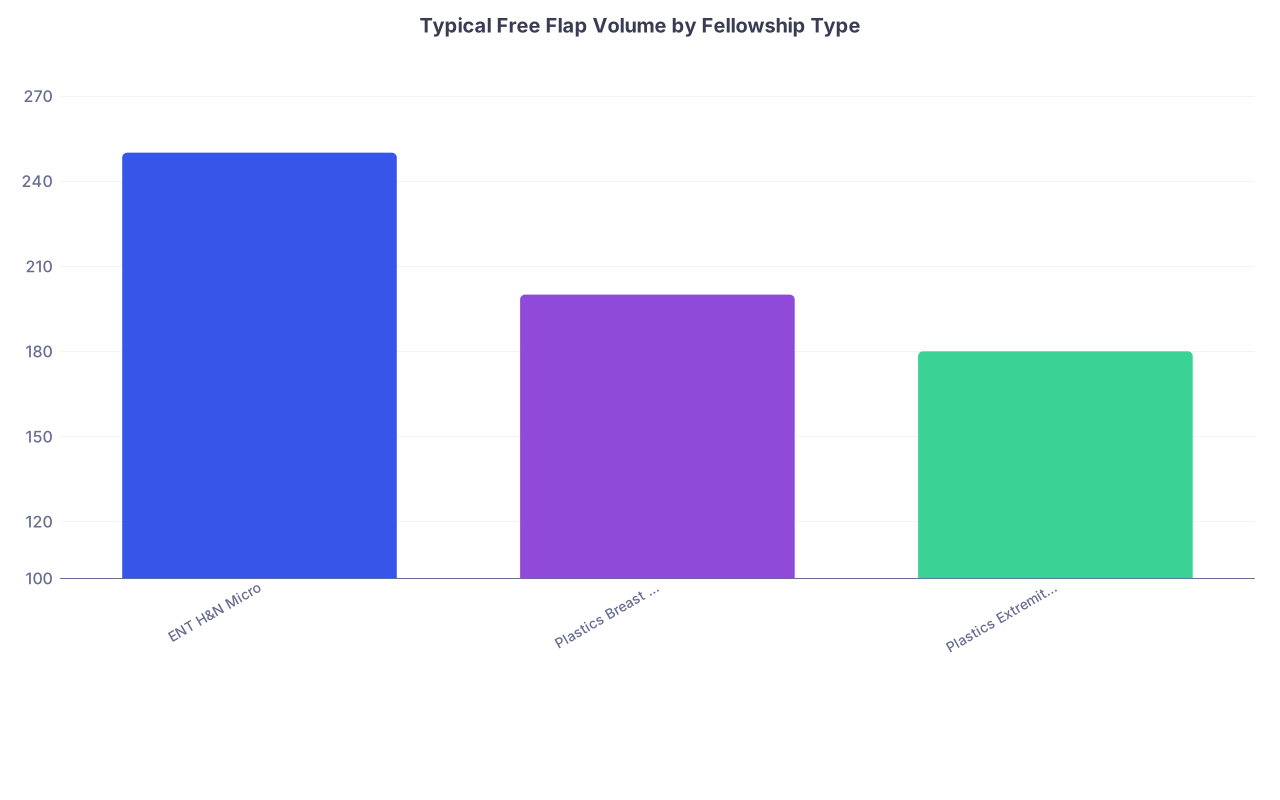
| Category | Value |
|---|---|
| ENT H&N Micro | 250 |
| Plastics Breast Micro | 200 |
| Plastics Extremity Micro | 180 |
Numbers here are rough, but they match what many fellows report: 150–300 flaps during a good one‑year fellowship.
ENT head and neck + micro fellowship
Structure:
- You are in the OR a lot. 3–5 flap days per week is not unusual at high‑volume centers.
- You participate in:
- Multi‑disciplinary tumor board
- Complex oncologic resections (oral cavity, oropharynx, larynx, skull base)
- Planning and execution of recon (fibula, ALT, scapular tip, etc.)
- Call:
- You take head and neck call, including major complications (flap take‑back, neck bleeds, airway issues).
- Clinic:
- You see pre‑op and post‑op cancer patients, manage long‑term function (swallow, voice, cosmesis).
You graduate as an oncologic surgeon who happens to be extremely comfortable sewing 2–3 mm vessels at 3 a.m.
Plastics microsurgery fellowship
Highly variable based on site and focus.
Common models:
- Breast‑heavy micro:
- Majority autologous breast reconstruction (DIEP, SIEA, PAP, SGAP)
- Some trunk and extremity coverage
- Very little cancer decision‑making, you work closely with breast surgical oncology and medical oncology.
- Extremity/trauma‑heavy micro:
- Lower extremity salvage, trauma flaps, sarcoma reconstruction
- Lots of early mornings, involvement with ortho, trauma, vascular teams
- Balanced micro:
- Mix of breast, extremity, trunk, head & neck recon depending on institutional referral patterns.
You are in the OR nearly every day. Stay late for take‑backs. Live off coffee and flap checks. The skill you graduate with: pattern recognition for what works where, and the technical confidence to pull it off.
6. Day‑to‑Day Life: ENT Micro vs Plastics Micro
This is where students often have a fantasy view. Let me ground it.
ENT microvascular attending week (typical academic setting)
- Monday:
- Tumor board at 7 a.m.
- Composite resection with fibula free flap 8 a.m.–6 p.m.
- Tuesday:
- Clinic – pre‑op counseling, post‑op flap follow‑ups, dysphagia issues, trach changes.
- Wednesday:
- Laryngectomy + ALT flap. Admit post‑op to ICU. Midnight flap check text.
- Thursday:
- OR half‑day (local recon, neck dissections) + admin/teaching.
- Friday:
- Oral cavity resection + radial forearm or scapula flap.
- Nights/Weekends:
- Airway emergencies, post‑op bleeds, flap salvage operations.
You are embedded in cancer care. You know your radiation oncologist and medical oncologist better than some of your own family.
Plastics microvascular attending week (breast/extremity oriented)
- Monday:
- Two DIEP flaps, on the table all day, long but predictable.
- Tuesday:
- Follow‑up clinic – breast symmetry, fat grafting planning, donor site issues.
- Wednesday:
- OR – lymphovenous bypass or lymph node transfer + small local flaps.
- Thursday:
- Lower extremity salvage for open tibia fracture with ortho trauma.
- Friday:
- Delayed DIEP + revision case.
Call varies dramatically by institution. In a busy trauma center, you will see mangled extremities regularly. In a breast‑heavy private practice, your nights are quieter, but post‑op abdominal seromas and fat necrosis follow‑ups are a constant background.
7. Technical Training: How You Actually Get Good at Micro
Everyone loves to say “I like fine motor work.” That is useless unless you build a system to actually develop the skill.
Practical reality:
- ENT residents usually get:
- Early exposure to neck anatomy, external carotids, veins.
- Limited early micro time unless the program is very pro‑resident in flaps. Most often, juniors retract and assist, seniors might get to sew venous couplers and occasional end‑to‑end.
- Many need a fellowship to become truly autonomous in micro.
- Plastics residents:
- Often get structured micro labs (rat, simulation) during early years.
- May get hands‑on with less critical anastomoses earlier, depending on attendings.
- High‑volume programs will have residents doing parts of flaps as 4th/5th/6th years.
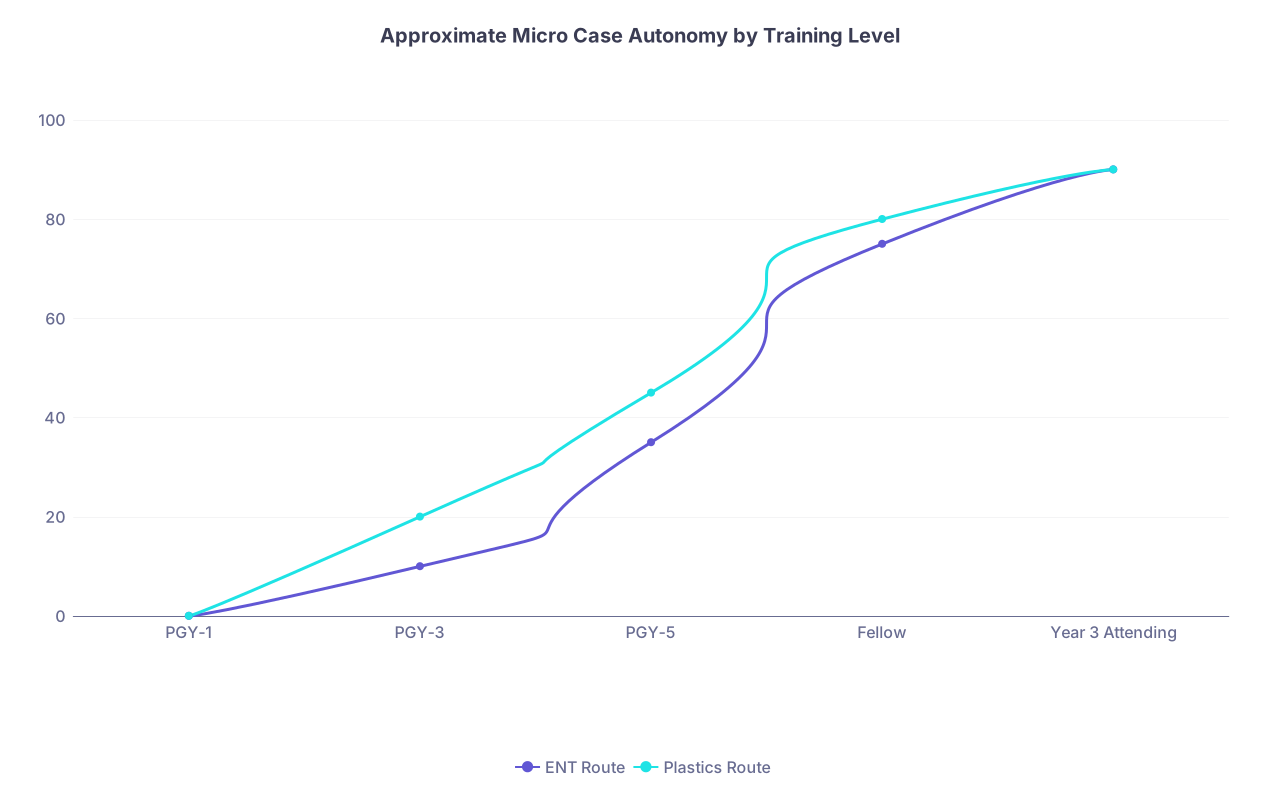
| Category | ENT Route | Plastics Route |
|---|---|---|
| PGY-1 | 0 | 0 |
| PGY-3 | 10 | 20 |
| PGY-5 | 35 | 45 |
| Fellow | 75 | 80 |
| Year 3 Attending | 90 | 90 |
Values are a rough “percent of a typical flap you can perform independently.” The point is the curve, not the exact number.
Key takeaways:
- If you are micro‑serious, you should be doing deliberate micro practice by PGY‑2:
- Microscope / loupes practice in lab.
- Synthetic vessels, chicken wings, rat labs.
- Tracking your time to complete a standard anastomosis and your patency rate (in lab).
- By fellowship, you must arrive as someone who can already:
- Handle delicate tissues without crushing.
- Tie 9‑0 / 10‑0 sutures comfortably.
- Work under the scope without postural collapse.
The people who “get good” at micro did not magically get better hands in fellowship. They put in ugly, boring lab time years earlier.
8. How Programs View Early vs Late Interest
This part nobody tells you straight.
Program directors and fellowship directors are trying to answer one question:
“Is this person going to be a safe, productive microsurgeon in a reasonable amount of time, and will they represent our program well?”
Early committers have:
- A coherent story.
- A track record: research, choice of rotations, letters all align.
- Fewer red flags about “are you going to switch again?”
Late pivots need to:
- Explain the shift succinctly without sounding flaky. “I liked everything” is a bad answer.
- Show recent, concentrated behavior change: heavy flap exposure in last 1–2 years, focused projects, clear mentorship.
If you are a late pivot but your CV looks like scattered tourism—two case reports in rhinology, one in cosmetic breast, then suddenly “I want to do microvascular head and neck”—it reads as unfocused. Fix that by:
- Consolidating your current work under one or two mentors in the target area.
- Stopping low‑yield side projects.
- Using your personal statement and interviews to articulate the turning point clearly: a specific rotation, mentor, or experience.
9. Choosing Early vs Late: How to Decide As a Student
Let me narrow this to a few questions you should actually ask yourself in MS2–MS4.
Which patient journey do you care about more:
- Long‑term cancer survivorship, speech, swallow, airway?
- Body image, limb salvage, and cross‑service collaboration in trauma/onc?
Whose call would you rather take at 2 a.m. for 20 years:
- Stridor, neck hematoma, trach dislodgement?
- Degloving injury, open fracture, flap compromise on a limb or breast?
In the OR, what excites you more:
- Wide cancer excision, nerve sacrifice/preservation, neck dissection, then complex flap to reconstruct it?
- Building soft tissue coverage or breast shape from nothing, matching symmetry, salvaging a limb?
Outside the OR:
- Do you like tumor boards, staging, reading PET/CTs, managing long‑term onc issues? → ENT micro.
- Or do you prefer reconstructive planning, aesthetic symmetry, form and function of body surfaces/limbs? → Plastics micro.
If you are early in training and these answers point heavily one way, commit. Choose ENT or plastics with that micro endpoint clearly in mind and optimize every step.
If you are not sure:
- Shadow both real micro attendings in their clinics and their OR days.
- Sit in at least one tumor board and one reconstructive planning meeting.
- Watch yourself. Where are you more engaged without forcing it?
10. Early vs Late: Long‑Term Career Impact
This is the part people hand‑wave. They say, “You can always figure it out later.” That is only partly true.
Early commitment to micro within a specialty:
- Often lands you in a top‑tier fellowship because your story is strong.
- Gives you more cumulative flap volume by the time you start independent practice.
- Makes you more attractive for academic jobs as “the micro person” in that department.
Late decision:
- May limit your choice of fellowships to mid‑volume programs. (Still fine, but ceiling slightly lower at the very top institutions.)
- Often means your first 2–3 years as an attending are heavier on early learning curve, with more mental load while you finish getting truly comfortable.
- Can still lead to an excellent career but is more dependent on finding the right first job, with partners willing to mentor a transitioning microsurgeon.
But here is the subtle point:
A slightly later but correct decision beats an early, wrong decision every time. A miserable ENT who should have done plastics is not “ahead” because they picked early. Same for the opposite.
Key Takeaways
You are not choosing “to do micro.” You are choosing to be an ENT or plastic surgeon whose practice is anchored in microvascular reconstruction. The base specialty choice changes everything—disease ownership, call, patient mix.
Early, aligned commitment (in med school or early residency) lets you target micro‑heavy programs, build a coherent record, and hit fellowship with real skills. Late pivots are possible but require focused, deliberate catch‑up and a clear narrative.
If you are serious about micro, build the hands now: structured lab practice, high‑volume rotations, and honest observation of which patient journeys and 2 a.m. phone calls you are willing to own for decades.