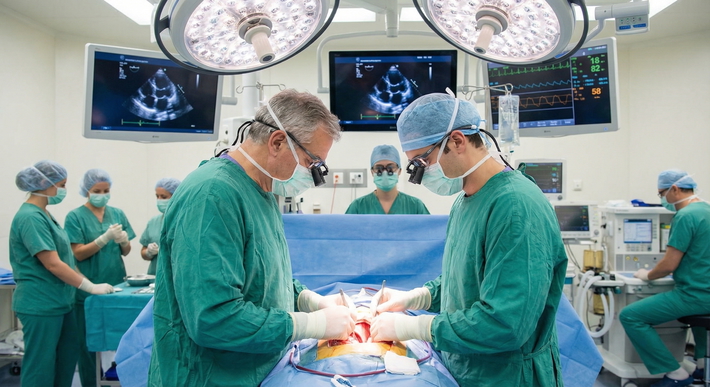
Only about 35% of ACGME-accredited general surgery residencies train in hospitals that function as real high-volume Level I trauma centers for residents—despite what their websites imply.
And that gap between the brochure and the call room is where a lot of people get burned.
Let me break this down specifically: “Level I Trauma Center” is a hospital designation from the American College of Surgeons (ACS) or a state. It does not automatically mean “trauma-focused general surgery training.” You can match into a “Level I” place and end up doing almost no penetrating trauma, almost no primary resuscitations, and a shocking amount of floor scut and “consult, dispo, repeat.”
If you want real trauma-focused general surgery training—where you graduate actually comfortable running a trauma bay, opening a chest, and doing a damage-control laparotomy at 0300—you have to look past the label.
1. Level I Trauma: What It Really Means (And What It Doesn’t)
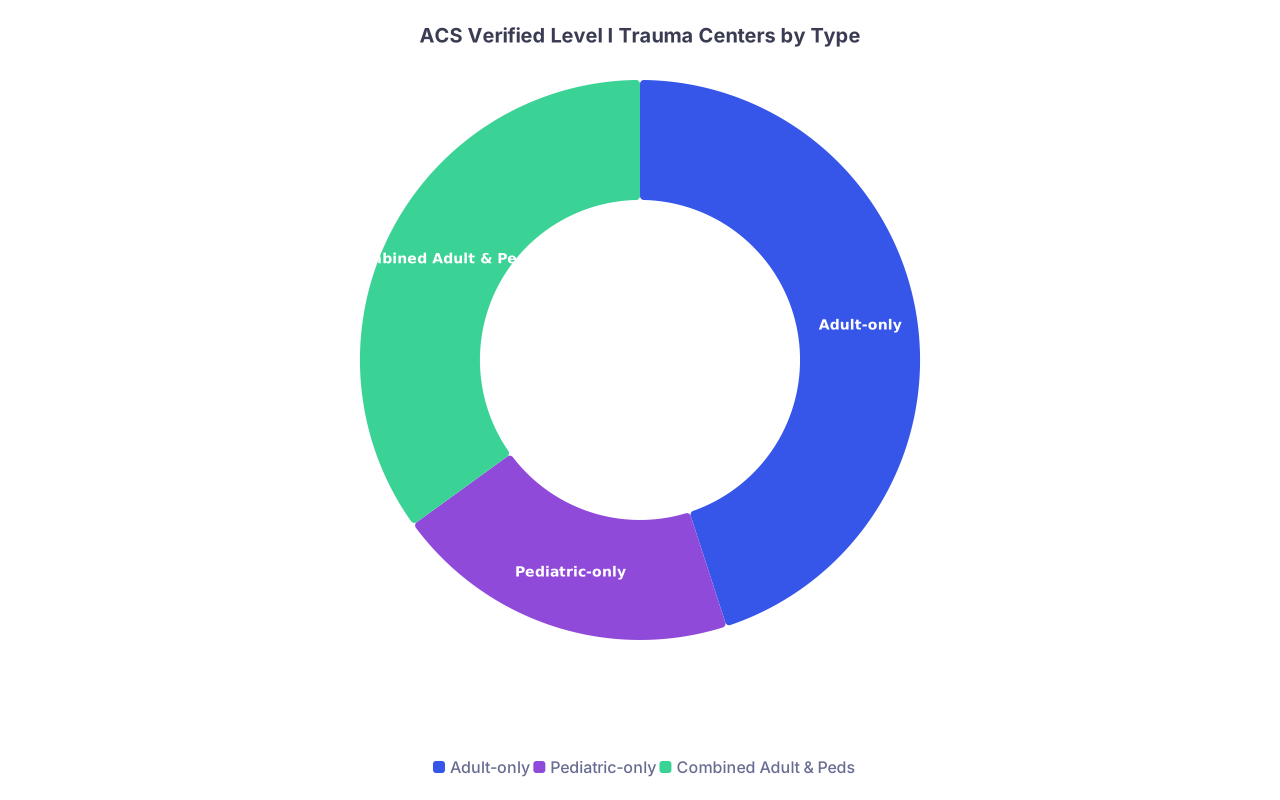
| Category | Value |
|---|---|
| Adult-only | 45 |
| Pediatric-only | 20 |
| Combined Adult & Peds | 35 |
Start here: ACS Verification ≠ resident experience.
A Level I trauma center must have:
- 24/7 in-house coverage by general surgeons.
- 24/7 availability (often not in-house) of subspecialists: ortho, neurosurgery, plastics, vascular, cardiothoracic, etc.
- Research productivity.
- Education and outreach programs.
- Minimum trauma volume thresholds.
All good. But those criteria do not specify:
- Whether general surgery residents or trauma fellows run the bay.
- Whether EM or anesthesia owns the airway.
- Whether juniors ever see the inside of the OR for penetrating trauma.
- Whether the “general surgery” residency even staffs trauma nights versus a separate “acute care surgery” service.
I have seen programs tout “busy Level I trauma” where:
- The trauma team is EM + trauma fellow. The general surgery residents show up after the CT scan is done, write the H&P, and disappear.
- Penetrating trauma is filtered to a separate trauma hospital. Residents rotate for a month or two; the rest of the time they live in Blunt Falls-ville.
- Most damage-control cases at night are staffed by fellows, not residents. You scrub in, you hold retractors, you do not run the show.
If you want trauma-focused general surgery, you need more than the badge. You need structural integration of general surgery residents into trauma care.
2. The Core Question: Who Actually Owns the Trauma?
Here is the single most predictive question of “true Level I training”:
“On the average night trauma activation, who is physically at the bedside and who is leading the resuscitation?”
If the honest answer is: trauma fellow + EM senior + maybe a PGY-1 holding the C-spine, run.
At a genuinely trauma-focused general surgery program, you should see a pattern like:
- Early PGY-2/PGY-3 general surgery resident is the primary team leader for activations (under an attending).
- General surgery residents run ATLS, call the shots, and present succinct plans.
- EM is present and collaborative, but not the default captain for surgical trauma.
- Airway may be EM or anesthesia, but surgical residents are directly involved in airway planning and second-line approaches (surgical airway, neck exploration context, etc.).
The “who owns the trauma?” question branches quickly.

| Step | Description |
|---|---|
| Step 1 | Hospital is Level I |
| Step 2 | High trauma ownership |
| Step 3 | Low resident ownership |
| Step 4 | Maximal resident exposure |
| Step 5 | Need to check case distribution |
| Step 6 | Limited primary resus experience |
| Step 7 | Who leads trauma? |
| Step 8 | Is there a trauma fellowship? |
If trauma fellows or EM own the front end, your “Level I” trauma experience becomes second-hand. You will see a lot. You will run very little.
3. Volume, Case Mix, and Penetrating Trauma: Numbers That Actually Matter
Do not get hypnotized by single-line stats like “3,000 trauma admissions per year.” You want distribution, not just totals.
Here is the framework that separates marketing from reality.
A. Total Trauma Volume (Adult)
For trauma-focused training, I like to see:
- At least 2,000–2,500 adult trauma admissions per year at the primary hospital.
- A significant portion (30–40%+) with ISS ≥ 15 (moderate to severe).
But raw volume is not enough. Look at mix.
B. Penetrating vs Blunt
This is where programs differ dramatically.
A true trauma-focused program should have:
- ≥ 15–20% penetrating trauma (GSW, stab, impalement).
- Enough gun violence that “GSW to abdomen” is not a once-a-month event.
If you want to operate and not just write notes on elderly fall victims, penetrating matters.
C. Operative Trauma Load
Residency case logs will not break down “trauma laparotomy” vs “elective laparoscopic colectomy” in a nice neat line, but programs know their numbers.
You want to ask very specifically:
- “On average, how many trauma laparotomies does a graduating chief do?”
- “How many emergency thoracotomies did your last graduating class perform or at least scrub on?”
- “What proportion of your laparotomies are damage-control vs definitive repair at index operation?”
If they cannot answer with at least ballpark numbers, they are either hiding something or genuinely not trauma-heavy.
Here is the kind of rough comparison you should be thinking about:
| Feature | High-Exposure Program | Low-Exposure Program |
|---|---|---|
| Annual trauma admissions | 3,000+ | 1,200–1,800 |
| Penetrating trauma percentage | 20–30% | <10% |
| Chief trauma laparotomies | 40–70 | 10–25 |
| Emergency thoracotomies (per grad) | 5–15 | 0–3 |
| Resident leads activations | PGY-2/3 routinely | Only senior / rarely junior |
Trauma-focused training lives on the left side of that table.
4. The Trauma Fellowship Problem: Friend or Foe?
Trauma fellowships are a double-edged sword for residents.
On one side:
- They bring high-acuity referrals.
- They support research, QI, and a more developed trauma system.
- They can role-model advanced decision making and complex resuscitation.
On the other side:
- Traumas become “fellow cases.”
- Fellows pre-resuscitate patients, present to the attending, and you become the shadow.
- Night cases: fellow + attending in the OR, resident retracting, not driving.
The key is case allocation culture.
Ask these questions bluntly:
- “Who runs trauma activations at night – resident or fellow?”
- “Who takes the first cut on a GSW laparotomy – resident or fellow?”
- “As a PGY-4/5, are you usually the surgeon making the intra-op decisions, or observing the fellow do it?”
I have seen top-name Level I centers where the fellow does almost every interesting case, and seniors graduate technically weak in trauma.
And I have seen high-quality Level I centers with fellowships where:
- Fellows focus on ICU, complex cases, and systems-level stuff.
- Routine trauma laparotomies are chief-driven.
- Resuscitations are resident-led, with fellow backup.
One other red flag: programs that brag heavily about their “Acute Care Surgery fellowship” without being able to tell you, in detail, what residents actually do on that same service.
“Exposure” is not the same as “ownership.”
5. Trauma Rotation Structure: How Your Time Is Actually Spent
Look at the PGY-by-PGY trauma exposure. One month as a PGY-3 at the trauma center does not make you trauma-trained.
You want something like:
- PGY-1: Some trauma nights, ATLS exposure, maybe a short trauma rotation mostly for experience and procedures.
- PGY-2: Dedicated trauma rotation with frequent trauma bay leadership under supervision.
- PGY-3: Heavy trauma or acute care surgery block, handling consults, leading many activations.
- PGY-4: Senior-level trauma or ACS months, major cases, decision making.
- PGY-5: Running the trauma service, being the default trauma surgeon-in-training.
If the program can only point to “a 1-month trauma rotation PGY-3 and a 1-month ACS rotation PGY-5,” you are not getting trauma-focused training. You are just visiting trauma.
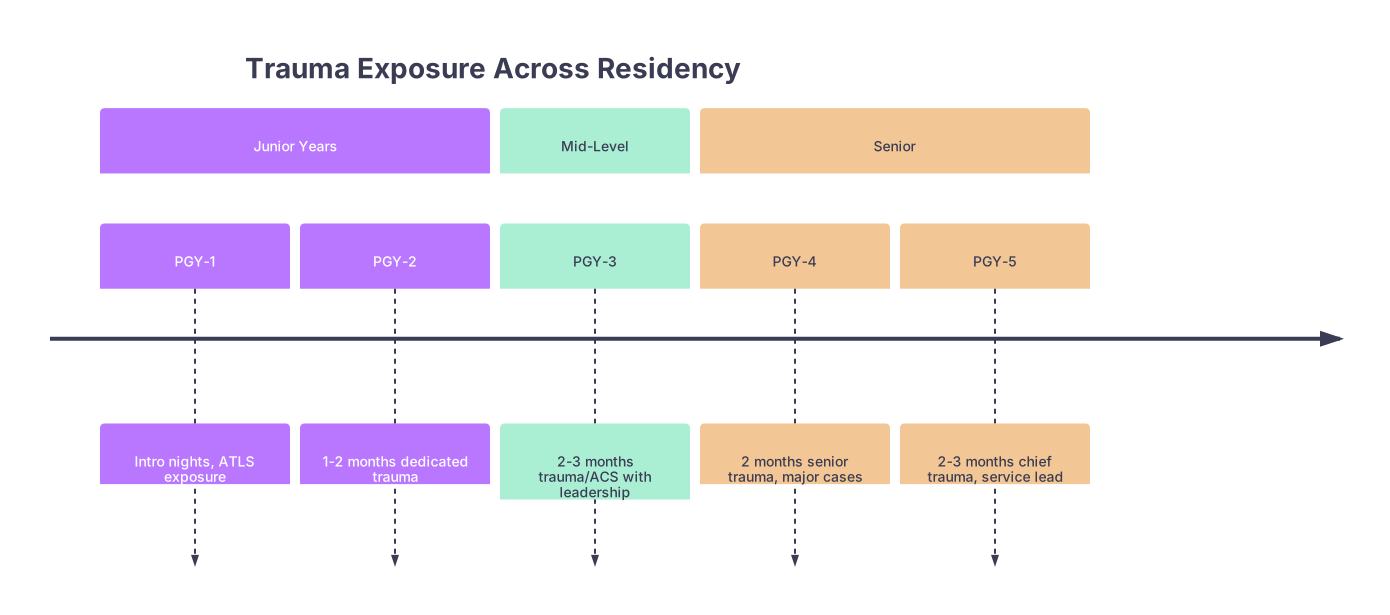
| Period | Event |
|---|---|
| Junior Years - PGY-1 | Intro nights, ATLS exposure |
| Junior Years - PGY-2 | 1-2 months dedicated trauma |
| Mid-Level - PGY-3 | 2-3 months trauma/ACS with leadership |
| Senior - PGY-4 | 2 months senior trauma, major cases |
| Senior - PGY-5 | 2-3 months chief trauma, service lead |
Ask to see a sample schedule for each PGY level, not just “we have trauma.” Schedules tell the truth.
6. ICU, ED, and EM: Who Controls the Sickest Patients?
Trauma-focused general surgery training is not just about the first 30 minutes and the laparotomy. It is about:
- Managing post-op shock.
- Ventilator management.
- Ongoing hemorrhage control.
- Complex infections and re-operations.
You need strong integration with:
- Surgical / Trauma ICU: Ideally, the primary ICU for trauma patients is run (or heavily staffed) by surgical intensivists, and surgical residents manage these patients longitudinally.
- ED: Collaboration is good; ownership still must be clear. If EM intubates, fine—so long as surgical residents still command the surgical trajectory.
- Interventional Radiology: Trauma-focused programs will have residents actively involved in decisions about angio vs OR, not just following IR recommendations.
Watch how they talk about their ICU rotations:
If they say, “You do 2 months of SICU as a PGY-2 and 1 month as a PGY-4, and you run most of the trauma patients,” that is good.
If they say, “Most trauma patients go to the MICU run by pulmonary/critical care, and we consult if they need surgery,” that is not trauma-focused general surgery.
7. Case Log Reality Check: Reading Between the Lines
Every program is required to graduate residents meeting ACGME minimums. Those minimums are low relative to what a trauma-focused resident actually needs.
You care about a few key buckets:
- Trauma operations (open, not just chest tubes).
- Emergency general surgery (perforated ulcers, strangulated hernias, septic abdomens).
- Vascular exposure in trauma (REBOA, proximal control, vascular repairs in contaminated fields).
- Thoracic trauma: emergent thoracotomies and non-elective chest cases.
You are rarely going to get neatly printed trauma-specific case logs, but you can push for specifics:
Ask:
- “What are the median numbers of trauma laparotomies for your last 3 graduating classes?”
- “How many emergency thoracotomies has each of your current PGY-5s done or been primary on?”
- “Can you walk me through a typical month on trauma as a PGY-3 – what does the average case list look like?”
If they keep drifting to “our overall case numbers are great” without talking trauma-specific numbers, that is a sign.
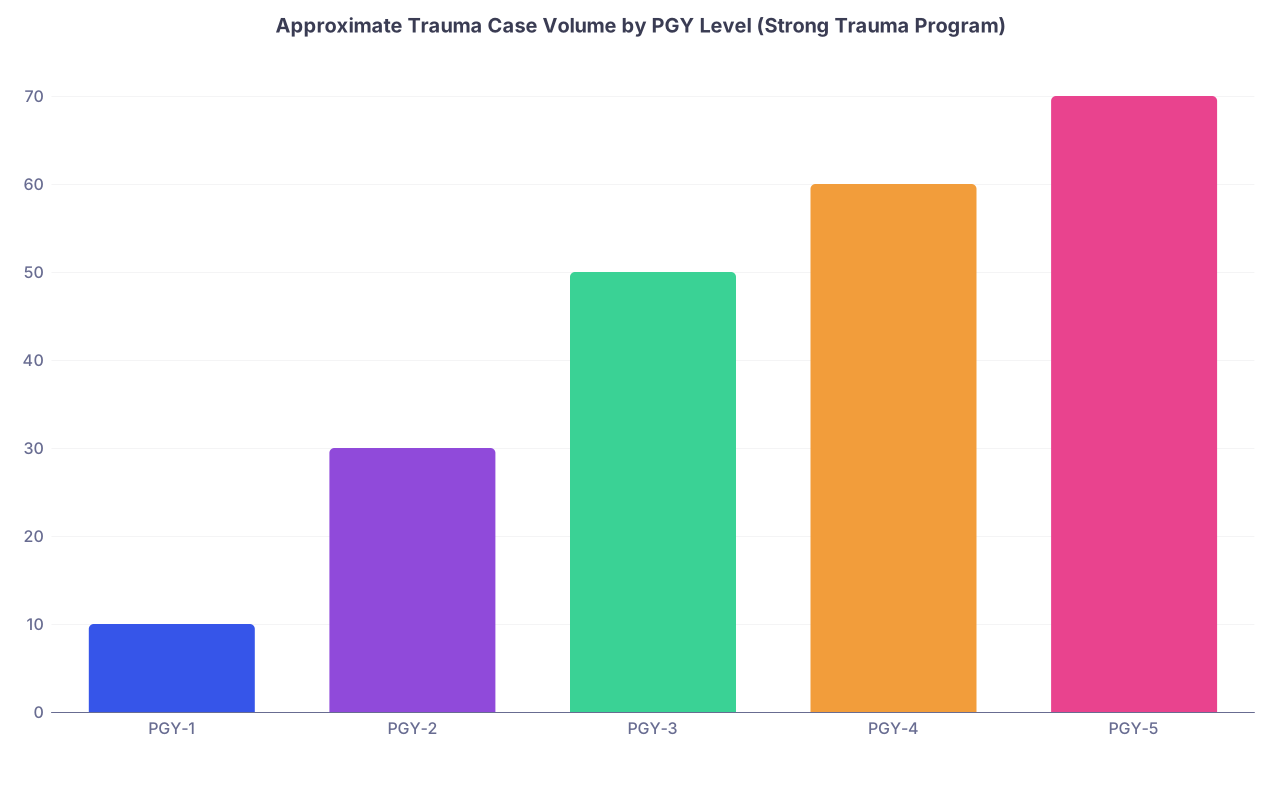
| Category | Value |
|---|---|
| PGY-1 | 10 |
| PGY-2 | 30 |
| PGY-3 | 50 |
| PGY-4 | 60 |
| PGY-5 | 70 |
Rough mental benchmark for a trauma-focused program: graduating with 40–80 trauma laparotomies and at least 5–10 thoracotomies touched in some meaningful way (not just standing at the foot of the bed).
8. Red Flags Hidden Behind the “Level I” Label
Here are patterns I have seen repeatedly that scream “not real trauma training” despite the logo:
Multiple “Level I” hospitals, one real, one fake.
You spend most of your time at the “academic” hospital with low-penetrating and low-acuity trauma, while the gritty penetrating volume is at a county hospital you only see for a short, manic rotation.Trauma is mostly orthopedics and neurosurgery.
Lots of MVCs, falls, and isolated hip fractures. Actual ex-laps or open chests? Rare. The trauma conference is a parade of subdural hematomas and femur fractures, not abdomens and chests.Residents speak in vague terms.
When you ask, “How many GSW ex-laps have you done this year?” and the answer is something like “We see a lot of trauma, you will be busy,” they are either not getting the reps or are not paying attention.Overly EM-centric trauma.
Trauma bays run like giant ED cases, with EM handling most of the resuscitation, airway, and early decisions, and surgery called in for “possible OR” after all imaging is done.Overnights staffed by attendings + fellows with minimal resident involvement.
If night float residents see trauma mostly through charting and postop orders, you will not develop independent judgment.
9. Concrete Questions to Ask (And How to Interpret the Answers)
Let me give you a short, targeted list for interview days and away rotations. Do not ask “How is your trauma?” Ask these instead:
- “On a typical trauma activation at night, which resident is leading, and what PGY are they?”
- “As a PGY-3 on trauma, how many activations are you running in a typical 24-hour call?”
- “How many trauma laparotomies do your chiefs usually log by graduation?”
- “Who gets the first crack at a GSW abdomen – fellow or chief resident?”
- “What percentage of your trauma is penetrating versus blunt?”
- “What are the dedicated trauma rotation months for each PGY level?”
- “Are there times when the trauma bay is run entirely by fellows and attendings without residents?”
If you do an away, watch behavior patterns:
- Who silently stands back during trauma activations? General surgery residents or EM?
- Who is doing the procedures—chest tubes, central lines, FAST?
- Who is presenting at trauma M&M conferences and QI reviews?
The body language in the trauma bay tells you more than the PowerPoint in the conference room.
10. Representative Program Archetypes: Know What You’re Choosing
I am not going to name names, but you will see roughly three archetypes when you look for “trauma-heavy” general surgery residencies.
1. County / Safety-Net Powerhouses
- High penetrating trauma, high violence, lots of uninsured.
- Residents own the trauma bay; often no trauma fellowship or a very resident-friendly one.
- ORs are busy with ex-laps, washouts, second looks, re-ops.
- Often less “polished,” more chaos, sometimes weaker in super-subspecialty elective volume, but unmatched for trauma experience.
2. Academic Level I with Balanced Exposure
- Large university hospital, strong subspecialties, robust research.
- Trauma volume solid but may be more blunt-heavy depending on region.
- Trauma fellow present, but leadership culture keeps residents in front.
- Excellent for those aiming at academic acute care surgery or trauma fellowships.
3. “Level I on Paper” but Not in Practice
- Branded as a major trauma center.
- Real volume exists, but access blocked by fellows, EM, or service structure.
- Residents rotate for brief trauma blocks; ownership is low.
- Graduates may still be competent general surgeons but not trauma-heavy.
You need to be honest with yourself:
Do you want to be the person who can independently run a trauma bay and open abdomens in the middle of nowhere, or do you just want enough trauma to not be scared when something rolls into your community hospital?
Your answer determines which archetype fits.
11. Matching Strategy If You Want Trauma-Focused Training
A few tactical moves:
- Prioritize county and safety-net hospitals that are the regional trauma hub.
- Favor programs where residents can list specific trauma experiences without fishing: “Yeah, last week I had three GSW ex-laps on one call.”
- If possible, do an away rotation at a high-trauma place. You will know within 3 shifts whether trauma is resident-led.
- Ask graduates or senior residents where alumni go:
Are they matching into trauma/ACS fellowships at solid places? Taking jobs as trauma surgeons at Level I/II centers?
Also, think ahead. A resident who finishes with 70 trauma laps, 10 thoracotomies, and a stupid number of resuscitations under their belt is a different surgeon than someone who did 15 trauma ex-laps total. Different confidence. Different ceiling.
12. Quick Self-Check: Are You Actually a Trauma Person?
One blunt point before we wrap this: some students say they want “trauma-heavy” because it sounds intense and cool. But real trauma training means:
- Nights. Lots of them.
- Emotional load from stabbings, shootings, drunk driving, and dead kids.
- A life where your pager goes off and you do not know if you are eating dinner or doing a thoracotomy on a teenager.
Ask yourself:
- Do I actually like chaos and resuscitations, or do I just like the story?
- Did I enjoy my trauma rotation when I was exhausted, not just when a cool case dropped?
- Am I okay with a career where sleep is negotiable and adrenaline is routine?
If yes, then you should fight to find one of the real trauma-focused programs. They are out there. Just not nearly as many as the brochures imply.
FAQ (Exactly 6 Questions)
1. Do I need a trauma-heavy residency if I already know I want colorectal or MIS?
Probably not. For pure elective subspecialties, a solid but not extreme trauma experience is enough. You still need to be comfortable with emergency general surgery and basic trauma principles, but you do not need 70 trauma ex-laps. In that case, choose programs with strong subspecialty case volume and a respectable, not necessarily dominant, trauma component.
2. How can I distinguish between a “busy” ED and a truly busy trauma center?
Look at mechanisms and interventions, not just ED census. A busy ED might see thousands of low-acuity patients, intoxicated walk-ins, and minor injuries. A busy trauma center has frequent full activations, high ISS scores, regular penetrating injuries, and a lot of patients landing in the OR or ICU, not just observation and discharge. Ask specifically about annual trauma admissions, penetrating rate, and trauma ICU census.
3. Is penetrating trauma absolutely necessary for good trauma training?
If you want to be truly comfortable as a trauma surgeon or ACS surgeon, yes. Penetrating trauma forces rapid decision making, open operations, vascular control, and damage-control strategies in a way that blunt trauma often does not. That said, a predominantly blunt environment can still produce strong trauma surgeons if the volume is very high and residents get a lot of emergency general surgery and complex ICU care. But you will miss part of the skill set.
4. Are trauma fellowships mandatory if I train at a strong trauma residency?
Not mandatory, but increasingly common for those who want a career heavily focused on trauma and surgical critical care. A very trauma-heavy residency can give you comfort with resuscitations and operations, while a fellowship deepens ICU management, systems-level work, and academic context. However, a resident from a true county powerhouse with massive trauma exposure can sometimes step directly into a Level II trauma job comfortably.
5. How do I verify trauma volume data programs give me?
You can cross-reference ACS trauma center verification reports, look for published data from the institution (many Level I centers publish their trauma registry stats), talk to residents independently (off-interview-day if possible), and pay attention during away rotations to actual trauma bay traffic. If the numbers they give you sound huge but the trauma bay is a ghost town during your rotation, believe your eyes.
6. What if the program is strong in trauma but weak in elective subspecialties?
You need to decide your likely career direction. If you are dead set on trauma/ACS, a county-style program with massive trauma and modest elective breadth can be ideal. If you want multiple doors open—trauma, but also potential colorectal, HPB, MIS—aim for a program that balances both: strong trauma and robust subspecialty exposure. You can absolutely find places that do both well; you just need to filter carefully.
With those filters and questions in hand, you can stop being impressed by the word “Level I” and start assessing what actually matters: who owns the trauma bay, who gets the cases, and who graduates able to handle a real bleeding abdomen at 3 a.m. Your next step is obvious—start dissecting specific programs against these criteria and see who still looks good once the marketing gloss comes off.