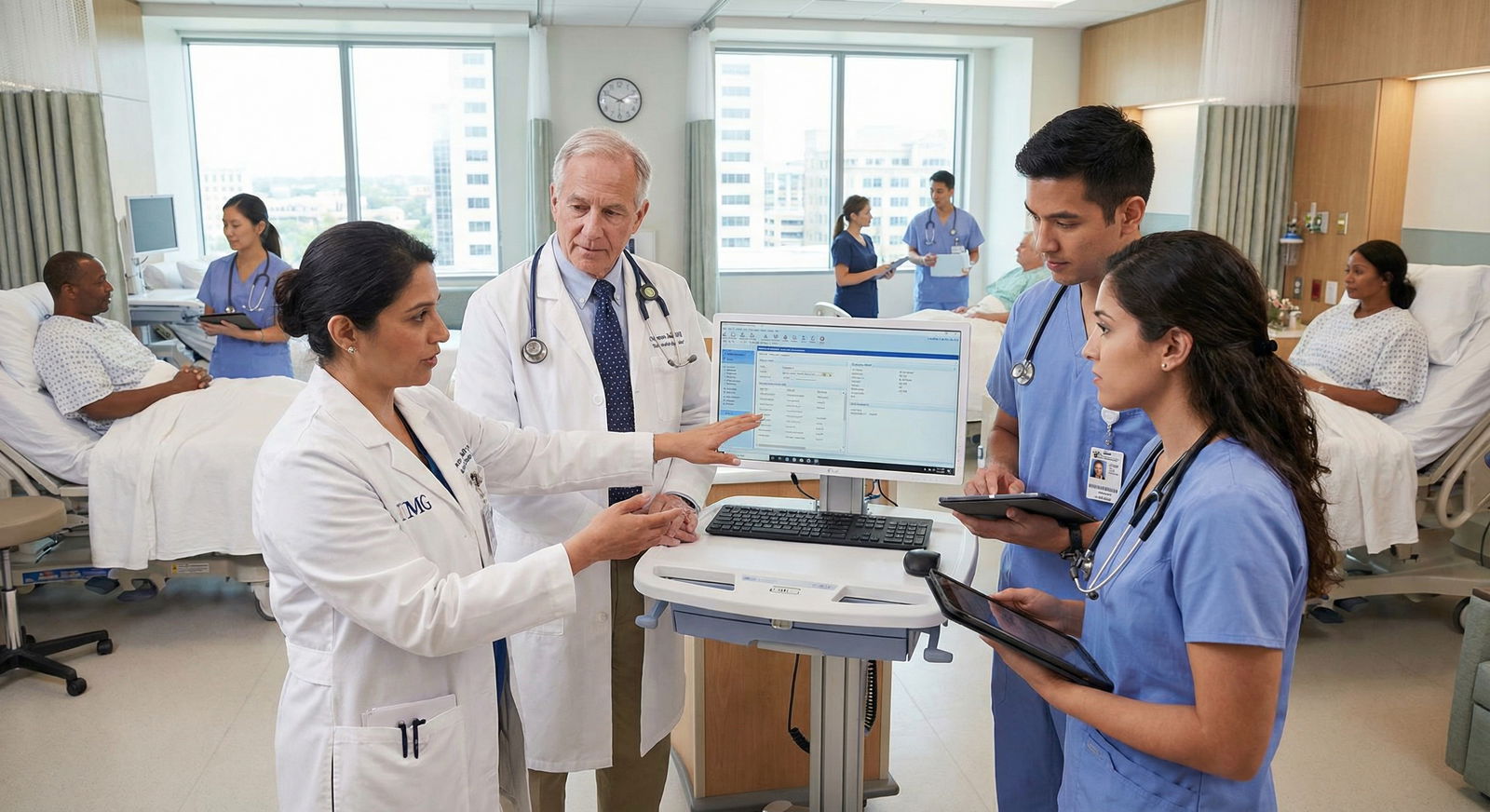
The Competitive Edge: How Clinical Experience Can Set IMGs Apart in the U.S. Match
International Medical Graduates (IMGs) face a unique and often steeper path to securing residency positions in the United States. Beyond strong USMLE scores and a polished personal statement, residency program directors consistently highlight one factor that can transform an IMG application from “uncertain” to “highly competitive”: meaningful, recent clinical experience in the U.S. healthcare system.
Clinical experience does far more than fill a line on your CV. It shapes how you understand medicine in the American context, how you present yourself during interviews, and how confident programs feel about your ability to transition smoothly into residency. This article explores why clinical experience is so critical for IMGs, what types of experiences are most valuable, and how to strategically secure and leverage them to strengthen your residency applications.
Why Clinical Experience Is Essential for IMGs
Understanding and Navigating the U.S. Healthcare System
For IMGs, one of the biggest perceived barriers in residency applications is unfamiliarity with the U.S. healthcare system. Clinical experience provides a direct, immersive way to overcome that concern.
Through U.S.-based Clinical Experience (USCE), IMGs can:
Learn system-specific protocols and workflows
You’ll gain hands-on familiarity with:- Electronic health records (EHRs) such as Epic or Cerner
- Standard documentation formats (H&P, progress notes, discharge summaries)
- Common order sets, medication reconciliation, and safety checks
- Interdisciplinary rounding styles and team-based care
When you can confidently discuss how you pre-round, document, or present patients in a U.S. setting, you show programs you can “hit the ground running.”
Absorb cultural and communication nuances
The U.S. healthcare system places great emphasis on:- Shared decision-making with patients and families
- Respecting autonomy and informed consent
- Clear communication with diverse populations and across language barriers
- Sensitivity to social determinants of health
Clinical experience helps you adapt your bedside manner, communication style, and counseling approach to align with U.S. expectations. This can be especially powerful material for your personal statement and interview answers.
Develop real-world confidence
When you’ve already worked in U.S. clinics or hospitals, common interview questions—
“How would you handle a difficult patient?”
“Tell me about a time you worked as part of a team.”
“What challenges do you anticipate in the U.S. healthcare system?”
—become easier to answer with specific, authentic examples.
Strengthening the Overall Residency Application
Residency program directors often receive hundreds or thousands of applications. For IMGs, clinical experience can be the key differentiator that pushes your application into the “interview” pile.
Clinical experience helps you:
Demonstrate commitment to U.S. training
By taking the initiative to secure U.S.-based clinical experience, you show:- Long-term commitment to practicing in the U.S.
- Willingness to adapt your practice style and expectations
- Serious investment in understanding the local healthcare environment
This directly addresses a major concern programs may have about IMGs—that they might not fully understand what training and practice in the U.S. entail.
Reduce uncertainty about readiness and transition
Without USCE, program directors must “guess” whether you can adapt to:- The pace and workload of residency
- U.S. medical terminology and documentation requirements
- Team dynamics and expectations of professionalism
Demonstrated clinical experience, especially hands-on, reassures them that you’ve already navigated these transitions.
Build a richer, more compelling CV and ERAS application
Clinical experience can positively influence multiple sections of your application:- Experience section: USCE entries signal direct relevance to residency
- Personal statement: Real stories of patient care and growth
- Program-specific questions: Tailored examples in your supplemental ERAS responses
- Interview discussion: Depth and authenticity in your clinical anecdotes
Residency programs know that IMGs with meaningful clinical experience often integrate faster, need less orientation, and contribute quickly to patient care teams.

The Power of Networking and Relationships Through Clinical Experience
For IMGs, networking in the U.S. medical community is not optional—it’s a core strategy for matching successfully. Clinical experiences are one of the most effective ways to build those professional relationships.
Building a Meaningful Professional Network
When you engage in clinical experience, you’re not just learning medicine—you’re entering a community.
Clinical experience allows you to:
Connect with attending physicians and program leaders
These are the people who:- Write influential letters of recommendation
- Advocate for you directly to their program’s selection committee
- Alert you to openings, research roles, or additional rotations
A single strong connection from a rotation can alter your entire residency trajectory.
Find mentors who understand the IMG journey
A good mentor can:- Help you select programs strategically (community vs. academic, IMG-friendly lists)
- Review your personal statement and CV
- Conduct mock interviews and provide honest feedback
- Guide you on career paths and possible subspecialties
Many faculty members are themselves former IMGs and are particularly supportive when they see motivation and resilience.
Gain visibility in the local medical ecosystem
Through clinical work you may:- Be invited to participate in quality improvement projects
- Join departmental educational sessions or journal clubs
- Meet chief residents and program coordinators
This visibility matters greatly when programs review applicants they recognize from their own hospital or affiliated clinics.
Securing Strong, Relevant Letters of Recommendation
Letters of recommendation (LoRs) from U.S. physicians are among the most powerful outcomes of quality clinical experience.
Well-earned letters can:
Validate your clinical and interpersonal skills
A strong LoR might speak to:- Your ability to manage common inpatient or outpatient conditions
- How you communicate with patients and families
- Your reliability, punctuality, and work ethic
- How quickly you learn and adapt
Provide credible, context-specific endorsements
Letters that say, for example:
“I have worked with dozens of U.S. graduates and IMGs; this candidate performed at the level of a strong U.S. senior medical student,”
carry much more weight than generic praise.Differentiate you among other strong IMGs
Many IMGs may have similar test scores. A detailed letter that highlights:- Specific patients you cared for
- Examples of teamwork or leadership
- Instances where you took initiative or went above expectations
can be the factor that sets you apart.
To earn these letters, you must treat every day of clinical experience like a long, extended interview. Show up early, prepare thoroughly, and consistently show professionalism.
Types of Clinical Experience That Matter Most for IMGs
Not all clinical experiences carry the same weight. Understanding what residency programs value helps you invest your time and resources strategically.
1. Hands-On Clinical Rotations and Externships
Hands-on U.S. clinical experience (USCE) is the gold standard for IMGs.
These opportunities typically allow you to:
- Take patient histories and perform physical exams
- Present patients to attendings or residents
- Write notes (supervised and co-signed) in the medical record
- Participate in clinical decision-making discussions
- Join teaching rounds, conferences, and handoffs
Clinical externships are structured, often fee-based experiences that simulate the role of a medical student or intern. They are especially beneficial when:
- You have already graduated from medical school
- You need recent (within 1–2 years of application cycle) clinical experience
- Your home medical school cannot formally arrange U.S. rotations
When evaluating an externship or rotation, clarify:
- Will I have direct patient contact?
- Can I write notes or present cases?
- Are attendings willing to provide letters of recommendation?
- Is this experience recognized or affiliated with a residency program?
2. Observerships and Shadowing
Observerships and shadowing are observational experiences without direct patient care responsibilities. They are useful when hands-on roles are not immediately available, or when:
- You are early in the process and exploring specialties
- You are waiting for exam scores but want to stay engaged
- Institutional policies limit hands-on involvement for non-licensed trainees
During observerships, you can:
- Attend rounds and clinics
- Watch procedures and surgeries
- Learn documentation styles and team dynamics
- Ask clinical and system-based questions
To maximize impact:
- Take notes on cases and protocols
- Ask for feedback on your clinical reasoning during case debriefs
- Request permission to attend educational sessions or grand rounds
While observerships are not as strong as hands-on rotations, they still show your motivation and give you valuable talking points for interviews.
3. Volunteering in Clinical and Community Settings
Volunteer work may not always involve direct clinical decision-making, but it can significantly enhance your profile when used strategically.
Valuable volunteering roles can include:
- Clinics for underserved or uninsured populations
- Community health fairs and screening programs
- Free clinics run by medical schools or hospitals
- Health education programs in local communities
Through these roles, you can:
- Demonstrate commitment to social responsibility and health equity
- Develop communication skills with diverse patient populations
- Show continuity and dedication if you stay in the same role over months to years
Residency programs, especially in primary care, pediatrics, and internal medicine, often value applicants with a track record of service and community engagement.
4. Research and Academic Clinical Experience
Research experience, particularly with a clinical component, can strengthen applications in both community and academic programs.
Research involvement can:
- Show your ability to think critically and analyze data
- Lead to abstracts, posters, or publications you can list on ERAS
- Help you build relationships with academic mentors and department chairs
- Provide clinical exposure in specialized fields (e.g., cardiology, oncology)
For IMGs interested in competitive specialties (e.g., dermatology, radiology, some subspecialty tracks), research is often essential, and combining it with clinical shadowing or participation in patient-related projects is ideal.
5. Fellowships, Locum Tenens, and Transitional Roles
In certain circumstances, IMGs might engage in:
- Non-ACGME fellowships (e.g., clinical research fellowships)
- Locum tenens roles in other countries with U.S.-like systems (e.g., Canada, UK, some Gulf countries)
- Hospital-based roles such as clinical observers, scribes, or care coordinators
While not a substitute for U.S. residency, these experiences can:
- Maintain your clinical skills if there is a gap between graduation and match
- Demonstrate continuous involvement in patient care
- Provide additional evidence of adaptability to structured healthcare systems
Strategies to Secure and Maximize Clinical Experience as an IMG
Start Early and Plan Around Your Timeline
Ideally, begin exploring clinical opportunities:
- During your final years of medical school, if possible
- At least 12–18 months before your intended Match cycle
Align your timeline with:
- USMLE exam dates
- Visa needs and travel limitations
- Application and interview seasons
This ensures your clinical experiences are recent and clearly relevant on your residency applications.
Be Flexible With Location and Specialty
You may have a preferred specialty and desired city, but initially:
- Consider starting in IMG-friendly states or community hospitals
- Be open to related fields that still strengthen core internal medicine, pediatrics, or surgical skills
For example:
- If you want internal medicine, a rotation in geriatrics, hospitalist medicine, or nephrology is still very valuable.
- If you want pediatrics, experience in family medicine clinics that see many children can help.
Flexibility early on can lead to better opportunities later.
Leverage Online Platforms and Institutional Resources
Use multiple channels to identify opportunities:
- Hospital and medical school websites (search “observership,” “externship,” or “visiting student”)
- Professional organizations (AAMC, ACP, AAFP, APA, specialty-specific societies)
- IMG-focused platforms and forums that list USCE opportunities
- LinkedIn and professional networking platforms to connect with physicians and program coordinators
Always verify:
- Eligibility criteria (graduation year limits, ECFMG status required?)
- Visa requirements or restrictions
- Fees, duration, and expected responsibilities
Attend Conferences, Workshops, and Local Events
Medical conferences, specialty meetings, and local CME events are powerful networking venues.
To maximize these events:
- Prepare a brief, clear introduction about your background and goals
- Have an updated CV ready to share electronically
- Attend smaller sessions where it’s easier to talk with speakers
- Follow up with personalized emails to physicians you meet
Even a short interaction can lead to an invitation to observe in clinic or participate in a research project.
Approach Clinical Experience as a Long-Term Interview
Once you secure clinical experience, your focus should be on performance and relationship-building.
Key habits that make a strong impression:
- Arrive early and stay engaged throughout the day
- Pre-read about common conditions seen in that specialty
- Ask thoughtful, concise questions at appropriate times
- Volunteer to help with non-glamorous tasks (organizing notes, patient education materials, etc.)
- Maintain professionalism in dress, language, and interpersonal boundaries
Before the end of your rotation:
- Request structured feedback: “What are my strengths and what can I improve?”
- If feedback is positive and you’ve worked closely with an attending, ask if they would feel comfortable writing a letter of recommendation.

Real-World Examples: How Clinical Experience Transformed IMG Applications
Case Example 1: The Externship That Opened Doors
An IMG from India, two years post-graduation, was struggling with interview invites despite solid USMLE scores. They invested in a three-month internal medicine externship at a mid-sized U.S. teaching hospital.
During the externship, they:
- Took primary responsibility for daily progress notes under supervision
- Presented patients on rounds and in morning report sessions
- Participated in a quality improvement initiative to reduce medication errors
Outcomes:
- Earned two detailed letters of recommendation from U.S. internists
- Could confidently discuss U.S. rounding structure, documentation, and EMR use during interviews
- Matched into a categorical Family Medicine residency that valued their primary care and systems-based experience
Case Example 2: Volunteering as a Bridge to Residency
An IMG from the Philippines faced a multi-year gap after graduation due to personal circumstances. To remain clinically engaged, they:
- Volunteered weekly at a community clinic serving uninsured and immigrant populations
- Assisted with patient intake, health education, and translation services
- Developed strong relationships with the clinic’s medical director and staff
In residency interviews, they highlighted:
- Their long-term commitment to serving vulnerable populations
- Specific cases where they helped improve patient understanding and adherence
- Insights into barriers to care and social determinants of health
Result:
- Matched into an Internal Medicine residency with a strong community health focus, where their volunteer experience was explicitly mentioned as a strength.
FAQs: Clinical Experience and Residency Applications for IMGs
Q1: How many months of U.S. clinical experience do I need as an IMG?
There is no universal rule, but many successful IMGs aim for at least 3–6 months of U.S.-based clinical experience, with a preference for hands-on roles when possible. Quality, recency, and relevance often matter more than sheer quantity. Two strong, well-supervised rotations that generate excellent letters can be more impactful than many short, superficial observerships.
Q2: Does observership count as clinical experience for residency applications?
Yes, observerships are considered a form of clinical experience, especially when hands-on options are limited. However, programs typically view direct, supervised patient care (externships, sub-internships, hands-on rotations) as stronger than purely observational roles. When listing observerships, be clear about your responsibilities and what you learned to maximize their value.
Q3: How recent should my clinical experience be to help my residency application?
Ideally, your most significant clinical experiences should be within 1–3 years of the residency application cycle. Experiences older than that can still be mentioned but may carry less weight. If you have a longer “gap” since graduation, recent clinical experience becomes particularly important to demonstrate that your skills are current and you remain actively engaged in medicine.
Q4: Can clinical experience in other countries (non-U.S.) still help my application?
Yes. Clinical experience in other healthcare systems—especially those with structured residency training, evidence-based practice, and English documentation—can still strengthen your application. However, most U.S. programs give higher priority to U.S.-based clinical experience because it directly reflects your familiarity with the U.S. Healthcare System and culture. Ideally, combine strong international experience with at least some U.S.-based exposure.
Q5: How do I ask for a letter of recommendation from a clinical supervisor?
Ask toward the end of your rotation, after you’ve worked closely with the attending and received positive feedback. Be direct yet respectful:
“Dr. [Name], I’ve really valued working with you on this rotation. I am applying to U.S. residency programs this year and would be honored if you felt comfortable writing a strong letter of recommendation based on my performance here.”
Provide your CV, personal statement draft, and a brief summary of your activities on the rotation to help them write a detailed, supportive letter.
Clinical experience is not just a checkbox for International Medical Graduates—it is one of the most powerful tools you have to demonstrate readiness, resilience, and genuine commitment to practicing medicine in the United States. By understanding what types of Clinical Experience matter, approaching each opportunity strategically, and using it to build both skills and relationships, you can significantly enhance your competitiveness in the residency application and Match process.