International Medical Graduates (IMGs) face a unique set of challenges on their path to becoming licensed physicians in a new country. As they navigate unfamiliar healthcare systems, intense Residency Applications, and evolving licensure requirements, one factor consistently stands out as a game-changer: meaningful Clinical Exposure.
Prioritizing structured, high-quality clinical experience is not just a “nice to have” for IMGs—it is often the difference between an average application and a standout one. It influences how program directors view your readiness, shapes your professional identity, and accelerates your Medical Skills Development in real-world settings.
This guide walks through the top reasons IMGs should prioritize clinical exposure, with practical tips and examples to help you turn each clinical opportunity into a strategic asset for your residency journey.
Understanding the IMG Landscape and Why Clinical Exposure Matters
Who Are International Medical Graduates?
International Medical Graduates are physicians who completed their basic medical education at a medical school outside the country where they intend to practice. Examples include:
- A graduate of an Indian medical college applying for a U.S. residency
- A Caribbean medical school graduate seeking training in Canada
- A physician trained in Eastern Europe trying to match into a U.K. foundation or specialty program
Regardless of country, IMGs bring diverse training experiences, but must prove they can function effectively within a new healthcare environment. That is where targeted Clinical Exposure becomes essential.
Unique Challenges IMGs Face in Residency Applications
Compared with locally trained graduates, IMGs often encounter:
- Limited familiarity with local healthcare systems, documentation, and workflows
- Perceived bias or skepticism about training quality or clinical readiness
- Fewer in-country mentors who can vouch for their performance
- Regulatory hurdles, such as visa issues and additional documentation
- Gaps in clinical practice if there has been time between graduation and residency applications
Because of these factors, program directors often look for robust, recent, and relevant clinical experience in the host country as evidence that an IMG can transition smoothly into residency.
High-quality clinical exposure helps “level the playing field” and demonstrates that you are not only knowledgeable but also adaptable, professional, and ready to contribute from day one.
1. Enhancing Application Competitiveness Through Clinical Exposure
For IMGs, residency programs frequently use clinical experience in the host country as a key differentiator. Programs want proof that you can translate your medical education into safe, effective patient care in their system.
Strengthening Medical Skills Development in Real Settings
Textbook knowledge and test scores are important—but they do not show how you function with real patients and interprofessional teams. Clinical exposure allows you to:
- Perform focused histories and physical exams under supervision
- Present patients concisely on rounds or in handoffs
- Develop management plans and document appropriately in the EMR
- Observe and assist with procedures where permitted (e.g., phlebotomy, suturing, bedside ultrasound, simple wound care)
For example, an IMG who has completed a structured 4-week Internal Medicine observership in a U.S. academic center can later discuss specific cases during interviews:
“During my cardiology consult rotation, I followed a patient with NSTEMI and new-onset heart failure. I observed how the team balanced guideline-directed therapy with the patient’s renal function and social barriers. This helped me understand real-world application of ACC/AHA guidelines.”
Concrete clinical stories like this make your interview responses far stronger than purely theoretical answers.
Demonstrating Familiarity With the Local Healthcare System
Program directors worry: “Will this applicant understand how we practice medicine here?” Clinical exposure reassures them by showing you can:
- Navigate local hospital systems, documentation, and consult processes
- Understand common care pathways (e.g., chest pain workup, sepsis protocols)
- Recognize differences between your home country’s practices and current evidence-based standards
- Work effectively within multidisciplinary teams (nurses, pharmacists, social workers, therapists)
Residency is demanding; programs have limited time to train someone from the ground up in system basics. Coming in with prior local exposure tells them you will require less onboarding and can focus on higher-level learning.
Boosting Your Overall Residency Application Profile
From an application standpoint, clinical exposure can positively impact:
- CV content: Dedicated “Clinical Experience in [Country]” section with clear dates, settings, and supervisors
- Personal statement: Stronger narratives rooted in real patient encounters
- Letters of recommendation: More credible and specific when written by local attendings who observed your work
- Interview performance: More confident, specific answers to “Tell me about a patient you cared for” or “What differences did you notice between systems?”
In competitive specialties or locations, these details often tip the scale in your favor.
2. Building a Strong Professional Network and Mentorship Base
Residency Applications are not decided by scores alone. Relationships matter—especially for IMGs, who often begin with a limited local professional network.
Healthcare Networking: Turning Clinical Exposure Into Relationships
Clinical Exposure is one of the most efficient ways to build genuine Healthcare Networking opportunities because you are:
- Working closely with attendings and fellows daily
- Presenting to residents and receiving feedback
- Collaborating with nurses, case managers, and allied health staff
To maximize networking:
- Show up consistently: Be punctual, prepared, and engaged every day
- Ask thoughtful questions: Not just “what” but “why” and “how” regarding management decisions
- Volunteer for tasks: Offer to pre-round, look up guidelines, or help with patient education materials
- Follow up professionally: After the rotation, email your supervisors thanking them and updating them on your progress
These interactions often lead to mentors who will advocate for you, provide advice on specialty choice, and help you target realistic programs.
Securing Strong, Credible Letters of Recommendation
For IMGs, letters of recommendation from local physicians are often decisive. Program directors look specifically for:
- Writers who are known within the country’s medical community
- Clear descriptions of your clinical performance and professionalism
- Direct observation of your history-taking, presentations, reasoning, and teamwork
To do this well:
- Perform at your best during the rotation—assume every day is an “audition.”
- Ask for feedback midway through the experience, then apply it.
- Request letters early, ideally 2–4 weeks before the end of the rotation or soon after.
- Provide your updated CV, personal statement draft, and a summary of cases or projects you undertook with that attending.
Letters that say, “I supervised Dr. X daily for four weeks and observed them consistently demonstrate [specific skills]” carry far more weight than generic recommendations from abroad.
Creating Long-Term Career Opportunities
Clinical Exposure can also open doors beyond matching:
- Research collaborations (case reports, QI projects, retrospective studies)
- Future job offers post-residency, especially in community hospitals where you rotated
- Invitations to conferences, workshops, and departmental events
Many IMGs can trace their residency match or first attending job back to a single clinical mentor they impressed during an observership or externship.
3. Demonstrating Commitment, Professionalism, and Fit for Medicine
Residency programs want applicants who are not only capable but also clearly committed to a long-term career in their healthcare system.
Showing Sustained Commitment to the Host Country’s System
By investing time and effort to secure Clinical Exposure locally, you demonstrate:
- Willingness to adapt and learn new systems
- Serious intention to build a career in that specific country
- Perseverance through administrative hurdles (visas, credentialing, background checks)
Programs see this as evidence that you are less likely to leave unexpectedly and more likely to complete training successfully.
Highlighting Professionalism and Work Ethic
During clinical experience, supervisors observe:
- Your punctuality and reliability
- How you handle feedback or criticism
- Your attitude toward “less glamorous” work (chart review, patient education, follow-up calls)
- Your respect for nursing staff and other team members
These behaviors are often summarized in evaluations and recommendation letters. A comment like, “Despite being unpaid and without guaranteed outcome, this IMG treated every day as if already part of the team,” significantly boosts your reputation.
Cultivating Compassionate, Patient-Centered Care
Direct patient contact helps you develop and demonstrate:
- Empathy in difficult conversations
- Cultural sensitivity with diverse patient populations
- Respect for patients’ autonomy and preferences
- Skill in explaining diagnoses and treatments in understandable language
During interviews, program directors often ask for examples of challenging patient interactions or ethical dilemmas. Your clinical exposure will provide genuine experiences you can reflect on, rather than hypothetical scenarios.
4. Bridging Educational and System Gaps Through Hands-On Experience
Even the best medical schools differ in curriculum, case mix, and resources. Clinical exposure in your target country helps close these gaps and align your training with local expectations.
Translating Theoretical Knowledge Into Practical Clinical Judgment
In hands-on clinical environments, you learn to:
- Prioritize among multiple possible diagnoses and tests
- Adapt “ideal” guidelines to real patients with comorbidities and limited resources
- Recognize patterns of common presentations in your host country (e.g., higher prevalence of obesity, diabetes, or certain infections)
- Understand local standards for when to admit, consult, or escalate care
For instance, IMGs may be used to managing diseases in resource-limited settings; exposure in a high-resource academic center will show them how multidisciplinary teams and advanced imaging are integrated daily.
Learning Documentation and Medico-Legal Norms
Every system has its own:
- Documentation style and EMR platforms
- Requirements for informed consent
- Laws around confidentiality and reporting
- Expectations for discharge summaries and handoff notes
Observerships, externships, or clinical assistant roles allow you to see how residents document and communicate, so you are not learning these essentials from scratch during your first month of internship.
Adapting to Local Clinical Culture
Clinical Exposure helps you understand subtle cultural elements such as:
- How hierarchies and team structures work (attending–fellow–resident–student)
- Typical communication tone and formality in rounds and sign-out
- Expectations around working hours, break times, and coverage
- Patient expectations about their role in decision-making
Recognizing and adjusting to these norms early reduces friction and promotes a smoother transition into residency.
5. Improving Language, Communication, and Cultural Competence
Strong communication skills are foundational to safe medical practice. For many IMGs, even those fluent in English or another local language, clinical communication is different from classroom or conversational language.
Refining Medical Language and Clinical Communication
Through Clinical Exposure, you will practice:
- Presenting cases in a structured format (e.g., SOAP, one-liner summaries)
- Using appropriate medical terminology with colleagues
- Translating complex terminology into lay language for patients
- Understanding local abbreviations, acronyms, and slang used in clinical notes
You also gain confidence in:
- Answering rapid-fire questions on rounds
- Calling consults and providing succinct referrals
- Participating in multidisciplinary team discussions
These skills directly benefit both residency interviews and day-to-day performance as a trainee.
Developing Cultural Sensitivity and Patient Rapport
Local clinical experience exposes you to:
- Cultural norms around disclosure, end-of-life conversations, and mental health
- Varied communication expectations across age groups, ethnicities, and socioeconomic backgrounds
- Approaches to discussing topics like vaccination, addiction, or reproductive health
For example, observing how experienced attendings navigate conversations about hospice care or serious diagnoses teaches you phrasing and strategies that align with local patient expectations.
This Cultural and Communication competence is something program directors deeply value and often probe during selection.
6. Supporting Licensing Exam Preparation With Real Clinical Context
For many IMGs, licensing exams (e.g., USMLE, MCCQE, PLAB, AMC, GMC assessments) are central milestones. Clinical exposure makes your studying more efficient and memorable.
Linking Clinical Cases to Exam Blueprints
Exposure to common inpatient and outpatient scenarios:
- Reinforces high-yield exam topics (e.g., chest pain, shortness of breath, abdominal pain, altered mental status)
- Helps you remember guidelines and management algorithms by associating them with real patients
- Clarifies how “next best step” choices play out in practice
When faced with multiple-choice scenarios on exams, you can draw on vivid clinical memories, not just memorized facts.
Practicing Physical Exam and Clinical Reasoning
Even if you are officially in an observership, you can often:
- Practice physical exam techniques under supervision
- Listen to actual heart sounds, lung findings, and murmurs
- Observe neurologic, musculoskeletal, and mental status exams
- Discuss differential diagnoses and reasoning with residents and attendings
This supports both written and clinical components of licensing exams, where structured reasoning and exam technique are tested.
7. Building Resilience, Adaptability, and Confidence
Relocating to a new system, learning new norms, and facing the pressure of Residency Applications is inherently stressful. Clinical exposure gives you a “practice arena” to develop resilience and self-efficacy.
Learning to Function Under Pressure
Busy clinical environments teach you to:
- Manage multiple tasks and patients simultaneously
- Prioritize urgent concerns over minor issues
- Tolerate uncertainty and seek help appropriately
- Maintain professionalism even on difficult days
These are the same capacities you will rely on as an intern taking overnight calls or managing acute cases.
Gaining Confidence as a Future Resident
As you accumulate successful interactions—presentations that went well, positive feedback from mentors, grateful patients—your confidence grows. This confidence:
- Improves your interview presence
- Reduces anxiety as you transition into residency
- Helps you take initiative and advocate for patients
Program directors can often sense the difference between applicants who have never worked in their system and those who already feel grounded in the environment.
8. Offering Valuable Global and Diverse Perspectives to Healthcare Teams
While Clinical Exposure helps IMGs adapt to their new system, it also allows them to contribute their own strengths.
Leveraging Your International Training and Background
IMGs frequently bring:
- Experience with different disease patterns (e.g., TB, rheumatic heart disease, tropical infections)
- Perspective on practicing with limited resources and improvising safely
- Multilingual abilities that enhance communication with diverse patient populations
- Insight into global health challenges and cross-cultural care
During Clinical Exposure, you can share relevant insights without overstepping, enriching discussions on rounds and in conferences.
Enhancing Team Diversity and Patient Trust
Patients from immigrant or minority backgrounds may feel more comfortable seeing physicians who share aspects of their cultural or linguistic background. Your presence can:
- Improve patient engagement and adherence
- Strengthen trust in the healthcare system
- Support institutional goals for diversity, equity, and inclusion
Residency programs increasingly recognize the value IMGs bring in advancing culturally responsive care.
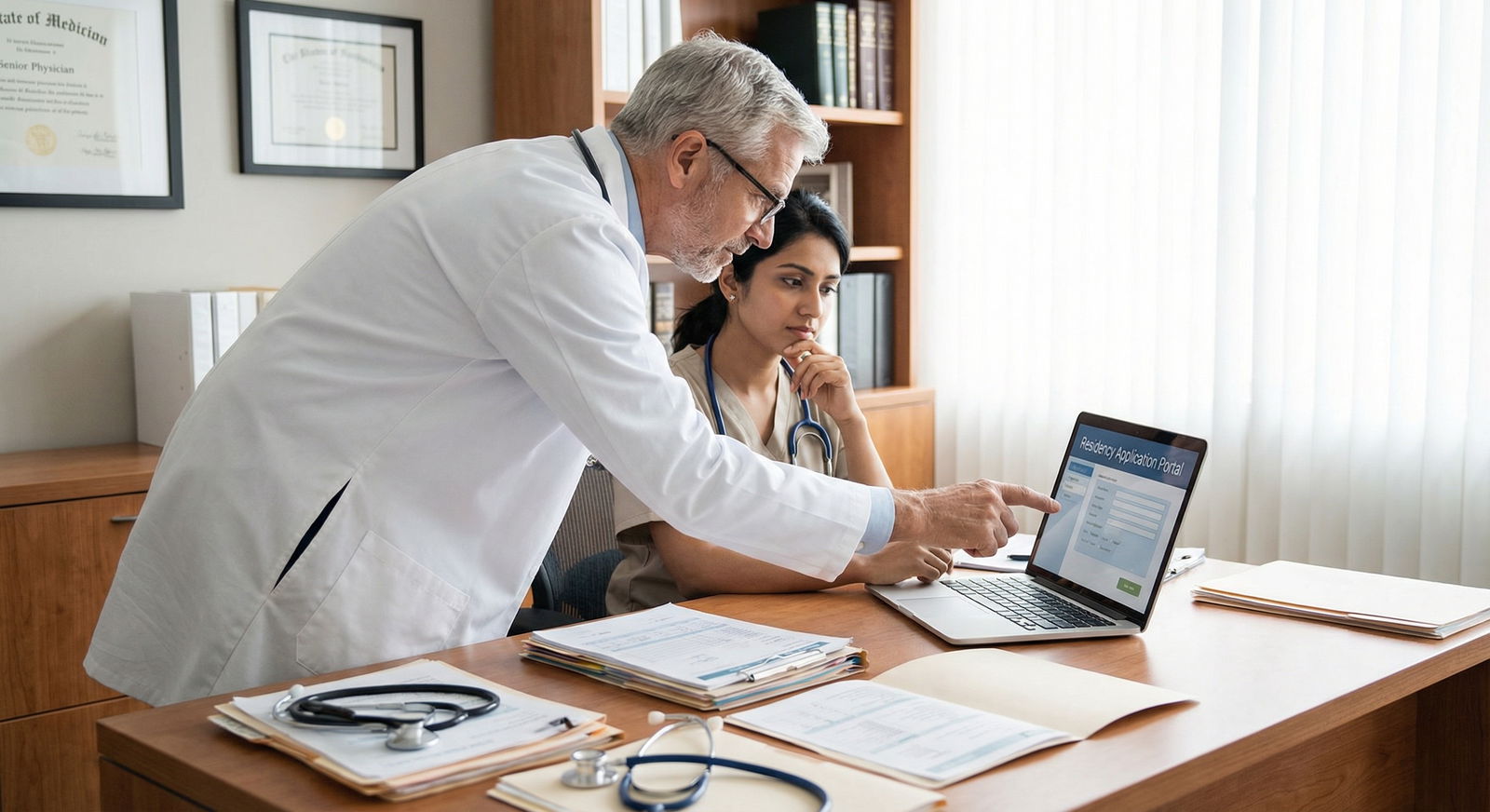
Practical Tips: How IMGs Can Strategically Pursue Clinical Exposure
To maximize the impact of Clinical Exposure on your Residency Applications, be intentional about the type and quality of experiences you pursue.
Types of Clinical Exposure Valuable for IMGs
Depending on the country and your status, look for:
- Observerships: Shadowing attendings and residents; ideal first step to learn the system
- Externships: More hands-on roles where you may take histories, present, and participate more actively (where permitted)
- Volunteer clinical roles: Free clinics, community health centers, or screening events
- Research with clinical components: Chart reviews, QI projects, or prospective studies involving patient interaction
- Paid clinical assistant/scribe roles: Where allowed, these positions give deep insight into documentation and workflow
Whenever possible, prioritize recent and specialty-aligned experiences (e.g., Internal Medicine exposure for an Internal Medicine applicant).
Finding and Securing Clinical Opportunities
Practical strategies include:
- Contacting academic hospitals’ international or education offices
- Reaching out directly to department coordinators or program directors via email with a concise CV and cover letter
- Using alumni networks from your medical school who practice in your target country
- Leveraging professional social media (e.g., LinkedIn) and IMG forums
- Exploring structured programs specifically designed for International Medical Graduates
Always verify that the opportunity is legitimate, complies with visa and regulatory rules, and clearly defines your role and responsibilities.
Presenting Clinical Exposure Effectively in Your Application
When documenting these experiences:
- Use clear titles (e.g., “Clinical Observership in Cardiology – XYZ University Hospital”)
- Include dates, setting (inpatient, outpatient), and approximate weekly hours
- Briefly describe your responsibilities and what you learned
- Highlight any specific projects, QI initiatives, or presentations you contributed to
In interviews and personal statements, focus on what you gained, how you grew, and how it prepared you to be a better resident.
FAQs: Clinical Exposure for International Medical Graduates
1. What types of clinical exposure are most valuable for IMGs applying for residency?
The most valuable experiences are recent, specialty-relevant, and supervised by local physicians. These include observerships, externships, clinical assistant roles, and meaningful volunteer clinical work. Ideally, you should have at least one experience in the specialty you are applying to (e.g., Internal Medicine, Family Medicine, Pediatrics) within the last 1–2 years.
2. How many months of clinical experience should IMGs aim for before applying?
There is no fixed rule, but many competitive IMGs target 3–6 months of relevant Clinical Exposure in the host country. Even 1–2 well-structured rotations can be very impactful if you perform strongly, obtain excellent letters, and can articulate clearly how they shaped your Medical Skills Development and understanding of the healthcare system.
3. Can observerships (without hands-on duties) still help my residency application?
Yes. Even purely observational experiences can significantly strengthen your profile if they are:
- In recognized teaching hospitals or relevant specialties
- Supervised by attendings who can write specific, detailed letters
- Used thoughtfully in your personal statement and interviews to highlight growth in clinical reasoning, system understanding, and communication
Where hands-on roles are limited by regulation, observerships remain a widely accepted form of Clinical Exposure for IMGs.
4. How can I balance clinical exposure with exam preparation and other responsibilities?
Time management is crucial. Consider:
- Scheduling intensive clinical experiences in blocks (e.g., 4–8 weeks), and blocking separate dedicated study periods
- Studying during off-hours using cases you encounter clinically as anchors for exam topics
- Choosing clinical roles with predictable hours if you are close to exam dates
- Setting weekly goals for both exam content and clinical skills to ensure balanced progress
The key is purposeful planning rather than trying to do full-time clinical work and full-time exam prep simultaneously for long periods.
5. What if I graduated several years ago—can clinical exposure still help overcome a gap?
Yes. For IMGs with a gap since graduation, recent, well-documented Clinical Exposure is one of the most effective ways to show that you:
- Have maintained and updated your clinical knowledge
- Are still engaged and committed to clinical practice
- Understand current guidelines and local standards of care
Programs are more likely to consider applicants with older graduation dates if they see evidence of ongoing, structured involvement in clinical medicine.
Clinical exposure is more than a checkbox on an IMG’s to-do list; it is the bridge between your international training and a successful career in your new healthcare system. By strategically seeking, maximizing, and showcasing these experiences, you strengthen your candidacy, accelerate your Medical Skills Development, expand your Healthcare Networking, and position yourself as a resilient, adaptable, and valuable future resident.