
How Hands-On Patient Interaction Affects IMG Competitiveness in U.S. Residency
Introduction: Why Clinical Experience Matters More Than Ever for IMGs
For International Medical Graduates (IMGs), the U.S. residency application process can feel like climbing a steep mountain with limited gear. Even with strong exam scores, publications, and years of training, many IMGs discover that one element consistently distinguishes successful applicants: recent, meaningful, hands-on patient interaction within the U.S. healthcare system.
In the current residency climate—where programs receive thousands of applications for a limited number of positions—demonstrating robust Clinical Skills, mature Patient Interaction, and familiarity with U.S. Healthcare Protocols is no longer optional. It is a strategic necessity.
This article explores:
- Why hands-on clinical experience is so critical for IMG competitiveness
- How patient-facing work shapes your application, performance, and professional identity
- Concrete strategies to secure and maximize these opportunities
- Practical ways to showcase this experience in Residency Applications
The goal is to help you turn your clinical involvement into a compelling, evidence-based story of readiness for U.S. residency.
Understanding the IMG Challenge in Residency Applications
The Unique Landscape for International Medical Graduates
International Medical Graduates bring rich diversity, broad medical exposure, and often significant clinical maturity. Yet many face structural and perceptual challenges, including:
- Limited U.S. clinical experience: Many IMGs trained and practiced in healthcare systems very different from the U.S. model.
- Perceptions about training quality: Program directors may be less familiar with foreign medical schools and uncertain about curriculum rigor.
- Concern about system adaptation: Programs need reassurance that candidates can quickly adapt to U.S.-specific workflows, documentation, and expectations.
- Recency of clinical training: Some IMGs have a gap between graduation and application, raising questions about current competence.
Hands-on patient interaction within the U.S. system directly addresses these concerns. It converts theoretical reassurance into observable performance.
Competitiveness Beyond Scores: What Programs Really Look For
Strong USMLE/COMLEX scores and a solid academic record are essential, but they do not guarantee interviews or a match. Program directors consistently report that they value:
- Proven ability to function in a U.S. clinical setting
- Strong interpersonal skills and bedside manner
- Demonstrated teamwork and communication with healthcare professionals
- Understanding and respect for U.S. Healthcare Protocols and safety standards
- Evidence of professionalism, reliability, and accountability
Hands-on clinical experience—especially in direct Patient Interaction roles—provides tangible proof that you are not only book-smart, but practice-ready.
The Role of Hands-On Patient Interaction in IMG Development
What Counts as Hands-On Patient Interaction?
Hands-on patient interaction includes any supervised activity where you directly contribute to patient care, such as:
- Taking comprehensive histories and performing focused physical exams
- Presenting patients to supervising physicians or teams
- Participating in diagnostic reasoning and management planning
- Performing basic procedures (e.g., IV placement, wound care, suturing, ECGs) within your allowed scope
- Counseling patients on diagnoses, medications, and lifestyle modifications
- Participating in rounds, handoffs, and interprofessional discussions
- Documenting encounters in medical records under supervision
This differs significantly from purely observational roles. Programs want to see that you have functioned as an active contributor, not just a passive observer.
How Hands-On Experience Sharpen Clinical Skills
Hands-on Patient Interaction is where theoretical knowledge becomes real-world competence. It strengthens key components of Clinical Skills that residency programs value:
1. Clinical Reasoning in Real Time
Working with actual patients forces you to:
- Generate and refine differential diagnoses
- Prioritize investigations and management plans
- Recognize red-flag symptoms that require urgent attention
- Balance guidelines with individual patient circumstances
Example: Presenting a patient with chest pain and walking through your assessment—stability, risk factors, ECG interpretation, and differential—from GERD to NSTEMI—demonstrates reasoning far more than citing textbook criteria.
2. Communication and Bedside Manner
Frequent Patient Interaction develops:
- Clear, empathetic communication with patients and families
- Ability to explain complex medical issues in simple language
- Skills in delivering difficult news with sensitivity
- Cultural humility when working with diverse populations
These experiences translate directly to interview scenarios where you may be asked about challenging patient interactions or ethical dilemmas.
3. Practical and Procedural Competence
Consistent exposure builds:
- Comfort with routine bedside skills (vital signs, physical exam maneuvers)
- Technical skills (phlebotomy, injections, ECGs, basic suturing, etc., depending on role)
- Awareness of sterilization, infection control, and patient safety practices
Programs want residents who can begin contributing safely and efficiently from day one. Demonstrating recent clinical practice shows that your skills are current and usable.
Building Confidence and Professional Identity
Hands-on clinical work does more than build skills; it shapes how you see yourself as a clinician:
- Confidence in clinical judgment: Managing real patients under supervision reinforces that you can apply your knowledge in high-stakes environments.
- Comfort in U.S. clinical culture: You learn how teams communicate, how rounds are run, and how expectations are set.
- Professional presence: Repeatedly introducing yourself as a member of the care team, discussing cases, and participating in decision-making builds the professional identity residency programs look for.
This confidence is critical in residency interviews, where your demeanor and ability to discuss patient care convincingly may decide whether you move up the rank list.
Familiarity with U.S. Healthcare Protocols and Systems
One of the biggest unknowns for programs evaluating IMGs is: “Can this applicant function in our system?”
Hands-on Patient Interaction in U.S.-based settings helps you learn:
1. Documentation and Legal Standards
- How to write concise, structured notes (H&P, progress notes, discharge summaries)
- Appropriate use of electronic health records (EHRs)
- Legal and regulatory requirements around documentation
2. HIPAA, Privacy, and Ethics
- U.S.-specific confidentiality rules (HIPAA)
- Informed consent processes and documentation
- Ethical decision-making in shared decision-making models
3. Billing, Insurance, and Access to Care
- Basic awareness of private insurance, Medicare/Medicaid, and uninsured care
- How coverage influences diagnostic and treatment decisions
- The social determinants of health in U.S. communities
4. Team-Based and Interdisciplinary Care
- Collaborating with nurses, pharmacists, social workers, therapists, and case managers
- Participating in multidisciplinary rounds and discharge planning
- Learning when and how to escalate care or consult other services
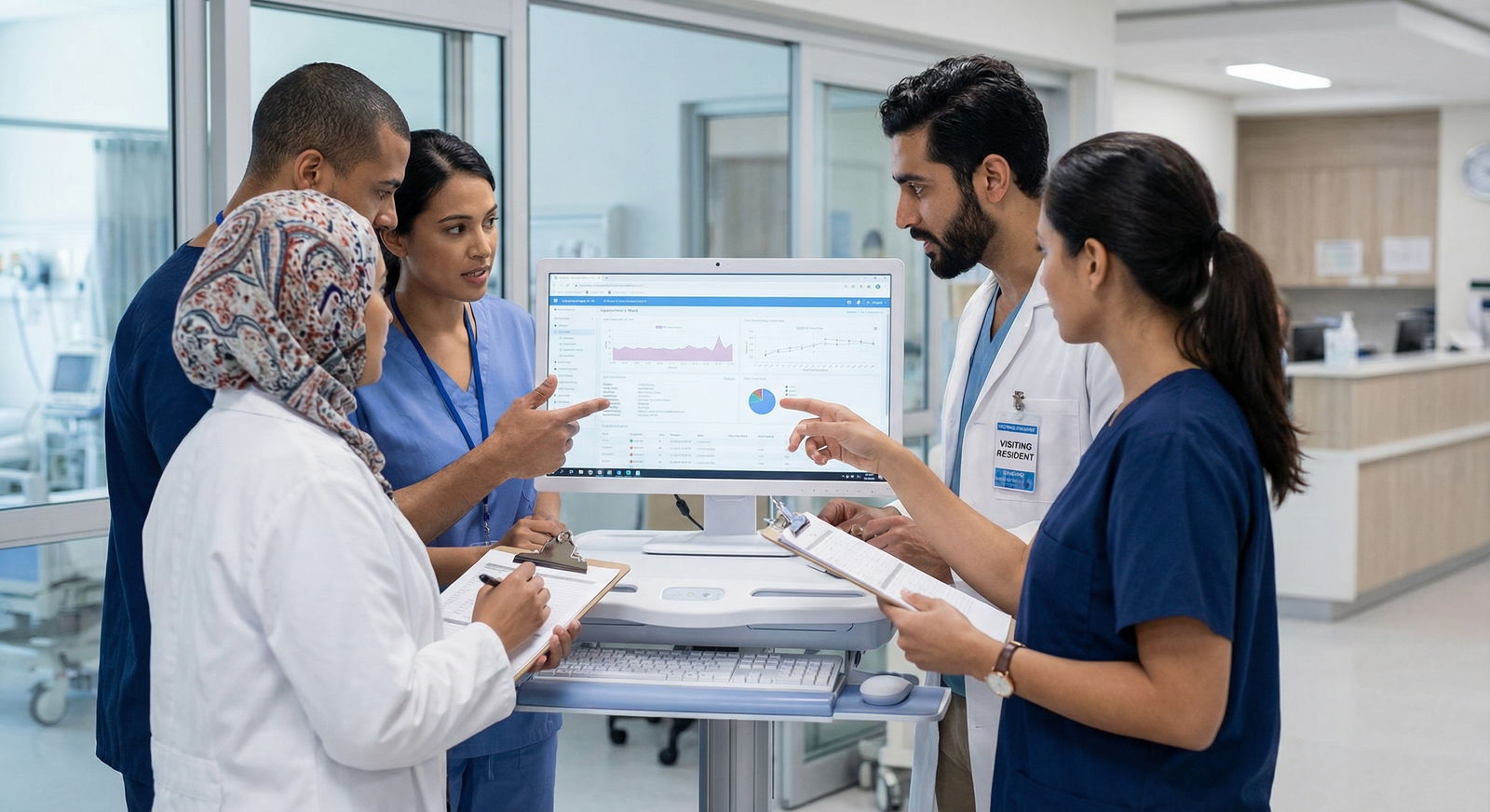
All of this reassures programs that you understand how U.S. Healthcare Protocols shape day-to-day decision-making and patient flow.
How Hands-On Experience Directly Increases IMG Competitiveness
Transforming Your Application Profile
Hands-on clinical experience directly impacts several high-value elements of your Residency Application:
1. Strong, Credible U.S. Letters of Recommendation (LoRs)
Perhaps the single biggest benefit is the ability to earn robust, personalized letters from U.S. physicians who have directly observed you with patients. High-impact letters usually mention:
- Your Clinical Skills in specific patient cases
- Your communication style and teamwork
- Your reliability, work ethic, and professionalism
- Your adaptability to U.S. Healthcare Protocols
- Comparisons to U.S. graduates or residents they have worked with
Programs trust these letters because they come from colleagues who understand U.S. residency expectations.
2. Authentic, Compelling Personal Statements
Hands-on patient work gives you real stories:
- The complex case you managed with your attending
- A challenging communication scenario with a worried family
- An ethical dilemma that helped shape your professional values
- A moment that re-affirmed your commitment to a specialty
Specific, reflective accounts are far more persuasive than generic narratives about “passion for medicine.”
3. Stronger Interview Performance
When you have real clinical experience to draw from, you can:
- Answer behavior-based questions (“Tell me about a time when…”) with concrete examples
- Discuss cases using appropriate clinical language and structure
- Highlight how you adapted your previous training to the U.S. system
- Demonstrate maturity by reflecting on mistakes, feedback, and growth
Interviewers can quickly tell who has truly worked with patients in the U.S. versus who is speaking only from textbooks.
Bridging Training Gaps and Demonstrating Growth
Hands-on experience also helps you:
- Bridge gaps in clinical practice: If you have a multi-year gap since graduation, recent clinical work shows that your skills have been refreshed.
- Align with U.S. expectations: You can show that you understand clinical priorities, workflow, and patient expectations in U.S. settings.
- Demonstrate continuous professional development: Programs favor candidates who show initiative in updating and refining their skills.
Standing Out—Sometimes Even Above Domestic Graduates
In many programs, IMGs with strong hands-on U.S. clinical experience are perceived as:
- More experienced in managing diverse, complex pathologies
- Highly motivated and resilient, having navigated substantial barriers
- Culturally competent and able to relate to diverse patient populations
When you combine international training with demonstrated U.S. Patient Interaction, you bring a global perspective plus proven adaptability—an attractive combination for many residency directors.
Practical Ways for IMGs to Secure Hands-On Patient Interaction
1. Clinical Volunteering in Patient-Facing Roles
Volunteering is often the most accessible starting point and can still provide meaningful Patient Interaction and exposure to Healthcare Protocols. Consider:
- Free clinics and community health centers
- Roles may include triage, patient education, history-taking under supervision, and basic vitals.
- Hospital volunteer programs
- Some roles allow interaction on wards, though hands-on clinical tasks may be limited.
- Public health or mobile clinic initiatives
- Opportunities to engage in screening, counseling, and health education, especially in underserved communities.
Tips to maximize value:
- Choose positions with direct patient contact where possible.
- Ask for increasing responsibility as you build trust and prove reliability.
- Maintain a professional demeanor—punctuality, dress, communication—so supervisors view you as a future resident, not just a volunteer.
2. Structured Clinical Externships and Hands-On Rotations
Clinical externships (paid or unpaid) designed for International Medical Graduates can offer:
- Supervised participation in history-taking, exams, and presentations
- Exposure to inpatient and/or outpatient settings
- Opportunities to attend grand rounds and teaching conferences
- A pathway to strong letters of recommendation
When evaluating externship programs:
- Ensure they offer true hands-on experience, not just shadowing
- Confirm that supervising physicians are willing to provide written evaluations or LoRs
- Check if the program is recognized or recommended by previous IMGs (read reviews, ask peers)
3. Shadowing With Active Engagement
Traditional shadowing is typically observational, but you can still create meaningful learning and some Patient Interaction by:
- Asking permission to collect basic histories before the physician enters (when permitted)
- Practicing note-writing and case presentations to your preceptor (even if not in the chart)
- Discussing differential diagnoses and management plans after encounters
- Requesting feedback on your clinical reasoning and communication skills
Shadowing is particularly useful for:
- Understanding clinic flow and documentation processes
- Learning specialty-specific expectations and pacing
- Building rapport with potential letter writers
4. Clinically Oriented Research and Quality Improvement
While research is sometimes viewed as separate from direct patient care, many projects involve:
- Enrolling patients in clinical studies
- Conducting structured interviews or patient surveys
- Working on quality improvement (QI) initiatives that change bedside practices
- Participating in chart reviews that deepen your understanding of real-world management
Highlight how your research involvement:
- Improved patient outcomes or safety
- Required understanding of institutional Healthcare Protocols
- Involved interdisciplinary collaboration
5. Employment in Patient-Facing Roles (Where Allowed)
Depending on visa status and licensure rules in your state, some IMGs work in roles such as:
- Medical assistant
- Patient care technician
- Scribe with active participation in patient interviews
- Health educator or care coordinator
Even if these positions do not use your full medical training, they provide:
- Daily Patient Interaction in U.S. settings
- Exposure to documentation, workflows, and team structures
- Opportunities to build relationships that may lead to stronger references or clinical roles
Maximizing the Impact of Your Hands-On Experience
Gaining the experience is only half the battle; you also need to present it effectively in your Residency Applications.
Document and Reflect on Your Clinical Work
Keep a structured log that includes:
- Dates and locations of each role or rotation
- Type of setting (hospital, clinic, specialty)
- Scope of duties and any procedures performed
- Memorable clinical cases and what you learned
- Feedback received and how you improved
This log will help you craft your CV, Personal Statement, and interview responses with precision.
Translate Experience into Program-Relevant Language
When describing your hands-on experience:
- Use terms familiar in U.S. residency (e.g., “pre-rounding,” “sign-out,” “SOAP notes”)
- Emphasize skills that align with ACGME core competencies: Patient Care, Medical Knowledge, Professionalism, Communication, Systems-Based Practice, Practice-Based Learning.
- Highlight specific examples of teamwork, leadership, and systems navigation.
Seek Feedback and Mentorship
Ask supervising physicians and senior staff to:
- Give you honest feedback on your Clinical Skills and Patient Interaction
- Help you identify specialties that match your strengths and interests
- Review your Personal Statement or CV from a program director’s perspective
- Advise you on where to apply given your profile and experience
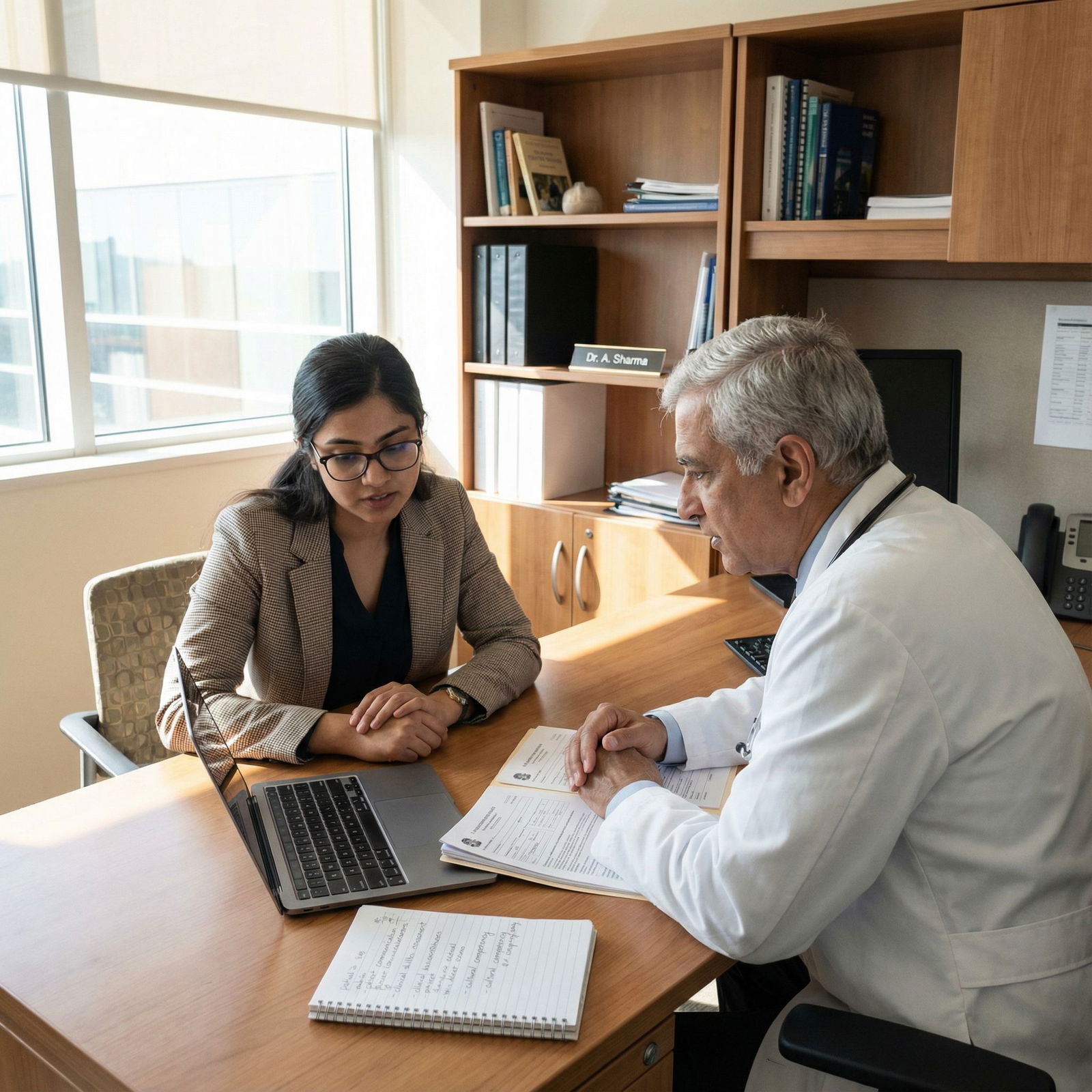
Mentorship grounded in your actual clinical performance is more valuable than generic advice.
FAQs: Hands-On Patient Interaction and IMG Residency Competitiveness
1. What types of hands-on patient interactions are most valuable for IMGs?
The most valuable experiences are those that are:
- Recent (within 1–3 years of applying)
- Supervised by U.S.-licensed physicians
- Active, not purely observational, including:
- Taking histories and performing exams
- Presenting patients and discussing management
- Participating in procedures where allowed
- Counseling patients and families
Formal clinical externships, hands-on observerships with active participation, and patient-facing volunteer roles in U.S. settings are especially impactful.
2. How many months of U.S. hands-on clinical experience should I aim for?
There is no official minimum, but many competitive IMGs aim for:
- 3–6 months of well-structured U.S. clinical experience, ideally in their chosen specialty
- At least 2–3 rotations where strong Letters of Recommendation can be obtained
More is not always better; the quality, relevance, and recency of your experience, and the strength of relationships you build, matter more than raw duration.
3. Can I still be competitive if my experience is mainly volunteer-based and unpaid?
Yes. Residency programs care what you did and what you learned, not whether you were paid. Volunteer roles can still provide:
- Significant Patient Interaction
- Exposure to Healthcare Protocols and teamwork
- Strong letters from supervisors
Be sure to:
- Clearly describe your responsibilities (e.g., “conducted structured histories,” “provided diabetes education”)
- Obtain detailed evaluations or recommendation letters that validate your contribution
4. How can I balance studying for exams (USMLE/COMLEX) with gaining clinical experience?
Balancing both is challenging but feasible:
- Consider part-time roles (1–3 days per week) during more intense study periods
- Use clinical cases to reinforce exam concepts—turn patient encounters into mini-board questions
- Schedule full-time clinical experiences (e.g., blocks of 4–8 weeks) after major exam milestones
- Protect specific hours each day for focused study, especially during rotations that are less demanding
Programs understand that exam preparation is time-consuming, but they also want evidence that you can apply that knowledge clinically.
5. What if my hands-on experience is mostly outside the U.S.—does that still help?
Non-U.S. clinical experience absolutely helps demonstrate:
- Clinical maturity
- Breadth of exposure to disease and resource settings
- Commitment to patient care
However, for U.S. Residency Applications, you should still try to obtain some U.S.-based experience to show:
- Familiarity with U.S. Healthcare Protocols
- Ability to work in English in fast-paced clinical environments
- Adaptability to local documentation, teamwork, and expectations
If your U.S. exposure is limited, emphasize how your international experience built resilience, cultural competence, and problem-solving skills, and show how your U.S. rotations (even if brief) helped you adapt those skills to the local system.
By intentionally seeking and maximizing hands-on patient interaction, International Medical Graduates can move from being “unknown quantities” in the eyes of program directors to confident, proven clinicians. This clinical experience not only strengthens your Residency Applications, but also lays a solid foundation for a successful, sustainable career in U.S. medicine.