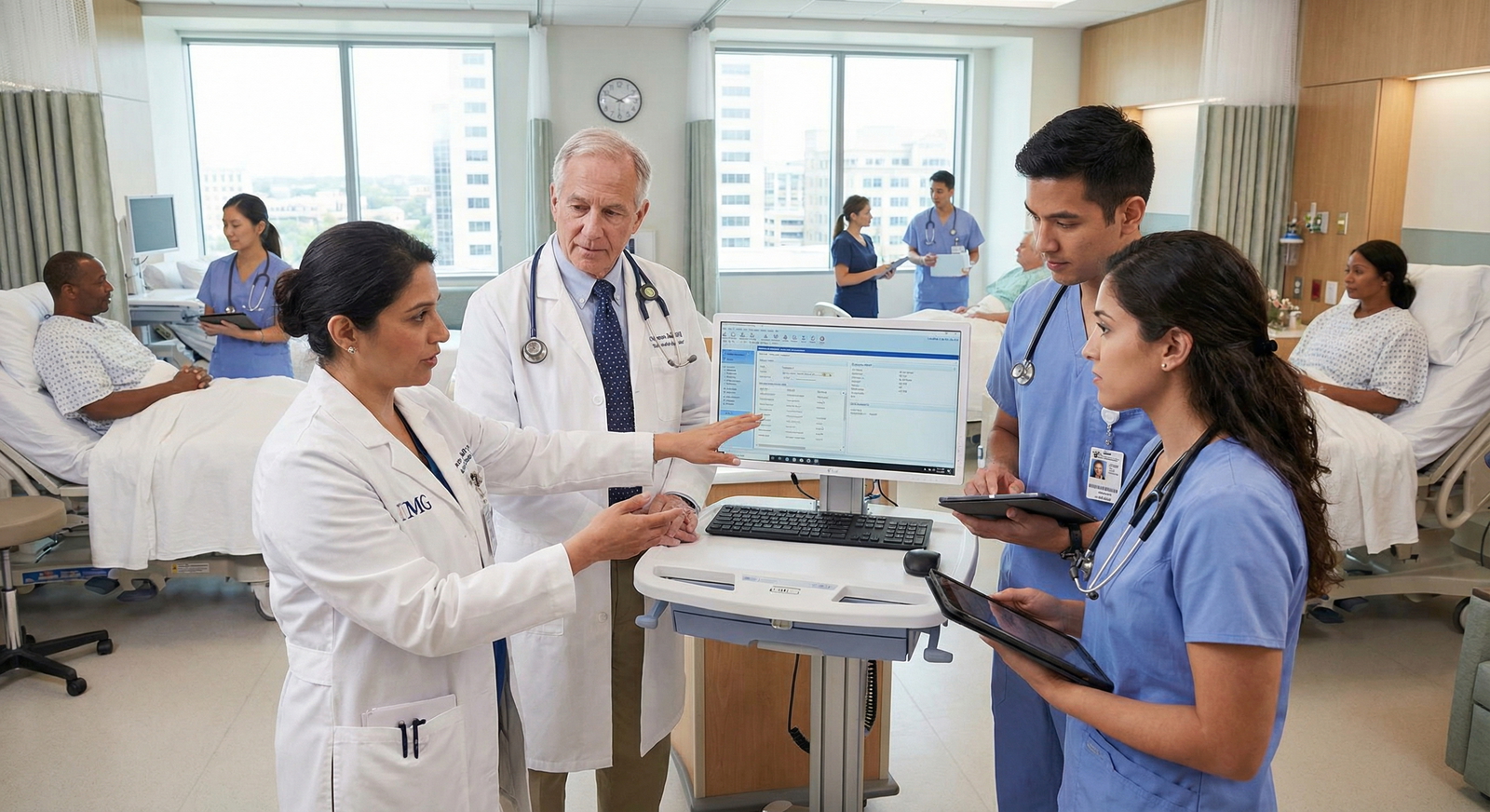
Hands-On Clinical Experience: The Secret Ingredient to IMG Residency Success
International Medical Graduates (IMGs) face a uniquely challenging path as they pursue medical careers and residency positions in the United States and other foreign healthcare systems. Strong exam scores, impressive academic records, and solid letters of recommendation are all critical—but alone, they are rarely enough.
What consistently distinguishes successful IMGs in the residency match is meaningful, hands-on clinical experience in the country where they hope to practice.
This enhanced guide explains why clinical experience is so important for IMGs, outlines the different types available, and offers concrete strategies to find, maximize, and leverage these opportunities for residency preparation and long-term medical careers.
Why Hands-On Clinical Experience Is Essential for IMGs
1. Bridging the Gap Between Theoretical Knowledge and Real-World Practice
Many IMGs arrive with strong theoretical foundations and excellent test scores but limited recent exposure to a U.S.-style clinical environment. Residency program directors are not just asking, “Can this applicant pass exams?” but also, “Can this applicant function safely and effectively on day one of residency?”
Hands-on clinical experience helps you:
Apply textbook knowledge to real patients
For example, understanding heart failure from lectures is very different from:- Managing a volume-overloaded patient
- Adjusting diuretics based on labs and symptoms
- Coordinating discharge planning and follow-up
Develop clinical reasoning in context
You learn:- How to prioritize differential diagnoses
- When to escalate to your attending
- How to balance guideline-based medicine with real-world limitations (insurance, access, social determinants)
Build procedural and examination skills
Even basics like taking vital signs, performing focused physical exams, or writing progress notes become more natural with repetition in a real clinic or hospital.
Residency programs value IMGs who have already made this transition from theory to practice. Documented, recent clinical experience signals that you can “hit the ground running.”
2. Meeting Accreditation and Program Requirements
Hands-on Clinical Experience is not only beneficial—it is often expected:
Many U.S. residency programs require or strongly prefer recent U.S. clinical experience (USCE).
“Recent” is typically defined as within the last 1–2 years at the time of application.Licensing boards and credentialing bodies may ask for documentation of supervised clinical activity in the U.S. or equivalent system, especially for:
- Full licensure
- Hospital privileges
- Employment in larger health systems
Some specialties (e.g., internal medicine, family medicine, pediatrics) rely heavily on evidence of your U.S. clinical readiness, especially if you have been out of medical school for several years.
Without this clinical exposure, even a strong IMG application can be filtered out early in the selection process.
3. Strengthening Communication and Professionalism Skills
Residency selection is deeply influenced by your ability to interact with patients and teams—not just your knowledge.
Hands-on experience allows you to:
Practice patient-centered communication
- Delivering bad news with empathy
- Handling language barriers (with interpreters when needed)
- Clarifying treatment plans in simple, non-technical language
Refine professional communication with colleagues
- Presenting concise patient cases to attendings
- Giving and receiving feedback
- Communicating effectively with nurses, case managers, and allied health professionals
Adjust to cultural expectations in healthcare
- Understanding U.S. norms around patient autonomy and shared decision-making
- Navigating complex issues like informed consent and confidentiality
- Building trust across diverse cultural and socioeconomic backgrounds
Residency programs need to be confident that you can interact respectfully and clearly with both patients and multidisciplinary teams from day one.
4. Learning the U.S. Healthcare System from the Inside
Each country’s health system has unique workflows, regulations, and expectations. Clinical experience in the U.S. provides essential exposure to:
Electronic medical records (EMRs)
Learning documentation standards, order entry, and how to efficiently navigate systems like Epic, Cerner, or Meditech.Clinic and hospital workflows
- Pre-rounding, rounding, and handoffs
- Interdisciplinary meetings and case conferences
- Discharge planning and follow-up coordination
Regulatory and billing concepts (at a practical level)
- Importance of accurate documentation for coding and billing
- Quality metrics and performance measures
- Risk management and patient safety protocols
Cultural and social context of care
- Social determinants of health
- Insurance and access issues
- Community resources and referral patterns
Demonstrating that you understand and can function within this environment reassures residency programs that the transition from IMG to resident physician will be smoother.
5. Clarifying Your Specialty Choice and Career Direction
Many IMGs arrive with an intended specialty—but lack in-depth, country-specific exposure. Hands-on clinical experience can:
Confirm or reshape your specialty interest
Exposure to real practice may:- Solidify your passion for internal medicine or psychiatry
- Reveal new interests in specialties like geriatrics, palliative care, or hospital medicine
- Help you recognize when a lifestyle or scope of practice doesn’t fit your goals
Showcase specialty-specific strengths
- In surgery: manual dexterity, teamwork in the OR, crisis management
- In psychiatry: communication, empathy, therapeutic alliance
- In pediatrics: family-centered care and developmental assessment
Help you craft a focused, credible personal statement
Residency committees value applicants who can explain why a specialty fits them, supported by clear experiences and concrete examples.

Key Types of Hands-On Clinical Experience for IMGs
Different forms of clinical experience can strengthen your residency preparation in different ways. Many applicants use a combination to build a strong portfolio.
1. Externships: High-Value Hands-On Clinical Experience
What they are:
Externships are structured clinical placements (often for IMGs or medical students) that allow direct involvement in patient care under supervision. They are often considered the closest equivalent to U.S. medical student clerkships.
Typical features:
- Direct patient interaction (history-taking, physical exams)
- Participation in clinical decision-making and management plans
- Writing or assisting with notes, discharge summaries, and orders (within program rules)
- Regular feedback from preceptors
- Often based in community clinics, private practices, or teaching hospitals
Example:
An IMG interested in internal medicine completes a 12-week externship at a community hospital. Under supervision, they:
- Admit patients
- Present cases on rounds
- Help develop management plans
- Get detailed evaluations and a strong specialty-specific letter of recommendation
Advantages for residency preparation:
- Provides substantive USCE that many programs specifically ask for
- Generates strong, personalized letters of recommendation from U.S. physicians
- Demonstrates that you can function in a U.S. clinical environment with real responsibility
2. Observerships: Valuable Clinical Exposure When Hands-On Roles Are Limited
What they are:
Observerships are shadowing-type experiences where you mainly observe rather than directly treat patients. They are particularly common in hospitals that restrict hands-on work for non-licensed physicians.
Typical activities:
- Shadowing attending physicians during patient visits, rounds, or surgeries
- Attending teaching conferences, grand rounds, and case presentations
- Learning documentation style, clinical reasoning, and workflow by observation
- Discussing cases with your preceptor outside patient rooms
Example:
An IMG joins an observership in cardiology at a large academic medical center. They:
- Shadow attendings and fellows on rounds
- Observe echocardiograms and catheterizations
- Attend cardiology conferences and case discussions
Pros and limitations:
Pros:
- Access to prestigious hospitals or academic centers
- Insight into advanced diagnostic and therapeutic approaches
- Potential letters of recommendation if you demonstrate strong engagement
Limitations:
- Minimal or no direct patient interaction
- May carry less weight than true hands-on externships
- You must be especially proactive to stand out and learn
Observerships are still valuable—particularly when externships are unavailable—but should ideally be combined with more hands-on roles when possible.
3. Volunteering in Clinical and Community Health Settings
Volunteering offers an accessible way to gather clinically relevant experience and demonstrate your commitment to service.
Possible volunteer roles include:
- Clinics for uninsured or underinsured patients
- Community health centers or free clinics
- Health fairs and screening events (blood pressure checks, glucose screening, vaccinations)
- Hospital volunteer programs (e.g., patient liaison roles, interpreter services)
Example:
An IMG volunteers weekly at a free clinic. They:
- Take basic histories and vitals (under supervision)
- Help with health education on diabetes and hypertension
- Coordinate referrals and follow-up appointments
Residency-relevant benefits:
- Shows long-term commitment to patient care and community health
- Provides concrete stories and experiences for your personal statement and interviews
- Can lead to healthcare networking opportunities with physicians, nurses, and clinic leaders
Volunteering is especially valuable if your formal clinical roles are limited or delayed—continuity and consistency over time matter.
4. U.S. Clinical Rotations / Electives During Medical School
For IMGs who are still in medical school or in recent training, U.S. clinical electives or clerkships can be among the strongest forms of experience.
Key features:
- Structured, graded rotations (similar to those done by U.S. medical students)
- Direct patient care responsibilities under faculty supervision
- Integration into academic teaching conferences, rounds, and call schedules
- Eligible for strong, detailed evaluations and letters of recommendation
Example:
A final-year medical student from abroad completes 8 weeks of U.S. electives in internal medicine and neurology at an academic center. Their evaluations specifically compare them favorably to U.S. medical students, which strongly supports their residency application.
Advantages:
- Highly valued by residency programs
- Offers an “apples-to-apples” comparison against U.S. graduates
- Can help you build sustained relationships in your target specialty/program
If you are still in training, prioritize arranging these electives as early as possible; spots are limited and competitive.
5. Research Assistant or Clinical Research Positions
Although research is not always considered “hands-on clinical experience” in the strict sense, clinical or translational research roles can significantly strengthen your application, especially when combined with some clinical exposure.
Typical research activities:
- Enrolling patients in clinical trials
- Conducting chart reviews and data collection
- Participating in journal clubs and writing abstracts/manuscripts
- Attending clinical conferences with the research team
Example:
An IMG joins a cardiology research group studying heart failure readmissions. They:
- Screen patients for eligibility during clinic visits
- Collect follow-up data
- Help present a poster at a national conference
Benefits:
- Builds evidence-based medicine skills
- Can generate publications, presentations, and academic achievements
- Expands your healthcare networking with faculty, fellows, and residents
- May coexist with part-time clinical or volunteer work for a well-rounded profile
Strategies to Find and Secure High-Quality Clinical Experience
Hands-on clinical experience rarely “just happens”—you must approach it strategically and persistently.
1. Build and Use Your Professional Network Intentionally
Healthcare networking is one of the most powerful tools for IMGs.
Practical steps:
Leverage personal connections
- Classmates, alumni, former faculty, and colleagues already in the U.S.
- Ask for introductions to attendings or clinics open to hosting IMGs.
Join professional organizations
- American Medical Association (AMA), specialty societies (ACP, AAFP, APA, etc.)
- State and local medical societies with sections for IMGs or residents
Use LinkedIn effectively
- Create a professional profile highlighting your training and goals
- Connect with physicians, residents, and researchers in your specialty
- Politely message potential mentors or supervisors, attaching a brief CV
Attend conferences and local events
- Introduce yourself to speakers and panelists
- Follow up by email with a concise thank-you and your interest in clinical experience opportunities
Many IMGs obtain their first U.S. opportunity through a single relationship—treat networking as a core part of your residency preparation, not an afterthought.
2. Leverage Medical School and Alumni Resources
If you are still affiliated with a university or recent graduate:
Contact your dean’s office or international office
- Ask about existing partnerships with U.S. institutions
- Inquire about recommended observership or elective programs
Engage your alumni network
- Many alumni now in U.S. residency or practice are open to mentoring IMGs from their alma mater
- Request informational interviews; ask about how they found their clinical experience
Explore formal exchange or elective programs
- Some U.S. academic centers have structured pathways for international students to do electives, observerships, or research
A single institutional connection can open doors to multiple types of experience.
3. Systematically Research Local and National Programs
Be proactive and organized in your search:
Search hospital and clinic websites for:
- “IMG observership program”
- “International physician program”
- “Visiting scholar” or “visiting clinician” opportunities
Use state medical board and specialty society websites
- They may list affiliated institutions or recommend policies for foreign-trained physicians
Look beyond major academic centers
- Community hospitals, private practices, FQHCs, and rural clinics may be more open to externships and hands-on roles
Create a spreadsheet tracking:
- Program name and location
- Type of experience (externship, observership, research, volunteer)
- Requirements (USMLE steps, visas, immunizations, fees)
- Application deadlines and contact information
- Date of contact and responses
4. Craft Strong, Targeted Applications
Once you identify opportunities:
Update and tailor your CV
- Highlight relevant clinical experience, skills, and language abilities
- Emphasize any leadership, teaching, or research involvement
Write focused cover letters/emails
- Briefly introduce who you are, your training, and your goals
- Explain why you are interested in that clinic/hospital/specialty
- Mention how you hope to contribute and what you want to learn
Prepare supporting documents in advance
- USMLE score reports (if available)
- Medical school diploma or transcripts
- Immunization records, background checks, health insurance documentation
Showing professionalism, clarity, and organization in your application process itself makes a strong impression.
5. Stay Persistent and Strategic Despite Rejections
Competition for quality positions is intense. Many IMGs face multiple rejections or long delays.
To stay on track:
- Apply broadly and early—not just to “top” institutions
- Follow up respectfully if you don’t hear back in 2–3 weeks
- Consider starting with an observership or volunteer role, then transitioning to an externship or more hands-on role at the same site once you prove yourself
- Continue strengthening your profile while searching (e.g., online CME courses, research collaborations, language skills)
Persistence and a professional attitude often differentiate those who eventually secure strong clinical experiences from those who give up too early.
How to Maximize and Leverage Your Clinical Experience for Residency
Securing the opportunity is just the beginning. What you do during and after the experience determines its impact on your residency application.
1. Act Like a Future Resident, Not a Passive Observer
Regardless of formal limitations:
- Arrive early, prepared, and professionally dressed
- Pre-read about common conditions you see in that setting
- Ask for feedback on your presentations, notes, and interactions
- Volunteer for tasks within your permitted scope (e.g., follow-up calls, patient education, case summaries)
Program directors often ask attendings: “Would you be comfortable having this person as a resident?” Your daily behavior should make the answer “yes.”
2. Build Strong Relationships and Mentorship
During your clinical experience:
- Identify attendings, fellows, or residents who take an interest in your development
- Request regular feedback and ask about ways to improve
- Near the end, ask for:
- A letter of recommendation, if appropriate
- Permission to keep in touch for guidance during the match process
- Opportunities to extend your role (e.g., research, QI projects)
Effective mentors can support you for years, not just during one rotation.
3. Document Your Impact and Learning
Keep a running record of:
- Number and type of patients seen (approximate)
- Common conditions and procedures you were involved in
- Specific cases that demonstrate growth or insight
- Any quality improvement, teaching, or leadership contributions
This documentation will help you:
- Write a richer personal statement
- Answer interview questions with concrete examples
- Fill out ERAS experiences with clear, measurable descriptions
4. Translate Experience into a Strong Application Narrative
Use your clinical experiences to:
- Clarify your specialty choice in your personal statement and interviews
- Demonstrate fit with U.S. medical culture and healthcare teams
- Highlight resilience, adaptability, and professionalism
- Provide evidence for your clinical competencies and communication skills
Residency programs are not only reading a list of experiences—they are looking for a coherent story that explains who you are as a developing physician.

FAQ: Hands-On Clinical Experience for International Medical Graduates
1. What is the difference between an externship and an observership for IMGs?
Externship:
- Involves direct participation in patient care under supervision
- May include history-taking, physical exams, progress notes, and orders (depending on site rules)
- Typically seen by residency programs as stronger, hands-on clinical experience
- More likely to generate detailed letters of recommendation about your clinical abilities
Observership:
- Primarily shadowing and observing clinical encounters and procedures
- Usually no direct patient contact or documentation responsibilities
- Still valuable for understanding workflows, communication, and specialty culture
- Often easier to obtain in large hospitals but may carry slightly less weight
When possible, prioritize externships while still recognizing the value of observerships, especially at respected institutions.
2. How much U.S. clinical experience do IMGs need for a competitive residency application?
There is no universal minimum, but general guidance is:
- Aim for at least 2–3 months of recent U.S. clinical experience, ideally in your intended specialty or closely related fields
- More experience (6–12 months) can be helpful if:
- You graduated several years ago
- You are changing specialties
- Your earlier clinical exposure was limited
Quality and relevance matter more than just quantity. A few well-structured, high-quality experiences with strong letters can be more impactful than many short, superficial observerships.
3. Does research experience count as clinical experience for IMGs?
Research is not usually counted as direct clinical experience, but it is still highly valuable:
- Clinical research involving patient contact (e.g., trial enrollment, follow-up) can demonstrate skills in communication, professionalism, and evidence-based practice
- Research strengthens your academic profile, especially if it leads to:
- Publications or conference presentations
- Strong letters from research mentors
- Clear understanding of current evidence in your specialty
Ideally, combine at least some hands-on or clinical exposure with research to present a well-rounded application.
4. How can I highlight my hands-on clinical experience in ERAS and my CV?
To present your experiences effectively:
- Use clear headings (Externship, Observership, Volunteer Clinical Experience, Clinical Elective)
- For each entry, include:
- Institution name, location, and dates
- Supervisor’s name and specialty
- Concise bullet points describing:
- Your clinical responsibilities
- Skills acquired (e.g., EMR use, case presentations, procedures)
- Any specific accomplishments (e.g., helped develop a patient education handout, contributed to QI project)
- Use strong, action-oriented verbs such as “evaluated,” “presented,” “coordinated,” “assisted,” “counseled,” or “collaborated”
In interviews, be ready with 2–3 detailed patient stories that illustrate your growth, judgment, and communication skills.
5. I keep getting rejected from externship and observership programs. What should I do?
Rejection is common, especially in competitive locations. To improve your chances:
- Broaden your search to include:
- Community hospitals, rural clinics, and FQHCs
- Smaller private practices that may be more flexible
- Strengthen your profile by:
- Passing additional USMLE steps (if pending)
- Completing online certifications (BLS, ACLS, HIPAA, basic EMR courses)
- Volunteering consistently in healthcare-related roles
- Improve your approach by:
- Tailoring each email/cover letter
- Asking for feedback from mentors on your CV and outreach messages
- Following up professionally and politely after initial contact
Treat this process as part of your residency preparation—persistence, professionalism, and continuous improvement are the same traits that will help you as a resident.
Hands-on clinical experience is not just a checkbox for International Medical Graduates—it is a transformative step in your development as a physician in a new healthcare system. By strategically pursuing externships, observerships, volunteering, clinical rotations, and research, and then maximizing every opportunity, you can significantly enhance your residency preparation, strengthen your application, and lay a solid foundation for a successful, fulfilling medical career.