Introduction: Why US Clinical Experience Is a Turning Point for IMGs
For International Medical Graduates (IMGs), the journey to practicing medicine in the United States involves far more than passing exams and assembling paperwork. It requires learning a new healthcare culture from the inside. Among all the steps in this transition, gaining clinical experience in the US healthcare system is one of the most powerful determinants of success.
US-based clinical experience does much more than “check a box” for residency applications. It helps IMGs:
- Understand how US Healthcare is organized, financed, and delivered
- Develop high-level medical communication skills with patients and teams
- Demonstrate readiness and commitment to US training
- Build a network of mentors and advocates
- Translate strong medical knowledge into context-appropriate, safe clinical care
This guide explores in depth why clinical experience is vital for IMGs, how it strengthens residency applications, and how you can strategically use every rotation, observership, or volunteer role to build a compelling profile as a future US physician.
1. Understanding US Healthcare Through Real-World Clinical Experience
The US healthcare system is complex, fragmented, highly regulated, and very different from most other countries. Reading about it is helpful; working in it is transformative.
1.1 Navigating US Healthcare Protocols, Systems, and Culture
IMGs frequently report that the steepest learning curve is not the medicine itself, but the system surrounding it.
Key aspects you will encounter and learn during US clinical experience:
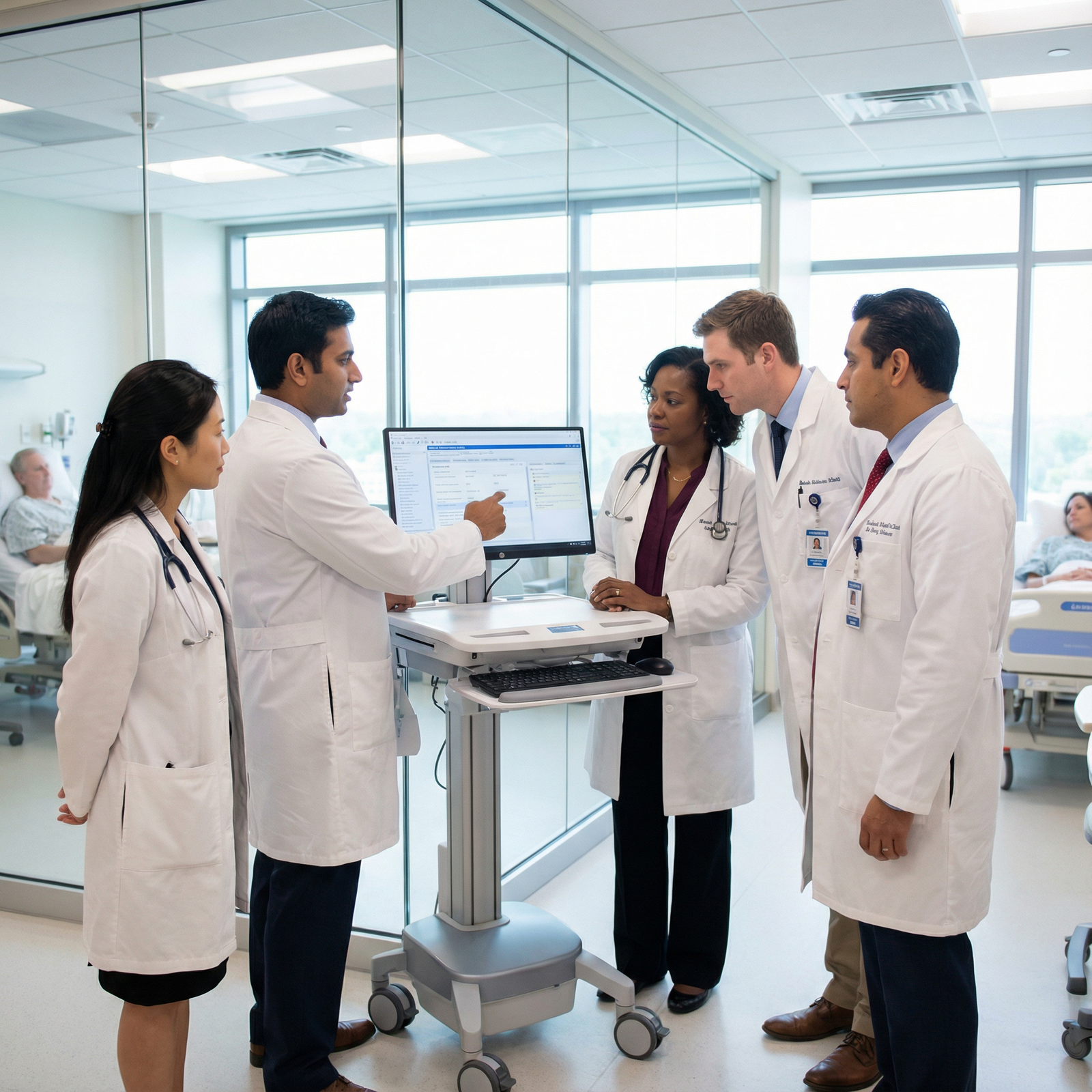
Electronic Health Records (EHRs)
- Almost all US hospitals and clinics use EHRs such as Epic, Cerner, or Athena.
- You’ll learn to:
- Document clear, structured notes (H&P, progress notes, discharge summaries).
- Place orders, review labs, and reconcile medications electronically.
- Use templates, order sets, and clinical decision support tools.
- Strong EHR skills are highly valued in residency, where efficient documentation is essential for both patient safety and workflow.
Standardized Clinical Guidelines and Pathways
- Care in the US often follows evidence-based guidelines from organizations like:
- American College of Physicians (ACP)
- American Heart Association (AHA)
- American College of Emergency Physicians (ACEP), etc.
- During rotations, you’ll see examples such as:
- Chest pain pathways that incorporate HEART or TIMI scores
- Stroke alerts with strict door-to-needle time targets
- Sepsis bundles requiring rapid lactate, fluids, and antibiotics
- Observing (and ideally participating in) these protocols trains you to think in the same framework residency programs expect.
- Care in the US often follows evidence-based guidelines from organizations like:
Interdisciplinary and Team-Based Care
- US Healthcare relies heavily on collaboration with:
- Nurses, nurse practitioners, and physician assistants
- Pharmacists, case managers, social workers, physical/occupational therapists
- Clinical experience teaches:
- How to present patients succinctly in multidisciplinary rounds
- How discharge planning depends on insurance, social support, and community resources
- How to communicate plans clearly with every member of the team
- US Healthcare relies heavily on collaboration with:
Quality, Safety, and Legal Considerations
- You’ll see robust attention to:
- Medication safety (double checks, barcoding)
- Infection control (central-line bundles, hand hygiene audits)
- Documentation of decision-making and informed consent
- Understanding these expectations is critical for safe practice and for reducing medico-legal risk.
- You’ll see robust attention to:
1.2 Experiencing the Financial and Organizational Realities of US Healthcare
The US Healthcare system intertwines clinical decisions with insurance coverage, cost, and access to care.
In US clinical settings you will learn:
- How insurance status (private, Medicare, Medicaid, uninsured) affects:
- Medication choices and formularies
- Discharge destination (home health vs. skilled nursing facility)
- Access to follow-up care and procedures
- Why physicians discuss costs, prior authorizations, and alternative medications with patients
- How social determinants of health (housing, food security, transportation) are formally assessed and documented
This exposure helps IMGs understand the practical constraints US patients and clinicians face, and positions you as a more realistic, empathetic, and system-aware physician.
2. Developing High-Impact Medical Communication Skills
Strong medical communication is a cornerstone of practice in the US and a core competency evaluated during residency selection and training. Clinical experience is where IMGs refine these skills in real time.
2.1 Communicating Effectively With Patients and Families
Language proficiency and cultural fluency both matter.
Through US clinical experience, you will practice:
Explaining diagnoses and treatment plans in plain English
- Adapting your language for different literacy levels
- Avoiding unexplained jargon, abbreviations, and slang
- Using teach-back (“Can you tell me in your own words what we’ll do next?”)
Handling difficult conversations
- Delivering bad news with empathy and structure (e.g., SPIKES protocol)
- Discussing prognosis, uncertainty, and goals of care
- Addressing fears about cost, side effects, or hospitalization
Working with interpreters and multilingual patients
- Correctly using professional interpreters (in person or via phone/video)
- Understanding when family members or friends should not be used as interpreters
- Navigating cross-cultural communication with sensitivity and respect
These experiences are essential for building trust with patients across the diverse US population and demonstrate to residency programs that you can communicate clearly, safely, and compassionately.
2.2 Communicating Within the Healthcare Team
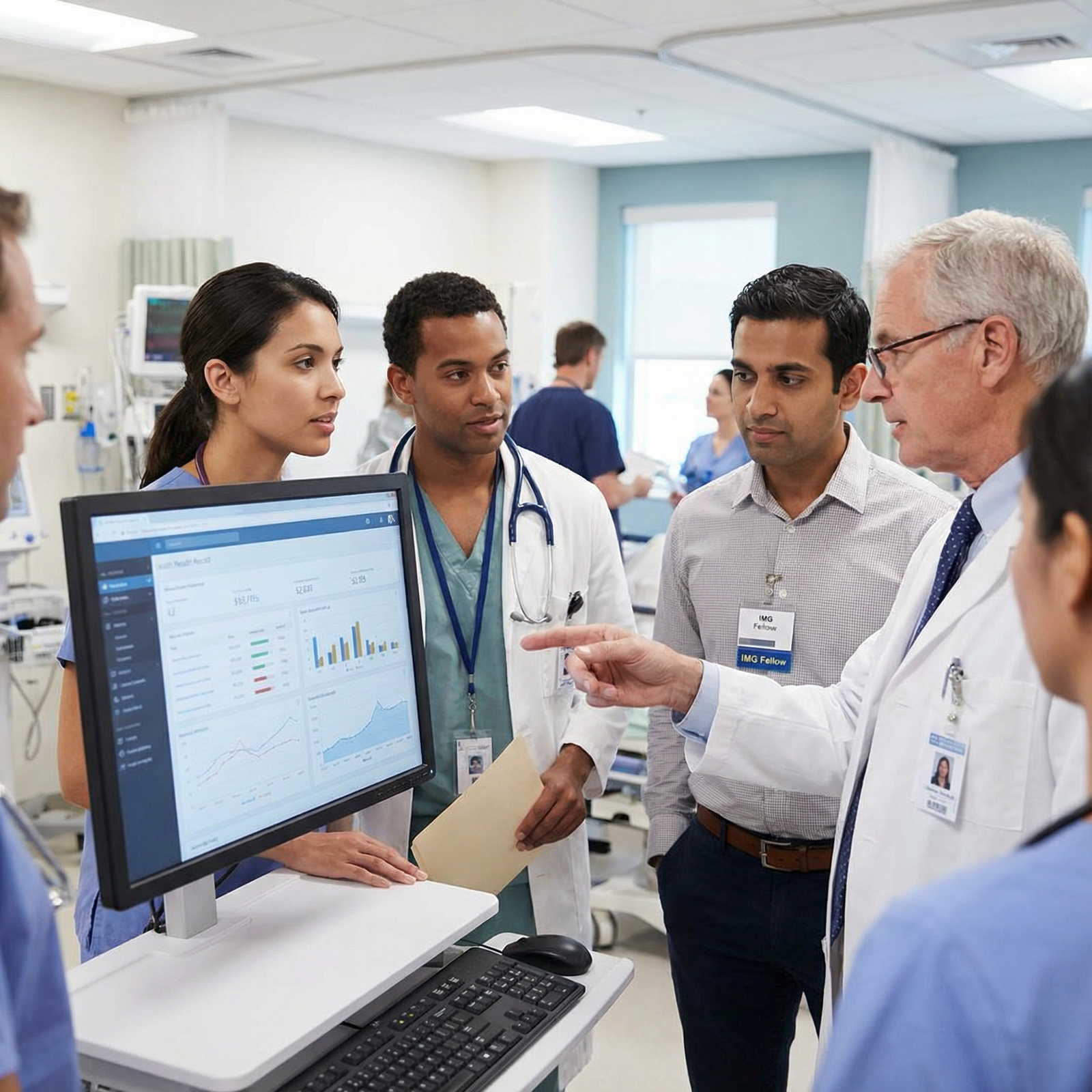
Residency is fundamentally team-based. During clinical experience, IMGs learn the language and expectations of US clinical teamwork:
Presenting patients clearly and concisely
- Structuring oral presentations (one-liners, focused assessment, and plan by problem)
- Tailoring detail depending on whether you’re speaking with an attending, resident, or consultant
- Using standardized formats like SOAP or “one-liner + problem-based plan”
Writing professional notes and messages
- Clear, focused assessment and plan that shows your clinical reasoning
- Avoiding judgmental language and maintaining a professional tone
- Using secure messaging within the EHR appropriately
Understanding hierarchy and feedback culture
- Knowing when to escalate concerns (patient deterioration, safety issues)
- Receiving feedback constructively and incorporating it into your practice
- Demonstrating professionalism even under stress
Residency programs repeatedly emphasize that IMGs with strong prior US clinical experience adapt far more quickly to the communication demands of training.
3. Building Relationships, Mentorship, and Credibility in the US
The US residency match is highly competitive, and for IMGs, who knows your work can be as important as what is on your CV. Clinical experience is the main way to build a professional reputation in the US.
3.1 Securing Strong US Letters of Recommendation (LoRs)
Letters of recommendation from US-based physicians are often essential for IMGs applying to residency.
High-quality LoRs typically come from:
- Attendings who have supervised your work directly over several weeks
- Program faculty who have seen your clinical reasoning, work ethic, and reliability
- Physicians in the same specialty to which you are applying
During your clinical experience, focus on:
- Consistency and reliability: Be punctual, prepared, and engaged every day.
- Ownership and initiative: Volunteer to present patients, follow up on results, or help with small quality improvement projects.
- Clinical growth: Ask for feedback, show improvement, and let supervisors see your progress.
When you later request a letter, this foundation allows your attending to write specifically about your performance within US Healthcare, which carries significant weight in residency selection.
3.2 Finding Mentors and Advocates
Mentorship is especially crucial for IMGs who are new to the US system.
Good mentors can help you:
- Choose a specialty that realistically aligns with your profile
- Strategize exam timing, application cycles, and geographic targeting
- Polish your personal statement and CV, highlighting your clinical experiences effectively
- Prepare for interviews and answer challenging questions about your IMG background
Use your clinical experiences to:
- Identify physicians who are supportive, communicative, and willing to teach
- Express your career interests and ask for guidance explicitly
- Stay in touch professionally (e.g., periodic updates, sharing milestones)
Many IMGs trace their eventual match success to one or two mentors they met during key clinical rotations.
4. Demonstrating Commitment to US Medicine and Strengthening Your Residency Application
Residency programs want applicants who are not only knowledgeable but also clearly committed to a long-term career in US Healthcare. Clinical experience is tangible proof of that commitment.
4.1 Showing Adaptability, Resilience, and Cultural Integration
When program directors review IMG applications, they often ask:
- Has this applicant actually worked in a US clinical setting?
- Have they demonstrated the ability to adapt to our culture and system?
- Are they likely to transition smoothly into residency?
Your rotations, observerships, or hands-on clinical experiences provide powerful evidence of:
- Adaptability: Functioning with new workflows, documentation styles, and expectations
- Cultural competence: Navigating diverse patient backgrounds respectfully and effectively
- Professionalism: Respecting boundaries, confidentiality, and institutional rules
These attributes often come through in LoRs, in your personal statement, and in how you describe your experiences during interviews.
4.2 Using Clinical Experience to Enrich Your Personal Statement and Interviews
Real clinical experience gives you concrete stories that show, rather than merely claim, your preparation and motivation.
You can draw on experiences to:
- Describe a meaningful patient encounter that shaped your approach to care
- Highlight how you learned from a challenging communication or cultural barrier
- Explain why you chose a particular specialty based on real exposure
- Demonstrate how you handled uncertainty, complex team dynamics, or ethical dilemmas
Residency programs prefer applicants who can reference actual US-based experiences, not only theoretical intentions, when discussing their motivation and fit for training.
5. Refining Clinical Skills, Clinical Reasoning, and Professional Confidence
Beyond systems and communication, clinical experience in the US elevates your day-to-day practice of medicine.
5.1 Sharpening Clinical Judgment in the US Context
Even with strong theoretical knowledge, applying that knowledge in a new environment requires practice.
In US clinical settings, you will:
- See how diagnostic workups are tailored based on:
- Pre-test probability
- Insurance and cost considerations
- Institutional protocols and availability of services
- Observe or participate in:
- Differential diagnosis construction and prioritization
- Stepwise diagnostic testing strategies
- Evidence-based treatment plans and transitions of care
This builds your clinical reasoning in a framework that resonates with US-trained faculty and aligns with board exam and residency expectations.
5.2 Gaining Exposure to Advanced Technology and Modern Care Models
US Healthcare often utilizes high-resource diagnostics and treatments. During clinical experience, IMGs typically encounter:
- Advanced imaging (CT, MRI, PET) and interventional radiology
- Point-of-care ultrasound used in emergency or critical care settings
- Telemedicine visits and remote patient monitoring
- Multidisciplinary tumor boards, heart failure clinics, or transplant teams
Familiarity with these tools and models not only modernizes your skill set but also signals to residency programs that you’re comfortable in technologically advanced environments.
5.3 Building Confidence in Real-World Patient Care
With each day of clinical exposure, IMGs often feel:
- More confident speaking up during rounds and discussions
- More comfortable performing histories and physicals in English
- Better able to anticipate next steps in a patient’s care
- Less anxious about transitioning into intern-level responsibilities
This confidence is noticeable to attending physicians and program directors, and it can significantly improve interview performance and early residency evaluations.
6. Practical Ways IMGs Can Gain US Clinical Experience
Understanding the importance of clinical experience is one step; obtaining it is another challenge. While opportunities vary by institution and visa status, most IMGs pursue a mix of the following:
6.1 Types of US Clinical Experience
Observerships
- Typically shadowing-only: you observe but do not provide hands-on care.
- Useful for understanding workflow, EHR basics, and communication styles.
- Can still lead to strong letters if you are engaged, ask good questions, and demonstrate insight.
Externships or Hands-On Rotations
- More valuable for residency applications when available.
- May include taking histories, performing physical exams, presenting patients, and documenting under supervision.
- Often offered through certain hospitals, universities, or structured programs.
Research with Clinical Exposure
- Working on clinical research projects that include patient contact, chart reviews, or participation in clinical meetings.
- Shows academic interest, evidence-based thinking, and sometimes leads to publications or posters.
Volunteer Roles in Healthcare Settings
- Free clinics, community health fairs, vaccination drives, or hospital volunteering.
- Demonstrates service, understanding of health disparities, and commitment to the US patient population.
6.2 Strategies for Finding and Maximizing Opportunities
Leverage professional organizations and databases
- AMA, AAMC, state medical societies, and IMG-focused organizations often list programs that accept IMGs.
- Explore institutional websites for “visiting student” or “observer” programs.
Network strategically
- Attend conferences (in person or virtual), especially IMG-friendly ones.
- Connect with alumni from your medical school who have matched in the US.
- Use LinkedIn and professional email outreach to connect with faculty in your desired specialty.
Be intentional about each experience
- Set goals for each rotation (e.g., improve oral presentations, understand EHR, learn protocols for chest pain).
- Keep a log of memorable cases and lessons for future essays and interviews.
- Ask for feedback mid-rotation so you can improve before asking for a letter.
7. Real-World Examples: How Clinical Experience Transforms IMGs
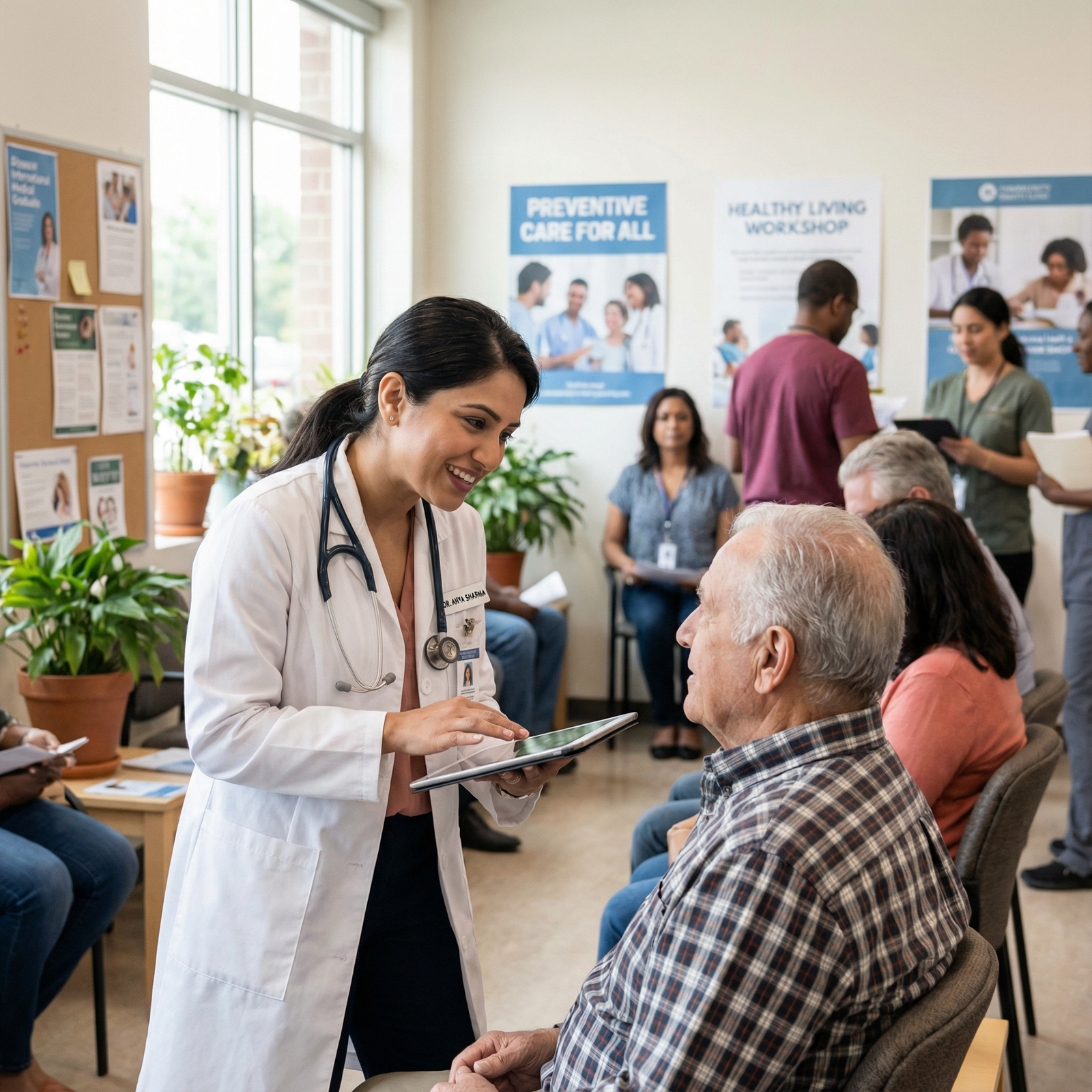
7.1 Family Medicine Rotation: Learning Breadth and Continuity
An IMG completes a three-month observership in a busy family medicine clinic:
- Encounters patients of all ages, from pediatric vaccinations to geriatric polypharmacy
- Learns to manage chronic diseases (diabetes, hypertension, COPD) within guideline-based frameworks
- Practices summarizing complex patients with multiple comorbidities in brief, structured presentations
- Observes how social determinants (housing instability, food insecurity) are integrated into care plans and referrals
By the end, this IMG can clearly articulate why they value continuity of care and preventive medicine—crucial for a family medicine residency application.
7.2 Specialty Shadowing: Understanding the Realities of a Field
Another IMG shadows an orthopedic surgeon:
- Observes pre-operative clinic visits, informed consent conversations, and shared decision-making
- Attends surgeries, learning sterile protocols, OR etiquette, and intraoperative teamwork
- Participates in post-op rounds and rehabilitation planning
- Gains insight into the lifestyle, call responsibilities, and patient outcomes in orthopedics
This experience not only confirms the IMG’s specialty interest but also gives them specific stories and insights to discuss in orthopedic surgery interviews.
7.3 Volunteer Work: Appreciating Health Disparities and Access Issues
An IMG volunteers weekly at a free clinic:
- Treats uninsured and underinsured patients, many with delayed presentations of disease
- Learns creative ways to design affordable, realistic plans (e.g., low-cost medications, community resources)
- Gains a deeper understanding of health inequities and structural barriers to care
- Shows a sustained commitment to service in the US Healthcare environment
Residency programs view this as evidence of compassion, social responsibility, and alignment with the mission of many academic and safety-net institutions.
Conclusion: Clinical Experience as the Foundation of IMG Success in the US
For International Medical Graduates, US clinical experience is not optional “extra credit”—it is a central pillar of a successful transition into US Healthcare and a competitive residency application.
Through meaningful clinical exposure, IMGs:
- Master the protocols, systems, and culture of US Healthcare
- Develop advanced medical communication skills with patients and teams
- Build professional relationships, mentorships, and credible LoRs
- Demonstrate commitment, adaptability, and readiness for residency
- Hone clinical reasoning, gain familiarity with advanced technologies, and grow in confidence
While the path is demanding, each rotation, shadowing opportunity, or volunteer shift is a chance to move beyond theory and truly practice medicine in the US context. When leveraged thoughtfully, these experiences not only improve your chances of matching, but also shape you into a more effective, compassionate, and system-savvy physician who can thrive in the US healthcare environment.
Frequently Asked Questions (FAQs) for IMGs About US Clinical Experience
Q1: How many months of US clinical experience do I need for a competitive residency application?
There is no universal minimum, but many programs prefer at least 3–6 months of meaningful US clinical experience, especially for IMGs. Competitive specialties or academic programs may expect more. Focus on quality over quantity: longer, supervised experiences with strong performance and detailed letters are more valuable than many brief, superficial observerships.
Q2: Does clinical experience in my home country help my US residency application?
Yes, strong clinical experience at home shows you are a capable doctor, but most US programs specifically look for recent US clinical experience (often within the last 1–3 years). Home-country experience:
- Adds depth to your clinical background
- Can be highlighted in your CV and interviews
- Helps if it includes research, leadership, or teaching
However, it does not replace the need to demonstrate familiarity with the US Healthcare system.
Q3: What types of US clinical experience are most valued by residency programs?
Most programs prioritize, in roughly this order:
- Hands-on US clinical experience (externships, sub-internships, acting internships)
- Structured observerships or visiting student rotations at academic or teaching hospitals
- Clinically oriented research positions with patient interaction and involvement in clinical workflow
- Healthcare-related volunteer work in clinics or community settings
Experiences that show direct patient care, teamwork, and supervised evaluation of your performance are particularly impactful.
Q4: How can I balance US clinical experience with studying for USMLE exams?
Balance is key. Practical strategies include:
- Scheduling intensive study blocks before or between rotations
- Choosing part-time or shorter observerships while you prepare for exam-heavy periods
- Using downtime during clinical experiences (e.g., between patients) for light review (question banks, flashcards)
- Avoiding overcommitment: it’s better to perform excellently in fewer rotations and score well on exams than to do many rotations with poor performance or delayed exams.
Q5: When should I try to obtain US clinical experience in relation to my residency application timeline?
Ideally, plan to complete substantial US clinical experience at least 6–12 months before applying so that:
- You have time to receive and upload strong LoRs
- You can incorporate your experiences into your personal statement and ERAS application
- You can reflect on your specialty choice based on real exposure
If your timeline is tight, even shorter experiences close to the application season can help—especially if they lead to strong letters and clear specialty alignment.
For further reading on optimizing your IMG residency journey, explore:
- Crafting a Standout Personal Statement: The Heart of Your Residency Application
- Maximizing Your Residency Application: The Critical Role of Research
- Understanding the Match Process: Top 5 Most Competitive Medical Specialties
- Networking Your Way to a Better CV: Residency Application Strategies
By approaching US clinical experience strategically—choosing the right settings, setting clear goals, and actively engaging every day—you position yourself not only to navigate US Healthcare but to truly excel within it as an international medical graduate.