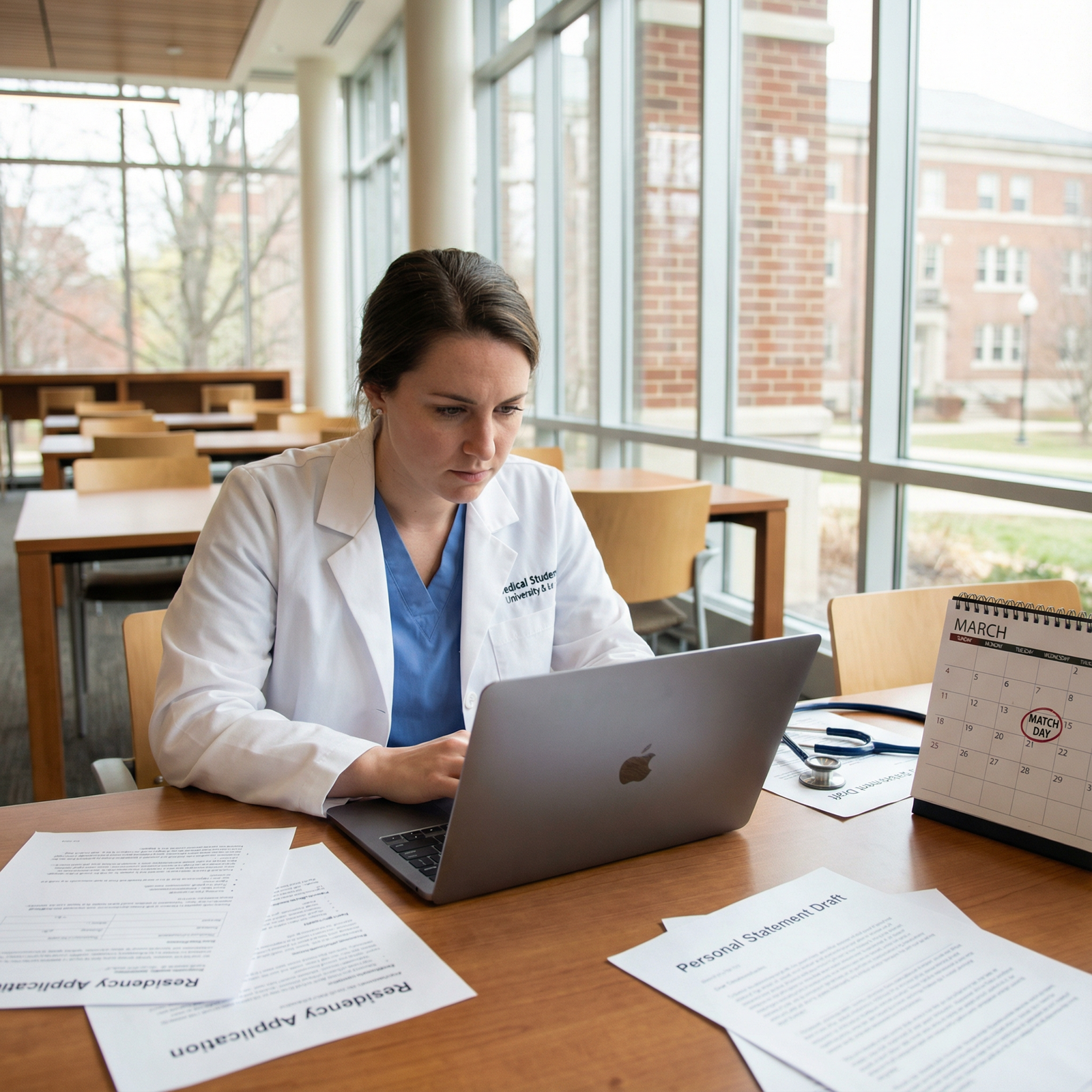
Introduction: Why Small Residency Application Mistakes Matter
Residency Applications are often the most consequential milestone of medical school. After years of exams, clerkships, and sacrifices, your ERAS application, Personal Statement, and interview performance will largely determine where—and in some cases whether—you match.
The challenge is that even strong applicants frequently undermine themselves with preventable errors. These aren’t usually dramatic failures; more often, they’re subtle issues that collectively weaken your application: a generic Personal Statement, unfocused program list, rushed Interview prep, or Application Mistakes that make you look less polished than you truly are.
This guide breaks down the most common Residency Application mistakes and provides practical, step-by-step strategies to avoid them. By proactively addressing these pitfalls, you can present a coherent, compelling, and professional application that accurately reflects your abilities and potential as a resident physician.
Understanding the Residency Application Landscape
To avoid mistakes, you first need a clear picture of what programs actually see and evaluate. Although specifics vary by specialty and program, residency applications typically include:
- Personal Statement
- Letters of Recommendation (LoRs)
- Curriculum Vitae (CV) / ERAS Experiences Section
- USMLE / COMLEX Scores and Attempt History
- Medical School Transcripts, MSPE (Dean’s Letter)
- Application Forms and Program-Specific Questions (via ERAS or equivalent)
- Interview Performance and Post-Interview Communication
Each component contributes to a holistic picture of you as a future resident. Weakness or inconsistency in even one element can raise questions and push you below the interview cutoff in a competitive pool.
How Programs Actually Review Applications
Most residency programs use an initial screen, often based on:
- Exam scores and attempts
- Medical school type and graduation year
- Visa status (for IMGs)
- Presence of major red flags (failures, professionalism issues)
After this first filter, the remaining components—especially the Personal Statement, Letters of Recommendation, and Interview performance—become critical in deciding who gets invited and ultimately ranked.
Understanding this review process helps you prioritize your time and focus on the areas where Application Mistakes are most common and most costly.
1. Personal Statement Problems: Generic, Unfocused, or Forgettable
The Personal Statement is one of the few places where you control the narrative. Yet many applicants waste it with bland, recycled content.
Pitfall: Writing a Generic or CV-Like Personal Statement
Common issues include:
- Repeating your CV line-by-line instead of telling a story
- Using clichés (“I have always wanted to be a doctor…” “I am passionate about helping people”)
- Writing a statement that could apply to any specialty or any applicant
- Failing to mention why this specialty and this path truly fit you
A generic Personal Statement doesn’t actively harm you, but it doesn’t help you stand out in a sea of similar applications.
Solution: Make Your Personal Statement Specific, Reflective, and Specialty-Focused
Aim for a statement that:
Tells a focused story, not your entire life history
- Choose 1–2 key experiences that shaped your interest in the specialty.
- Show how those experiences changed your thinking, values, or goals.
- Example: Instead of listing every rotation, zoom in on one patient encounter that made you appreciate continuity of care in Family Medicine or the team-based complexity of Internal Medicine.
Clearly answers three core questions
- Why this specialty?
- Why you’re a good fit for this specialty?
- What kind of resident and future physician you aim to be?
Demonstrates self-reflection and growth
- Discuss challenges you faced and what you learned (e.g., time management, communication with families, dealing with uncertainty).
- Show insight into your strengths and areas you are actively working to improve.
Avoids common writing errors
- Keep it to about 1 page in ERAS formatting.
- Use clear, professional language; avoid overly flowery prose.
- Have multiple reviewers: a mentor in the specialty, someone strong in writing, and someone who doesn’t know you well to check clarity.
Tailor when appropriate—but realistically
- You don’t need 50 different statements, but consider:
- 1 core statement per specialty.
- Optional subtle edits for very unique programs (e.g., strong rural focus, global health track) where you have a specific fit.
- You don’t need 50 different statements, but consider:
Your Personal Statement should leave the reader thinking: “I understand who this person is, why they chose this field, and how they’d fit into our program.”
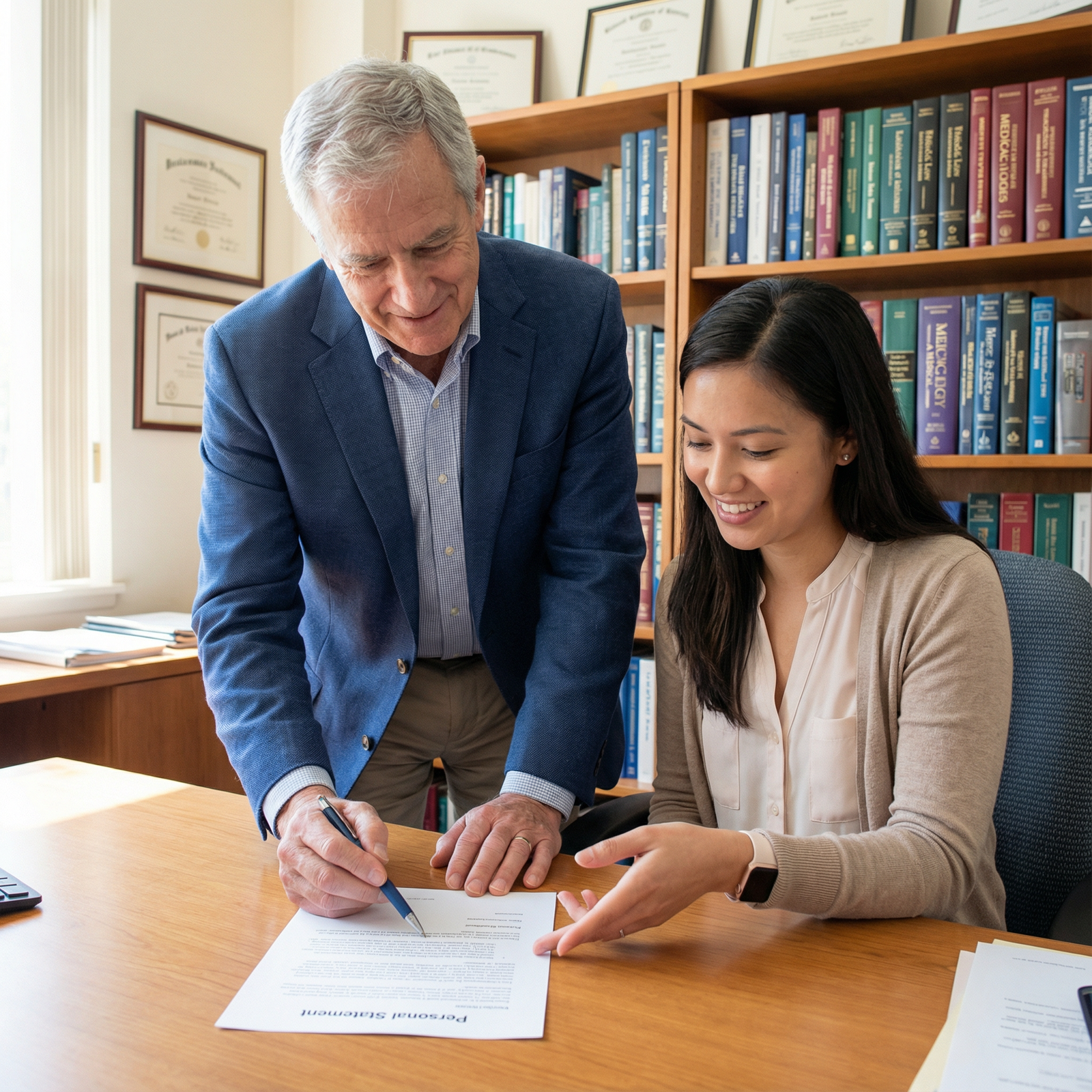
2. Letters of Recommendation: Underestimating Their Power
Letters of Recommendation often carry more weight than applicants realize. Program directors look to LoRs for evidence of:
- Clinical competence
- Work ethic and reliability
- Ability to work in a team
- Professionalism and communication skills
- Specialty-specific potential
Pitfall: Choosing the Wrong Recommenders or Failing to Prepare Them
Common Application Mistakes with LoRs include:
- Selecting faculty based only on their title or name recognition, even if they barely know you
- Not giving your recommenders enough time
- Failing to provide context about your goals and experiences
- Requesting letters from non-clinical supervisors when your specialty expects clinical evaluations
Solution: Be Strategic and Proactive with Your Letters
Choose recommenders who truly know you
- Prioritize attendings who:
- Supervised you closely in the specialty you’re applying to
- Can describe specific examples of your performance
- Have seen you on busy services or in challenging situations
- Strong “mid-level” letters with specific details beat generic letters from famous faculty.
- Prioritize attendings who:
Request letters early and professionally
- Ask at least 6–8 weeks before deadlines, earlier if possible.
- Ask in person or via video/phone when you can:
- “Would you feel comfortable writing me a strong letter of recommendation for [specialty] residency?”
- If they hesitate, thank them and choose someone else.
Provide a helpful “letter packet”
- Updated CV / ERAS experiences list
- Draft of your Personal Statement
- Brief summary of:
- Your career goals
- Key cases or interactions you had with them
- Qualities you hope they can highlight (e.g., clinical reasoning, teamwork, initiative)
Balance your LoR mix
- Follow specialty-specific expectations (e.g., EM SLOEs, Medicine letters for IM, etc.).
- For competitive specialties, ensure at least 2–3 letters are clearly from specialists in that field.
Strong, specific LoRs can significantly differentiate you from applicants with similar grades and scores.
3. Program Research Mistakes: Applying Blindly or Without Strategy
Your choice of programs—and how well you show “fit”—is a crucial but often overlooked aspect of Residency Applications.
Pitfall: Applying Indiscriminately Based on Reputation, Not Fit
Common errors include:
- Applying only to the “top” name-brand programs without considering how competitive you actually are
- Not researching program culture, structure, or training style
- Sending identical, generic communications to all programs
- Failing to recognize geographic or visa patterns in a program’s residents
This can lead to wasted applications, poor interview yield, and ultimately fewer realistic match options.
Solution: Research Programs Strategically and Align Your Application
Start with objective filters
- Consider:
- Specialty competitiveness and your score range
- US vs. international graduate status
- Visa sponsorship (if needed)
- Graduation year limitations
- Consider:
Explore program characteristics Use:
- Program websites
- FREIDA, AAMC, NRMP reports
- Social media pages and resident-run accounts
- Conversations with current residents, recent alumni, and advisors
Look for:
- Academic vs. community vs. hybrid program structure
- Strength of subspecialty exposure or procedures
- Research opportunities and scholarly expectations
- Call schedule, wellness initiatives, support systems
- Patient population and community served
Identify where you genuinely fit
- If you are research-oriented, highlight publications when targeting academic programs.
- If you thrive in busy, hands-on environments, emphasize your experience working in resource-limited settings or high-volume rotations.
Tailor your interactions, not necessarily your whole application
- Prepare program-specific talking points for interviews.
- Reference specific aspects of the program when appropriate in emails or PS tweaks (e.g., global health pathway, specific clinic model).
Thoughtful program research helps avoid the Application Mistake of a scattered, non-strategic approach and increases your likelihood of both matching and being satisfied where you match.
4. Time Management and Organization: Rushing the Process
The residency application season overlaps with sub-internships, exams, and personal responsibilities. Poor planning is one of the most common—and most avoidable—Application Mistakes.
Pitfall: Procrastination and Last-Minute Scrambling
Common signs include:
- Writing your Personal Statement the week before ERAS opens
- Requesting Letters of Recommendation at the last minute
- Uploading an unpolished CV with typos
- Missing program-specific supplemental deadlines
- Having no time left to practice Interview skills
Solution: Build a Realistic Timeline and System
Start early and work backwards from ERAS submission
- 6–9 months before:
- Identify target specialties and consult mentors.
- Plan away rotations or sub-internships if needed.
- 3–4 months before:
- Draft your Personal Statement.
- Update your CV and experiences section.
- Begin LoR requests.
- 1–2 months before:
- Finalize list of programs.
- Polish all documents and have them reviewed.
- Start mock Interviews.
- 6–9 months before:
Break tasks into smaller steps
- Instead of “Finish my PS,” create tasks like:
- Outline key stories
- Write first draft
- Get mentor feedback
- Revise and proofread
- Instead of “Finish my PS,” create tasks like:
Use tools to stay organized
- Calendar with major deadlines and Interview dates
- Spreadsheet for programs: application status, LoRs submitted, Interview invites, impressions
- Cloud storage for all documents and versions
Build in extra time for unexpected issues
- Delays in LoRs
- Technical issues with ERAS
- Personal or health emergencies
Treat your application like a major project—because it is. Good planning reduces errors and stress, and it shows in the quality of your materials.
5. CV and ERAS Experiences: Sloppy, Incomplete, or Unfocused
Your CV (or the ERAS “Experiences” section) is often the first part of your application that programs scan. It’s where they look for:
- Clinical experiences
- Research and academic work
- Leadership roles
- Volunteer and community engagement
- Longitudinal commitments
Pitfall: Unprofessional Formatting, Errors, or Weak Descriptions
Frequent problems include:
- Inconsistent dates and formatting
- Typos, grammatical errors, or incorrect titles
- Overly brief, vague descriptions of activities
- Overinflated roles or questionable claims that raise red flags
- Failing to highlight achievements that support your specialty choice
Solution: Craft a Clear, Professional, and Specialty-Relevant CV
Focus on clarity and consistency
- Use consistent date formats and location formats throughout.
- List experiences in reverse chronological order within categories.
- Ensure that dates logically align with your medical school timeline.
Write strong activity descriptions
- Use action verbs (led, organized, analyzed, counseled).
- Briefly describe your role, scope, and outcomes.
- Example: “Led weekly health education sessions for 25+ patients with diabetes, resulting in improved attendance and medication adherence reports.”
Align your CV with your specialty narrative
- For Pediatrics: highlight work with children, advocacy, teaching.
- For Surgery: include procedural exposure, OR leadership roles, QI projects.
- For Psychiatry: mention mental health research, crisis hotline work, or counseling experience.
Be absolutely honest
- Do not exaggerate your role, titles, or contributions.
- Programs may ask detailed follow-up questions during Interviews.
Have your CV reviewed
- Ask a mentor or advisor to read it as if they were a program director:
- Does it tell a coherent story?
- Are there obvious gaps or unclear transitions?
- Ask a mentor or advisor to read it as if they were a program director:
A polished, intentional CV strengthens the professional impression your application makes before you ever set foot in an Interview.
6. Lack of Self-Reflection and Failure to Address Red Flags
Residency programs value self-awareness. They know no applicant is perfect, but they want to see maturity in how you handle difficulties.
Pitfall: Ignoring Weaknesses, Gaps, or Red Flags
Common red flags include:
- Failed or low USMLE/COMLEX scores
- Extended time to graduate
- Leave of absence
- Course or clerkship failures
- Professionalism concerns
Avoiding or hiding these issues can leave programs suspicious or unconvinced of your growth.
Solution: Acknowledge, Explain, and Demonstrate Growth
Reflect honestly on what happened
- Identify the factors: personal, medical, family, test-taking, time management, etc.
- Consider what you have changed since then.
Decide where to address it
- Personal Statement (short, thoughtful explanation).
- Supplemental application questions if offered.
- Interviews (verbally, if asked directly).
Use a growth-oriented framework
- Briefly describe the situation without excessive detail.
- Take responsibility where appropriate.
- Emphasize what you learned and the concrete changes you implemented:
- Sought academic support or test prep resources
- Improved study strategies and time management
- Addressed personal or health issues and stabilized them
Back it up with evidence
- Improved subsequent scores or clerkship performance
- Strong clinical evaluations
- Consistent professionalism reviews
Programs don’t expect perfection; they value resilience, insight, and the ability to improve over time.
7. Interview Preparation Mistakes: Underestimating the Final Step
Even a strong written application can unravel with poor Interview performance. The Interview is where you humanize your file and demonstrate you’re someone they want on their team.
Pitfall: Inadequate Interview Preparation
Common mistakes include:
- Not practicing common residency Interview questions
- Failing to review your own application before Interviews
- Not researching the program beforehand
- Giving excessively rehearsed, robotic answers or rambling, unfocused responses
- Being unable to discuss experiences or research listed on your CV in detail
Solution: Prepare Deliberately and Practice with Feedback
Know your own application inside out
- Be ready to discuss any activity, research project, or experience you listed.
- Prepare concise explanations of your major roles and what you learned.
Practice key question types
- “Tell me about yourself.”
- “Why this specialty?” “Why our program?”
- Behavioral questions (“Tell me about a time you made a mistake…”)
- Ethical scenarios and conflict resolution examples
- Questions about red flags, if relevant
Use mock Interviews
- Practice with:
- Faculty in your specialty
- Career advisors
- Peers (record sessions and review)
- Focus on:
- Clear structure in answers
- Professional demeanor
- Maintaining eye contact and appropriate body language in virtual settings
- Practice with:
Prepare thoughtful questions for interviewers
- Ask about:
- Teaching structure, feedback, and evaluation
- Resident autonomy and support
- Wellness and backup systems
- Avoid questions easily answered on the website.
- Ask about:
Master virtual Interview logistics
- Test your internet, camera, and microphone ahead of time.
- Choose a quiet, well-lit background.
- Dress professionally and eliminate distractions.
Interview Tips are not about memorizing scripts; they’re about preparing frameworks for authentic, confident responses that reflect who you are.
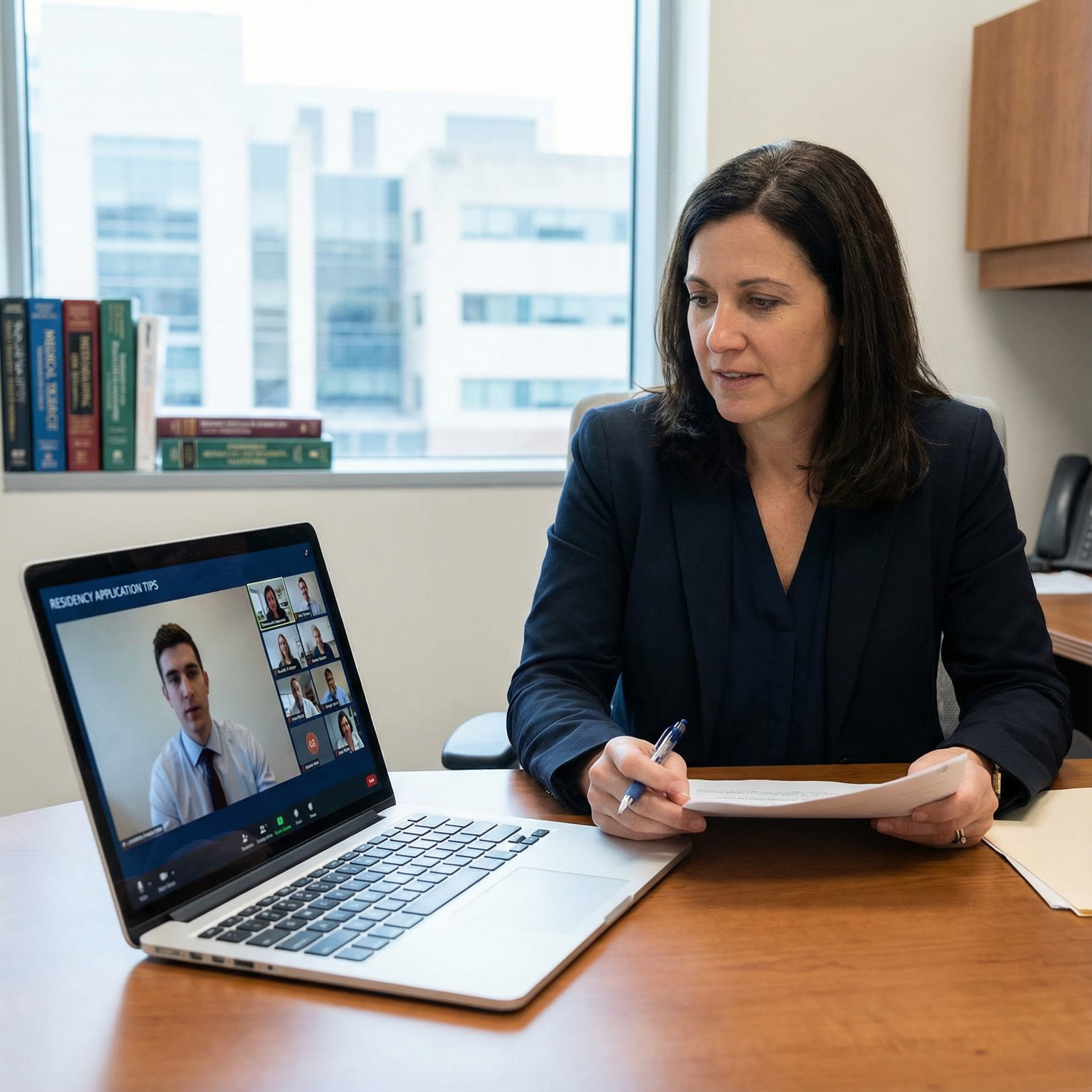
8. Overemphasizing Grades and Underestimating the Rest
Strong grades and scores open doors—but they do not guarantee a successful match or a good fit.
Pitfall: Assuming High Scores Alone Will Carry Your Application
This mindset can lead to:
- Neglecting the Personal Statement and CV
- Minimal Interview preparation
- Limited engagement in extracurricular, leadership, or community work
- Poor communication and teamwork skills that show up at Interview time
Solution: Build a Well-Rounded, Holistic Application
Highlight non-academic strengths
- Leadership (student groups, committees, projects)
- Long-term volunteer commitments
- Research or quality improvement initiatives
- Teaching, peer tutoring, or mentoring roles
Demonstrate interpersonal and communication skills
- Show evidence of teamwork in clinical settings.
- Use examples in Interviews to illustrate how you collaborate and handle feedback.
Make sure your materials are as strong as your scores
- High scores raise expectations—programs will look for equal quality in your writing, LoRs, and professionalism.
Residency is demanding in ways that go far beyond test performance; programs want colleagues and team members, not just exam-takers.
9. Neglecting Professional Follow-Up and Communication
Your interactions with programs after submitting your application also matter.
Pitfall: Failing to Follow Up or Communicate Professionally
Common mistakes:
- Not sending Interview thank-you emails when appropriate
- Sending generic, copy-paste messages
- Overly frequent or pushy communications
- Unprofessional email addresses or tone
- Ghosting programs you are no longer interested in
Solution: Communicate Clearly, Courteously, and Strategically
Send personalized thank-you messages
- Within 24–48 hours of the Interview.
- Mention specific aspects of the conversation you appreciated.
- Reaffirm your interest in the program, if genuine.
Use professional email etiquette
- Clear subject lines (e.g., “Thank you – [Your Name], [Specialty] Interview on [Date]”)
- Proper salutations, grammar, and closing statements
- A professional email address (ideally your school email)
Be honest but respectful
- If you’re certain you won’t rank a program, you don’t need to say so—but do not imply strong interest you don’t genuinely have.
- Follow program and NRMP rules regarding post-interview communication.
Stay organized
- Keep notes after each Interview:
- Program strengths/concerns
- People you met
- Overall “fit” impression
- This helps you write more personalized messages and create a thoughtful rank list.
- Keep notes after each Interview:
Even small acts of professionalism can reinforce a positive Impression at the margins of a close decision.
FAQs: Common Questions About Avoiding Residency Application Mistakes
1. What should I prioritize first when starting my residency application?
Begin by clarifying your specialty choice and target competitiveness range with a trusted advisor or mentor. Then:
- Draft your Personal Statement.
- Update your CV / ERAS Experiences.
- Identify and approach Letter of Recommendation writers early.
- Build a preliminary program list.
These foundational elements take the most time and influence almost every other step in your application.
2. How do I know if my Personal Statement is strong enough?
A strong Personal Statement will:
- Clearly explain why you chose your specialty and what you’re seeking in training.
- Highlight specific experiences that demonstrate your fit and values.
- Avoid clichés and generic language.
- Be concise, well-organized, and free of errors.
Have at least two types of reviewers: a specialty mentor for content and a strong writer for style and clarity. If both can summarize who you are and why you chose your specialty after reading it, you’re on the right track.
3. How should I choose between two potential recommenders?
Consider:
- Who directly observed your clinical work and professionalism.
- Who can provide concrete, specific examples of your performance.
- Who appears enthusiastic about your future and knows your goals.
- Specialty relevance (letters from your chosen field often carry more weight).
If one is more senior but barely knows you, and the other is more junior but worked closely with you, the latter usually writes the stronger letter.
4. What’s the best way to practice for residency Interviews?
Use a three-step approach:
Content preparation
- Review your application thoroughly.
- Reflect on key stories that show your teamwork, resilience, communication, and growth.
Mock Interviews
- Practice with faculty, advisors, or peers.
- Simulate real conditions (virtual environment, professional attire).
Self-review and refinement
- Record yourself (with permission) and watch for body language, filler words, and clarity of responses.
- Refine answers to be focused, honest, and conversational—not memorized scripts.
5. Should I explicitly address weaknesses or red flags in my application?
Yes, when they are significant and likely to be noticed (e.g., exam failures, extended leaves, academic probation). A brief, honest, and reflective explanation can reduce negative assumptions. Focus less on excuses and more on insight, specific steps you took to improve, and subsequent evidence of success.
By understanding where most Residency Applications go wrong—and taking deliberate steps to avoid those Application Mistakes—you can transform this stressful process into a more controlled, strategic, and ultimately successful experience. Thoughtful preparation, honest self-reflection, and consistent professionalism will help you present your best self to residency programs and increase your chances of matching into a program where you can thrive.