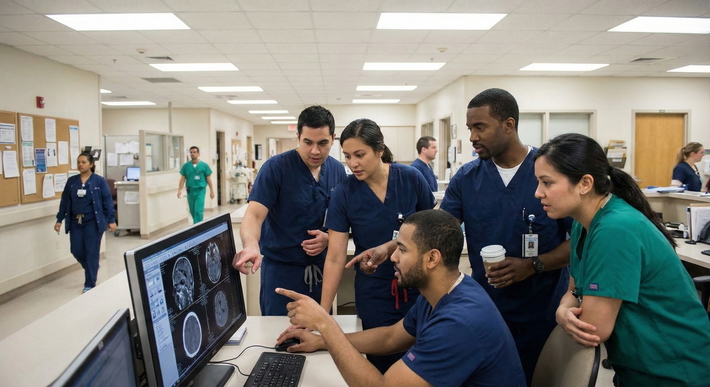
Deciding among the many Medical Specialties is one of the most consequential choices you will make during your medical education. Beyond personal interest and clinical fit, you must also navigate the reality of Residency Match competitiveness. Some fields are consistently more difficult to enter, requiring stronger academic metrics, focused preparation, and a strategic application plan.
This guide breaks down ten of the hardest medical specialties to match into, explains why they’re so competitive, and offers practical steps to strengthen your application if you are aiming for one of these fields. While exact match statistics vary by year and data source, the relative competitiveness of these specialties remains fairly consistent.
Understanding Competitiveness in Medical Specialties
Before comparing specialties, it’s essential to understand what “competitive” actually means in the context of the Residency Match and healthcare careers.
Key Drivers of Specialty Competitiveness
Several factors shape the competitiveness of different Medical Specialties:
Number of Positions vs. Applicants
- Specialties with fewer total residency slots (e.g., Dermatology, Neurosurgery, Plastic Surgery) tend to be more competitive because even a modest increase in applicants can drastically lower match rates.
- By contrast, broad-access specialties (e.g., Internal Medicine, Family Medicine) generally have more positions, but specific programs and geographic regions can still be very competitive.
Applicant Profile and Qualifications
- In highly competitive specialties, successful applicants often show:
- High USMLE Step 2 CK scores (and strong performance on Step 1 prior to pass/fail)
- Strong clinical evaluations (honors in core clerkships)
- Robust research portfolios (abstracts, posters, publications)
- Demonstrated commitment to the field (electives, sub-internships, specialty-related extracurriculars)
- In highly competitive specialties, successful applicants often show:
Lifestyle, Compensation, and Career Flexibility
- Specialties perceived to offer:
- High income potential
- Controllable or predictable hours
- Procedural work with outpatient or elective schedules
often draw more applicants, increasing competition. Dermatology, Radiology, and some Surgical subspecialties are classic examples.
- Specialties perceived to offer:
Prestige and Perceived Selectivity
- Some Competitive Specialties have a reputation for being “elite” or “high status,” which further amplifies student interest and inflates competitiveness beyond what workforce needs alone would dictate.
Fellowship Opportunities and Long-Term Career Paths
- Specialties that offer multiple subspecialty tracks, academic careers, or private practice flexibility can be especially appealing for students planning diverse healthcare careers.
Understanding these dynamics allows you to interpret match statistics in a more nuanced way and develop a targeted strategy rather than relying solely on anecdote or reputation.
The Ten Most Competitive Medical Specialties to Match Into
The list below reflects broad patterns in competitiveness and is not an exact ranking for a specific match year. Always cross-check current NRMP, SF Match, and specialty society data as you plan your application.
1. Dermatology
Dermatology is consistently one of the most competitive Medical Specialties in the Residency Match and is often at or near the top of “hardest to match” lists.
Why Dermatology Is So Competitive
Limited Positions
- Dermatology offers a relatively small number of residency spots compared with the volume of highly qualified applicants.
- Many programs are based at large academic medical centers with national reputations, concentrating demand.
Strong Applicant Pool
- Successful applicants typically have:
- Step 2 CK scores well above the national average
- Honors in core clinical rotations
- Substantial research—often including dermatology-specific projects, case reports, or QI work
- Leadership roles or service aligned with skin health, oncology, or immunology
- Successful applicants typically have:
Lifestyle and Compensation
- Attractive outpatient-focused schedule
- Limited overnight and weekend work in many practice settings
- High earning potential, particularly with cosmetic or procedural practices
- Balanced mix of medical, surgical, and procedural care
Tips for Aspiring Dermatologists
- Join dermatology interest groups early and seek mentors.
- Aim for a dermatology elective or away rotation at programs where you are realistically competitive.
- Be intentional about research: even one or two well-done projects with a dermatology faculty mentor can be influential.
- Develop a clear, patient-centered narrative about why dermatology—not just lifestyle—appeals to you.
2. Plastic Surgery (Integrated)
Plastic Surgery—especially integrated programs starting directly after medical school—is among the most difficult surgical specialties to enter.
What Drives Plastic Surgery Competitiveness
Small Number of Integrated Spots
- Integrated plastic surgery programs offer a limited number of positions nationwide.
- Many applicants also consider the independent pathway after general surgery, but integrated spots remain especially coveted.
High Standards for Surgical Aptitude
- Programs seek applicants who demonstrate:
- Strong technical skills and manual dexterity (e.g., in simulation labs or skills workshops)
- Excellent operative evaluations in core and sub-internship rotations
- Commitment to the field through shadowing, sub-Is, and research
- Programs seek applicants who demonstrate:
Academic and Research Focus
- Many applicants have multiple first- or co-author publications, often in plastic or reconstructive surgery.
- Programs often prioritize applicants with strong potential for academic careers.
How to Stand Out for Plastic Surgery
- Start exploring plastic surgery early in medical school via shadowing and electives.
- Seek out research with plastic surgery faculty; even retrospective or case-based projects can be valuable.
- Plan at least one Sub-I or away rotation in Plastic Surgery to demonstrate fit and build relationships.
- Create a strong visual portfolio of commitment—posters, presentations, and involvement in specialty societies.
3. Orthopedic Surgery
Orthopedic Surgery is a classic example of a high-demand, high-intensity field that remains fiercely competitive.
Factors Behind Orthopedic Surgery Competitiveness
Rigorous, Physically Demanding Training
- Long operative hours, trauma call, and physically demanding procedures select for a specific type of applicant.
- Programs look for resilience, team orientation, and comfort in high-acuity settings.
Strong Applicant Interest
- High compensation, procedural work, and variety (sports medicine, joints, trauma, spine) attract many students.
- The subspecialty structure (e.g., sports, trauma, hand, spine) allows for diverse career options.
High Academic and Clinical Expectations
- Competitive programs often prefer:
- Above-average board scores
- Honors in surgery and related rotations
- Demonstrated excellence on orthopedic sub-internships
- Letters from orthopedic surgeons known in the field
- Competitive programs often prefer:
Strategies for Orthopedic Applicants
- Join the orthopedic surgery interest group and engage in shadowing early.
- Prioritize research or QI projects in musculoskeletal medicine, trauma, or surgical outcomes.
- Consider one or more away rotations to demonstrate your work ethic and technical growth.
- Build your physical and mental resilience—programs notice applicants who can function well under heavy workloads.
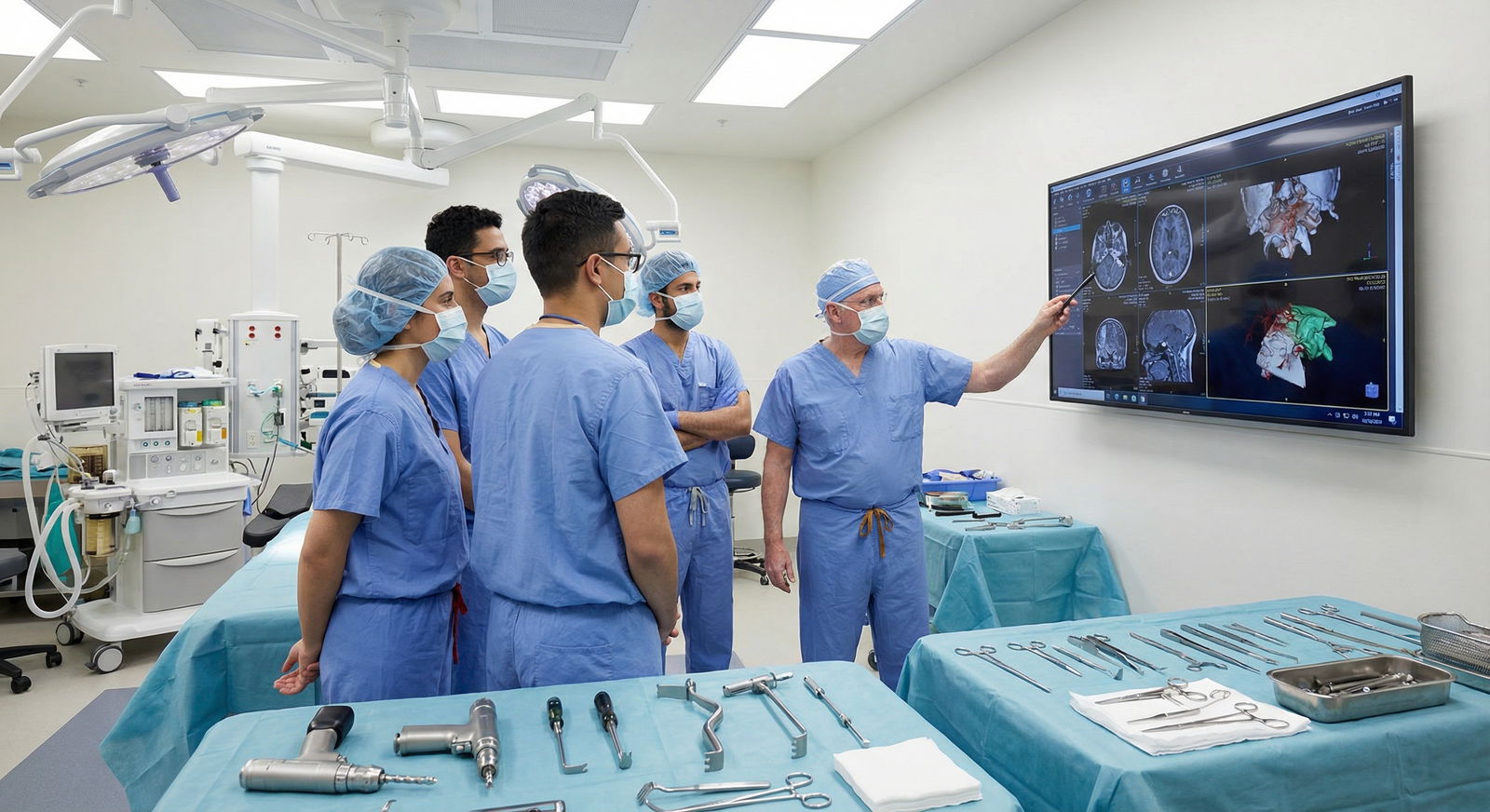
4. Neurosurgery
Neurosurgery is one of the most demanding Healthcare Careers, both in training length and in daily practice.
Why Neurosurgery Is So Challenging to Match
Length and Intensity of Training
- Neurosurgery residency typically lasts seven years.
- Residents regularly manage high-stakes emergencies, complex ICU patients, and long operations.
Extremely Limited Positions
- Fewer neurosurgery programs and spots compared to many other specialties.
- A relatively small applicant pool, but one that is highly self-selected and accomplished.
High Academic and Research Expectations
- Programs typically seek applicants with:
- Outstanding board scores
- A track record of neurosurgery or neuroscience research
- Early and sustained involvement with neurosurgical mentors
- Many successful applicants have multiple publications or basic science experience.
- Programs typically seek applicants with:
Preparing for a Neurosurgery Application
- Connect with neurosurgery faculty as early as possible—often in MS1 or MS2.
- Seek research opportunities in neuro-oncology, cerebrovascular disease, spine, or neurotrauma.
- Complete one or more neurosurgery sub-Is; performance here is crucial for letters and ranking.
- Develop a realistic understanding of neurosurgery lifestyle demands, and be prepared to discuss this thoughtfully in interviews.
5. Emergency Medicine
Emergency Medicine (EM) has a unique competitive landscape and has fluctuated in competitiveness over recent years, but matching into desired regions and top programs remains challenging.
What Makes Emergency Medicine Competitive
High Applicant Volume and Diversity
- EM attracts students who enjoy fast-paced, hands-on patient care and shift-based schedules.
- Applicants come from MD, DO, and sometimes international programs, creating a large and diverse pool.
Emphasis on Clinical Performance
- Strong performance on EM clerkships and EM sub-internships is often weighted heavily.
- Standardized letters of evaluation (e.g., SLOEs in the U.S.) are critical to your application.
Fit for High-Pressure Environments
- Programs look for adaptability, composure under stress, and strong team communication.
- Prior experience in EMS, urgent care, or acute care research can be an asset.
Optimizing Your EM Application
- Do at least one (often two) EM rotations at institutions where you might want to match.
- Aim for strong SLOEs that speak to your work ethic, teamwork, and clinical reasoning.
- Highlight experiences that show your ability to handle uncertainty and acute care.
- Keep current on trends in EM workforce data and program needs, as competitiveness can shift rapidly.
6. Internal Medicine Subspecialties
General Internal Medicine residency itself has relatively high match rates, but the subspecialties—such as Cardiology, Gastroenterology, Hematology/Oncology, and Critical Care—are some of the most competitive fellowships in medicine.
Understanding Competitiveness in IM Subspecialties
Two-Step Process
- You must first match into a strong Internal Medicine residency.
- Then, during or after residency, you compete again for fellowship positions—often in highly sought-after fields.
Intense Demand for Certain Fellowships
- Cardiology, GI, and Hem/Onc are notable for limited fellowship spots and large numbers of competitive applicants.
- Research productivity, residency performance, and mentorship become critical at the fellowship stage.
Research and Academic Expectations
- Fellowship programs often prioritize:
- Publications or significant research involvement in the target subspecialty
- Strong program director and subspecialty letters
- Evidence of scholarly potential (presentations, QI projects, national society involvement)
- Fellowship programs often prioritize:
If You’re Aiming for a Competitive IM Subspecialty
- When choosing an Internal Medicine residency, consider:
- The strength and reputation of its fellowship match outcomes
- Access to subspecialty mentors and research opportunities
- Start exploring subspecialty interests early in residency, but maintain an open mind.
- Engage in subspecialty-specific projects (e.g., echo research for cardiology, endoscopy outcomes for GI).
7. Ophthalmology
Ophthalmology offers a blend of surgical and clinical practice with a strong outpatient focus. It matches outside the main NRMP match in many systems (e.g., SF Match in the U.S.), creating its own separate competitive process.
Drivers of Ophthalmology Competitiveness
Attractive Practice Model
- Combination of microsurgery, clinic-based care, and often controllable lifestyle.
- High impact on patient quality of life (e.g., restoring or preserving vision).
Limited Training Positions
- Fewer total residency slots than many core specialties.
- Strong concentration of applicants at prestigious academic programs.
Unique Technical Skill Set
- Programs look for excellent fine motor control and interest in microsurgery.
- Strong performance in ophthalmology rotations, plus faculty letters, are essential.
Keys to a Strong Ophthalmology Application
- Participate in your school’s ophthalmology interest group and seek early exposure (shadowing, clinics).
- Consider research or case-based projects in retinal disease, glaucoma, cornea, or global eye health.
- Arrange an ophthalmology elective at your home institution and potentially an away rotation.
- Prepare for the separate application timeline and exam requirements specific to the field.
8. Anesthesiology
Anesthesiology is a versatile specialty central to perioperative care, pain management, and critical care. Its competitiveness has varied over time but remains significant in many regions and at top-tier programs.
Why Anesthesiology Is Competitive
Diverse Career Pathways
- Options range from operating room anesthesia to ICU care, chronic pain, and outpatient procedural practices.
- This versatility appeals to students with broad interests in physiology, pharmacology, and acute care.
Skill-Intensive Training
- Requires rapid decision-making, strong procedural skills (airway management, lines, regional blocks), and comfort with high-acuity patients.
- Programs prioritize applicants with demonstrated clinical maturity and resilience.
Growing Demand and Evolving Roles
- Technological advancement, regional anesthesia, and perioperative medicine expand the anesthesiologist’s scope.
- This has elevated the field’s visibility as an attractive healthcare career.
Strengthening Your Anesthesiology Application
- Excel in core clerkships, especially surgery, medicine, and ICU rotations.
- Seek early exposure to anesthesiology—shadowing, electives, or anesthesia-led perioperative clinics.
- Participate in research or QI initiatives related to OR efficiency, pain control, or critical care.
- Emphasize calm under pressure, attention to detail, and teamwork in your personal statement and interviews.
9. Radiology (Diagnostic Radiology)
Radiology continues to grow in popularity as imaging technologies advance and diagnostic imaging becomes central to nearly all areas of patient care.
Core Factors in Radiology Competitiveness
Attractive Lifestyle and Compensation
- Many practice settings offer predictable hours, limited overnight work (except call shifts), and high earning potential.
- Remote reading and teleradiology are increasingly common, adding flexibility.
High Cognitive and Technical Demands
- Radiologists must master a wide body of imaging knowledge across organ systems.
- They play a critical role in multidisciplinary care (e.g., tumor boards, stroke teams).
Growing Applicant Interest
- Students interested in technology, anatomy, and pattern recognition are particularly drawn to the field.
- Competitive academic centers and coastal urban programs are especially sought after.
Building a Strong Radiology Application
- Perform well in rotations where imaging is integral—medicine, surgery, neurology, emergency medicine.
- Consider a dedicated radiology elective to understand workflow and expectations.
- Participate in imaging-related research, such as AI applications, outcomes studies, or radiology-pathology correlation.
- Highlight your attention to detail, visual-spatial skills, and collaborative nature in your application.
10. Family Medicine (at Select Programs and Locations)
On a national level, Family Medicine often has a relatively high overall match rate. However, certain Family Medicine programs—especially in competitive urban centers, academic institutions, and sought-after regions—can be surprisingly competitive.
Why Family Medicine Can Be Hard to Match in Certain Settings
Desirable Program Characteristics
- Academic FM programs with strong fellowships (sports medicine, OB, palliative care), global health, or research tracks draw a large number of applicants.
- Popular cities and coastal regions often have more applicants than positions.
Lifestyle and Practice Flexibility
- Family Medicine offers broad practice options: outpatient, inpatient, OB, urgent care, academic medicine, rural health, and more.
- The opportunity to shape work-life balance and community-based practice makes some positions highly attractive.
Wide Applicant Pool
- Applicants include those committed to primary care from the start and others who pivot to Family Medicine late in the cycle, increasing overall competition for specific programs.
Maximizing Your Chances in Competitive Family Medicine Programs
- Demonstrate a sustained interest in primary care—through continuity clinic experiences, community health projects, or public health work.
- Seek strong letters from Family Medicine and primary care faculty who can speak to your longitudinal commitment and patient-centeredness.
- Tailor your personal statement and ERAS application to highlight alignment with each program’s mission (e.g., underserved care, rural health, academic medicine).
Strategic Tips to Improve Your Chances in Competitive Residencies
No matter which of these Competitive Specialties you’re targeting, some core strategies can significantly improve your odds of a successful Residency Match.
1. Excel Academically and Clinically
- Aim for strong performance on USMLE Step 2 CK and on core clinical rotations.
- Seek honors or high evaluations, especially in rotations related to your chosen specialty.
- If your academic record has weaknesses, be ready to address them honestly and show upward trajectory.
2. Build Specialty-Specific Experiences
- Early Exposure
- Join specialty interest groups, attend departmental conferences, and shadow in your field of interest.
- Electives and Sub-Internships
- Plan at least one home rotation and consider away rotations at institutions where you might want to match.
- Use these rotations to build relationships and secure strong letters of recommendation.
3. Engage in Meaningful Research and Scholarly Work
- Quality is more important than quantity, but competitive specialties often expect:
- At least one or two completed projects
- Posters or oral presentations at regional or national meetings
- An ability to talk thoughtfully about your research in interviews
- Choose research aligned with your specialty when possible, but general research (e.g., QI, education) can also be valuable.
4. Cultivate Strong Mentorship and Networking
- Identify at least one mentor in your target specialty who can:
- Guide your course selection and scheduling
- Connect you with research or leadership opportunities
- Provide honest feedback on your competitiveness and program list
- Attend national or regional specialty society meetings as a student; these are excellent networking opportunities.
5. Craft a Thoughtful, Coherent Application
- Personal statement: clearly articulate why the specialty fits your strengths, values, and career goals.
- ERAS application: highlight leadership, service, and experiences that demonstrate resilience and professionalism.
- Letters of recommendation: prioritize faculty in your specialty who know you well and can speak to your clinical performance and potential.
6. Apply Broadly and Realistically
- Work with advisors to build a balanced program list:
- “Reach” programs
- “Target” programs
- “Safety” programs (while recognizing no program is truly “safe”)
- Consider a broad geographic spread unless you have strong regional ties.
7. Prepare Intensively for Interviews
- Practice explaining your interest in the specialty with specific, patient-centered examples.
- Be ready to discuss:
- Your research and what you learned from it
- Challenging clinical experiences and how you grew
- How you handle stress, conflict, and feedback
- Research each program’s curriculum, strengths, and mission so you can ask thoughtful questions.
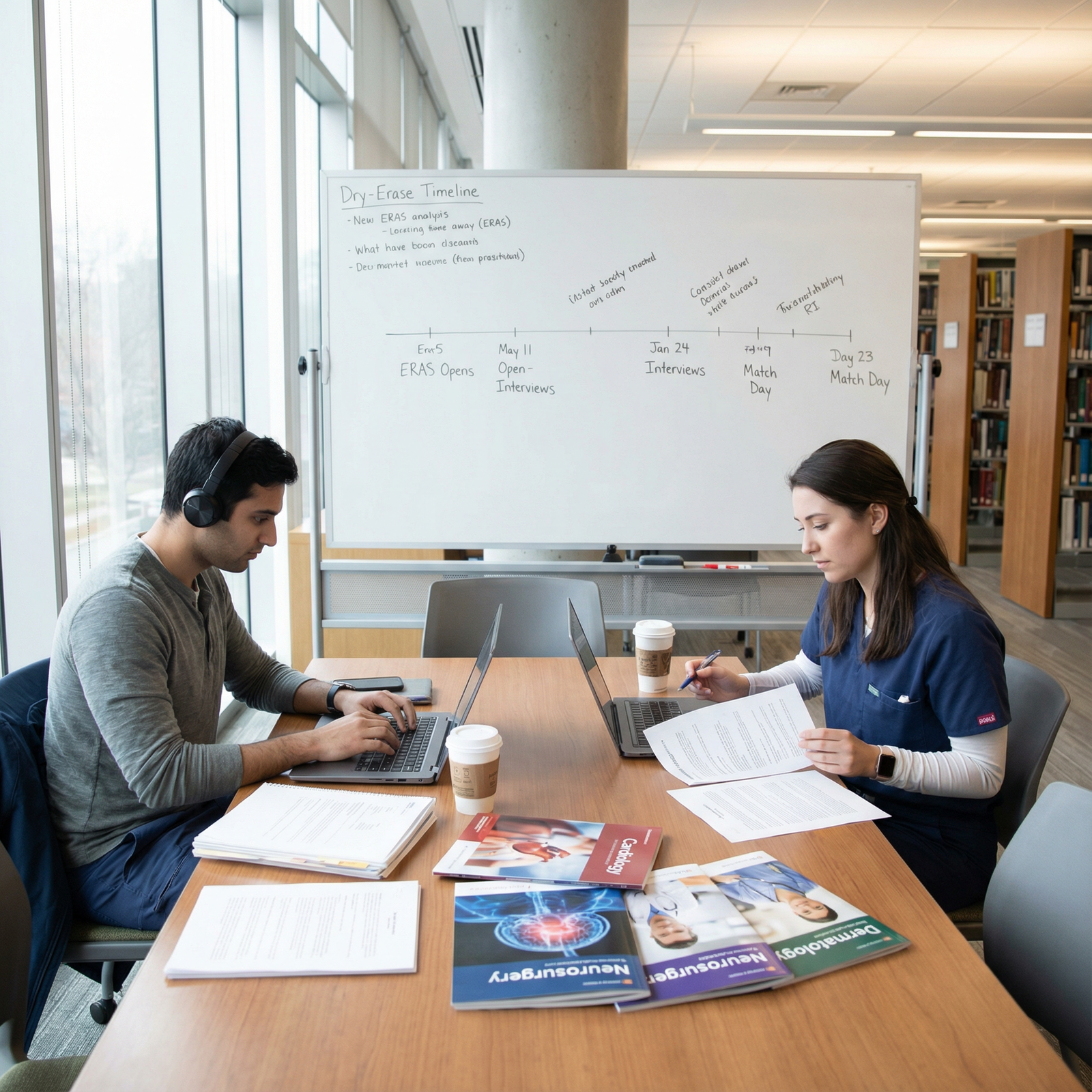
Frequently Asked Questions About Competitive Medical Specialties
1. How accurate are match rate numbers when comparing specialties?
Match rates can vary year to year and may differ depending on the data source (NRMP, specialty-specific matches, SF Match). They also don’t tell the full story:
- Some specialties have small applicant pools but extremely strong applicants.
- Overall match rate can hide differences between U.S. MD, U.S. DO, and international graduates.
- Program-level competitiveness may be very different from national averages.
Use match rates as a general guide, but always interpret them alongside applicant characteristics and program details.
2. If my board scores are average, can I still match into a competitive specialty?
Yes, it is possible, but you’ll need to be strategic:
- Strengthen other aspects of your application: clinical performance, research, letters, leadership, and service.
- Seek honest feedback from mentors about your competitiveness and program list.
- Consider applying more broadly and including a mix of program types and locations.
- In some cases, consider a less competitive but related specialty, then pursue fellowship training aligned with your interests.
3. How important is research for competitive specialties?
For most Competitive Specialties, research is a major differentiator:
- Dermatology, Plastic Surgery, Neurosurgery, Radiology, and subspecialty-focused Internal Medicine especially value research.
- You don’t necessarily need basic science; outcomes studies, case series, QI projects, or educational research can all be helpful.
- Programs want to see that you can think critically, follow through on projects, and contribute to the specialty’s academic community.
Aim for at least one or two meaningful projects and be able to discuss them clearly in interviews.
4. Should I do an away rotation for a competitive specialty?
Away rotations (sub-internships) are very important in certain fields:
- Especially valuable for: Orthopedics, Neurosurgery, Plastic Surgery, Dermatology, EM, and some surgical subspecialties.
- Benefits:
- Demonstrate your interest and work ethic directly to programs.
- Obtain strong letters from recognized faculty.
- Get a realistic sense of program culture and expectations.
However, away rotations can be logistically and financially demanding, so plan carefully and prioritize programs where you are a realistic candidate.
5. How do I choose between a highly competitive specialty I love and a less competitive “backup” option?
This is a deeply personal decision that should balance passion, realism, and long-term career satisfaction:
- Reflect on your motivations: Are they based on lifestyle, prestige, genuine clinical interest, or a combination?
- Seek honest input from mentors familiar with your performance and goals.
- Consider dual-application strategies only after careful planning; they can dilute your narrative if not handled thoughtfully.
- Remember: many fulfilling Healthcare Careers exist in every specialty. Matching into a field that fits your strengths and values is more important than chasing prestige alone.
Choosing among competitive Medical Specialties is challenging, but with early planning, honest mentorship, and a strategic approach to Medical Education and the Residency Match, you can significantly improve your chances of matching into a field that fits your skills, values, and vision for your career in healthcare.