Introduction: Why Specialty Choice Matters for Non-Traditional Medical Students
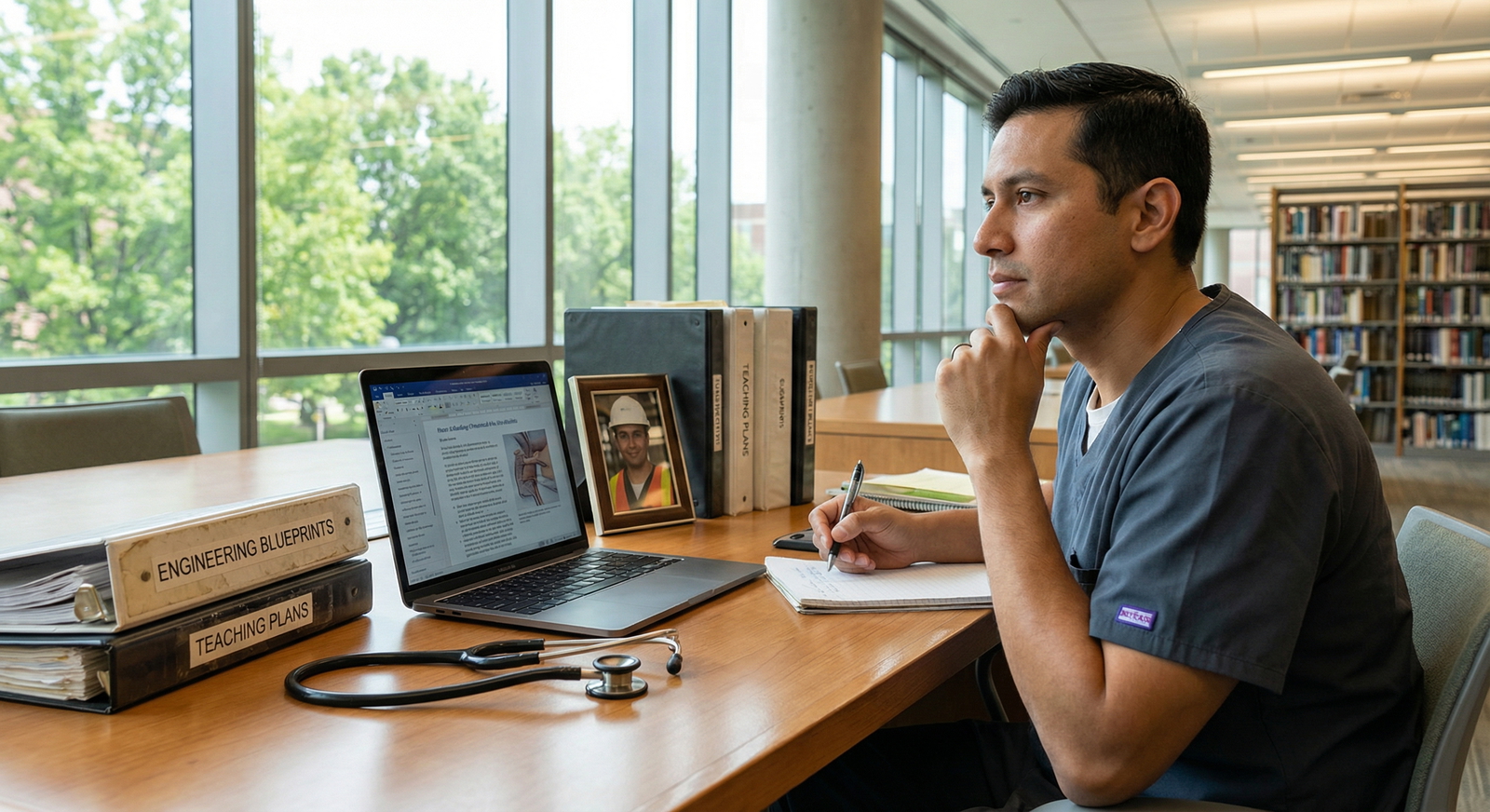
For many Non-Traditional Medical Students, the road to medicine is anything but linear. You may have started in engineering, education, business, the military, or as a caregiver at home. You may be entering medical school in your 30s, 40s, or beyond, or you might be changing careers after years in another field.
These experiences are not liabilities—they are assets that can profoundly shape your future as a physician.
Choosing a medical specialty is a major decision for any student, but it can feel especially high-stakes for those coming to medicine later in life. You may be thinking about:
- Length of training relative to your age or family plans
- Financial implications of different specialties
- How your prior career skills can translate into clinical practice
- Where you can have the greatest impact in a relatively shorter runway
This guide is designed specifically for Non-Traditional Medical Students navigating Career Exploration and Medical Specialties. It will help you:
- Understand broad categories of specialties and how they align with common non-traditional strengths
- Identify how your prior experiences can be reframed as advantages in Primary Care, Mental Health, specialty care, and beyond
- Use practical tools—shadowing, mentorship, electives—to make a grounded, values-based decision
- Anticipate residency application challenges and opportunities as a non-traditional candidate
The goal is not to tell you which specialty you “should” choose, but to give you a framework to find a niche that fits your skills, story, and long-term life goals.
Understanding the Landscape of Medical Specialties as a Non-Traditional Student
The Big Picture: Categories of Medical Specialties
Medical specialties are often grouped by:
- Type of care: primary vs. specialty vs. surgical vs. diagnostic
- Patient population: children, adults, older adults, specific gender, etc.
- Practice style: outpatient vs. inpatient, shift work vs. traditional clinic hours
- Procedural intensity: cognitive (thinking, diagnosing, counseling) vs. procedural (operations, interventions, procedures)
For Non-Traditional Medical Students, it’s especially helpful to look at specialties through the lens of:
- How your prior work and life experience can translate into patient care
- The kind of relationships you want with patients (short-term vs. long-term)
- Your preferred work environment (high acuity, team-based, independent clinic, community-focused, etc.)
- Your realistic constraints: training length, geographic flexibility, financial and family responsibilities
Below are major specialty categories with examples of how they can align with non-traditional strengths.
Primary Care Specialties: A Natural Fit for Life Experience
Primary Care is often the foundation of the healthcare system and can be an excellent home for Non-Traditional Medical Students. These fields value maturity, communication, and empathy—skills often sharpened through other careers and life roles.
Family Medicine: Broad Scope, Deep Relationships
What it involves:
Family Medicine physicians care for patients across the lifespan—from newborns to older adults. Their work commonly includes preventive care, chronic disease management, minor procedures, and often community-focused practice.
Why it works well for non-traditional students:
- Life experience builds trust: Patients frequently value physicians who “get” real-world challenges like parenting, caregiving, job loss, or financial stress.
- Flexibility in practice design: You can work in outpatient clinics, rural settings, academic centers, urgent care, or community health centers.
- Room for niche interests: Many family physicians develop areas of emphasis—sports medicine, women’s health, geriatrics, addiction medicine, integrative medicine, and more.
Examples of non-traditional backgrounds that translate well:
- Former teachers or social workers who excel at patient education and advocacy
- Veterans or former first responders who understand community needs and crisis situations
- Professionals from business/management who are skilled at running efficient, patient-centered clinics
Internal Medicine: Complex Adult Care and Subspecialty Options
What it involves:
Internists focus on adult medicine, often managing complex, chronic conditions. Many choose to become hospitalists or subspecialists (e.g., cardiology, gastroenterology, oncology).
Why it suits many non-traditional students:
- Cognitive complexity: Those from analytical fields (engineering, consulting, research, IT) often enjoy diagnostic reasoning and systems-based thinking.
- Flexible career paths: After internal medicine residency, you can pursue fellowship training or remain a general internist in outpatient or inpatient settings.
- Strong role in care coordination: Prior experience in project management or leadership can be invaluable for coordinating care across multiple specialties.
Pediatrics: Pairing Advocacy and Communication with Child-Focused Care
What it involves:
Pediatricians care for infants, children, and adolescents. They manage developmental milestones, preventive care, acute illness, and chronic conditions.
Why it’s a strong fit, especially for certain non-traditional backgrounds:
- Education and communication skills shine: Former educators, child development specialists, or parents can bring exceptional skills in explaining conditions to both children and caregivers.
- Advocacy-focused: There are opportunities in child advocacy, school-based health, child protection, and public health initiatives.

Behavioral Health and Mental Health: Leveraging Empathy and Prior Helping Professions
With growing recognition of the importance of Mental Health, behavioral health specialties offer meaningful, high-impact careers. Non-Traditional Medical Students often bring deep empathy, maturity, and experience in counseling or human services that align well with these disciplines.
Psychiatry: The Medical Specialty of the Mind
What it involves:
Psychiatrists diagnose and treat mental health disorders using a combination of psychotherapy, medications, and coordination with other professionals (psychologists, social workers, counselors).
Why it’s compelling for non-traditional students:
- Transferable skills from helping professions:
- Backgrounds in psychology, counseling, social work, ministry, coaching, or crisis hotlines can translate directly into patient communication and rapport-building.
- Opportunities for flexible careers:
- Outpatient, telepsychiatry, partial hospitalization programs, addiction treatment centers, academic settings, and integrated primary care models.
- Growing societal need:
- The demand for psychiatrists significantly exceeds supply, creating strong job security and opportunities to shape innovative care models.
Addiction Medicine: Combining Medicine, Public Health, and Advocacy
What it involves:
Addiction Medicine focuses on the diagnosis, treatment, and prevention of substance use disorders. Physicians may work in specialized treatment centers, inpatient consult services, primary care clinics, or public health programs.
Why non-traditional students often excel here:
- Experience with vulnerable populations: Many come from backgrounds in social work, corrections, community outreach, or public health.
- Personal connection and resilience: Some have personal or family experiences with addiction and recovery, which, when appropriately shared and processed, can deepen empathy and motivation.
- Policy and systems focus: This field intersects with criminal justice reform, harm reduction, and health policy, offering avenues for broader societal impact.
Specialty and Procedural Care: Applying Technical and Analytical Skills
Specialty care can seem intimidating to non-traditional students who worry about age, training length, or perceived competitiveness. However, many find these fields deeply satisfying, especially when prior careers involved high-pressure decision-making, technical skills, or complex problem-solving.
Emergency Medicine: High-Acuity, Team-Based Care
What it involves:
Emergency physicians manage undifferentiated, urgent, and emergent conditions in the emergency department. The work is fast-paced, team-oriented, and shift-based.
Non-traditional strengths that shine in EM:
- Crisis management experience: Former paramedics, nurses, military personnel, police, firefighters, and event managers often adapt well to the pace and chaos.
- Comfort with shift work: For some, predictable blocks of time off are a better fit with family life than traditional clinic schedules.
- Communication under pressure: Prior roles requiring clear communication in stressful situations are invaluable.
Considerations for non-traditional applicants:
- Emergency Medicine competitiveness has fluctuated; staying updated on trends and geographic variation is important.
- Physical and emotional resilience is key—honestly assess how you handle sleep disruption, night shifts, and repeated acute stress.
Surgical Specialties: Hands-On, Procedure-Focused Medicine
What it involves:
Surgical fields (general surgery, orthopedics, ENT, urology, neurosurgery, etc.) combine cognitive decision-making with technically demanding procedures and frequent time in the operating room.
Why some non-traditional students thrive in surgery:
- Technical aptitude: Former engineers, mechanics, musicians, dentists, or those with fine motor and spatial skills may find surgical work deeply satisfying.
- Team and leadership skills: Surgery requires coordination across anesthesiology, nursing, techs, and consultants—prior leadership and team management are assets.
- Structured training environment: While long and demanding, surgical residencies often provide clear hierarchies and defined benchmarks, which some students prefer.
Key realities to weigh:
- Training length can be substantial (5–7+ years for many surgical specialties plus possible fellowships).
- Work hours can be intense; reflect on how this aligns with your family, health, and long-term burnout risk.
- Age alone is not disqualifying, but you must be realistic about stamina, lifestyle preferences, and goals.
Community, Public Health, and Systems-Focused Careers
Many Non-Traditional Medical Students come from backgrounds in policy, public service, non-profit work, or community organizing. These experiences can find a natural home in community-focused specialties and public health–oriented careers.
Preventive Medicine: Bridging Clinical Care and Population Health
What it involves:
Preventive Medicine focuses on keeping populations healthy rather than only treating disease after it occurs. Physicians may work in public health departments, occupational health, health systems leadership, or academic and policy roles.
Why it’s well-suited to non-traditional students:
- Public health and data backgrounds: Those with prior training in epidemiology, statistics, health education, or quality improvement can excel.
- Interest in systems change: If you’re driven to redesign healthcare systems or reduce disparities, Preventive Medicine offers tools and career paths to do so.
- Flexible roles: Work may include research, administration, clinical care, policy, or some combination.
Public Health–Oriented Clinical Practice
You do not need a Preventive Medicine residency to engage in public health. Many physicians in Primary Care, Infectious Diseases, Pediatrics, and OB/GYN incorporate public health work into their careers:
- Leading community screening programs (e.g., for hypertension, HIV, cancer)
- Working in Federally Qualified Health Centers (FQHCs) or rural health clinics
- Partnering with schools, local governments, or NGOs
- Serving on advisory boards for public health initiatives
For Non-Traditional Medical Students with community organizing, non-profit, or advocacy backgrounds, these hybrids can be profoundly meaningful.
Integrative, Holistic, and Relationship-Centered Care Paths
A growing number of physicians and patients are interested in Integrative and Holistic Medicine—approaches that consider the whole person, including lifestyle, mental health, and non-pharmacologic therapies.
Family Medicine with Integrative or Lifestyle Focus
Many Family Medicine physicians develop added expertise in:
- Lifestyle medicine (nutrition, exercise, sleep, stress management)
- Integrative approaches (acupuncture, mindfulness, yoga, selected complementary therapies)
- Chronic pain management with non-opioid modalities
Non-traditional students with backgrounds in:
- Yoga instruction, physical training, nutrition, or wellness coaching
- Holistic or complementary health disciplines
can bring a nuanced, evidence-informed approach to these areas, especially when paired with rigorous biomedical training.
Osteopathic Medicine (DO) and Holistic Philosophy
While MD and DO physicians share similar core training, Osteopathic Medicine emphasizes:
- A holistic, person-centered view of health
- The interrelationship of structure and function in the body
- Osteopathic manipulative treatment (OMT) as a potential adjunct
For non-traditional applicants drawn to whole-person care, preventive strategies, and hands-on techniques, DO pathways can be particularly attractive. Many DO programs also have strong track records of supporting non-traditional candidates.
Key Considerations in Choosing a Specialty as a Non-Traditional Student
Choosing a specialty is both a practical and deeply personal decision. As a non-traditional student, you’ll need to weigh standard considerations alongside age, family, finances, and prior career identity.
1. Structured Self-Reflection and Strengths Assessment
Reflect systematically, not just intuitively. Consider:
Core motivations:
- Why did you choose medicine now, at this stage of life?
- What types of patient stories move you most—acute rescues, long-term journeys, mental health recovery, community transformation?
Transferable skills from your past life:
- Leadership, teaching, technical expertise, counseling, negotiation, data analysis, advocacy.
- How might these skills show up in your daily life as a physician?
Personal constraints and goals:
- Desired training length, geographic flexibility, family responsibilities, financial realities.
- Are there specialties that align or conflict strongly with these?
Writing down your reflections or working through them with a career advisor, mentor, or therapist can help clarify patterns and priorities.
2. Shadowing, Rotations, and Targeted Clinical Experiences
Exposure is essential for genuine Career Exploration:
Pre-clinical phase:
- Shadow in multiple environments (clinic, hospital, community health center, specialty clinic).
- Seek exposure that matches your preconceived interests and also challenges them.
Clinical rotations:
- Pay attention to how you feel at the end of a typical day—energized or drained?
- Notice which types of patient interactions you look forward to, and which you dread.
- Ask yourself: “Could I imagine doing this, most days, for 20+ years?”
Electives and sub-internships:
- Use these strategically in specialties you are seriously considering or need more exposure to.
- For competitive specialties, early exposure and mentorship matter.
3. Networking, Mentorship, and Specialty-Specific Guidance
Relationships can make or break your specialty exploration:
- Find mentors who understand non-traditional paths:
- Seek physicians who themselves were non-traditional or who have mentored many such students.
- Attend specialty interest groups and national meetings (even virtually):
- These provide insight into culture, expectations, and training opportunities.
- Ask targeted questions:
- “What do you wish you had known before choosing this specialty?”
- “How do people in your field manage work-life balance?”
- “What are realistic career paths for someone starting at my age or with my background?”
4. Residency Competitiveness and Match Strategy
Non-traditional students can and do match into all specialties—including highly competitive ones. However, you’ll need to:
- Be realistic and informed about board scores, research expectations, and program preferences.
- Consider applying both broadly and strategically—emphasizing geographic flexibility if possible.
- Build a clear, cohesive narrative connecting your background to your specialty choice.
For some, a slightly less competitive specialty that still fits well may offer a smoother path and earlier transition into practice, which may be relevant if you are especially concerned about time and finances.
5. Work-Life Balance, Lifestyle, and Long-Term Sustainability
Work-life balance means different things to each person, but non-traditional students often have additional considerations:
- Parenting or caregiving responsibilities
- Health conditions or physical limitations
- Desire to minimize frequent relocations
- Need to pay off loans more quickly
Factor in:
- Typical schedule (clinic-based vs. shift work vs. call-heavy)
- Flexibility for part-time work later in your career
- Burnout rates and support systems within the specialty
Talk with physicians 10+ years into their careers, not just residents and new attendings, to understand the long-term reality.
Real-World Application: A Case Study for Non-Traditional Specialty Choice
Case Study: Sarah – From Classroom to Clinic
Sarah spent over a decade as a middle school teacher before applying to medical school in her late thirties. She loved working with children and families but wanted a more direct role in promoting health and safety.
During medical school:
- She initially considered Family Medicine due to its broad scope.
- On her Pediatrics rotation, she found herself staying late to talk with families about school performance, bullying, and developmental concerns.
- Faculty noticed her exceptional ability to explain complex topics to anxious parents in clear, compassionate language.
Sarah used a targeted career exploration approach:
- She shadowed pediatricians in both outpatient and hospital settings.
- She met with mentors in developmental-behavioral pediatrics and child advocacy.
- She joined a project connecting pediatric clinics with local schools to improve support for children with learning differences.
In her residency application:
- She highlighted her years as an educator, framing them as advanced training in communication, behavior management, and child advocacy.
- Letters of recommendation emphasized her maturity, resilience, and skill at navigating difficult family conversations.
Sarah matched into a Pediatrics residency with a strong child advocacy program. Today, she works in a community clinic and collaborates with local schools and social services agencies—perfectly integrating her pre-med career with her medical training.
Her story illustrates a key point: your prior life is not a detour; it can become the heart of your niche in medicine.
Frequently Asked Questions: Specialties for Non-Traditional Medical Students
1. What is the best way to explore different Medical Specialties as a non-traditional student?
Use a layered approach:
Before and early in medical school:
- Shadow physicians in multiple specialties, including ones you think you’re not interested in (you may be surprised).
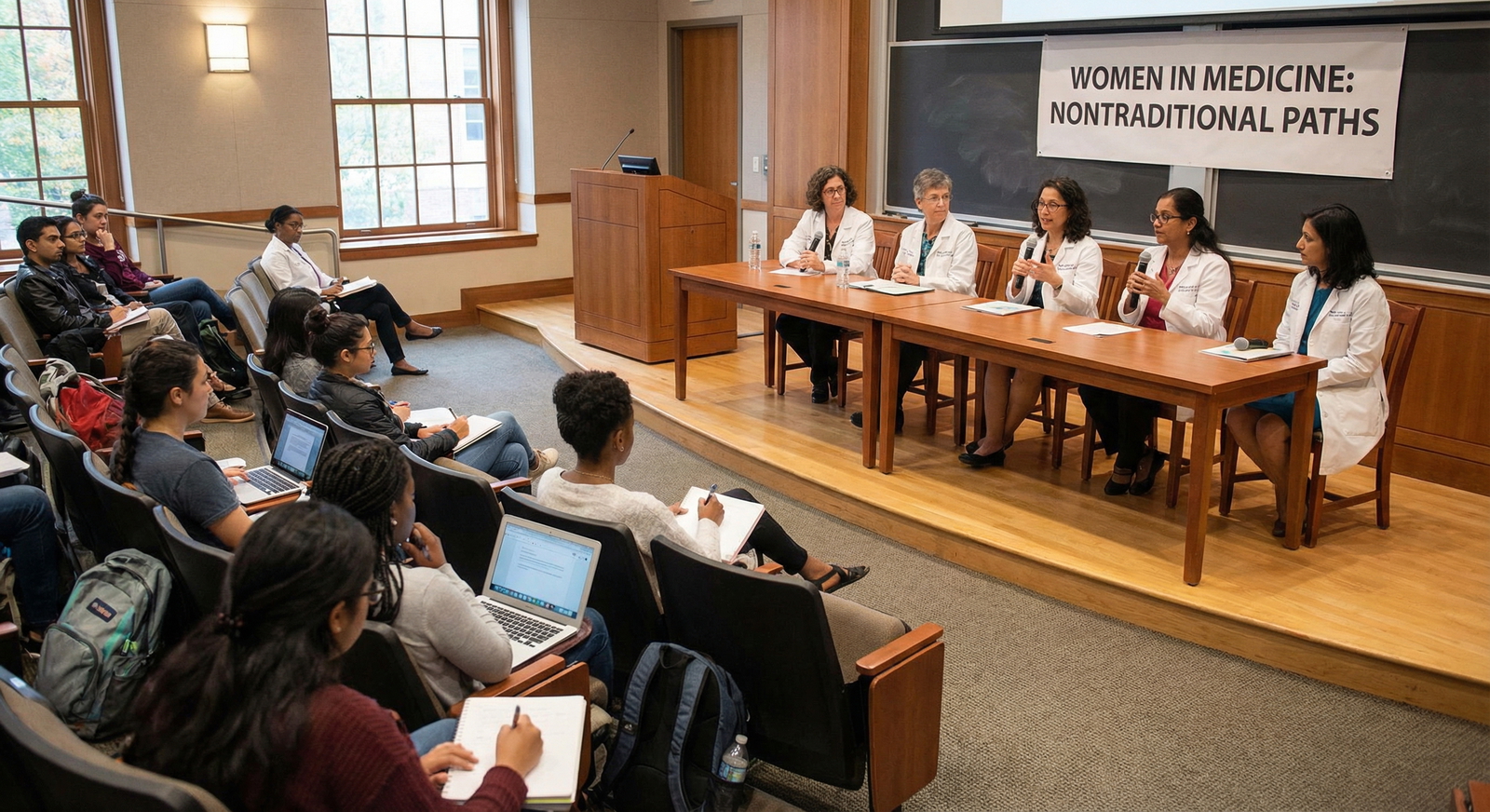
- Attend specialty interest group meetings and virtual panels.
During clinical years:
- Engage fully in each rotation—ask to see the full range of what that specialty does.
- Keep a journal noting what you enjoy and what drains you on each rotation.
Late in medical school:
- Choose electives and sub-internships in serious contender specialties.
- Ask residents and attendings for honest feedback about how well your strengths seem to fit the field.
2. How do I handle potential bias against Non-Traditional Medical Students or older trainees?
While many programs actively value diverse paths, bias can still exist. You can:
- Own your narrative with confidence: Frame your age and prior career as sources of maturity, resilience, and unique skills.
- Address concerns proactively: If appropriate, briefly acknowledge any gaps or career changes and emphasize what you learned from them.
- Find supportive mentors and programs: Look for training environments that have successfully trained non-traditional residents before.
- Demonstrate up-to-date knowledge and skills: Excel on rotations, exams, and clinical evaluations to dispel assumptions about “rustiness.”
3. What if I still feel uncertain about my specialty choice late in medical school?
Uncertainty is common, especially when you can see yourself in multiple roles. To move forward:
- Identify what you want your day-to-day life to look like, not just what sounds interesting intellectually.
- Narrow down to 2–3 specialties and arrange short electives or shadowing experiences focused on each.
- Talk with trusted mentors and advisors, including those outside of medicine (e.g., partners, family, therapists) who understand your values and constraints.
- If needed, consider a transitional year or preliminary position as a bridge while you clarify your path—though this should be a deliberate choice with advisor support, not a default fallback.
4. Are certain specialties more “suited” for Non-Traditional Medical Students?
Non-traditional students are found across the spectrum—from Psychiatry and Family Medicine to Emergency Medicine, Radiology, and Surgery. That said, some specialties often align naturally with common non-traditional strengths:
- Primary Care (Family Medicine, Internal Medicine, Pediatrics): For those with strong communication, teaching, and relational skills.
- Mental Health fields (Psychiatry, Addiction Medicine): For those from counseling, social work, psychology, or ministry backgrounds.
- Community/Public Health–oriented fields: For those with policy, advocacy, or population health experience.
- Technical and procedural fields (Surgery, EM, Anesthesiology, Interventional specialties): For students with strong technical aptitude, high-pressure decision-making experience, or engineering/problem-solving backgrounds.
Ultimately, “fit” depends more on your intrinsic interests, temperament, and life circumstances than your age alone.
5. How can I strengthen my residency application as a non-traditional student?
Focus on three pillars:
Narrative:
- Use your personal statement and interviews to clearly connect your past experiences to your chosen specialty.
- Highlight resilience, adaptability, and specific patient-care stories that show your strengths.
Performance:
- Aim for strong clinical evaluations, solid exam performance, and evidence of growth throughout medical school.
- Engage in at least one meaningful project (research, quality improvement, community initiative) in or related to your chosen field.
Relationships:
- Secure letters of recommendation from faculty who truly know your work and can speak to your maturity, reliability, and clinical performance.
- Network with residents and attendings, attend conferences if possible, and let people see your commitment to the specialty.
Non-Traditional Medical Students bring essential diversity to medicine—of age, culture, prior careers, and life experience. With thoughtful Career Exploration, honest self-reflection, and strategic planning, you can find a medical specialty that not only fits your skills and story, but also allows you to build a deeply fulfilling, sustainable career in Primary Care, Mental Health, specialty practice, public health, or beyond.