Transitioning into medicine from another field is one of the most significant Career Change decisions you can make. It’s not just a new job—it’s an entirely different way of life that affects your identity, time, finances, and relationships. For many non-traditional students, the pull toward medicine grows out of powerful experiences: caring for a sick family member, working alongside clinicians, or feeling unfulfilled in a previous profession.
This guide is designed for adults considering a Career Change into medicine, particularly those in the premed and medical school preparation phase. You’ll find structured questions, practical exercises, and examples to help you decide whether a Healthcare Career as a physician aligns with your values, strengths, and long-term goals in medical education and professional development.
Understanding the True Commitment of a Career in Medicine
Switching into medicine is not a short-term pivot; it is a multi-year, high-intensity journey. Before you invest time, money, and emotional energy, you need a realistic picture of the road ahead.
The Timeline: How Long Will This Career Change Actually Take?
For most non-traditional applicants, the path typically involves:
- 1–3 years of premedical coursework (if you lack science prerequisites)
- MCAT preparation and testing (often 6–12 months of focused study)
- 4 years of medical school (MD or DO)
- 3–7+ years of residency training, depending on specialty
- Optional:
- 1–3 years of fellowship (for subspecialties)
- Ongoing CME (Continuing Medical Education) and board recertification
For someone starting in their late 20s or 30s, you may not be fully practicing independently until your late 30s or 40s. Understanding this long arc is essential to planning your Professional Development and personal life.
The Day-to-Day Reality: Not Just Prestige and Pay
Many people see the visible aspects of being a physician—white coat, respect, and job security. Less visible:
- Chronic sleep deprivation during training
- High-stakes decision-making with serious consequences
- Administrative burden (documentation, insurance forms, prior authorizations)
- Emotional toll of witnessing suffering, death, and sometimes injustice in healthcare systems
Ask yourself: Am I seeking medicine for what it really is, or for what I imagine it to be?
Question 1: What Truly Motivates Your Career Change to Medicine?
Motivation is your fuel during prerequisites, MCAT prep, medical school, and residency. Vague or external reasons often aren’t strong enough to sustain you through setbacks.
Clarifying Your “Why”
Reflect honestly:
- Are you motivated primarily by:
- A desire to help people in a hands-on, clinical way?
- Intellectual curiosity about biology, disease, and treatment?
- A wish for more meaning and purpose than your current job provides?
- Financial stability or job security?
- Prestige, status, or external validation?
None of these are “wrong,” but some are more sustainable than others.
Reflection Exercise
Write down answers to these prompts:
- “What specific moment or experience first made me consider medicine?”
Example:- “I watched how my mother’s oncologist not only coordinated complex chemotherapy but also supported her emotionally. That shaped how I see meaningful work.”
- “If medicine were poorly paid and low status, would I still want to do it?”
- “What do I hope being a doctor will allow me to do that I can’t do now?”
If your answers center heavily on status or income, consider exploring other Healthcare Careers (e.g., PA, NP, clinical psychology, public health, or health administration) that may provide fulfillment with a different training path.
Question 2: Do You Have a Genuine Passion for Learning and Medical Education?
Medicine is one of the few professions where learning never really ends. New guidelines, therapies, and technologies constantly reshape practice.
Academic Demands in Premed and Medical School
During the premed phase and in medical school, you’ll need to:
- Master foundational sciences: biology, chemistry, organic chemistry, physics, and biochemistry
- Develop strong reading and test-taking skills for the MCAT
- Keep up with large volumes of information in short timeframes
- Adapt to new learning formats: problem-based learning, simulation labs, clinical skills courses
You don’t need perfect grades from the start, but you do need to enjoy the process of figuring things out and pushing your intellectual limits.
Self-Assessment: Are You Wired for Lifelong Learning?
Try this:
- List 3–5 times in your life when you voluntarily learned something challenging (e.g., learning a new language, teaching yourself coding, going back to grad school, or mastering a complex hobby).
- Ask:
- Did the challenge energize you or drain you?
- Did you enjoy the learning itself, or only the outcome (e.g., degree, promotion)?
If you easily get frustrated with studying or lose interest once the novelty wears off, you’ll need robust strategies to stay engaged in the demanding environment of medical education.

Question 3: What Are Your Personal Strengths and Weaknesses for a Healthcare Career?
Different specialties attract different personalities, but certain core competencies are essential across medicine.
Core Strengths for a Physician
Reflect on how you rate yourself in these areas:
- Empathy and communication
- Can you listen without interrupting?
- Do people often confide in you?
- Can you explain complex topics simply?
- Resilience and stress tolerance
- How do you function under deadlines, pressure, or conflict?
- After a bad day, can you reset and move forward?
- Problem-solving and critical thinking
- Do you enjoy working through complex, ambiguous problems?
- Are you comfortable making decisions with incomplete information?
- Professionalism and reliability
- Do others depend on you to follow through?
- Are you honest about your mistakes and limitations?
Honest Weakness Assessment
Weaknesses don’t disqualify you; they simply identify areas for growth. Ask:
- Do I avoid conflict or difficult conversations?
- Do I struggle with time management or chronic procrastination?
- Do I shut down emotionally under stress or become overly reactive?
Turning these into action:
- Time management → Use structured tools (planners, digital calendars, time-blocking) during premed studies.
- Communication → Seek roles that require listening and explaining (tutoring, mentoring, patient-facing jobs).
- Resilience → Build habits like regular exercise, therapy or counseling, and stress-management practices.
Question 4: How Do You Handle Long Hours, Uncertainty, and High-Pressure Situations?
Medicine is demanding at every stage: premed, medical school, residency, and beyond.
The Reality of Workload and Hours
You may experience:
- 60–80+ hour weeks during certain rotations or residencies
- Overnight calls and irregular schedules
- Shifting circadian rhythms (e.g., night float, ICU rotations)
- Constant juggling of:
- Patient care tasks
- Notes and documentation
- Studying for exams and board certifications
- Professional and personal responsibilities
Try to imagine:
- Studying 4–6 hours after a full day of work or classes
- Working multiple 12–14 hour shifts in a row
- Being fully present for patients despite fatigue
Stress Test: Simulate the Environment
Before committing to this Career Change, attempt a “trial period” for 2–4 weeks:
- Work your current job (or similar hours)
- Add:
- 15–20 hours/week of structured science coursework or MCAT prep
- Scheduled time for exercise, sleep, and meals
- Track:
- How your mood and energy change
- How your relationships and hobbies are affected
- Whether the challenge feels meaningful or unsustainable
If you find this consistently impossible—even with strong organization—it may be worth reconsidering whether a physician role is the right fit, or whether a related Healthcare Career with different training demands suits you better.
Question 5: Which Medical Specialty or Role Actually Fits Your Interests?
You don’t need to choose a specialty now, but you should understand the diversity within medicine and what kinds of work settings you might prefer.
Exploring the Range of Healthcare Careers in Medicine
Examples of physician specialties and their flavor of work:
- Internal Medicine / Family Medicine
- Long-term relationships, broad knowledge base, continuity of care
- Surgery
- Procedural focus, time in the OR, physical demands, intense training
- Pediatrics
- Working with children and families, developmental focus
- Psychiatry
- Emphasis on mental health, communication, and longitudinal care
- Emergency Medicine
- Fast-paced, shift work, acute stabilization, less continuity
- Radiology / Pathology
- Less direct patient interaction, heavy on imaging or lab analysis
You should also compare the physician path with:
- Physician Assistant (PA)
- Nurse Practitioner (NP)
- Clinical pharmacist
- Physical or occupational therapist
- Clinical psychologist
- Public health or health policy roles
Action Steps to Explore Options
- Shadowing: Arrange to shadow at least 2–3 different specialties.
- Pay attention to: pace, communication style, team culture, work-life balance.
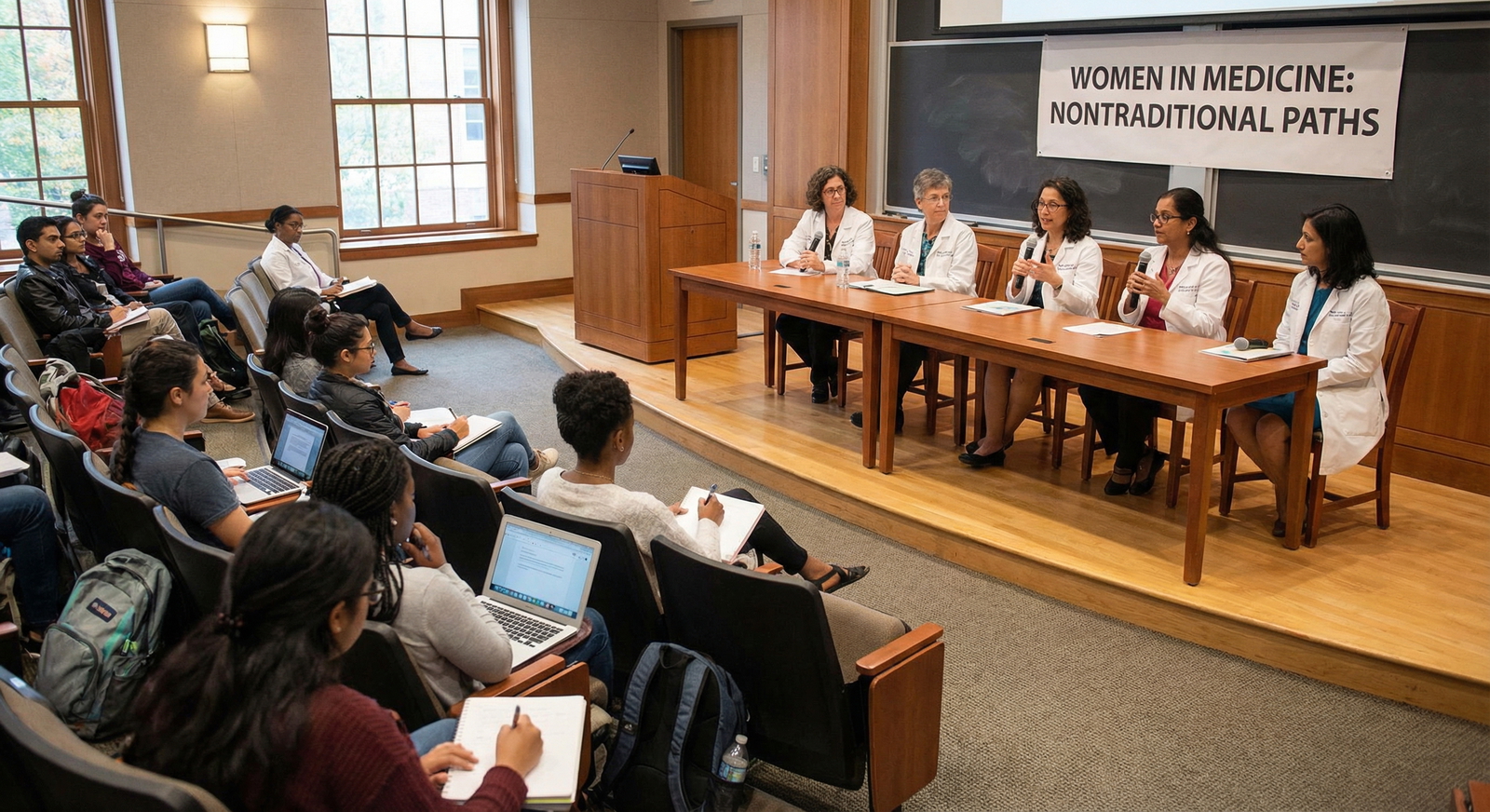
- Informational interviews: Talk to physicians and other providers who made a Career Change themselves.
- Clinical volunteering or employment:
- Scribe, medical assistant, EMT, CNA, hospital volunteer
Ask after each experience: Could I see myself doing this type of work most days for the next 20–30 years?
Question 6: Can You Realistically Manage the Financial Commitment?
The financial dimension of this Career Change is substantial and often underestimated.
Major Financial Factors to Consider
- Tuition and fees:
- U.S. medical school tuition can easily exceed $40,000–$70,000 per year, sometimes more.
- Living expenses:
- Rent, food, insurance, transportation, childcare.
- Lost income:
- Years out of the regular workforce during school and lower pay during residency.
- Debt burden:
- Many graduates carry $200,000+ in student loan debt.
Practical Financial Planning Steps
- Current Financial Snapshot
- List:
- Savings
- Current income
- Existing debts (student loans, mortgage, credit cards)
- Monthly fixed expenses
- List:
- Research Costs
- Public vs. private medical schools
- In-state vs. out-of-state tuition
- Post-baccalaureate or Special Master’s Programs (SMPs)
- Develop a Funding Strategy
- Federal student loans and repayment programs
- Scholarships and service-based programs (e.g., NHSC, military HPSP)
- Spousal or family support (if applicable)
- Maintaining part-time work during premed years (if sustainable)
If the numbers feel overwhelming, consult a financial planner familiar with medical training paths. A clear plan makes the financial side of your Professional Development much less intimidating.
Question 7: How Will a Career in Medicine Affect Your Personal Life and Relationships?
Medicine will intersect with almost every dimension of your life: family, friendships, hobbies, and physical and mental health.
Impact on Family and Social Life
Consider:
- Family and dependents
- Do you have a partner, children, or caregiving responsibilities?
- Can your family withstand periods of reduced income or your limited availability?
- Relationships
- Are your close relationships supportive, skeptical, or dependent on your current schedule and income?
- Geographic mobility
- Are you willing to relocate for:
- Post-bacc or premed programs
- Medical school
- Residency and possibly fellowship
- Are you willing to relocate for:
Having early, honest conversations is essential. Share realistic timelines and expectations with the people who will be most impacted by your Career Change.
Building and Protecting Your Support System
Make a list of:
- People who encourage your goals (family, friends, mentors, colleagues)
- People who provide emotional support during stress
- People who can give practical help (childcare, financial guidance, study accountability)
Then, proactively:
- Tell them why this path matters to you
- Ask specifically how they might be able to support you (or what limits they have)
- Set up routines: weekly check-ins, family meetings, or dedicated time for connection
Loneliness and burnout are very real in medical education. Intentional relationship building can be as important as studying.
Question 8: Are You Prepared for the Emotional and Psychological Demands of Medicine?
Physicians encounter human suffering at close range. This can be meaningful—but it can also be heavy.
Emotional Challenges to Anticipate
- Witnessing pain, trauma, and death
- Delivering bad news to patients and families
- Experiencing moral distress when system limitations prevent ideal care
- Managing your own fear of making mistakes or missing diagnoses
These stressors can contribute to anxiety, depression, compassion fatigue, or burnout if not addressed proactively.
Test Your Emotional Readiness
Before fully committing to this Career Change:
- Volunteer or work in emotionally intense settings, such as:
- Hospice or palliative care
- Emergency department
- Oncology clinic
- Mental health crisis centers
- Pay attention to:
- Your physical reactions (tension, nausea, insomnia)
- Your emotional patterns (numbness, overwhelm, avoidance)
- Whether you recover reasonably over time
Emotional discomfort is normal; complete emotional detachment or constant overwhelm are warning signs that you might need additional support or may be better suited to a different role within Healthcare Careers.
Consider establishing ongoing care with a therapist or counselor early in your medical education journey. This can be a vital part of your long-term Professional Development and well-being.
Question 9: What Support Systems and Mentors Can You Rely On?
No one successfully navigates a Career Change into medicine alone. You’ll need both personal and professional support.
Building a Mentorship Network
Aim to identify:
- Academic mentors: Advisors or professors who understand premed and medical school admissions.
- Clinical mentors: Physicians or advanced practice providers who:
- Work in specialties that interest you
- Have experience with non-traditional students
- Peer mentors: Other career-changers or current medical students who can share recent, practical advice.
How to find them:
- Contact your undergraduate or post-bacc premed advising office
- Join premed and professional organizations (e.g., AMSA, SNMA, LMSA, non-traditional student groups)
- Reach out politely to physicians you’ve shadowed or worked with and ask for occasional guidance
Personal Support and Boundaries
Support isn’t just about cheerleading; it’s also about understanding limits. You may need to:
- Say no to certain social events during intense study periods
- Re-negotiate household responsibilities with a partner
- Protect designated time for sleep and self-care
Write down a Support Plan that includes:
- Names and roles of key supporters
- How you’ll ask for help when you’re overwhelmed
- Early warning signs that you’re burning out and what you’ll do in response
Question 10: Are You Open to Alternative or Parallel Paths in Healthcare?
Not everyone who explores medicine needs to—or ultimately should—become a physician. Being flexible and open-minded is a strength, not a failure.
Exploring Alternative Healthcare Careers
If you discover that the time, cost, or intensity of medical school isn’t the right fit, consider other meaningful roles in healthcare:
- Advanced practice providers:
- Physician Assistant (PA)
- Nurse Practitioner (NP)
- Therapy and rehabilitation:
- Physical therapist
- Occupational therapist
- Speech-language pathologist
- Behavioral and mental health:
- Clinical psychologist
- Licensed clinical social worker
- Psychiatric nurse
- Public health and systems roles:
- Epidemiologist
- Health policy analyst
- Healthcare administrator
Many of these paths still require rigorous training and offer direct patient impact, often with different timelines and financial profiles.
Structured Programs for Non-Traditional Students
If you are committed to the physician route but need academic preparation, explore:
- Post-baccalaureate premedical programs
- For those who lack science prerequisites
- Some offer “career changer” tracks with advising, MCAT prep, and linkage agreements
- Special Master’s Programs (SMPs)
- For students who already have science coursework but need academic enhancement
These programs can help you transition into medical education more smoothly and demonstrate your readiness to admissions committees.

Conclusion: Deciding If Medicine Is Truly the Right Path for You
A Career Change into medicine is profound, challenging, and potentially deeply fulfilling. It demands:
- Clear, sustainable motivation
- A true love of learning and medical education
- Honest awareness of your strengths and limitations
- Willingness to endure long hours, uncertainty, and emotional complexity
- Careful financial and life planning
- Strong support systems and openness to mentorship
- Flexibility to consider alternative Healthcare Careers if needed
Spend real time with these questions. Write, reflect, talk with mentors and loved ones, and seek out direct exposure to clinical environments. Whether you ultimately choose to pursue an MD/DO, another healthcare profession, or a different path entirely, the self-knowledge you gain will serve you throughout your Professional Development.
Medicine is not the only meaningful career—but if it truly aligns with who you are, it can be an extraordinary way to spend your life.
FAQs: Career Change into Medicine and Non-Traditional Medical Education Paths
1. What are the basic educational requirements to become a physician as a career changer?
Most future physicians, regardless of background, need to complete:
- A bachelor’s degree (any major is acceptable as long as prerequisites are completed)
- Premed science prerequisites, typically including:
- General biology with lab
- General and organic chemistry with lab
- Physics with lab
- Biochemistry
- Often psychology, sociology, and statistics
- The MCAT exam
- A medical degree (MD or DO) from an accredited medical school
- Residency training in a chosen specialty (3–7+ years)
If your original degree lacked science coursework, a post-baccalaureate premedical program can provide a structured path to complete prerequisites and prepare for medical school.
2. How can I tell if I’m “too old” to start medical school?
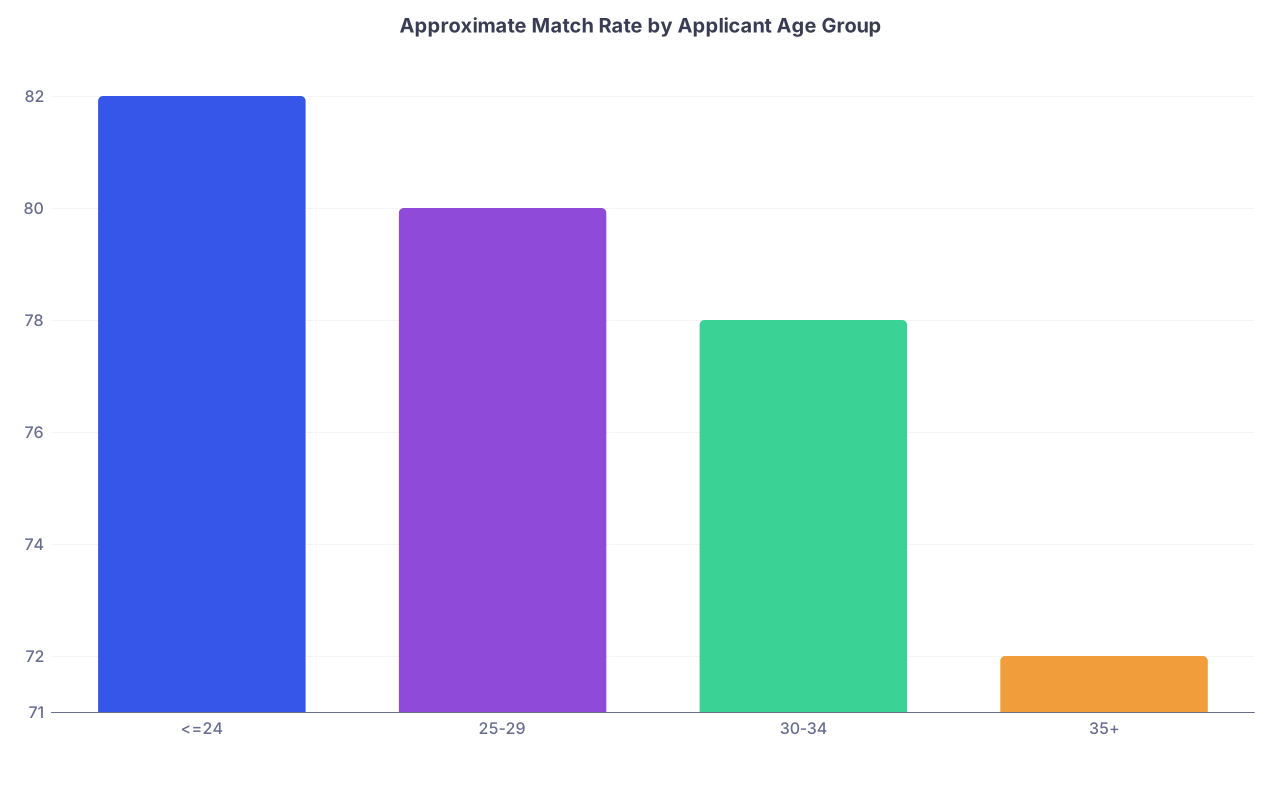
There is no official upper age limit for medical school in most countries. Many students begin medical school in their 30s or even 40s. Important factors to consider include:
- Your expected graduation and residency completion age
- Your financial planning and retirement timeline
- Your health, stamina, and ability to handle demanding schedules
- Your personal and family responsibilities
Admissions committees generally appreciate the maturity and life experience non-traditional students bring. Your task is to demonstrate academic readiness, clear motivation, and a realistic understanding of the path ahead.
3. Can I balance medical training with family life or raising children?
Yes, many physicians and trainees successfully combine medicine with family life, but it requires:
- Clear communication with partners and family
- Strong time management and prioritization
- Thoughtful choices about school location, specialty, and work environment
- Willingness to use support systems (childcare, family help, etc.)
During premed and medical school planning, talk to current non-traditional students and residents who have families. Their experiences can help you anticipate challenges and design strategies that fit your situation.
4. How important is clinical experience for non-traditional medical school applicants?
Clinical experience is essential. As a career changer, you need to demonstrate:
- Firsthand understanding of what physicians and healthcare teams do
- Comfort interacting with patients
- Evidence that you’re choosing medicine based on real exposure, not just an idealized vision
Common ways to gain experience:
- Medical scribing
- Working as an EMT, CNA, or medical assistant
- Volunteering in hospitals, clinics, hospice, or nursing homes
- Shadowing physicians in multiple specialties
Admissions committees often view sustained, meaningful clinical involvement more favorably than brief or purely observational experiences.
5. What steps should I take in the next 6–12 months if I’m seriously considering this Career Change?
A practical 6–12 month plan might include:
- Self-assessment
- Reflect on the questions in this article
- Talk with trusted mentors, clinicians, and family
- Academic planning
- Review your transcript
- Identify needed prerequisites
- Explore local or online premed/post-bacc options
- Clinical exposure
- Arrange shadowing and/or clinical volunteer roles
- Consider part-time clinical employment if feasible
- Financial review
- Assess your current financial status
- Begin budgeting, saving, and researching loan and scholarship options
- Long-term strategy
- Map a tentative timeline for prerequisites, MCAT, applications, and matriculation
- Adjust based on family, work, and geographic constraints
Deliberate planning now will help ensure that, if you pursue medicine, you do so with clarity, resilience, and a strong foundation for success in your new Healthcare Career.