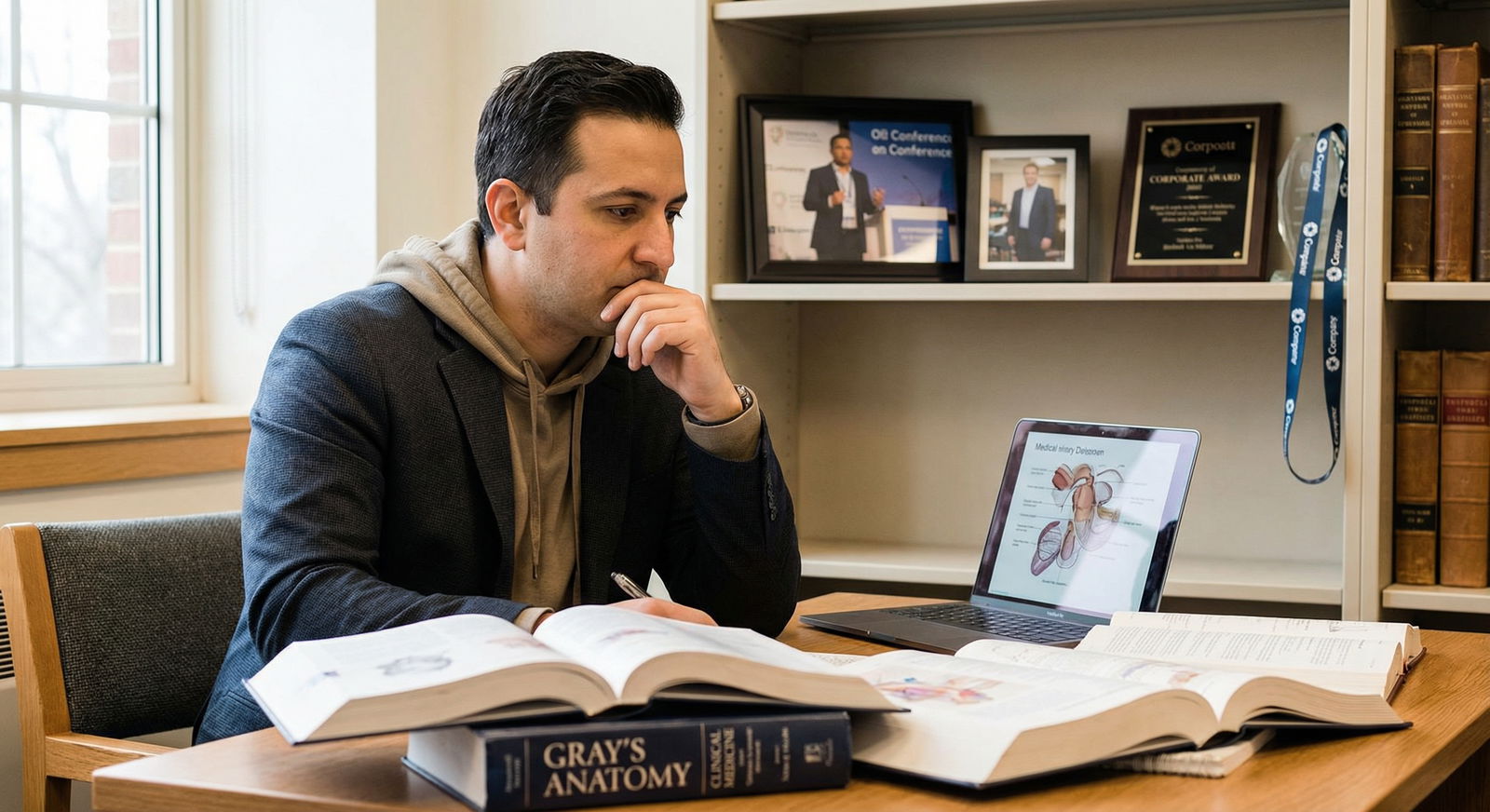
Discover 10 essential transferable skills from your past career that enrich your medical journey and elevate your impact as a future physician.
Embracing Your Career Transition into Medicine
Stepping into medicine from a previous career is more than a career change—it’s a powerful career transition that reshapes who you are as a professional and how you will show up for patients. As a non-traditional premed or medical student, you may worry you’re “behind” or that your previous years were a detour.
In reality, those years are one of your greatest assets.
The medical field urgently needs physicians who bring diverse experiences, advanced communication skills, emotional maturity, and real-world problem-solving abilities. Your past work—whether in business, education, engineering, the military, social services, or the arts—has already trained you in many of the core competencies that define excellent clinicians.
This article explores ten high-impact, transferable skills from your prior career that directly strengthen your medical skills and your readiness for medical school and residency. For each skill, you’ll see:
- Why it matters in modern healthcare
- How your previous roles may have developed it
- Concrete ways to highlight and apply it during your premed years, in applications, and in training
Use this as a guide to reframe your background as a strength and to speak confidently about your professional development in interviews, personal statements, and networking conversations.
1. Advanced Communication Skills: Your Foundational Clinical Tool
Why Strong Communication Defines Great Physicians
Communication sits at the center of clinical practice. Almost every aspect of medicine—eliciting a history, explaining diagnoses, coordinating with teams, counseling families—depends on your ability to convey information clearly and compassionately.
Research consistently shows that effective communication:
- Improves patient satisfaction and trust
- Increases adherence to treatment plans
- Reduces medical errors and misinterpretation
- Decreases the risk of complaints and litigation
In a career where time is limited and emotions run high, your prior communication experience becomes a major advantage.
How Your Past Career Built This Skill
You likely practiced communication more than you realize if you:
- Taught students (K–12, college, or corporate training)
- Worked in customer service, hospitality, or sales
- Led meetings or gave presentations
- Wrote reports, proposals, or technical documentation
- Managed clients or stakeholders with competing needs
These roles sharpened your ability to:
- Tailor your message to your audience
- Translate complex concepts into understandable language
- Listen actively and respond to concerns in real time
- Navigate difficult conversations and conflict
All of these map directly onto medical encounters.
Applying Communication Skills in Medicine
Specific ways to leverage this strength:
- Patient education: Use analogies and visuals to explain diagnoses and treatments in plain language. For example, explaining heart failure using the analogy of a pump system with pipes and filters.
- History taking: Ask open-ended questions and use reflective listening—skills you may have honed while gathering requirements from clients or interviewing stakeholders.
- Documentation: Your prior experience writing clear emails or reports can translate into concise, structured clinical notes.
- Team communication: In multidisciplinary care (physicians, nurses, social workers, pharmacists), you’ll draw on your ability to summarize, negotiate, and clarify.
Action tip for applications: In your personal statement and interviews, use a concrete story—such as de-escalating an angry customer or teaching a complex concept—to demonstrate your communication and empathy in action, then connect it explicitly to future patient care.
2. Problem-Solving and Clinical Reasoning
Why Problem-Solving Is Central to Medical Practice
Every patient encounter is, at its core, a problem-solving exercise. You’ll evaluate incomplete data, prioritize possibilities, and make decisions under uncertainty. This is not so different from:
- Diagnosing a failing business process
- Troubleshooting technical issues
- Reorganizing a dysfunctional team
- Designing a more efficient workflow
What changes are the stakes and the context—but the underlying reasoning remains similar.
How Your Past Role Built Analytical Strength
You cultivated problem-solving abilities if you:
- Worked in engineering, IT, or data analysis
- Served as a project manager coordinating complex moving parts
- Planned budgets, logistics, or operations
- Led quality improvement or risk management initiatives
These experiences taught you to:
- Break complex problems into smaller components
- Identify root causes instead of treating symptoms
- Weigh trade-offs and prioritize limited resources
- Evaluate outcomes and revise your approach
Applying Problem-Solving in Clinical Training
In medicine, your problem-solving will show up as:
- Clinical reasoning: Generating differential diagnoses, ordering the right tests, and adjusting plans based on new information.
- Systems thinking: Recognizing when a “patient problem” is really a system problem—like delayed follow-up due to scheduling bottlenecks.
- Efficiency improvements: Identifying small changes that make clinics, wards, or call schedules run more smoothly.
Action tip for interviews: Prepare one or two stories from your prior career where you tackled a complex challenge—outline the situation, your analysis, actions you took, and measurable outcomes. Then briefly connect how that approach parallels diagnostic reasoning or quality improvement in healthcare.
3. Empathy and Emotional Intelligence: The Heart of Patient Care
Why Empathy and Emotional Intelligence Matter
Empathy and emotional intelligence (EQ) are crucial for building therapeutic relationships. They allow you to:
- Recognize emotional cues, even when unspoken
- Support patients and families in moments of fear or loss
- Work effectively with colleagues under stress
- Navigate conflict and maintain professionalism
Modern healthcare increasingly acknowledges that technical medical skills alone are not enough; relational skills are essential for safety, satisfaction, and good outcomes.
How Your Background Developed Emotional Intelligence
You likely refined your empathy and EQ if you:
- Worked in counseling, social work, teaching, coaching, or ministry
- Managed teams with diverse personalities and stressors
- Handled sensitive conversations with clients or employees
- Led people through organizational changes or crises
You may be more comfortable than traditional students with:
- Sitting with someone’s distress without rushing to “fix it”
- Hearing difficult feedback without becoming defensive
- Adapting your style to different personalities
Applying Empathy in Clinical Contexts
Examples of where this shines in medicine:
- Breaking bad news: You’ll draw on your experience having hard conversations with honesty and compassion.
- Building trust: Patients often withhold crucial information until they feel safe and respected—your listening and nonjudgmental presence help create that space.
- Managing your own emotions: Prior exposure to workplace stress and conflict can prepare you to regulate your reactions in intense clinical situations.
Action tip for your application: Rather than simply stating “I am empathetic,” use a story: a time you supported a colleague through burnout, advocated for a struggling student, or helped a client through a personal crisis. Reflect on what you learned about communication, boundaries, and compassion—then connect it to patient care.
4. Teamwork and Collaboration in Interprofessional Care
Why Collaborative Skills Are Essential in Healthcare
Modern healthcare is fundamentally team-based. Physicians work alongside nurses, therapists, pharmacists, social workers, case managers, and many others. No one provider can deliver comprehensive care alone.
High-functioning teams:
- Improve patient safety
- Reduce burnout
- Enhance efficiency and quality of care
Your prior teamwork experience gives you a head start in this environment.
Where You Gained Teamwork Skills
You have valuable collaboration skills if you:
- Worked on project teams or cross-functional committees
- Participated in research groups, startups, or community organizations
- Served in the military, where coordinated team function is critical
- Played competitive team sports or led group-based initiatives
These settings helped you learn how to:
- Share responsibility and credit
- Communicate clearly across roles and hierarchies
- Manage conflict productively
- Support teammates under pressure
Translating Collaboration into Clinical Practice
You’ll use these abilities when you:
- Present patients during rounds and incorporate feedback
- Participate in multidisciplinary case conferences
- Coordinate with nurses and therapists to implement treatment plans
- Respect each team member’s expertise while still providing leadership as a physician
Action tip for premed years: Seek out healthcare-related team experiences—such as working in a free clinic, research project, or quality improvement initiative—so you can show how you’ve intentionally adapted your collaboration skills to clinical contexts.

5. Organizational Skills and Managing Complexity
Why Organization Matters in Training and Practice
Medicine demands that you handle large volumes of information, tasks, and responsibilities—often simultaneously. Organizational skills help you:
- Keep track of patient data, orders, and follow-ups
- Balance clinical duties with documentation and learning
- Prepare for exams and licensing requirements
- Avoid missed steps that could affect patient safety
How Your Previous Work Sharpened This Skill
You probably cultivated strong organizational ability if you:
- Managed projects, events, or operations
- Juggled multiple clients or accounts
- Coordinated schedules, logistics, or deliverables
- Worked in roles with heavy administrative responsibilities
These roles taught you to:
- Create efficient systems and checklists
- Prioritize tasks and deadlines
- Maintain accurate records
- Plan ahead to avoid last-minute crises
Applying Organizational Strengths to Medical Training
In medical school and residency, you can use your organization skills to:
- Build structured study plans: Break down content by weeks and exam dates; use digital planners or apps.
- Track clinical tasks: Develop your own system (lists, templates, or apps) to ensure labs, imaging, and consults are followed up.
- Document efficiently: Use templates and consistent formats to make charting faster and clearer.
Action tip: In secondaries and interviews, instead of vaguely claiming to be “organized,” describe a specific system you built in your previous job and how it improved accuracy, saved time, or reduced errors, then connect it to tracking patient care or studying efficiently.
6. Adaptability and Resilience in a Demanding Field
Why Adaptability and Resilience Are Critical
Medicine is unpredictable. Guidelines evolve, technologies change, and patient volumes fluctuate. You’ll face setbacks—difficult exams, long nights, emotionally heavy cases. Adaptability and resilience are two of the most important long-term survival skills in this profession.
How Your Past Career Prepared You for Change
You likely developed resilience and adaptability if you:
- Experienced corporate restructuring, layoffs, or leadership changes
- Worked in startups, where roles shift frequently
- Adapted to new software, regulations, or industry standards
- Lived or worked in different cultural settings or countries
These experiences trained you to:
- Stay effective despite uncertainty
- Learn new systems quickly
- Reframe setbacks as growth opportunities
- Seek support and adjust strategies when needed
Using Resilience During the Career Transition and Beyond
As a nontraditional applicant, you may already have navigated:
- Returning to school after years away
- Managing family responsibilities alongside prerequisites
- Taking the MCAT while working full-time
These experiences are powerful indicators of grit and dedication.
In medicine, your resilience will show up when you:
- Recover from a disappointing test score by adjusting your study strategy rather than giving up
- Learn from a difficult clinical shift instead of internalizing it as failure
- Balance personal responsibilities (family, finances, health) with demanding training schedules
Action tip for essays: Candidly share one or two challenges you’ve overcome in your career transition to medicine. Focus less on the hardship itself and more on what you did about it—what you changed, who you sought support from, and what professional development resulted.
7. Technical Proficiency and Comfort with Medical Technology
Why Technical Skills Are Increasingly Valuable in Medicine
Healthcare is rapidly becoming more digital and data-driven. Physicians now interact daily with:
- Electronic health records (EHRs)
- Telemedicine platforms
- Decision-support tools and clinical apps
- Imaging and diagnostic devices
- Data dashboards for quality metrics
Comfort with technology not only makes your workflow smoother—it can improve patient safety and expand access to care.
How Your Tech-Related Experience Helps
You have a strong head start if you:
- Worked in IT, engineering, data science, or software development
- Used specialized tools (CAD programs, CRMs, data analytics platforms)
- Implemented or trained others on new technologies in your workplace
These backgrounds prepare you to:
- Learn EHR systems more quickly
- Understand the logic of decision-support alerts and algorithms
- Contribute to digital health innovation or quality improvement projects
Applying Technical Skills in Healthcare Settings
You can leverage your technical proficiency by:
- Assisting clinics or student groups in optimizing documentation workflows
- Participating in research involving data analysis, AI tools, or imaging
- Educating older or less tech-comfortable patients on patient portals or remote monitoring tools
Action tip: In interviews, don’t just say “I like technology.” Offer a specific example—such as streamlining a workflow with a new tool or writing a small script/macros—that illustrates how you make systems more efficient and then connect that to improving clinical workflows or patient access.
8. Time Management in a High-Pressure Environment
Why Time Management Is a Survival Skill
From premed coursework to residency call schedules, you’ll constantly face more tasks than hours in the day. Effective time management helps you:
- Avoid burnout
- Maintain quality of work despite high volume
- Protect time for rest, relationships, and personal health
How Your Prior Role Honed This Skill
You likely improved your time management if you:
- Juggled multiple deadlines or competing projects
- Balanced work with family responsibilities or side ventures
- Worked in fields with time-based metrics (e.g., sales quotas, billable hours)
You may have learned to:
- Break large tasks into manageable steps
- Use calendars, reminders, and batching to stay on track
- Prioritize tasks by urgency and importance
Applying Time Management to Premed and Medical Training
Practical ways this will help you:
- Premed phase: Balancing coursework, MCAT prep, clinical exposure, volunteering, and possibly a job.
- Medical school: Managing lectures, small groups, lab time, clinical skills, and independent study.
- Clinical years: Structuring your day around patient care while carving out protected study time for board exams.
Action tip: Be specific on applications: describe exactly how you structured your schedule during a particularly demanding period (e.g., full-time work plus night classes plus MCAT prep), and what tools or strategies you used. This demonstrates not just resilience but also intentional planning.
9. Leadership Skills and Professional Maturity
Why Leadership Matters in Medicine
Physicians are often placed in leadership roles, whether or not they carry formal titles. You may lead:
- Clinical teams on rounds
- Quality improvement or research projects
- Curriculum initiatives, advocacy efforts, or community health programs
Leadership in medicine involves decision-making, accountability, ethical judgment, and the ability to advocate for patients and colleagues.
How Your Career Transition Brings Leadership Strength
You possess leadership experience if you:
- Managed direct reports or supervised teams
- Led projects, committees, or organizational changes
- Held officer roles in professional, community, or military organizations
- Mentored junior staff or trained new employees
These experiences helped you:
- Make decisions with incomplete information
- Balance the needs of individuals with the goals of a team
- Give and receive feedback constructively
- Take responsibility when things go wrong
Applying Leadership in Medical School and Beyond
You can apply your leadership background by:
- Serving as a student organization officer or course representative
- Leading small research teams or QI initiatives in clinics
- Mentoring other nontraditional or first-generation students
Action tip: In interviews, have at least one well-structured leadership story ready. Highlight not only what you accomplished, but how you supported others, handled conflict, and reflected on your own growth—a powerful demonstration of your professional development over time.
10. Cultural Competence and Working Across Differences
Why Cultural Competence Is Critical to Equitable Care
Healthcare is delivered in a multicultural, multilingual society. Cultural competence—and, increasingly, cultural humility—helps you:
- Provide respectful, personalized care
- Recognize and mitigate health disparities
- Communicate effectively across cultural, religious, and socioeconomic differences
- Avoid assumptions that can damage trust or lead to suboptimal care
How Your Background Strengthened This Area
You likely built cultural competence and humility if you:
- Worked with diverse populations or in global settings
- Served immigrant, refugee, or marginalized communities
- Learned another language or grew up bilingual
- Worked in industries that required adaptation to different cultural norms (e.g., international business, global NGOs, the military)
These experiences train you to:
- Ask, rather than assume, about patients’ beliefs and preferences
- Recognize your own biases and knowledge gaps
- Approach unfamiliar perspectives with curiosity instead of judgment
Applying Cultural Competence in Clinical Settings
You’ll draw on this skill when you:
- Explore how cultural background affects a patient’s beliefs about illness, treatment, and privacy
- Work with interpreters and tailor communication to patients’ language and literacy levels
- Advocate for system changes that improve equity and access
Action tip for essays and interviews: Share a concrete example of when you realized your assumptions were wrong and how you adjusted—this shows both humility and the capacity for growth, traits admissions committees highly value.
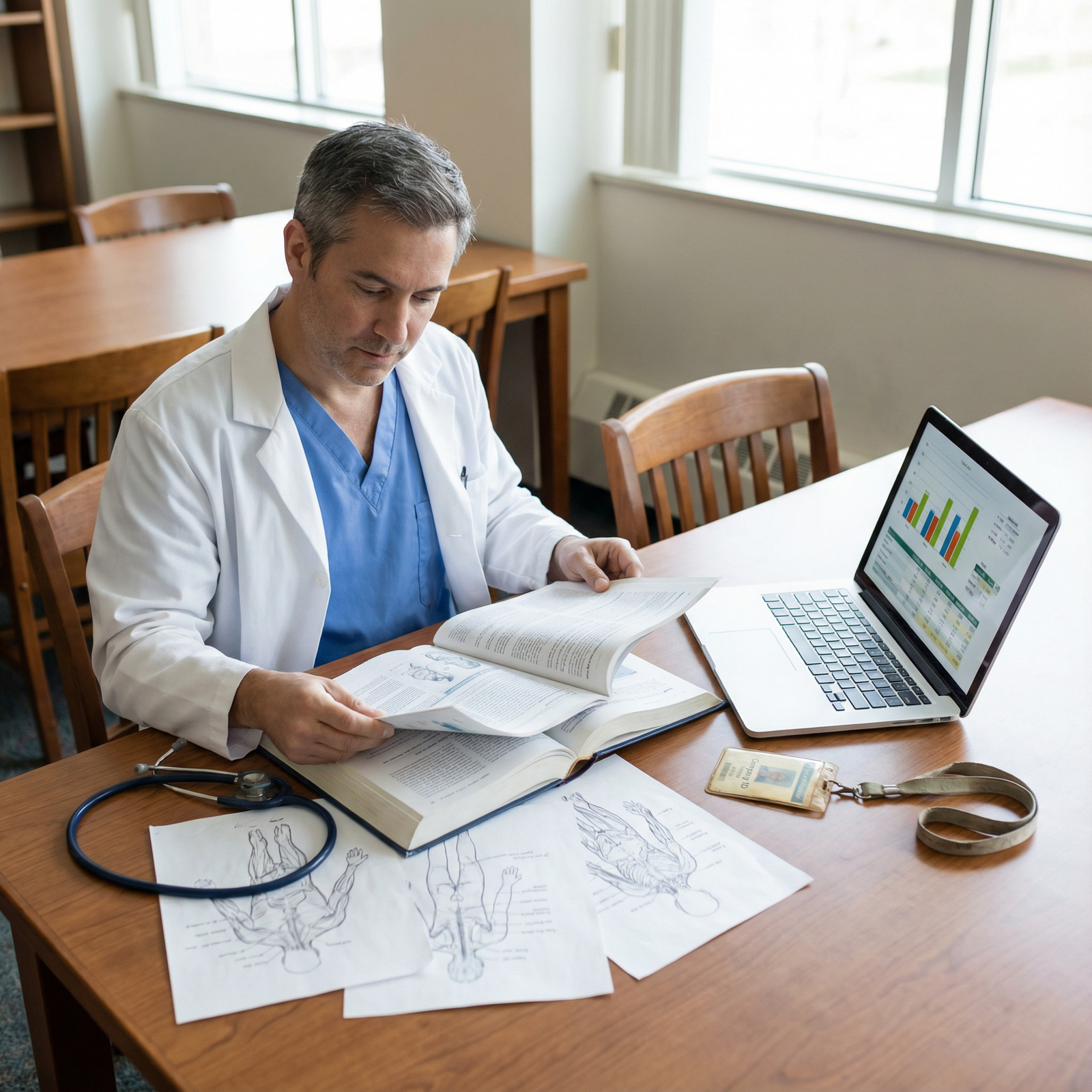
Turning Your Past Career into a Competitive Advantage
As a nontraditional applicant, it’s easy to focus on what you think you’re missing—recent science courses, lab experience, or the “traditional” premed narrative. Yet admissions committees and residency programs increasingly recognize the value of diverse professional backgrounds.
To make the most of your career transition:
- Name your skills explicitly. Don’t assume committees will connect the dots between “project manager” and “organized, collaborative, and a strong communicator.” Spell it out.
- Tell specific, outcome-focused stories. Rather than listing responsibilities, describe challenges, actions, and measurable results—and tie them clearly to medical skills.
- Highlight your professional development arc. Show how your earlier career taught you what kind of work is meaningful and why medicine is the right next chapter, not just an escape.
- Emphasize communication and empathy. These are foundational and often your biggest comparative strengths versus younger peers.
Your past career is not baggage; it’s training. It has already shaped you into a more grounded, empathetic, and capable future physician. The key is learning to translate that experience into the language of medicine—and then continuing to build on it as you progress through premed preparation, medical school, and beyond.
FAQs: Nontraditional Paths and Transferable Skills in Medicine
1. How do I highlight my past career in my personal statement without overshadowing my interest in medicine?
Focus on three elements:
- Motivation: Briefly explain what drew you to your previous field and what you learned from it.
- Turning point: Describe the experiences (often clinical exposure or personal events) that shifted your path toward healthcare.
- Integration: Emphasize how your prior work developed concrete skills—communication, empathy, problem-solving, leadership—that will make you a better physician.
Anchor your essay in your journey toward medicine, but use your past roles as evidence of your readiness and professional development.
2. Will admissions committees view my career transition as a liability or a strength?
When presented thoughtfully, it is typically a strength. Committees value:
- Maturity and life experience
- Demonstrated resilience and follow-through
- Evidence you understand what a demanding career entails
Your job is to clearly connect the dots: show how your previous work gave you transferable medical skills like communication, empathy, time management, and adaptability, and how your decision to transition was deliberate and informed by meaningful exposure to patient care.
3. What if my previous career seems unrelated to medicine (e.g., finance, art, hospitality)?
No field is “unrelated” if you can articulate transferable skills. For example:
- Finance: Analytical thinking, risk assessment, attention to detail, ethics around confidentiality.
- Art or design: Observation skills, creativity in problem-solving, patience with iterative processes, understanding of human expression.
- Hospitality or retail: Customer service, de-escalation of conflict, communication with diverse populations, working under pressure.
Identify 2–3 core skills from your role and give concrete examples of how you used them—then connect each to scenarios in healthcare (patient interactions, team dynamics, or system improvement).
4. How can I build medical-specific experience to complement my prior career skills?
Pair your existing professional strengths with targeted clinical and service experiences:
- Volunteer or work in clinics, hospitals, or long-term care facilities
- Join community health outreach programs or health education initiatives
- Participate in clinical or health services research teams
- Shadow physicians in multiple specialties
When you do these, reflect actively on how your communication, empathy, organization, and problem-solving from your previous career show up in these new settings. This reflection can become powerful content for secondaries and interviews.
5. I’m worried I’m “too old” to start medicine. How should I address this concern?
Age itself is not a disqualifier. Programs increasingly recognize that older, nontraditional students bring:
- Emotional maturity and stable professional identity
- Enhanced communication and interpersonal skills
- Realistic expectations about work-life balance and challenges
In interviews, frame your age and background as assets: you are entering medicine with clarity, tested resilience, and a track record of sustained effort. Emphasize your long-term vision for your career and how your diverse perspective will benefit patients, peers, and the profession.
Your journey into medicine may not be linear—but that is exactly what makes it powerful. By understanding and articulating the medical skills you’ve already developed through your past career, you position yourself not as someone “catching up,” but as a well-prepared, deeply motivated future physician with a rich foundation for lifelong professional development.