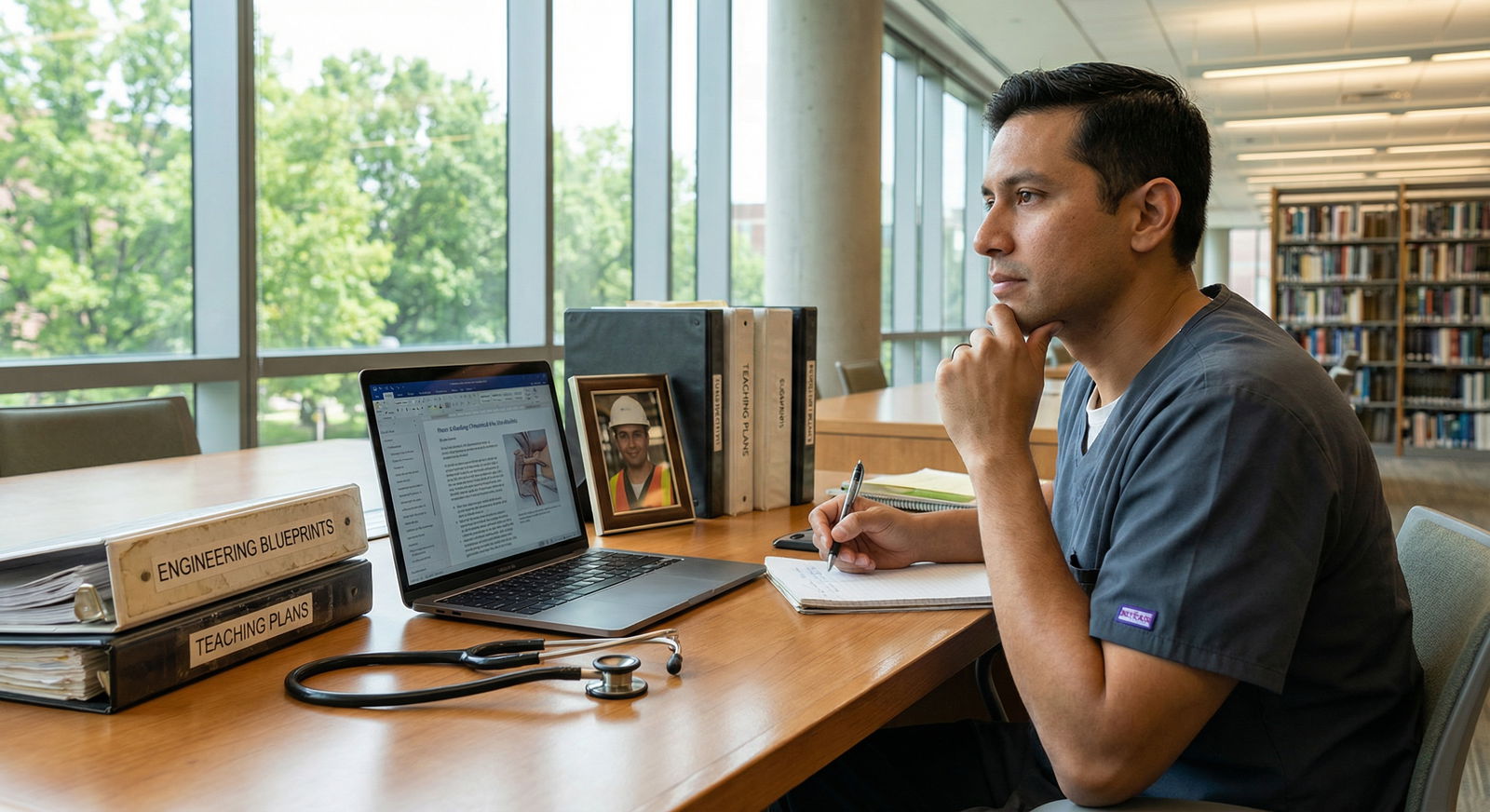
Introduction: Turning Your Past Career into a Medical School Strength
Transitioning into medicine after another career is not a detour—it is a powerful asset. Many non-traditional students entering Medical School worry that their years in business, education, the military, engineering, law, or other fields will be seen as “lost time.” In reality, career transition applicants often bring some of the strongest maturity, leadership, and real-world experience in the applicant pool.
Admissions committees actively value this diversity. The key is learning how to translate your prior professional life into a compelling narrative and concrete examples that clearly support your readiness for Healthcare Careers and Personal Development as a future physician.
This guide will help you:
- Identify transferable skills and experiences from your past career
- Connect your previous work to your motivation for medicine
- Highlight your background effectively in your personal statement, activities section, and interviews
- Use your professional network and experiences strategically
- Balance life, work, and study as a non-traditional student
Whether you are just starting to consider a career transition or already deep into applications, you can leverage your past in ways that make you stand out—and ultimately make you a better doctor.
Understanding the Non-Traditional Path to Medicine
Non-traditional students generally deviate from the “straight-through” path of college → immediate application → Medical School. You might have:
- Worked full-time for several years
- Started in another healthcare role (nursing, PA, paramedic, social work, public health)
- Served in the military
- Built a career in business, tech, engineering, education, arts, or another field
- Taken time away from school for family responsibilities or personal reasons
Far from being a liability, these paths offer rich experiences that can deepen your clinical judgment, bedside manner, and leadership in healthcare settings.
Why Admissions Committees Value Non-Traditional Students
Programs increasingly seek classes with a mix of traditional and non-traditional students. Your background can:
- Enhance team dynamics: You may be comfortable giving and receiving feedback, managing conflict, and working across disciplines.
- Improve patient care: Experience in customer service, teaching, counseling, or leadership often translates into better communication and rapport with patients.
- Support systems-level thinking: Business, engineering, policy, and tech backgrounds can help you understand healthcare systems, quality improvement, and innovation.
- Bring maturity and resilience: You have already navigated full-time work, career transitions, and real-world responsibilities.
Recognizing this value yourself is the first step. When you see your own past career as an asset, you can present it with confidence in your application and interviews.
Common Transferable Skills from Previous Careers
Almost every prior career provides skills that map directly onto success in medicine. Consider how these show up in your story:
Communication Skills
- Leading meetings, teaching students, presenting to clients, writing reports
- In medicine: explaining diagnoses, obtaining informed consent, counseling patients, collaborating with interprofessional teams
Problem-Solving and Critical Thinking
- Troubleshooting technical issues, analyzing data, making time-sensitive decisions
- In medicine: working through differential diagnoses, evaluating evidence, selecting treatment plans
Empathy and Interpersonal Skills
- Supporting customers in crisis, guiding students or clients through challenges, working with vulnerable populations
- In medicine: building therapeutic alliances with patients, recognizing social determinants of health, practicing trauma-informed care
Leadership and Teamwork
- Managing staff, leading projects, mentoring junior colleagues
- In medicine: leading rounds, coordinating care with nurses and allied health professionals, advocating for system changes
Work Ethic and Resilience
- Meeting deadlines, juggling multiple priorities, rebounding from setbacks
- In medicine: enduring long training hours, adapting to frequent evaluations, handling emotional and clinical stressors
Your goal is not just to list these skills, but to demonstrate them through specific, concrete examples from your previous career.
Recognizing and Translating Your Transferable Experiences
To leverage your past effectively, you must first understand it clearly yourself. Thoughtful reflection turns “I used to work in X” into “Here is how my experience in X shows I’m prepared to be an excellent physician.”

Step 1: Reflect Deeply on Your Professional Journey
Set aside focused time to think through your prior career. Ask yourself:
- What were the most challenging situations I faced at work? How did I handle them?
- When did I feel most proud of my impact?
- What kinds of responsibilities increased over time?
- Where did I demonstrate leadership, initiative, or innovation?
- What interactions taught me the most about human behavior, suffering, or resilience?
- When did I first feel drawn toward medicine or healthcare, even indirectly?
Write these out as short narratives or bullet points. Don’t worry yet about polishing them—just capture the raw material.
Then, look at each experience and ask:
- What medical school competency does this illustrate?
(e.g., cultural competence, ethical responsibility, service orientation, teamwork, resilience) - How could this translate into being a more effective medical student or physician?
Step 2: Connect Past Experience to Your Medical Motivation
Non-traditional Students strengthen their applications when they clearly explain not just what they did, but why it led them to medicine. You need a coherent Career Transition story.
Think in terms of cause-and-effect:
- “Because I saw X in my previous role, I realized Y about healthcare, which pushed me toward medicine.”
- “Working with [population] or [problem] made me want the deeper clinical training and responsibility that physicians have.”
Example: From Teaching to Medicine
- Scenario: You were a high school science teacher.
- Observation: You noticed several students with unmanaged chronic illnesses whose academic performance and mental health were affected.
- Insight: You realized how much health impacts educational outcomes and felt limited in your ability to address the underlying medical issues.
- Connection to medicine: This led you to pursue a path where you could integrate your strengths in education with direct patient care, especially in pediatrics or adolescent medicine.
This shows:
- Clear motivation
- Transferable communication and education skills
- Understanding of social determinants of health
Example: From Business to Medicine
- Scenario: You worked in healthcare consulting or hospital administration.
- Observation: You participated in quality improvement projects and saw firsthand how systems and policies affect patient care.
- Insight: You admired clinicians who could both provide care and influence system-level change.
- Connection to medicine: You’re now motivated to combine frontline clinical work with ongoing quality improvement and leadership in healthcare delivery.
Here you highlight:
- Systems-level thinking
- Leadership and analytical experience
- A realistic understanding of how healthcare operates
Step 3: Use Your Story Strategically in Applications and Interviews
Once you understand your story, you must present it clearly across different components of your application.
Personal Statement
Use your statement to:
- Anchor your narrative in one or two pivotal experiences from your prior career that led you toward medicine
- Show how your background shapes your approach to patient care, ethics, teamwork, or advocacy
- Demonstrate reflection and growth, not just a list of achievements
Structure idea:
- Opening hook: A brief scene or moment from your previous career that reveals your evolving interest in medicine.
- Backstory: How your previous work developed key skills and insights.
- Transition point: The moment you realized you needed a deeper role in patient care or medical decision-making.
- Preparation: Steps you have taken since (prereqs, clinical exposure, volunteering, research).
- Forward-looking close: How you envision integrating your past career strengths into your future practice.
Activity Descriptions (AMCAS/AACOMAS/etc.)
For each significant job or role from your prior career:
- Focus on impact, not just duties
- Highlight medical-relevant skills: communication, leadership, working with diverse populations, ethics, crisis management
- Use action verbs and, when possible, quantify your contributions (e.g., “Led a team of 8,” “Served 300+ clients annually,” “Increased program reach by 35%”).
Interviews
In interviews, you should be ready to:
- Clearly summarize your Career Transition in 1–2 minutes
- Explain why now is the right time for Medical School
- Articulate how your background will benefit your classmates, patients, and the profession
- Address any concerns about academic readiness (especially if you have an older GPA or long gap in coursework) by explaining your recent preparation and improved study strategies
Practice with mentors or peers using behavioral questions:
- “Tell me about a time you dealt with a difficult coworker/client/student.”
- “Describe a situation where you had to make an ethical decision.”
- “How has your previous career prepared you for the pressures of medicine?”
Answer using specific stories from your prior work life.
Networking and Relationship-Building as a Career-Changer
Your professional background can make you especially effective at networking—if you use it thoughtfully. Strong relationships in healthcare can open doors to shadowing, research, letters of recommendation, and long-term mentorship.
Connect with Career-Changers Who Went Before You
Actively seek out physicians and medical students who previously worked in your field. They:
- Understand industry-specific challenges and strengths
- Can help you reframe your experience in language that resonates with admissions committees
- May provide targeted advice on timelines, prereqs, and balancing responsibilities
Ways to find them:
- LinkedIn searches: “physician” + your old role/industry
- Medical School alumni groups, especially non-traditional or post-bacc-focused groups
- Specialty interest groups (e.g., American Medical Association sections, specialty societies)
- Social media (e.g., X/Twitter, Reddit r/premed, dedicated non-traditional student forums)
When reaching out, send concise, professional messages that:
- Introduce your background and interest
- Ask 2–3 specific questions
- Respect their time
Attend Premed and Professional Events Strategically
Medical conferences, premed fairs, and local hospital events can be powerful for Non-Traditional Students, especially when you approach them like you would a business or professional meeting:
- Research speakers or panelists in advance
- Prepare concise questions about clinical work, training, or career paths
- Follow up afterward with a brief thank-you email and, if appropriate, a request to stay in touch
You can also join:
- Premed clubs and non-traditional student organizations at local universities or online
- Professional associations aligned with your interests (e.g., American College of Physicians, American Academy of Family Physicians, specialty interest groups)
- Service organizations that operate in healthcare settings
Leverage Your Existing Professional Network
Don’t underestimate your previous contacts. Even if they are outside of medicine, they can:
- Connect you with physicians or healthcare administrators they know
- Offer flexible job or part-time opportunities while you complete prereqs
- Serve as character references or mentors during your transition
Make sure your broader network knows you are pursuing medicine and what kind of opportunities (shadowing, informational interviews, clinical experiences) you are seeking.
Using Prior Career Skills to Balance Life and Medical Studies
One of the biggest strengths career-changers bring is experience managing complex responsibilities. Medical School and premed preparation are intense, but you can draw heavily on skills from your previous life.
Apply Project Management and Time-Management Principles
If your prior role involved coordinating teams, managing projects, or meeting deadlines, use those same tools:
- Create a semester “project plan”: Map out exam dates, assignment deadlines, and application milestones.
- Break tasks into smaller deliverables: MCAT prep, primary application, secondary essays, and interview prep should each have their own timeline.
- Use systems you already know:
- Digital calendars with reminders
- Task management tools (Trello, Asana, Notion)
- Weekly review sessions to adjust priorities
Treat your Medical School preparation as a high-stakes project with you as both the manager and the primary contributor.
Build and Rely on a Support System
Non-traditional applicants often juggle partners, children, mortgages, and caregiving responsibilities. Proactive communication is critical:
- Discuss your schedule and demands with family members early.
- Identify specific support needs (childcare, financial planning, quiet study time, emotional support).
- Maintain ties with former colleagues or mentors who can provide encouragement and perspective.
Healthcare Careers are a long journey; your ability to sustain yourself emotionally and logistically will matter as much as your grades.
Protect Your Personal Development and Well-Being
Burnout is a risk at any stage. Prior careers may have already taught you the value of boundaries and self-care; bring that wisdom with you:
- Continue hobbies that ground you (exercise, creative arts, time in nature).
- Set realistic expectations: you cannot do every activity; choose those with maximum value.
- Seek out mental health resources when needed—counseling, peer support, wellness programs.
- Practice self-compassion as you navigate being a beginner again in a new field.
Your prior career likely gave you tools for resilience—remind yourself that you’ve handled big transitions before.
Case Studies: How Non-Traditional Backgrounds Strengthen Medical Careers
Jessica: From Nursing to Medicine
Jessica worked several years as a registered nurse in a busy urban hospital. She:
- Managed acutely ill patients
- Communicated complex care plans to families
- Collaborated closely with physicians, pharmacists, and therapists
Over time, she felt drawn toward the deeper diagnostic and treatment responsibilities of physicians. In her application:
- Personal Statement: She described a pivotal night shift where she recognized subtle changes in a patient’s condition and advocated for urgent physician evaluation. That moment crystallized her desire to be the person making those clinical decisions.
- Skills Highlighted: Clinical insight, interprofessional collaboration, advocacy, empathy for patients and staff.
- Outcome: She was seen as someone who already understood hospital realities and could transition smoothly into a physician role, especially in acute care or critical care settings.
James: From Engineering to Healthcare Innovation
James was a mechanical engineer working in medical device design. He:
- Led teams developing equipment used in operating rooms
- Interacted with surgeons to gather user feedback
- Gained insight into clinical workflows and patient safety concerns
As he engaged more with clinicians, he realized he wanted to understand the biology and human side behind the devices he built. In his transition:
- Personal Statement: James focused on a project where a device reduced complications but was underutilized due to poor integration with clinical routines. His desire to bridge engineering and clinical practice drove him to medicine.
- Skills Highlighted: Systems thinking, problem-solving, comfort with complex data, familiarity with OR workflows, innovation mindset.
- Future Vision: Becoming a physician who collaborates with engineers to design more user-centered medical technologies.
Additional Example: Maria, a Social Worker to Physician Advocate
Maria worked as a clinical social worker in a community mental health clinic, serving marginalized populations. Over time:
- She saw repeated gaps in psychiatric care and long wait times for specialty services.
- She developed strong therapeutic alliances but felt limited in her ability to prescribe, manage medications, and influence treatment protocols.
In her application materials, she showcased:
- Deep understanding of trauma, addiction, and social determinants of health
- Experience in crisis intervention and interdisciplinary teamwork
- Clear motivation to integrate her psychosocial expertise with medical training, particularly in psychiatry or primary care
These examples show how different prior careers can be reframed as powerful assets that enrich both Medical School classes and the healthcare system at large.
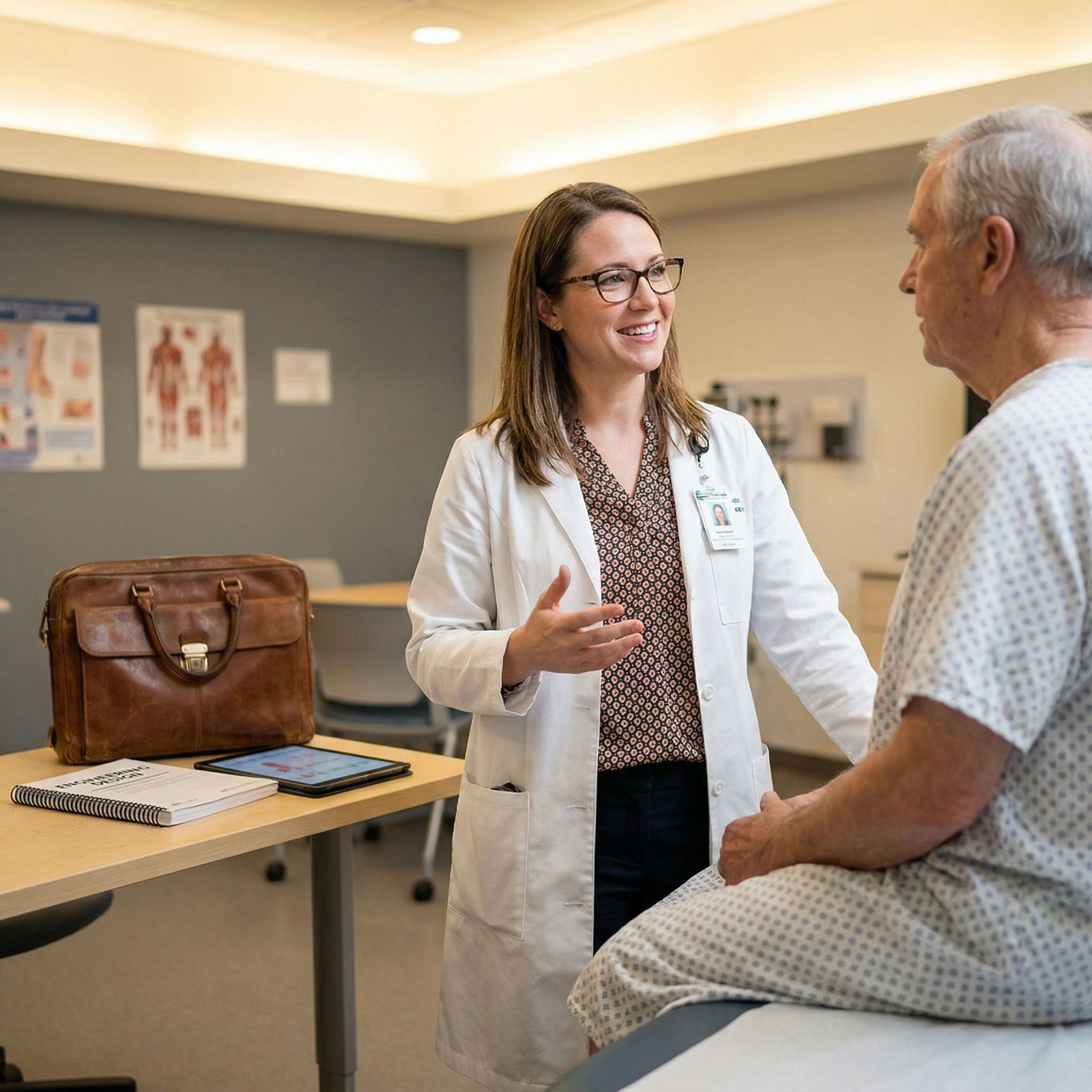
FAQs: Leveraging a Past Career on the Path to Medicine
Q1: Can my non-medical career hurt my chances of getting into Medical School?
No—when framed effectively, it often helps. Admissions committees increasingly value Non-Traditional Students because they bring maturity, perspective, and proven work habits. What can hurt your application is not your prior career, but a lack of clear explanation about your motivation for medicine or insufficient recent academic preparation. Address both by telling a coherent transition story and demonstrating strong current academic performance.
Q2: How do I handle a low or old undergraduate GPA from my first degree?
If your earlier academic record was weaker, there are several strategies:
- Complete recent science coursework or a formal post-bacc with strong grades to show your current capabilities.
- Use your experiences since college—full-time work, military service, professional achievements—to demonstrate growth and responsibility.
- Briefly and honestly address past academic performance in secondaries or interviews, focusing on what changed (study skills, maturity, time management) and how your recent record proves it.
Admissions committees often look for an upward trend and evidence of resilience, especially for career transition applicants.
Q3: Should my personal statement focus mainly on my previous career or on clinical experiences?
Aim for a balanced integration:
- Use your previous career to explain who you are, what skills you bring, and how your interest in health or people evolved.
- Use your clinical and volunteer experiences to show that you understand the reality of medicine and are choosing it with open eyes.
Your prior career should provide the context and strengths, while your more recent medical exposure should demonstrate confirmation and commitment.
Q4: How can I get relevant clinical experience if I currently work full-time in another field?
Consider flexible, part-time, or short-term options:
- Weekend or evening hospital volunteer roles
- Per-diem jobs as a medical scribe, EMT, CNA, or patient care tech (if feasible)
- Short-term shadowing blocks during vacation time
- Remote or hybrid roles in telehealth support, patient navigation, or health education
Even a modest but consistent commitment (e.g., 4–6 hours per week) over many months can show serious engagement with healthcare while you maintain your current job.
Q5: How do I explain a major Career Transition in interviews without sounding unsure or negative about my past field?
Frame your story as progression, not escape:
- Speak respectfully about your previous career and what it taught you.
- Focus on what you are moving toward (deeper patient care, diagnostic responsibility, systems impact), not just what you are leaving behind.
- Emphasize continuity: show how the skills and insights from your past directly enhance your future role as a physician.
For example:
“I valued my time in engineering and the problems I got to solve. Over the years, as I interacted more with clinicians and saw how these technologies affected patients directly, I realized I wanted to be at the bedside, making those clinical decisions. Engineering trained me to think systematically, and I’m excited to bring that same mindset to patient care and clinical innovation.”
Leveraging your past career in your medical journey is ultimately about integration, not reinvention. You are not starting over from zero; you are building on a solid foundation of skills, experiences, and personal development. When you recognize and articulate the value of your journey, admissions committees—and future patients—will, too.