The Surprising Benefits of Late-Career Transitions to Medicine
The path to becoming a physician is famously demanding—years of education, training, and constant evaluation. For decades, the “traditional” route dominated: go straight from undergraduate studies into medical school, then into residency, and onward to practice.
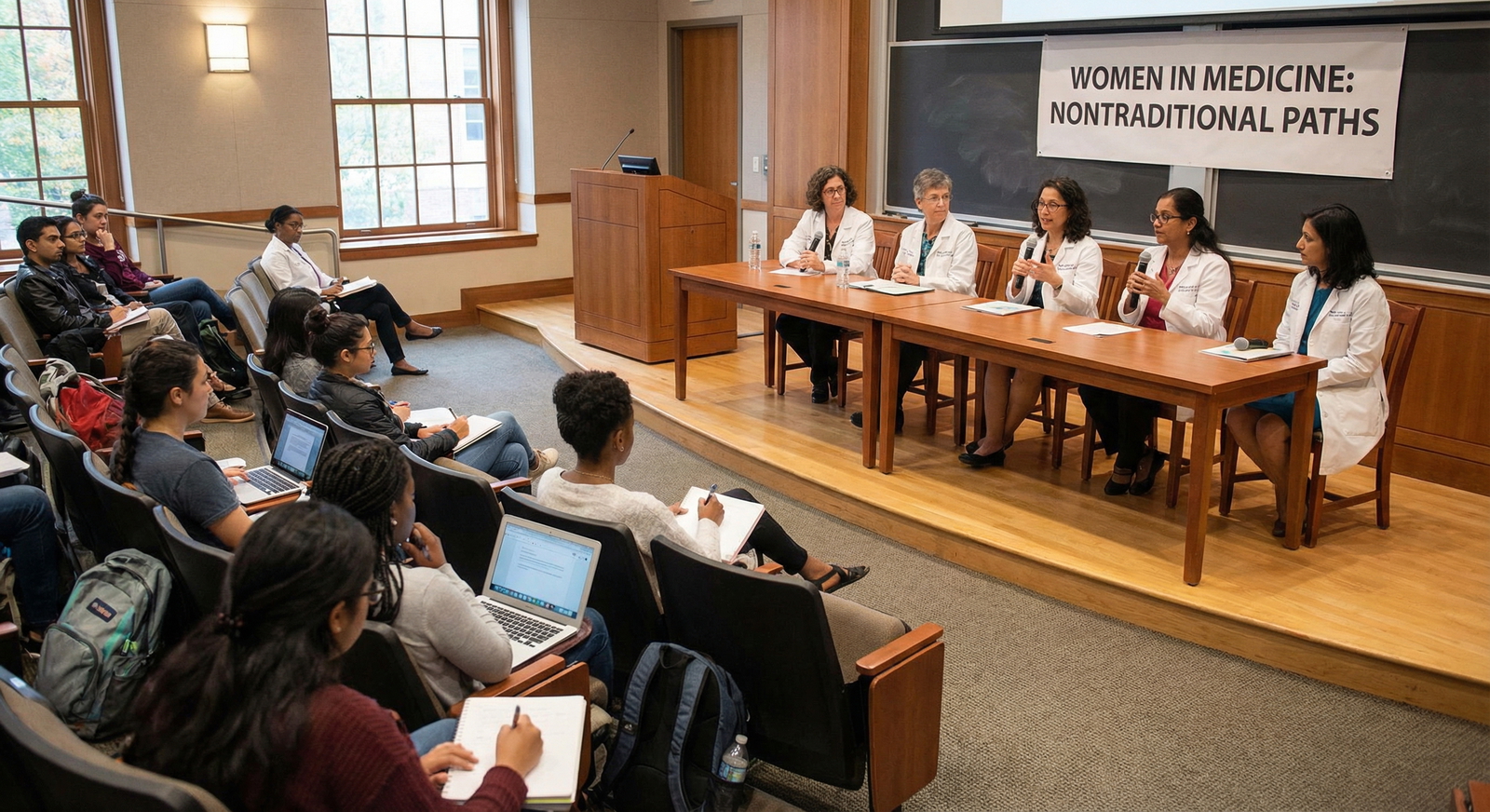
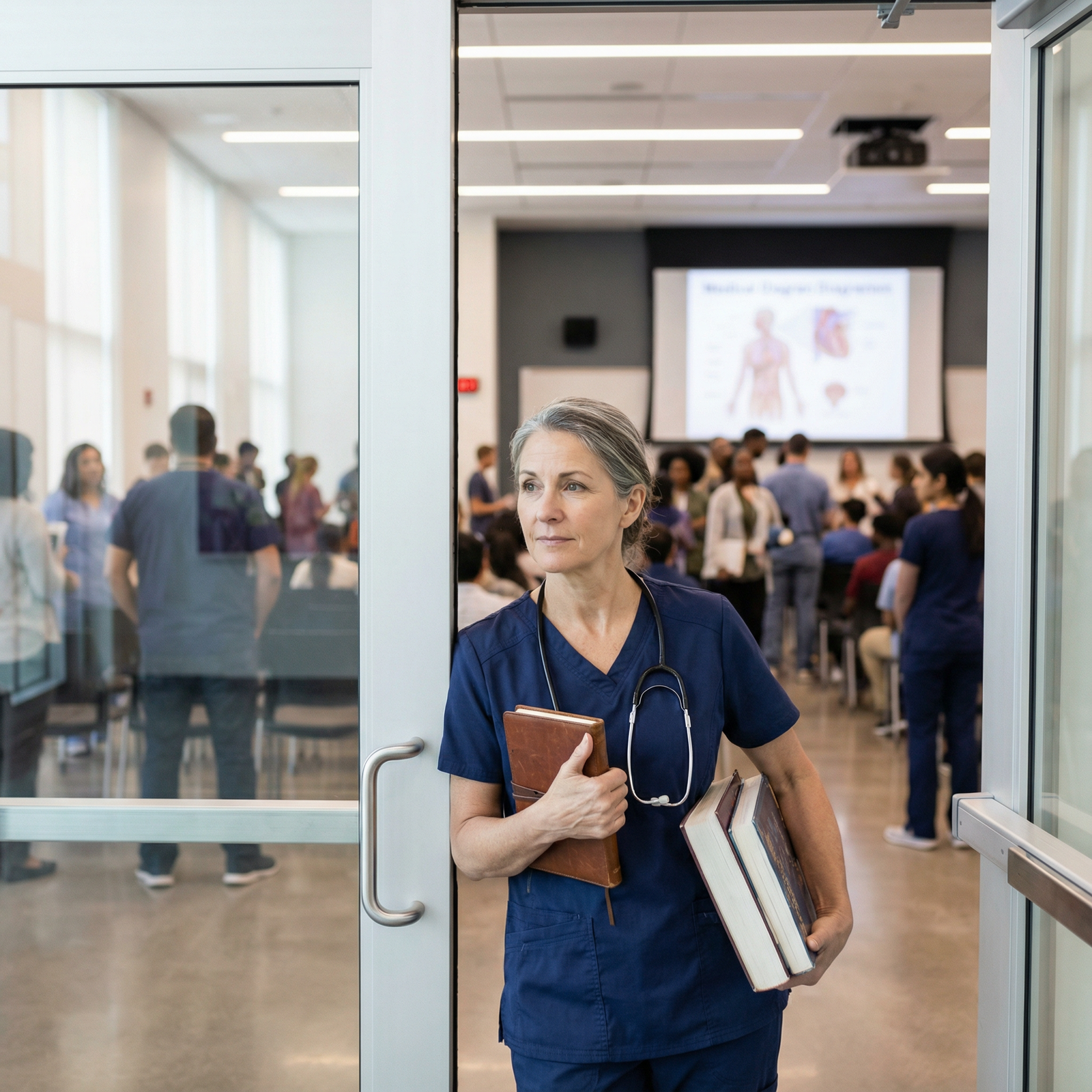
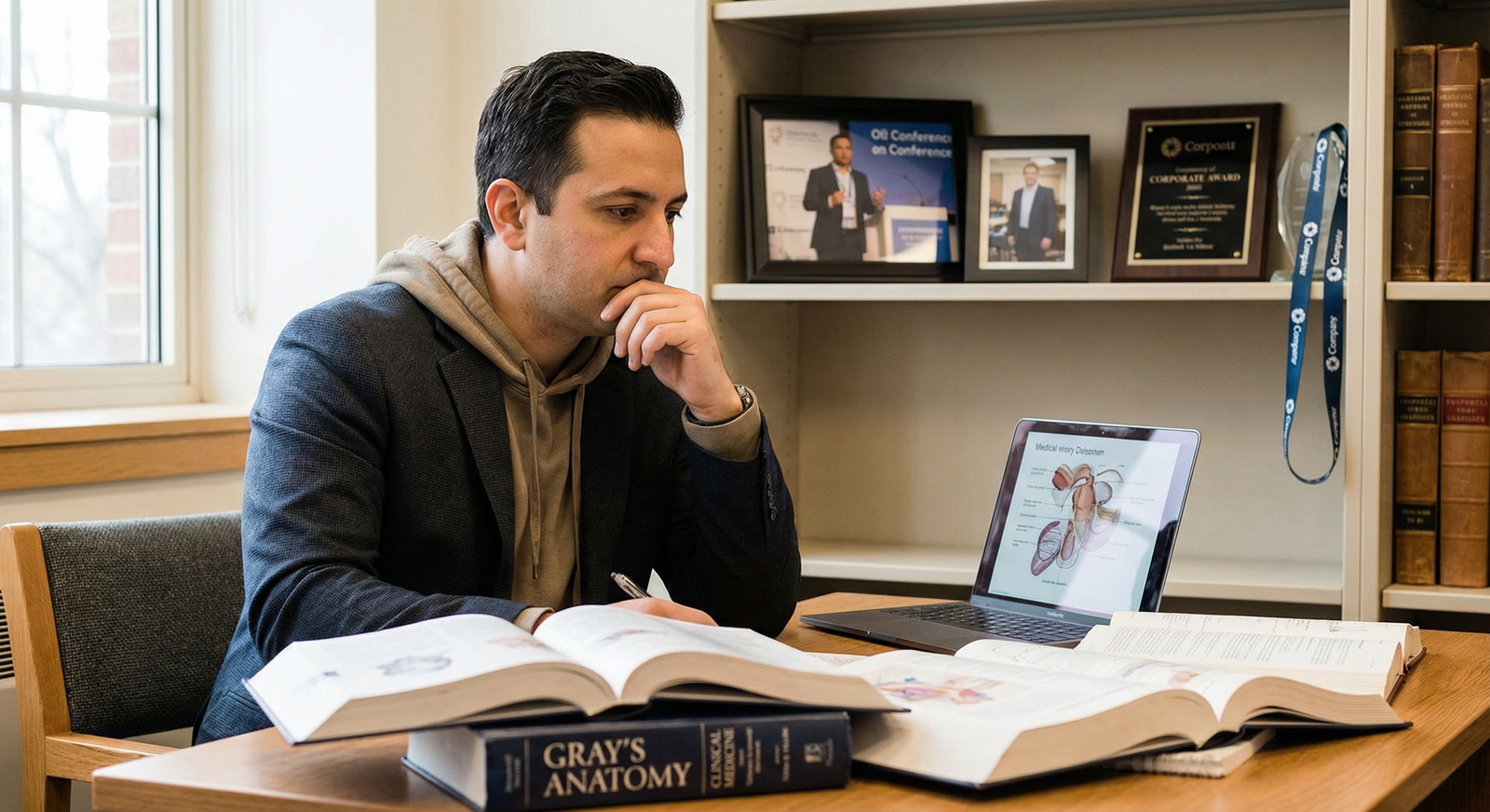
Yet an important shift is underway. Increasing numbers of people are pursuing late-career transitions to medicine after meaningful experiences in other careers—education, business, law, engineering, the military, technology, the arts, and more. These nontraditional applicants are changing what medical school classrooms, residency programs, and clinical teams look like.
Far from being a disadvantage, entering medicine later in life can be a powerful asset. Your prior experience can enrich patient care, strengthen healthcare teams, and drive professional development and healthcare innovation in ways that benefit both you and your future patients.
This article explores why late-career transitions to medicine can be so impactful, how your prior career can become a strength rather than a liability, and what concrete steps to take if you’re considering this path.
Understanding Late-Career Transitions to Medicine
Late-career transitions to medicine generally involve individuals who:
- Have worked for several years—or even decades—in another field
- Are returning to school for prerequisite coursework or a formal post-baccalaureate program
- Are applying to medical school in their late 20s, 30s, 40s, or beyond
Their motivations are varied but often include:
- A desire for more meaningful, patient-centered work
- Direct or family experiences with illness or healthcare systems
- Frustration or burnout in a previous field and a search for alignment with personal values
- A long-standing interest in medicine deferred for financial, family, or other reasons
Why Late Transitions Matter for Medicine as a Profession
From a systems perspective, late-career entrants:
- Bring new skill sets into medicine (e.g., data science, project management, leadership, policy, finance, education)
- Often gravitate toward healthcare innovation, quality improvement, or leadership roles
- Help diversify the perspectives and lived experiences represented in the physician workforce
- Can connect medicine with other sectors in powerful ways—industry partnerships, community-based initiatives, and interprofessional projects
Viewed this way, late-career transitions are not merely “second careers” but a strategic asset for the future of medicine.
How Diverse Life Experiences Enhance Patient Care
One of the most compelling advantages of entering medicine later is the depth of life experience you bring to clinical encounters. This can translate into more nuanced, compassionate, and effective patient care.
1. Deepened Empathy and Relational Skills
Nontraditional students and residents often:
- Have navigated their own complex life transitions—job changes, caregiving, parenting, financial stress, bereavement
- Have already supervised teams, taught others, or handled customer-/client-facing roles
- Understand what it means to be the “outsider” in a new environment
These experiences tend to:
- Increase empathy for patients facing uncertainty, financial hardship, or health-related career disruptions
- Enhance emotional attunement—recognizing when a patient is overwhelmed, confused, or afraid, and adjusting communication accordingly
- Strengthen the ability to sit with patients in difficult moments, not just “fix” problems
Example:
A former teacher now in medical school may be particularly adept at breaking down complex diagnoses in accessible language, checking for understanding, and adapting explanations to a patient’s level of health literacy.
2. Advanced Communication and Conflict-Resolution Skills
Many late-career applicants come from professions where:
- Negotiation, mediation, or advocacy are central (law, social work, HR)
- Clear, persuasive communication is essential (sales, marketing, teaching)
- High-stakes interactions are the norm (military, aviation, executive leadership)
These skills are directly transferable to medicine:
- Building trust quickly with patients and families
- De-escalating conflict in emotionally charged situations (e.g., end-of-life decisions, disagreements about treatment)
- Collaborating with interdisciplinary teams—nurses, social workers, therapists, pharmacists—more effectively
In an era where patient satisfaction, shared decision-making, and team-based care are central, these competencies are invaluable.

3. Cultural Competence and Community Connection
Many late-career students have:
- Lived or worked in diverse communities, sometimes internationally
- Developed strong ties to specific cultural, linguistic, or socioeconomic groups
- Worked in roles that exposed them to social determinants of health (education, public service, nonprofit work)
As physicians, they may:
- Serve as bridges between healthcare systems and underserved communities
- Advocate more effectively for access, equity, and culturally sensitive care
- Recognize practical barriers to adherence (childcare, transportation, food insecurity) and address them proactively
Emotional Resilience, Stability, and Burnout Prevention
Medicine is emotionally and physically demanding. Late-career entrants often bring a level of emotional resilience and stability that can buffer against burnout and support long-term success.
1. Mature Coping Mechanisms and Perspective
By the time someone has spent years in another career, they typically have:
- Weathered workplace conflicts, failures, and high-pressure deadlines
- Developed coping mechanisms—exercise, therapy, hobbies, faith communities, or supportive relationships
- Gained perspective on what truly matters in the long term
This can be invaluable when facing:
- Long call shifts and exam stress in medical school and residency
- Exposure to suffering, death, and moral distress
- The pressure to perform academically and clinically
Late-career students often report being:
- Less rattled by setbacks (e.g., a disappointing exam score, a tough feedback session)
- More willing to seek help early and to use mental health resources
- Better able to separate self-worth from performance on any single task or rotation
2. More Intentional Work–Life Integration
Older trainees often enter medicine with:
- Clearer priorities about family, relationships, and personal well-being
- A more realistic understanding of their own limits
- Experience setting boundaries in previous jobs
This can support better work–life integration:
- Saying “no” to unnecessary commitments that don’t align with long-term goals
- Building and protecting time for family, rest, and personal health
- Being proactive about burnout prevention rather than reactive
While the demands of training are significant, this intentionality can make the difference between chronic burnout and sustainable engagement.
Lifelong Learning, Adaptability, and Innovation in Healthcare
Entering medicine as a second or third career is itself an act of lifelong learning and professional development. It demonstrates a willingness to evolve, re-skill, and take intellectual risks.
1. Reignited Intellectual Curiosity
Many late-career students describe:
- A renewed love of learning after years in a different field
- A deeper appreciation for the privilege of studying medicine
- Higher intrinsic motivation—pursuing medicine not because it was expected, but because they chose it consciously
This intrinsic drive:
- Helps sustain focus through demanding preclinical and clinical curriculum
- Often leads to deeper engagement with research, quality improvement, or educational activities
- Encourages ongoing professional development long after residency ends
2. Adaptability in a Rapidly Changing Healthcare Landscape
Medicine is evolving rapidly—AI tools, digital health, value-based care, personalized medicine, and new models of care delivery. Those who have already changed careers:
- Are accustomed to learning new systems, languages, or technologies
- May be more open to nontraditional career paths within medicine—healthcare administration, clinical informatics, telemedicine, industry roles
- Can help clinics and hospitals adapt to change more smoothly
For example, someone with a background in data science or software engineering entering medicine can drive healthcare innovation by:
- Developing clinical decision-support tools
- Improving EHR usability
- Using data analytics to identify care gaps or optimize workflows
3. Creative Problem-Solving from Other Industries
Diverse prior careers enrich the way late-career physicians approach clinical and systemic problems. Backgrounds in:
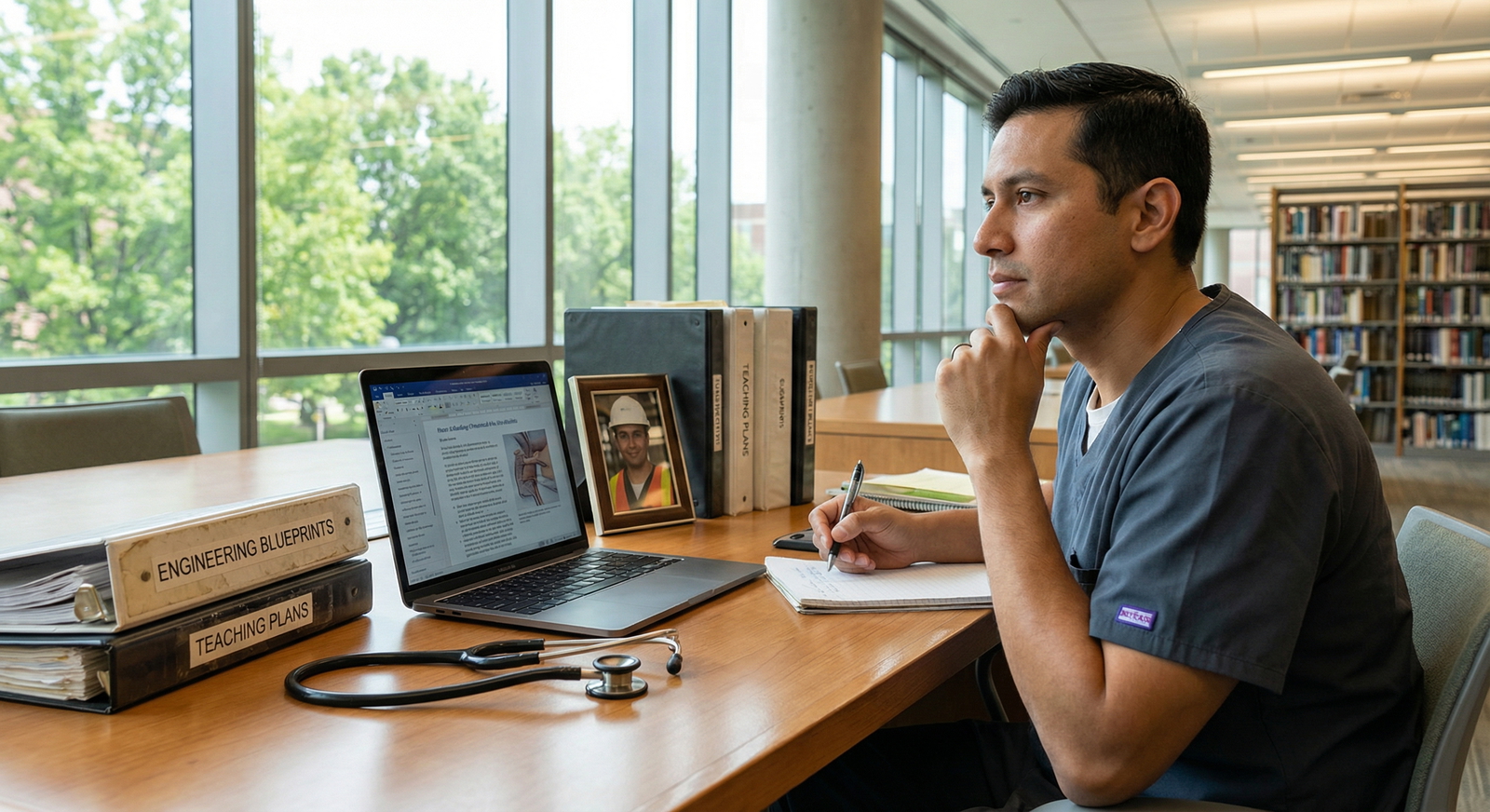
- Engineering → Systems thinking, process optimization, safety culture
- Business/Consulting → Strategic planning, cost-effectiveness, change management
- Education → Curriculum design, learner-centered teaching, patient education strategies
- Law/Policy → Regulatory navigation, advocacy, public health policy
This cross-pollination can lead to:
- More efficient clinic operations
- Innovative care models (e.g., group visits, telehealth programs, community partnerships)
- Stronger advocacy for patient rights and healthcare reform
Networking Advantages and Interdisciplinary Opportunities
By the time you consider a late-career transition to medicine, you’ve likely already built a professional network—colleagues, mentors, supervisors, collaborators—from a different sector. This is a hidden asset.
1. Broader Mentorship and Sponsorship
Your network can support you in ways you might not anticipate:
- Former supervisors offering flexible work or part-time opportunities while you complete prerequisites
- Colleagues writing strong letters of recommendation speaking to your maturity, reliability, and leadership
- Mentors in other industries helping you think strategically about long-term career design in medicine
Within medicine, faculty and program directors often recognize the value of your nontraditional background and may:
- Seek you out for leadership roles in committees or projects
- Connect you with physician-mentors who have similar career trajectories
- Encourage you toward academic, administrative, or community leadership positions
2. Interdisciplinary Collaboration and Healthcare Innovation
Existing ties outside medicine can facilitate powerful collaborations:
- Partnering with tech colleagues to build an app that improves patient adherence
- Working with public health organizations where you previously volunteered or worked
- Collaborating with educators to design community-based health curricula
These interdisciplinary bridges can:
- Improve care delivery and population health
- Spark new initiatives in quality improvement or patient safety
- Enhance your impact beyond one-on-one clinical encounters
Commitment, Motivation, and Purpose-Driven Careers
Choosing to pursue medicine later in life typically requires:
- Leaving a stable job or established career identity
- Committing significant time and financial resources
- Accepting a demanding training path with delayed earning potential
Because of this, late-career students and residents often have particularly strong commitment and intrinsic motivation.
1. Clear Sense of Purpose
You’re not in medicine because you “fell into it” or had no alternative. You’ve likely:
- Reflected deeply on why you want to practice medicine
- Explored alternative pathways (e.g., public health, nursing, PA, research) and chosen physician training intentionally
- Tested your interest through shadowing, volunteering, or clinical work
This clarity of purpose:
- Sustains you through difficult phases—MCAT prep, clinical rotations, board exams, overnight calls
- Enhances patient interactions; patients sense when a physician is genuinely invested in the work
- Supports long-term career satisfaction and resilience
2. Reduced Risk of Certain Types of Burnout
Burnout is complex and can affect anyone in medicine. However, older entrants often:
- Are less driven by external markers of success (rankings, prestige)
- More willing to choose specialties and practice settings aligned with values, not just perceived status
- Better able to gauge what kind of work environment they need to thrive
You may be more comfortable choosing:
- A non-academic setting if you value continuity and community relationships
- A primary care or outpatient role if lifestyle and long-term relationships matter most
- A part-time or flexible arrangement when family responsibilities demand it
This alignment can be a powerful antidote to disillusionment later in your career.
Real-World Examples of Impactful Late-Career Physicians
Across medicine, there are countless physicians who entered the field later and made substantial contributions. While famous names often get attention, many of the most meaningful examples are quiet, local, and personal.
Notable Examples
- Dr. Abraham Verghese – Before becoming a renowned physician and author, Dr. Verghese’s deep engagement with literature shaped his humanistic approach to medicine. His work highlights the importance of the patient’s story and the physical exam, reinforcing the art of bedside medicine.
- Dr. Michael Apkon – With a foundation in engineering and business, Dr. Apkon’s transition to medicine and leadership in hospital administration helped improve patient safety, systems efficiency, and interprofessional communication.
These stories illustrate how skills from previous careers can redefine elements of healthcare delivery and leadership.
Everyday Heroes You’ll Never Read About
Beyond high-profile figures, there are:
- Former nurses or paramedics who became physicians to influence systems of care
- Ex-teachers who became pediatricians known for exceptional communication with families
- Business professionals who entered primary care and modernized their clinics’ operations, improving access and patient experience
Your story could be next.
Preparing for a Successful Late-Career Transition to Medicine
If you’re considering this path, intentional planning is essential. Below are key domains to address and practical steps within each.
1. Clarify Your Motivation and Long-Term Vision
Ask yourself:
- Why medicine and not another healthcare or helping profession?
- What aspects of your current work do you want to keep (e.g., leadership, analysis, teaching)?
- How do you envision your life 10–15 years from now—as a practicing physician?
Action steps:
- Journal about your reasons, fears, and hopes
- Speak with several physicians in different specialties (including nontraditional ones)
- Shadow in multiple clinical settings to test your assumptions
2. Assess Financial Readiness and Life Logistics
Late-career transitions require strategic financial planning:
- Consider tuition, living expenses, and lost income during medical school and residency
- Account for family responsibilities—children, aging parents, partner’s career
- Understand loan options, scholarships, and potential military or service-based programs (e.g., NHSC)
Action steps:
- Meet with a financial planner familiar with professional school debt
- Create a multi-year budget and discuss scenarios with your partner/family
- Explore lower-cost post-bacc options or in-state public schools when possible
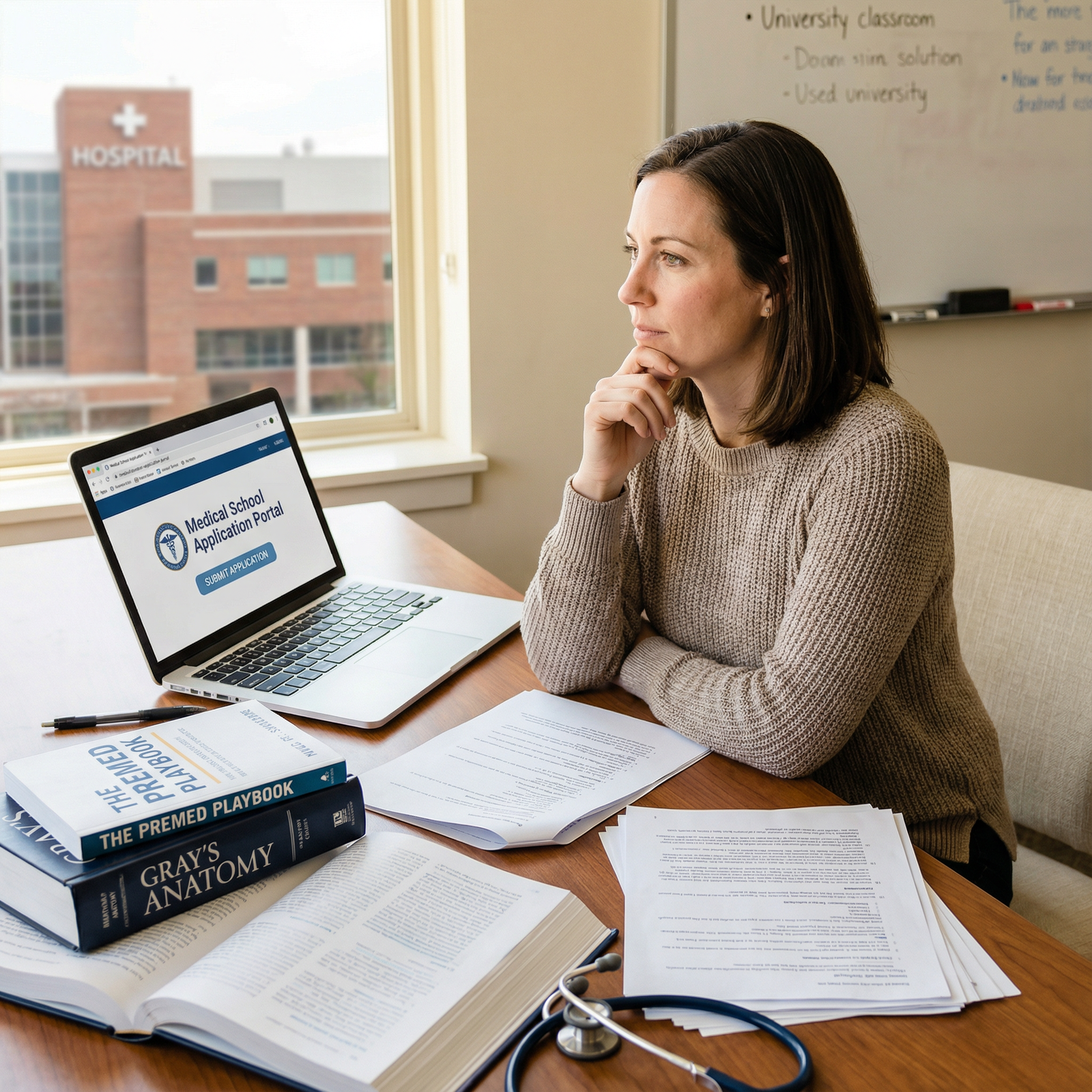
3. Rebuild Academic Foundations and Prepare for the MCAT
If it has been years since your last science course:
- You may need prerequisite coursework (biology, chemistry, physics, organic chemistry, biochemistry)
- A formal post-baccalaureate program can offer structure, advising, and support
- MCAT preparation may require more time, especially while working or managing family duties
Action steps:
- Request old transcripts and meet with a premed advisor (in-person or online)
- Map out a realistic timeline for prerequisites and MCAT study
- Use high-quality MCAT resources, create a structured study schedule, and consider study groups
4. Choose Programs that Value Nontraditional Applicants
Not all medical schools weigh experiences in the same way. Many, however, explicitly welcome nontraditional students:
- Look for schools emphasizing holistic review, diversity of background, and community engagement
- Read student profiles on school websites—do you see older students or second-career physicians?
- Consider programs with strong support services for students with families or unique backgrounds
Action steps:
- Attend virtual or in-person information sessions targeted to nontraditional applicants
- Reach out to admissions offices to ask how they view late-career transitions
- Connect with current nontraditional students through student interest groups or online communities
5. Build a Support Network and Plan for Well-Being
This journey is demanding; you shouldn’t navigate it alone.
Action steps:
- Involve your partner, family, or close friends early in your decision-making
- Seek out mentorship from individuals who have made similar transitions
- Join online forums or local groups for nontraditional premeds or medical students
- Identify mental health resources and wellness strategies you will use proactively

Frequently Asked Questions About Late-Career Transitions to Medicine
1. Is it ever “too late” to become a doctor?
There is no universal age cutoff. Many students begin medical school in their 30s or 40s, and some even later. Factors to consider include:
- The length of training relative to your retirement and financial goals
- Your health and stamina for demanding schedules
- Your personal and family responsibilities
Admissions committees increasingly recognize the value of late-career transitions and evaluate applicants on readiness, not just age.
2. Will medical schools seriously consider nontraditional applicants?
Yes. Many schools actively seek nontraditional applicants because they:
- Bring diverse perspectives and experiences to the class
- Enrich discussions about ethics, systems, communication, and professionalism
- Often become leaders in curriculum design, quality improvement, or community outreach
Your application should:
- Clearly articulate your journey and why now is the right time
- Highlight transferable skills (leadership, teamwork, communication, resilience)
- Demonstrate academic readiness through recent coursework and MCAT performance
3. How can I manage the academic rigor after years away from school?
You can absolutely succeed academically with proper preparation:
- Start with a manageable course load if you’re returning after a long break
- Use campus learning centers, tutors, and office hours
- Practice active learning strategies—teaching concepts aloud, doing practice questions, using spaced repetition tools
- Gradually rebuild test-taking stamina and time-management skills
Many late-career students find that their maturity, discipline, and focus outweigh initial rustiness.
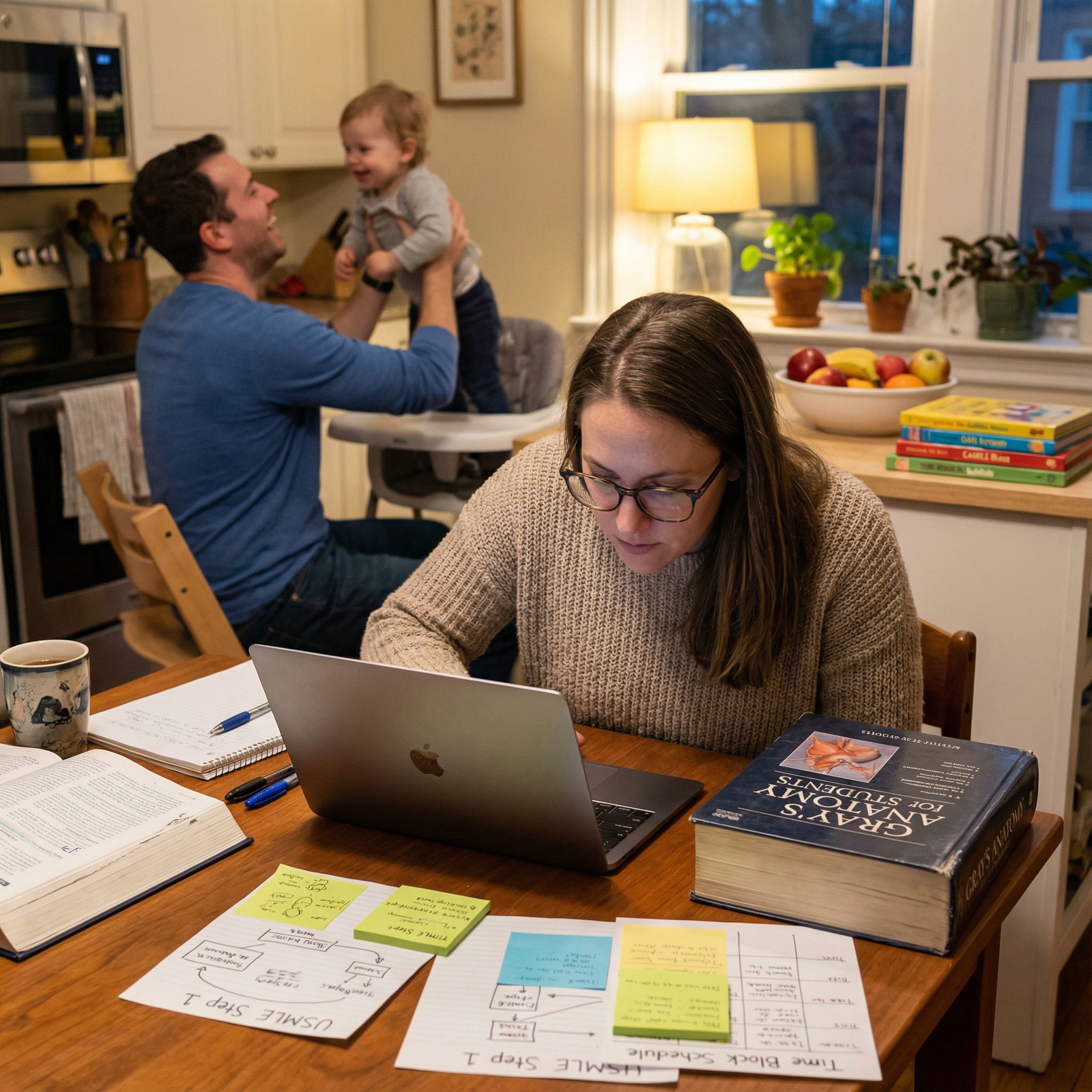
4. What if I’m worried about balancing family life and medical training?
This concern is common and valid. Many students and residents successfully combine training with parenting, caregiving, or partnership when they:
- Choose supportive programs and environments
- Communicate openly with partners/family about needs and expectations
- Build backup plans for childcare and emergencies
- Advocate for themselves when scheduling issues arise
Nontraditional trainees often become role models for healthier work–life balance and boundaries within their programs.
5. Are there alternative ways to work in healthcare if I decide medical school isn’t right for me?
Absolutely. Your exploration may lead you to other fulfilling options, such as:
- Physician assistant (PA) or nurse practitioner (NP)
- Nursing, physical or occupational therapy, pharmacy
- Public health, health administration, health policy
- Clinical research, health informatics, or medical education
The self-reflection you do while considering medicine can still guide you to a meaningful role in patient care or healthcare innovation, even if you choose a different path.
Late-career transitions to medicine are challenging, but they are also profoundly rewarding—for you, for your future colleagues, and most importantly, for your patients. Your prior experiences, skills, and hard-won wisdom are not obstacles to overcome; they are strengths that can help reshape the future of medicine.
With thoughtful planning, honest self-reflection, and a strong support system, you can transform your nontraditional background into a powerful foundation for a purpose-driven medical career.