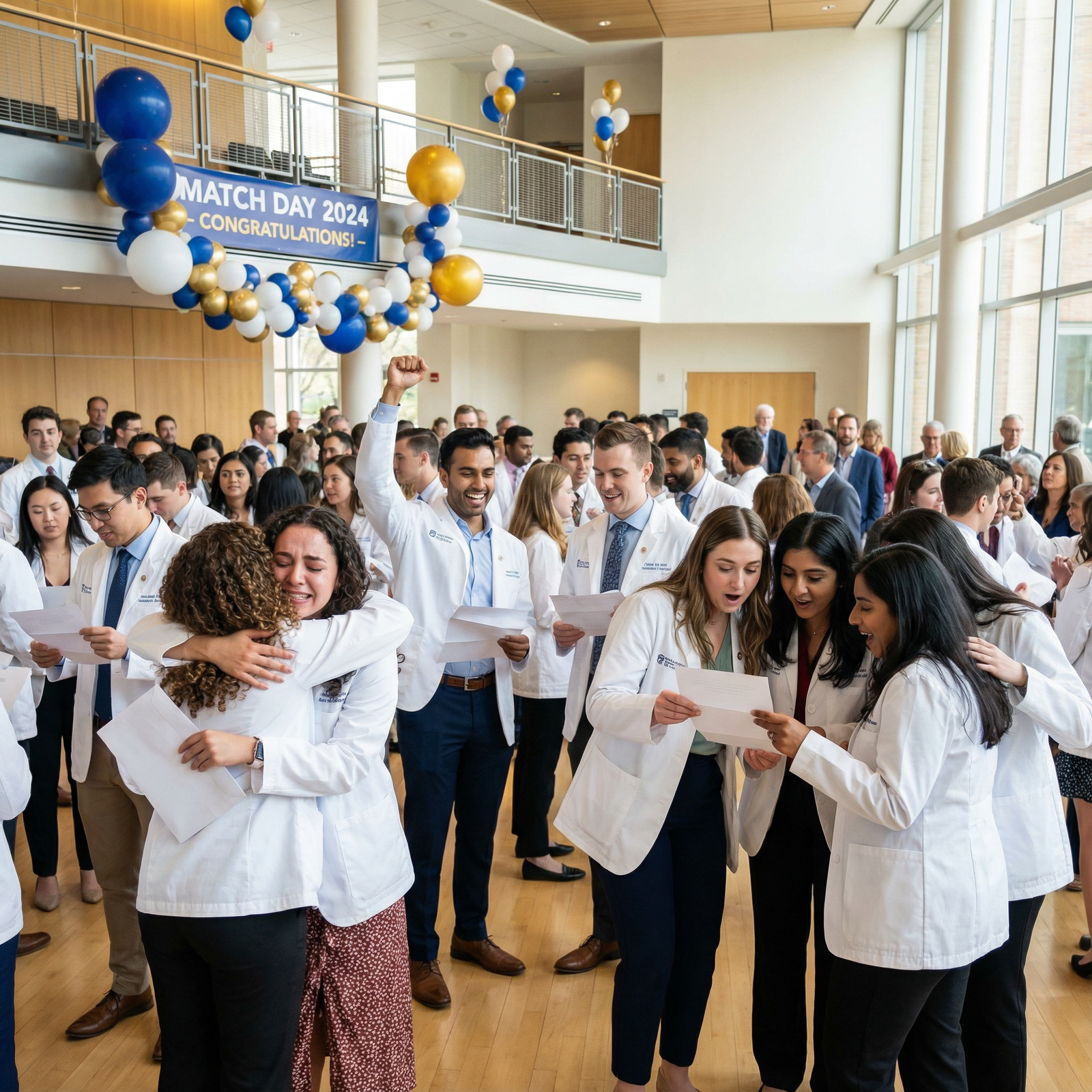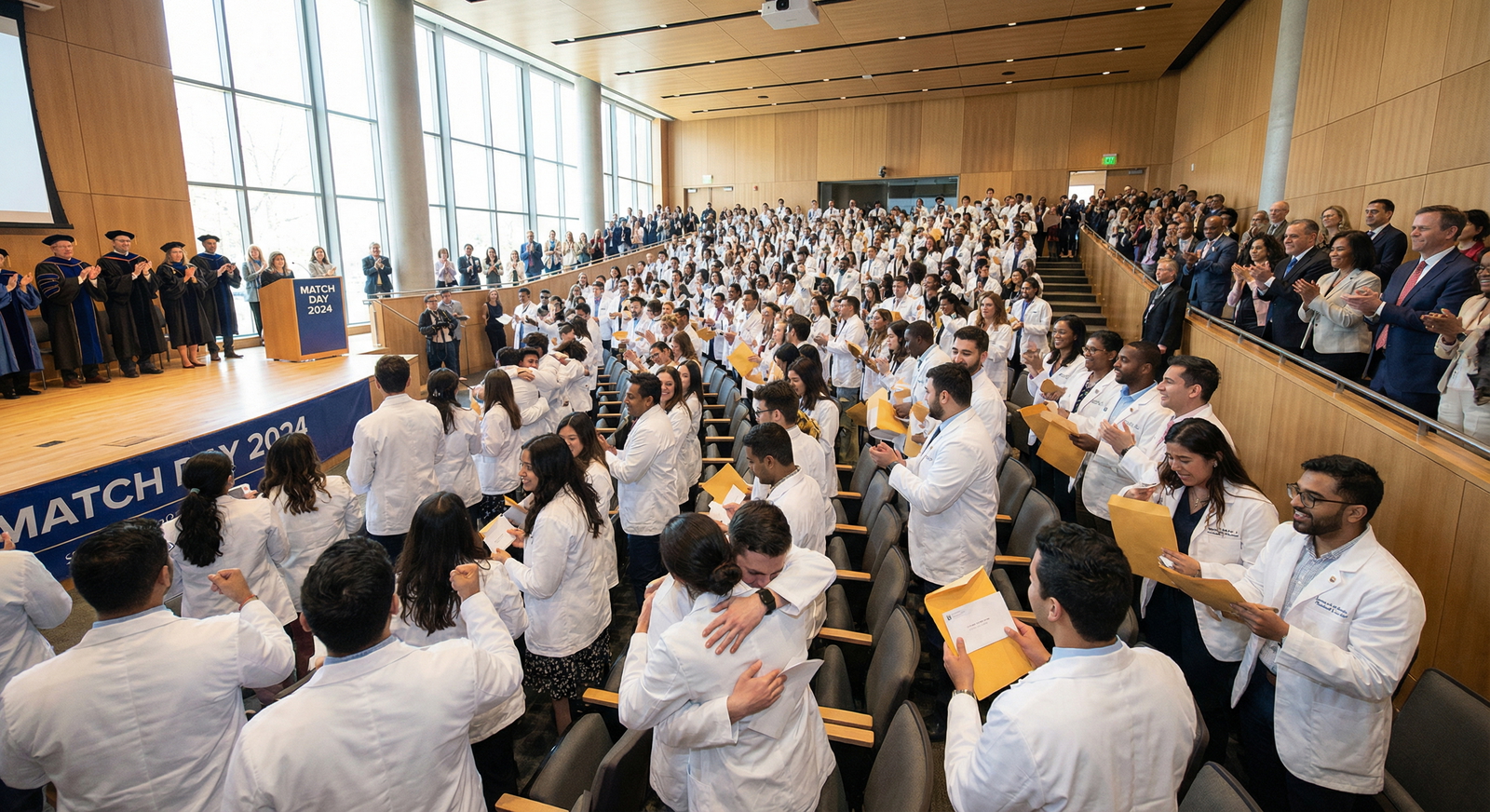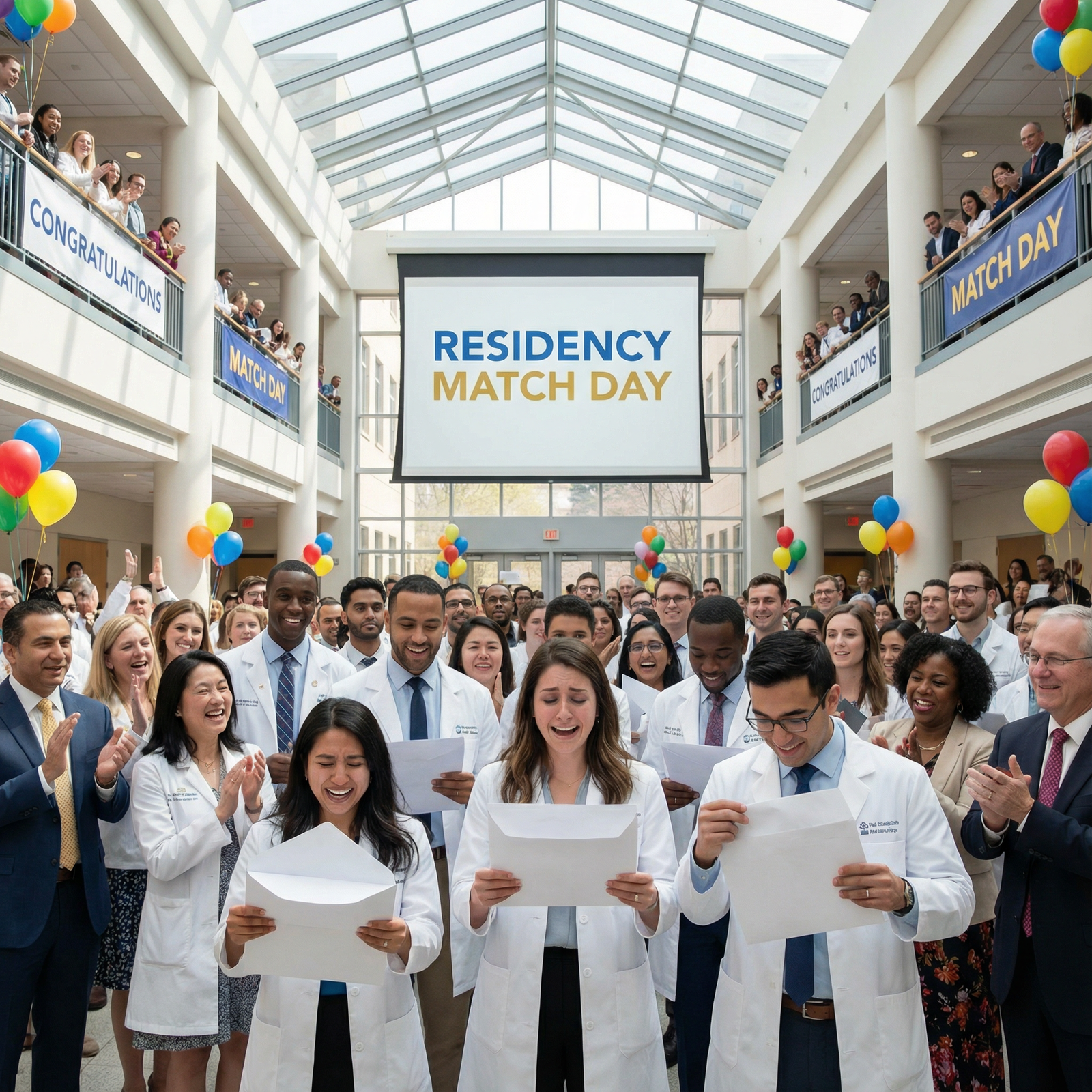
Does matching at your home institution really mean you aimed too low?
That’s the myth. And it’s a lazy one.
A lot of applicants absorb this weird prestige script during interview season: if you stay home, you must have lacked ambition, played it safe, or failed to “trade up.” I don’t buy it. More importantly, the day-to-day reality of residency doesn’t buy it either. Residency doesn’t start as a branding exercise. It starts as a job. A hard one. A sleep-depriving, cognitively overloaded, emotionally expensive job where the first few months can feel like trying to sprint while assembling the track beneath your feet.
So let’s define what “helping your residency start” actually means. Not ego. Not dinner-party optics. I mean smoother onboarding, earlier role clarity, faster access to mentors, fewer logistical headaches, and a cleaner transition from student to intern. That stuff matters. A lot.
Now, the honest part: a home match is not automatically better for everyone. Sometimes leaving is exactly the right move. Sometimes you need a different clinical environment, a fresh start, or a stronger fit elsewhere. Fine. But the default assumption that leaving is inherently superior? That’s not wisdom. That’s narrative pollution.
Here’s the contrarian truth: prestige culture tends to overrate geographic novelty and underrate operational readiness. In the first critical months of residency, friction is the enemy. If a home match removes friction, it’s not a consolation prize. It’s a head start.
1) You already know the system, the people, and the unspoken rules
This is the most obvious advantage, and somehow people still underestimate it.
At your home institution, you already know where things live. Not just physically—though yes, knowing which stairwell actually gets you to radiology faster matters more than applicants like to admit. You also know the electronic health record, the note templates, the paging culture, the weird consult etiquette, the way sign-out actually happens versus the way it’s described at orientation.
That’s not trivial. That’s cognitive offloading.
Intern year is basically a nonstop tax on attention. Every ounce of unnecessary confusion costs you energy you could be spending on medicine. If you don’t have to waste brainpower figuring out where to find the CHF order set, who the overnight pharmacist is, or whether your senior prefers a verbal update before or after the chart is cleaned up, you start ahead.
I’ve seen this play out repeatedly. The home student turned intern often gets to competence faster not because they’re smarter, but because they’re not drowning in preventable uncertainty. They know which attending wants concise one-liners and which one wants the full thought process. They know whether “call me anytime” actually means call me anytime. They know how the culture handles mistakes. That last one matters enormously.
And let’s kill another bad take: “Starting fresh makes you more adaptable.” Not necessarily. Sometimes starting fresh just means carrying a bigger cognitive load while doing the same hard job. Adaptability is great. But in July, efficiency beats performative reinvention.
Social capital helps too. And no, that’s not the same as favoritism. It’s simply the advantage of already having working relationships. People know your name. They’ve seen you on service. They have some baseline trust. In a high-stakes environment, that trust buys speed, access, and better communication.
2) Mentorship becomes actionable, not theoretical
A lot of mentorship in medicine is fake functional. It sounds nice. It photographs well. It’s full of vague lines like, “Let me know how I can help.”
That is not the same as real support.
At a home institution, mentorship often becomes usable. Practical. Immediate. The attending who wrote for you last year doesn’t need a reintroduction. The program director who saw your sub-I already knows how you present, where you hesitate, and what kind of feedback actually changes your performance. The faculty researcher you worked with doesn’t need six months to figure out whether you’re reliable.
That continuity changes everything.
Instead of generic encouragement, you get specific guidance: which elective to front-load, which clinic pairing fits your goals, how to protect time for a research manuscript already in progress, when to ask for help, who to avoid for a first high-stakes presentation, which opportunities are real and which are departmental theater.
That’s the difference between mentorship as branding and mentorship as infrastructure.
There’s also a quieter benefit here: advocacy. Home mentors can often advocate more effectively because they have longitudinal context and institutional credibility. When they say, “She’s ready for this,” or “He’d thrive in this committee role,” people listen differently because those mentors aren’t guessing. They’ve watched you over time.
And yes, the broader educational literature supports the basic principle here: continuity in supervisory and mentoring relationships tends to improve guidance, strengthen professional identity formation, and reduce transition stress. That shouldn’t be surprising. Humans do better with trust, context, and repetition. Medicine isn’t exempt from basic psychology.
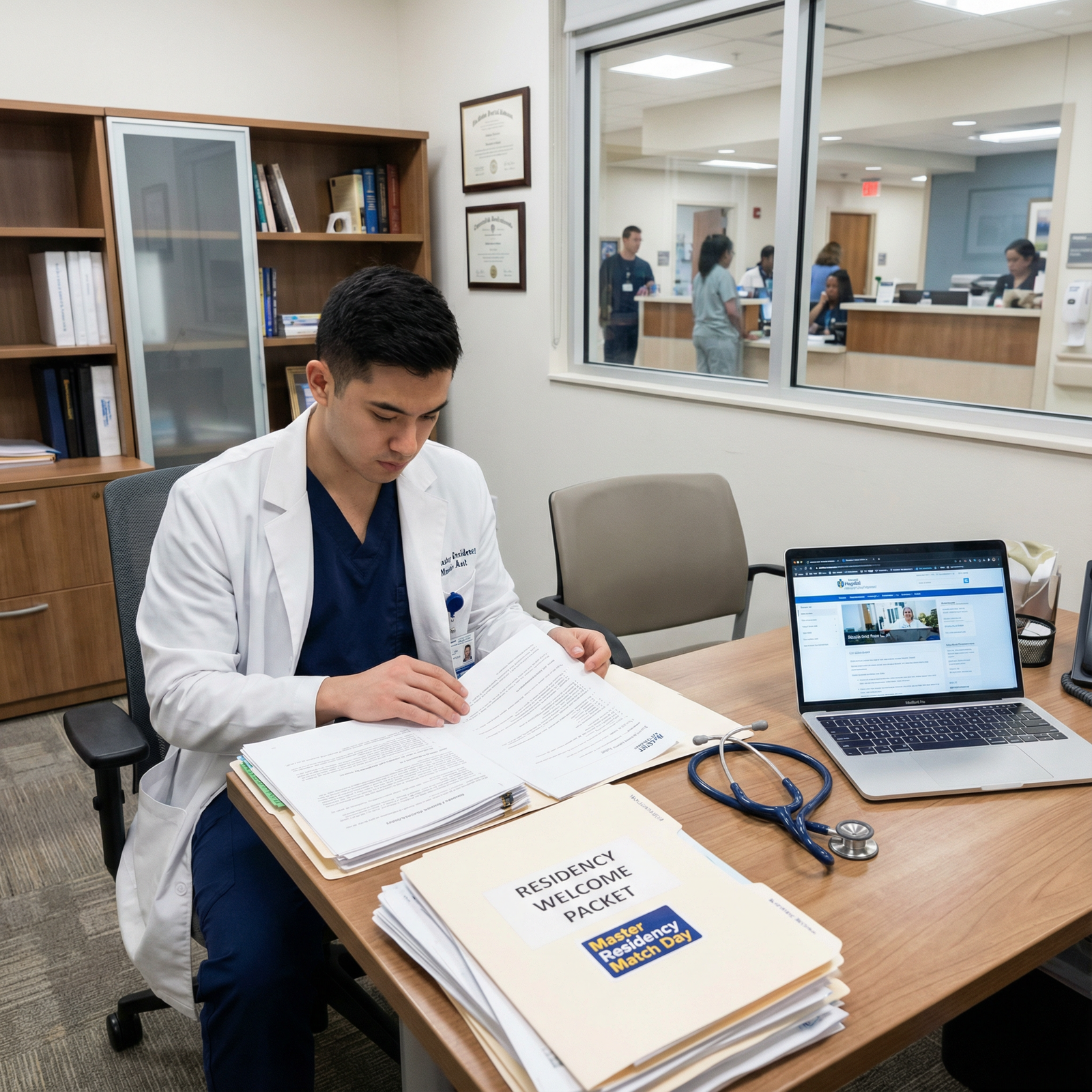
3) Fewer logistics means more energy for learning and patient care
This one gets dismissed far too easily, usually by people who are not packing a U-Haul, hunting for daycare, transferring licenses, or trying to keep a relationship intact across state lines.
Logistics are not a side issue. They are the issue if they wreck your sleep and concentration.
A home match often reduces a whole stack of transition burdens: moving costs, apartment hunting, changing utilities, figuring out a new commute, learning a new city, relocating a partner, disrupting childcare, and sorting out endless administrative nonsense. Even when not all of that disappears, a lot of it gets easier.
And that matters clinically.
Fatigue, distraction, and chronic background stress don’t stay politely in your personal life. They show up on rounds. They show up in your ability to retain feedback, think clearly at 5:30 a.m., and notice the subtle change in a patient who’s getting worse. People love to romanticize “grit” in residency. Fine. Grit matters. But so does reducing avoidable chaos before one of the hardest professional transitions of your life.
I’ve watched interns spend June dealing with cross-country housing disasters and start July already depleted. I’ve watched others stay local, keep their support network, maintain a stable routine, and start with enough reserve to actually learn. Guess who usually looks more composed by week three?
Not because they’re tougher. Because they’re less fragmented.
If a home match means your groceries, your gym, your childcare, your support system, and your route to the hospital are already solved, that is not boring. That is a competitive advantage.
4) You can hit the ground running in scholarship, advocacy, and clinical growth
Another myth: you need to leave to expand your opportunities.
Sometimes. Not always. And definitely not by default.
A home match can let you continue momentum instead of rebuilding it. That quality improvement project you helped design as a student? You may be able to step right back into it. That research paper sitting in revisions? Easier to finish when your collaborators are down the hall. That advocacy effort, curriculum committee, or department initiative you already understand? You’re not starting from zero. You’re starting mid-stride.
That’s powerful.
Residency is crowded. Time is scarce. The people who make early progress often aren’t the ones with the flashiest backstory; they’re the ones who can plug in quickly and contribute in ways the institution already values.
There’s also a population-health angle here. If you trained as a student in the same health system, you often understand the local patient population better—the recurring barriers, the clinic bottlenecks, the language access gaps, the discharge failures everyone complains about but nobody fixes. Familiarity can sharpen your eye for what actually needs work. That makes your scholarship and advocacy more useful, not just more publishable.
So no, moving institutions does not automatically broaden opportunity. Sometimes continuity creates impact faster. Immediate traction beats hypothetical possibility.
5) A home match can improve confidence—and confidence improves performance
Let’s be precise. Confidence is not swagger. It’s not arrogance. It’s not thinking you know everything.
It’s reduced uncertainty.
And reduced uncertainty helps people function better in complex environments. When you feel locally grounded, you tend to ask questions sooner, escalate concerns earlier, and communicate more clearly because you’re not burning mental energy on whether you even understand the room.
That matters in intern year.
The home-match intern often starts with a small but meaningful advantage in professional identity. They don’t feel like a total outsider. They already know, at least in part, how this institution talks, teaches, documents, and recovers from mistakes. That sense of belonging can lower the threshold to say, “I’m worried about this patient,” or “I don’t know what to do next.” Those are good sentences. Safe sentences. Competent sentences.
And no, this isn’t an argument for complacency. Familiarity can make people sloppy if they let it. But that’s not the goal. The goal is to remove enough unnecessary unknowns that you can spend your mental bandwidth on medicine, teamwork, judgment, and growth.
That’s why I push back so hard against the idea that a home match is somehow lesser. If it lowers friction, strengthens support, and helps you become effective faster, then it’s doing exactly what a good training start should do.

A home institution match isn’t automatically the best outcome. But the smug assumption that it’s a lesser one is wrong.
Here’s what the data and lived training reality actually show: continuity has value. Real value. Knowing the system shortens the learning curve. Existing mentors can offer practical, targeted support. Fewer life disruptions preserve energy for patient care and learning. Ongoing projects gain momentum instead of stalling. And a little less uncertainty can produce a much better start.
So if you match at home, don’t let prestige mythology sour it. You didn’t necessarily “stay put.” You may have set yourself up to start stronger.
That’s not settling. That’s strategy.