When You and Your Best Friend Match to Very Different Programs
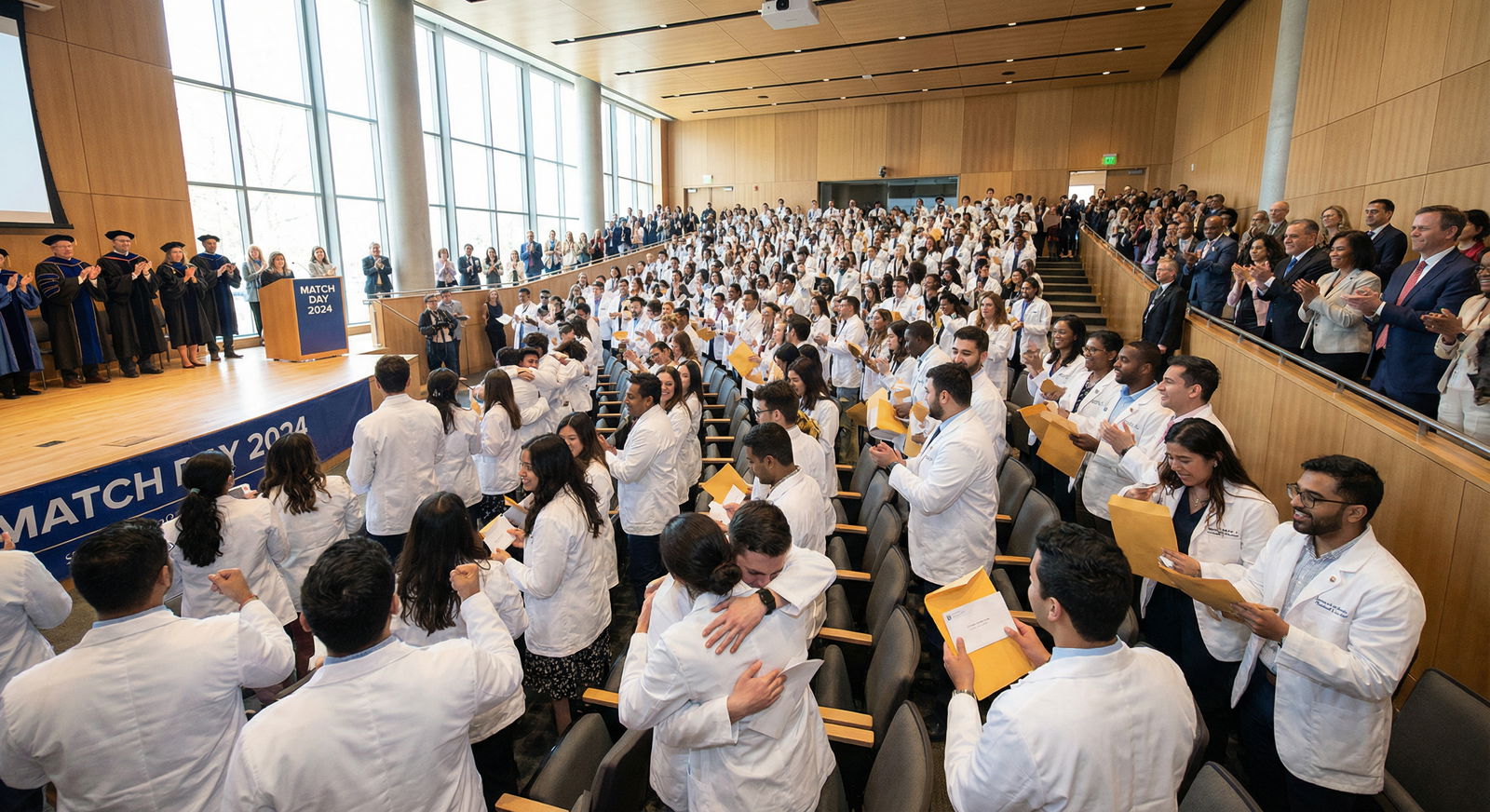
What happens when you rip open your Match envelope, see your program, turn to your best friend—and realize your paths just split in a big way?
I am talking about the exact moment where:
- You matched your reach program and they scrambled into a backup.
- You landed a big name academic center and they matched a small community hospital.
- You matched halfway across the country while they stayed local.
Or the reverse: they just hit the prestige jackpot and you did not. And you’re trying to smile while your stomach drops.
If you are in that situation (or can see it coming), here’s how to handle it without wrecking the friendship or poisoning your own start to residency.
| Category | Value |
|---|---|
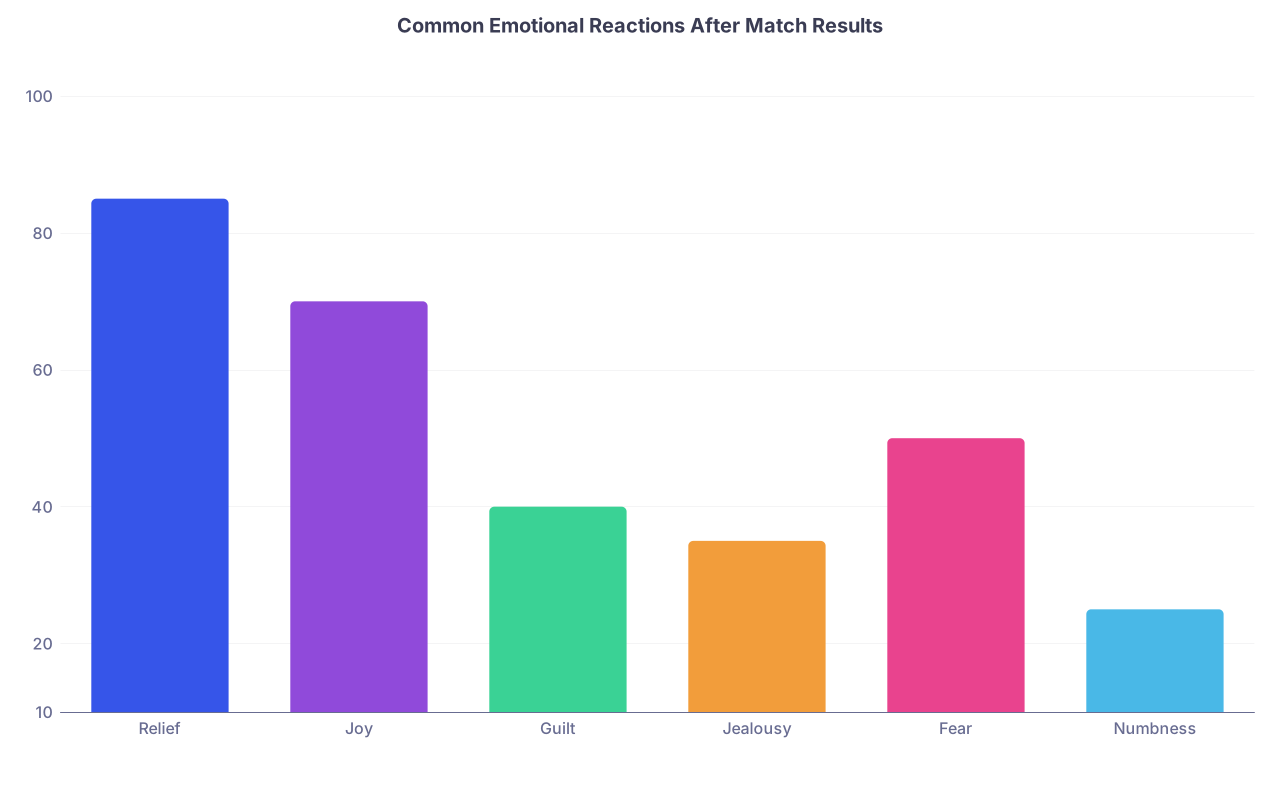
| Relief | 85 |
| Joy | 70 |
| Guilt | 40 |
| Jealousy | 35 |
| Fear | 50 |
| Numbness | 25 |
First Hour: What To Do Right After You Open the Envelope
The first hour sets the tone. People say dumb things in that hour they spend months trying to undo.
If you did “better” on paper
You matched your top choice academic program. Your best friend matched a backup they clearly didn’t want. You can see it on their face.
Here’s what you do:
Do not narrate your win. Do not say:
- “Oh my god, I got [Big Name]. This is insane. I did not even think I had a shot.”
- “This is literally my dream program.”
You can feel that inside. You don’t need to perform it in front of someone who just got punched in the gut.
Ground yourself before you move. Take 10–20 seconds. Breathe. Fold your paper. Put it in your pocket or hold it low. The goal is to lower the volume on your own emotional fireworks before you say anything to them.
Look at their face before you talk. If they look:
- happy → celebrate with them
- stunned/confused/teary → switch into support mode
You already know their tells. Use that.
Use one neutral, human line. Something like:
- “Hey. You ok?”
- “Talk to me. What did you get?”
Then stop. Let them answer. Do not immediately launch into your details.
Avoid the fake minimization. Don’t say:
- “Program names don’t matter at all.”
- “Honestly I wish I were closer to home like you.” (If that’s clearly not true.)
They can feel the lie. It makes you sound condescending.
Instead:
- “I know this wasn’t what you wanted. I am here, whatever you’re feeling is fine.”
Calm. Simple. No spin.
If you feel like you “lost”
Your best friend matched their reach program. You matched somewhere that was halfway down your rank list or lower. Or in a location/setting you really did not want.
Here’s what you do:
Allow your first reaction privately, as much as possible. You don’t have to perform happiness immediately. Step into the bathroom / hallway for 2 minutes if you can. Cry. Swear. Text one trusted person: “Matched, but not where I wanted. Will call later.” Then come back.
Don’t punish your friend for matching well. It’s not their fault they got their dream program. You don’t need to cheerlead, but you also don’t need to:
- Go flat and cold.
- Say things like, “Wow, must be nice.”
- Avoid eye contact all day.
You can say something like:
- “I’m honestly processing my own stuff, but I am happy you got your top choice.”
Notice: it’s honest, not fake-happy. That’s fine.
- Give yourself a rule: no comparing programs today.
No: “Your program is ranked X and mine is…whatever.”
No: “They have X fellowship pipeline, mine doesn’t.”
You’re not in the headspace to compare logically. You’ll just cherry-pick reasons to feel worse.
The first hour is triage. Protect the friendship from impulsive, emotional shrapnel.

| Step | Description |
|---|---|
| Step 1 | Open Match Result |
| Step 2 | Celebrate together |
| Step 3 | Offer support |
| Step 4 | Share basics only |
| Step 5 | Ask how they feel |
| Step 6 | Give space if needed |
| Step 7 | Plan deeper talk later |
| Step 8 | Friend reaction |
That Night: The First Real Conversation
Once the noise dies down—families leave, group photos are taken, social media calms—you and your friend will probably have a quieter moment. This is where you either strengthen or crack the relationship.
If you matched “up” and feel guilty
Guilt is common. I’ve heard lines like:
- “I feel like I stole her spot.”
- “He worked harder than I did; I don’t get why I matched better.”
Here’s what you actually do:
Say something real, not a speech. You could say:
- “I know this match is really different for both of us. I’m excited about my program, but I’m also thinking about how you’re feeling.”
Acknowledge the difference without turning it into a hierarchy. Not: “My program is just objectively better.”
Not: “I feel so bad that you ended up in a lower-tier place.”
Try:
- “Our programs are really different, and it’s a lot to process. I don’t want this to get weird between us.”
Invite honesty—but don’t interrogate.
- “If you ever feel weird about this, I’d rather you tell me than pull away.”
Then actually shut up and let them respond.
- “If you ever feel weird about this, I’d rather you tell me than pull away.”
Drop the survivor guilt logic. You didn’t “steal” anything. Programs rank lists. Applicants rank lists. The algorithm does the rest. You can feel compassion for your friend without rewriting reality as you having committed a crime.
If you matched “down” and feel jealous, angry, or ashamed
You’ll probably feel a mix: happy for them, hurt for you, maybe resentful. That’s normal. The key is what you do with it.
Name it to yourself first. Literally:
- “I am jealous.”
- “I am hurt I didn’t match higher.”
Emotions you name clearly are easier to keep from leaking out sideways as passive-aggression.
Decide one clear boundary for that night. For example:
- “I’m going to be there enough to say congrats and take a photo, but I’m not staying at the bar until 2 a.m.”
Or: - “I’ll tell them honestly: I’m still raw and might be a little quiet.”
- “I’m going to be there enough to say congrats and take a photo, but I’m not staying at the bar until 2 a.m.”
If you can manage it, offer one direct line of support.
- “I know I’m off today, but I am genuinely glad you got what you wanted.”
That’s it. You don’t have to fake party-mode on top of your grief.
- “I know I’m off today, but I am genuinely glad you got what you wanted.”
Avoid the slow drip of resentment. Watch for phrases like:
- “Must be nice for you.”
- “Well, some of us don’t have attendings who pick up the phone for them.”
That kind of commentary destroys trust over time. If you feel that bitter, get distance, not digs.

Weeks 1–4: Recalibrating the Friendship Before Residency Starts
The weeks after Match are weird. Everyone’s posting “So excited to join X program!” while privately spiraling about moving, housing, visas, Step 3, whatever.
This is when you and your friend either recalibrate or slowly drift into awkwardness.
Practical ground rules that actually help
Limit program comparison talk for a while. Especially:
- “What’s your salary? What’s your research infrastructure? How many ICU months?”
Give it a few weeks. Early on, those conversations sound like ranking people’s worth.
- “What’s your salary? What’s your research infrastructure? How many ICU months?”
When you share good news, package it with awareness. You do not need to hide your wins. But consider the timing and framing:
- Text: “Hey, I got an email that I’ll be on the cardiology track—pretty excited. How are things going with your program setup?”
Instead of: - “OMG I got the EXACT rotation schedule I wanted this is insane look at these chiefs!!!” plus 7 screenshots.
- Text: “Hey, I got an email that I’ll be on the cardiology track—pretty excited. How are things going with your program setup?”
Watch the “prestige flex” on social media. If your friend is hurting, endless reposts of every single faculty shoutout, every “So honored to join the #1 program in X” tag can sting. Post what you want, but maybe avoid tagging your friend every time like, “We did it!” when you clearly landed in very different situations.
Keep one ritual that has nothing to do with medicine. Weekly coffee, a standing phone call, trash TV watch night, gaming online. Pick something and say:
- “No residency talk for the first 20 minutes.”
It sounds silly. It works.
- “No residency talk for the first 20 minutes.”
Have one explicit “What happens to us now?” conversation
People skip this because it feels corny. Then they wonder why they drift.
Say something like:
- “We’re about to start really different lives in really different places. I don’t want this to be one of those med school friendships that just dies. What do we want this to look like next year?”
Then talk specifics:
- How often do you want to talk realistically?
- Calls or voice messages or texts?
- What’s off-limits when either of you is post-call and fried?
Set expectations now instead of guessing later.
| Timeframe | What To Talk About | What To Avoid |
|---|---|---|
| Week 1–2 | Feelings about Match, logistics, basic plans | Deep program ranking, who is “better” |
| Week 3–4 | Housing, moving, schedules, support needs | Bragging or catastrophizing about programs |
| Month 2–3 | New city life, first impressions | “My program vs your program” debates |
When The Gap Feels Huge: Different Coasts, Different Tiers, Different Lives
Sometimes it’s not just “different programs.” It’s:
- You at a famous academic center doing categorical IM
- Them at a small community transitional year, reapplying, or in prelim limbo
Or: - You in a big city with 20 residents per class
- Them the only resident in their specialty at a rural hospital
This is where the power dynamics creep in if you’re not careful.
If you’re at the “name-brand” program
People around you will say things like:
- “You’re set for fellowship.”
- “Our residents are the cream of the crop.”
Yes, it feels nice. No, you don’t need to repeat this to your friend in every other conversation.
Tangible rules:
Never talk about your program like it’s the center of the universe. Avoid constant:
- “Well at [My Program] we…”
Especially when they’re venting about their own place.
- “Well at [My Program] we…”
Share struggles, not just highlights. Your friend does not need you to pretend everything is perfect. Talk about:
- The brutal call schedule
- The attending who humiliated you in front of the team
- The imposter syndrome when you compare yourself to your co-residents
It balances the narrative from “I’m in heaven, you’re in hell” to “Residency is hard everywhere, just in different ways.”
- Offer help without savior energy.
Good:
- “If you ever want someone to look over an email to a PD or a fellowship director, send it my way.”
Bad: - “I can totally get you into my program if you want. We have so much more to offer than your place.”
- “If you ever want someone to look over an email to a PD or a fellowship director, send it my way.”
You can open doors without making them feel small.
If you’re at the “less prestigious” or more isolated program
First: the hierarchy is real in the culture. But it’s not absolute. Plenty of “smaller” programs train phenomenal physicians. Still, the feelings are there.
What to do:
- Stop narrating your own program as inferior.
Lines like:
- “Well, I’m just at some random community place.”
- “It’s nothing like your program, obviously.”
Sound like jokes, but they chip away at your own confidence. And they create a weird script your friend has to constantly argue with.
Instead:
- “It’s a smaller program. Fewer research options, but I’m getting a lot of hands-on time.”
Neutral. Accurate. Not self-hating.
Decide ahead of time what you want from the friendship. Do you want:
- Emotional support only?
- Mentorship help, connections, maybe letter feedback?
Be honest with yourself. It is okay to use your network + their network as combined strength, if you don’t turn it into “they’re the star, I’m the charity case.”
Use them as a mirror for your growth, not your worth. Instead of:
- “They already have X publications; I’ll never catch up.”
Try: - “What are 1–2 things I can do this year in my program to move toward my longer-term goals?”
- “They already have X publications; I’ll never catch up.”
Define moves, not shame.
| Category | Value |
|---|---|
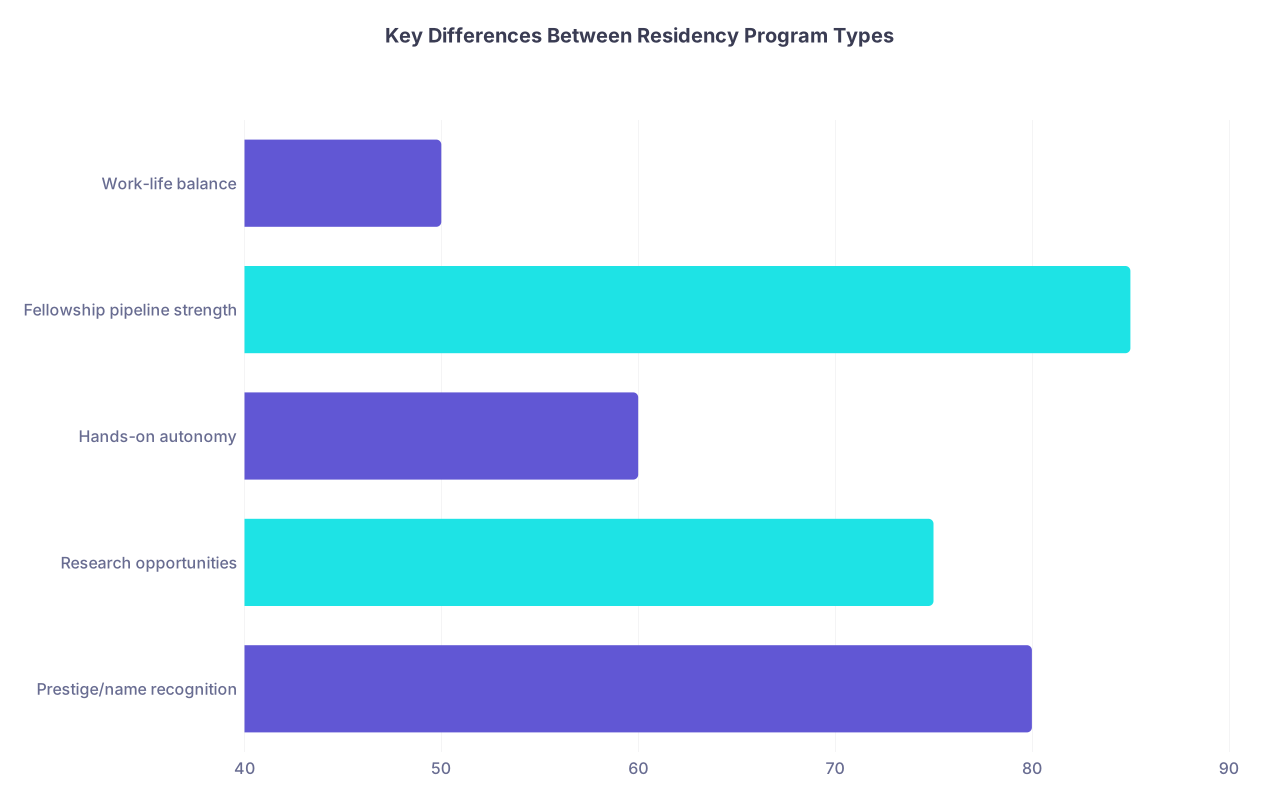
| Prestige/name recognition | 80 |
| Research opportunities | 75 |
| Hands-on autonomy | 60 |
| Fellowship pipeline strength | 85 |
| Work-life balance | 50 |
When Envy or Resentment Spikes Later (Because It Will)
The resentment doesn’t always hit Match Day. It shows up:
- When one of you gets a big fellowship interview list.
- When one of you fails Step 3 or doesn’t get their preferred schedule.
- When one posts OR pics with “best attending ever” and the other is drowning in scut.
Here’s how to not let those spikes casually kill the friendship.
Signal when you’re not in a good headspace to hear good news
If you’re having a miserable week and your friend texts:
“Guess what!!!”
you’re allowed to say:
- “Hey, I want to hear, but I’m in a really rough headspace today. Can I ask you to tell me this weekend when I can actually handle good news?”
That’s maturity. Saying nothing and then seething as they share is how resentment grows.
When you’re the one with the good news
Before info-dumping, especially if you know they’re struggling, you can lead with consent:
- “I have some good news about fellowship stuff—do you have the bandwidth for that right now?”
If they say “honestly not today,” don’t sulk. They’re managing their capacity, not rejecting you.
Do not compete on suffering either
The flip side is weird martyr competitions:
- “You’re tired? I just did 28 hours in the ICU.”
- “You think your PD is bad? Mine literally said…”
Take turns. You vent. They listen. Then switch. You’re not trying to win “Most Miserable Resident.”

How To Keep the Friendship Strong Through Different Paths
Let’s talk about what actually keeps this kind of friendship alive.
1. Give each other permission to change
You will not be the same people at the end of intern year.
Night float, codes, bad outcomes, attending personalities, moving, all of it will reshape you.
Say this out loud:
- “We’re both going to change a lot the next few years. I want us to stay close, but I do not expect us to be the exact same people we were M3 year.”
Then act like you mean it. Ask real questions:
- “What’s something residency has changed about how you see medicine?”
Instead of only: - “So how’s your program?”
2. Keep some conversations completely non-medical
You both need a break from residency identity. Use the friendship for that:
- Talk about the book you’re reading (or haven’t started).
- Gossip about old classmates.
- Debate movies, games, anything that doesn’t involve call schedules.
On brutal weeks, agree: “No work talk tonight, I don’t care if the hospital burns down.”
3. Be explicit about loyalty
Distance and disparity in perceived “success” create paranoia. People start wondering:
- “Are they embarrassed by me?”
- “Do they think I held them back?”
Say the opposite clearly:
- “You’re still my person. I don’t care what our email signatures say or where we trained.”
Cheesy? Maybe. Necessary? Also yes.
4. Allow a graceful fade if it becomes unhealthy
Not every friendship survives. If the dynamic turns into:
- Constant comparison
- One-sided emotional labor
- Walking on eggshells 24/7
You’re allowed to scale back. You don’t have to have a big fight. You can gently:
- Respond less frequently.
- Skip some calls.
- Let it settle into “we talk every few months” instead of “we talk every day.”
That’s not a failure. It’s adjusting to reality.
Final Check: If You’re In This Situation Right Now
If you and your best friend just matched to very different programs:
- Do not let your first hour after Match Day wreck years of friendship. Lower the volume, watch your words, and don’t perform your emotions on top of their pain (or vice versa).
- Have at least one honest conversation in the weeks after Match about what your friendship looks like going forward—how often you’ll talk, what’s hard, and what’s off-limits for now.
- Fight the comparison trap long-term. Use each other as support and perspective, not as a measuring stick for your own worth. Different programs do not mean one of you “won” and the other “lost.”